
What Is Portable Sensory Equipment and Its Benefits?
Portable sensory equipment is specifically designed to enhance sensory experiences for children, particularly those with special needs.
These tools, including tactile discs and weighted items, are highly portable, making it easy to create tailored sensory environments whether at home, in school, or during therapy sessions.
By using this equipment, you can help reduce anxiety in your child, improve their motor skills, and foster better emotional regulation.
This makes exploration not only safer but also more engaging for them.
Next, we’ll guide you on how to choose the right sensory tools that best suit your child’s unique needs.
Key Takeaways
- Portable sensory equipment enhances sensory experiences for children with special needs, promoting emotional regulation and cognitive development.
- Items like tactile discs and weighted tools provide immediate sensory stimulation and support motor skills through physical interaction.
- These tools create structured environments for safe exploration, helping children navigate sensory challenges effectively.
- Portable equipment empowers caregivers and educators to tailor sensory spaces, improving focus and reducing anxiety in various settings.
- Regular use of portable sensory tools shows significant benefits for children with autism and ADHD, enhancing communication and critical thinking skills.
Understanding Portable Sensory Equipment
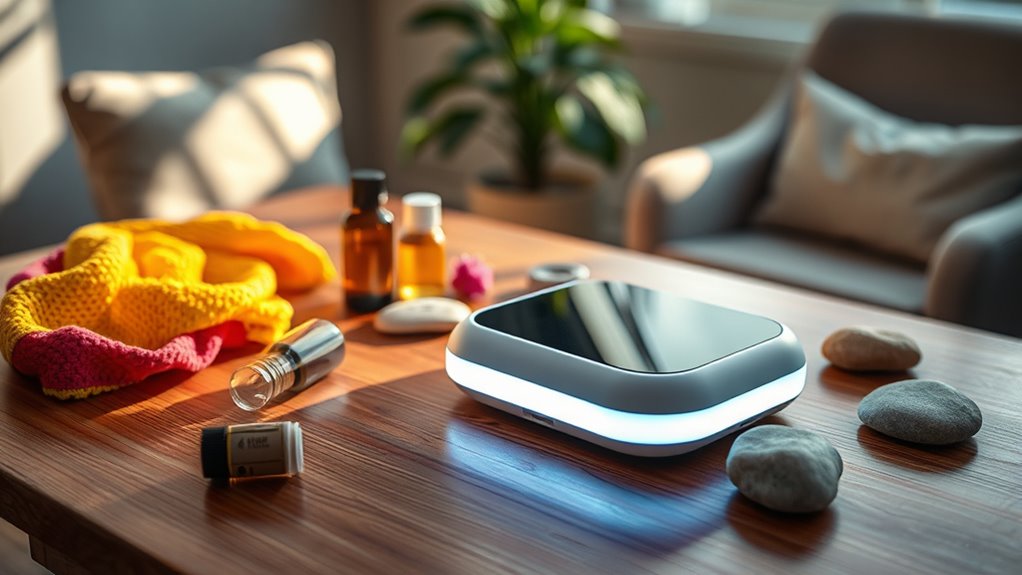
Portable sensory equipment plays an essential role in enhancing sensory experiences for children, especially those with special needs.
Designed for easy transport, this equipment brings sensory stimulation to various settings like homes, schools, and therapy environments.
You’ll find items like tactile discs and weighted tools in portable sensory kits, encouraging exploration and engagement.
These tools create sensory environments that support emotional regulation and cognitive development, helping children focus better and feel calmer.
By using portable sensory equipment, you empower caregivers and educators to tailor sensory spaces that meet individual needs, promoting the overall well-being of children.
This adaptability makes such equipment invaluable in nurturing healthy sensory experiences and fostering growth for children with special needs.
Key Benefits for Children With Special Needs
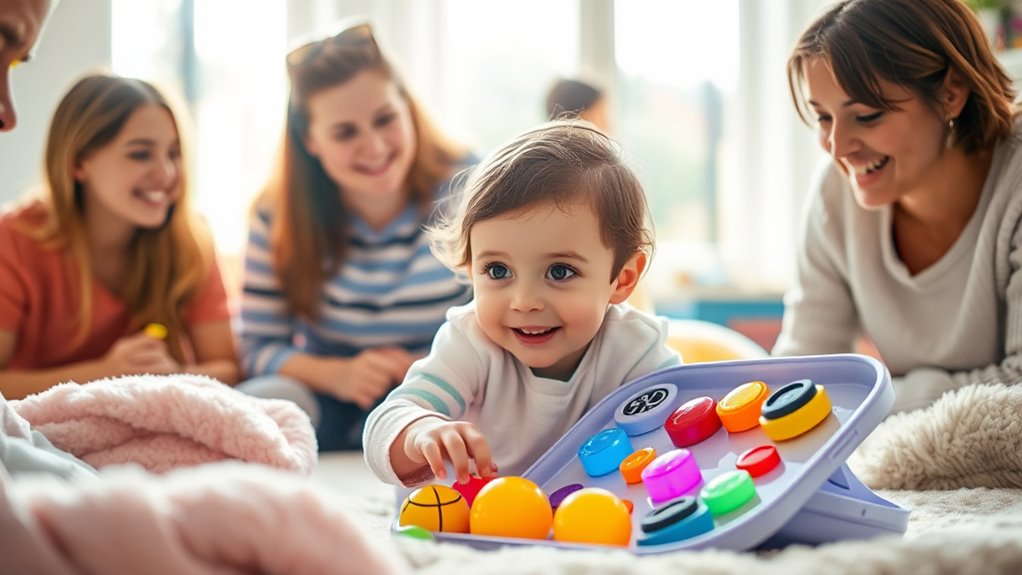
The benefits of portable sensory equipment for children with special needs are significant and far-reaching.
This equipment helps children with autism and sensory processing disorders engage through tactile exploration, enhancing their sensory processing skills.
It supports emotional regulation by providing calming tools that can reduce anxiety and behavioral issues.
Additionally, sensory kits promote fine and gross motor skill development as children interact with various textures and movements.
They also foster communication skills, allowing kids to express their interests through sensory toys.
Overall, these tools create a safe environment that helps neurodiverse children navigate sensory challenges.
| Benefit | Description |
|---|---|
| Emotional Regulation | Reduces anxiety and behavioral issues. |
| Motor Skills Development | Encourages physical interaction with textures. |
| Communication Enhancement | Facilitates expression through sensory toys. |
| Safe Exploration | Provides a structured environment for learning. |
Enhancing Sensory Integration Through Mobility
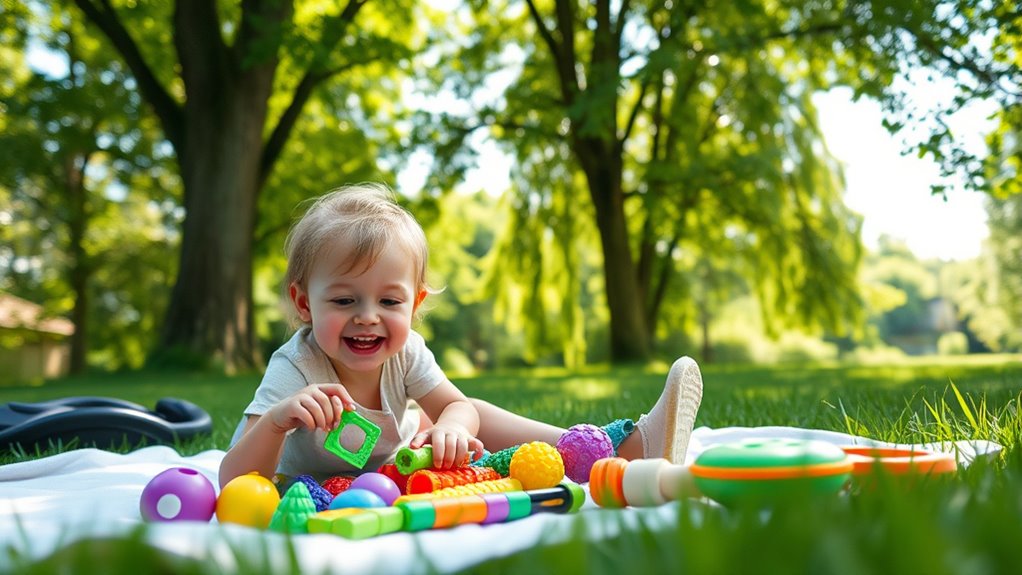
When you incorporate mobile sensory equipment into your child’s environment, you create opportunities for sensory integration that can greatly enhance their development.
Portable sensory equipment allows you to easily set up sensory-rich environments at home or in classrooms, providing immediate access to sensory stimulation.
This is especially beneficial for children facing sensory challenges.
Mobile sensory tools like tactile discs and weighted items help support their sensory processing.
By engaging with these tools, your child can explore various stimuli in familiar settings.
This exploration can improve their attention spans and emotional regulation.
Tailoring portable sensory rooms to meet individual needs fosters continued engagement.
Ultimately, this enhances their ability to process sensory information effectively and thrive in everyday situations.
Supporting Cognitive and Emotional Development
By incorporating portable sensory equipment into your child’s daily routine, you can greatly support their cognitive and emotional development.
Sensory equipment, like tactile discs and weighted items, enhances attention spans and concentration, particularly for children on the autism spectrum.
Engaging in sensory activities encourages critical thinking and problem-solving skills through sorting and matching tasks, essential for cognitive development.
Additionally, these tools promote emotional regulation, allowing your child to process feelings in a safe environment, which reduces anxiety.
As they interact with peers and caregivers during sensory activities, communication skills improve, fostering both verbal and non-verbal expression.
Research shows that structured sensory experiences markedly bolster cognitive function, equipping your child with crucial skills for learning and socialization.
Practical Applications in Various Environments
Portable sensory equipment can transform various environments, making them more supportive for children with special needs.
These tools are perfect for schools, therapy centers, and home settings, enhancing the sensory environment for effective sensory integration therapy.
By providing engaging visual and tactile stimuli, they help improve focus and concentration, while reducing anxiety.
Engaging visual and tactile stimuli enhance focus, concentration, and reduce anxiety for children with special needs.
Items like tactile discs, weighted blankets, and aroma diffusers create diverse sensory experiences tailored to individual preferences, promoting emotional regulation and cognitive development.
Regular use of portable sensory equipment has shown significant benefits for children with autism and ADHD.
It can improve attention spans, motor skills, and social interactions.
Incorporating these tools into daily routines can make a meaningful difference in a child’s learning and overall well-being.
Choosing the Right Sensory Tools for Your Needs
Selecting the right sensory tools can greatly enhance the benefits of portable sensory equipment.
Start by considering the specific sensory needs of the individual.
Think about whether they prefer tactile, visual, or auditory experiences.
Look for portable equipment that’s easy to set up and can adapt to various environments, from classrooms to home settings.
Make certain the tools are appropriate for different age groups, particularly for children aged 6 and up, prioritizing safety.
Choose items that offer a variety of sensory experiences, like tactile discs or aroma diffusers.
These support sensory integration and emotional regulation.
Finally, select versatile tools that can serve both calming and stimulating purposes.
This way, you can effectively address varying sensory needs and enhance cognitive development.
Frequently Asked Questions
How Can I Clean and Maintain Portable Sensory Equipment?
You can clean portable sensory equipment by wiping it down with a damp cloth and mild soap. Regularly check for wear, store it properly, and follow the manufacturer’s cleaning guidelines to guarantee safety and longevity.
Are There Age Restrictions for Using Portable Sensory Tools?
Yes, there are age restrictions for using portable sensory tools. They’re designed for children aged 6 and up due to safety standards, and younger kids may face choking hazards from small parts in some kits.
Where Can I Purchase Portable Sensory Equipment?
You can conveniently acquire portable sensory equipment from specialized retailers, both online and in-store. Many suppliers offer tailored kits and individual items, ensuring you find exactly what you need to create enriching sensory experiences.
Can Sensory Equipment Be Used Outdoors?
Yes, you can use sensory equipment outdoors. It enriches experiences by engaging your senses with nature, promoting physical activity, and helping manage anxiety. Choose durable tools designed for outdoor conditions to maximize their benefits.
What Features Should I Look for in Sensory Equipment?
Look for sensory equipment that offers tactile, visual, and auditory stimuli. Confirm it’s portable, safe for the age group, and supports sensory integration. Interactive features can also enhance communication and social skills among users.
Conclusion
In a world where every child deserves to thrive, portable sensory equipment stands as a beacon of hope.
Just like a well-tuned orchestra, these tools harmonize sensory experiences, fostering growth and development.
By embracing mobility, you’re not just providing support; you’re opening doors to new possibilities.
So, whether it’s in a classroom or at home, choose sensory tools that resonate with your child’s unique needs.
Watch them flourish like a flower in the sun.
Portable sensory equipment allows for flexibility and adaptability, catering to various environments and situations.
When children have access to these resources, they can engage more fully, leading to improved focus and emotional regulation.
In conclusion, investing in portable sensory equipment is a game-changer for children with diverse needs.
These tools not only promote sensory integration but also encourage independence and confidence.
Embrace the journey of growth by choosing the right sensory tools that align with your child’s individual experiences.