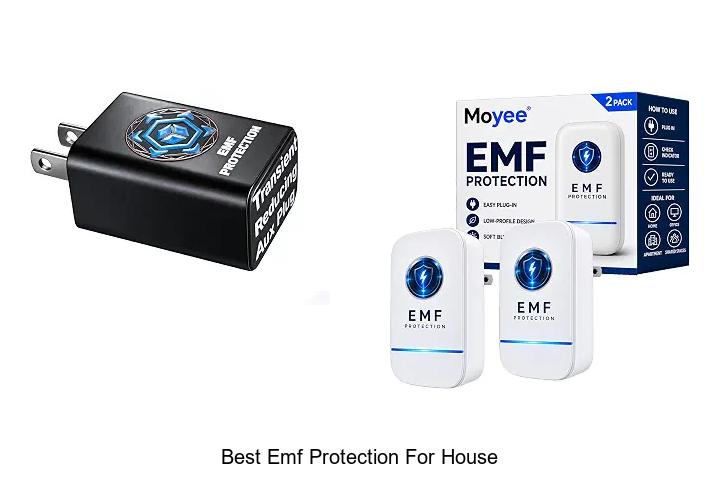
10 Best Emf Protection for House: Expert Picks Guide
Your home should feel safe, but EMF exposure can make that harder to ignore. Many people now want a simple way to reduce signals from nearby devices, appliances, and wiring.
It is written for homeowners, renters, and families who want practical options without confusing claims. You will see which features matter, how each product fits into daily use, and what kind of protection it may offer.
The goal is to help you compare choices with confidence and find a fit for your home. This article will cover product quality, ease of setup, coverage, and real-world value.
Best EMF Protection Options for Your Home
| Image | Product | Price |
|---|---|---|
Pick 1  | EMP & EMF Shield for Home (Gen 2) | Check Price On Amazon |
Pick 2  | EMF Protection Plug-in Device 2 Pack | Check Price On Amazon |
Pick 3  | EMF Protection Whole Home Shield | Check Price On Amazon |
1. EMP & EMF Shield for Home (Gen 2)
Household electromagnetic concerns meet a compact plug-in solution here. The second-generation design aims to handle both EMP and daily EMF exposure.
The appeal starts with its dual protection approach and small footprint. It fits standard AC outlets and works with generators or inverters.
The unit is designed for up to 2000 square feet of coverage. That makes it suitable for larger homes or shared living spaces. Its compact build looks cleaner than bulkier first-generation blockers.
The white and black finish blends into most rooms and outlets. According to the product details, it acts as both a blocker and harmonizer. It uses resonant frequency technology to neutralize disruptive electromagnetic energies.
The maker also says it helps with lightning, solar flares, and daily electrical emissions. Setup is simple, since it only needs a plug-in outlet connection. The lightweight body should make placement easy in any room.
It suits buyers who want simple whole-house style coverage. It may appeal most to people who value compact hardware and dual-function protection.
Pros
- Dual protection against EMP and EMF exposure
- Compact design fits discreetly into outlets
- Works with outlets, generators, and inverters
Cons
- Meter readings may not show changes
- Uses energy-field claims rather than physical blocking
- Coverage depends on home layout and placement
Who Should Buy It?
People wanting a compact, plug-in protection device may like it. It suits homes that need coverage for outlets, generators, or inverters. Buyers who prefer a discreet design will appreciate its smaller size.
It also fits users interested in dual EMP and EMF protection. Those who want straightforward installation without complex setup may find it appealing.
Key Specifications
| Specification | Details |
|---|---|
| Coverage Area | 2000 Sq Ft |
| Technology | Resonant frequency technology |
| Type | EMF blocker and harmonizer |
| Installation | Plug-in for outlet, inverter, generator |
| Voltage | 110v or 220v |
| Dimensions | 3.62 x 2.6 x 1.22 inches |
| Weight | 1.41 ounces |
The listed 2000 square foot coverage suggests use across a full home. That size suits larger rooms, open layouts, or multi-room setups. The plug-in design works with standard 110v or 220v outlets. It also supports portable generators and inverters. At 3.62 by 2.6 by 1.22 inches, it stays compact. The 1.41-ounce weight makes placement easy and unobtrusive.
Resonant frequency technology is the core method described by the maker. It is presented as a blocker and harmonizer in one device. That may appeal to buyers wanting a simple outlet-based setup. The small size helps it blend into living spaces without clutter. Its light weight also makes it easy to move between outlets. People using generators or inverters may find the added compatibility useful.
2. EMF Protection Plug-in Device 2 Pack
A simple plug-in design makes home EMF coverage feel easy and low-maintenance. The two-pack format gives you room-to-room placement for bedrooms, offices, or living areas.
Each unit is built for up to 3,000 square feet per level, which supports broad coverage across a home. The smart neutralizing circuit is designed to help neutralize chaotic electromagnetic field energy from common indoor electronics and wiring.
Setup stays straightforward, since each device plugs into a standard wall outlet with no tools, wiring, or apps. A soft blue indicator light shows when it is running, and the slim body keeps the outlet area tidy. Dual-voltage support makes it usable at home, in offices, or while traveling.
The compact 3.2-ounce design also makes it easy to move between rooms or pack for trips. It suits households wanting quiet, continuous EMF protection without bulky hardware or complicated installation.
Pros
- Two units offer flexible room-to-room placement.
- Simple plug-in setup needs no tools.
- Dual-voltage design works for travel.
Cons
- Coverage depends on outlet placement.
- No detailed performance measurements are provided.
- Blue indicator light may not suit everyone.
Who Should Buy It?
Buyers who want a simple, low-profile plug-in option should consider it. The two-pack works well for larger homes, multi-floor layouts, or separate rooms that need coverage. It also suits people who want a travel-friendly device for hotels or offices.
Households that prefer quiet operation and easy setup will appreciate the plug-and-leave design.
Key Specifications
| Specification | Details |
|---|---|
| Coverage Area | Up to 3,000 sq ft per level |
| Technology | Smart neutralizing circuit |
| Type | Plug-in EMF blocker and neutralizer |
| Installation | Plugs into a standard wall outlet |
| Voltage | 110V-220V dual voltage |
| Dimensions | 5 x 2.7 x 2.3 inches |
| Weight | 3.2 ounces |
The listed coverage area reaches up to 3,000 square feet per level. In everyday use, that means one unit is meant to support large rooms, living spaces, or an entire floor. The plug-in format keeps setup simple, since it fits a standard outlet. The smart neutralizing circuit is intended to help manage electromagnetic field energy from common electronics and wiring in the home, office, or other indoor spaces.
The dual-voltage range of 110V to 220V makes the device usable in many settings, including travel. Its compact 5 x 2.7 x 2.3 inch size helps it sit close to the wall without crowding nearby outlets. At 3.2 ounces, it is light enough to move between rooms or pack for trips. These specs suit people who want flexible placement, simple setup, and a discreet device for daily use.
3. EMF Protection Whole Home Shield
Whole-home EMF coverage gets simple with a compact plug-in device. It aims to suit houses, apartments, offices, and workshops alike.
The EMF Protection Whole Home Shield uses 260 plus embedded and encoded Harmonic Resonant frequencies. According to the product details, these frequencies help transform disruptive electromagnetic emissions into a balanced energy field. It is designed for up to 5,000 square feet per level.
That makes it practical for broad coverage across one floor or multiple living spaces.
Setup stays easy, since the unit plugs into a standard outlet. The compact body sits flush against the wall and leaves nearby sockets available.
It works with both 110V and 220V electrical systems, and a travel adapter comes included. The device runs continuously after installation, with no maintenance required. Its light 6-ounce build and small dimensions make placement simple.
People wanting straightforward coverage for larger spaces will likely appreciate the low-effort design and broad stated reach.
Pros
- Covers up to 5,000 square feet per level
- Simple plug-in setup with no tools
- Works with U.S. and European outlets
Cons
- Needs one unit per floor for full coverage
- Effect depends on the home’s layout
- No maintenance details beyond continuous operation
Who Should Buy It?
Buyers with larger homes, apartments, offices, or workshops may find it appealing. It suits people who want a plug-in device that covers an entire floor without complicated installation. Travelers who need a portable option for hotels or vacation rentals may also like the included adapter and dual-voltage compatibility.
Key Specifications
| Specification | Details |
|---|---|
| Coverage Area | Up to 5000 square feet per level |
| Technology | 260+ embedded and encoded Harmonic Resonant frequencies |
| Type | Whole-home EMF blocker and neutralizer |
| Installation | Plug into a standard electrical outlet |
| Voltage | 110V and 220V compatibility |
| Dimensions | 5.94 x 3.66 x 2.72 inches |
| Weight | 6 ounces |
The listed coverage area is up to 5,000 square feet per level. That means one device can suit a large floor plan, such as a home, apartment, office, or workshop. The whole-home type and plug-in installation make it practical for spaces where people want broad coverage without wiring or setup work. Its small dimensions also help it fit into everyday outlets without blocking nearby plugs or adding clutter around the room.
The 260 plus encoded frequencies describe the core technology behind the device. According to the product details, they are meant to work with disruptive electromagnetic emissions rather than block signals directly. Dual-voltage support for 110V and 220V makes it useful in different settings, and the included travel adapter extends that flexibility. The light 6-ounce build helps with portability, while the flush wall fit may suit users who want a low-profile unit.
4. EMF Protection Whole House Plug-In Device

Large homes need broad coverage, and this plug-in harmonizer is built for that job. It aims to support up to 3,000 square feet per floor with a compact outlet design.
The device uses proprietary harmonic resonance, rather than signal blocking, to reform man-made electrical emissions. It is designed for homes and offices, and it keeps Wi-Fi and cell service working normally.
Setup is simple because no wiring or installation work is required. You plug it into any standard outlet, and it starts working right away.
The dual-voltage design makes it travel ready for hotel stays or international trips. Its small size helps it fit beside other plugs in kitchens, bedrooms, or workspaces.
Build quality looks practical, with a lightweight 5.64-ounce body and compact dimensions. It suits people who want broad coverage without added clutter or complicated setup.
Pros
- Covers up to 3,000 square feet per floor
- Simple plug-in setup with no wiring
- Compact shape preserves nearby outlet space
Cons
- Does not block Wi-Fi or cell signals
- Coverage claims are broad, not room-specific
- Works by harmonizing, not active shielding
Who Should Buy It?
Buyers with larger homes or office spaces may appreciate the wide coverage claim and simple plug-in setup. It also suits frequent travelers who want a compact, dual-voltage device for hotel rooms or international trips. People who prefer signal blocking should skip it, since it keeps Wi-Fi and cell service active.
Key Specifications
| Specification | Details |
|---|---|
| Coverage Area | Up to 3,000 sq ft per floor |
| Technology | Proprietary harmonic resonance |
| Type | Whole house plug-in device |
| Installation | Plug-and-play |
| Voltage | 110V-220V |
| Dimensions | 5.39 x 3.86 x 2.64 inches |
| Weight | 5.64 ounces |
The coverage claim reaches up to 3,000 square feet per floor, which suits spacious layouts. That kind of range matters most in open plans or multi-room homes. The plug-in format also means there are no panels, wires, or mounting steps. It simply fits into a standard outlet. The compact body helps it stay out of the way while nearby sockets remain usable. That makes it practical for living rooms, bedrooms, kitchens, and office spaces.
The device uses harmonic resonance, and it does not block signals. That means Wi-Fi routers, phones, and cell service keep working normally. The dual-voltage range of 110V-220V adds flexibility for travel and overseas use. Its small size and light 5.64-ounce weight make it easy to move between rooms or pack for trips. People who want a low-effort setup may like that most. It also suits homes where outlet space matters.
5. EMF Neutralizer Whole House Plug

Whole-home EMF support can be simple, and this plug keeps installation easy. It is built to neutralize the effects of man-made EMF exposure in the home, including 5G.
The EMF Neutralizer Whole House Plug is made for people who want broad coverage without complicated setup. Its natural coherent energy is said to neutralize incoherent energy from man-made EMFs, including sources like computers, microwaves, TVs, and baby monitors.
The unit will not affect cellular phone reception or transmission, which helps it fit into normal daily use. Built with UL, IEC, and CUL specifications, it offers a straightforward design in a compact 5.5 x 1.5 x 3 inch body.
At one pound, it feels substantial without being bulky. The main appeal is convenience, since it plugs in and starts working without any installation work.
That makes it a practical option for households that want simple EMF support across many devices. It suits buyers who want a low-effort approach and broad room-to-room coverage.
Pros
- No complicated installation procedure
- Works on many home EMF sources
- Will not affect phone reception
Cons
- Coverage area is not specified
- No technical performance data provided
- Effectiveness claims are not independently detailed
Who Should Buy It?
People who want simple whole-home EMF support may like this plug. It suits households with many electronics, such as computers, microwaves, TVs, and baby monitors. Buyers who want an easy setup may value the plug-in format.
It also fits users who want a product that does not interfere with cellular phone reception or transmission.
Key Specifications
| Specification | Details |
|---|---|
| Technology | Natural coherent energy neutralizing incoherent energy from man-made EMFs |
| Type | Whole house plug |
| Installation | No complicated installation procedure |
| Dimensions | 5.5 x 1.5 x 3 inches |
| Weight | 1 pounds |
| Use Case | Home EMF exposure support for 5G and other devices |
The plug measures 5.5 x 1.5 x 3 inches, so it stays compact in the home. Its one-pound weight gives it a solid feel without making it hard to place. The product uses natural coherent energy, according to the listing, to neutralize man-made EMFs. That matters most for people who want a simple plug-in format. UL, IEC, and CUL specifications are listed, which may matter to buyers who prefer recognized compliance marks in their home setup.
In everyday use, the lack of a complicated installation procedure makes setup very easy. That helps renters, busy households, and anyone avoiding wiring work. The design is meant to work with many EMF-radiating devices, including computers, microwaves, TVs, and baby monitors. It also will not affect cellular phone reception or transmission. Those details make it appealing for homes where convenience matters and where people want support without changing normal device use or signal access.
6. EMF House Shield

A simple plug-in design makes this home harmonizer easy to place anywhere. Its appeal comes from broad claimed coverage and universal outlet support.
EMF House Shield is an established option from Safe Connect Plus. The unit uses 240 plus embedded and encoded harmonic resonant frequencies.
According to the product details, it reforms electrical emissions rather than blocking them. It is designed for homes, offices, and other indoor spaces up to 2000 square feet per level. The compact plastic body comes in white and plugs directly into an outlet.
It also works with U.S. and European outlets, using 110v and 220v compatibility. Setup is straightforward, since you only need to plug it in.
The brand says the harmonizer helps create a healthier and more balanced environment. It is also described as useful while traveling, thanks to adapter compatibility.
One limitation is that an EMF detector will not show its effect. That may matter for buyers who want visible measurement changes. Overall, it suits people who want a low-effort home device with broad claimed coverage and simple placement.
Pros
- Covers up to 2000 square feet per level
- Plugs into standard U.S. and European outlets
- Simple setup with no complicated installation
Cons
- Does not block EMF readings on detectors
- Plastic construction feels basic
- Claims rely on frequency harmonizing
Who Should Buy It?
Buyers who want an established plug-in harmonizer for a home or office may like this model. It suits people who prefer simple installation and broad claimed coverage. Travelers who need U.S. and European outlet compatibility may also appreciate it.
It fits best for users comfortable with a non-blocking approach to EMF protection.
Key Specifications
| Specification | Details |
|---|---|
| Coverage Area | Up to 2000 sq ft. per level |
| Technology | 240+ embedded and encoded Harmonic Resonant frequencies |
| Type | EMF house shield, electromagnetic harmonizer |
| Installation | Plug-in outlet setup |
| Voltage | 110v and 220v |
| Dimensions | Compact design |
| Weight | Not listed |
| Rating | Not listed |
| Price | Not listed |
| Use Case | Homes, offices, and travel use |
The listed coverage area reaches up to 2000 square feet per level. That suits apartments, single floors, or office spaces with one main zone. The plug-in design means placement stays simple, since no wiring or mounting is needed. Universal compatibility with U.S. and European outlets adds flexibility for households and travelers. The compact white plastic body also keeps it easy to place near a wall outlet without taking much space.
The core technology uses 240 plus embedded and encoded harmonic resonant frequencies. In everyday use, that means the unit is meant to work passively after plugging in. Because it does not block EMF, results are described as harmonizing effects rather than detector-visible changes. That may appeal to users who want low-effort setup and broad indoor coverage. People who value simple operation, travel flexibility, and a tidy footprint may benefit most from these specifications.
7. EMF Protection Whole Home Shield

Whole-home EMF coverage in a compact unit is the main appeal here. It suits buyers who want simple setup and broad room coverage.
The EMF Protection Whole Home Shield is designed for houses, offices, and travel use. It uses 240-plus harmonic resonant frequencies to neutralize harmful electromagnetic fields. One unit is said to cover up to 3000 square feet.
That makes it a practical choice for budget-minded households seeking broad coverage from a small device. It works with both 110v and 220v outlets, and it includes a travel adapter. Setup stays simple, since no technical knowledge or tools are needed.
The small 4 x 2 x 1 inch body also keeps placement flexible. At 9 ounces, it is light enough to move between rooms or pack for trips. It suits sensitive individuals who want an easy, low-effort home solution.
The brand says an EMF detector will not show its effects, since it works through harmonizing frequencies rather than direct blocking.
Pros
- Covers up to 3000 square feet per unit
- Simple setup without tools or technical knowledge
- Works with U.S. and European outlets
Cons
- Claims rely on harmonizing frequencies, not direct blocking
- One unit may not suit very large homes
- No detailed laboratory performance data is provided
Who Should Buy It?
Buyers wanting affordable, broad household coverage may like this shield. It suits people who prefer a simple plug-and-place device. Homeowners, renters, and frequent travelers can all use it easily.
Sensitive individuals seeking a low-effort way to reduce daily exposure may value it most. It also fits anyone needing coverage across multiple rooms without complicated installation.
Key Specifications
| Specification | Details |
|---|---|
| Coverage Area | up to 3000 sq ft per unit |
| Technology | 240+ harmonic resonant frequencies |
| Type | Whole home shield, EMF blocker and neutralizer |
| Installation | Simple place-or-install setup, no tools needed |
| Voltage | 110v and 220v |
| Dimensions | 4 x 2 x 1 inches |
| Weight | 9 ounces |
The listed 3000 square feet of coverage means one unit may handle many rooms. That scale suits apartments, smaller houses, or single-floor living spaces. The 240-plus resonant frequencies describe the method the device uses in use. Rather than blocking fields directly, it claims to neutralize them through harmonizing output. The compact 4 x 2 x 1 inch size also makes placement easy. Its light 9-ounce build supports moving it between rooms without effort.
These specifications point to a low-maintenance device for everyday placement. The simple setup helps homeowners avoid tools and complicated installation steps. Support for 110v and 220v outlets adds flexibility for different regions and travel use. The small body and light weight should make storage and repositioning easy. People who want broad coverage from one unit may benefit most. Those with larger homes may need multiple units for fuller room-by-room placement.
8. EMF Protection Blocker for House and Office

A compact outlet device aims to support calmer spaces without any setup fuss. It suits offices especially well, thanks to wide-area coverage and simple plug-in use.
The EMF Protection Blocker for House and Office uses advanced harmonic resonance technology with over 240 encoded frequencies. It is designed to reform and neutralize electromagnetic emissions from wiring and appliances, rather than block them directly.
One unit is rated for up to 2000 square feet per floor, which gives it broad coverage for apartments, homes, libraries, and office rooms. The white housing is small and light, so it stays unobtrusive in shared spaces.
It works with standard 110V-220V outlets, which helps travelers and international users alike. Setup is easy, since you only plug it into an outlet.
The device also aims to support energetic balance and a more grounded daily feel. It suits people who want low-maintenance EMF support for a workplace or a larger room.
Pros
- Covers up to 2000 square feet per floor
- Simple plug-in setup with no configuration
- Works with 110V-220V outlets
Cons
- Single-unit coverage may vary by layout
- No detailed performance metrics provided
- Not designed for active filtering hardware
Who Should Buy It?
Office workers, remote professionals, and managers may like this plug-in option. It fits shared workspaces, libraries, and larger rooms needing broad coverage. People who want simple setup and a compact design will appreciate it most.
It also suits users who travel between regions and need standard outlet compatibility.
Key Specifications
| Specification | Details |
|---|---|
| Coverage Area | Up to 2000 square feet per floor |
| Technology | Advanced Harmonic Resonance Technology, over 240 encoded frequencies |
| Type | Plug-in EMF protection blocker |
| Installation | Plug into any available wall outlet |
| Voltage | 110V-220V |
| Dimensions | 4.49 x 2.05 x 1.97 inches |
| Weight | 2.12 ounces |
| Use Case | Office, house, library, and travel use |
The listed coverage area reaches up to 2000 square feet per floor. That makes the device practical for a medium office, a shared apartment, or a library room. Its plug-in format means placement stays simple, since no wiring work is needed. The small 4.49 x 2.05 x 1.97 inch body and 2.12 ounce weight help it blend into a room without taking up space. Standard outlet use also supports flexible placement in different countries with the right adapter.
The technology uses over 240 encoded frequencies through harmonic resonance. In everyday use, that means the unit is designed to work quietly in the background after plugging in. The wide voltage range of 110V-220V gives it broader compatibility for home or travel use. Because setup is limited to inserting it into a wall outlet, it suits people who want minimal handling. Office users may benefit most from the low-profile design and broad room coverage.
9. EMP & EMF Shield for Home (Gen 2)

A compact plug-in shield can be an easy fit for busy homes. Its small size also makes it less visible than bulkier devices.
The EMP & EMF Shield for Home Gen 2 is designed for whole-house coverage up to 2000 square feet. It uses dual protection technology that works as a blocker and harmonizer. The brand says it helps neutralize harmful electromagnetic energies from lightning, solar flares, and daily electrical emissions.
It plugs into a standard AC outlet and works with 110v or 220v power. That makes it usable in homes, generators, and inverters. The compact form factor is a strong point for people who want simple placement.
Its modern shape blends into a wall outlet without drawing much attention. The device is also very light, so handling and setup stay easy. The company notes that it is an EMF harmonizer, not a physical signal blocker.
That means meter readings may not show reduced numbers. For buyers who want a discreet whole-home device, it offers a straightforward setup and a cleaner look.
Pros
- Compact design fits discreetly into outlets
- Works with standard outlets, generators, and inverters
- Covers up to 2000 square feet
Cons
- Does not physically block signals
- EMF meter readings may not drop
- Effect is described as harmonizing, not direct blocking
Who Should Buy It?
Homeowners who want a compact plug-in device will appreciate this model. It suits people who prefer a smaller unit that blends into the wall. It also fits homes using generators or inverters.
Buyers who want an easy setup and whole-house coverage may value it most. It may appeal to users comfortable with harmonizer-style protection rather than direct signal blocking.
Key Specifications
| Specification | Details |
|---|---|
| Coverage Area | 2000 sq ft |
| Technology | Dual protection blocker and harmonizer |
| Type | Whole house electromagnetic protection device |
| Installation | Plug-in for outlet |
| Voltage | 110v or 220v |
| Dimensions | 3.58 x 2.68 x 1.14 inches |
| Weight | 1.45 ounces |
The 2000 square foot coverage suggests broad use across many homes. A plug-in design means setup is simple and does not need wiring. The device works with standard AC outlets, so placement stays flexible. Support for 110v and 220v makes it suitable for different electrical systems. Its small 3.58 x 2.68 x 1.14 inch size helps it stay unobtrusive. At 1.45 ounces, it is easy to handle and move between outlets.
These specifications make the unit appealing for people who want low-effort installation. The compact body suits smaller spaces and visible outlets around the home. Generator and inverter compatibility broadens where it can be used. Because it is a harmonizer, performance is framed around neutralizing effects rather than lowering meter readings. That matters for buyers who care more about discreet placement and simple use than physical signal blocking. The light weight also supports easy repositioning when needed.
10. EMF Harmonizer for Home

Quiet protection matters most in shared rooms and sleeping spaces. The EMF Harmonizer for Home focuses on silent plug-in use and simple setup.
It connects to a compatible outlet without an app or network setup. The optional soft light lets you keep a visible indicator or turn it off.
The unit keeps operating either way, so it suits bedrooms and dark rooms well.
Its plug-and-play design makes placement straightforward in daily living areas. The unit works across 110–240V power supplies, which helps with broader use. That wide voltage range adds flexibility for different locations, though a plug adapter may be needed.
The compact size and light weight make it easy to move between rooms. It fits workspaces, living areas, and bedrooms without demanding extra attention.
Performance here centers on quiet, unobtrusive use rather than visible activity. That can appeal to people who want a low-maintenance device near a bed or desk. The build appears compact and portable, based on the listed dimensions and weight.
For buyers who value a simple setup, silent operation, and room-friendly placement, it offers practical convenience. It suits households that want an easy-to-use plug-in device with flexible placement and no audible distractions.
Pros
- Silent operation suits bedrooms and workspaces
- Simple plug-and-play setup
- Optional light can be turned off
Cons
- Needs a compatible outlet
- May need a plug adapter
- No detailed coverage area listed
Who Should Buy It?
Buyers who want a quiet, low-fuss plug-in device should consider it. It suits bedrooms, living rooms, and workspaces where silence matters. People who prefer simple setup without apps or network setup may like it most.
The optional light also helps users who want a visible indicator without constant brightness. It fits households that value compact size and flexible placement.
Key Specifications
| Specification | Details |
|---|---|
| Technology | Bio-resonance electromagnetic field protection |
| Type | Plug-in EMF protection device |
| Installation | Plug-and-play into a compatible outlet |
| Voltage | 110–240V |
| Dimensions | 5.47 x 2.76 x 1.65 inches |
| Weight | 3.17 ounces |
| Use Case | Bedrooms, living areas, workspaces, and other indoor settings |
The listed dimensions and light weight point to an easy-to-place device. At 5.47 x 2.76 x 1.65 inches and 3.17 ounces, it should fit neatly in many outlets without taking much space. That makes it practical for bedrooms, desks, and common rooms. The plug-in design also means no cables or separate components are needed. The result is a small unit that stays out of the way while remaining ready for daily use.
The 110–240V range gives the unit flexibility across different power systems. That can help households that move locations or use different outlet standards, though an adapter may still be required. The silent operation matters most in places where noise becomes distracting, such as sleep spaces or quiet offices. Since the optional light can be turned off, users can keep rooms dark while the device stays plugged in and active.
Best EMF Protection for House: How to Choose the Right Shielding for a Safer Home
Emf sources in the home
Modern homes are filled with devices that emit electromagnetic fields, so a protection system needs to work smoothly with WiFi routers, wireless gadgets, smart meters, and connected appliances without creating dead zones or interfering with normal use. Port options, module support, and upgrade paths matter because a setup that handles today’s electronics may need room for additional filters, grounding accessories, or room-by-room coverage later on.
A practical design makes it easier to cover multiple problem areas at once, avoid signal conflicts, and adapt as new devices are added over time.
- WiFi routers and wireless devices: The system should avoid disrupting internet performance while reducing exposure from common wireless sources.
- Smart meters and appliances: It should account for steady emissions from utility equipment and modern household electronics.
- Electrical wiring and circuit hotspots: It should allow for targeted coverage near areas where wiring congestion may increase exposure.
Shielding materials and product types
Effective home EMF protection depends on how well the product integrates with existing rooms, wiring layouts, and future upgrades, because a barrier that cannot adapt to windows, walls, or furniture placement often leaves gaps in coverage. EMF-blocking paints and coatings are useful for broad wall protection, but they work best in spaces where the surface can be fully prepared and where later repairs or redecorating will not compromise the shield. Shielding fabrics and curtains add flexibility, since they can be moved, layered, or replaced as room use changes, making them practical for bedrooms, nurseries, or rented spaces.
Canopies, films, and mesh barriers offer targeted protection for beds, windows, and specific entry points, yet they should fit the area precisely to avoid weak spots and to allow for future rearrangement or room expansion. Support for easy integration and future adjustments matters because a well-planned system can grow with the household, cover new exposure sources, and maintain consistent shielding without requiring a full redesign.
Coverage area and placement
Room size and layout directly affect how well EMF protection performs, because signal sources, wall materials, and open floor plans can change the way shielding works throughout a home. A compact apartment may need only a single targeted solution, while a larger property with multiple floors, thick walls, or several electronic devices often benefits from a broader setup that covers more than one area. Single-room vs whole-house protection also matters, since a focused option can be efficient for bedrooms or offices, but full-home coverage is more practical when interference is spread across several spaces.
Installation location for best results should never be overlooked, because placement near the main source of interference or at key entry points can improve performance and reduce weak spots. Careful planning helps ensure the system matches the home’s structure instead of leaving important areas insufficiently protected.
Effectiveness and frequency range
Low-frequency and high-frequency EMFs behave differently, so a home protection system should be evaluated for how well it addresses both types of exposure. Devices that perform well against one range may offer only limited coverage against the other, which makes the shielding method and product design especially important. Reliable RF shielding performance helps reduce exposure from common sources such as Wi-Fi, mobile signals, and smart devices, while still supporting protection against lower-frequency fields from wiring and appliances.
Independent testing and lab verification add another layer of confidence because they show whether performance claims hold up under controlled conditions rather than relying on marketing language alone.
- Low-frequency vs high-frequency EMFs: A strong option should address both household wiring fields and wireless radiation.
- RF shielding performance: Effective materials and construction help block or reduce radiofrequency exposure from modern electronics.
- Independent testing and lab verification: Verified results make it easier to judge real-world effectiveness with confidence.
Ease of installation and maintenance
Ease of installation and maintenance starts with a realistic plan for how the unit will fit into your home and how much effort it will take to keep it working properly. A system that is simple to install can save time and reduce the chance of setup mistakes, while a more complex setup may benefit from professional help to ensure every component is placed correctly and performs as intended. It is also important to think about cleaning and upkeep requirements, since some products need only occasional dusting, while others may require regular checks or part replacements to maintain consistent performance.
Durability over time matters just as much, because a well-built option should hold up through daily use, changing indoor conditions, and long-term wear without losing effectiveness. Reviewing these factors together helps ensure the product remains practical, reliable, and easy to manage for years, rather than becoming a source of extra work or unexpected costs.
Safety, compatibility, and budget
Non-toxic, household-safe materials matter because any protection system installed in a home should support a healthy environment without introducing odors, dust, or questionable finishes. A well-made unit should also work naturally with existing décor and devices, blending into living spaces without blocking outlets, disrupting layouts, or interfering with electronics already in use.
- Safe materials: Helps maintain a clean, family-friendly indoor space.
- Home and device compatibility: Reduces installation issues and avoids conflict with current furnishings or electronics.
- Price protection: Makes it easier to balance upfront expense with lasting performance.
- Warranty and returns: Provide reassurance if the product fails to meet expectations.
How These Home EMF Products Work
EMF protection products for a house usually work in one of three ways: they block, absorb, or redirect certain electromagnetic fields. Some are made with metal layers or conductive materials. Others use special paints, fabrics, or grounding parts.
The basic flow is simple. First, the product is placed where the field comes from or where it enters the room. Next, the material interacts with the signal. This can reduce how much of it passes through walls, windows, or open spaces.
Some products are made for whole-room use. Others are used on a small area, such as a wall, a bed, or a device zone. The right choice depends on what you want to cover and where the source is located.
Grounding can also play a role with certain items. In these cases, the product connects to a grounded point so stray charge has a path away from the space. Not every EMF product uses grounding, so check the setup instructions before buying.
Here is the simple sequence:
- Find the main source or area you want to cover.
- Choose a product made for that use.
- Place or install it as directed.
- Check that it fits the room size and layout.
- Replace or maintain it as the maker recommends.
These products are not all the same. Some work better for walls and windows. Others are made for sleeping areas, office gear, or small electronics. Reading the product details can help you match the design to your home.
Good results usually depend on correct placement and proper use. A product that is too small, installed in the wrong spot, or used on the wrong surface may not do much. A clear setup plan makes a big difference.
FAQ’s
What Are The Most Effective Emf Protection Methods For A House?
The most effective EMF protection methods for a house are reducing sources first—use wired connections instead of Wi‑Fi when possible, turn off devices at night, and keep electronics away from bedrooms. For stronger protection, you can also use proper grounding, shielded wiring, and EMF-blocking materials or paints in high-exposure areas.
How Can I Reduce Emf Exposure In My Home?
You can reduce EMF exposure at home by keeping wireless devices farther from where you sleep or spend a lot of time, turning off Wi‑Fi when not in use, and using speakerphone or wired connections when possible. Also try to limit unnecessary electronics nearby and unplug devices at night.
Which Emf Shielding Products Work Best For Residential Use?
For residential use, the most effective EMF shielding products are usually copper or aluminum shielding fabrics, window films, and wall paints because they can block or reduce RF signals throughout the home. The best choice depends on the source of exposure, but a combination of shielding materials often works better than using just one product.
Are There Any Safe And Affordable Ways To Protect A House From Emf?
Yes—some low-cost, safer steps include increasing distance from sources, turning off Wi‑Fi at night, using wired connections where possible, and choosing low-EMF appliances. If you want shielding, use properly tested materials and consult a qualified EMF professional so you don’t accidentally make exposure worse.
How Do I Know If My Home Has High Emf Levels?
You can suspect high EMF levels if you notice strong signals from Wi‑Fi routers, smart devices, cell towers nearby, or if you experience symptoms like headaches, poor sleep, or fatigue when at home. The most reliable way to know is to use an EMF meter to measure fields in different rooms and around common appliances.
Final Verdict
For buyers comparing the best emf protection for house, the EMP & EMF Shield for Home (Gen 2) is the best overall pick because it offers dual protection and fits people who want one product to cover more than one concern. The EMF Protection Plug-in Device 2 Pack is the best value choice for shoppers who want a lower-cost option with two units in the box.
Choose the EMP & EMF Shield for Home (Gen 2) for broad coverage, or pick the 2-pack if you want the strongest value per unit.