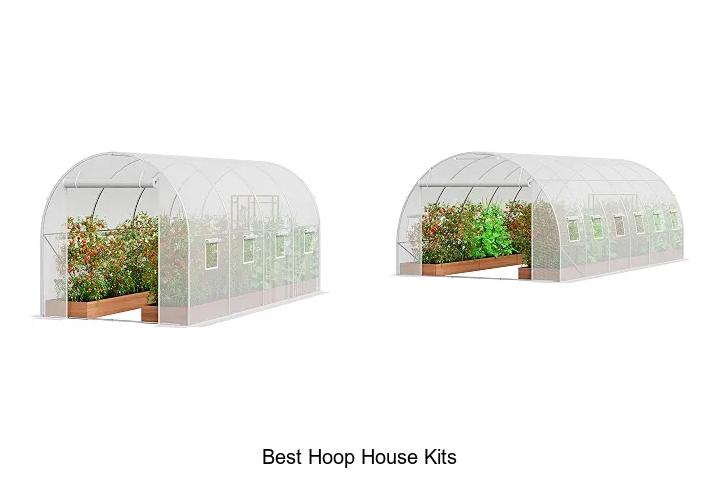
10 Best Hoop House Kits: Top Picks for Every Budget
Growing fresh vegetables can be hard when the weather turns cold or space runs short. Many home gardeners need a simple way to protect plants and extend the growing season without a large setup. That is where best hoop house kits come in.
These kits give gardeners a practical way to build covered growing space for seedlings, crops, and flowers. They suit beginners, backyard growers, and anyone who wants a more controlled garden area.
A good hoop house kit can help hold in warmth, block wind, and support healthy plant growth. It can also make seasonal gardening easier and more flexible for small or larger plots.
This review will cover what to look for, how these kits compare, and which features matter most. It will also help you decide which option fits your space, budget, and garden goals.
Best Hoop House Kits Compared for Every Garden
| Image | Product | Price |
|---|---|---|
Pick 1  | VEVOR Walk-In Tunnel Greenhouse | Check Price On Amazon |
Pick 2  | VEVOR Walk-In Tunnel Greenhouse | Check Price On Amazon |
Pick 3  | Quictent Tunnel Greenhouse | Check Price On Amazon |
1. VEVOR Walk-In Tunnel Greenhouse
A roomy tunnel greenhouse can make seasonal growing feel much more manageable. VEVOR’s walk-in design gives you space to tend plants without crowding.
It measures 14.6 by 6.4 by 6.3 feet, so there is room for shelves or rows. The galvanized steel frame uses reinforced pipes, diagonal bars, U-shaped stakes, and tie-downs. That extra support helps the structure stay steady outdoors.
The 140g/m² PE cover adds sun resistance and insulation. Double-stitched seams and reinforced window seams help resist tearing during regular use.
Eight mesh windows and a large zipper door improve airflow while helping block small creatures. The extended cover edges can be weighted down or buried for better insulation and humidity control. It suits home gardens, farms, and small commercial planting needs.
Users wanting a practical, spacious, and versatile hoop house will appreciate the setup.
Pros
- Spacious walk-in layout fits shelves and multiple planting rows
- Reinforced galvanized frame adds extra stability outdoors
- Eight windows support airflow and easier plant care
Cons
- PE cover may need added weighting for best insulation
- Single-door layout may feel limiting for busy setups
- Large size may require more setup space
Who Should Buy It?
Gardeners who want a roomy outdoor growing space should consider it. It suits home gardens, small farms, and modest commercial planting areas. The walk-in height helps with regular plant care and shelving.
Buyers who value airflow, added frame support, and a tear-resistant cover will find it appealing. It fits anyone needing a practical greenhouse for extending the planting season.
Key Specifications
| Specification | Details |
|---|---|
| Dimensions | 177.17″L x 78.74″W x 76.77″H |
| Weight | 43 pounds |
| Frame Material | Alloy Steel |
| Cover Material | Polyethylene (PE) |
| Doors | 1 |
| Windows | 8 |
| Included Components | Stakes Kit, roll up zipper door |
| Indoor/Outdoor Use | Outdoor |
| Special Features | Durable, tear resistant |
| Unit Count | 1 Count |
The listed dimensions show a long walk-in tunnel with useful headroom. At 177.17 inches long and 76.77 inches high, it offers enough space for tall plants and shelves. The 43-pound weight suggests a structure that stays manageable during setup. The alloy steel frame and polyethylene cover pair a metal skeleton with a flexible outer layer. That combination supports plant protection while keeping the structure light enough for outdoor use. It suits gardeners who want usable space without a permanent building.
Eight windows and one zipper door shape everyday comfort inside the greenhouse. The windows help move air through the tunnel, while the door gives a wider entry point for watering and maintenance. The included stakes kit helps anchor the frame outdoors. Durable and tear-resistant features matter when weather and repeated use put stress on the cover. These details favor users who want easier plant access, better ventilation, and a simple structure for seasonal growing or small-scale planting.
2. VEVOR Walk-In Tunnel Greenhouse
A roomy tunnel greenhouse can make seasonal gardening far more practical. The VEVOR Walk-In Tunnel Greenhouse offers a large covered growing area with ventilation built in. Its galvanized steel frame uses 1-inch pipes and added support pieces for stronger stability.
The 140g/m² PE cover resists sun exposure and helps hold in warmth. Double-stitched seams and reinforced window seams add tear resistance.
Twelve windows and a zipper door help manage airflow during changing weather. The extended cover edges can be buried or weighted down for better sealing.
At 19.4 by 9.7 feet, it gives plenty of space for plant shelves, vegetables, and mixed garden layouts. Home growers and small farms get a practical shelter that supports longer growing seasons and easier daily care.
Pros
- Large walk-in space fits shelves and multiple crops
- Twelve windows support strong airflow control
- Reinforced frame improves stability in rough weather
Cons
- Single-door layout may feel limiting
- Assembly likely takes time and careful setup
- PE cover may need extra anchoring
Who Should Buy It?
Buyers wanting a roomy greenhouse with practical ventilation will like this model. It suits home gardens, small farms, and small commercial growing spaces. Gardeners who need a strong frame, a wide covered area, and year-round plant protection should appreciate it most.
The design works well for vegetables, plant shelves, and mixed seasonal growing needs.
Key Specifications
| Specification | Details |
|---|---|
| Dimensions | 19.4 x 9.7 x 6.5 ft |
| Weight | 70.6 pounds |
| Frame Material | Galvanized steel |
| Cover Material | High-Density Polyethylene (PE) |
| Doors | 1 zippered door |
| Windows | 12 windows |
| Included Components | Galvanized steel frame, PE cover, U-shaped stakes, tie-downs |
| Indoor/Outdoor Use | Outdoor |
| Special Features | Durable, tear resistant, roll-up zipper door, ventilation windows |
| Unit Count | 1 count |
The 19.4 by 9.7 by 6.5 foot size gives generous covered room. That footprint fits several plant shelves or larger growing rows. The 70.6-pound weight reflects a substantial kit with a steel frame and cover. Galvanized steel brings strength to the structure, while the PE cover handles sun exposure and insulation. One zippered door and twelve windows create a layout that balances access and airflow for everyday gardening tasks.
In daily use, these specifications support protection and easier plant care. The reinforced frame parts, U-shaped stakes, and tie-downs help the tunnel stay steadier in harsh weather. The tear-resistant PE cover and stitched seams add durability during repeated use. Twelve windows and a roll-up zipper door help manage heat and humidity, which benefits vegetables and seedlings. Home gardeners and small growers gain a flexible space for longer planting seasons.
3. Quictent Tunnel Greenhouse
A larger tunnel greenhouse brings serious growing space to backyard gardens. Dual hinged doors make access easier, while the reinforced frame supports year-round use. Quictent builds this model for gardeners who want steadier protection and better airflow.
The 20x10x6.6-foot footprint gives room for vegetables, flowers, and seedlings. Eight mesh screen windows help manage ventilation without opening the whole structure. Each door opens 180 degrees, which helps when moving tools or trays inside.
The lockable door design also adds a firmer feel than zipper closures. The 0.7mm galvanized steel frame adds rust resistance and stronger support. Extra crossbars help reduce sagging from rain or snow buildup.
The 150GSM PE cover includes UV protection and reinforced seams. Its 85 percent sunlight transmission supports healthy growing conditions. The overlong bottom cover can be buried for added wind resistance.
It suits gardeners wanting a premium hoop house with stronger hardware and easier daily use.
Pros
- Dual hinged doors improve access and airflow.
- Reinforced frame helps resist sagging and weather.
- Large growing space suits many garden plans.
Cons
- Large footprint needs significant garden space.
- Assembly may take time with many parts.
- White cover may need regular cleaning.
Who Should Buy It?
Gardeners who want a larger, more premium tunnel greenhouse should consider it. It suits people growing vegetables, flowers, or seedlings through longer seasons. The dual hinged doors, eight vents, and reinforced frame help in areas with changing weather.
Buyers needing easier entry for tools and trays will appreciate the wider access. It also fits those who want stronger materials than basic zipper-style hoop houses.
Key Specifications
| Specification | Details |
|---|---|
| Dimensions | 236.2″L x 118.2″W x 78.8″H |
| Weight | 92.6 pounds |
| Frame Material | Metal |
| Cover Material | Polyethylene (PE) |
| Doors | 2 |
| Windows | 8 |
| Included Components | Greenhouse cover, frame, spiral ground stakes |
| Indoor/Outdoor Use | Outdoor |
| Special Features | Hinged Door, Premium, Reinforced Fabric, Reinforced Frame |
| Unit Count | 193.7 Square Feet |
The 20x10x6.6-foot size gives gardeners a generous growing area. At 193.7 square feet, it can hold multiple planting rows, trays, or larger containers. The 92.6-pound weight reflects a substantial structure rather than a lightweight shelter. A metal frame supports the greenhouse, while the polyethylene cover provides the outer protective layer. Two doors and eight windows create a layout that supports easy entry and steady airflow across the interior.
In everyday use, these specifications point to a garden structure built for regular outdoor exposure. The metal frame and spiral ground stakes help keep the house planted in place. The PE cover, reinforced fabric, and reinforced frame support durability during active use. Two hinged doors make loading supplies easier, while eight windows help control temperature and moisture. Gardeners with larger plots or longer growing seasons will benefit most from the added space and access.
4. Outsunny Walk-in Tunnel Greenhouse

Wide tunnel space gives plants room to grow and workers room to move. Eight mesh windows help keep air moving through the greenhouse. The Outsunny Walk-in Tunnel Greenhouse covers 194 square feet, giving gardeners space for flowers, vegetables, and fruits.
Its 0.94-inch galvanized steel tubes resist chipping, peeling, rust, and corrosion. The 140 GSM double-layer PE cover adds tear resistance and blocks UV rays.
It also lets 85% of sunlight pass through, which supports steady growing conditions. A large roll-up door makes entry simple, while eight roll-up windows add ventilation and light control. Mesh screens help keep small visitors out while airflow stays steady.
Assembly is required, and three to four people are recommended for setup. The overall size works well for larger yards and garden projects.
It suits gardeners who want flexible airflow, roomy access, and shelter from harsh weather.
Pros
- Eight mesh windows support strong airflow.
- Large walk-in space suits bigger plantings.
- Galvanized steel frame resists rust and corrosion.
Cons
- Assembly needs three to four people.
- Single door may limit access points.
- White cover may show dirt more easily.
Who Should Buy It?
Gardeners who want plenty of ventilation should like this greenhouse. It suits people growing flowers, vegetables, or fruits in a larger outdoor space. The roll-up door and eight mesh windows make airflow easy to manage.
It also fits buyers who want a covered growing area with simple access and broad planting room.
Key Specifications
| Specification | Details |
|---|---|
| Dimensions | 233.5″ L x 118.1″ W x 78.7″ H |
| Weight | 53 pounds |
| Frame Material | Alloy Steel |
| Cover Material | Polyethylene (PE) |
| Doors | 1 |
| Windows | 8 |
| Included Components | Greenhouse frame, PE cover, roll-up door, mesh windows |
| Indoor/Outdoor Use | Outdoor |
| Special Features | 8 Mesh Windows, Heavy Duty, Roll-Up Door |
| Unit Count | 1 Count |
The greenhouse measures 233.5 inches long, 118.1 inches wide, and 78.7 inches high. That size gives a roomy 194 square feet for planting beds and walking space. The 53-pound weight keeps it manageable during assembly, while still giving it a substantial feel. The alloy steel frame and polyethylene cover work together for outdoor growing. One door and eight windows create several access and airflow points for daily use.
In everyday use, the frame material and cover shape how well the structure handles weather. The galvanized steel tubes resist rust, while the PE cover blocks UV rays and passes sunlight through. Eight mesh windows help regulate air movement, which matters during warmer days. The roll-up door also makes watering, pruning, and moving trays easier. Gardeners with larger spaces may value the open layout and ventilation most.
5. Garden Hoops for Raised Beds

Raised beds gain flexible coverage with this fiberglass hoop kit. The set gives gardeners a simple way to build tunnels for row cover or netting.
Each hoop measures 17 inches, and five pieces connect into one curved arch. That makes it suitable for beds between 2.5 and 3.5 feet wide. The fiberglass frame is rust-free, lightweight, and built for repeated outdoor use.
Its anti-oxidation properties add long-term durability across changing seasons. The kit includes 60 connectors, 27 clips, 20 meters of floral wire, and gloves. Assembly can take about five minutes, which helps during busy planting days.
The green color blends neatly into garden spaces. It suits gardeners who want adjustable support for raised-bed protection, shade cloth, or planting tunnels. The included roll-up door style adds flexibility for access and airflow.
Overall, it offers practical coverage and dependable support for everyday garden use.
Pros
- Flexible fiberglass hoops resist rust and weather exposure.
- Connectors, clips, wire, and gloves are included.
- Works well with raised beds of varying widths.
Cons
- Only fits raised beds within a specific width range.
- Assembly requires connecting multiple pieces per hoop.
- Cover material is not included with the frame kit.
Who Should Buy It?
Gardeners with raised beds should choose this kit. It suits people who want a simple frame for row cover, shade cloth, or netting. The adjustable hoop design helps beds between 2.5 and 3.5 feet wide.
It also fits users who prefer lightweight fiberglass and quick setup. Beginners and experienced growers can both use the included connectors and clips.
Key Specifications
| Specification | Details |
|---|---|
| Dimensions | 17 inches per hoop piece; builds 7.1-foot hoops; fits beds 2.5 to 3.5 feet wide |
| Weight | 1.43 kg |
| Frame Material | Fiberglass |
| Cover Material | Polyethylene (PE) |
| Doors | Roll-Up Door |
| Included Components | 60 connectors, 27 garden clips, 20 meters of floral wire, gloves |
| Indoor/Outdoor Use | Outdoor |
| Special Features | Customizable Design |
| Unit Count | 60 Count |
The hoop pieces measure 17 inches each, and five pieces form one arch. That means the kit can create 7.1-foot hoops for raised beds. The shape works for beds between 2.5 and 3.5 feet wide. The fiberglass frame keeps the structure light while staying flexible. The included polyethylene cover material gives users a clear idea of compatible garden coverings. The roll-up door style also supports easier access during planting and maintenance.
A weight of 1.43 kg keeps the kit manageable during setup and storage. Fiberglass helps resist rust, which matters in wet garden conditions. The included connectors, clips, wire, and gloves support faster assembly and steadier placement. Outdoor use makes it suited to vegetable beds, yards, and seasonal plant protection. The customizable design benefits gardeners who want different tunnel shapes or coverage needs. People with raised beds gain a practical frame for netting, shade cloth, or row cover.
6. KING BIRD 15x7x7 FT Greenhouse

Watering support takes center stage in KING BIRD’s large walk-in greenhouse. The included irrigation kit and 15-foot hose make routine care easier, especially during hot weather.
Built around a galvanized steel frame, it offers a roomy tunnel layout for vegetables, tropical plants, and other outdoor growing projects.
The greenhouse uses a reinforced 150g/sqm PE cover that is waterproof, UV resistant, and shaped to sit closely on the frame. Eight roll-up screen windows, two doors, and separate door layers help manage airflow and warmth.
Ground staples and tie ropes add extra securing options, while the brass irrigation kit uses adjustable copper nozzles for mist or direction control. At 66.3 pounds, it balances size with manageable handling.
It suits gardeners who want watering help, flexible ventilation, and a spacious growing area.
Pros
- Includes hose and irrigation kit for easier watering
- Eight windows support steady airflow and temperature control
- Galvanized steel frame adds strength and support
Cons
- Large size needs ample outdoor space
- Assembly may take time with multiple parts
- PE cover may need care over time
Who Should Buy It?
Gardeners who want watering support and a roomy tunnel greenhouse should consider it. It fits people growing vegetables, tropical plants, or mixed outdoor crops. The included hose and irrigation kit help reduce watering chores.
Buyers who want adjustable ventilation, a reinforced frame, and a covered space for seasonal growing will also find it appealing.
Key Specifications
| Specification | Details |
|---|---|
| Dimensions | 177.2″L x 78.8″W x 78.8″H |
| Weight | 66.3 pounds |
| Frame Material | Alloy Steel |
| Cover Material | Polyethylene (PE) |
| Doors | 2 |
| Windows | 8 |
| Included Components | Ground Staples, Tie Ropes, Watering Kits |
| Indoor/Outdoor Use | Outdoor |
| Special Features | Heavy duty frame, Reinforced cover, Tunnel+, Upgraded #10 zippers |
| Unit Count | 1 Count |
The listed dimensions show a long tunnel shape with generous headroom. That size gives room for beds, containers, and taller plants. The 66.3-pound weight keeps it portable enough for a large outdoor structure. Alloy steel in the frame adds support, while the polyethylene cover helps shield plants from weather. Two doors and eight windows give multiple access points, which helps daily watering, entry, and airflow across the growing space.
These specifications point to a greenhouse built for active outdoor use. The included ground staples and tie ropes help keep the frame steady. The watering kits add direct support for irrigation, which helps during dry periods and hot weather. Eight windows and two doors make ventilation easier, so growers can manage heat and humidity more naturally. Gardeners with vegetables or tropical plants will benefit most from the mix of space, airflow, and watering tools.
7. Greenhouse Hoops Grow Tunnel Kit

Garden tunnels become easier to build with a kit made for custom row covers. These fiberglass hoops support raised beds, plant cloth, netting, and other DIY covers. The set includes 60 hoops, 60 connectors, and 40 clips, giving gardeners plenty of pieces for different layouts.
Each hoop is 17 inches long and can be combined into different tunnel sizes. Six hoops can form a structure about 2.8 feet wide and 3.8 feet high.
Gardeners can use five or more stakes to shape larger or smaller setups. The fiberglass frame is bendable, lightweight, and rust-free, which helps it hold up outdoors. Assembly is simple, since the hoops are inserted into soil and joined with connectors.
The clips help secure row covers in place. It suits raised beds, vegetable gardens, vineyards, and plants that need seasonal protection.
The included parts offer solid value for DIY growers who want flexibility and repeat use.
Pros
- Many pieces for flexible tunnel sizes
- Rust-free fiberglass resists outdoor wear
- Clips help secure row covers
Cons
- Cover netting is not included
- Short hoops limit larger fixed structures
- Assembly needs multiple connected pieces
Who Should Buy It?
Buyers who want DIY row covers will get the most from this kit. It suits raised beds, vegetable gardens, and seasonal plant protection. The flexible hoop design works well for gardeners building custom tunnels, mini greenhouses, or simple support frames.
People needing rust-free parts and a large included piece count will likely appreciate it most.
Key Specifications
| Specification | Details |
|---|---|
| Dimensions | 17″ L |
| Weight | 1.76 kg |
| Frame Material | Fiberglass |
| Cover Material | Plastic |
| Included Components | 60 hoops, 60 connectors, 40 clips |
| Indoor/Outdoor Use | Outdoor |
| Special Features | Rust-free, sturdy, heavy-duty fiberglass hoops with good flexibility |
| Unit Count | 60 Count |
The 17-inch hoop length gives gardeners a compact building block for custom tunnels. It works with raised beds that need row covers or netting support. The 60 included hoops, connectors, and clips provide many setup options. Since the frame uses fiberglass, the pieces stay lightweight and resist rust outdoors. The listed plastic cover material applies to the supplied cover-related parts, while the kit itself focuses on hoop framing for seasonal garden protection.
In daily use, the fiberglass frame helps the hoops bend without obvious metal corrosion concerns. That matters for outdoor beds exposed to moisture and changing weather. The 1.76 kilogram weight suggests manageable handling during setup and storage. Outdoor use makes it a fit for vegetable gardens, vineyards, and raised beds. Gardeners who want flexible sizing benefit most, since five or more stakes can form different tunnel shapes.
8. Garden Hoops for Raised Beds, Fiberglass with PVC

Small garden beds get flexible protection with this 36-pack hoop kit. It gives you enough pieces to build tunnels for rows, raised beds, and seasonal covers. The hoops use a fiberglass core with PVC coating, so they resist rust, corrosion, and UV damage outdoors.
They bend easily into arches from two to five feet wide, then spring back after disassembly. The kit includes 36 hoops, 30 connectors, and 18 garden clips.
That mix supports row covers, bird netting, shade cloth, and frost protection across changing seasons. Assembly stays simple, since you connect the hoops, bend the frame, and place the ends in soil. It suits gardeners who want reusable tunnel frames for small spaces and changing plant needs.
Pros
- Flexible hoops fit many small tunnel sizes
- PVC coating resists rust and UV damage
- Includes connectors and clips for setup
Cons
- No cover material is included
- Best suited to smaller garden tunnels
- Requires separate coverings for plant protection
Who Should Buy It?
Gardeners with raised beds or short rows should consider this kit. It suits people who want reusable tunnel frames for frost protection, bird netting, or shade cloth. Small-space growers will like the flexible sizing and tool-free setup.
It also fits gardeners who want one kit for multiple seasons and changing plant protection needs.
Key Specifications
| Specification | Details |
|---|---|
| Dimensions | 96″L x 34″W x 46″H |
| Weight | 0.99 kg |
| Frame Material | Fiberglass |
| Cover Material | Polyethylene (PE) |
| Doors | refer to description |
| Windows | refer to description |
| Included Components | 36 fiberglass hoops, 30 connectors, 18 garden clips |
| Indoor/Outdoor Use | Outdoor |
| Special Features | Durable, Rust-proof, DIY greenhouse tunnel, For row cover, Bird netting, Plant frost protection, Extends growing season |
| Unit Count | 1 Count |
The listed dimensions show a compact tunnel frame for raised beds and narrow rows. At 96 inches long, it spans garden sections without taking much space. The 34-inch width and 46-inch height suit small protective covers and low tunnel growing. Its 0.99-kilogram weight keeps individual parts easy to handle. The fiberglass frame material brings flexibility, while the polyethylene cover material listing points to compatible outdoor covering use.
These specifications point to a lightweight kit that is easy to move and store. Fiberglass helps the hoops bend into arches, then return after use. The PVC coating supports outdoor exposure by resisting rust and UV damage. Included connectors and clips help gardeners build longer runs or shorter sections as needed. Outdoor use makes it a practical choice for beds needing seasonal frost, pest, or sun protection.
9. Garden Hoops Grow Tunnel

Small garden spaces need simple frost protection, and these hoops fit that need well. The Garden Hoops Grow Tunnel gives you a flexible frame for raised beds, young plants, and compact covers. Built from fiberglass with a plastic coating, the hoops resist rust and feel smoother to handle.
The kit includes 30 pieces, plus metal connectors and clips for building a custom tunnel. You need at least four hoops for assembly, which lets you adjust the length for different beds.
The 7-foot size suits small greenhouse-style setups, while the lightweight 1.7-pound build keeps handling easy. Because cover material is not included, it works best for gardeners who already have netting, shade cloth, or frost fabric. It suits growers who want a simple, reusable frame for seasonal protection and faster germination.
Pros
- Rust-free fiberglass frame
- Lightweight parts are easy to handle
- Includes connectors and clips
Cons
- Cover material is not included
- Needs four or more hoops
- Best for smaller garden setups
Who Should Buy It?
Gardeners with raised beds or compact plots should consider this kit. It suits anyone wanting a lightweight frame for frost cover, netting, or shade cloth. The fiberglass build works well for repeated seasonal use, and the included connectors help create a custom tunnel.
It is a good fit for small outdoor growing spaces that need simple plant protection.
Key Specifications
| Specification | Details |
|---|---|
| Dimensions | 3″L x 3″W x 16″H |
| Weight | 1.7 pounds |
| Frame Material | Fiberglass |
| Cover Material | Plastic |
| Included Components | 30 fiberglass hoops, 25 metal connect pipes, 20 clips |
| Indoor/Outdoor Use | Outdoor |
| Special Features | Rust-proof, anti-oxidation, flexible, plastic-coated, DIY tunnel setup |
| Unit Count | 30 Count |
The listed dimensions show compact individual hoop pieces designed for small garden tunnels. Each set includes 30 fiberglass hoops, along with 25 metal connect pipes and 20 clips. The 7-foot size points to a narrow, low-profile tunnel for raised beds or small rows. The 1.7-pound weight keeps the parts easy to carry and arrange. Since the cover material is plastic-coated on the hoops, handling feels smoother than bare fiberglass.
These specifications support light, flexible use in outdoor growing areas. Fiberglass resists rust and oxidation, which helps the frame stay usable through repeated seasons. The included connectors let you join four or more hoops, so setup can match bed length. Clips help secure covers, netting, or shade cloth in place. That makes the kit a practical choice for gardeners wanting frost protection, faster germination, or simple plant support without heavy hardware.
10. MAXPACE Greenhouse Hoops Kit

Budget-minded gardeners get a simple hoop kit with room to customize. The MAXPACE Greenhouse Hoops Kit gives you 25 fiberglass rods, connectors, and clips for DIY tunnel builds.
It suits raised beds 2.8 feet wide and larger, which makes planning easier for wider beds. The large-diameter hoops bend into shape, then connect securely for repeated seasonal use.
Its fiberglass frame resists rust and oxidation, which helps during wet weather and long storage. The kit works with row covers, shade cloth, frost netting, and plant stakes.
That flexibility makes it useful for young plants, frost protection, and indoor or outdoor garden setups. Assembly is straightforward because you join rods, bend the hoops, and insert them into soil.
It suits growers who want a reusable, low-frills support system without extra parts they will not use. The included clips help secure coverings and keep the tunnel tidy.
Pros
- Includes 25 rods for multiple hoop setups
- Fiberglass resists rust and oxidation
- Works with several cover types
Cons
- Only fits beds 2.8 feet wide and wider
- Requires DIY assembly and planning
- No covering material is included
Who Should Buy It?
Gardeners with wider raised beds will get the most from this kit. It suits people who want a reusable support frame for row covers, frost netting, or shade cloth. The flexible fiberglass rods and included clips work well for simple seasonal tunnels.
It fits growers who want a practical option for young plants and do not mind assembling the structure themselves.
Key Specifications
| Specification | Details |
|---|---|
| Dimensions | 17″L x 3.5″W |
| Weight | 0.77 kg |
| Frame Material | Fiberglass |
| Cover Material | Not included |
| Doors | Not included |
| Windows | Not included |
| Included Components | 25 hoops, 20 connectors, 16 clips |
| Indoor/Outdoor Use | Indoor and outdoor |
| Special Features | Large-diameter hoops; rust-proof; utility patent pending |
| Unit Count | 25 Count |
The kit uses 17-inch fiberglass rods and large-diameter hoops. That size matters most for raised beds 2.8 feet wide and wider. You combine five or more hoops to build the tunnel length you want. The 25 included rods, 20 connectors, and 16 clips create a flexible support set. The light 0.77 kilogram weight also makes handling and storage easier between seasons.
In daily use, fiberglass gives bendable support without rusting over time. That suits gardeners who leave hoops outside through changing weather. The open-ended kit format works well for row covers, frost netting, and shade cloth. Because no cover is included, users can match the frame to their own materials. People with wider beds and repeat seasonal planting will benefit most from that adaptable setup.
Best Hoop House Kits: The Smart Buyer’s Guide to Choosing the Right One
Hoop house size and growing space
A well-planned hoop house starts with the space it can physically fit into, because the available footprint in your yard or garden determines how much growing area you can actually use without crowding paths, fences, or other structures. Height and width also matter more than many people expect: taller frames improve airflow and let you grow vining crops or trellised plants, while wider layouts make walk-in access easier for watering, pruning, and harvesting. Future growing plans deserve equal attention, since a structure that can accommodate extra beds, added rows, or modular extensions will save time and money later if your garden needs increase.
A thoughtful balance between current space and long-term room for growth helps ensure the structure remains practical, comfortable, and productive over time.
- Footprint: Match the structure to the open area available in your yard or garden.
- Height and width: Confirm there is enough clearance for crop types, trellises, and comfortable access.
- Future growth: Allow room for added planting space or a larger setup later on.
Frame material and durability
Frame material has a direct impact on how long a hoop house lasts and how well it performs through changing seasons. Steel offers strong support for heavy snow and gusty conditions, while galvanized steel adds a protective coating that helps resist rust and extends service life in damp or humid environments.
Aluminum is lighter and naturally corrosion-resistant, making it easier to handle and maintain, though it may not provide the same stiffness as heavier frames. PVC is affordable and simple to assemble, but it usually has lower strength and weather resistance, so it is better suited to milder climates. A durable frame should also be rated for wind, snow, and long-term outdoor exposure, since these factors determine whether the structure remains stable and dependable over time.
Taking corrosion protection seriously can also save money later by reducing repairs, replacement parts, and early wear, which makes the overall lifespan of the structure far more predictable.
Covering material and light transmission
Covering material plays a major role in how well a hoop house performs, because it directly affects light levels, heat retention, and long-term durability. Polyethylene film is affordable and widely used, but it usually needs more frequent replacement than rigid panels.
Polycarbonate offers greater strength, better insulation, and longer service life, making it a strong option for gardeners who want a more permanent structure. Other coverings may also work well, but each material should be judged by how much light it lets through and how it handles weather over time.
UV protection and clarity are just as important as the material itself, since plants need steady light without the cover breaking down too quickly. A good cover should remain clear enough to support healthy growth while still blocking harmful rays that can shorten its lifespan. Thickness also matters, because thicker coverings often improve insulation and help maintain more stable temperatures, though they may slightly reduce light transmission.
Thickness also matters, because thicker coverings often improve insulation and help maintain more stable temperatures, though they may slightly reduce light transmission. In practice, the right balance depends on climate, crop needs, and how often you want to replace the cover, since some materials last only a season or two while others can serve for many years.
- Polyethylene film: Low cost, good light transmission, but shorter replacement cycle.
- Polycarbonate: Higher durability, better insulation, and longer service life.
- Other coverings: Can offer specific benefits such as stronger impact resistance or improved energy retention.
| Covering type | Light transmission | Insulation | Typical replacement frequency |
|---|---|---|---|
| Polyethylene film | High | Moderate | More frequent |
| Polycarbonate | High to moderate | High | Less frequent |
| Other specialty coverings | Varies | Varies | Varies |
Anchoring and structural stability
Anchoring and structural stability play a major role in how well a hoop house performs over time, because a frame that is firmly secured can stand up to shifting weather and daily wear much more effectively. Ground stakes, baseboards, or concrete anchoring each offer a different level of support, and the right option depends on soil conditions, location, and how permanent the structure needs to be.
A well-anchored frame is far better prepared to resist strong winds and heavy rain, both of which can loosen fittings, stress the covering, and shorten the life of the structure if the base is not secure. Extra reinforcement features, such as cross braces, thicker tubing, or added side supports, also improve overall stability by helping the frame stay rigid under pressure. For growers in exposed areas or regions with frequent storms, these details can make the difference between a reliable greenhouse and one that needs constant repair.
- Ground stakes: Best for quicker setup and temporary use, but they may need checking after storms.
- Baseboards: Help distribute pressure along the frame and create a more solid perimeter.
- Concrete anchoring: Offers the strongest hold for long-term durability in harsher conditions.
- Reinforcement features: Cross braces and heavier tubing improve resistance to wind and rain.
Ventilation and temperature control
Proper airflow is one of the biggest factors in keeping a hoop house productive, because temperature and humidity can shift quickly inside a covered structure. Sidewall rollup features and endwall vent options help release trapped heat, while also improving fresh air movement through the growing area.
It is also important to confirm that the frame can support accessories such as fans, shade cloth, and heaters, since these additions can make a major difference during hot afternoons or cold snaps. Without enough ventilation, moisture can build up and create conditions that encourage disease, while excess heat can stress plants and slow growth. A well-matched setup makes it easier to regulate the interior climate through seasonal changes and maintain a healthier environment for crops.
- Sidewall rollup or endwall vents: Improve passive airflow and help control heat buildup.
- Accessory compatibility: Ensure the structure can work with fans, shade cloth, and heaters.
- Humidity control: Reduces condensation and lowers the risk of plant disease.
- Heat management: Helps prevent overheating during warm weather and protects crop quality.
Assembly, cost, and included accessories
A hoop house with modular panels, pre-drilled parts, and clear instructions can save hours of setup time and reduce the need for specialized tools. Ease of installation and tool requirements matter because a faster, simpler build lowers labor costs and helps avoid mistakes that can affect stability later. It is equally important to check what comes in the kit versus what must be bought separately, since items like anchors, film, vents, doors, and fasteners can add to the final price more than expected.
It is equally important to check what comes in the kit versus what must be bought separately, since items like anchors, film, vents, doors, and fasteners can add to the final price more than expected. A careful review of budget, warranty, and long-term maintenance costs also helps you judge overall value, because a lower upfront price may not be economical if replacement parts are expensive or coverage is limited. Well-planned upgrades and future add-ons can make the structure easier to adapt as growing needs change, while a solid warranty can protect against defects and reduce repair expenses over time.
Setting Up a Hoop House the Right Way
A hoop house kit can be a simple way to give plants a warmer, more sheltered growing space. Most kits include a frame, cover, and fasteners. Some also come with doors, vents, or anchor parts. The main job is to set the frame firmly and keep the cover tight.
Start with a level site that gets plenty of sun. Good drainage helps prevent puddles around the base. Before assembly, clear rocks, sticks, and weeds. Measure the area first so the kit fits with room to walk around it and open any doors or vents.
As you build, follow the order in the instructions. Put the frame together on the ground first, then raise it into place if the design allows. Tighten all joints and check that the structure is square. A straight frame holds the cover better and helps the house stand up to wind.
Anchoring matters just as much as the frame. Use the stakes, ground posts, or other hold-down parts that come with the kit. In windy areas, extra tie-downs can help. After the cover is on, pull it smooth so there are fewer loose spots for wind to catch.
For the best results:
- Vent on warm days to avoid overheating.
- Water plants early so humidity does not stay high overnight.
- Keep the cover clean so light can pass through.
- Check fasteners after storms and tighten loose parts.
- Remove snow if the roof design is not made for heavy load.
A hoop house works best when it is used like a simple seasonal shelter, not a sealed greenhouse. Give plants fresh air, steady water, and room to grow. With a careful setup, the kit can support seedlings, greens, and other crops through cooler weather.
FAQ’s
What Should I Look For When Choosing The Best Hoop House Kits For My Garden?
Look for a hoop house kit with a sturdy frame, durable covering, good ventilation, and the right size for your garden and climate. It should also be easy to assemble and include quality materials that can handle wind, rain, and snow in your area.
Which Hoop House Kits Are Best For Withstanding Wind, Snow, And Heavy Rain?
The best hoop house kits for wind, snow, and heavy rain are typically those with heavy-gauge galvanized steel frames, ground anchors, and reinforced cross-bracing. Look for models specifically rated for your local weather conditions and designed with sturdy poly covering and proper drainage.
Are There Affordable Hoop House Kits That Still Offer Good Durability And Value?
Yes—there are affordable hoop house kits that can still offer good durability and value, especially if they use galvanized steel frames and UV-resistant covering. Look for kits with solid warranties, good customer reviews, and replacement parts availability to get the best long-term value.
What Size Hoop House Kit Is Best For Growing Vegetables Year-Round?
For year-round vegetable growing, a hoop house kit around **20×40 feet or larger** is often best because it gives enough space for crop rotation, walkway access, and temperature stability. The ideal size still depends on your climate, budget, and how many vegetables you want to grow.
How Do Different Hoop House Kits Compare In Ease Of Assembly And Maintenance?
Hoop house kits vary mainly by frame design, connector quality, and how clearly the instructions are written, so simpler kits with fewer parts are usually easier to assemble. For maintenance, galvanized steel frames and durable coverings tend to need less upkeep, while more lightweight or budget kits may require more frequent tightening, repairs, or replacement of plastic film.
Final Verdict
For shoppers comparing the best hoop house kits, the VEVOR Walk-In Tunnel Greenhouse stands out as both the Best Overall and Best Value pick. It suits gardeners who want a roomy, practical hoop house without paying a premium price, making it a strong fit for everyday growing needs and budget-minded buyers. Its repeat appearance in the roundup suggests broad appeal for people who want a straightforward greenhouse solution.
The Quictent Tunnel Greenhouse is the Best Premium choice for buyers who want a higher-end option and are willing to pay more for it. For gardeners working with limited space or raised beds, Garden Hoops for Raised Beds is the most targeted pick, since it is made for that setup rather than full-size tunnel use. Choose based on your garden layout, budget, and how much coverage you need.
Pick the VEVOR Walk-In Tunnel Greenhouse for the best balance of price and usefulness, or choose Garden Hoops for Raised Beds if your garden is built around raised-bed planting.