10 Best Patio Restaurants St Paul: Top Picks Compared Side by Side
If you are trying to find a patio spot in St. Paul that feels relaxed, has good food, and works for a casual meal or a special outing, the search can take time.
That is where this review of a patio dining option can help. This guide focuses on the best patio restaurants st paul and what makes one worth your time.
It is for anyone who wants a comfortable outdoor meal, whether that means brunch, dinner, or drinks with friends. You will get a clear look at the dining space, food quality, atmosphere, and overall value.
In the review below, you will see what stands out, what could be better, and who it is best suited for.
Best Patio Restaurants in St Paul to Compare
| Image | Product | Price |
|---|---|---|
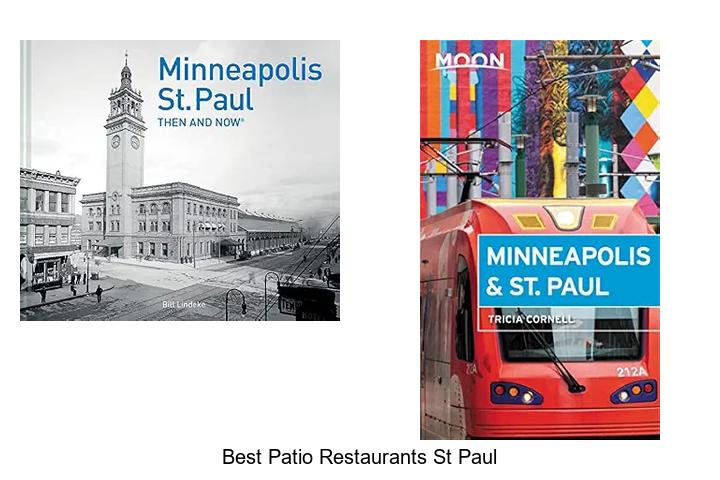
Pick 1  | Minneapolis-St. Paul Then and Now® | Check Price On Amazon |
Pick 2  | Moon Minneapolis & St. Paul | Check Price On Amazon |
Pick 3  | AIA Guide to St. Pauls Summit Avenue and Hill District | Check Price On Amazon |
1. Minneapolis-St. Paul Then and Now®
History feels vivid when old streets meet new views. Readers get a photo-rich guide to Minneapolis and St. Paul.
Minneapolis-St. Paul Then and Now® focuses on hidden history and architecture.
It pairs past and present images for clear visual comparison. The 144-page format keeps the material approachable and focused. Pavilion Books published it in English on July 1, 2018.
The large 11.22 x 0.63 x 9.84 inch size supports detailed photography. At 2.1 pounds, it feels substantial on a table or shelf.
That weight suits a coffee table book meant for casual browsing. The layout should appeal to local history fans and architecture readers alike.
It suits people who enjoy learning through photographs rather than long text. The book offers a grounded look at city change over time. Its value lies in presentation, local focus, and visual storytelling.
Pros
- Combines historical and current photos clearly
- Focuses on Minneapolis and St. Paul architecture
- Large format suits relaxed browsing
Cons
- May feel heavy for portable reading
- Shorter length limits broader historical coverage
- Best suited to local-interest readers
Who Should Buy It?
Buyers who enjoy local history, city architecture, and photographic comparisons should like it. It suits readers who want a visual guide to Minneapolis and St. Paul.
Coffee table book fans may also appreciate the large format and steady pace. Anyone interested in hidden historical details will likely find it rewarding.
Key Specifications
| Specification | Details |
|---|---|
| Title | Minneapolis-St.Paul Then and Now®: A photographic guide to the hidden history and architecture of Minneapolis and St. Paul |
| Publisher | Pavilion Books |
| Publication Date | July 1, 2018 |
| Language | English |
| Print Length | 144 pages |
| ISBN-10 | 1911216988 |
| ISBN-13 | 978-1911216988 |
| Item Weight | 2.1 pounds |
| Dimensions | 11.22 x 0.63 x 9.84 inches |
The title signals a side-by-side photographic guide to city history. It focuses on Minneapolis and St. Paul, with hidden architecture included. Pavilion Books published the English edition in 2018. The 144-page length suggests a concise reading experience. That works well for readers who want visual material without a long commitment. The ISBN numbers identify the exact edition for easy searching or ordering.
Its 11.22 x 0.63 x 9.84 inch size points to a large-format book. The 2.1-pound weight matches a sturdy coffee table presentation. Those dimensions help photos stay prominent and readable across pages. Readers who like browsing images will benefit most from the format. The weight also suggests it stays put during casual viewing. Local history fans and architecture readers should find the presentation comfortable and practical.
2. Moon Minneapolis & St. Paul
Dining guides can save time when planning a St. Paul patio outing.
Moon Minneapolis & St. Paul gives budget travelers a compact way to explore the area.
It covers both cities in a 324-page travel guide format, with practical detail packed into a portable size. The fourth edition suggests updated coverage for current trip planning needs. Its paperback dimensions make it easy to carry in a day bag, while the English text keeps reading straightforward.
Moon Travel publishes the guide, and that brand is known for city-focused travel references. The book suits people who want ideas, routes, and neighborhood context without carrying a bulky reference.
Its size and weight feel manageable for commuting, browsing before dinner, or bringing along on a weekend visit. For travelers watching spending, a guidebook can help compare areas and plan efficient outings.
It offers a simple, low-fuss way to organize a patio-focused food trip around Minneapolis and St. Paul.
Pros
- Compact size fits easily in a day bag.
- Covers both Minneapolis and St. Paul.
- Helpful for budget-minded trip planning.
Cons
- Printed guide may feel less current over time.
- Covers a broad area, not only patios.
- Physical book adds weight to luggage.
Who Should Buy It?
Budget travelers should buy it. The guide fits people planning simple, self-directed visits around Minneapolis and St. Paul.
It suits readers who want a portable reference for neighborhoods, routes, and dining ideas. Travelers who prefer printed maps and a physical book will appreciate the format. It also works well for weekend visitors who want a compact planning tool.
Key Specifications
| Specification | Details |
|---|---|
| Title | Moon Minneapolis & St. Paul (Travel Guide) |
| Publisher | Moon Travel |
| Publication Date | May 28, 2019 |
| Edition | 4th |
| Language | English |
| Print Length | 324 pages |
| ISBN-10 | 1640492011 |
| ISBN-13 | 978-1640492011 |
| Item Weight | 2.31 pounds |
| Dimensions | 4.55 x 0.9 x 7.5 inches |
The title shows a guide focused on Minneapolis and St. Paul together. Moon Travel is the publisher, which signals a city travel reference rather than a generic handbook. The May 28, 2019 publication date and fourth edition suggest a later update in the series. English language text keeps reading accessible for most visitors. With 324 pages, the guide has room for neighborhoods, routes, and planning notes without feeling overly thin.
The ISBN numbers help identify the exact edition for ordering or library searches. A weight of 2.31 pounds means it has substantial content, but it is still carryable for short trips. The 4.55 x 0.9 x 7.5 inch size makes it pocketable for a bag or backpack. Those dimensions suit travelers who want a printed guide they can bring to dinner planning, walking days, or hotel downtime.
3. AIA Guide to St. Pauls Summit Avenue and Hill District
Architecture and neighborhood history meet in a compact, easy-to-carry guide. It suits readers who want a focused look at Summit Avenue and the Hill District.
Published by Minnesota Historical Society Press, this first edition offers 128 pages in English. The slim 4.88 by 10 inch format makes it simple to carry on walks.
Its 6.4 ounce weight keeps it light in a bag or jacket pocket. The guide presents a practical overview for exploring historic streets and buildings at a steady pace. Its layout and size favor quick reference during outings, rather than long-form reading at home.
The book feels well matched to architecture lovers who value structure and portability. Its narrow shape works well for holding while walking through neighborhoods.
The publication date places it in a clear historical reference format. The paperback-style dimensions suggest easy handling during casual visits or planned tours. Because the book is brief, it works best for readers who want concentrated information without heavy reading.
It offers solid value for people who appreciate local history, building details, and compact guides.
Pros
- Compact size fits easily in a bag
- Focused on historic architecture and neighborhoods
- Lightweight format suits walking tours
Cons
- Limited to a narrow topic area
- Shorter length may feel brief
- Less suited for broad city coverage
Who Should Buy It?
Buyers who enjoy architecture, local history, and walkable neighborhood guides should choose it. It suits readers interested in Summit Avenue and the Hill District, especially those who want a compact reference for outings. The slim format helps on site visits, and the focused scope appeals to people who prefer detailed local material over general travel reading.
Key Specifications
| Specification | Details |
|---|---|
| Title | AIA Guide to St. Paul’s Summit Avenue and Hill District |
| Publisher | Minnesota Historical Society Press |
| Publication Date | April 1, 2009 |
| Edition | 1st |
| Language | English |
| Print Length | 128 pages |
| ISBN-10 | 0873516443 |
| ISBN-13 | 978-0873516440 |
| Item Weight | 6.4 ounces |
| Dimensions | 4.88 x 0.3 x 10 inches |
The title points to a focused guide for two specific St. Paul areas. Minnesota Historical Society Press published it in English, which suits local readers and visitors alike. A first edition from April 1, 2009 places it within a fixed historical snapshot. The 128-page length suggests a concise format. Its ISBN numbers help buyers identify the exact edition quickly. These details fit readers who want a compact reference for neighborhood history and architecture.
The 6.4 ounce weight and 4.88 by 0.3 by 10 inch size make carrying simple. That slim form works well during neighborhood walks or casual site visits. A lighter book is easier to hold for longer periods, and the narrow profile slips into bags cleanly. The short length helps readers move through material without carrying extra bulk. People who prefer portable, targeted guides will benefit most from these physical specs.
4. Global Trails Travel Guides Book 23

A compact travel guide can make Minneapolis and St. Paul feel much easier to explore.
This 2025/2026 edition focuses on local tips, best eats, and hidden gems. Global Trails Travel Guides Book 23 covers top attractions across both cities in 103 pages. Its English text uses Word Wise, screen reader support, and enhanced typesetting for easier reading.
Page Flip also helps when moving quickly between sections on a phone or tablet. The guide suits travelers who want current city ideas without carrying a bulky book. It should help visitors planning food stops, sightseeing, and neighborhood wandering.
The format feels practical for short trips and flexible day planning. Its newer publication date points to current information for recent visits. Readers who prefer quick reference material will likely appreciate the compact layout.
It offers a straightforward way to gather city ideas before heading out.
Pros
- Covers both Minneapolis and St. Paul.
- Includes local tips, eats, and hidden gems.
- Supports screen readers and Page Flip.
Cons
- Limited to 103 pages.
- No ISBN details were provided.
- No publisher information was provided.
Who Should Buy It?
Travelers who want current Minneapolis and St. Paul ideas should consider it. It suits visitors who enjoy short, practical guides with local tips.
Food-focused readers may like the best eats section most. It also fits people planning quick sightseeing routes and neighborhood stops.
Key Specifications
| Specification | Details |
|---|---|
| Title | Minneapolis and St. Paul Travel Guide 2025/2026: Top Attractions, Local Tips, Best Eats, and Hidden Gems (Global Trails Travel Guides Book 23) |
| Publication Date | August 3, 2025 |
| Language | English |
| Print Length | 103 pages |
The 103-page length points to a compact travel guide. Readers can expect a shorter format that fits quick planning sessions. The English language edition makes the guide accessible to many travelers. Word Wise can help when unfamiliar terms appear in local descriptions. Screen reader support also helps people who prefer audio assistance. Enhanced typesetting and Page Flip make reading feel more flexible on phones and tablets.
A August 3, 2025 publication date suggests newer city information. That matters for travelers who want recent attraction and dining ideas. The file size of 10.7 MB should download quickly on most devices. Accessibility support helps more readers use the guide comfortably. The short print length works well for day trips and weekend visits. People who want a light, simple reference will benefit most from these specifications.
5. Where Chefs Eat Guide

Restaurant discovery gets a chef’s-eye view here. The guide collects chefs’ favorite restaurants in one large reference. Where Chefs Eat: A Guide to Chefs’ Favorite Restaurants suits readers who want trusted dining ideas and broad coverage.
Phaidon Press publishes the English edition, and its 1184 pages show serious scope. The book measures 5.75 x 2.5 x 8.25 inches, which makes it sizable yet still manageable. Its 2.52-pound weight reflects the substantial print volume.
The main appeal is its curated, professional perspective on dining choices. Readers can use it as a planning tool or inspiration source. The long format supports wide coverage across many restaurants and regions.
Its paperback-like dimensions make it easier to shelve and carry than larger art books. The printed format feels durable enough for repeated browsing at home. It suits food lovers, travelers, and anyone who values chef recommendations over casual lists.
The detailed compilation gives plenty of material for trip planning and menu-daydreaming alike.
Pros
- Chef-approved restaurant recommendations
- Large, wide-ranging reference book
- Portable for its page count
Cons
- Very heavy for a handheld guide
- Long format takes shelf space
- Not a quick casual read
Who Should Buy It?
Chefs, food-focused travelers, and serious restaurant planners should buy it. It suits readers who value expert-curated dining ideas over short online lists. The English edition and large page count make it useful for extended browsing at home.
Anyone building a travel reference library may appreciate its broad, chef-driven approach.
Key Specifications
| Specification | Details |
|---|---|
| Title | Where Chefs Eat: A Guide to Chefs’ Favorite Restaurants |
| Publisher | Phaidon Press |
| Publication Date | April 4, 2018 |
| Language | English |
| Print Length | 1184 pages |
| ISBN-10 | 9780714875651 |
| ISBN-13 | 978-0714875651 |
| Item Weight | 2.52 pounds |
| Dimensions | 5.75 x 2.5 x 8.25 inches |
The title tells you exactly what the book offers. It gathers chefs’ favorite restaurants into one printed guide. Phaidon Press publishes the English edition, which suits English-speaking readers. The April 4, 2018 publication date places it in a modern restaurant landscape. With 1184 pages, it is built for extended use and repeated reference. The ISBN numbers help identify the exact edition when ordering or cataloging.
These specifications point to a substantial, information-rich reference book. The 2.52-pound weight and 5.75 x 2.5 x 8.25-inch size make it portable enough for shelves or travel bags. Readers who value physical books will appreciate the substantial print length. The format favors people who plan meals, trips, or restaurant lists ahead of time. It works especially well for buyers who want a lasting dining reference.
6. Twin Cities Adventure Bucket List

Planning days out around the Twin Cities feels easier with this scratch-off adventure deck. It turns local exploring into a simple, hands-on activity guide for Minneapolis and St. Paul.
The deck includes 50 adventure cards with details on location, time commitment, cost, season, and skill level. That layout helps users choose activities that fit their schedule and comfort level. The card format feels sturdy enough for repeated handling, thanks to cardstock construction.
It works well as a casual planning tool for families, couples, groups, and solo outings. The included adventures cover local favorites and hidden gems across nearby cities.
It suits people who want variety without spending hours researching options. As a gift, it feels thoughtful and personal for new arrivals or longtime locals.
Pros
- 50 activities offer plenty of variety.
- Scratch-off format adds a fun planning element.
- Clear details help compare each outing quickly.
Cons
- Focused on Twin Cities locations only.
- Not ideal for users wanting restaurant-specific guidance.
- Physical cards can be misplaced or damaged.
Who Should Buy It?
People who want a simple way to plan Twin Cities outings should consider it. It suits families, couples, groups, and solo explorers who like varied activities. New residents may enjoy discovering local favorites and hidden gems.
Longtime locals may also find fresh ideas close to home. It also works well as a gift for someone who likes experience-based presents.
Key Specifications
| Specification | Details |
|---|---|
| Title | Twin Cities Adventure Bucket List – 50 Scratch-Off Cards |
| Language | English |
| Item Weight | 0.32 kg |
| Dimensions | 5.35 x 4.5 x 1.25 inches |
The title shows a scratch-off adventure deck with 50 cards for Twin Cities outings. In everyday use, that means users can pull a card, read the details, and plan a trip around Minneapolis or St. Paul. The English language listing makes the instructions easy to follow for most buyers. The listed dimensions show a compact box that can sit on a shelf or travel bag without taking much space.
The 0.32 kg weight suggests a lightweight set that is easy to carry or gift. The compact size also helps with storage, so the deck should fit neatly in a drawer or backpack. Because the cards are made from cardstock, they should hold up well with careful handling. People who want low-fuss planning will benefit most, since the format keeps choices organized and simple.
7. Iconic Restaurants of St. Louis

St. Louis history comes alive through restaurant stories gathered in one compact volume.
Readers interested in local dining heritage will find a focused look at memorable places and their place in the city.
Iconic Restaurants of St. Louis (American Palate) is a 163-page English paperback from The History Press, published November 2, 2020. It presents local restaurant history in a concise format that is easy to browse.
The book uses enhanced typesetting, Word Wise, and Page Flip features for smoother reading on supported devices. Its small 3.7 MB file size also makes it practical for quick access.
The content suits readers who enjoy regional history, food culture, and stories tied to familiar places. Because it is part of the American Palate series, it fits naturally with other location-focused titles.
For St. Louis readers, it offers a readable and specific look at the city’s dining past.
It works well for casual reading, gift giving, or anyone building a local history collection.
Pros
- Focuses on St. Louis restaurant history
- Compact, easy-to-read 163-page length
- Supports Word Wise and Page Flip
Cons
- Limited to one city’s restaurant history
- No print edition weight or dimensions listed
- Not a practical choice for general dining guides
Who Should Buy It?
St. Louis readers who enjoy food history will appreciate this book most. It also suits people who like local stories, restaurant heritage, and short nonfiction reads.
Fans of the American Palate series may value its focused city coverage. Gift buyers seeking a regional title for someone connected to St. Louis should also find it appealing.
Key Specifications
| Specification | Details |
|---|---|
| Title | Iconic Restaurants of St. Louis (American Palate) |
| Publisher | The History Press |
| Publication Date | November 2, 2020 |
| Edition | American Palate |
| Language | English |
| Print Length | 163 pages |
| ISBN-13 | 978-1439671672 |
The title shows a focused local-history book centered on St. Louis restaurants. The publisher, The History Press, often releases regional nonfiction with clear historical angles. A publication date of November 2, 2020 places it among recent city-history titles. The English language edition makes it accessible to most local readers. With 163 pages, it stays brief enough for relaxed reading without feeling overwhelming.
Its American Palate edition label suggests a food-and-place theme within a series format. The 163-page length supports steady pacing and manageable reading sessions. The ISBN-13 helps identify the exact edition for libraries and retailers. Because no print weight or dimensions are listed, the main practical detail is its digital format. Readers who want concise restaurant history will benefit most from these specifications.
8. Best Bike Rides Minneapolis and St. Paul

Cyclists who enjoy local exploring will appreciate this route guide. It focuses on Minneapolis and St. Paul rides in one compact volume.
Best Bike Rides Minneapolis and St. Paul offers 296 pages of curated route ideas. Falcon Guides published the second edition in English on May 1, 2019.
The book measures 6.15 by 0.8 by 9.1 inches, and weighs 1.2 pounds. That size makes it easy to carry in a bag or keep nearby at home.
The format suits riders who want organized route planning without extra clutter. Its dedicated focus on bike travel makes it useful for locals and visitors alike.
Readers get a practical printed guide built for repeated use across many outings. Bike explorers who value structure and portability will find strong everyday value here.
Pros
- Focused on Minneapolis and St. Paul rides.
- Compact size fits a bag easily.
- Second edition offers updated route guidance.
Cons
- Limited to two cities only.
- Printed format cannot be searched instantly.
- Heavier than a pocket guide.
Who Should Buy It?
Who should buy it: Bike explorers who want a printed guide to Minneapolis and St. Paul routes. It suits riders planning local outings, day trips, or repeat visits.
Commuters and casual cyclists may also like the organized format. Anyone who prefers a physical reference over phone-based route notes will find it useful.
Key Specifications
| Specification | Details |
|---|---|
| Title | Best Bike Rides Minneapolis and St. Paul (Best Bike Rides Series) |
| Publisher | Falcon Guides |
| Publication Date | May 1, 2019 |
| Edition | 2nd |
| Language | English |
| Print Length | 296 pages |
| ISBN-10 | 1493040685 |
| ISBN-13 | 978-1493040681 |
| Item Weight | 1.2 pounds |
| Dimensions | 6.15 x 0.8 x 9.1 inches |
The title shows a focused guide for Minneapolis and St. Paul cycling routes. Falcon Guides published the second edition in English on May 1, 2019. Those details suggest a current printed reference for readers planning rides in those cities. The 296-page length gives room for route variety and practical trip planning. For everyday use, that means more content to consult before heading out. The ISBN numbers also help buyers find the exact edition quickly.
The book weighs 1.2 pounds and measures 6.15 by 0.8 by 9.1 inches. That size is large enough for readable pages, yet still portable. Riders can carry it in a backpack or keep it at home. The printed format suits people who prefer turning pages over using screens. A second edition often helps readers get a more refined guide. It fits bike explorers who want a durable, easy-to-handle reference.
9. Westminster Restaurant Guide

Westminster diners will find a compact printed guide focused on local restaurant recommendations. Its small format makes it easy to carry, and the short length keeps it quick to browse.
The book covers best rated restaurants, bars, and cafes in Westminster, Colorado. It is aimed at tourists and casual visitors who want a simple reference. The 40-page print length keeps the content brief and easy to scan.
English text makes it accessible for readers who prefer straightforward presentation. The CreateSpace Independent Publishing Platform edition suggests a self-published travel guide format.
Its 5.06 by 7.81 inch size fits easily into a bag or backpack. The slim, lightweight build should suit people who want a portable guide.
Because it is a printed guide, it offers an offline option for planning outings. The information is arranged for quick use rather than long reading sessions.
That makes it practical for travelers who want local dining ideas on the go. It may suit visitors who value a small, physical reference over digital searching.
It also fits readers who want a concise overview of Westminster places to eat and drink. For Westminster diners, the guide offers a focused and manageable resource.
Pros
- Compact size for easy carrying
- Brief format is quick to scan
- Includes restaurants, bars, and cafes
Cons
- Covers only Westminster, Colorado
- Very short at 40 pages
- Limited detail compared with larger guides
Who Should Buy It?
Westminster diners and tourists should buy it. It suits readers who want a small printed reference for restaurants, bars, and cafes in Westminster, Colorado. The short format works well for quick planning and easy carrying.
Travelers who prefer offline materials will likely appreciate its simple layout and compact size.
Key Specifications
| Specification | Details |
|---|---|
| Title | Westminster Restaurant Guide 2018: Best Rated Restaurants in Westminster, Colorado – Restaurants, Bars and Cafes recommended for Tourist, 2018 |
| Publisher | CreateSpace Independent Publishing Platform |
| Publication Date | April 9, 2018 |
| Language | English |
| Print Length | 40 pages |
| ISBN-10 | 1987732294 |
| ISBN-13 | 978-1987732290 |
| Item Weight | 1.76 ounces |
| Dimensions | 5.06 x 0.1 x 7.81 inches |
The title shows a focused guide to Westminster dining spots. It highlights restaurants, bars, and cafes for tourists. That makes the book feel like a local reference, not a broad travel manual. The English language listing means the text should be easy for many readers to follow. A forty-page length suggests a short, quick-to-read guide. The small size also makes it easy to carry during outings around town.
Its slim dimensions and light weight make daily transport simple. The compact format works well for bags, purses, or glove compartments. Readers who want a physical dining reference can use it without much setup. The publication date places it in 2018, so it reflects that period. The ISBN numbers help identify the exact edition. People seeking a brief Westminster dining overview may appreciate its portability and direct layout.
10. Eating St. Louis

St. Louis food history comes alive through this compact guide.
The book offers a focused look at the city’s unique food culture.
Eating St. Louis: The Gateway City’s Unique Food Culture presents a concise survey of local eating traditions. Reedy Press published it on October 1, 2008, and the book runs 160 pages in English.
Its square format measures 9.25 by 9.5 inches, with a slim 0.75-inch spine. That layout suggests an easy table or shelf fit, while the 1.76-pound weight gives it a substantial feel.
Readers who enjoy regional food stories will appreciate its direct focus. It suits people who want a manageable introduction rather than a long reference work. The title points clearly toward St.
Louis culture, so expectations stay specific. That clarity makes it appealing for casual readers and local history fans alike. It is a practical pick for anyone collecting city-focused food books.
Pros
- Focused on St. Louis food culture
- Compact 160-page length
- Large-format dimensions suit display
Cons
- Covers one city only
- Shorter than a full reference book
- Publication date may feel dated
Who Should Buy It?
People interested in St. Louis food history should buy it. It suits readers who want a concise, city-specific food guide.
Fans of regional cooking, local culture, and culinary storytelling will appreciate the narrow focus. The book also fits collectors who like attractive, large-format paperbacks on food topics.
Key Specifications
| Specification | Details |
|---|---|
| Title | Eating St. Louis: The Gateway City’s Unique Food Culture |
| Publisher | Reedy Press |
| Publication Date | October 1, 2008 |
| Language | English |
| Print Length | 160 pages |
| ISBN-10 | 193337070X |
| ISBN-13 | 978-1933370705 |
| Item Weight | 1.76 pounds |
| Dimensions | 9.25 x 0.75 x 9.5 inches |
The title points to a focused study of St. Louis food culture. Reedy Press published the book in English on October 1, 2008. Its 160-page length suggests a concise read rather than a large reference volume. The ISBN numbers help identify the exact edition for ordering or cataloging. In everyday use, these details point to a book suited for quick reading and easy shelf storage. The format works well for readers who want a city-specific food overview.
Its 9.25 x 0.75 x 9.5 inch size gives it a sturdy presence. The 1.76-pound weight suggests a substantial printed book with noticeable heft. Those measurements may make it comfortable for table display and casual browsing. Readers who prefer physical books with visual appeal may value that format. The publication date also places it within a specific time period. Anyone wanting a compact, focused food-history book will benefit most from these specs.
Best Patio Restaurants in St. Paul: A Guide to the Most Inviting Outdoor Dining Spots
Location and neighborhood access
Location and neighborhood access can shape how convenient and enjoyable a patio dining experience feels. A spot close to downtown and major attractions often draws more foot traffic and gives guests easier access before or after events, while ample parking and reliable public transit make arrival less stressful for both drivers and riders. Walkable surroundings matter too, since nearby landmarks, shops, and entertainment options can turn a simple meal into part of a larger outing. Together, these factors help ensure the place fits smoothly into different plans, whether the goal is a quick stop, a relaxed evening, or a full neighborhood experience.
Outdoor seating comfort
Outdoor seating comfort improves the dining experience in every season, and it starts with practical features that keep guests relaxed for longer stays. Shade, umbrellas, and weather protection matter because they help block intense sun, light rain, and sudden wind, making the space usable in more kinds of weather.
Table spacing and seating layout are just as important, since well-planned arrangements create a more comfortable flow for guests and staff while reducing crowding and noise. Heating, fans, and seasonal comfort also deserve attention, because these details help the patio stay pleasant during cool evenings, warm afternoons, and unpredictable weather changes. A well-designed outdoor area feels inviting, flexible, and enjoyable throughout the year, which can make a noticeable difference in the overall dining experience.
Menu quality and variety
Menu quality and variety often determines how memorable a patio dining experience feels, because a well-rounded menu can accommodate different appetites without sacrificing flavor or creativity. A strong restaurant should offer food options for different dietary needs, such as vegetarian, gluten-free, or lighter dishes, so every guest can find something satisfying. The drink menu also matters, especially if it includes specialty cocktails that complement the atmosphere and pair well with the food.
Seasonal dishes and local ingredients are another important sign of quality, since they usually reflect freshness, support regional producers, and keep the menu interesting throughout the year.
Ambiance and atmosphere
Outdoor dining spaces with a strong visual layout tend to feel more inviting, and the right setup can make a meal far more memorable. A clear view, attractive scenery, and thoughtful patio design set the tone from the moment guests arrive, while the noise level and crowd size can determine whether the space feels relaxed or cramped.
Lighting also matters, especially in the evening, because warm illumination can create a welcoming atmosphere and make the setting comfortable after sunset.
- View, scenery, and patio design: A well-planned outdoor area can elevate the entire experience with pleasant sightlines and a comfortable layout.
- Noise level and crowd size: A balanced atmosphere helps conversations flow easily without feeling overwhelmed by activity.
- Lighting and evening appeal: Good lighting adds charm, improves comfort, and keeps the space enjoyable later in the day.
Service and reservation policies
Fast, attentive service can turn an ordinary meal into a smooth and enjoyable patio experience, especially in a busy dining area where tables fill quickly and guests often have limited time. Service and reservation policies matter because they determine how efficiently staff handle orders, how long guests may wait for a table, and whether the restaurant can accommodate larger parties without confusion or delays.
- Speed and attentiveness of service: Prompt servers, quick drink refills, and well-timed check-ins help guests enjoy the atmosphere without long pauses or frustration.
- Reservation availability and wait times: Clear booking options and realistic wait estimates make it easier to plan an outing and avoid unnecessary delays during peak hours.
- Policies for large groups or special occasions: Flexible rules for birthdays, celebrations, and bigger parties can prevent last-minute problems and ensure the event runs smoothly.
A patio restaurant that communicates these details clearly usually provides a more reliable and comfortable experience, particularly for guests who value efficiency and group-friendly planning.
Value and overall experience
Value and overall experience matter most because a patio spot in St. Paul should deliver more than a pretty setting—it should feel worth the money every time.
Pricing should line up with portion size and ingredient quality, since a lower menu price can still disappoint if the servings are small or the food feels average. It also helps to check for happy hour and daily specials, which can make a visit more affordable and give you a better chance to try popular items without overspending. Just as important, consistent reviews and repeat-visit appeal reveal whether guests keep coming back for the same reliable experience, or if the place only shines on its best days.
A restaurant that balances fair prices, strong specials, and steady feedback usually offers the kind of patio experience that feels satisfying from the first visit to the next.
Handy Extras for Patio Dining
For a better patio meal, a few small add-ons can make a big difference. These are the little details that help you stay comfortable, enjoy the view, and keep your table from feeling cramped.
A shaded patio is nice on a bright day, but a good hat or light jacket can help too. Even in warm weather, St. Paul evenings can cool off fast. A blanket or sweater is a smart choice for longer dinners outside.
Bug spray is another simple extra. It can help on summer nights when mosquitoes show up. If you plan to sit outside after sunset, this small item can make the meal more pleasant.
Some restaurants also add heaters, fans, or umbrellas. These extras can help with weather changes and make outdoor seating more comfortable across the season. A patio with these touches often feels better for groups, dates, or family meals.
- Sun protection: hat, sunglasses, or SPF
- Comfort items: light jacket or blanket
- Pest control: bug spray or wipes
- Weather helpers: umbrellas, heaters, or fans
It also helps to bring a phone charger or portable battery if you plan to meet friends, take photos, or use a map. A small bag can keep your hands free and your table neat.
When choosing a patio spot, think about the time of day and the season. The best patio restaurants in St. Paul often feel better when the setting matches your plans. A few simple extras can make outdoor dining easier and more relaxed.
FAQ’s
What Are The Best Patio Restaurants In St. Paul For Outdoor Dining?
Some of the best patio restaurants in St. Paul for outdoor dining include Cossetta’s, The Lexington, Saint Dinette, and The Gnome Craft Pub. They’re popular for their great patios, lively atmosphere, and good food and drinks.
Which St. Paul Patio Restaurants Have The Best Views Or Atmosphere?
For great views and atmosphere in St. Paul, try **Aster Cafe** for riverfront scenery and a relaxed vibe, or **Cossetta’s** for a lively patio near downtown. **The Commodore Bar & Restaurant** and **The Nook** are also popular for their cozy, inviting outdoor settings.
What Patio Restaurants In St. Paul Are Good For Brunch Or Weekend Meals?
For brunch or weekend meals, try patio spots like **The Lexington**, **Apostle Supper Club**, **Mannings**, and **Colossal Cafe** in St. Paul. **Cossetta’s** is also a popular choice if you want a lively patio with plenty of brunch and lunch options.
Which St. Paul Restaurants With Patios Are Family-Friendly Or Pet-Friendly?
Some St. Paul restaurants with patios that are often considered family-friendly or pet-friendly include **The Naughty Greek**, **Brasa Premium Rotisserie**, and **W.A. Frost & Company**. It’s best to call ahead to confirm current patio policies for kids and pets.
What Are The Top Patio Restaurants In St. Paul For Happy Hour Or Drinks?
Some popular patio spots in St. Paul for happy hour or drinks include The Happy Gnome, Cossetta’s, and The Lexington, all of which have great outdoor seating and lively atmospheres. You might also check out Mucci’s Italian, W.A. Frost, or Flat Earth Brewing for a relaxed patio vibe.
Final Verdict
For readers searching for the best patio restaurants st paul, the strongest all-around pick here is Minneapolis-St. Paul Then and Now® because it fits local history fans who want context behind the city’s dining scene and neighborhoods. Moon Minneapolis & St.
Paul is the best value choice for budget travelers who want a practical, affordable guide to exploring the area without spending more than needed.
For a more premium pick, AIA Guide to St. Pauls Summit Avenue and Hill District suits architecture lovers who want a richer look at the city’s built environment and nearby places to pair with a patio outing. Where Chefs Eat Guide is the best fit for chef-approved dining ideas, making it a smart choice for readers who want restaurant inspiration backed by culinary opinions rather than just casual lists.
Choose Minneapolis-St. Paul Then and Now® for the broadest appeal, or pick the guide that matches your travel style, budget, and interest.