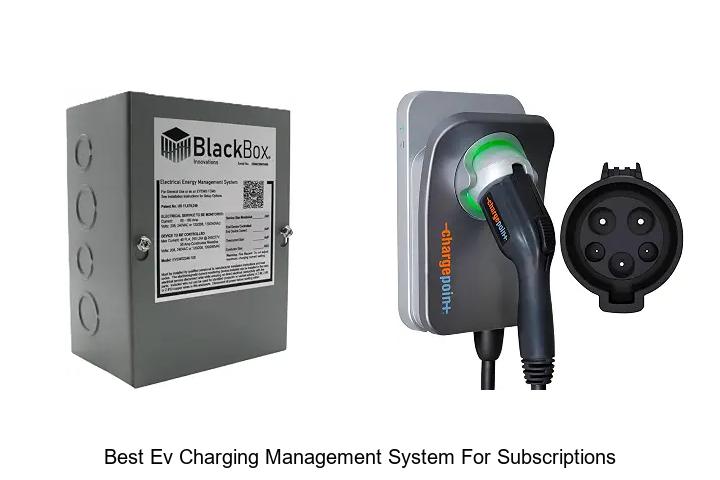
10 Best Ev Charging Management System for Subscriptions: Top Rated Options Compared
Many businesses now manage electric vehicle charging with recurring plans. They need a system that can handle billing, access, and usage without extra work. A weak setup can lead to missed payments, confused users, and more support requests.
A weak setup can lead to missed payments, confused users, and more support requests. This review focuses on the best ev charging management system for subscriptions and what it offers for operators, property managers, and fleet teams. It is meant for readers who want a simple way to run paid charging services with less manual effort.
A good platform can help track members, control who can charge, and keep subscription details organized. It may also make reports easier to read and day-to-day tasks easier to manage.
In this product review, we will look at the main features, setup process, ease of use, pricing, and where it fits best. We will also cover the limits, so you can judge whether it matches your charging needs.
Compare the Best EV Charging Subscription Management Systems
| Image | Product | Price |
|---|---|---|
Pick 1  | BLACKBOX EV Charger 240V 60-100A | Check Price On Amazon |
Pick 2 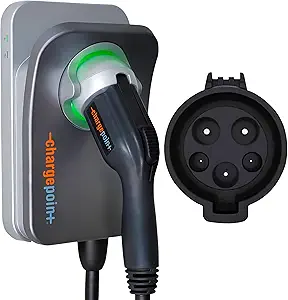 | ChargePoint HomeFlex EV Charger | Check Price On Amazon |
Pick 3  | Level 2 EV Charger | Check Price On Amazon |
1. BLACKBOX EV Charger 240V 60-100A
Home charging gets smarter when electrical capacity is tight. BLACKBOX EV Charger 240V 60-100A manages charging without a panel upgrade. It supports a wide range of EV charging rates, from 16 Amp through 48 Amp output.
That flexibility makes it useful for different vehicles and charging setups. The compact 8 by 6 by 4 inch size keeps installation practical near the panel.
Its patented algorithm extends on-time when available capacity allows. The system pauses charging when household demand rises above safe limits. That approach helps protect the EV charger from repeated power cycling.
It works with any brand of EV charger and any auto brand. The unit is designed for 60A to 100A service sizes. Installation by a qualified electrician is highly recommended.
For homes wanting smart charging control, it offers strong utility. It suits drivers who want overnight charging without electrical service changes.
Pros
- Supports multiple charging rates for different EV needs
- Works with any brand of EV charger
- Helps avoid panel upgrade costs
Cons
- EV charger must be purchased separately
- Installation needs a qualified electrician
- May limit charging during household capacity shortages
Who Should Buy It?
Buy it if your home service sits between 60A and 100A. It suits drivers who want controlled overnight charging without electrical panel changes. Households with limited spare capacity may value its automatic charge management.
It also fits owners using any compatible 240V EV charger and wanting flexible amperage support.
Key Specifications
| Specification | Details |
|---|---|
| Brand | BLACKBOX |
| Model | EVEMS240-100 |
| Type | EV charger management system |
| Max Output | 48 Amp |
| Current Rating | 50 A |
| Input Voltage | 240 volts |
| Output Voltage | 240 volts |
| Connectivity | Works with any brand of EV charger |
| Certification | CEC, ETL, NEC |
| Dimensions | 4″D x 6″W x 8″H |
| Weight | Not listed |
The BLACKBOX EVEMS240-100 runs on 240 volts and supports 60A to 100A service sizes. It can manage charging at 16, 20, 24, 30, 32, 40, and 48 amps. In daily use, that means it can match charging speed to available home capacity. The system works with any brand of EV charger. Its small 8 by 6 by 4 inch form also helps when wall space is limited near the electrical panel.
These specifications matter for homes that need charging control without major electrical changes. The 48 amp maximum output supports faster overnight charging when capacity allows. The 240 volt input and output keep it aligned with common Level 2 charging setups. CEC, ETL, and NEC compliance adds confidence for installation planning. Because the charger is sold separately, buyers can pair it with their preferred unit. That flexibility suits households wanting smart load management around existing electrical service.
2. ChargePoint HomeFlex EV Charger
Reliable home charging starts with steady power and simple control. ChargePoint HomeFlex brings that mix to a hardwired Level 2 setup. It is made for drivers who want dependable daily charging at home.
The unit supports up to 50 amps on a 240-volt circuit. It can add up to 45 miles of range per hour, depending on the vehicle.
The J1772 connector works with all non-Tesla EVs, while Tesla owners need an adapter. ChargePoint’s mobile app adds smart control, reminders, charging data, and station finding.
WiFi is needed for some features and troubleshooting. The charger is UL-certified, Energy Star listed, and rated for indoor or outdoor installation.
Its cold-resistant cable and 23-foot cord help with flexible placement. Build quality feels geared toward frequent use, and the compact hardwired design suits permanent home installs. For households that want reliable charging and app-based tracking, it offers a practical balance of speed, safety, and convenience.
Pros
- Charges quickly on a 240-volt home circuit
- Smart app offers useful charging controls
- Indoor and outdoor installation support
Cons
- Requires hardwired installation by an electrician
- Tesla drivers need an adapter
- Some app features need WiFi
Who Should Buy It?
Buyers who want dependable home charging with app-based control should consider it. It suits non-Tesla EV owners who need a hardwired Level 2 charger for regular use. It also fits homes with a suitable 240-volt circuit and drivers who value data, reminders, and access to ChargePoint’s wider station network.
Key Specifications
| Specification | Details |
|---|---|
| Brand | ChargePoint |
| Model | CPH50-HARDWIRE-L23 |
| Type | Level 2 EV charger |
| Max Output | Up to 45 mi/hr |
| Current Rating | 50 A |
| Input Voltage | 240 volts |
| Output Voltage | 240 volts AC |
| Connectivity | WiFi, mobile app control |
| Certification | UL-certified, Energy Star |
| Dimensions | 7.06″D x 11.19″W x 7.07″H |
| Weight | 13.8 pounds |
The charger runs on 240 volts and supports a 50 amp current rating. In everyday use, that means faster home charging than a standard wall outlet. ChargePoint lists up to 45 miles of range per hour, depending on the vehicle. The J1772 connector fits non-Tesla EVs, while Tesla drivers need an adapter. Its 23-foot cable also gives more freedom when parking near the charger.
WiFi connectivity and the mobile app add control after installation. Drivers can manage reminders, view charging data, and find stations through the app. UL certification and Energy Star listing support safe, efficient use at home. The hardwired design suits permanent indoor or outdoor placement. At 13.8 pounds, the unit stays relatively compact for a fixed charger. It fits households wanting dependable charging and simple app management.
3. Level 2 EV Charger
Load balancing becomes much easier when charging hardware manages power in real time. The included energy meter and CT clamps help this unit fit busy home electrical setups.
IYILO’s Level 2 EV Charger focuses on smart power control and fast charging. It can deliver up to 46 miles of range per hour at 48A through hardwired installation.
The current adjusts in 1A steps from 6A to 48A, giving fine control over charging speed. Its included energy meter supports real-time dynamic load balancing, so the charger can react to available home power without a panel upgrade.
The built-in NTC sensor watches connector temperature in the app and stops charging above 221°F. The app also supports TOU scheduling, energy tracking, cost tracking, multiple user accounts, RFID card charging, and OTA remote upgrades. Build quality appears practical, with ETL certification, a 15-pound body, and compact dimensions that suit permanent installation.
It works best for drivers who want subscription-style user control, managed access, and stronger home power coordination.
Pros
- Real-time load balancing with included meter and CT clamps
- Adjustable current from 6A to 48A
- App supports scheduling, RFID, and user accounts
Cons
- Requires hardwired installation and a 60A breaker
- Only supports 2.4GHz WiFi
- No mention of portable plug-in use
Who Should Buy It?
Buyers who need home charging with active load balancing will like this model. It suits households with limited panel headroom, shared electrical loads, or multiple users. The app tools also fit owners who want charging schedules, access control, and energy tracking.
It works best for people planning a permanent installation and wanting detailed power management rather than a basic charger.
Key Specifications
| Specification | Details |
|---|---|
| Brand | IYILO |
| Model | Level 2 EV Charger with Energy Meter, CT Clamps for Load Balancing |
| Type | Level 2 EV Charger |
| Max Output | 48A / 11.5kW |
| Current Rating | 6A to 48A |
| Input Voltage | Not provided |
| Output Voltage | Not provided |
| Connectivity | 2.4GHz WiFi, RS-485 cable, RFID |
| Certification | ETL Certified |
| Dimensions | 7.8 x 4.4 x 8.7 inches |
| Weight | 15 pounds |
The charger supports up to 48A output, which translates to 11.5kW power delivery. In everyday use, that means faster home charging than basic Level 1 setups. Current can be adjusted in 1A steps from 6A upward, so users can match charging speed to household power use. The included energy meter and CT clamps help measure available capacity and support load balancing. That matters for homes with other appliances running at the same time.
Its 2.4GHz WiFi connection works with app-based controls, while the RS-485 cable links the meter hardware. RFID support adds controlled access for multiple users. ETL certification gives added confidence for fixed installations, and the compact 7.8 by 4.4 by 8.7-inch size helps it fit common wall spaces. At 15 pounds, it is substantial enough for a permanent mount. Drivers who want scheduling, monitoring, and power management will benefit most.
4. Level 2 EV Charger

Smart charging gets easier when your home setup can think ahead. The CleverCharge Level 2 EV Charger pairs app control with strong everyday charging speed.
It delivers up to 38 miles of range per hour from a 240-volt, 40-amp setup. The CleverKey AI system lets users create charge schedules, get notifications, and track energy use. That makes it appealing for drivers who want more control over charging habits.
The charger uses a J1772 connector, so it works with North American EVs and PHEVs using that port. Its NEMA 14-50 plug makes installation simpler when the outlet already exists.
A 25-foot heavy-duty cable gives extra reach for different parking spots. Build quality looks practical, with Energy Star, FCC, and UL specifications listed.
It also supports multiple chargers and multiple properties from one account. That makes it a smart fit for multi-home families, app-based charging, and drivers who value monitoring over manual plug-in use.
Pros
- App-based scheduling and notifications
- Tracks energy use across homes
- Long 25-foot cable
Cons
- CleverKey features depend on vehicle compatibility
- Requires a NEMA 14-50 outlet
- J1772 port limits compatibility
Who Should Buy It?
Buy this if you want app-based charging with scheduling and usage tracking. It suits drivers managing more than one EV or more than one home. The NEMA 14-50 plug also helps users who already have that outlet installed.
It works best for North American EVs and PHEVs with J1772 charging ports.
Key Specifications
| Specification | Details |
|---|---|
| Brand | CleverCharge |
| Model | EV-112A |
| Type | Level 2 EV Charger |
| Max Output | 40A/240V |
| Current Rating | 40 A |
| Input Voltage | 240 volts_of_alternating_current |
| Output Voltage | 240 volts_of_alternating_current |
| Connectivity | Smart App Control with CleverKey AI |
| Certification | Energy Star, FCC, UL |
| Dimensions | 25ft heavy-duty cable |
| Weight | 18.7 pounds |
The charger runs on 240 volts with a 40-amp rating. That means it is built for Level 2 home charging, not basic wall outlets. The J1772 connector works with many North American EVs and plug-in hybrids. The NEMA 14-50 plug helps simplify setup when the proper outlet is already available. The 25-foot cable adds reach for garages, driveways, and tighter parking layouts. The 18.7-pound weight suggests a unit that is substantial without being overly difficult to handle.
Smart control comes through the CleverCharge app and CleverKey AI features. Users can set charge schedules, receive real-time notifications, and monitor energy consumption. That helps households manage charging around routines and multiple vehicles. The listed Energy Star, FCC, and UL specifications add confidence for buyers who want recognized compliance markers. The 3-year manufacturer warranty also supports long-term ownership planning. Families with more than one EV, or drivers splitting charging between homes, may benefit most from the multi-home management tools.
5. SIEMENS Inhab Load Manager

Avoiding a panel upgrade can make EV charging far easier at home. SIEMENS Inhab Load Manager helps existing electrical panels carry more load safely. It watches available capacity in real time and manages power use accordingly.
The unit is designed for 100 to 225 amp load centers and supports 2-pole loads up to 60A. That makes it a practical fit for EV chargers and other large household appliances. Its metal enclosure feels built for real-world installation, and the NEMA Type 3R rating supports outdoor use.
It works with any brand residential EV charger and any brand load center in the supported range. Installation by a qualified person is required, so it suits planned projects more than casual DIY work.
For homes that need smart load control without electrical service changes, it offers strong utility and solid flexibility.
Pros
- Helps avoid costly panel upgrades
- Works with any brand load center
- Supports outdoor installation
Cons
- Requires qualified installation
- Limited to 60A two-pole loads
- Not a full EV charger
Who Should Buy It?
Homeowners who want to manage EV charging without upgrading their electrical panel should consider it. It also suits people adding other large loads, such as water heaters or dryers. The wide load-center compatibility makes it useful in existing homes and new construction.
Buyers who have a qualified installer lined up will benefit most from its load-management approach.
Key Specifications
| Specification | Details |
|---|---|
| Brand | SIEMENS |
| Model | LM1160 |
| Type | Intelligent and Programmable Energy Management System |
| Max Output | 7200 watts |
| Current Rating | 60 A |
| Input Voltage | 240 volts |
| Output Voltage | 240 volts |
| Connectivity | X-10 |
| Certification | UL Certified |
| Dimensions | 4.5 x 6.5 x 12.4 inches |
| Weight | 9.5 pounds |
The Siemens LM1160 runs on 240 volts and handles up to 60 amps. That means it can manage larger home loads, including an EV charger, water heater, dryer, or oven. Its 7200-watt rating gives it enough capacity for serious household circuits. The included current transformers monitor power use at the panel. In everyday use, that lets the system react to available capacity without requiring a panel replacement or service upgrade.
The compact 4.5 by 6.5 by 12.4 inch enclosure and 9.5-pound weight suit wall mounting in many homes. Its metal construction and NEMA Type 3R outdoor steel enclosure support indoor or outdoor placement. UL certification adds confidence for code-focused installs. Compatibility with any brand load center from 100 to 225 amps broadens setup options. The X-10 connectivity and touch control method point to a practical, utility-focused system for qualified installers and homeowners with multiple large electrical loads.
6. Smart Level 2 EV Charger, 40A J1772 Connector

Future-ready charging starts with smarter power control and flexible connectivity. ELECQ’s 40A Level 2 charger adds Wi-Fi, OCPP support, and active load management for modern home setups.
It delivers up to 38 miles of range per hour with a NEMA 14-50 plug and J1772 connector. That makes it a strong pick for homes that want charging control without a panel upgrade.
The charger is built for indoor and outdoor use, with NEMA 4 weatherproof protection and IK10 impact resistance. It also includes 10kV / 5kA surge protection for harsher weather and power events.
Solar charging modes add another layer of flexibility for households using clean energy. CSA certification and UL compliance add confidence, while Energy Star, FCC, IC, and CA65 listings support its broader safety profile.
It suits drivers who want smart charging now and room for future system expansion.
Pros
- OCPP compatible for smart charging systems
- Active load management supports home energy balancing
- Solar charging modes add flexibility
Cons
- Requires compatible setup for load management
- Plug-in format may not suit every home
- J1772 connector limits compatibility with some EVs
Who Should Buy It?
Buyers wanting future-ready home charging should consider it. It fits households that want Wi-Fi control, load balancing, and solar charging options. Drivers planning for smarter energy management will appreciate the OCPP compatibility.
It also suits homes needing outdoor-rated hardware with strong protection against weather, impacts, and surges. Families with an existing 14-50 outlet may find installation simpler.
Key Specifications
| Specification | Details |
|---|---|
| Brand | ELECQ |
| Model | Black Plug in |
| Type | Smart Level 2 EV Charger |
| Max Output | 40A |
| Current Rating | 40A |
| Input Voltage | NEMA 14-50 plug |
| Output Voltage | Level 2 |
| Connectivity | Wi-Fi, OCPP compatible |
| Certification | CSA certified, UL compliant, Energy Star, FCC, IC, CA65 |
| Dimensions | 19 x 14.5 x 7.1 inches |
| Weight | 16.96 pounds |
The 40A output means the charger can deliver faster home charging than Level 1 units. Its J1772 connector fits many common EVs and plug-in hybrid models. The NEMA 14-50 plug points to an outlet-based installation, which suits homes with that outlet already in place. Wi-Fi and OCPP support let it work with connected charging platforms, while load management helps share power with other household devices.
Weatherproof NEMA 4 construction and IK10 impact resistance make it suitable for outdoor mounting. Surge protection rated at 10kV and 5kA adds protection during electrical events. The 16.96-pound weight and 19 x 14.5 x 7.1-inch size suggest a fairly compact wall unit. These specifications favor homeowners who want smart control, safer power handling, and fewer electrical upgrades while keeping charging hardware ready for changing energy setups.
7. BLACKBOX EV Charger 240V NEMA 3R

Weatherproof charging control makes this BLACKBOX unit stand out fast. It helps manage EV charging without needing a panel upgrade.
The EVEMS240-100-3R works with 60A to 100A service sizes. It supports 20, 24, 30, 32, 40, and 48 amp charging levels. That range gives owners flexibility across different EVs and usage patterns.
The compact 8 x 6 x 4 inch body is easy to place near a panel. Its intelligent algorithm allows longer on-times when capacity permits. Charging pauses automatically when electrical demand rises too high.
That helps protect charging equipment from repeated power cycling. The weatherproof NEMA 3R design suits outdoor or exposed installs.
It works with any brand of EV charger or 240 volt plug. Installation by a qualified electrician is recommended for safe setup.
Buyers who want load management and weather resistance get strong value here.
Pros
- Weatherproof NEMA 3R design for exposed installs
- Works with any EV charger brand
- Supports multiple amperage settings
Cons
- EV charger is sold separately
- Requires qualified electrician installation
- Limited to 60A to 100A service sizes
Who Should Buy It?
Buyers with weather-exposed charging locations should take a close look. It suits homes that need EV load management without a panel upgrade. It also fits owners using any brand of EV charger.
People with 60A to 100A service sizes get the most value. Those wanting simple outdoor-compatible control will appreciate the NEMA 3R housing.
Key Specifications
| Specification | Details |
|---|---|
| Brand | BLACKBOX |
| Model | EVEMS240-100 NEMA 3R |
| Type | EV Charger Management System |
| Max Output | 48 Amp |
| Current Rating | 50 A |
| Input Voltage | 240 volts |
| Output Voltage | 240 volts |
| Connectivity | Any brand of EV Charger, Any 240 V Plug |
| Certification | CEC, ETL ( UL 2594 Compliant), NEC |
| Dimensions | 4″D x 6″W x 8″H |
| Weight | 8.2 pounds |
The BLACKBOX unit runs on 240 volts in and out. It is sized for 60A to 100A service capacities. The system supports charging levels from 20 amps up to 48 amps. That means it can work with different daily driving needs. The compact 4 by 6 by 8 inch housing helps nearby installation. Its 8.2 pound weight keeps the unit manageable during mounting and setup.
These specifications suit homes that need controlled charging without electrical service changes. The NEMA 3R design supports weather-exposed mounting locations. Compatibility with any brand of EV charger adds flexibility for mixed setups. CEC, ETL, and NEC compliance points to code-aware installation planning. The 48 amp maximum output supports stronger charging when capacity allows. Owners with outdoor parking, shared equipment, or variable household loads benefit most.
8. Wallbox Smart Power Meter

Managing EV charging becomes easier when power balancing stays automatic. Wallbox Smart Power Meter fits Wallbox Pulsar family setups and helps control energy use. It monitors available power and adjusts charging alongside other building loads in real time.
That can help prevent breaker trips while keeping charging speeds steady. The meter also supports solar charging with Full-Green and Eco Mode.
Full-Green uses only solar power, while Eco Mode blends solar and grid power. Installation is simpler because it uses two included 250A CT clamps. Those clamps allow indirect measurement, so main cables stay untouched during setup.
That makes the meter suitable for homes, commercial charging hubs, and mixed-use properties. Its small size and Wallbox App setup add convenience for users wanting easier energy management.
The unit suits buyers already using Wallbox hardware and needing smarter charging control.
Pros
- Works with Wallbox Pulsar family chargers
- Supports solar charging modes
- Uses non-intrusive CT clamp installation
Cons
- Limited to Wallbox ecosystem compatibility
- Requires compatible electrical panel setup
- No output or voltage specs listed
Who Should Buy It?
Buyers with Wallbox Pulsar chargers should consider this meter first. It suits homes, commercial properties, and charging hubs that need load balancing and solar-aware charging. It also fits setups that benefit from indirect panel measurement and app-based setup.
Users wanting tighter control over building power use will get the most value.
Key Specifications
| Specification | Details |
|---|---|
| Brand | Wallbox |
| Model | NA Power Meter |
| Type | Energy management power meter |
| Current Rating | 250A |
| Connectivity | Wallbox App |
| Dimensions | 2.2 x 2.5 x 3.5 inches |
| Weight | 9.9 ounces |
The Wallbox Smart Power Meter uses two 250A current transformer clamps for indirect measurement. That means it reads panel activity without disconnecting main power cables. In everyday use, that can simplify installation and reduce disruption during setup. Its small 2.2 x 2.5 x 3.5-inch size helps it fit into compact electrical spaces. At 9.9 ounces, it is light enough for straightforward handling during mounting and placement.
A 250A current rating suits electrical panels found in many homes and larger properties. The Wallbox App connection lets users configure the meter and manage charging from a familiar interface. That combination helps households and businesses balance charging loads with other appliances. Buyers with Wallbox Pulsar chargers benefit most, since compatibility is built in. The meter’s size and indirect sensing also suit users who want easier setup and less panel interruption.
9. Universal EV Charger Cable Retractor

Cable clutter can make EV charging areas feel messy fast. A wall mounted retractor helps keep the charging cable organized and off the ground.
The Universal EV Charger Cable Retractor is built for cables from 20 to 25mm, giving it a focused fit for common EV charging setups. It is designed by EMPORIA and weighs 11.55 pounds, which suggests a substantial wall mounted unit.
Its main appeal is straightforward cable organization around the charger. The wall mounted format helps keep the cable positioned neatly when not in use. That can make daily charging feel cleaner and more orderly, especially in a garage or dedicated parking spot.
The unit’s size, at 10.2 x 9.65 x 6.85 inches, suggests a compact footprint. It suits drivers who want tidier cable storage without adding extra complexity to charging routines. Build details from the listing are limited, but the weight implies a solid-feeling installation piece.
For homes with regular EV charging, it offers a practical way to manage cable placement and reduce floor clutter.
Pros
- Keeps EV charging cables organized
- Wall mounted for tidier storage
- Fits cables from 20 to 25mm
Cons
- Only fits a specific cable diameter range
- No electrical output details are listed
- Installation requirements are not provided
Who Should Buy It?
Buyers who want cleaner cable storage around a home charging spot should look here. It suits EV owners with 20 to 25mm charging cables who prefer a wall mounted organizer over loose cable handling. People with a garage charger, a fixed parking space, or a tidy utility area may benefit most.
It also fits users who want a simple cable management addition without extra charging features.
Key Specifications
| Specification | Details |
|---|---|
| Brand | EMPORIA |
| Model | Universal EV Charger Cable Retractor |
| Type | Wall Mounted Cable Management System |
| Connectivity | Works with EV Charging Cables from 20 to 25mm |
| Dimensions | 10.2 x 9.65 x 6.85 inches |
| Weight | 11.55 pounds |
The listed specifications show a cable management accessory, not a charger itself. EMPORIA is the brand, and the model name points to its cable retractor purpose. The wall mounted type tells buyers it is meant to stay fixed in one spot near a charger. The compatibility note, for cables from 20 to 25mm, matters because cable thickness affects fit and handling. The compact dimensions suggest it should suit garage walls and similar charging locations.
In everyday use, these specs mean the unit is aimed at tidy cable storage near a fixed EV charging point. The 11.55 pound weight may help it feel steady once mounted. A wall mounted design can make cable access easier and reduce floor mess around the vehicle. People with thicker cables in the listed range are the best match. Users with different cable sizes may need to check fit carefully before choosing it for their setup.
10. Flexible EV Overhead Cable Management System

A cleaner garage starts with cable control, and this organizer focuses on that job well. It keeps charging cables suspended, reachable, and out of the way.
The Flexible EV Overhead Cable Management System works with Tesla Wall Connector Gen 3, Tesla Mobile Connector, and other common EV chargers. It mounts to walls or ceilings, and it fits charging cables from 3/8 inch to 3/4 inch.
That wide compatibility makes it useful for many Level 2 charging setups. Its retractable design helps reduce trip hazards and keeps the garage floor clear.
It also helps protect cables when they are not being used. The one-hand charging setup adds convenience during busy routines, especially when carrying gear or other items. Flexible reach lets the cable move toward the vehicle, while retraction restores overhead clearance near the garage door.
The build uses 304 stainless steel weather-resistant hardware, which supports long-term use in a garage setting. At 1.9 pounds, it feels compact and manageable for installation. It suits drivers who want tidier cable storage and easier daily charging access.
Pros
- Works with Tesla and other common EV chargers
- Keeps cables off the garage floor
- Supports wall or ceiling mounting
Cons
- Made for cable control, not charging power
- No electrical output or connectivity details listed
- Installation hardware details are limited
Who Should Buy It?
Garage owners who want cleaner cable storage should consider this setup. It suits drivers using Tesla Wall Connector Gen 3, Tesla Mobile Connector, or similar Level 2 chargers. People who want fewer trip hazards and easier daily access will appreciate the overhead layout.
It also fits homes where ceiling clearance matters near the garage door.
Key Specifications
| Specification | Details |
|---|---|
| Brand | FETUSI |
| Model | CDQZLQ |
| Type | Flexible EV Overhead Retractable Cable Management System |
| Dimensions | 7.35 x 5.21 x 3.5 inches |
| Weight | 1.9 pounds |
The listed dimensions show a compact organizer that should fit many garage layouts. Its 1.9-pound weight suggests a manageable unit for wall or ceiling placement. The type name makes its purpose clear, since it is built to suspend and retract charging cable slack. Compatibility with Tesla Wall Connector Gen 3, Tesla Mobile Connector, and other common EV chargers means it can suit many Level 2 home charging setups without special cable requirements.
The hardware uses 304 stainless steel and weather-resistant materials, which points to durable garage use. Cable compatibility from 3/8 inch to 3/4 inch helps it work with a broad range of charging leads. In daily use, that means less floor clutter and easier one-hand handling during charging. Drivers who want a tidier, more organized garage will benefit most, especially when parking space or overhead clearance is limited.
Best EV Charging Management System for Subscriptions: A Buyer’s Guide
Subscription plan flexibility
A flexible subscription platform can make a charging business easier to scale because billing terms, user access, and service levels often need to change as demand grows. Monthly and annual billing options give operators room to serve both short-term users and long-term customers, while also improving cash flow predictability for the business.
Custom tiers for different user types are equally important, since fleet accounts, apartment communities, workplace users, and public drivers rarely need the same features or usage limits. Clear upgrade and downgrade rules help prevent billing disputes and service interruptions, allowing customers to move between plans smoothly as their needs change. A system with these capabilities supports a more adaptable pricing model and reduces the risk of losing subscribers due to rigid contract terms.
- Monthly billing can attract users who want flexibility and lower commitment.
- Annual billing often works well for customers who prefer savings and long-term stability.
- Custom tiers allow different groups to pay for the features they actually use.
- Simple upgrade and downgrade policies improve customer satisfaction and retention.
Billing and payment management
Reliable subscription platforms for EV charging depend on a strong link between billing tools, payment gateways, and site operations, because even a small gap can interrupt recurring revenue and frustrate customers. A system with automated recurring payments keeps subscription charges on schedule, reducing manual work and limiting missed renewals, while invoice generation with tax support helps deliver accurate records that meet local compliance needs and simplify accounting. Failed payment recovery workflows are just as important, since they can retry charges, notify customers, and help restore service before a subscription is lost.
Failed payment recovery workflows are just as important, since they can retry charges, notify customers, and help restore service before a subscription is lost. Together, these capabilities create a smoother payment experience and make the platform easier to scale as service locations and customer accounts grow.
- Automated recurring payments: keeps subscriptions active with less manual intervention and fewer missed charges.
- Invoice generation and tax support: improves accuracy, compliance, and bookkeeping for every transaction.
- Failed payment recovery workflows: helps recover revenue and reduce churn through retries and timely alerts.
Charging session controls
Charging session controls shape how efficiently a subscription-based EV charging platform can serve drivers, because the right setup helps operators manage demand, protect revenue, and keep stations available for active users. Usage limits and session caps are especially important for preventing a small number of drivers from monopolizing shared resources, while timebased access restrictions let businesses define exactly who can charge and during which hours.
Together, these controls support smoother station turnover, fairer access for subscribers, and better day-to-day oversight of charging activity.
Platform integrations
Platform integrations matter because a subscription-based charging platform must communicate smoothly with chargers, networks, and back-office tools to keep billing accurate and service reliable. Compatibility with charging hardware and networks helps prevent setup issues, reduces downtime, and makes it easier to manage stations from different manufacturers under one system.
API access and third-party app support give the platform room to grow with new services, analytics tools, and operational workflows, so the system can adapt as your business scales without forcing a costly replacement later.
Reporting and analytics
A subscription-based charging platform depends on reliable data flow and room to grow, because accurate reporting only works well if the software can collect information from every charger and adapt as the network expands. Subscription revenue tracking matters because operators need clear billing records, recurring payment visibility, and fast error detection to protect cash flow. Charger utilization reporting is equally important, since it shows which units are active, underused, or overloaded, helping teams balance demand and improve service quality.
Customer usage and retention insights reveal how often subscribers charge, which plans they prefer, and where drop-off risk may appear, making it easier to refine offers and keep customers engaged. A platform with strong data connections and scalable architecture supports all three areas by turning raw charger activity into practical decisions that improve revenue and long-term growth.
Security and scalability
Security and scalability go hand in hand because a subscription-based EV charging platform must protect user accounts today while staying ready for future growth. Strong user authentication and clear access permissions help prevent unauthorized control of chargers, billing tools, and customer records, which is especially important in shared or multi-operator environments. Equally important is data privacy and payment security, since subscription services handle personal details and recurring transactions that need encrypted protection and secure processing to maintain customer trust.
Equally important is data privacy and payment security, since subscription services handle personal details and recurring transactions that need encrypted protection and secure processing to maintain customer trust. A well-prepared platform should also support multilocation growth, making it easier to add new sites, manage them from one dashboard, and keep service consistent as the network expands. Together, these features reduce risk, simplify operations, and create a stable foundation for long-term subscription success.
Pick the Right Subscription Fit
Choosing an EV charging management system for subscriptions starts with your business size. A small site with a few chargers needs simple billing, easy user control, and basic reports. A larger site may need multi-location tools, role-based access, and stronger usage tracking.
Think about who will use the system. Some platforms work well for apartment buildings, workplaces, or fleets. Others are built for public charging sites that need many drivers, pricing plans, and payment rules. The best match is the one that fits your daily setup, not just the one with the longest feature list.
Charging habits also matter. If drivers use the stations at set times, a system with scheduled access and member plans may be enough. If usage changes often, choose software that can handle different pricing tiers, guest access, and automatic billing.
Here are a few simple checks that can help:
- How many chargers do you manage now?
- Will you add more ports later?
- Do you need monthly subscriptions, pay-as-you-go pricing, or both?
- Will one person manage the system, or will a team share access?
- Do you need reports for costs, energy use, or member activity?
Also check what hardware the software supports. Some systems work with a narrow list of charger brands. Others connect to more equipment and are easier to expand. A good fit should work with your current chargers and leave room for growth.
Finally, compare support and setup time. A subscription platform that is easy to set up can save time for small teams. Bigger operations may prefer more controls, even if setup takes longer.
FAQ’s
What Features Should The Best Ev Charging Management System For Subscriptions Include?
The best EV charging management system for subscriptions should include flexible billing, real-time usage tracking, user-friendly subscription plans, and seamless payment processing. It should also offer smart scheduling, analytics, access control, and reliable customer support.
How Does An Ev Charging Management System Help Manage Recurring Subscription Plans?
An EV charging management system automates recurring subscription plans by handling billing, user account management, and access control in one platform. It also tracks usage and renewals, making it easier to manage plans and reduce manual work.
Which Ev Charging Management Platforms Support Billing, Access Control, And Usage Tracking For Subscriptions?
Platforms such as ChargePoint, EVBox, and Driivz support billing, access control, and usage tracking for subscription-based EV charging. Other common options include AMPECO, GreenFlux, and Wallbox, which offer similar subscription management features.
How Can Businesses Choose The Best Ev Charging Management System For Subscription-Based Customers?
Businesses should choose an EV charging management system that offers flexible subscription plans, reliable billing, real-time usage tracking, and easy integration with their existing software. It should also provide strong customer support, scalable features, and data insights to help manage recurring users efficiently.
What Are The Benefits Of Using An Ev Charging Management System For Subscription Services?
An EV charging management system helps subscription services automate billing, track usage, and manage member access more efficiently. It also improves customer experience by ensuring reliable charging, real-time monitoring, and scalable service management.
Final Verdict
For buyers who want the best ev charging management system for subscriptions, BLACKBOX EV Charger 240V 60-100A is the strongest overall pick thanks to its smart charging control, making it a solid fit for users who want more control over charging schedules and usage. The Level 2 EV Charger is the best value choice for buyers who prefer app-based charging without paying for premium extras, while still getting easy day-to-day management.
SIEMENS Inhab Load Manager is the best premium option for homes that want to avoid a panel upgrade and manage power more efficiently. For garage organization, the Universal EV Charger Cable Retractor is the right pick for keeping cables tidy and out of the way.
Choose BLACKBOX for the best overall smart charging control, or pick the Level 2 EV Charger if app-based charging at a lower price matters most.