10 Best Mountain Hunting Boots: Top Options Compared
Cold feet, sore arches, and slippery footing can ruin a hunt fast. Good support and traction matter when you spend long hours on steep ground. That is why many hunters search for the best mountain hunting boots before they head into rough country.
The right pair can help with comfort, grip, and steadier movement on uneven trails. This review is for hunters who need reliable boots for rocky slopes, cold mornings, and long days outside.
It also helps buyers who want strong ankle support and a fit that works on demanding terrain. Below, you will see how different boots compare for fit, durability, insulation, and tread.
The goal is to help you choose a pair that matches your hunting style and the ground you cover.
Top Picks for the Best Mountain Hunting Boots
| Image | Product | Price |
|---|---|---|
Pick 1  | Danner Vital 8 Waterproof Hunting Boots | Check Price On Amazon |
Pick 2  | KENETREK Mountain Guide 400 Hunting Boots | Check Price On Amazon |
Pick 3  | ROCKY Retraction Outdoor Boot | Check Price On Amazon |
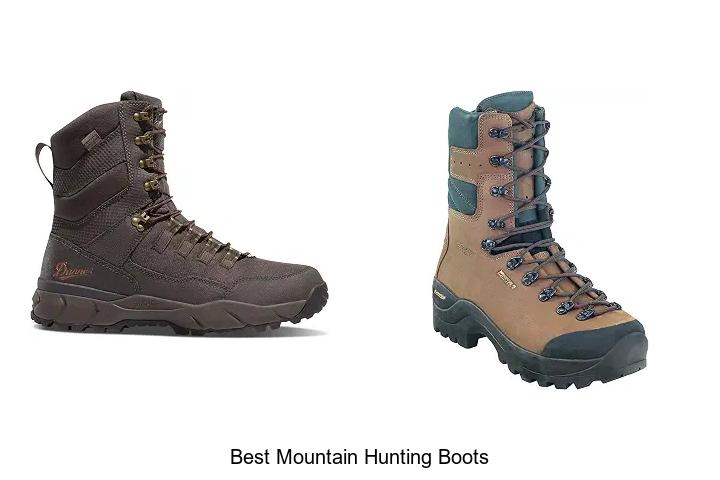
1. Danner Vital 8 Waterproof Hunting Boots
Mountain hunts demand boots that stay light, dry, and steady. Danner Vital 8 Waterproof Hunting Boots bring all three into one package.
Built with split leather and 900 Denier polyester, they aim for durability without excess bulk. The Danner Dry barrier helps keep water out while letting moisture escape. A mesh-lined tongue helps regulate temperature during long hikes.
The Lock & Load lacing system gives a quick, secure fit with quiet movement. Underfoot, the open cell footbed and Plyolite midsole add cushioning and air circulation. Multi-density foam helps reduce hot spots and pinch points on rough terrain.
The traction outsole uses multidirectional lugs for grip on moss, rock, and slick ground. At 2.9 pounds, they should suit hunters who want dependable support and everyday trail comfort. These boots feel aimed at all-around mountain hunts where weather and footing can change fast.
Pros
- Waterproof Danner Dry barrier helps block outside moisture.
- Durable split leather and 900 Denier polyester upper.
- Traction outsole grips moss, rock, and slick surfaces.
Cons
- No insulation listed for colder late-season hunts.
- Mid-calf height may feel bulky to some hunters.
- Leather construction may need regular care.
Who Should Buy It?
Who should buy it: Hunters wanting one boot for varied mountain terrain. It suits people who value waterproof protection, secure lacing, and steady traction on wet rock or moss. The mid-calf height and cushioning also help on longer hikes.
It fits all-season use, so it works for hunters needing a versatile pair for frequent outings.
Key Specifications
| Specification | Details |
|---|---|
| Brand | Danner |
| Model Name | Vital 8 |
| Boot Shaft Height | Mid-Calf |
| Water Resistance Level | Waterproof |
| Insulation | None listed |
| Outer Material | Leather |
| Sole Material | Leather |
| Item Weight | 2.9 pounds |
| Occasion | Hunting |
The 8-inch height gives extra coverage above the ankle. Mid-calf support can help on steep ground and uneven trails. Waterproof construction suits wet grass, stream crossings, and changing weather. The leather outer material and leather sole point to a traditional build. At 2.9 pounds, the pair stays fairly light for a hunting boot. That balance may appeal to hunters who want support without carrying heavy footwear on long days.
The Danner Dry barrier matters most during wet mountain trips. It helps keep outside water from entering the boot. The breathable design also lets moisture escape during hard climbs. Multi-density foam and the open cell footbed improve comfort on longer hikes. The traction outsole uses multidirectional lugs for slippery surfaces. Hunters who spend hours on rock, moss, and wet ground may benefit most from that mix of grip, cushioning, and weather protection.
2. KENETREK Mountain Guide 400 Hunting Boots
Cold mountain starts call for insulation, support, and traction. These boots target hunters carrying heavy loads through rough terrain.
KENETREK Mountain Guide 400 Hunting Boots use 400-gram Thinsulate and a Windtex membrane. That pairing helps hold warmth while blocking rain, snow, and moisture.
The 2.8mm leather uppers add toughness for rocky routes and brush. A one-piece vamp and reinforced stitching improve abrasion resistance.
Rigid 7mm nylon midsoles and supportive footbeds help steady arches and heels. A protective rubber toe cap adds extra defense.
Deep K-73 outsoles provide confident grip on mud, loose soil, and steep slopes. The 10-inch shaft adds more coverage for backcountry conditions.
These boots suit hunters who want warmth, stability, and dependable footing on cold hunts.
Pros
- 400-gram Thinsulate adds warmth in cold conditions
- Strong support helps with heavy pack loads
- Deep-tread soles grip loose and steep terrain
Cons
- 4.5-pound weight may feel heavy to some
- Stiffer build may take time to break in
- Warmth may be more than needed in mild weather
Who Should Buy It?
Buy these if you hunt cold backcountry terrain and carry heavy gear. The insulation, waterproofing, and support suit steep slopes and rough ground. Hunters who want extra ankle coverage and firm footing will appreciate the 10-inch shaft and aggressive outsole.
They fit people who value durability and warmth more than light weight or flexible feel.
Key Specifications
| Specification | Details |
|---|---|
| Brand | Kenetrek |
| Model Name | Hunting Boot |
| Boot Shaft Height | 10 |
| Water Resistance Level | Waterproof |
| Insulation | 400-gram Thinsulate |
| Outer Material | Leather |
| Sole Material | Rubber |
| Item Weight | 4.5 pounds |
The 10-inch shaft gives extra coverage around the lower leg and ankle. Waterproof construction helps keep out rain, snow, and ground moisture. Four hundred grams of Thinsulate adds warmth for cool hunting days. Leather uppers bring abrasion resistance for brush, rock, and rough trail use. Rubber soles add grip across changing surfaces. Together, these details suit hunters who spend long hours in cold backcountry conditions and want steady protection without constant gear adjustments during the day.
The 4.5-pound weight reflects a boot built for support and protection. Rigid midsoles and supportive footbeds help manage heavy pack loads on steep ground. The rubber sole works with deep tread for traction on mud and loose soil. Leather construction and reinforced stitching help the boot handle repeated field use. Hunters who prioritize warmth, ankle coverage, and stability will benefit most. Those wanting a lighter feel may prefer a less substantial boot option.
3. ROCKY Retraction Outdoor Boot
Cold mornings call for insulation, and this boot brings 800 grams of it. Waterproof construction and Realtree Xtra styling make it a practical choice for hunting trips.
The ROCKY Retraction Outdoor Boot uses a lace-up mid-calf design for added coverage and a secure fit. Its leather and nylon upper, paired with a fabric lining, gives it a straightforward build for outdoor use. The EVA and rubber sole supports steady footing across mixed ground.
A round toe and western heel round out the shape. At two pounds, it stays fairly manageable for an insulated boot. It suits hunters wanting warmth, water protection, and a lower-cost option.
Pros
- 800G insulation adds strong cold-weather warmth
- Waterproof build helps in wet conditions
- Mid-calf height offers extra coverage
Cons
- Heavier than uninsulated boots
- Western heel may feel unfamiliar to some
- Budget materials may feel less refined
Who Should Buy It?
Hunters who want warmth and waterproof protection on a tighter budget should consider it. The 800G insulation suits colder days, while the mid-calf height adds coverage. Its leather and nylon build, lace-up closure, and EVA or rubber sole make it practical for outdoor use.
It fits buyers needing a straightforward insulated boot for casual hunting conditions.
Key Specifications
| Specification | Details |
|---|---|
| Brand | ROCKY |
| Model Name | Men’s Waterproof Insulated Hunting Boots |
| Boot Shaft Height | 8 |
| Water Resistance Level | Waterproof |
| Insulation | 800G |
| Outer Material | Leather, Nylon |
| Sole Material | EVA/Rubber |
| Item Weight | 2 pounds |
| Occasion | Casual |
The 800G insulation means the boot holds heat for colder outings. Waterproof protection helps keep feet dry in wet grass or light snow. An 8-inch shaft gives more lower-leg coverage than shorter boots. Leather and nylon form the upper, which balances structure and flexibility. The EVA and rubber sole adds cushioning and traction for outdoor ground. Together, these details suit hunters who want warmth without choosing a heavy, specialized boot.
The two-pound weight helps the boot stay manageable during long wear. Lace-up closure lets the wearer adjust fit across the mid-calf shaft. A round toe gives a familiar shape for everyday movement. The fabric lining and textile insole add a simple interior feel. Casual use fits buyers who want a hunting boot that also handles general outdoor wear. These specs favor people who value basic comfort, weather protection, and straightforward setup.
4. Kenetrek Mountain Extreme 400 Insulated Hiking Boots

Heavy loads call for serious support, and these boots are built for that job. The 10-inch shaft and waterproof leather construction give them a strong mountain-ready profile.
Kenetrek’s Mountain Extreme 400 Insulated Hiking Boots are made for hiking and hunting in fall and winter. The round toe and lace-up closure keep the fit practical and secure. A rubber sole and block heel add steadiness on uneven ground.
The 400 insulation also helps in colder conditions without changing the boot’s rugged feel. At 4.2 pounds, they are clearly built with structure and support in mind. The leather outer and synthetic lining point to a durable, field-focused build.
These boots suit hunters carrying heavy packs who want height, warmth, and support. They are less about light trail speed and more about dependable performance.
For demanding terrain, the design favors stability, protection, and long-haul wear.
Pros
- Strong support for heavy pack carries
- Waterproof leather helps in wet conditions
- 400 insulation suits cold-weather use
Cons
- Heavier than lighter hiking boots
- May feel bulky on easier trails
- Not built for warm-weather comfort
Who Should Buy It?
Buy these boots if you carry heavy packs on cold hunts. They suit hunters who want a tall shaft, waterproof protection, and insulation for fall or winter use. The leather build and rubber sole fit rough terrain, while the block heel adds steady footing.
They work best for users who value support and protection over light weight.
Key Specifications
| Specification | Details |
|---|---|
| Brand | Kenetrek |
| Model Name | Mountain Extreme 400 |
| Boot Shaft Height | 10 inches |
| Water Resistance Level | Waterproof |
| Insulation | 400 insulation |
| Outer Material | Leather |
| Sole Material | Rubber |
| Item Weight | 4.2 pounds |
| Occasion | Hiking, Hunting |
The 10-inch shaft gives extra coverage around the lower leg. That height suits rough ground and colder weather. Waterproof leather helps block moisture during wet hikes or hunts. A rubber sole adds traction and underfoot durability on uneven terrain. The round toe keeps the fit straightforward, while the lace-up closure lets users adjust tightness. The block heel supports a more stable stance when carrying weight through hills, brush, or rocky ground.
The 400 insulation makes these boots a stronger choice for fall and winter use. It adds warmth without changing the boot’s hunting-ready build. The leather outer and synthetic lining suggest a mix of protection and interior comfort. At 4.2 pounds, these boots are not light, and that weight reflects their support-focused design. Hunters and hikers who carry heavy gear should benefit most from the added structure, warmth, and foot protection.
5. Columbia Newton Ridge Plus II Waterproof

A budget-friendly hiking boot with waterproof coverage for wet trails. It brings leather construction and an ankle-height build for steady outdoor use. Columbia’s Newton Ridge Plus II Waterproof focuses on simple protection and easy wear.
The closed toe and mid-top shape suit rough ground and changing weather. The leather outer material gives it a durable feel for daily outings.
Rubber in the sole and insole adds dependable underfoot grip and support. A pull-on closure keeps entry straightforward without extra fuss. Its all-season design makes it useful across many outdoor conditions.
The cotton lining may feel familiar and comfortable for general wear. It suits hunters who want an affordable trail option with waterproof confidence.
Pros
- Waterproof design helps in wet outdoor conditions.
- Leather outer material adds durable trail-ready construction.
- Ankle-height profile supports steady movement outdoors.
Cons
- Pull-on closure may feel less adjustable.
- Cotton lining may offer limited warmth.
- Not built as a specialized hunting boot.
Who Should Buy It?
Buy it if you want an affordable outdoor boot with waterproof protection. It suits hunters who also hike long trails and want simple, dependable footwear. The ankle-height design and leather build fit casual field use well.
It works best for buyers who value easy wear, all-season use, and basic trail performance over specialized hunting features.
Key Specifications
| Specification | Details |
|---|---|
| Brand | Columbia |
| Model Name | Newton Ridge Plus Ii Waterproof |
| Boot Shaft Height | Ankle |
| Water Resistance Level | Waterproof |
| Outer Material | Leather |
| Sole Material | Rubber |
| Item Weight | 1 g |
| Occasion | Outdoor |
The ankle-height shaft gives coverage without feeling overly tall. Waterproof construction helps keep feet drier in damp grass, mud, or light rain. Leather on the outside adds a firmer feel than many lightweight trail shoes. Rubber in the sole and insole supports grip and everyday comfort on uneven ground. The outdoor occasion label fits trail use, camp tasks, and general field wear.
These specifications point to a simple boot for mixed terrain and changing weather. The waterproof build matters most when paths stay wet or brush is soaked. Rubber underfoot can help with traction and wear resistance across repeated outings. The leather outer material should appeal to buyers wanting more structure and protection. The ankle height suits people who want support without a bulky boot shape.
6. Kenetrek Corrie II Hiker Boots

Built for hunters who move light and fast, these boots mix leather, nylon, and waterproof protection. They suit long days on foot, with a 7-inch shaft and ankle-high support.
The Kenetrek Corrie II Hiker Boots are made for light hiker hunters who want a practical boot for hiking and hunting. The round toe and lace-up design give a familiar fit, while the block heel adds steady footing on uneven ground. Leather and nylon make up the outer material, and the synthetic lining helps keep the interior simple and durable.
A rubber sole supports grip, and the waterproof build helps in wet conditions. At 3.2 pounds, they are not the lightest option, but they still suit active use. Their value comes from a balanced mix of support, protection, and straightforward construction.
Pros
- Waterproof build suits wet hunting conditions
- Leather and nylon outer adds durability
- Ankle-high shaft supports light hiking
Cons
- 3.2-pound weight may feel heavy
- No insulation listed for cold weather
- Leather build may need regular care
Who Should Buy It?
Light hiker hunters who want waterproof ankle support should consider these boots. They suit hikers who split time between trails and hunting grounds. The lace-up fit, round toe, and rubber sole make them practical for steady movement.
Hunters who want a simple leather-and-nylon boot for all seasons may find them a solid match.
Key Specifications
| Specification | Details |
|---|---|
| Brand | Kenetrek |
| Model Name | Corrie II Hiker |
| Boot Shaft Height | 7 inches |
| Water Resistance Level | Waterproof |
| Insulation | Not listed |
| Outer Material | 70% Leather, 30% Nylon |
| Sole Material | Rubber |
| Item Weight | 3.2 pounds |
| Occasion | Hiking, Hunting |
The 7-inch shaft gives ankle-high coverage for trail use and hunting. Waterproof construction helps keep feet drier in wet grass, mud, or light rain. Leather and nylon in the upper balance structure with flexibility. The rubber sole adds dependable ground contact for uneven terrain. Since insulation is not listed, these boots focus more on weather protection than cold-weather warmth. That makes them a practical choice for mild to moderate conditions.
A 3.2-pound weight means they are not built for ultra-light movement. Even so, the lace-up closure lets wearers adjust the fit securely. The round toe can help keep the front feel less cramped during longer wear. The synthetic insole and lining point to a straightforward interior setup. Hunters who want a dependable hiking-style boot for mixed terrain will get the most from these specifications. The build suits active days where support matters more than minimal weight.
7. Mens Insulated Leather Hunting Boots

Cold-weather hunters will appreciate the brown camo look and insulated build. The waterproof leather construction adds practical protection for snowy mountain days. Kalkal’s Men’s 8″ 400G Insulated Leather Hunting Boots are made for winter hunts and hiking.
The calf-high shaft offers more coverage than shorter boots. A zip closure helps with quicker on and off. The round toe and low heel keep the shape simple and practical.
Rubber outsoles should help with steady footing on rough ground. The 400G insulation suits colder conditions, especially during long sits. Leather adds durability, while the camouflage pattern blends into winter cover.
These boots suit hunters who want cold-weather warmth and straightforward utility. They also fit users who want a hiking boot form with hunting features.
Pros
- 400G insulation suits cold winter hunts
- Waterproof leather helps in wet conditions
- Zip closure makes dressing easier
Cons
- Leather may need more care
- Not ideal for warm-weather use
- Camo styling may limit casual wear
Who Should Buy It?
Buyers heading out for winter camo hunts should consider these boots. They suit hunters who want calf-high coverage, waterproof leather, and insulation for cold conditions. The hiking boot form also helps them work for rough mountain terrain.
They fit people who prefer practical features and a simple zip closure.
Key Specifications
| Specification | Details |
|---|---|
| Brand | Kalkal |
| Model Name | 150 |
| Boot Shaft Height | Calf High inches |
| Water Resistance Level | Waterproof |
| Insulation | 400G |
| Outer Material | Leather |
| Sole Material | Rubber |
| Occasion | Winter |
| Item Weight | Not provided |
The 400G insulation means extra warmth for cold mountain mornings. Waterproof leather helps keep snow and damp ground outside the boot. A calf-high shaft adds more coverage than low-cut footwear. The brown camo pattern fits winter hunting settings without standing out. The round toe and low heel keep the fit and stance straightforward. A zip closure also makes these boots easier to put on and remove.
Rubber soles can give better grip on uneven outdoor surfaces. Leather uppers usually hold up well under regular use. The hiking boot form supports moving across trails and rougher terrain. These features suit winter hunters who need warmth, coverage, and practical traction. The calf-high design may also help keep out snow and brush. Anyone wanting a hunting boot with simple everyday handling will benefit most.
8. Kenetrek Mountain Extreme 1000 Insulated Hiking Boots

Cold hunts demand serious warmth, and these boots are built for that job. A 10-inch leather shaft and 1000 insulation help keep feet protected in winter conditions. Kenetrek’s Mountain Extreme 1000 is a lace-up hiking boot made for hiking and hunting.
It uses a waterproof build with an outer leather shell and synthetic rubber sole. The round toe and block heel give it a classic hunting boot profile. At 4.5 pounds, the boot feels substantial and built for harsh weather.
The mid-calf height adds coverage, while the 9-inch shaft circumference supports a secure fit. Inside, the synthetic insole and synthetic lining keep the design straightforward.
It suits hunters who place warmth above light weight. It also fits outdoor users who need a tall boot for fall and winter wear. The material mix points to a durable, purpose-built boot for cold conditions.
The value comes from the insulation, waterproofing, and leather construction working together.
Pros
- 1000 insulation adds serious cold-weather warmth
- Waterproof leather build suits wet conditions
- 10-inch shaft offers extra lower-leg coverage
Cons
- Heavier than many hiking boots
- May feel bulky for long hikes
- Synthetic materials inside may feel less premium
Who Should Buy It?
Hunters who spend time in cold, wet seasons should consider these boots. They suit people who want tall leather coverage and added insulation. The waterproof design helps in snowy or muddy conditions.
Buyers who value warmth over light weight will likely appreciate them most. They also fit hikers needing a sturdy, mid-calf boot for fall and winter use.
Key Specifications
| Specification | Details |
|---|---|
| Brand | Kenetrek |
| Model Name | Mountain Extreme 1000 |
| Boot Shaft Height | 10 inches |
| Water Resistance Level | Waterproof |
| Insulation | 1000 insulation |
| Outer Material | Leather |
| Sole Material | Synthetic Rubber |
| Item Weight | 4.5 pounds |
| Occasion | Hiking, Hunting |
The 10-inch shaft reaches mid-calf and adds more coverage than shorter boots. Leather on the outside gives the boot a traditional hunting look and a sturdy feel. Waterproof construction helps block moisture during snowy or muddy outings. The synthetic rubber sole adds traction-friendly structure underfoot. A round toe and block heel keep the shape familiar and practical. The lace-up closure lets wearers adjust fit around the 9-inch shaft circumference.
These specifications point toward a boot built for cold, wet conditions. The 1000 insulation supports warmth during fall and winter wear. The 4.5-pound weight shows a substantial build, which suits rugged use. Synthetic lining and insole keep the interior simple and functional. Hunters benefit most from the added height, warmth, and waterproof design. Hikers who prioritize protection over lightness may also appreciate the setup. The boot favors stability and coverage over speed or minimal bulk.
9. Kenetrek Mountain Extreme Hiking Boots

Tall leather protection meets straightforward trekking support in a boot built for rough country. The 10-inch shaft and waterproof build help keep feet sheltered during long hunts and wet trails.
Kenetrek Mountain Extreme Non-Insulated Hiking Boots are made for hiking and hunting in all seasons. The brown leather outer gives the boot a classic field look and steady structure.
A round toe, block heel, and lace-up closure support a secure fit. The rubber sole adds traction, while the synthetic insole and natural rubber lining shape the interior feel. At 3.9 pounds, they are not lightweight, yet that weight can add to their planted feel.
The non-insulated design suits active use and changing conditions better than cold-weather warmth. These boots suit hunters and trekkers who want waterproof coverage, tall shaft support, and durable leather construction without added insulation.
Pros
- Waterproof design helps in wet conditions.
- Tall 10-inch shaft adds lower leg coverage.
- Leather build suits hiking and hunting use.
Cons
- Non-insulated design offers little cold-weather warmth.
- Weight may feel heavy on long hikes.
- Leather construction may need extra break-in time.
Who Should Buy It?
Buyers wanting a waterproof, non-insulated boot for hiking and hunting should consider it. It suits people who value a tall shaft, leather construction, and a secure lace-up fit. Hunters, trekkers, and outdoor workers who move through wet ground may like the added coverage.
It fits users who prefer durability and support over light weight.
Key Specifications
| Specification | Details |
|---|---|
| Brand | Kenetrek |
| Model Name | Mountain Extreme Ni |
| Boot Shaft Height | 10 inches |
| Water Resistance Level | Waterproof |
| Insulation | Non-insulated |
| Outer Material | Leather |
| Sole Material | Rubber |
| Item Weight | 3.9 pounds |
| Occasion | Hiking, Hunting |
A 10-inch shaft gives extra lower-leg coverage on rocky trails. The waterproof rating helps keep out moisture during wet crossings. Leather outer material offers a familiar hiking boot feel with added structure. Rubber soles usually help grip uneven ground during steady uphill travel. The non-insulated build keeps the boot from feeling overly warm. That makes the boot a fit for active days where temperature changes throughout the route.
These specifications point toward support, coverage, and weather protection. The 3.9-pound weight may feel substantial during long miles. Still, that weight can also help the boot feel planted on rough ground. A lace-up hiking boot form allows a more adjustable fit around the ankle and foot. Hunters and trekkers who spend time in wet, uneven terrain may benefit most. The leather and rubber materials also suit hard use across many seasons.
10. SCHNEES Beartooth v3 Mens Boots

Lightweight support matters when long days start before sunrise. The SCHNEES Beartooth v3 aims to keep that load manageable. Built with leather and rubber, it pairs a hiking boot form with waterproof protection.
The ankle-high shaft and lace-up closure should give a secure, familiar fit. A round, closed toe adds straightforward coverage for rough ground.
Rubber outsole construction helps it suit varied outdoor use across all seasons. Synthetic rubber lining and polyester insole materials round out the interior.
For hunters who want less bulk, the lightweight design is the main draw. It feels aimed at mobile users who still want dependable weather protection. The classic style and camouflage pattern also fit outdoor settings well.
Build quality looks focused on practical wear, not excess features. That makes it appealing for demanding days, when comfort and restraint matter. It suits hunters who want a lighter boot without losing coverage.
Pros
- Lightweight build helps reduce fatigue on long hikes
- Waterproof construction supports wet and muddy conditions
- Ankle-high shaft offers practical outdoor coverage
Cons
- No insulation weight details are provided
- Round toe may feel less protective for some
- Classic design may lack extra technical features
Who Should Buy It?
Buyers who want a lighter hunting boot should consider this model. It fits outdoor use, wet conditions, and mixed seasons. The ankle-high design and waterproof build suit moving through brush or damp ground.
Hunters who prefer a simple lace-up fit and classic styling will likely appreciate it. It works best for people who value lighter carry weight over heavy insulation.
Key Specifications
| Specification | Details |
|---|---|
| Brand | SCHNEES |
| Model Name | Sh-bth-2-m |
| Boot Shaft Height | Ankle-High |
| Water Resistance Level | Waterproof |
| Insulation | 200g |
| Outer Material | Leather, rubber |
| Sole Material | Rubber |
| Item Weight | Lightweight |
| Occasion | outdoor |
The Beartooth v3 uses leather and rubber on the outside. That combination usually points to weather protection and steady wear. The ankle-high shaft gives coverage without adding a tall boot feel. Waterproof construction helps keep feet drier in wet grass, snow, or slush. The 200g insulation adds some warmth without sounding overly bulky. For hunters who move often, those details suggest a boot built for practical comfort and simple protection.
Rubber soles usually help with grip and durability on uneven ground. The lace-up closure lets wearers adjust fit across the ankle area. A round, closed toe offers a familiar boot shape for outdoor use. Synthetic rubber lining and a polyester insole keep the inside materials straightforward. Those specifications suit hunters who want lighter carry weight and weather protection. They also fit users who prefer a classic boot that handles mixed outdoor conditions.
Best Mountain Hunting Boots: The Ultimate Buying Guide for Rugged Terrain
Terrain and elevation requirements
Steep terrain demands footwear that can stabilize the ankle, grip uneven ground, and keep fatigue under control over long climbs. Rock, mud, snow, and mixed surfaces each place different stresses on the sole and upper, so a boot with reliable traction, waterproof protection, and durable materials helps maintain confidence and safety in changing conditions.
Distance and pack weight matter just as much, since heavier loads and extended travel increase strain on the feet and lower legs, making comfort, support, and cushioning essential for all-day performance.
- Steepness and ankle support: Higher cuts and firm ankle structure help reduce rolling on sidehills and loose descents.
- Rock, mud, snow, and mixed terrain: Outsole grip, tread depth, and weather resistance should match the most demanding ground likely to be encountered.
- Distance and pack weight: Long miles and heavy gear call for stable midsoles, shock absorption, and a fit that prevents hot spots and blisters.
Boot height and support
Boot height directly affects how well your feet and ankles perform on steep, uneven terrain. Low-cut options offer more freedom of movement and can feel lighter on fast, less technical hikes, while mid-cut designs strike a balance between agility and added ankle support. High-cut styles provide the most stability for carrying heavy loads over rugged trails, helping reduce fatigue and improving confidence on rocky ground.
- Low-cut: best for flexibility and faster movement.
- Mid-cut: a versatile middle ground for support and mobility.
- High-cut: ideal for maximum ankle protection and load-bearing support.
A proper match between boot height and terrain helps prevent rolled ankles, improves comfort on long climbs, and makes demanding backcountry travel more manageable.
Insulation and weather protection
Cold, wet, and windy mountain terrain can quickly drain body heat, so insulation and weather protection play a major role in keeping feet comfortable and safe during long hunts. Warmth levels for cold conditions matter because boots that trap heat well can help prevent numbness, stiffness, and reduced circulation during early mornings or high-elevation glassing sessions.
Waterproof membranes and water resistance are equally important, since snow, slush, creek crossings, and muddy ground can soak through weaker materials and leave feet cold for the rest of the day. Breathability for changing mountain weather also deserves attention, because feet need airflow to reduce sweat buildup; once moisture gets trapped inside, it can make blisters more likely and cause discomfort as temperatures rise and fall. Together, these features help create boots that stay dependable across shifting conditions and support better endurance in the field.
Outsole traction and grip
Outsole traction and grip play a major role in how securely a boot performs on steep, uneven terrain. Deep lug depth and an aggressive tread pattern help bite into mud, snow, and loose soil, giving each step more stability on climbs and descents.
Durable outsole materials also matter because rugged mountain terrain wears down soft rubber fast, reducing traction over time and forcing an early replacement. A well-built outsole that balances grip and long-term wear makes every mile safer and more efficient.
Fit, comfort, and sizing
Toe box room has a direct impact on comfort and stability, especially on steep climbs and long days in rugged terrain, because cramped forefoot space can cause hot spots, numbness, and blisters. A proper fit should match your foot shape well enough to allow natural toe splay without excess movement, while still holding the heel securely for downhill control.
Break-in time and padding also matter, since boots with supportive cushioning may feel stiff at first but can become more comfortable after a few outings, whereas overly soft models may not provide enough structure for demanding use. Sock layering should be part of the fit check as well, because thicker hunting socks can change the feel of the boot and affect insulation, moisture control, and overall volume inside the footwear. A true-to-size fit is often the safest starting point, but only if it leaves enough room for seasonal sock systems and avoids pressure points that could worsen over time.
- Toe box room: Helps prevent crowding, blistering, and discomfort during climbs and descents.
- Foot shape compatibility: Supports a more secure, natural fit with less friction.
- Break-in time and padding: Influences how soon the boots feel comfortable and how well they support the foot.
- Sock layering and true-to-size fit: Ensures the boots work with the socks you plan to wear in cold or changing conditions.
Durability and materials
Durability and materials play a major role in how well mountain hunting boots perform over time, especially on steep, rocky, and brushy terrain. Leather models often provide excellent toughness, natural water resistance, and long-term structure, while synthetic uppers tend to feel lighter, dry faster, and improve breathability during demanding climbs.
Solid build quality also matters for long-term use because well-joined materials, secure seams, and durable hardware reduce the risk of breakdown after repeated exposure to mud, moisture, and rough terrain.
Care Tips That Extend Boot Life
Mountain hunting boots face mud, snow, rock, and long miles. A little care after each trip can help them last longer and feel better on the next hunt.
Start by cleaning off dirt and salt as soon as you can. Use a soft brush or damp cloth to remove mud from the leather, fabric, and sole. Letting grime sit can dry out materials and wear them down faster.
Dry the boots at room temperature. Do not place them near a stove, fire, or heater. High heat can weaken glue, shrink leather, and damage waterproof layers. Pull out the insoles and loosen the laces so air can move inside.
If the boots use leather, apply a conditioner or wax made for that material. This can help stop cracking and keep the upper more flexible. For waterproof boots, follow the maker’s care steps so you do not block the membrane or fabric treatment.
Store mountain hunting boots in a cool, dry place when they are not in use. Keep them away from direct sun and wet floors. A boot tree or loosely stuffed paper can help them hold their shape.
Check the boots often for worn tread, loose seams, broken eyelets, or peeling soles. Small problems are easier to fix early. If you use them in wet country, inspect the waterproofing after each season and re-treat them when needed.
- Brush off mud after every hunt
- Air-dry at room temperature
- Condition leather when needed
- Store in a dry, shaded spot
- Watch for tread and seam wear
Good care will not make boots last forever, but it can add many trips to their life. That also helps keep your feet drier, warmer, and more comfortable in rough country.
FAQ’s
What Features Should I Look For In The Best Mountain Hunting Boots?
Look for mountain hunting boots with excellent ankle support, waterproofing, durable traction, and enough insulation for the conditions you’ll face. They should also fit well, be lightweight enough for long climbs, and be breathable to help keep your feet dry.
How Do I Choose The Right Mountain Hunting Boots For Rough Terrain?
Choose boots with strong ankle support, a stiff sole, aggressive traction, and durable waterproof materials to handle rough terrain and heavy loads. Make sure they fit well with your hunting socks, and break them in before the trip to avoid blisters.
Are Insulated Mountain Hunting Boots Better Than Non-Insulated Ones?
Insulated mountain hunting boots are better if you’ll be in cold weather or standing still for long periods, because they help keep your feet warm. Non-insulated boots are usually better for milder conditions or more active hunting since they’re lighter and less likely to overheat your feet.
What Is The Best Way To Break In Mountain Hunting Boots Before A Trip?
Wear them on several short walks and hikes with the socks you’ll use on the trip, gradually increasing distance and terrain. This helps soften the boots, identify hot spots, and avoid blisters before you head out.
Which Mountain Hunting Boots Offer The Best Support And Traction?
The best mountain hunting boots for support and traction are typically models from brands like **Lowa, Kenetrek, Crispi, and La Sportiva**, especially their stiffer, high-ankle boots. Look for **Vibram outsoles, aggressive lugs, and strong ankle/shank support** to get the best grip and stability on steep, rocky terrain.
Final Verdict
For most mountain hunters, the Danner Vital 8 Waterproof Hunting Boots are the strongest all-around pick, combining waterproof protection with a balanced fit for long days over varied terrain. If you want the best mountain hunting boots for general use, this is the most versatile choice in the roundup.
Buyers focused on value should look at the ROCKY Retraction Outdoor Boot, which offers a budget-friendly insulated option for colder outings. For hunters who want a lighter premium build, the SCHNEES Beartooth v3 Mens Boots stand out. Those hauling heavier loads will likely prefer the Kenetrek Mountain Extreme 400 Insulated Hiking Boots, since they are built for strong pack support and mountain stability.
Choose the Danner Vital 8 for an all-around mountain hunting boot, ROCKY Retraction for budget insulation, SCHNEES Beartooth v3 for a premium lightweight option, or Kenetrek Mountain Extreme 400 for heavy pack support.