10 Best Insulated Rubber Hunting Boots: Top Choices Reviewed
Cold, wet ground can ruin a hunt fast. Soggy socks, chilled feet, and heavy boots make long days in the field harder than they should be. That is why many hunters search for the best insulated rubber hunting boots when they need dry comfort and steady warmth.
These boots are made for hunters who spend time in mud, snow, marshes, or damp woods. They can help keep feet protected without adding too much bulk.
Good insulation, waterproof rubber, and solid traction are some of the main features buyers want. In this review, we will look at what matters most in this boot category.
Top Insulated Rubber Hunting Boots Compared
| Image | Product | Price |
|---|---|---|
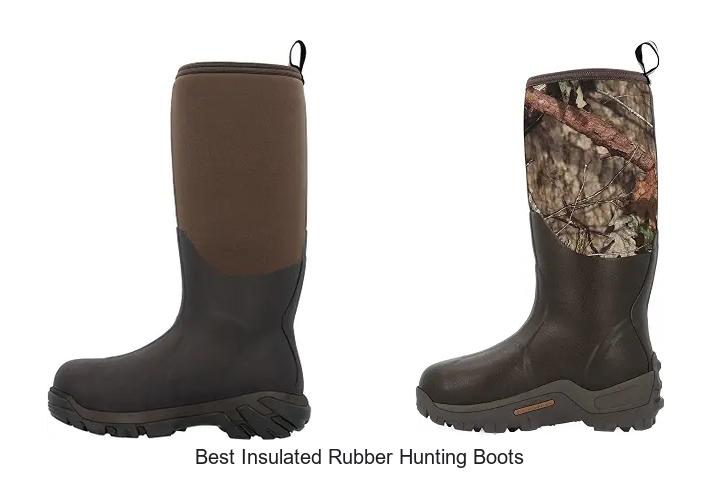
Pick 1  | MUCK Arctic Pro Boot | Check Price On Amazon |
Pick 2  | MUCK Men’s Woody Max Boot | Check Price On Amazon |
Pick 3  | Hunthor Mens Hunting Boots | Check Price On Amazon |
1. MUCK Arctic Pro Boot
Cold mornings meet dependable warmth in a tall rubber hunting boot. The Arctic Pro is built for long, wet outings and steady comfort. Its 17-inch shaft helps block snow, slush, and brush.
Rubber outer material adds water resistance, while fleece lining supports warmth. A foam insole and rubber or synthetic sole round out the build. The pull-on design keeps entry simple, even with cold hands.
At 2.3 pounds, it stays manageable for a boot this tall. The round toe and no-heel form give it a straightforward fit. It suits hunters who need one boot for cold weather, field work, and casual wear.
The mid-calf height and all-season listing make it versatile, though its strengths clearly lean cold and wet. Build quality feels practical rather than flashy, which matches its purpose well. For the hunter who wants insulation, height, and water resistance, it offers solid value.
Pros
- Tall shaft helps keep out snow and slush
- Fleece lining adds warmth in cold conditions
- Pull-on design makes entry quick and easy
Cons
- Tall shaft may feel bulky for some users
- No-heel design may lack support preferences
- Weight may feel noticeable during long walks
Who Should Buy It?
Hunters needing warm, water-resistant footwear for cold, wet conditions should consider it. It fits users who want a tall shaft, pull-on convenience, and a simple round-toe design. It also works well for casual wear and outdoor chores.
The boot suits people who value warmth and coverage more than a lightweight feel.
Key Specifications
| Specification | Details |
|---|---|
| Insulation Level | Fleece lining |
| Water Resistance | Water resistant |
| Shaft Height | 17 inches |
| Toe Style | Round toe |
| Boot Form | Work boot |
| Outer Material | Rubber |
| Sole Material | Rubber or synthetic |
| Season | All |
| Weight | 2.3 pounds |
The 17-inch shaft gives strong coverage above the calf. That height helps against snow, slush, wet grass, and brush. Rubber outer material supports water resistance for damp conditions. The fleece lining adds warmth without changing the boot’s simple pull-on design. A round toe gives room for a relaxed fit. These features make the boot practical for cold weather hunting, chores, and outdoor use where coverage matters most.
The rubber or synthetic sole pairs with the foam insole for steady underfoot comfort. At 2.3 pounds, the boot is not ultralight, yet it remains manageable for a tall insulated style. The work boot form type points to durable everyday utility, not flashy styling. Users who spend time in wet fields or snowy terrain will benefit most. The all-season label adds flexibility, though the build clearly favors cold, wet use.
2. MUCK Men’s Woody Max Boot
Mossy Oak styling gives this boot a classic hunting look. The tall shaft and rubber build suit wet fall conditions well.
MUCK’s Woody Max Boot combines waterproof rubber construction with a round toe and pull-on design. The 18-inch shaft rises to mid-calf coverage, while the foam insole and textile lining add comfort for longer wear. Its rubber sole keeps the package consistent for outdoor use.
At 2.3 pounds, it stays fairly manageable for a tall insulated boot. The no-heel work boot form feels practical for casual hunting days and chores. The style fits hunters who want dependable coverage and traditional looks.
It also suits anyone needing a waterproof boot for fall weather.
Pros
- Waterproof rubber build handles wet conditions well.
- Tall 18-inch shaft adds extra coverage.
- Pull-on design makes wearing easier.
Cons
- Tall shaft may feel bulky for some users.
- No heel design offers less defined footing.
- Style leans casual rather than technical.
Who Should Buy It?
Buy this boot if you want a classic hunting style with tall coverage. It suits fall outings, wet ground, and casual outdoor wear. The pull-on design works well for people who want quick on-and-off use.
Hunters who prefer a traditional rubber boot with waterproof construction should find it appealing.
Key Specifications
| Specification | Details |
|---|---|
| Insulation Level | Insulated |
| Water Resistance | Waterproof |
| Shaft Height | 18 inches |
| Toe Style | Round Toe |
| Boot Form | Work Boot |
| Outer Material | Rubber |
| Sole Material | Rubber |
| Season | Fall |
| Weight | 2.3 pounds |
The 18-inch shaft reaches mid-calf for broad lower-leg coverage. Rubber outer material and rubber sole suit muddy, wet ground. A round toe gives a familiar fit across the front of the boot. The pull-on closure makes them easy to slip on before heading out. Foam insole and textile lining add a softer feel inside. The no-heel work boot form keeps the shape practical for outdoor tasks and casual wear.
Waterproof construction matters most during damp fall weather and wet trails. The insulated build helps make the boot feel season-ready. At 2.3 pounds, the weight stays reasonable for a tall rubber boot. That balance can suit hunters who want coverage without an overly heavy feel. The mid-calf height and pull-on style work well for quick use. People wanting traditional looks and weather protection should appreciate the design.
3. Hunthor Mens Hunting Boots
Cold mornings call for boots that keep feet dry and warm. These Hunthor knee-high hunting boots focus on winter comfort and steady footing. The 1600G insulation and fleece lining suit long hours in freezing weather.
Their waterproof rubber outer helps block slush, snow, and wet brush. The ice-grip rubber outsole adds traction on slick winter ground.
An EVA midsole helps cushion each step during long walks. The pull-on design keeps entry simple when gloves are already on. The round toe and flat heel keep the fit straightforward and practical.
Camo styling also fits hunters who want a low-profile look. Build quality centers on rubber, with a knee-high shaft for extra coverage. They are a strong match for deep winter hunts, marsh edges, and snowy fields.
Comfort should be best for hunters who want warmth first and fuss second.
Pros
- 1600G insulation supports serious winter warmth.
- Waterproof rubber helps block snow and slush.
- Ice-grip outsole improves traction on slick ground.
Cons
- Rubber build may feel less flexible than soft uppers.
- Knee-high shaft can feel bulky for some users.
- Pull-on style offers no quick lacing adjustment.
Who Should Buy It?
Hunters spending long hours in freezing, wet conditions should consider these boots. They suit snowy fields, marshy ground, and late-season sits. The knee-high shaft and waterproof rubber help protect against slush and brush.
The insulated fleece lining fits people who value warmth over light weight or fast lacing.
Key Specifications
| Specification | Details |
|---|---|
| Insulation Level | 1600G |
| Water Resistance | Waterproof |
| Shaft Height | Knee High |
| Toe Style | Round Toe |
| Boot Form | Snow Boot |
| Outer Material | Rubber |
| Sole Material | EVA Midsole & Ice-Grip Rubber Outsole |
| Season | Winter |
The 1600G insulation signals heavy warmth for cold-weather use. A fleece lining adds softness inside the boot. The waterproof rubber outer helps keep moisture out during snow and slush. Knee-high coverage raises protection above the ankle and lower calf. The round toe gives a familiar fit, while the flat heel keeps the stance simple. These details point to a boot built for winter hunting days and long periods outdoors.
The EVA midsole can soften repeated steps on hard ground. The ice-grip rubber outsole targets slick surfaces common in winter conditions. A pull-on closure makes the boots quicker to wear with gloves. The camo hunting style suits field use, while the snow boot form supports wet, cold terrain. Hunters who spend time in frozen brush, icy paths, or snowy fields should appreciate the warmth, coverage, and traction-focused design.
4. TIDEWE Rubber Hunting Boots

Cold mornings call for boots that stay dry and hold warmth. The TIDEWE Rubber Hunting Boots focus on that job with simple, practical materials.
Built for winter use, they pair waterproof rubber with 7mm neoprene and 800g insulation. The calf-high shaft helps cover more leg area, while the pull-on design keeps entry quick.
A round toe and flat heel keep the shape straightforward and familiar. The camouflage pattern also suits hunting use and outdoor work.
Build quality centers on rubber and neoprene, which suit wet ground and cold weather. The rubber sole adds traction and keeps the boot ready for muddy terrain.
At 2.99 kg, they are not light, yet that weight reflects the insulated construction. The buckle embellishment adds a small functional detail to the design.
These boots suit hunters who want warm, waterproof coverage without moving into premium territory. They also fit outdoor workers who need winter protection and easy pull-on wear.
Pros
- 800g insulation helps in cold winter conditions
- Waterproof rubber and neoprene suit wet ground
- Calf-high pull-on design is easy to wear
Cons
- Heavier than lighter uninsulated rubber boots
- Flat heel offers little terrain-specific support
- One insulation level may feel too warm
Who Should Buy It?
Buyers wanting budget-friendly insulated camo coverage will appreciate these boots. They suit hunters, farm users, and outdoor workers facing cold, wet conditions. The calf-high height, waterproof build, and 800g insulation make them a practical choice for winter.
They fit people who want easy pull-on wear and a straightforward hunting boot design.
Key Specifications
| Specification | Details |
|---|---|
| Price | Not provided |
| Rating | Not provided |
| Insulation Level | 800g insulation |
| Water Resistance | Waterproof |
| Shaft Height | Calf high |
| Toe Style | Round toe |
| Boot Form | Rain boot |
| Outer Material | Rubber and neoprene |
| Sole Material | Rubber |
| Season | Winter |
| Weight | 2.99 kg |
The 800g insulation and 7mm neoprene lining point to serious cold-weather coverage. In daily use, that means warmer feet during long sits, snowy walks, or damp chores. The waterproof rubber outer helps keep moisture out, while the calf-high shaft adds extra coverage above the foot. A round toe gives a familiar fit shape, and the pull-on design keeps entry simple before heading outside.
These materials suggest a boot built for winter hunting and outdoor work. Rubber and neoprene usually handle mud, rain, and slush well, while the rubber sole supports wet ground use. The 2.99 kg weight reflects a heavier insulated build, which may feel sturdy rather than nimble. People who spend time in cold, wet conditions will benefit most, especially when warmth and dryness matter more than light weight.
5. Hunthor Waterproof Insulated Hunting Boots

Calf-high coverage and a waterproof rubber build make these boots appealing for wet, muddy outings. Xerogel insulation adds light warmth without pushing them into heavy winter territory.
The Hunthor Hunting Boots use a round toe, flat heel, and pull-on design for simple wear. Their Next Camo G2 finish suits hunting trips and outdoor use. The rubber outer material helps block moisture, while the EVA sole keeps the boot lighter underfoot.
The snow boot form gives extra coverage for colder ground and shallow snow. This model feels aimed at hunters who want practical protection without bulky insulation.
The build looks straightforward and functional, with a mid-calf shaft height and 16-inch circumference. That shape can help keep debris out while still allowing easy pull-on entry.
The waterproof design matters most in damp grass, slush, and wet trails. EVA in the sole should add cushioning and keep the boot from feeling overly stiff.
Round toes usually offer more room than narrow hunting styles. These boots suit buyers who want light insulated value for general hunting, outdoor chores, and cool weather use.
They favor simplicity, weather protection, and everyday practicality over heavy cold-weather bulk.
Pros
- Waterproof rubber helps keep feet dry.
- Light insulation suits cool-weather use.
- Pull-on design is quick and simple.
Cons
- Not built for extreme winter cold.
- EVA sole may feel less rugged.
- No advanced fit adjustment system.
Who Should Buy It?
Hunters and outdoor users who want light insulated value should consider these boots. They fit wet conditions, cool weather, and general field use. The calf-high shaft and waterproof rubber suit muddy ground and damp grass.
They also work well for buyers who prefer a simple pull-on boot. Those needing heavy winter insulation or highly technical support should look elsewhere.
Key Specifications
| Specification | Details |
|---|---|
| Insulation Level | Light insulated |
| Water Resistance | Waterproof |
| Shaft Height | Calf high |
| Toe Style | Round toe |
| Boot Form | Snow boot |
| Outer Material | Rubber |
| Sole Material | Ethylene Vinyl Acetate |
| Season | All |
| Weight | Not provided |
The waterproof rubber outer material is the main weather barrier here. Calf-high coverage helps shield the lower leg from mud, water, and brush. The round toe gives a more relaxed front shape than pointed hunting boots. Xerogel insulation adds warmth without making the boot feel overly bulky. A flat heel and pull-on closure keep the design simple for quick wear. The Next Camo G2 color suits hunting settings and outdoor chores in mixed conditions.
The EVA sole should make these boots lighter and easier to wear for longer periods. That matters on wet ground, where heavy boots can tire legs faster. Snow boot form adds extra coverage for cooler days and shallow snow. Because the insulation is light, these boots suit moderate cold better than freezing conditions. The 16-inch shaft circumference may help the boot slide on more easily. Buyers wanting practical protection for hunting and outdoor work will get the most use.
6. Hunthor Insulated Hunting Boots

Cold mornings call for steady warmth, dry feet, and dependable traction. These Hunthor insulated hunting boots focus on all three with waterproof rubber and calf-high coverage.
Built for winter hunting, they pair 800g insulation with a 6mm neoprene lining. The camouflage rubber outer helps blend into outdoor settings, while the pull-on design keeps wear simple. An EVA mid-sole and rubber outsole add cushioning and grip for uneven ground.
The closed toe and mid-calf shaft suit cold, wet conditions well. At 3.28 kg, they are not especially light, yet that weight reflects the insulated build. Hunters wanting an affordable winter boot will appreciate the practical feature set.
They suit casual and regular use in wet, snowy terrain. The Next Camo G2 pattern also fits traditional hunting gear well. Overall, they offer straightforward protection without extra complexity.
Pros
- 800g insulation suits cold winter hunts
- Waterproof rubber helps keep feet dry
- Pull-on design saves time before outings
Cons
- Heavier than lighter uninsulated boots
- No ankle-height adjustability from pull-on design
- May feel bulky during long walks
Who Should Buy It?
Hunters needing an affordable winter boot should consider this pair. It suits cold, wet outings where waterproofing matters most. The calf-high shaft, insulation, and camouflage finish fit hunting use well.
It also works for buyers wanting simple pull-on boots. People who prioritize lightweight footwear may prefer a different option.
Key Specifications
| Specification | Details |
|---|---|
| Insulation Level | 800g |
| Water Resistance | Waterproof |
| Shaft Height | Calf High |
| Toe Style | Closed Toe |
| Boot Form | Rain Boot |
| Outer Material | Camouflage Rubber & Neoprene |
| Sole Material | EVA Mid-sole and Rubber Outsole |
| Season | Winter |
| Weight | 3.28 kg |
The 800g insulation gives these boots a warm winter profile. Combined with the 6mm neoprene lining, they are built for cold conditions. The waterproof rubber construction helps block slush, snow, and wet grass. A calf-high shaft adds more coverage than shorter boots. The closed toe keeps the front of the foot fully covered. Together, these details point to a boot made for chilly, damp hunts where warmth and dryness matter most.
The camouflage rubber and neoprene outer supports outdoor use and concealment. An EVA mid-sole can add a bit of cushioning underfoot. The rubber outsole should help on muddy or uneven ground. At 3.28 kg, these boots may feel substantial during longer walks. The pull-on closure makes them easy to wear without laces. Hunters who want simple winter protection will benefit most from this setup, especially in wet, cold environments.
7. Hunthor Hunting Boots

Built for hunters who move between fields, farms, and waterfowl spots, these boots aim for broad outdoor usefulness. The 6mm neoprene and rubber build adds waterproof protection and insulated coverage for colder ground conditions. Hunthor uses a mid-calf, 16-inch shaft with a pull-on design, which helps when gearing up quickly before dawn.
The round toe and platform heel keep the shape practical for steady wear. EVA mid-sole cushioning, memory foam, and a rubber outsole add comfort and grip. The Next Camo G2 pattern suits deer hunting and other outdoor work.
At 2.58 kilograms, they are not the lightest option, but they suit users who want one boot for multiple outdoor jobs. The camo rubber and neoprene construction also fits ranch chores and fishing days. Overall, they suit buyers wanting waterproof coverage and flexible field use in one boot.
Pros
- Waterproof construction suits wet ground and shallow water.
- 6mm neoprene adds insulation for cooler conditions.
- Pull-on design makes quick wear easy.
Cons
- 2.58 kg weight may feel heavy.
- Mid-calf height may limit upper-leg coverage.
- Platform heel may feel different from low-profile boots.
Who Should Buy It?
Buyers who split time between hunting, farm work, fishing, and upland or waterfowl outings should consider these boots. They suit people who want waterproof coverage, insulated construction, and a pull-on design. The camouflage look also fits field use well.
They are a practical match for someone wanting one boot for several outdoor tasks across seasons.
Key Specifications
| Specification | Details |
|---|---|
| Insulation Level | 6mm neoprene |
| Water Resistance | Waterproof |
| Shaft Height | 16 inches |
| Toe Style | Round Toe |
| Boot Form | Snow Boot |
| Outer Material | Camouflage Rubber & Neoprene |
| Sole Material | EVA Mid-sole and Rubber Outsole |
| Season | All |
| Weight | 2.58 kg |
The 6mm neoprene insulation helps trap warmth around the foot and lower leg. Waterproof construction matters when crossing wet ground, muddy lanes, or shallow water. A 16-inch shaft offers mid-calf coverage, which helps block splashes and debris. The round toe gives a familiar fit, while the pull-on closure keeps entry simple. These features suit hunters and workers who need reliable coverage without extra fasteners or complicated setup before heading out.
Camouflage rubber and neoprene give the boot a field-ready outer layer. The EVA mid-sole and rubber outsole balance cushioning with traction on rough ground. The snow boot form suggests a taller, protective build that works in colder conditions. At 2.58 kilograms, the boot may feel substantial during long walks. That weight may suit users who value protection and stability more than lightness. It fits mixed outdoor use across hunting, ranch work, and fishing.
8. Mens Waterproof Insulated Rubber Work Boots

Mud, rain, and wet ground feel less punishing in these camo rubber work boots. They suit budget-conscious hunters who need waterproof coverage and warm-feeling protection. Built with a calf-high shaft and pull-on design, they are simple to slip on before early starts.
The round toe and no-heel shape keep the fit straightforward for field chores and muddy walks. Rubber outer and sole materials support waterproof use across all seasons.
Mesh lining and mixed foam, mesh, neoprene, and rubber insoles add some comfort underfoot. At 4.1 pounds, they are not featherlight, but they feel aimed at utility rather than polish. The mid-calf height helps guard against splashes while keeping movement fairly easy.
They make sense for hunters who want practical mud coverage without spending on premium boot features.
Pros
- Waterproof rubber build handles mud and wet ground.
- Camo color suits hunting and outdoor work.
- Pull-on calf-high design is easy to wear.
Cons
- 4.1-pound weight may feel heavy during long walks.
- Mesh lining may offer limited warmth in cold weather.
- No-heel design may feel basic for some users.
Who Should Buy It?
Buyers who need affordable mud protection will appreciate these boots. They fit hunters, farm workers, and yard workers facing wet ground. The waterproof rubber build and calf-high shaft suit messy outdoor conditions.
The pull-on style also helps when quick on-and-off wear matters most. People wanting light, simple, all-season utility may find them practical.
Key Specifications
| Specification | Details |
|---|---|
| Insulation Level | Insulated |
| Water Resistance | Waterproof |
| Shaft Height | Calf High |
| Toe Style | Round Toe |
| Boot Form | Rain Boot |
| Outer Material | Rubber |
| Sole Material | Rubber |
| Season | All |
| Weight | 4.1 pounds |
The waterproof rubber outer helps keep water and mud outside. A calf-high shaft adds coverage above the lower leg. The round toe gives a familiar shape that works for field use. A rain boot form suits wet chores and outdoor walking. The all-season label suggests use across changing conditions. These details point to a practical boot for messy ground, not a dressier style.
Rubber in both the outer material and sole supports wet-weather use. The pull-on closure makes the boots quick to get on and off. The 4.1-pound weight may feel substantial during longer wear. A mesh lining and mixed insole materials add basic comfort. Hunters, farm workers, and property owners benefit most from the simple build. The design favors mud protection and easy daily wear.
9. Mens Rubber Rain Boots

Low-cost hunting boots can still bring dependable waterproof coverage. These camo pull-on boots focus on simple warmth, easy wear, and field-ready coverage. Showave’s Arctic Excursion uses a calf-high shape, neoprene and rubber construction, and a waterproof build for fall and winter use.
The round toe and no-heel design keep the profile straightforward and practical. That combination suits hunters who want basic cold-weather protection without extra complexity.
The boot uses a fabric lining and a calf-high shaft that reaches mid-calf. Its camouflage pattern helps it blend into outdoor settings. The pull-on closure makes them quick to put on and take off.
Rubber underfoot and rubber outer sections add weather resistance and ground contact confidence. They are a sensible pick for hunters needing a budget-friendly insulated rubber boot for wet, cold conditions.
The simple design favors practicality over extra features, which helps keep the value appealing for casual use or backup gear.
Pros
- Waterproof build suits wet hunting conditions
- Pull-on design saves time at camp
- Camouflage pattern works well outdoors
Cons
- Limited detail on insulation thickness
- No heel may feel less supportive
- Basic design lacks extra comfort features
Who Should Buy It?
Buy these if you want an affordable waterproof hunting boot for fall and winter. They suit casual hunters, backup gear buyers, and anyone who wants simple pull-on convenience. The calf-high shaft and camouflage finish make them practical for damp woods, muddy paths, and colder outings.
They fit shoppers who value coverage and weather resistance more than advanced cushioning or specialty features.
Key Specifications
| Specification | Details |
|---|---|
| Price | Not provided |
| Rating | Not provided |
| Insulation Level | Insulated |
| Water Resistance | Waterproof |
| Shaft Height | Calf High |
| Toe Style | Round Toe |
| Boot Form | Rain Boot |
| Outer Material | Neoprene, Rubber |
| Sole Material | Rubber |
| Season | Fall, Winter |
| Weight | Not provided |
The key details point to a simple waterproof boot for colder seasons. A calf-high shaft helps keep lower legs covered in wet brush and muddy ground. The neoprene and rubber outer materials suggest a flexible feel with weather protection. A round toe gives the front of the boot a roomy, practical shape. The rubber sole adds grip-ready construction for outdoor wear. The pull-on setup also makes daily use quicker when conditions are cold and damp.
These specifications suit hunters who want easy coverage and basic insulation. Waterproof construction matters most when moving through wet fields, slush, or puddles. The calf-high height gives more protection than short rain boots. Rubber materials support durability against mud and moisture, while neoprene can add comfort around the shaft. The fall and winter focus makes them a good match for cool-weather trips. People who want straightforward performance and simple entry will benefit most from this design.
10. ROCKY Mens Sport Pro Hunting Boots

Tall protection matters when wet ground and cold mornings meet. These boots bring waterproof coverage, insulated lining, and a tall mid-calf build.
ROCKY Men’s Sport Pro Hunting Boots use neoprene and rubber for a flexible outer shell. The Realtree Edge pattern suits general hunting use without drawing attention. A round toe and pull-on closure keep the design simple and practical.
The 16-inch shaft helps block brush, mud, and shallow water. EVA and rubber in the sole aim for steady footing across varied ground.
The foam and polyurethane insole adds a basic cushioned feel underfoot. At four pounds, they are not lightweight, but they trade that for coverage and durability.
The Western heel and hiking boot form give them a familiar outdoor stance. They suit hunters who want one boot for mixed conditions and longer days.
Pros
- Tall shaft helps block mud and brush
- Waterproof build suits wet hunting conditions
- Simple pull-on design saves time
Cons
- Four-pound weight may feel heavy
- Tall shaft may feel bulky
- No detailed insulation rating provided
Who Should Buy It?
Buyers who hunt in mixed weather will appreciate the tall, waterproof build. It suits general hunting use, especially where mud, brush, and wet ground are common. The pull-on style works well for hunters who want quick on-and-off wear.
It also fits people who prefer a mid-calf boot with added coverage and a classic outdoor feel.
Key Specifications
| Specification | Details |
|---|---|
| Price | Not provided |
| Rating | Not provided |
| Insulation Level | Insulated lining |
| Water Resistance | Waterproof |
| Shaft Height | 16 inches |
| Toe Style | Round Toe |
| Boot Form | Hiking Boot |
| Outer Material | Neoprene, Rubber |
| Sole Material | EVA/Rubber |
| Season | All |
| Weight | 4 pounds |
The 16-inch shaft gives strong coverage for wet grass, mud, and brush. Neoprene and rubber form the outer material, which helps block moisture. The waterproof build suits damp mornings and slushy ground. A round toe offers a familiar fit for everyday wear. The hiking boot shape and Western heel create a practical outdoor profile. Together, these details point to a boot made for steady field use.
EVA and rubber in the sole suggest a balance of cushioning and grip. The foam and polyurethane insole can add comfort during longer outings. The insulated lining helps hold warmth during colder days. At four pounds, the boot may feel heavier than lighter footwear. That weight can feel better for hunters who value coverage and protection. The all-season label and pull-on closure make it useful for regular outdoor trips.
Best Insulated Rubber Hunting Boots: The Buyer’s Guide for Warm, Dry, All-Day Comfort
Insulation type and warmth rating
Insulation type and warmth rating directly affect how well rubber hunting boots perform in cold, wet conditions. Neoprene thickness plays a major role because thicker layers usually trap more body heat, making them better for long sits in freezing weather, while thinner options can feel lighter and more flexible in milder temperatures.
The temperature range listed by the manufacturer gives a practical guide to how far the boots can go before comfort starts to drop, helping prevent cold feet during early mornings or late-season hunts. It is also important to balance breathability vs. heat retention, since boots that hold in warmth too aggressively can cause sweaty feet during active stalks, which may later turn cold and uncomfortable. A well-matched pair should keep heat in without sacrificing too much airflow, so the insulation works with your hunting style rather than against it.
Waterproofing and moisture protection
Waterproofing and moisture protection can make or break comfort in the field, especially during long sits in wet grass, slush, or muddy terrain. A full rubber shell helps block outside water from seeping in, but coverage matters just as much as material quality, since gaps around the ankle or lower seams can let moisture enter fast.
Just as important, the inner liner should manage sweat and trapped heat effectively so moisture does not build up from the inside and leave your feet cold and clammy. Together, these features help keep feet dry, reduce blister risk, and maintain warmth throughout changing conditions.
Fit, comfort, and support
Proper fit affects warmth, traction, and all-day comfort in the field, and the right amount of internal room also determines how well thick socks and supportive insoles work together. A boot with enough space for insulated socks helps prevent pressure points, while a well-designed footbed reduces fatigue during long hikes over uneven ground.
Calf fit and adjustability matter just as much, since a secure yet flexible opening keeps the boot stable without pinching or restricting movement.
- Sizing and sock compatibility: Allow room for hunting socks without making the boot feel loose or sloppy.
- Cushioning and footbed support: Extra underfoot comfort can reduce strain on long walks and rough terrain.
- Calf fit and adjustability: Adjustable openings help seal out debris while improving comfort and mobility.
Paying attention to these details helps ensure the boots stay warm, comfortable, and dependable throughout changing conditions.
Traction and outsole performance
A well-designed tread pattern can make the difference between confident footing and a dangerous slip in wet fields, frozen trails, or marshy ground. Deep, aggressive lugs help the boot bite into soft mud, while a balanced outsole layout improves grip on packed snow and slick ice without feeling clumsy on firm ground.
Slip resistance on mud and ice is especially important because hunting conditions often change within a single outing, and reliable traction keeps every step controlled. Stability on uneven terrain also matters, since rocks, roots, and slanted hillsides can strain ankles and reduce balance if the sole flexes too much. In short, strong outsole performance supports safer movement, less fatigue, and better confidence during long hours in unpredictable terrain.
Durability and material quality
Durability and material quality play a major role in how well insulated rubber hunting boots hold up in rough terrain, because the right construction helps them stay protective, comfortable, and dependable through long days in the field. Rubber thickness and flexibility should work together: thicker rubber can improve protection and water resistance, while enough flexibility keeps the boots from feeling stiff during climbs or long walks. Reinforced toe and heel areas add another layer of defense against repeated impact from rocks, roots, and uneven ground, which helps extend the life of the boots and reduce wear in high-stress spots.
Resistance to punctures and abrasion is just as important, since sharp brush, thorny cover, and rough surfaces can damage weaker materials quickly. A well-built pair with these features offers better support, lasts longer, and performs more reliably in demanding hunting conditions.
Use case and value for money
Hunting conditions and season can change the demands on rubber boots more than almost any other factor, so it helps to evaluate how well a pair performs in cold mornings, wet marshes, muddy trails, and late-season snow. A well-insulated design should keep feet warm without trapping too much moisture, while the fit and construction should still allow natural movement during long walks or quiet stalks.
- Weight and mobility: lighter boots reduce fatigue on long hikes, but they still need enough support and insulation to handle rough ground and low temperatures.
- Price, warranty, and overall value: a higher price can make sense if the boots offer durable materials, reliable waterproofing, and a solid warranty that protects the investment over multiple seasons.
It also pays to think about how the boots will fit into future needs, such as thicker socks, heavier use, or changing terrain, because that kind of flexibility can extend their usefulness and improve long-term value. A pair that balances warmth, comfort, durability, and dependable coverage often delivers the best return, especially for hunters who spend many hours in demanding conditions.
How Insulated Boots Keep Your Feet Warm
Insulated rubber hunting boots work by blocking cold, wet ground and holding in body heat. The rubber outer shell keeps water, slush, and mud out. The insulation inside slows heat loss, so your feet stay warmer for longer.
Here is the simple flow of how they work:
- You step into the boot and the liner or insulation starts trapping warm air around your foot.
- The rubber outer layer acts as a waterproof barrier against rain, snow, and puddles.
- The thicker the insulation, the more heat it can hold in cold weather.
- The tread on the sole helps you keep grip on wet or uneven ground.
- Some boots also have a removable liner, which can dry faster after a long day outside.
Fit matters a lot. A boot that is too tight can squeeze the insulation and reduce warmth. A boot that is too loose can let cold air move around inside. Many hunters wear medium or thick socks with these boots to match the weather and keep comfort steady.
These boots work best when you match the insulation level to the season. Lighter insulation can work for cool days or active hunts. Heavier insulation suits late fall, winter, and long sits in cold weather.
Keep in mind that rubber boots are built for wet and cold conditions, not for all-day breathability. If your feet sweat a lot, a moisture-wicking sock can help. Dry boots also feel warmer, so letting them air out after use can make a big difference.
FAQ’s
What Features Should I Look For In The Best Insulated Rubber Hunting Boots?
Look for boots with high-quality insulation rated for your climate, waterproof construction, and thick rubber to keep feet dry and warm. Also prioritize good traction, a comfortable fit, durable materials, and enough ankle support for rough terrain.
How Much Insulation Do I Need In Rubber Hunting Boots For Cold Weather?
For cold weather, rubber hunting boots with **400–600 grams of insulation** are usually enough for moderate cold and active hunting. If you’ll be sitting still in very cold conditions, consider **800 grams or more** for extra warmth.
Are Waterproof Rubber Hunting Boots Better Than Leather Boots For Hunting?
Waterproof rubber hunting boots are often better in wet, muddy conditions because they keep your feet drier and are easy to clean. Leather boots can be more breathable and comfortable for long treks, so the better choice depends on the terrain and weather.
What Are The Most Comfortable Insulated Rubber Hunting Boots For Long Hikes?
Some of the most comfortable insulated rubber hunting boots for long hikes are the **Muck Boot Arctic Pro**, **LaCrosse Alphaburly Pro**, and **Irish Setter MudTrek** because they balance warmth, cushioning, and support. For the best comfort on long treks, look for **good arch support, a snug heel fit, and enough insulation for your climate without making the boots too bulky**.
How Do I Choose The Right Size And Fit For Insulated Rubber Hunting Boots?
Choose insulated rubber hunting boots in your normal size or half a size up if you’ll wear thick socks, and make sure there’s enough room to wiggle your toes without your heel slipping. Try them on with your hunting socks and walk around to check for snug support, good arch fit, and no pressure points.
Final Verdict
For buyers who want one pair to handle cold mornings, slushy trails, and all-around use, the MUCK Arctic Pro Boot is the best overall choice. It stands out as the best insulated rubber hunting boots pick for hunters who want reliable warmth without going straight to a specialty winter-only boot. If budget matters most, the Mens Rubber Rain Boots are the lowest-cost option and a practical pick for lighter use or shorter outings.
Hunters who want a more premium, classic style should look at the MUCK Men’s Woody Max Boot, while the Hunthor Mens Hunting Boots are the strongest fit for deep winter hunts and harsher conditions. Each model serves a different buyer, so the right choice comes down to how much warmth, style, and price matter for your season.
Choose the MUCK Arctic Pro Boot for the best all-around balance, or pick the Hunthor Mens Hunting Boots if your hunts regularly face severe winter cold.