10 Best Deer Hunting Caliber: Top Picks Compared
If you are trying to choose a deer rifle, the caliber matters more than many hunters expect. A small choice can affect recoil, accuracy, and how confident you feel in the field.
It is written for new hunters and experienced shooters who want a clearer choice before buying. You will see how this caliber handles on deer, how easy it is to shoot, and what kind of hunter it suits best.
We will also cover the main strengths and a few limits so you can decide if it fits your needs.
Top Calibers for Deer Hunting Compared
| Image | Product | Price |
|---|---|---|
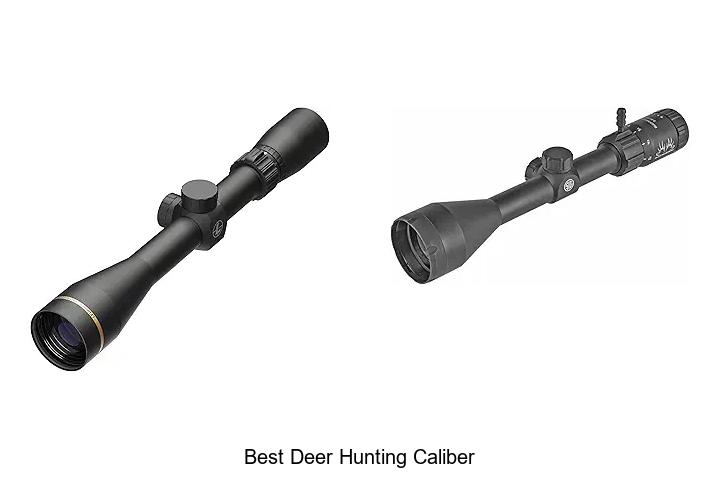
Pick 1  | Leupold VX-Freedom 3-9x40mm Riflescope | Check Price On Amazon |
Pick 2  | SIG SAUER Buckmasters 3-9x50mm Riflescope | Check Price On Amazon |
Pick 3  | CVLIFE 6-24×50 Rifle Scope | Check Price On Amazon |
1. Leupold VX-Freedom 3-9x40mm Riflescope
A hunter-friendly riflescope with a simple 3-9x setup and clear field control. It gives practical magnification for close woods shots and longer field distances.
The Leupold VX-Freedom 3-9x40mm Riflescope uses a Hunt-Plex reticle and capped finger click adjustments for straightforward handling. Its Advanced Optical System supports strong light transmission, glare reduction, and clear resolution during bright or fading light.
The 40mm objective lens and 3:1 zoom ratio help balance image clarity and flexibility. Built from aluminum, it stays light at 12.2 ounces while remaining waterproof, fogproof, and shockproof. Designed, machined, and assembled in the USA, it suits hunters who want dependable glass without extra complexity.
It feels especially fitting for deer hunters who want a premium riflescope with practical controls and dependable performance.
Pros
- Clear 3-9x magnification range for varied hunting distances
- Lightweight aluminum build keeps rifle handling easy
- Waterproof, fogproof, and shockproof construction adds confidence
Cons
- No illuminated reticle listed
- Fixed 40mm objective may limit some setup choices
- Capped adjustments may feel slower than exposed turrets
Who Should Buy It?
Buy this if you want a premium hunting riflescope with simple controls and dependable clarity. It suits deer hunters who need flexible magnification, light weight, and a straightforward reticle for woods or open-country shooting. It also fits rifle owners who value durable construction and American assembly over extra features.
Key Specifications
| Specification | Details |
|---|---|
| Type | Riflescope |
| Magnification Minimum | 3x |
| Magnification Maximum | 9x |
| Objective Lens Diameter | 40 millimeters |
| Reticle Type | Hunt-Plex |
| Material | Aluminum |
| Item Weight | 12.2 ounces |
| Compatible Devices | Rifle |
The 3x to 9x magnification range gives useful flexibility for hunting. Lower power helps keep nearby targets easier to track, while higher power supports careful aiming at farther distances. The 40 millimeter objective lens gathers light for clearer views in changing conditions. The Hunt-Plex reticle offers a simple aiming reference, and the aluminum body keeps the scope light enough for balanced carry and steady mounting on a rifle.
In real use, these specifications help the scope stay practical in the field. The lighter weight reduces added bulk on a hunting rifle, which can help during long walks and quicker shouldering. The 3:1 zoom ratio gives enough range for common deer hunting situations without feeling complicated. Waterproof, fogproof, and shockproof construction adds durability for weather and rough handling. Hunters who want simple setup and dependable control will benefit most.
2. SIG SAUER Buckmasters 3-9x50mm Riflescope
A bright 50mm objective gives this scope a strong edge in low light. Hunters get a clear 3-9x view with simple BDC aiming help.
SIG SAUER built it for field use, with waterproof, shockproof, and fogproof protection. The low-dispersion glass and three-power optical system support sharp images across the magnification range. That matters when you need steady target detail at varied distances.
The Buckmasters BDC reticle adds holdover dots out to 500 yards. A single-piece 1-inch tube adds durability without excessive weight.
The integrated throw lever also helps changes in magnification feel quick and easy. At 15.2 ounces, it stays manageable on a hunting rifle. It suits hunters wanting a bright scope with practical aiming support.
Pros
- 50mm objective gathers plenty of light.
- BDC reticle supports holdovers out to 500 yards.
- Weather-resistant construction suits harsh field conditions.
Cons
- Non-illuminated reticle may limit low-light visibility.
- Three-to-nine power range is modest for some uses.
- One-inch tube offers less mounting flexibility than larger tubes.
Who Should Buy It?
Hunters who want a bright, field-ready scope should consider it. The 50mm objective helps in low light, while the BDC reticle supports straightforward holdovers. It suits rifle users who want simple magnification control and dependable weather resistance.
Shooters who prefer a non-illuminated reticle and a lighter setup may like it most.
Key Specifications
| Specification | Details |
|---|---|
| Type | Rifle scope |
| Magnification Minimum | 3 x |
| Magnification Maximum | 9 x |
| Objective Lens Diameter | 50 millimeters |
| Reticle Type | Bullet Drop Compensation |
| Material | See Description |
| Item Weight | 15.2 ounces |
| Compatible Devices | Cross Bow, Rifle, Shotgun |
| Call Style | Buckmasters BDC Non-Illuminated Reticle |
| Sound Features | Waterproof, shockproof, fogproof |
The 3-9x magnification range gives hunters useful flexibility in the field. Lower power helps when tracking movement at close range. Higher power makes distant targets easier to place in the reticle. The 50mm objective lens also lets in more light than smaller lenses. That helps the image stay brighter during early morning or late evening hunts. The Bullet Drop Compensation reticle adds aiming points for longer shots.
A one-inch main tube keeps the scope compact and familiar for mounting. At 15.2 ounces, it adds useful light-gathering ability without feeling overly heavy. Waterproof, shockproof, and fogproof construction supports use in changing weather. The integrated throw lever helps hunters change magnification quickly. Hunters using rifles, shotguns, or crossbows can benefit from its listed compatibility. It suits users who want bright optics and simple field handling.
3. CVLIFE 6-24×50 Rifle Scope
Long-range glass with a wide 6-24x zoom range offers serious reach for hunting setups. The 50mm objective lens and illuminated red and green reticle help support clearer aiming in changing light.
CVLIFE built this scope for hunters who want adjustable magnification and simple setup support.
The aluminum body keeps weight to 1.4 pounds, which helps balance heavier rifles. Field of view measures 28 feet at 100 yards, while 1/8 inch click adjustments allow fine zeroing. Eye relief measures 9 centimeters, and the cross reticle keeps the sight picture familiar.
The scope also includes scope rings and uses free mounting. It suits budget-minded hunters who want long-range capability without complicated controls.
Pros
- Wide 6-24x magnification range
- Illuminated red and green reticle
- Includes scope rings for mounting
Cons
- Heavier than compact hunting scopes
- Narrower field of view at high magnification
- No advanced reticle details provided
Who Should Buy It?
Hunters who want budget-friendly long-range magnification should consider this scope. It suits rifle users who value an illuminated reticle, simple mounting, and adjustable zoom for distant shots. The aluminum build and 50mm objective lens fit field use better than ultralight setups.
It also works well for hunters who want fine adjustment control without extra complexity.
Key Specifications
| Specification | Details |
|---|---|
| Type | Rifle Scope |
| Magnification Minimum | 6x |
| Magnification Maximum | 24x |
| Objective Lens Diameter | 50 millimeters |
| Reticle Type | Cross |
| Material | Aluminum |
| Item Weight | 1.4 pounds |
| Compatible Devices | Handgun, Rifle |
| Call Style | Free Mount |
The 6-24x magnification range gives flexible viewing for near and far targets. A 50 millimeter objective lens gathers more light than smaller lenses. The cross reticle provides a familiar aiming reference for hunting use. Red and green illumination can help the reticle stand out in dim conditions. The 28 foot field of view at 100 yards gives a clear sense of what the scope can show at distance.
The aluminum construction keeps the scope relatively light at 1.4 pounds. That weight can still feel present on smaller rifles, yet it may help steady the setup. Nine centimeters of eye relief can improve comfort during shooting sessions. The 1/8 inch click value supports careful zeroing adjustments. Hunters who want adjustable magnification and mounting flexibility may benefit most from these specifications, especially on rifles used for longer shots.
4. WoodHaven Intimidator Deer Call

Rut calling gets simpler when one call covers two buck sounds. The WoodHaven Intimidator focuses on grunt calling and adds a snort wheeze in one compact design.
It uses a fixed-tone setup, so the call stays consistent each time you reach for it. That can help hunters who want repeatable sound without adjusting O-rings or changing settings.
The included flexible tube adds sound shaping control while keeping the setup straightforward. It also takes very little air, which makes soft contact grunts and loud calls easier to manage.
That range gives hunters room to sound calm or aggressive, depending on the situation. The build is plain and practical, with no extra moving adjustments to fuss over. For hunters who value quick use and steady buck vocalizations, it offers focused performance.
It suits callers who want one dependable tool for rut work, rather than multiple separate calls.
Pros
- Combines grunt and snort wheeze in one call
- Fixed tone stays consistent between uses
- Needs very little air for sound control
Cons
- Not adjustable for different tone preferences
- Single-purpose design limits broader calling variety
- Not ideal for hunters wanting multiple vocalizations
Who Should Buy It?
Hunters who want fast, simple rut calling should consider this call. It suits users who rely on consistent buck grunts and occasional snort wheezes. The fixed-tone design helps those who prefer repeatable sound without tuning.
It also fits hunters who want one call that stays ready for quick use in the field.
Key Specifications
| Specification | Details |
|---|---|
| Type | Game Call |
| Call Style | Grunt and snort wheeze |
| Sound Features | Fixed-tone consistency; very little air; inflexor tube control |
The key specifications show a deer call made for grunt and snort wheeze sounds. The fixed-tone design means the sound stays the same from use to use. That helps hunters who want a repeatable buck voice without adjusting settings. The included flexible tube gives added control over the sound shape. In everyday use, that means less setup time and fewer moving parts to manage in the field.
Very little air is needed, so the call can work with soft or strong breaths. That makes it easier to move from quiet contact grunts to louder calling. The flexible tube helps change presentation without changing the call itself. Hunters who want simple rut calling may like that approach most. It favors quick handling and consistent sound over adjustable tuning. That can suit hunters who want dependable performance during fast moments in the stand.
5. PRIMOS The Great Big Can Deer Call

Long-range estrus calling gets a loud, simple tool here. The larger can size helps carry bleats across open ground and windy days.
PRIMOS designed it for tough environments, and the call suits pre-rut through post-rut hunting. Its main appeal is reach, especially when deer are far away.
The Great Big Can uses a straightforward hand call design. It is built as a deer call for estrus bleats, with a louder voice than smaller cans. That makes it useful in wide-open fields where sound can fade quickly.
The multi-color body and compact shape should be easy to pack. At 4.16 ounces, it stays light enough for regular carry.
Build quality centers on durability for harsh conditions. PRIMOS says it was designed and tested for tough situations and environments. The simple format should make setup nearly instant, since no accessories are listed.
Hunters who want a louder vocal cue during pre-rut, rut, or post-rut periods may appreciate it most. It offers focused function rather than extra features.
Pros
- Larger size supports louder, longer-range bleats
- Useful from pre-rut through post-rut
- Lightweight and easy to carry
Cons
- Single-purpose call with limited versatility
- Larger size may take extra pocket space
- Works best in calling-focused hunts
Who Should Buy It?
Hunters who want a louder estrus call for open terrain should consider it. It fits pre-rut, rut, and post-rut use, especially when deer are spread out. People hunting windy days or wide fields may benefit most.
It suits callers who prefer a simple, dedicated deer call over multi-tool gear.
Key Specifications
| Specification | Details |
|---|---|
| Type | Deer Call |
| Item Weight | 4.16 ounces |
| Call Style | Estrus Bleats |
| Sound Features | Louder, long-range estrus bleats |
| Magnification Minimum | Not applicable |
| Magnification Maximum | Not applicable |
| Objective Lens Diameter | Not applicable |
| Reticle Type | Not applicable |
The listed type is a deer call, not a multi-purpose accessory. Its call style is estrus bleats, which means it is built for scent-based vocal attraction. The 4.16-ounce weight keeps it light for carrying into the field. Since no compatible devices are listed, it works as a standalone hand call. That simple setup suits hunters who want direct control and quick use without added equipment or setup steps.
The sound features focus on louder, long-range estrus bleats. That matters most in wide-open fields, where sound can spread and weaken quickly. The larger size helps increase volume, which may help on windy days. Because it is designed for pre-rut, rut, and post-rut hunting, it fits several stages of the season. Hunters who call from distance, or who hunt open ground, should get the most use from these specifications.
6. Primos Trophy Grunter Deer Call

Versatile deer calling starts with a tool that can change tone quickly. The Primos Trophy Grunter Deer Call brings six-in-one calling options in one compact package. It is built for close-in calling and produces loud, throaty buck sounds.
An adjustable reed assembly also reproduces grunts, bleats, and other deer sounds. The expandable hose adds more tone variation, which helps match different calling situations. Its multi-sound design gives hunters more control without carrying several calls.
The call weighs only 2.24 ounces, so it stays lightweight in the field. The compact 3.75 x 1.5 x 11-inch size also keeps it easy to carry. Build quality looks practical rather than flashy, with a simple hunting-focused design.
It suits hunters who want one call for varied deer vocalizations. It also works well for anyone who values simple setup and flexible sound options.
Pros
- Six-in-one design covers several deer sounds
- Expandable hose changes tone easily
- Lightweight and compact for field carry
Cons
- Not a digital or electronic caller
- Sound range depends on user technique
- Single-purpose use outside deer calling
Who Should Buy It?
Hunters who want one versatile deer call should consider this model. It fits users who need grunts, bleats, and louder buck sounds from one tool. The lightweight body and adjustable reed make it a practical choice for close-in calling.
It suits hunters who prefer simple gear, easy carry, and flexible tone control in the field.
Key Specifications
| Specification | Details |
|---|---|
| Type | Deer call |
| Material | Not listed |
| Item Weight | 2.24 ounces |
| Compatible Devices | Not listed |
| Call Style | 6-in-1 grunt call |
| Sound Features | Expandable hose, adjustable reed assembly, loud throaty buck sounds, grunts, bleats |
The key specifications point to a compact manual deer call. Its 2.24-ounce weight makes it easy to carry quietly. The 3.75 x 1.5 x 11-inch size keeps it handy in a pack or pocket. The 6-in-1 call style means one unit can produce several deer sounds. That flexibility helps hunters switch between grunts and bleats without changing gear. The adjustable reed assembly gives the caller control over the sound profile.
These specifications matter most during close-in calling sessions. The expandable hose can vary tone, which helps create different buck voices. Loud, throaty grunts give the call a stronger presence when needed. The lightweight build reduces bulk during long walks or stand hunts. Since it uses a simple manual design, setup stays quick and straightforward. Hunters who want adaptable sound control without electronics should appreciate the practical format and easy carry.
7. MULTUS Deer Drag Rope & Strap

Hauling a deer out of the woods can drain energy fast. A lighter, smarter drag setup helps reduce strain and keeps the pull under control. The MULTUS Deer Drag Rope & Strap is made for hunters who want a simple hauling aid with practical handling.
It uses polyester reflective webbing with an HDPE handle for durability and low weight. The removable handle and adjustable webbing give you more control while lifting or pulling.
The dual loop strap cinches onto the deer, and the design supports one-person use. It can handle up to 400 pounds, which also makes it useful for logs, trees, elk, heavy gear, animal feed, and turkeys. Orange reflective material helps with visibility, and the compact build makes storage easy.
It suits hunters who want a straightforward dragging tool with useful versatility.
Pros
- Lightweight design is easy to carry
- Reflective strap adds visibility in the field
- Handle and strap improve pulling control
Cons
- Not a carrying frame for longer hauls
- Manual setup still requires some effort
- Best suited to dragging, not lifting
Who Should Buy It?
Hunters who want a simple dragging aid should consider it. It suits one-person deer recovery, especially when reducing strain matters. The strap and removable handle help users stay upright while pulling.
It also fits buyers who want one tool for deer, logs, or other heavy outdoor loads. Men who hunt often, or anyone wanting a compact hauling accessory, will get the most use from it.
Key Specifications
| Specification | Details |
|---|---|
| Type | Deer drag rope and strap |
| Material | HDPE, Polyester |
| Item Weight | 3 ounces |
The material mix combines polyester webbing with an HDPE handle. In everyday use, that means the strap stays light while still feeling tough enough for hauling jobs. The reflective webbing also helps the orange strap stand out better outdoors. The 3-ounce weight makes it easy to pack without adding bulk. For hunters, that lighter build can matter when gear space is limited and the drag tool needs to ride along quietly.
The 50-inch strap length gives room for controlled pulling and easier attachment. The removable handle and double O-ring buckle slide help the user adjust positioning during the drag. That setup can reduce awkward bending and may help keep the pull more upright. Since it is designed for one-person use, it suits hunters who recover game alone. The compact size also makes it practical for storage in a pack or vehicle.
8. Mossy Oak Field Dressing Kit

A complete field dressing kit can make deer processing far easier after the hunt. Mossy Oak packs the main tools you need into one eight-piece set.
The kit includes a wood and bone saw, gut hook skinner, boning knife, caping knife, brisket spreader, sharpener, gloves, and carry case.
Each tool uses stainless steel construction with camouflage handles and full-tang build quality. The saw has a blunt hooked tip, five-inch serrations, and a T-handle for careful cutting.
The caping knife brings a smaller 3.4-inch blade for detailed work. The set also includes a tungsten carbide sharpener, which helps maintain cutting performance in the field.
The 9.5-inch gut hook skinner and 10-inch boning knife cover most dressing steps. Their sizes suit general game processing, while the included gloves and case help keep everything organized. The package weighs 3.3 pounds, so it carries easily without feeling bulky.
Ambidextrous handling also makes the set comfortable for different users.
Build quality feels geared toward regular hunting use and repeated handling. Stainless steel and full-tang construction add confidence during tougher tasks. The camouflage ABS handles also give the kit a hunting-friendly look.
For hunters who want one kit instead of buying separate tools, it offers practical value and a strong all-in-one setup.
Pros
- Eight-piece set covers multiple dressing tasks
- Includes sharpener, gloves, and carry case
- Stainless steel blades with full-tang construction
Cons
- Not a standalone knife for field use
- Heavier than a single dressing knife
- Camo styling may not suit every user
Who Should Buy It?
Hunters who want a complete deer field dressing set should consider it. It suits people who process game at camp or at home and want multiple tools in one carry case. The included saw, knives, spreader, gloves, and sharpener make it useful for careful dressing work.
It also fits buyers who prefer durable stainless steel tools with camouflage handles.
Key Specifications
| Specification | Details |
|---|---|
| Type | Field dressing kit |
| Material | Stainless Steel, Tungsten Carbide |
| Item Weight | 3.3 pounds |
The listed materials tell you what the kit is built from. Stainless steel appears across the blades and saw, while tungsten carbide is used for the sharpener. In daily use, that means the cutting tools are made for repeated game processing and the sharpener helps maintain their edges. The 3.3-pound weight also gives a sense of portability. It is light enough for transport, yet substantial enough to hold multiple tools and accessories.
Full-tang construction and camo ABS handles affect handling and durability. Full tangs usually feel steadier during cutting, especially on the boning knife and gut hook skinner. The ambidextrous design helps both left- and right-handed users work comfortably. The included black plastic case keeps the eight pieces together, which matters when packing for a hunt. Hunters who process deer often will value the organized layout and the complete tool selection.
9. Wicked Ridge Commander 400

Speed and simplicity define the Commander 400. It pairs 400 FPS performance with a built-in crank cocking system.
Wicked Ridge built this crossbow for hunters who want fast handling and dependable setup. The ACUdraw crank reduces cocking force to five pounds, and the handle stores in the butt-stock.
That makes it easier to prepare quietly and consistently in the field. The Pro-View 400 Lighted Scope adds illuminated red or green reticles, with aiming points reaching 70 yards.
Factory preset zero helps shorten setup time before hunting.
Build quality also stands out. Gordon Glass limbs, double-laminated construction, and an aluminum frame support durability.
The MDX Cam system and longer power stroke help drive the reported 400 FPS speed. The package includes three Match 400 carbon arrows and a quiver, so it arrives ready for use.
Its ambidextrous design suits different shooters, and the 14-pound weight keeps it manageable for a feature-rich crossbow.
For hunters who want fast crossbow performance without extra setup hassle, the Commander 400 fits well. It suits field use where speed, accuracy, and repeatable cocking matter most.
Shooters who value an included scope and crank system will appreciate the ready-to-hunt package. It is a practical choice for users who want strong performance, clear aiming, and American-built construction in one complete setup.
Pros
- 400 FPS speed supports fast arrow flight
- Built-in ACUdraw simplifies cocking in the field
- Lighted scope aids aiming in low light
Cons
- Fourteen-pound weight may feel heavy for some users
- Crossbow setup still requires careful familiarity
- Included scope magnification details are not listed
Who Should Buy It?
Hunters who want a fast crossbow with built-in cocking help should buy this model. It suits users who value factory preset aiming, a lighted scope, and included arrows. The aluminum build and ambidextrous layout also help shooters who want a practical, ready-to-hunt package for field use.
Key Specifications
| Specification | Details |
|---|---|
| Type | Crossbow |
| Material | Aluminum |
| Item Weight | 14 pounds |
| Compatible Devices | Scope |
| Reticle Type | Illuminated red or green reticles |
The Commander 400 is a crossbow built around speed and field usability. Its aluminum frame helps keep the build straightforward and durable. The included Pro-View 400 Lighted Scope uses illuminated red or green reticles, which help when light is limited. The scope is meant for aiming out to 70 yards. The built-in ACUdraw cocking device also matters in daily use, since it lowers cocking force to five pounds and stores neatly in the stock.
These specifications help explain why the package suits fast hunting setups. A 14-pound crossbow carries more substance than ultralight models, which can feel steadier for some shooters. The ambidextrous hand orientation helps more users get comfortable behind it. The ACUdraw system reduces setup effort, while the lighted scope supports clearer target acquisition. Hunters who want a ready package with included optics, arrows, and a quiver will benefit most from these features.
10. H&N Sport Baracuda Hunter Extreme Pellets

Small caliber pellet hunters will appreciate the focused design here. It is built for airgun use and aimed at strong impact on game.
H&N Sport Baracuda Hunter Extreme Pellets come in a 200-count pack. They use a 0.22 caliber, 18.52 grain hollowpoint design. That shape supports expansion and hard striking performance on impact.
The screw-on lid helps prevent accidental spills during storage and transport. The blend material and 1.2 gram weight suggest a solid pellet build.
The rectangular container is compact and easy to store. These pellets suit hunters who want controlled shot placement with airguns.
They also fit shooters who prefer a heavier .22 pellet for hunting use. The pack size gives enough quantity for practice and field use.
Overall, they offer a practical hunting pellet option with simple handling.
Pros
- Designed for hunting and strong shock effect
- Hollowpoint .22 caliber, 18.52 grain pellet
- Screw-on lid helps prevent spills
Cons
- Limited to airgun pellet use
- Not suitable for firearms
- Only one pellet style included
Who Should Buy It?
Buyers using .22 caliber airguns for hunting should look here. It suits shooters who want hollowpoint pellets with impact-focused performance. The 200-count supply also works for regular range sessions and field carry.
Hunters who prefer compact storage and spill protection may value the screw-on lid. It fits people needing a simple, purpose-built pellet rather than a general shooting accessory.
Key Specifications
| Specification | Details |
|---|---|
| Type | Air gun pellets |
| Material | Blend |
| Item Weight | 1.2 g |
| Compatible Devices | Air gun |
| Call Style | Hollowpoint |
| Sound Features | Max. shock effect |
The .22 caliber size means these pellets fit compatible airguns chambered for that round. Each pellet weighs 18.52 grains, which is fairly heavy for hunting use. The hollowpoint shape is designed to open on impact. A 200-count container gives enough pellets for repeated loading and practice. The screw-on lid helps keep pellets inside the box during transport. The compact package also stores easily in a range bag or pocket.
In real use, the heavier pellet weight can support steadier downrange behavior. The hollowpoint design aims for stronger impact on target. That makes the pellets better suited to hunting than casual plinking. The blend material points to a practical construction for field handling. Airgun owners who want controlled, hunting-oriented performance may benefit most. The screw-on lid adds convenience when loading in the field or storing leftover pellets.
Best Deer Hunting Caliber: A Buyer’s Guide to Choosing the Right Round
Caliber power and deersized game performance
Effective range has a direct effect on how well a rifle cartridge performs on whitetail and mule deer, since a round that shoots flat and stays accurate at typical hunting distances gives hunters more confidence in the field. Bullet energy and penetration matter just as much, because deer-sized game requires enough impact force to reach vital organs cleanly without excessive recoil or wasted performance. Expansion and tissue damage also play a major role, as controlled bullet expansion helps create a reliable wound channel while preserving enough penetration for an ethical harvest.
A practical caliber should balance these traits so it remains effective in real hunting conditions, whether the shot is close in thick timber or farther out across open ground.
- Effective range: Match the cartridge to the distances most often encountered in the field.
- Energy and penetration: Confirm the round can reach vital zones with sufficient force.
- Expansion and tissue damage: Favor bullets that open predictably and transfer energy efficiently.
Recoil and shooter comfort
Recoil directly affects how fast a shooter can recover the sight picture and place a precise follow-up shot, which makes it one of the most practical factors to evaluate before settling on a deer hunting caliber. A load that feels mild in the hands of a new hunter can build confidence, improve trigger control, and reduce flinching, while more experienced shooters may tolerate a sharper kick if it delivers the performance they want.
In a field setting, that balance matters because comfort, control, and consistency all contribute to cleaner shot placement.
- Recoil management: Softer recoil helps maintain accuracy and speeds up follow-up shots.
- Hunter experience: Mild-kicking options often suit beginners, while seasoned shooters may handle stronger recoil more easily.
- Rifle design: Weight, stock shape, and fit influence how manageable the firearm feels during repeated use.
Availability of ammunition and bullet options
Availability of ammunition and bullet options can make a major difference in how practical a caliber is for deer hunting. A caliber with common factory loads is easier to feed, especially if local stores regularly stock the same rounds and you can find replacements without waiting on special orders.
Bullet weight also matters because lighter loads may offer flatter trajectories, while heavier options can provide deeper penetration for tougher conditions or longer shots. Cost per round is another key factor, since a caliber that is affordable and widely available helps you practice more often and maintain a steady long-term supply. A sensible way to compare these points is to weigh how well the round matches your hunting style, how easy it is to find nearby, and whether the price fits your budget over time.
| Factor | Why It Matters |
|---|---|
| Common factory loads | Improves availability and makes it easier to restock quickly. |
| Bullet weight | Affects trajectory, penetration, and performance in different field conditions. |
| Cost per round | Influences practice frequency and overall ammunition expenses. |
| Long-term supply | Helps ensure consistent access to the same load year after year. |
Rifle platform and cartridge compatibility
Rifle platform compatibility has a direct effect on how a deer rifle performs in the field, because the action type, barrel setup, and feeding system all influence accuracy, handling, and reliability. Bolt-action rifles are prized for their simple mechanics, consistent lockup, and excellent precision, while semiautomatic hunting rifles offer faster follow-up shots and easier handling in situations where quick second shots matter. Barrel length also plays a major role: a shorter barrel is easier to carry through thick cover, while a longer barrel can support better velocity and steadier sight radius, depending on the cartridge.
Twist rate is just as important, since it must match the bullet weight and design well enough to stabilize the round properly for dependable accuracy. Magazine capacity deserves attention too, because a larger capacity can be useful, but only if the rifle feeds smoothly and cycles without interruption.
In the end, the most effective setup is the one that balances comfort, dependable feeding, and cartridge performance in a rifle platform that suits the hunter’s terrain and shooting style.
Hunting environment and distance
Hunting environment and distance shape how well a caliber performs in the field. Dense woods call for a round that points fast and handles quick, close shots, while open-country setups demand flatter trajectory and better wind performance for longer distances. A cartridge that stays stable in gusty conditions can help preserve accuracy far beyond the timber line, and that matters because small changes in wind or drop become much more pronounced at extended range.
Terrain also affects shot placement, since steep angles, brush, and uneven ground can complicate a clean hit and make precise bullet placement even more important. In practice, the right caliber should match the space you hunt, the distances you expect, and the level of control needed for consistent shot placement.
- Dense woods: favor quick handling and fast target acquisition.
- Open country: benefit from flatter trajectory and stronger wind resistance.
- Varied terrain: requires dependable accuracy and careful shot placement.
Legal, ethical, and personal preference factors
State laws can restrict which calibers may be used for deer hunting, and some areas also limit magazine capacity, bullet type, or minimum energy, so checking those rules first helps avoid fines and wasted equipment. A caliber that meets legal standards should also support ethical shot placement, because reliable accuracy and sufficient terminal performance make a quick, humane harvest more likely at the ranges you expect to shoot. Personal fit matters too: a round that matches your experience level, recoil tolerance, and budget often inspires more confidence in the field than a more powerful option that is harder to control or more expensive to practice with.
Personal fit matters too: a round that matches your experience level, recoil tolerance, and budget often inspires more confidence in the field than a more powerful option that is harder to control or more expensive to practice with. Tradition can have value, but it works best when it is paired with practical performance, affordable ammunition, and the skill needed to make responsible shots.
- State regulations: Confirm legal caliber limits, magazine rules, and bullet requirements before heading out.
- Ethical harvest: Favor a round that delivers consistent accuracy and dependable shot placement.
- Confidence and budget: Pick a setup you can afford to practice with regularly and handle comfortably in the field.
How Deer Calibers Do the Job
A deer hunting caliber works by sending a bullet fast enough to reach the target cleanly and with enough energy to do the job. The best choice is not about the biggest round. It is about a good balance of speed, recoil, bullet design, and shot placement.
Here is the simple flow:
- You aim at a broadside or slightly angled deer within your rifle’s effective range.
- You fire a bullet that matches the rifle and the distance.
- The bullet travels through the air and keeps enough energy to work on impact.
- On contact, the bullet expands or penetrates, depending on its design.
- That impact causes damage to the vital area, which leads to a quick, ethical harvest when the shot is placed well.
For most hunters, the best caliber is one that is easy to shoot well. Mild recoil helps you stay steady and place shots with more confidence. A cartridge that kicks too hard can make practice less pleasant and may lead to poor accuracy in the field.
Bullet choice matters just as much as caliber. A deer round should use a hunting bullet made for controlled expansion. This helps the bullet hold together and work as intended. Match the bullet weight to the rifle and the game you are hunting.
Range also plays a part. A caliber that works well at 100 yards may not be the best pick for longer shots. Before buying, check the rifle’s trajectory, energy, and your own comfort with recoil. The best deer hunting caliber is the one you can shoot accurately, at the range you expect to use, with a bullet built for deer.
FAQ’s
What Is The Best Deer Hunting Caliber For Beginners?
A great beginner deer hunting caliber is the **.243 Winchester** because it has low recoil, is easy to shoot accurately, and is effective on deer with proper shot placement. Other good beginner-friendly options are the **6.5 Creedmoor** and **.308 Winchester** if you want something a bit more versatile.
Is .2Winchester Powerful Enough For Deer Hunting?
No—.2 Winchester is not a standard deer-hunting caliber, and if you meant **.22 Winchester**, it’s generally considered too small for deer in most places. For deer, hunters usually choose a larger, legal caliber with enough energy and bullet weight for ethical kills.
How Does .2Winchester Compare To .3Winchester For Deer Hunting?
.2 Winchester is generally lighter, faster, and better suited for smaller deer or longer-range shooting with less recoil. .3 Winchester hits harder and is usually the better choice for larger deer or when you want more stopping power at closer ranges.
What Caliber Has The Best Balance Of Recoil And Stopping Power For Deer?
A **.308 Winchester** is often considered one of the best balanced deer calibers, offering strong stopping power with manageable recoil. It’s popular because it’s effective on deer-sized game without being too punishing to shoot.
Which Deer Hunting Caliber Is Best For Long-Range Shots?
For long-range deer hunting, the **.270 Winchester**, **6.5 Creedmoor**, and **.308 Winchester** are all popular choices, but the **6.5 Creedmoor** is often considered the best for its flat trajectory and excellent accuracy. The “best” caliber still depends on your rifle, bullet choice, and how well you can place your shot.
Final Verdict
For hunters comparing the best deer hunting caliber setup, the Leupold VX-Freedom 3-9x40mm Riflescope is the strongest all-around choice for buyers who want a dependable premium riflescope without overcomplicating the setup. It suits deer hunters who want clear glass, simple controls, and reliable performance across varied field conditions.
The SIG SAUER Buckmasters 3-9x50mm Riflescope is the value pick for hunters who want a brighter sight picture and more objective lens size for early morning or late evening hunts. The Wicked Ridge Commander 400 fits hunters focused on fast crossbow shots, while the WoodHaven Intimidator Deer Call is the pick for callers who want a grunt call built for drawing attention during deer season.
Choose the Leupold for the best all-around rifle scope, the SIG SAUER for value and brightness, the Wicked Ridge for crossbow speed, and the WoodHaven if calling is your priority.