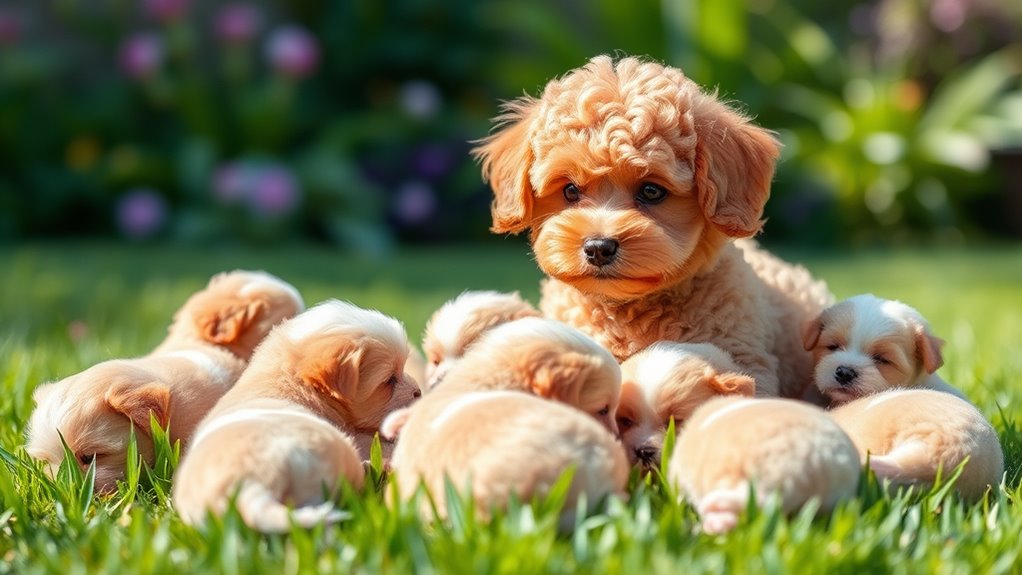
How Many Pups Can a Toy Poodle Have?
Toy Poodles are adorable little companions, and if you’re considering breeding one, you might be wondering how many pups a Toy Poodle can have.
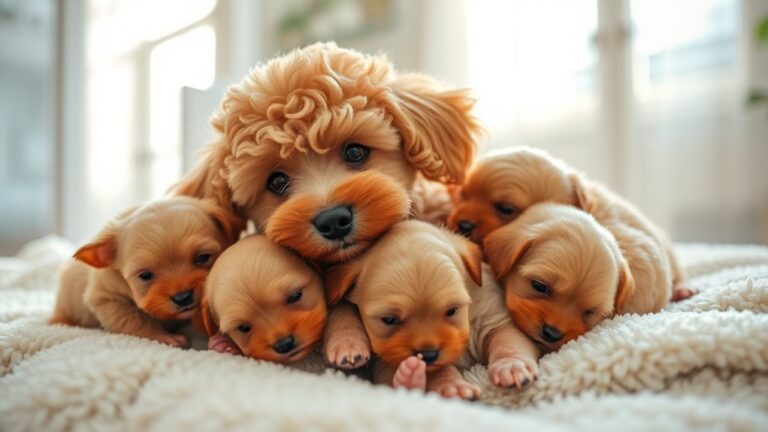
Typically, these small dogs have an average litter size of 3 to 5 puppies.
However, litters can range anywhere from 1 to 7 puppies, which can surprise first-time breeders.
Several factors can affect the litter size, such as the mother’s health, size, genetics, and overall environmental conditions.
For example, healthy and younger mothers tend to have larger litters.
It’s also crucial to practice responsible breeding to ensure that both the mother and her puppies remain healthy throughout the process.
If you’re curious about what to expect during the breeding journey, there’s so much more to learn!
Key Takeaways
- Toy Poodles typically have an average litter size of 3 to 5 puppies.
- Litters can occasionally range from 1 to 7 puppies depending on various factors.
- The health of the mother and genetics significantly influence the number of puppies.
- Larger Toy Poodles may carry more puppies compared to smaller ones.
- Proper monitoring during pregnancy is essential for the well-being of both mother and puppies.
Average Litter Size of Toy Poodles
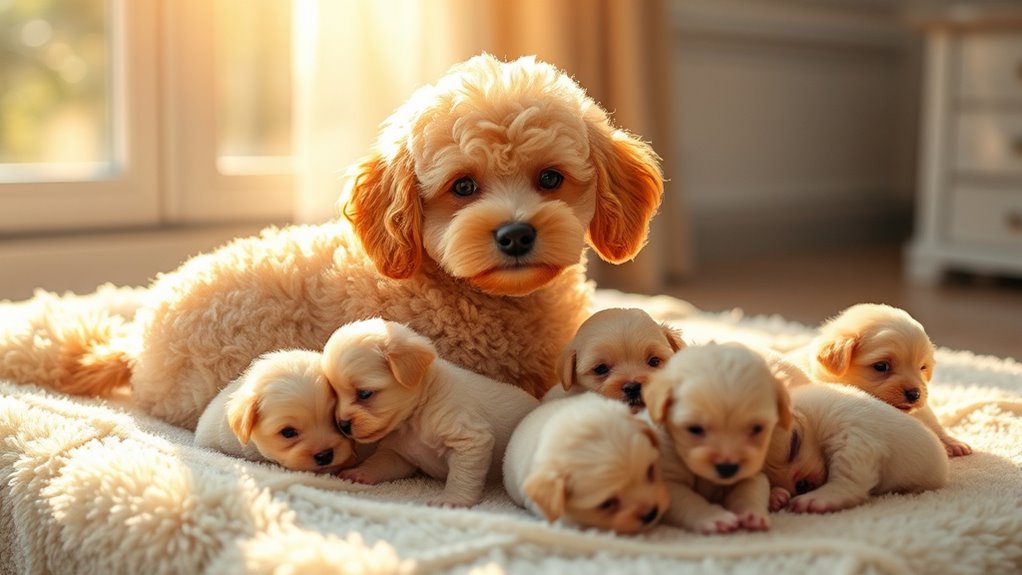
When it comes to Toy Poodles, the average litter size typically ranges from 3 to 5 puppies.
While this is common, you might occasionally see litters as small as 1 or as large as 7, depending on the individual dog’s health and genetics.
Since Toy Poodles are small breed dogs, their litters tend to be smaller compared to larger breeds.
It’s essential for you, as a breeder or an owner, to pay attention to the health of the mother and her puppies during pregnancy and after birth.
Proper monitoring guarantees the well-being of both the mother and her offspring, which can ultimately influence the health and robustness of the puppies in that average litter size.
Factors Influencing Litter Size
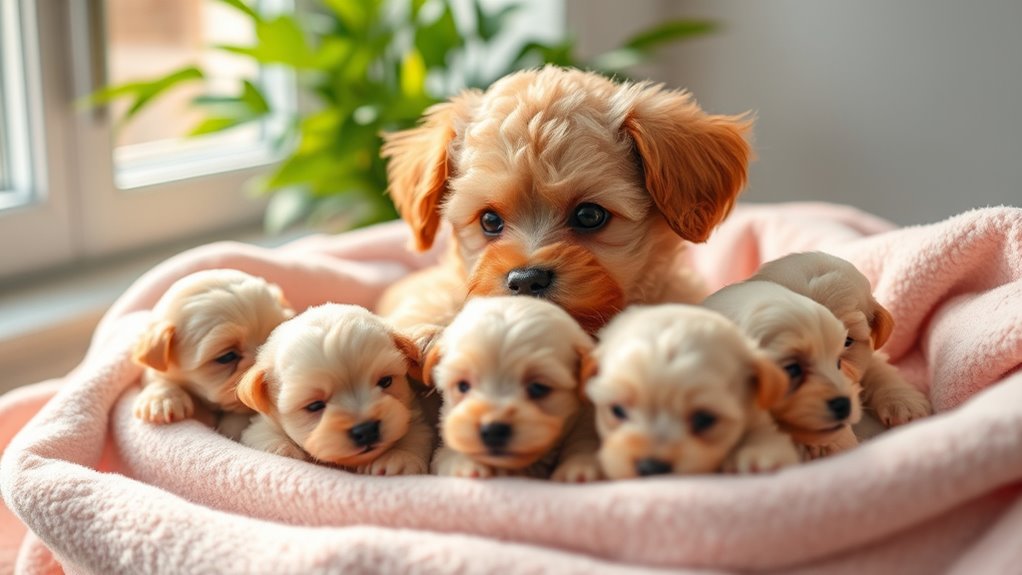
Several factors influence the litter size of Toy Poodles, making it essential for breeders and owners to understand these elements.
The health of the mother is significant; younger and healthier females typically produce larger litters.
Genetics also plays an important role, as the breeding history of the parents can determine potential litter size.
Additionally, the size of the mother affects her capacity to carry puppies.
Smaller Toy Poodles often have fewer than their slightly larger Miniature Poodle counterparts.
Environmental factors, including stress levels during pregnancy, can also impact the health of the mother and the number of puppies.
| Factor | Description | Impact on Litter Size |
|---|---|---|
| Health of the Mother | Younger and healthier moms yield more pups | Positive |
| Genetics | Parent breeding history influences size | Variable |
| Size of the Mother | Larger moms can carry more puppies | Positive |
Importance of Responsible Breeding
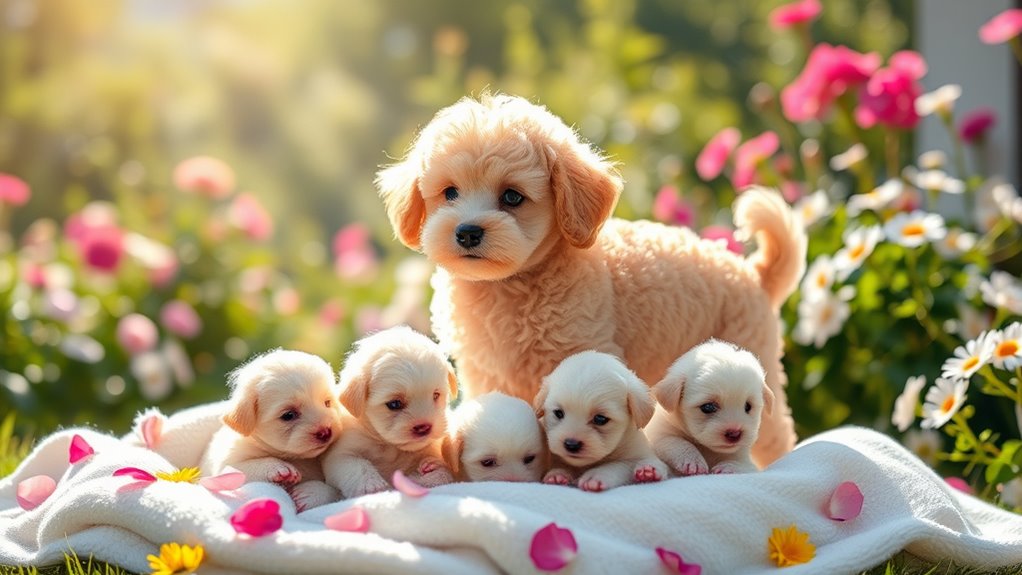
Responsible breeding of Toy Poodles is essential not just for the breed’s health but also for ensuring that each puppy thrives in a loving home.
By choosing responsible breeders, you’re supporting practices that prioritize the welfare of both the mother and her pups.
Consider the following key aspects:
- Health screenings: Responsible breeders conduct tests for common genetic issues like patellar luxation and Legg-Perthes disease.
- Quality over profit: Focus is placed on nurturing environments rather than financial gain.
- Puppy socialization: Well-bred puppies are better prepared for family life.
- Support for puppy owners: Educated breeders help new owners understand care requirements.
Emphasizing these values leads to healthier dogs and happier families.
This approach ensures long-term success for Toy Poodle ownership.
Health Considerations for Mother and Puppies
The health of the mother directly influences the well-being of her puppies.
During pregnancy, you must prioritize her nutrition, weight, and any pre-existing health issues.
Regular vet check-ups are essential to monitor for conditions like gestational diabetes, ensuring a healthy pregnancy for your Toy Poodle.
A well-nourished mother not only supports her own health but also provides the necessary nutrients for her puppies’ development.
After birth, she needs adequate rest, hydration, and nutrition to recover and support lactation.
Proper care during this time is fundamental, as it directly impacts the puppies’ health.
Weaning them around 6 to 8 weeks is critical to prevent health issues related to premature separation.
This ensures a strong start for your new pups.
Raising Healthy Toy Poodle Puppies
When you bring home Toy Poodle puppies, understanding their needs from the start is vital for their development.
To raise healthy puppies, focus on these key areas:
Focus on a balanced diet, regular vet check-ups, socialization, and training for healthy puppy development.
- Balanced diet: Provide nutritious food tailored for growing puppies to support their development.
- Regular veterinary check-ups: Schedule early screenings to catch potential health issues and guarantee their well-being.
- Socialization: Introduce them to various people and environments to build confidence and good behavior.
- Training: Start basic training and housebreaking by 8 weeks using positive reinforcement techniques to encourage learning.
What to Expect When Breeding Toy Poodles
When you breed Toy Poodles, expect litters between 2 to 5 puppies, though sometimes you might get lucky with up to 7. It’s essential to prioritize health considerations, ensuring both parents are tested for genetic conditions to safeguard the puppies’ well-being. Understanding the breeding process will help you prepare for the responsibilities ahead and support the mother throughout her pregnancy.
Litter Size Expectations
Expect to see an average litter size of 2 to 4 puppies when breeding Toy Poodles, but be prepared for variations.
Sometimes litters can be as small as 1 or as large as 6.
Here are some key points to keep in mind:
- Toy Poodles require careful monitoring during pregnancy and delivery.
- Experienced breeders should handle the breeding process to guarantee safety.
- Conducting health screenings on both parent dogs is essential to minimize genetic risks.
- Puppies are typically weaned around 6 to 8 weeks and begin shifting to solid food for small breeds.
Understanding these expectations can help you provide a safe and healthy environment for both the mother and her puppies.
This way, you can guarantee a successful breeding experience!
Health Considerations for Breeding
Breeding Toy Poodles requires careful attention to their health, as various genetic issues can affect both the mother and her puppies.
Key health considerations include screening for conditions like patellar luxation and progressive retinal atrophy.
These genetic issues can lead to serious health problems if not addressed.
It’s advisable to wait until your female Toy Poodle is at least 2 years old to guarantee she’s fully mature and healthy for breeding.
Regular veterinary check-ups and vaccinations during her pregnancy are essential to monitor her health and the puppies’ development.
Additionally, proper prenatal care—such as a balanced diet and adequate exercise—plays a vital role in guaranteeing both the mother and the puppies thrive throughout the breeding process.
Breeding Process Overview
As you commence on the journey of breeding Toy Poodles, understanding the process is essential for ensuring a successful experience.
The breeding process involves careful planning and attention to detail, focusing on selecting healthy parents to promote good genetics and temperament in the puppies.
Here’s what to expect:
Female Toy Poodles typically come into heat twice a year.
The ideal breeding age is between 1.5 to 5 years.
Pregnancy lasts about 63 days, requiring regular veterinary check-ups.
Early socialization and training are vital for healthy development.
Frequently Asked Questions
Can a Toy Poodle Have Twins or More Than One Set of Puppies?
Yes, a Toy Poodle can have twins, though it’s rare. Additionally, she can have more than one set of puppies, but it’s essential to space litters for her health and the puppies’ well-being.
What Age Is Best for a Toy Poodle to Have Puppies?
The best age for your Toy Poodle to have puppies is between 2 to 5 years old. This range promotes healthier pregnancies and better outcomes for both your dog and her puppies. Always consult a veterinarian.
How Often Can a Toy Poodle Breed in a Year?
You’d think Toy Poodles could breed like rabbits, but they can only do so about once a year. Responsible owners let their pups recover, keeping them healthy and happy for motherhood’s demands.
What Are the Signs of Complications During Toy Poodle Pregnancy?
You should watch for excessive vomiting, lethargy, refusal to eat, visible pain during labor, or abnormal discharge. Any of these signs could indicate complications requiring immediate veterinary attention for your Toy Poodle’s health and safety.
Can Toy Poodles Have Puppies Naturally or Require Assistance?
Imagine Bella, a Toy Poodle, delivering her first litter. While some Toy Poodles can give birth naturally, many need assistance due to size-related complications. Always consult your vet to guarantee a safe delivery for both mother and puppies.
Conclusion
In the end, whether you’re welcoming one or a few toy poodle pups, remember that every little life is a coincidence waiting to bloom.
Each puppy brings its own quirks and charm, making your journey unique.
By prioritizing responsible breeding and health, you’re not just creating a litter; you’re weaving a tapestry of love, companionship, and joy.
Embrace the unexpected moments, for they often lead to the most cherished memories with your furry friends.
In conclusion, the number of toy poodle pups can vary, but regardless of how many you have, each one is special.
Focus on responsible breeding practices and ensure the health of both the mother and her pups.
Ultimately, you’ll be creating a joyful environment filled with love and companionship that will enrich your life and the lives of your furry friends.