How to Become a Toy Designer Step-by-Step
To become a toy designer, you’ll want to kick off your journey with a solid education. Earning a relevant degree, like a Bachelor of Fine Arts in Toy Design, is a great starting point.
Next, focus on building a strong portfolio that showcases your creativity through sketches and prototypes. This is crucial for demonstrating your unique design style to potential employers.
Don’t forget to pursue relevant vocational courses to further enhance your skills. They can provide you with specialized knowledge that can set you apart in the competitive toy industry.
Gaining hands-on experience through internships is essential. Networking with industry professionals can also open doors to new opportunities.
Finally, think about choosing a niche that truly interests you, whether it’s educational toys or collectibles.
There’s so much more to explore in your exciting journey as a toy designer!
Key Takeaways
- Earn a relevant degree in Toy Design or a complementary field, focusing on child psychology and design coursework.
- Build a strong portfolio showcasing your creativity, technical skills, and understanding of target audiences in toy design.
- Gain hands-on experience through internships, collaborative projects, or VET courses to establish industry connections.
- Specialize in a niche within toy design, such as educational toys or collectibles, to enhance your expertise and marketability.
- Develop essential skills like creativity, CAD proficiency, and communication to successfully navigate the toy design industry.
Start With Your Education
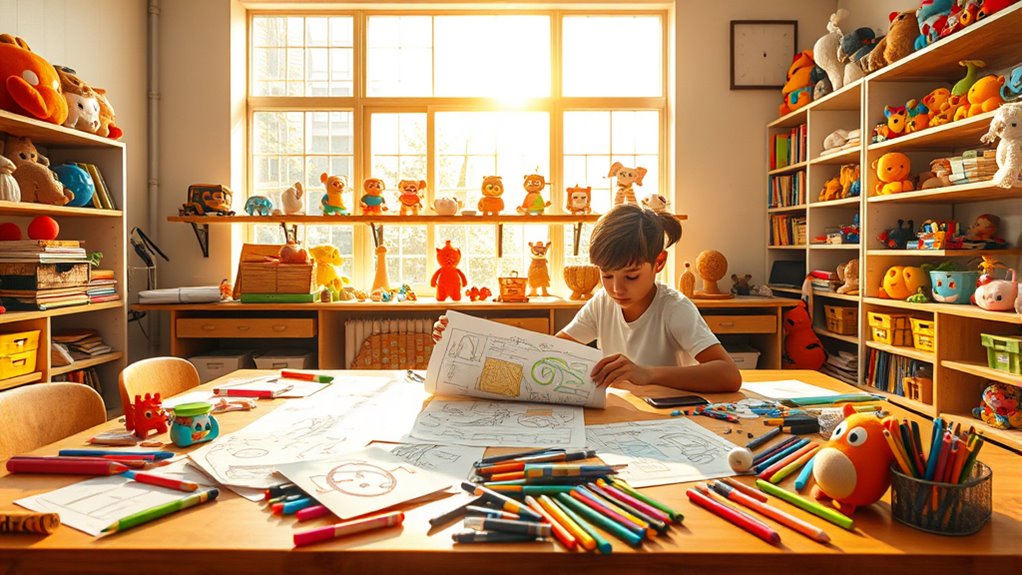
To kickstart your journey as a toy designer, you’ll want to focus on your education first.
Earning a relevant postsecondary degree, like a Bachelor of Fine Arts in Toy Design, gives you a solid foundation in design principles and essential skills.
Consider pursuing degrees in complementary fields such as engineering, graphic design, or business to enhance your understanding of the design process and industry operations.
Pursuing degrees in engineering, graphic design, or business can deepen your insight into the toy design process and industry dynamics.
Internships during your studies are vital for gaining hands-on experience, making you more competitive in the job market.
Additionally, engaging in coursework covering child psychology, storytelling, and digital design will round out your education.
This will help you effectively understand and meet the needs of your target audience in Toy Design.
Build a Strong Portfolio
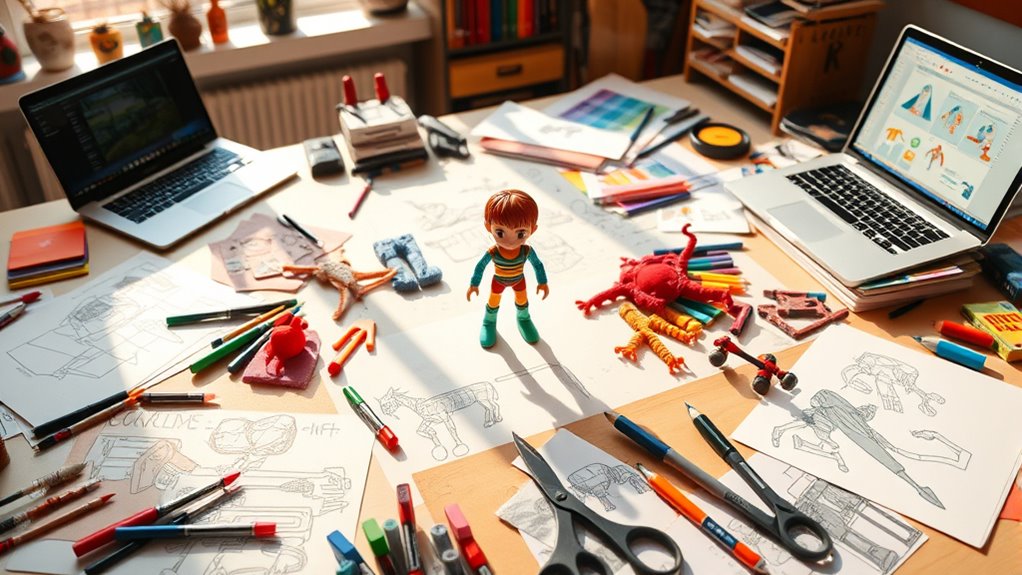
A strong portfolio is essential for any aspiring toy designer, as it serves as your visual resume.
Showcase a variety of skills, including sketches, 3D models, and prototypes, to demonstrate your creativity and technical proficiency.
Include projects that reflect your understanding of child psychology and storytelling, illustrating how your designs cater to different age groups and play patterns.
Emphasize unique and innovative toy concepts that highlight your individual expression and problem-solving abilities.
Incorporate feedback and iterations from professors or industry professionals to show your capacity for critical thinking and improvement.
Finally, tailor your portfolio to your chosen niche within toy design, featuring relevant projects that align with the specific audiences or categories you intend to target.
Pursue Relevant VET Courses
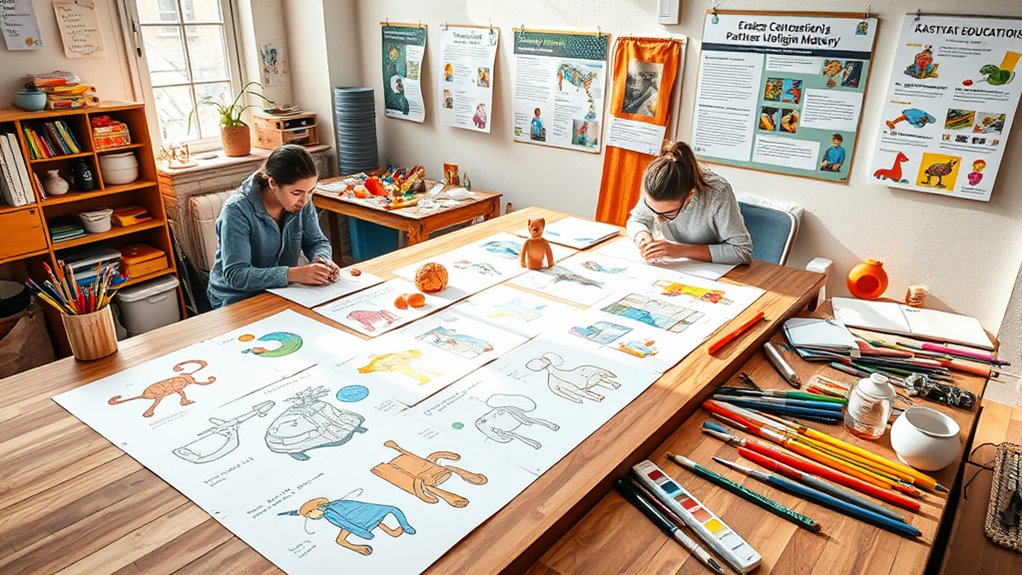
Building a solid portfolio lays a strong foundation for your journey, but it’s equally important to complement that with relevant Vocational Education and Training (VET) courses.
By pursuing relevant VET courses, like a Certificate III in Design Fundamentals or a Diploma of Product Design, you’ll gain essential skills tailored for the toy industry.
These programs offer practical training in design principles, materials, and manufacturing processes that are vital for creating toys.
Additionally, VET courses help you develop a portfolio that showcases your abilities to potential employers.
Many programs also provide valuable industry connections and networking opportunities, giving you insights into the field.
Ultimately, VET education can be a stepping stone to further education and enhance your career prospects in toy design.
Obtain a Bachelor of Design
Gaining a Bachelor of Design is a crucial step for aspiring toy designers, as it equips you with foundational skills essential for success in the industry.
Many universities offer specialized programs that focus on toy development for different age groups. Your coursework will likely include drawing, digital design, and prototyping, alongside training in child psychology and storytelling—key elements for creating engaging toys.
Here’s a quick overview of what to expect in your program:
| Subject Area | Skills Developed | Industry Relevance |
|---|---|---|
| Drawing | Sketching toy concepts | Visual communication |
| Digital Design | 3D modeling | Modern toy production |
| Prototyping | Creating functional models | Testing and feedback |
| Child Psychology | Understanding play behavior | Age-appropriate design |
| Storytelling | Crafting narratives | Enhancing engagement |
Completing this degree enhances your portfolio and opens doors to internships in the toy industry.
This experience significantly boosts your job prospects.
Gain Experience and Network
While pursuing your degree in design, securing hands-on experience and expanding your network can greatly enhance your career prospects as a toy designer.
Participate in summer internships after your sophomore and junior years to gain experience and network with major toy companies.
Attend networking events and workshops hosted by organizations like The Toy Association, where you can connect with industry professionals and fellow aspiring designers.
Utilize online platforms and social media to showcase your portfolio, increasing your visibility within the toy design community.
Joining membership programs offered by The Toy Association can provide you with exclusive resources and events that further enhance your connections.
Collaborating on projects with peers also helps develop teamwork skills and establishes a valuable network in the toy design field.
Choose Your Niche in Toy Design
Choosing your niche in toy design is essential for honing your expertise and appealing to your target audience. By specializing in categories like educational toys or collectibles, you can tailor your design and marketing strategies effectively. Consider your skills and passions to find a niche that not only excites you but also aligns with consumer preferences.
Specialization in Toy Categories
Specializing in a specific toy category can greatly enhance your skills and marketability as a designer.
Focusing on areas like educational toys, collectibles, or puzzles allows you to develop targeted expertise that sets you apart.
For instance, if you choose educational toys, you’ll need to understand child development and learning principles.
This means blending creativity with educational value.
On the other hand, collectibles cater to adult consumers.
This requires a keen sense of trends and nostalgia in design.
By embracing this specialization in toy categories, you can create a specialized portfolio that showcases your unique talents and understanding of your chosen market segment.
This focused approach not only refines your skills but also makes you more appealing to potential clients and employers.
Target Audience Considerations
How can you guarantee your toy designs truly resonate with your audience?
By focusing on target audience considerations and choosing your niche wisely.
When you specialize in areas like educational toys or collectibles, you can tailor your designs and marketing strategies to appeal directly to specific age groups.
Understanding their preferences enhances your ability to create products that truly connect with consumers, boosting your chances of market success.
Additionally, honing in on a particular category, such as puzzles or simple toys, not only sharpens your expertise but also makes your portfolio more attractive to potential employers.
By identifying and targeting a niche market, you’ll streamline your design process and develop more effective marketing campaigns.
Ultimately, this approach improves product reception in the competitive toy industry.
Skill Development Focus Areas
As you immerse yourself in the world of toy design, focusing on a specific niche can greatly enhance your skill development and marketability.
Consider specializing in areas like educational toys, collectibles, or puzzles. This specialization helps you hone targeted skills and marketing strategies that resonate with specific audiences.
Understanding child psychology and play patterns is essential for creating toys that engage and educate effectively.
Align your niche with market demands by balancing complexity—design simpler toys for younger children and intricate models for older kids.
Additionally, prioritizing sustainability can set you apart in the industry.
Finally, build a diverse portfolio showcasing your expertise in your chosen niche, like digital modeling or prototyping, to boost your appeal as a Toy Designer.
Frequently Asked Questions
What Skills Are Essential for a Successful Toy Designer?
To be a successful toy designer, you’ll need strong drawing and sculpting skills, proficiency in digital design, an understanding of child psychology, and effective communication skills. Critical thinking and knowledge of manufacturing processes are essential too.
How Important Is Creativity in Toy Design?
Creativity’s essential in toy design. It drives innovative ideas and helps you combine play patterns. By thinking outside the box, you can create unique products that captivate children and adults, ensuring your designs stand out.
What Software Should I Learn for Toy Design?
To breathe life into your toy ideas, master CAD software like SolidWorks, immerse yourself in ZBrush for sculpting, and embrace Adobe Creative Suite for visuals. Familiarize yourself with prototyping tools to turn dreams into tangible playthings.
Can I Specialize in Eco-Friendly Toy Design?
Yes, you can specialize in eco-friendly toy design! Focus on sustainable materials, safety regulations, and child psychology. Stay updated on market trends and collaborate with manufacturers who prioritize sustainability to enhance your expertise and creativity.
What Are the Common Career Paths for Toy Designers?
As a toy designer, you’ll typically start as a junior designer, then progress to lead designer or creative director roles. You might also consider launching your own studio or shifting into related design fields.
Conclusion
So, you’ve got the education, the portfolio, and the experience—congratulations!
You’re now ready to plunge into the whimsical world of toy design, where creativity knows no bounds.
Ironically, while you might think you’re just making playthings for kids, you’re actually shaping futures and igniting imaginations.
Just remember, in a field where fun is the goal, the real challenge is staying serious about your craft.
Enjoy the ride, because who knew play could be such hard work?
As you embark on this exciting journey of becoming a toy designer, embrace the blend of imagination and practicality.
Your role is vital, as each toy has the potential to inspire and educate.
With your skills and passion, you can create engaging, innovative designs that resonate with children and parents alike.
So, keep pushing boundaries and enjoy every playful moment in this fulfilling career!