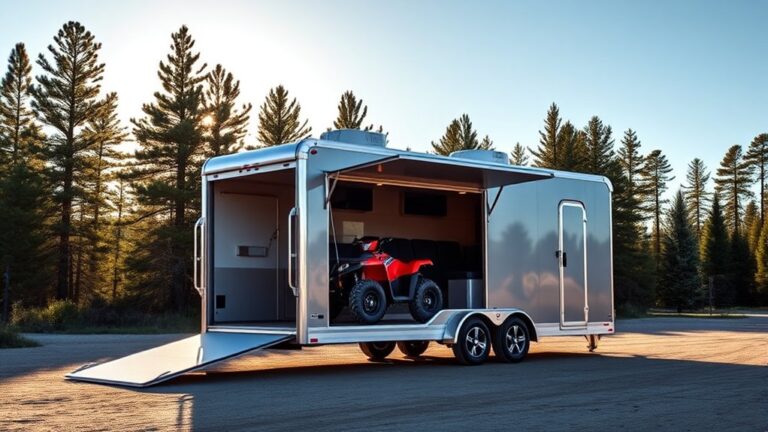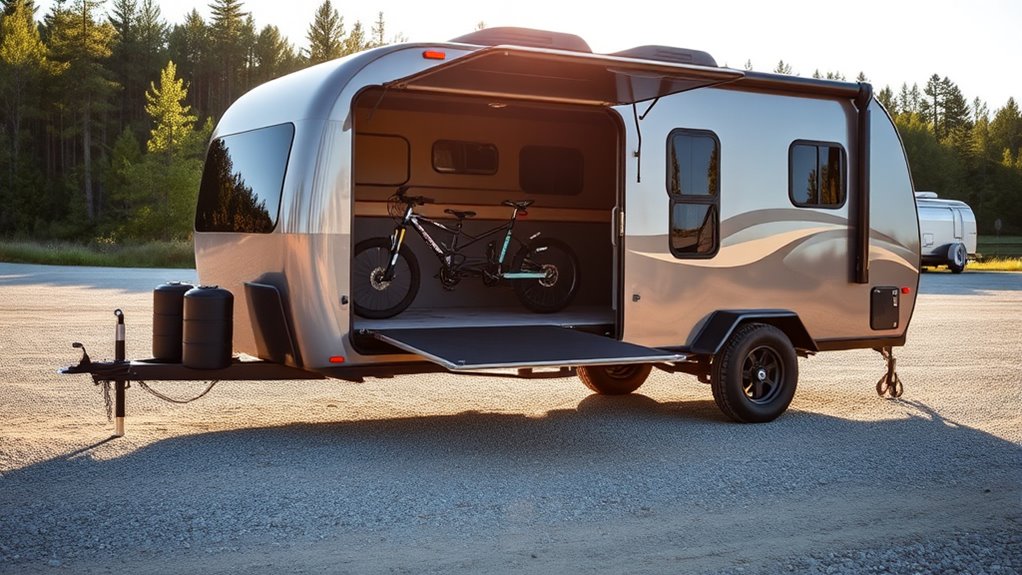
How Much Does a Toy Hauler Weigh?
Toy haulers are a fantastic option for those who love to bring their toys along on adventures.
But how much does a toy hauler weigh?
Typically, toy haulers weigh between 3,000 to 12,000 pounds, depending on the model type.
Travel trailers tend to be on the lighter side, usually around 3,000 to 7,000 pounds.
On the other hand, fifth-wheel models can weigh anywhere between 7,000 and 12,000 pounds.
Understanding the weight is essential for safe towing and compliance with regulations.
If you’re curious about the factors affecting the weight or tips for choosing the right hauler, there’s more to explore in the details.
Key Takeaways
- Toy haulers typically weigh between 3,000 to 12,000 pounds, depending on the model type and size.
- Travel trailers have a Gross Vehicle Weight Rating (GVWR) up to 8,000 pounds, while fifth-wheels range from 17,000 to 20,000 pounds.
- The unloaded weight (dry weight) and loaded weight (including cargo) are crucial for understanding a toy hauler’s total weight.
- Larger models tend to weigh more due to additional materials and features, impacting towing requirements.
- Always check manufacturer specifications for weight limits to ensure safe towing practices.
Understanding Toy Hauler Weight
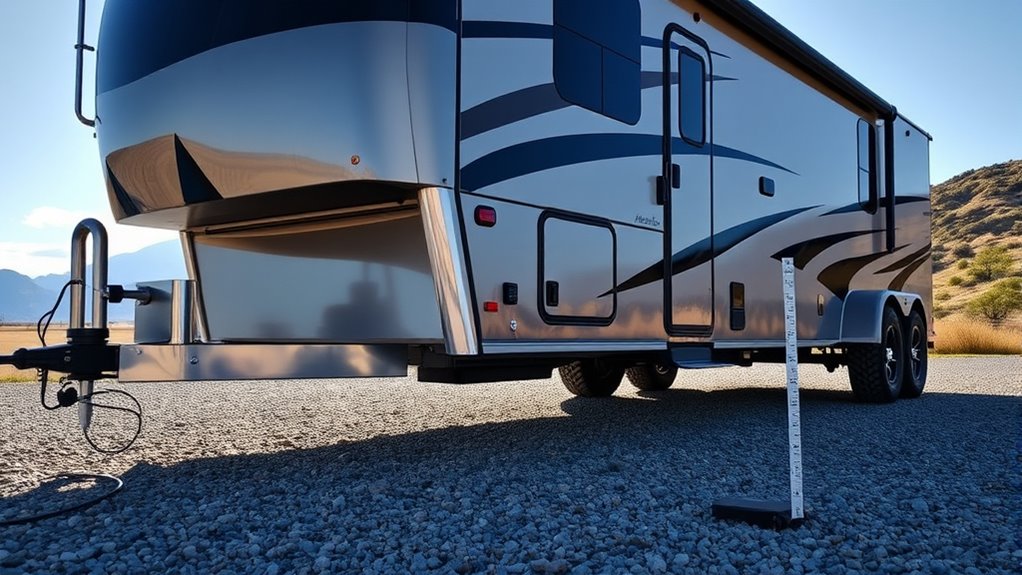
When you’re looking at toy haulers, understanding their weight is vital for safe towing.
Toy hauler weight classifications include unloaded weight and loaded weight. The unloaded weight refers to the trailer without any cargo, while the loaded weight encompasses everything you plan to take, like toys, water, and fuel.
Travel trailer toy haulers generally weigh between 3,000 to 7,000 pounds, whereas fifth-wheel models can range from 7,000 to 12,000 pounds.
Knowing these distinctions helps you ascertain your vehicle can handle the weight.
It’s important to check both unloaded and loaded weights to comply with towing capacities and local regulations. Exceeding limits can pose safety risks.
Always prioritize understanding toy hauler weight for a trouble-free adventure.
Factors That Influence Toy Hauler Weight
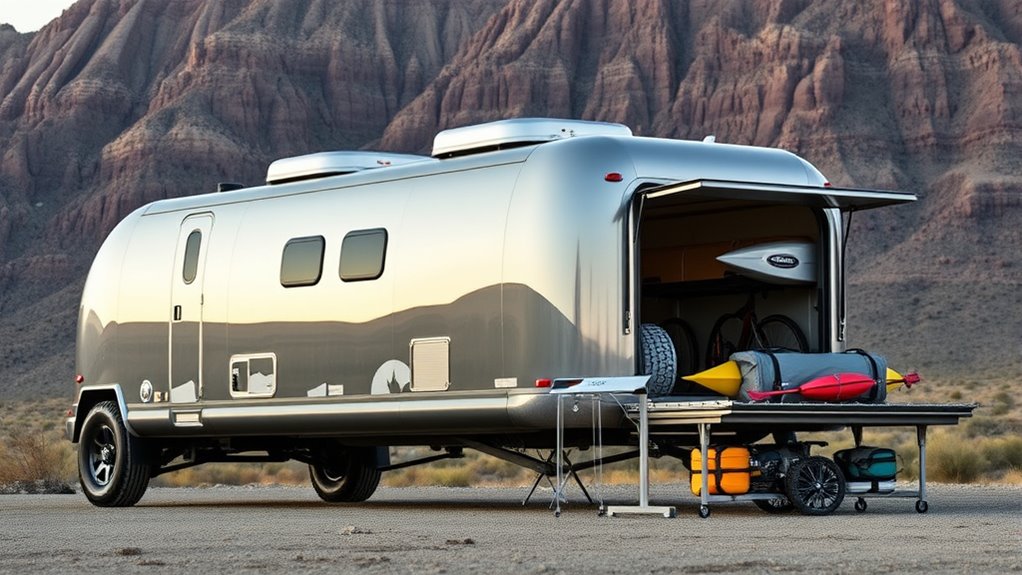
When considering the weight of a toy hauler, size and dimensions play a key role, as larger models often weigh more due to extra materials. The materials used in construction also matter; for instance, aluminum frames tend to be lighter than steel. Additionally, any extra features you add, like slide-outs or upgraded appliances, can increase the overall weight, so keep that in mind when making your choice.
Size and Dimensions
The size and dimensions of a toy hauler play an essential role in determining its weight.
Typically, toy haulers range from under 15 feet to over 48 feet in length, with most models falling between 30 to 40 feet.
This variation impacts their overall weight considerably.
The standard width, ranging from 7.5 to 8 feet, also affects weight distribution.
Larger toy haulers tend to weigh more due to increased materials and structural requirements to support their size and cargo capacity.
Additionally, features like slide-outs, built-in furniture, and reinforced garage areas add extra weight, further influencing both dry and gross weight classifications.
Materials Used
Materials play an essential role in determining the weight of a toy hauler.
The choice of materials used can greatly affect its overall dry weight.
Here are some key factors to evaluate:
- Frame Material: Aluminum-framed models are typically lighter than steel ones.
- Composite Materials: These provide strength without the extra weight, improving fuel efficiency.
- Additional Features: Options like slide-outs and heavy-duty flooring can increase weight.
- Manufacturer Specifications: Many manufacturers highlight how lightweight toy haulers can enhance payload capacities without exceeding gross weight limits.
Understanding these materials helps you make informed decisions when selecting a toy hauler that meets your needs while keeping weight in check.
Additional Features
Choosing a toy hauler involves understanding how various features can impact its weight.
Larger models generally weigh more due to their size and structural needs.
The materials used, like aluminum frames, can lighten the load, but additional features can add significant weight.
Slide-outs, built-in furniture, and upgraded appliances all influence your toy hauler’s payload capacity.
Don’t forget that the garage area designed for storing toys contributes to the overall weight as well; bigger garages mean heavier loads.
Luxury options, while enhancing comfort, can also tip the scales.
It’s crucial to evaluate these factors when assessing weight distribution to guarantee your tow vehicle can handle the total weight safely.
Average Weight of Different Types of Toy Haulers
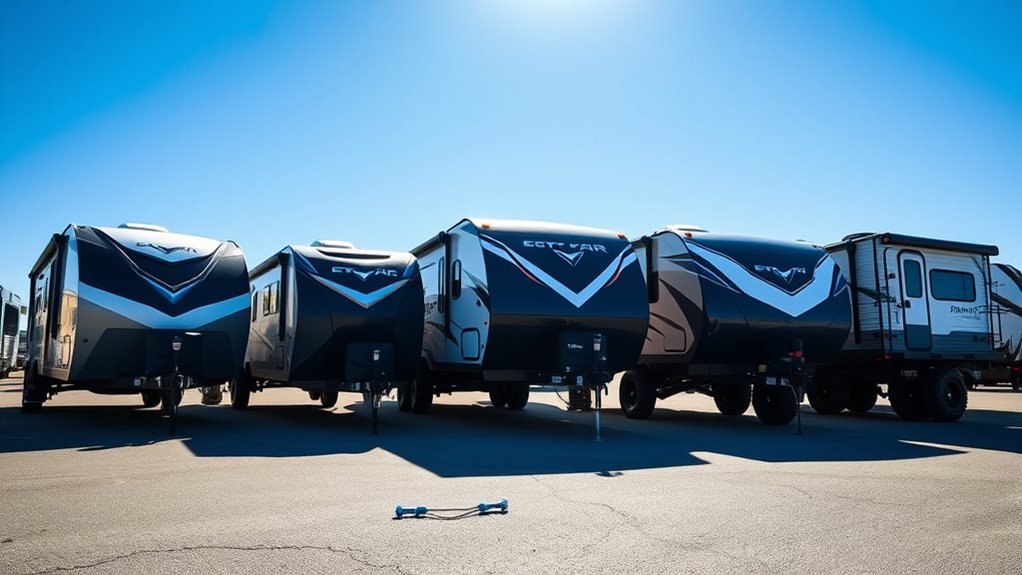
When you’re considering a toy hauler, it’s important to know the average weights of different types. Travel trailers usually weigh between 3,000 and 7,000 pounds, while fifth-wheel models typically range from 7,000 to 12,000 pounds. For those seeking luxury, Class A motorhomes can weigh anywhere from 12,000 to 20,000 pounds, impacting your towing options considerably.
Travel Trailers Overview
If you’re considering a travel trailer toy hauler, it’s essential to understand the weight factors involved.
These travel trailers typically weigh between 3,000 to 7,000 pounds when unloaded, making them lighter than fifth-wheel models.
Keep in mind the following weight ranges and cargo capacity details:
- Average Gross Weight (GVWR): Up to 8,000 pounds, depending on the model.
- Payload Capacity: Varies from 1,000 to 2,500 pounds for your gear.
- Garage Space: Typically ranges from 7 to 10 feet for your outdoor toys.
- Influencing Factors: Size, materials, and additional amenities can affect weight.
Understanding these aspects will help you choose the right travel trailer toy hauler for your adventures.
Fifth-Wheel Specifications
Toy hauler fifth-wheels offer a different experience compared to travel trailer models, especially regarding weight and capacity.
Typically, these fifth wheels weigh between 7,000 to 12,000 pounds when unloaded.
The average Gross Vehicle Weight Rating (GVWR) for fifth-wheel toy haulers ranges from 17,000 to 20,000 pounds, which allows for substantial cargo capacity.
This extra weight comes from larger living spaces and enhanced amenities, making fifth-wheels more luxurious but heavier.
You can usually load an additional 3,000 to 6,000 pounds, depending on the specific model.
This added weight means you’ll need a heavier-duty truck for towing, impacting your overall cost of ownership.
Understanding these specifications is essential for a smooth towing experience.
Class A Motorhomes
Class A motorhome toy haulers stand out as the heaviest option in the toy hauler category, weighing between 12,000 to 20,000 pounds.
Their robust design allows for a high gross vehicle weight rating (GVWR) of up to 30,000 pounds, making them ideal for carrying considerable cargo.
Here’s what you need to know:
- Unloaded weight typically averages around 14,000 to 18,000 pounds.
- Luxury features and amenities notably contribute to their overall weight.
- Heavy-duty towing vehicles are necessary for safe transport.
- Specialized hitching systems are often required for stability.
Choosing a Class A motorhome toy hauler combines comfort with capability.
But understanding their weight is essential for safe and enjoyable travels.
Recommendations for Choosing the Right Toy Hauler Based on Weight
When selecting the right toy hauler, understanding weight classifications is essential for a safe and enjoyable experience.
Start by checking the dry weight and gross vehicle weight rating (GVWR) to guarantee your towing vehicle can handle the load.
Travel trailer toy haulers typically weigh between 3,000 to 7,000 pounds, while fifth-wheel models range from 7,000 to 12,000 pounds.
Opt for lightweight options, like the InTech Flyer Explore, with a GVWR of 2,990 lbs. This makes towing easier and improves fuel efficiency.
Additionally, evaluate the payload capacity and garage dimensions to accommodate your gear.
Always consider the total weight of added gear, water, and features to avoid exceeding the manufacturer’s limits.
This ensures towing stability and safety.
The Financial Impact of Toy Hauler Weight
Understanding the financial impact of your toy hauler’s weight is essential. Heavier models can lead to considerably higher fuel costs and maintenance expenses.
Here are some key financial aspects to evaluate:
- Fuel Costs: Heavier toy haulers increase fuel consumption. This leads to higher overall costs.
- Maintenance Costs: The additional weight stresses your towing vehicle. As a result, you may encounter increased repair expenses.
- Insurance Premiums: Larger toy haulers often come with higher premiums. This is due to the risks of towing heavier loads.
- Road Fees: Heavier trailers may incur additional road fees and permits. These fees can vary by state.
Best Practices for Loading Your Toy Hauler
Managing the weight of your toy hauler isn’t just about finances; it’s also about ensuring a safe and stable towing experience.
Start by distributing weight evenly throughout the toy hauler. Keep heavier items low and centered to enhance weight distribution and prevent swaying.
Use tie-down straps to secure your equipment and toys in the garage area, so they don’t shift during transit. Regularly check your weight distribution to avoid exceeding the toy hauler’s payload capacity, which typically ranges between 2,000 to 3,000 pounds.
Keep essential items, like emergency kits, easily accessible without adding significant weight to upper areas.
Finally, avoid overloading your toy hauler to maintain safe towing practices and adhere to the manufacturer’s Gross Vehicle Weight Rating (GVWR).
Frequently Asked Questions
What Is the Difference Between Dry Weight and Gross Weight?
Dry weight is the toy hauler’s weight without cargo or fluids, while gross weight includes everything it can carry. Knowing the difference helps you understand your payload capacity and guarantees safe towing practices.
Can I Tow a Toy Hauler With a Half-Ton Truck?
Think of your half-ton truck as a trusty steed; it can definitely tow a toy hauler. Just check your truck’s towing capacity, ensuring you stay within safe limits for a smooth, enjoyable ride.
How Can I Find My Specific Toy Hauler’s Weight?
You can find your toy hauler’s weight by checking the manufacturer’s specifications, looking for a weight sticker inside the trailer, or weighing it at a certified scale to get the most accurate measurement.
Are Lighter Toy Haulers Less Durable?
No, lighter toy haulers aren’t necessarily less durable. Many utilize advanced materials and engineering, ensuring they maintain strength and longevity. Quality craftsmanship plays an essential role, so focus on reputable brands for the best durability.
What Are the Consequences of Exceeding Weight Limits?
Imagine trying to carry a heavy backpack uphill; it strains you, right? Exceeding weight limits on a toy hauler causes poor towing stability, increased wear on your vehicle, legal penalties, and potential structural damage.
Conclusion
In summary, knowing how much a toy hauler weighs is essential for a safe and enjoyable adventure.
Did you know that the average toy hauler can weigh between 3,000 to 10,000 pounds?
That’s a significant load, and understanding this helps you make informed decisions about your vehicle and towing capabilities.
By choosing wisely and packing carefully, you can guarantee your trips are not just fun, but also safe.
So, before you hit the road, make sure to check your towing capacity and the weight of your toy hauler.
This knowledge not only enhances your comfort but also ensures the safety of your loved ones.
Happy hauling!
Remember, planning ahead makes all the difference in enjoying your adventure with a toy hauler.