What Is the Average Toy Poodle Lifespan?
Toy Poodles are beloved for their intelligence, playful nature, and adorable appearance. One important aspect of owning a Toy Poodle is understanding their lifespan. Typically, Toy Poodles live between 12 to 15 years, but with exceptional care, some can even reach up to 18 years.
Their lifespan can be influenced by several factors like genetics, diet, exercise, and grooming.
Regular vet check-ups are essential, as well as being aware of common health issues such as dental problems and heart disease.
By staying proactive with their health and well-being, your furry friend can thrive alongside you for many joyful years.
There’s so much more to learn about keeping your Toy Poodle happy and healthy!
Key Takeaways
- The average lifespan of Toy Poodles ranges from 12 to 15 years, with some living up to 18 years.
- Genetics, health, and care practices significantly influence the longevity of Toy Poodles.
- Smaller breeds, like Toy Poodles, generally have longer lifespans compared to larger breeds.
- Proper nutrition, regular exercise, and mental stimulation are vital for extending their lifespan.
- Awareness of common health issues and regular veterinary check-ups can help manage health and promote longevity.
A Brief History of the Toy Poodle

The Toy Poodle has a fascinating history that traces back to the Standard Poodle, which was originally bred in Germany and France to excel as a water retriever.
Over time, breeders intentionally reduced the size of this dog breed to create the Toy Poodle, making it a perfect companion for European nobility.
By the 18th century, Toy Poodles became symbols of sophistication, often found in the company of aristocrats and artists.
Their distinct pom pom haircut, initially designed for protection while retrieving in cold water, highlights their practical origins.
Today, Toy Poodles are celebrated for their intelligence, playful nature, and hypoallergenic coats, making them cherished pets around the world.
You can’t help but love these charming little Poodles!
Factors That Affect a Toy Poodle’s Lifespan
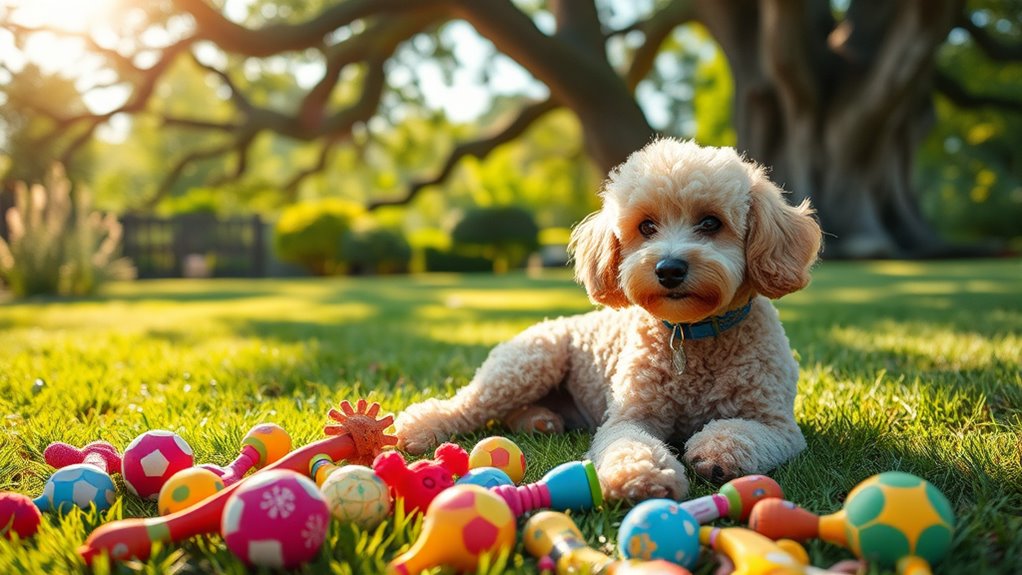
Understanding the factors that influence a Toy Poodle’s lifespan helps guarantee your furry friend enjoys a long, healthy life.
The average lifespan of Toy Poodles is between 12 to 15 years, but with the right care, some can live up to 18 years.
The typical lifespan of Toy Poodles ranges from 12 to 15 years, with exceptional care allowing some to reach 18 years.
Here are key factors to take into account:
- Genetics: Responsible breeding minimizes inherited health issues, enhancing longevity.
- Proper nutrition: A balanced diet of high-quality small-breed food is essential for maintaining health.
- Exercise and mental stimulation: Regular activity prevents obesity and keeps your Toy Poodle mentally sharp.
How to Take Care of a Toy Poodle
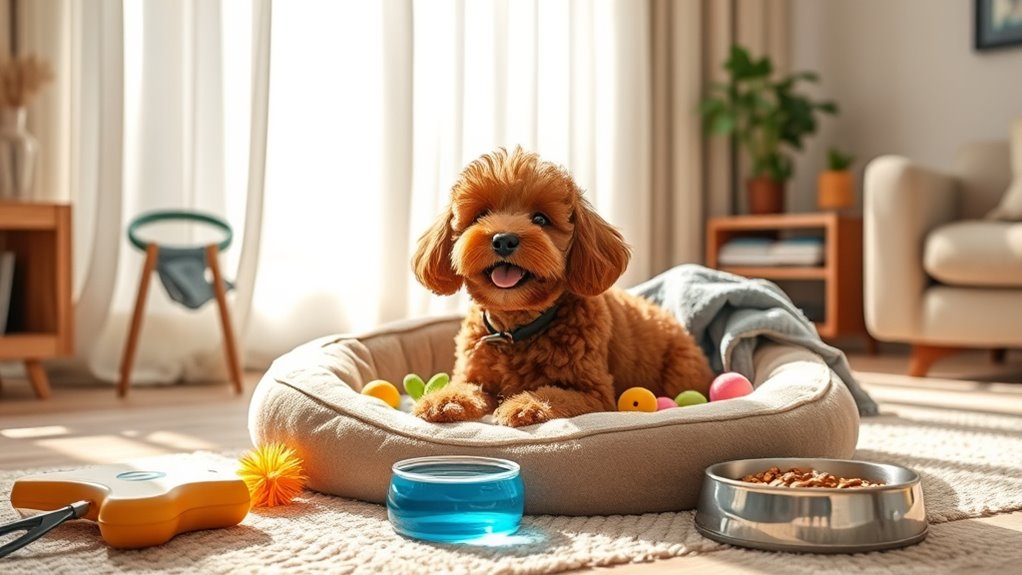
Taking care of a Toy Poodle requires attention to grooming, nutrition, and exercise. You’ll need to brush their coat regularly and provide a balanced diet to keep them healthy. Additionally, regular play and mental activities will help keep your Poodle both physically fit and mentally sharp.
Grooming Essentials for Poodles
While grooming might seem like a chore, it’s vital for keeping your Toy Poodle happy and healthy.
Regular grooming not only enhances their appearance but also serves as preventive care for their overall health.
Here are some key grooming essentials to keep in mind:
- Brush your Toy Poodle 3-4 times a week to prevent tangles and matting.
- Schedule professional grooming every 4-6 weeks, including monthly trims for their face and feet.
- Maintain daily dental care with brushing and dental chews to prevent gum disease.
Don’t forget to check their ears regularly to avoid infections.
Also, keep up with routine baths and nail trimmings to guarantee your furry friend stays clean and comfortable.
Nutrition and Diet Tips
Grooming your Toy Poodle sets the stage for their overall well-being, but nutrition plays an equally important role in keeping them healthy and vibrant.
A balanced diet of high-quality small-breed food is essential for your Toy Poodle’s health and longevity. Tailor their feeding schedule based on age, weight, and activity level, adjusting portion sizes to prevent obesity and related health conditions.
Including antioxidant-rich foods can support their immune system and combat aging effects. Always monitor any dietary changes and consult your veterinarian to identify potential food allergies, which are common in this breed.
Finally, make sure fresh, clean water is always available to keep your Toy Poodle hydrated, especially during hot weather or after playtime.
Exercise and Mental Stimulation
To keep your Toy Poodle happy and healthy, regular exercise and mental stimulation are essential.
A well-rounded routine will help prevent obesity and keep their minds sharp.
Here are some effective ways to achieve this:
- Daily walks: Take your Toy Poodle on short walks to burn off energy and explore their surroundings.
- Interactive games: Engage in puzzles and play fetch to stimulate their intelligence and keep them mentally active.
- Training sessions: Teach new commands and tricks; this offers exercise while enhancing your bond.
Combining physical activity with mental challenges, like obedience training or agility exercises, promotes emotional well-being.
Cherishing Every Year With Your Toy Poodle
As you share your life with a Toy Poodle, each year becomes a precious opportunity to deepen your bond and create lasting memories.
With a potential lifespan of 15 years or more, you’ll want to make the most of every moment.
Providing a balanced diet, regular exercise, and grooming not only enhances their well-being but also contributes to their longevity.
Your Toy Poodle thrives on companionship and stability, which enriches their quality of life.
Regular veterinary check-ups are essential for monitoring their health and preventing breed-specific issues, ensuring they stay by your side for as long as possible.
Embrace their intelligence and playfulness, and you’ll cherish each year spent together, strengthening your unique connection.
Understanding Common Health Issues
When it comes to Toy Poodles, understanding common health issues is vital for their well-being. You should be aware of potential problems like allergies, ear infections, and dental concerns that can affect their quality of life. By recognizing signs of illness early and implementing preventative care strategies, you can help guarantee your furry friend stays healthy and happy.
Common Health Concerns
Although Toy Poodles are generally healthy, they can be prone to specific health issues that require your attention.
Keeping an eye on these common concerns will help guarantee your furry friend stays happy and healthy.
- Dental health: Regular dental care is vital to prevent periodontal disease, a common issue in Toy Poodles.
- Heart disease: Conditions like Patent Ductus Arteriosus (PDA) can occur, making regular vet checkups essential for early detection.
- Ear infections: Their floppy ears make them susceptible to infections. Routine ear checks and cleanings are recommended.
It’s always good to stay proactive about these health matters!
Preventative Care Strategies
To keep your Toy Poodle healthy and happy, implementing effective preventative care strategies is vital.
Regular veterinary check-ups help catch health issues early, including allergies and ear infections common in Toy Poodles.
A balanced diet with high-quality small-breed food prevents obesity and supports a longer Poodle lifespan.
Daily dental care, like brushing and using dental chews, is essential to avoid periodontal disease.
Keep an eye out for gastrointestinal problems and adjust their diet accordingly to reduce health risks.
Additionally, regular exercise and mental stimulation not only prevent obesity but also enhance your pup’s quality of life.
Investing in these preventative care strategies can ultimately save you on veterinary costs in the long run.
Signs of Illness
Recognizing the signs of illness in your Toy Poodle is essential for ensuring their well-being.
Being attentive can help you catch health issues early. Watch for these common signs of illness:
- Changes in appetite or energy levels
- Excessive itching, red eyes, or gastrointestinal problems
- Bad breath or difficulty eating
Additionally, monitor for heart murmurs, which can indicate serious conditions like Patent Ductus Arteriosis (PDA).
Regular ear checks and professional cleanings are vital to prevent infections.
Don’t overlook dental health; visible tartar buildup can lead to dental disease.
If you notice any concerning symptoms, it’s important to consult your veterinarian for further evaluation.
Early detection can lead to better outcomes for your beloved companion.
Tips for Maximizing Your Toy Poodle’s Longevity
Maximizing your Toy Poodle’s longevity involves a combination of proper care and attention to their unique needs.
To guarantee Toy Poodles live a healthy and fulfilling life, feed your Toy Poodle a balanced diet of high-quality small-breed food.
Feeding your Toy Poodle a balanced diet of high-quality small-breed food is essential for their health and happiness.
Regular exercise and mental stimulation are essential, so incorporate interactive puzzles into their playtime to prevent obesity and keep their minds sharp.
Establish a consistent dental care routine, including daily brushing, to prevent periodontal disease, which is common in this breed.
Don’t forget routine veterinary check-ups for early detection of any health issues.
Ultimately, prioritize their emotional well-being by providing companionship and affection, as a happy Toy Poodle is likely to enjoy a longer lifespan.
Frequently Asked Questions
Do Toy Poodles Require Special Grooming for Longevity?
Yes, Toy Poodles need regular grooming for longevity. You should groom them 3-4 times a week and schedule professional grooming every 4-6 weeks to maintain their coat, enhance health, and improve overall well-being.
Can Diet Influence My Toy Poodle’s Lifespan?
Yes, your Toy Poodle’s diet can greatly influence their lifespan. By providing a balanced, high-quality diet and adjusting it as they age, you can support their health and help them live a longer, happier life.
What Is the Oldest Recorded Age for a Toy Poodle?
Imagine a wise old sage in a dog park, sharing tales of the oldest recorded Toy Poodle, who lived to a remarkable 28 years. You can aim for that longevity with love and care!
Are There Specific Breeds That Live Longer Than Toy Poodles?
Yes, breeds like Chihuahuas, Dachshunds, and Maltese often live longer than Toy Poodles. Yorkshire Terriers and Shih Tzus can also surpass their lifespan, typically reaching 10 to 20 years with proper care and attention.
How Can I Tell if My Toy Poodle Is Aging?
If you notice Bella struggling to jump onto the sofa, it’s a sign she’s aging. Watch for slower movements, cognitive changes, dental issues, weight fluctuations, and coat quality to assess her overall health.
Conclusion
In the grand tapestry of life, every moment with your Toy Poodle is a precious thread.
By understanding their needs and addressing health concerns, you can help your furry friend live a longer, happier life.
Cherish each wag of their tail and every playful bark; these little joys weave unforgettable memories.
With your care and love, your Toy Poodle can thrive well into their golden years.
Remember, true companionship knows no bounds.
The average lifespan of a Toy Poodle ranges from 12 to 15 years, depending on genetics and care.
Regular vet check-ups, a balanced diet, and plenty of exercise can contribute to a longer life.
So, embrace the joy your Toy Poodle brings and invest in their health.
Together, you can create lasting memories that remind you of the bond you share.