10 Best Barometric Pressure for Deer Hunting: Top Picks Compared
If you are trying to time your deer hunt better, weather shifts can make a real difference. Many hunters want clear guidance on the best barometric pressure for deer hunting, but the answer is not always simple. This review looks at a barometric pressure hunting tool made for deer hunters who want more reliable weather insight.
It is for hunters who track conditions before heading into the field and want a simple way to read pressure changes. The product may help you spot movement patterns and plan your hunts with more confidence.
It also aims to save time by putting useful weather data in one place. In this review, I will cover how it works, what it does well, and where it falls short.
Best Barometric Pressure for Deer Hunting Success
| Image | Product | Price |
|---|---|---|
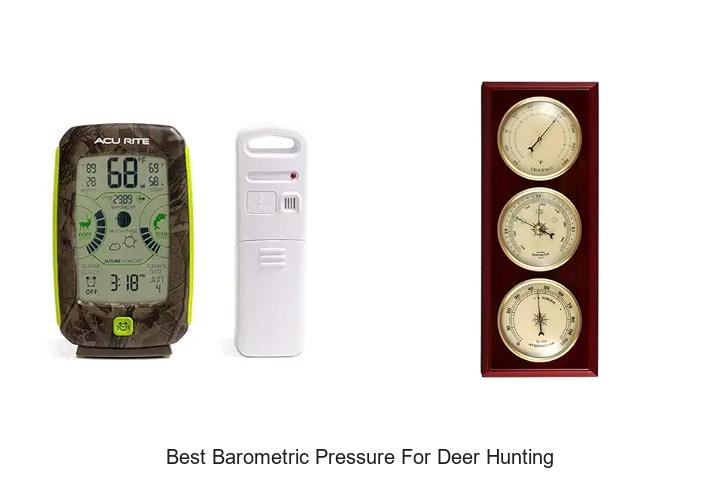
Pick 1  | AcuRite Sportsmans Weather Station | Check Price On Amazon |
Pick 2  | Ambient Weather YG315 Traditional Weather Station | Check Price On Amazon |
Pick 3  | BT-100WM Handheld Anemometer | Check Price On Amazon |
1. AcuRite Sportsmans Weather Station
Morning woods call for quick weather clues, and this station keeps them close. Hunters get barometric pressure, moon phase, and temperature at a glance.
AcuRite’s Sportsman Weather Station focuses on the details hunters use most. It tracks temperature, barometric pressure, and moon phase, then shows wildlife activity guidance for hunting and fishing. The remote outdoor sensor sends hyperlocal temperature data to the indoor display, while the self-calibrating forecast uses current conditions for a personalized 12-hour outlook.
You also get daily and monthly high and low temperature records, plus future forecast icons for quick checks. The camo design fits a hunting setup, and the wireless build keeps installation simple. Its LCD display, automatic Intelli-Time clock, and battery power make it easy to place in a cabin, garage, or home base.
It suits hunters who want fast weather readings without complicated setup.
Pros
- Tracks pressure, moon phase, and temperature together
- Self-calibrating forecast uses local conditions
- Wireless sensor keeps setup simple
Cons
- No humidity reading listed in the specs
- Needs five AA batteries
- Limited to basic weather display features
Who Should Buy It?
Hunters who want quick weather and activity cues should consider it. It fits deer hunters who watch pressure changes, moon phase, and outdoor temperature before heading out. The wireless sensor and automatic clock make it practical for cabins, garages, and home use.
It suits buyers who prefer straightforward readings over complex weather systems.
Key Specifications
| Specification | Details |
|---|---|
| Pressure Range | Not listed |
| Pressure Trend | Barometric pressure readings with forecast icons |
| Temperature | Outdoor temperature with high and low records |
| Humidity | Not listed |
| Altitude | Not listed |
| Forecasting | Self-calibrating 12-hour personalized forecast |
| Calibration | Pre-calibrated |
| Display Type | LCD |
| Power Source | Battery powered |
| Portability | Wireless, battery powered, and compact |
The station tracks barometric pressure, temperature, and moon phase on one display. That means hunters can check weather shifts and wildlife activity without carrying extra gear. The outdoor sensor sends local readings to the indoor unit, so the numbers reflect conditions near camp or home. The LCD screen shows forecast icons and temperature records, which makes it easier to spot changes at a glance before heading out in the morning.
Pre-calibrated sensing and a self-calibrating forecast reduce setup effort. The wireless connection and battery power help the unit work in places without outlets. Its compact rectangular shape also supports easy placement in a cabin, garage, or office. Hunters benefit most from the quick-glance layout, since it keeps weather data visible without extra steps. The camo style also suits a hunting space without drawing attention.
2. Ambient Weather YG315 Traditional Weather Station
A classic weather station can add useful pressure awareness to a home display. The Ambient Weather YG315 pairs a barometer, thermometer, and hygrometer in one decorative unit.
It hangs horizontally or vertically, so it fits many wall spaces. The solid wood base has a cherry lacquer finish, giving it a polished look. Each dial measures 2.5 inches, which keeps readings visible without feeling bulky.
Built for indoor use, it suits people who want a simple mechanical weather station. The barometer helps track pressure changes, while the thermometer uses a Fahrenheit scale.
The hygrometer adds indoor humidity monitoring for a fuller weather picture. Its mechanical or capacitive sensor technology keeps the design straightforward. Included mounting hardware and battery make setup easier.
It is a good choice for hunters who want a home reference point before heading out.
Pros
- Displays pressure, temperature, and humidity together
- Classic wood finish suits home decor
- Can hang vertically or horizontally
Cons
- Indoor use only
- No digital display
- Small dials may limit quick reading
Who Should Buy It?
People who want a traditional indoor weather station should consider it. It suits hunters who like checking pressure changes at home before heading out. The classic wood design also fits living rooms, offices, or cabins.
Buyers wanting a decorative wall unit with barometer, thermometer, and hygrometer readings will appreciate its simple setup and straightforward mechanical style.
Key Specifications
| Specification | Details |
|---|---|
| Pressure Range | Not listed |
| Pressure Trend | Barometer |
| Temperature | Fahrenheit scale |
| Humidity | Hygrometer |
| Altitude | Not listed |
| Forecasting | Not listed |
| Calibration | Not listed |
| Display Type | No display |
| Power Source | Battery |
| Portability | Indoor, wall-mounted |
The YG315 centers on three mechanical readings: pressure, temperature, and humidity. A barometer tracks air pressure, while the thermometer uses Fahrenheit markings. The hygrometer adds indoor moisture information for a fuller snapshot of room conditions. Each dial measures 2.5 inches across, so the layout stays compact. With a solid wood base and cherry lacquer finish, it feels more decorative than technical, which suits homes and cabins well.
These specifications point to simple everyday use rather than advanced weather analysis. The battery-powered design and included mounting hardware make setup straightforward. Its indoor, wall-mounted format works well for a hallway, office, or living room. The lack of a digital display keeps the look traditional and easy to match with classic decor. People who want a fixed home reference for pressure shifts and room conditions will benefit most.
3. BT-100WM Handheld Anemometer
Field conditions change fast, and this handheld meter keeps several readings close at hand. It combines wind speed, temperature, humidity, dew point, barometric pressure, and altitude in one compact tool. The BT-100WM suits hunters who want quick weather checks before stepping into position.
Its pocket-sized build makes it easy to carry in a pack or jacket. The LCD backlit screen helps with reading values in low light. It shows wind speed in five units, plus temperature in Celsius or Fahrenheit.
Barometric pressure can be viewed in inHg, hPa, or mbar. The meter also logs sixteen pressure readings for later comparison.
Performance is aimed at practical field use, not complicated setup. The meter offers current, max, min, and average wind readings.
Accuracy is listed at plus or minus five percent for wind speed. Temperature accuracy is plus or minus two degrees.
A tripod hole adds mounting flexibility for stationary checks.
Build quality feels suited to outdoor carry, with a plastic body and small footprint. Auto shutoff after ten minutes helps conserve battery life during long outings. It is a sensible choice for hunters, shooters, and anyone tracking changing air conditions before a hunt.
The feature set is broad, yet the operation stays straightforward.
Pros
- Measures barometric pressure and wind speed together
- Compact size fits easy field carry
- Backlit screen helps in low light
Cons
- Plastic housing may feel basic
- No detailed weather trend display listed
- Pressure logging stores only sixteen groups
Who Should Buy It?
Hunters who want quick field readings will appreciate its broad weather tracking. It suits users who check wind, pressure, and altitude before heading out. Shooters, boaters, and outdoor users can also benefit from the compact design.
The simple display and log function make it useful for comparing changing conditions over time.
Key Specifications
| Specification | Details |
|---|---|
| Pressure Range | Atmospheric pressure in inHg, hPa, and mbar |
| Temperature | -10 to 45°C, or 14 to 113°F |
| Humidity | Relative humidity with 0.1% RH resolution |
| Altitude | 0 to 19,685 ft |
| Forecasting | Not listed |
| Calibration | Not listed |
| Display Type | LCD backlit screen |
| Power Source | Battery powered, with auto shutoff |
| Portability | Pocket-sized, 6.4 x 3.3 x 1.4 inches, 150 g |
The pressure range covers three common units, so users can match local habits easily. InHg suits many hunting and weather checks, while hPa and mbar help when comparing broader reports. Temperature readings span below freezing to warm field conditions, which helps during early mornings and mild afternoons. Humidity and dew point readings add context when air feels damp, dry, or changing quickly. Altitude support also helps when terrain shifts between stands or ridges.
The backlit LCD helps the meter stay readable in dim woods or early light. Wind speed modes, including current, max, min, and average, give more context than a single reading. The compact body and low weight make it easy to carry without much bulk. Auto shutoff supports longer outings by saving battery power. Hunters who move often will value the quick checks, while stationary users can mount it with the tripod hole.
4. Camco TRAC Outdoors Fishing Barometer

For hunters who also keep an eye on weather shifts, this compact barometer offers simple pressure tracking in a portable form. Its color-coded dial makes changing conditions easy to read at a glance.
The Camco TRAC Outdoors Fishing Barometer is built for easy calibration to local barometric pressure. It uses an adjustable pressure change indicator with a reference marker. That setup helps you track conditions for good, great, or poor fishing.
The sure-grip plastic housing feels practical and durable for field use. A braided lanyard adds carrying and hanging convenience.
At just four ounces, it stays light in a pack or vest pocket. The display is straightforward, so setup should feel manageable for most users.
It suits anglers who want a basic weather cue and hunters who prefer simple tools. Value comes from its low-friction design, easy setup, and clear pressure guidance.
Pros
- Easy to calibrate to local pressure
- Color-coded dial is quick to read
- Lightweight with handy braided lanyard
Cons
- Designed for fishing, not hunting-specific use
- No temperature, humidity, or altitude display
- Plastic build may feel basic to some users
Who Should Buy It?
Buyers who want a simple, portable pressure indicator will like it most. It suits anglers first, but hunters can still use the pressure trend as a basic weather cue. The easy calibration and color-coded dial make it friendly for casual field use.
It also fits anyone who wants a light tool with a hanging lanyard.
Key Specifications
| Specification | Details |
|---|---|
| Pressure Range | Not provided |
| Pressure Trend | Adjustable pressure change indicator with reference marker |
| Temperature | Not provided |
| Humidity | Not provided |
| Altitude | Not provided |
| Forecasting | Color-coded dial shows great, good, or poor fishing conditions |
| Calibration | Easily calibrates to local barometric pressure |
| Display Type | Color-coded dial |
| Power Source | No power source required |
| Portability | 4 ounces, with braided lanyard for carrying or hanging |
The key spec here is the adjustable pressure change indicator. It gives a quick visual reference for changing conditions. The color-coded dial is designed to show great, good, or poor fishing conditions. That makes reading the unit simple, even in low-focus moments outdoors. Since it calibrates to local barometric pressure, users can match it to their area before heading out. The 4 x 1.8 x 5 inch size keeps it compact.
In everyday use, the lightweight plastic build helps this barometer stay easy to carry. At four ounces, it adds little bulk to a pack or vest. The braided lanyard gives two practical options, hanging or carrying. Because no power source is listed, it avoids battery concerns and extra maintenance. Hunters who want a basic pressure cue can use it without much setup. Anglers benefit most, since the dial is built around fishing conditions.
5. Indoor Outdoor Thermometer Wireless Weather Station

Weather readings stay easy to track with a clear indoor-outdoor station. Hunters who watch pressure changes will like the barometer history display and steady remote sensing. The Indoor Outdoor Thermometer Wireless Weather Station combines temperature, humidity, and barometric data in one compact screen.
Its Swiss-made Sensirion sensor delivers temperature accuracy within 0.5°F, while humidity stays within 2% accuracy. The outdoor sensor sends updates every 30 seconds from up to 330 feet away. The 4.5-inch display is bold and readable, with adjustable backlight levels for different light conditions.
USB power keeps the screen lit, while battery support adds flexibility for placement. A tabletop or wall-mountable design makes setup simple for home, garage, patio, or camp space. Build quality feels practical, with a modern plastic body and a compact footprint.
Performance centers on consistent readings and easy visibility, which suits users who want dependable weather tracking without complicated setup. It works well for people who need both indoor and outdoor monitoring in one unit.
Pros
- Shows barometric history and current readings clearly
- Accurate temperature and humidity sensing
- Easy-to-read display with adjustable backlight
Cons
- Outdoor sensor still depends on placement range
- Plastic build feels more practical than premium
- No altitude reading listed in product data
Who Should Buy It?
Buyers who want indoor and outdoor weather readings in one display should like it. It suits home users, garage setups, patios, and small outdoor spaces. Deer hunters who watch pressure trends can use the barometer history chart and remote sensor data.
The readable screen and simple power options also help people who want quick checks without complicated controls.
Key Specifications
| Specification | Details |
|---|---|
| Pressure Range | Not listed |
| Pressure Trend | Barometric history chart |
| Temperature | Indoor +14.2°F to +122°F; outdoor -58°F to +158°F |
| Humidity | Indoor and outdoor humidity 1% to 99% |
| Altitude | Not listed |
| Forecasting | Weather forecast display |
| Calibration | Not listed |
| Display Type | 4.5-inch digital display |
| Power Source | USB and battery powered |
| Portability | Tabletop or wall-mountable; wireless sensor up to 330 ft |
The temperature range covers both indoor and outdoor spaces very well. Indoor readings run from 14.2°F to 122°F, while outdoor readings stretch from -58°F to 158°F. Humidity readings run from 1% to 99% indoors and outdoors. That means the station can track dry, damp, hot, or cold conditions with one screen. The barometric history chart and current barometer reading add context to daily weather shifts, which helps when watching changing conditions before time outside.
Performance feels practical because the sensor updates every 30 seconds from up to 330 feet away. That range helps when the display stays inside, while the outdoor sensor sits elsewhere. The 4.5-inch screen and bold text make readings easy to check quickly. USB power can keep the backlight on, while battery support adds placement freedom. The tabletop and wall-mountable design suits home users, garage spaces, and hunters who want simple setup and fast weather checks.
6. Digital Barometer Weather Forecast Clock

A clear indoor weather readout can help you watch conditions at a glance. The Digital Barometer Weather Forecast Clock keeps pressure, temperature, humidity, and time together on one screen. It measures local barometric pressure at your location, not sea-level corrected values.
That makes it useful when you want a direct indoor snapshot. The front buttons make setup simple, and the backlight helps in low light.
The 4-inch display shows weather icons, pressure trend, and indoor readings in an easy layout. Manual calibration lets you match the barometer to your location. The trend icons need about 24 to 48 hours to settle after setup or moving it.
The unit works on two AAA batteries, and the stand or wall mount gives flexible placement. Its plastic build keeps it light, and the simple design suits a home, RV, boat cabin, garage, or workshop.
It fits hunters who want indoor pressure awareness without extra complexity.
Pros
- Shows local pressure, temperature, humidity, and time together.
- Manual calibration helps match local conditions.
- Backlit display and front buttons improve daily use.
Cons
- Indoor use only limits placement options.
- Weather icons need time to stabilize.
- Requires battery changes over time.
Who Should Buy It?
Hunters and homeowners who want an indoor weather monitor should consider it. It suits people who like quick pressure checks from a desk, wall, or shelf. It also fits cabins, garages, RVs, and workshops.
Buyers wanting local readings, simple controls, and a compact display will get the most value.
Key Specifications
| Specification | Details |
|---|---|
| Pressure Range | Not provided |
| Pressure Trend | Weather trend icons based on local pressure changes |
| Temperature | Indoor temperature display |
| Humidity | Indoor humidity display |
| Altitude | Not provided |
| Forecasting | Weather icons for local pressure-based forecast reference |
| Calibration | Manual calibration using front buttons |
| Display Type | 4-inch digital display |
| Power Source | 2 AAA batteries |
| Portability | Lightweight, wall mount or desk stand, indoor use |
Local pressure readings show the air pressure where the unit sits. That differs from weather apps and airport reports. The temperature and humidity readings add useful indoor context. Together, these values help track short-term changes inside a home, cabin, or garage. The weather icons rely on pressure change, so they give a simple visual guide. After setup, the trend needs about 24 to 48 hours before it settles.
Manual calibration helps match readings to local conditions more closely. Front buttons make changes easier without extra steps. The 4-inch digital display keeps time, pressure, temperature, humidity, and icons visible at once. That layout helps users who want quick checks during the day. Battery power and the built-in stand or wall mount make placement flexible. The lightweight plastic body suits protected indoor spaces and portable setups.
7. 8 in 1 Altimeter Compass Barometer Thermometer

Backcountry hunters often need more than a basic compass. The 8 in 1 Altimeter Compass Barometer Thermometer packs several outdoor tools into one compact unit.
It combines an altimeter, barometer, electronic compass, thermometer, weather forecast, timer, clock, and backlight.
The wide altitude range reaches from -2300 to 29,500 feet, which suits steep climbs and low valleys. Its barometer reads from 300 to 1100 mbar and uses pressure trends for weather forecasting.
The 8-direction electronic compass helps with orientation without phone signals. The LCD screen includes LED backlight support for low light use. Temperature readings run from 14°F to 140°F, with Celsius and Fahrenheit switching.
The ABS plastic and rubber build keeps weight low at 2.4 ounces. It fits hiking, mountaineering, camping, fishing, and backcountry trips.
Setup stays simple for users who want one tool carrying many outdoor functions.
Pros
- Combines eight outdoor functions in one device
- Wide altitude range suits varied terrain
- Lightweight design fits small packs easily
Cons
- No humidity reading is listed
- No calibration details are provided
- Battery type is not specified
Who Should Buy It?
Who should buy it: People heading into backcountry areas who want one compact tool for altitude, pressure, compass, and temperature readings. It suits hikers, mountaineers, campers, and anglers who value a lightweight device with a backlit screen. Hunters who watch changing weather and terrain may also appreciate its pressure trend and altitude features.
Key Specifications
| Specification | Details |
|---|---|
| Pressure Range | 300 to 1100 mbar |
| Pressure Trend | Yes, used for weather forecasting |
| Temperature | 14°F to 140°F, or -10°C to 60°C |
| Humidity | Not listed |
| Altitude | -2300 to 29,500 feet |
| Forecasting | Weather forecast based on pressure analysis |
| Calibration | Not listed |
| Display Type | LCD with LED backlight |
| Power Source | Not listed |
| Portability | 2.4 ounces, compact ABS plastic and rubber body |
The pressure range runs from 300 to 1100 mbar, which covers common outdoor conditions. Pressure trend analysis helps the device predict weather changes ahead of time. The altitude range spans from -2300 to 29,500 feet, so it can track both valleys and high peaks. Temperature readings from 14°F to 140°F give a useful view of changing conditions during long days outside. The LCD display and backlight make these readings easier to check quickly.
These specifications matter most when weather and terrain change fast. The compact 2.4-ounce build keeps the unit easy to carry in a pack or pocket. ABS plastic and rubber should help it handle regular outdoor use without feeling bulky. The electronic compass adds orientation support when phones lose signal. People on backcountry trips, hikes, or mountaineering outings will benefit most from a device that combines several readings in one small body.
8. Dial Barometric Pressure Gauge
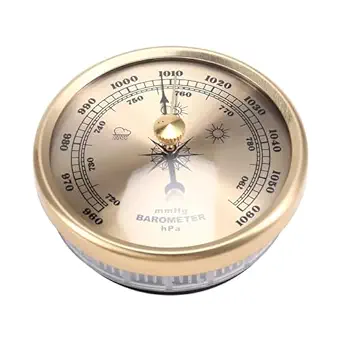
A compact dial barometer can be a handy tool for weather watching before a hunt. The clear round face makes readings easy to check at a glance indoors or outside. Built with a metal and plastic body, it stays light and portable for packing.
The high-sensitivity sensor supports accurate air pressure readings for home use, fishing, hiking, camping, and boating. Its dial design also adds a rain and shine indicator for quick weather cues. That makes it useful for hunters who want a simple pressure gauge without extra setup.
Manual power keeps operation straightforward, with no batteries or charging to manage. The small size suits truck storage, cabin walls, or a gear bag.
It is a practical fit for buyers wanting a budget dial option with basic weather tracking.
Pros
- Easy-to-read dial for quick weather checks
- Lightweight size works well for travel
- Manual power keeps setup simple
Cons
- No temperature, humidity, or altitude readings
- Basic design lacks digital detail
- Small size may limit readability at distance
Who Should Buy It?
Buy this if you want a simple, portable dial barometer for weather tracking. It suits hunters who prefer quick pressure checks without digital menus. The manual power design also fits users who want low-maintenance gear.
Its small size works well for cabins, trucks, or pack storage.
Key Specifications
| Specification | Details |
|---|---|
| Pressure Trend | Rain and shine indicator |
| Display Type | VFD |
| Power Source | Manual Power |
| Portability | Portable |
The round dial gives a quick read on changing air pressure. The rain and shine indicator adds a simple weather cue for daily planning. Manual power means there are no batteries to replace or charge. The compact 1.38-inch depth and 2.75-inch width make it easy to carry. That small footprint suits hunters who want a lightweight weather tool in a pack or vehicle.
The VFD display type supports a clear viewing experience in a small format. Its portable design helps during camping, boating, fishing, or indoor use. Metal and plastic materials keep the body light while staying usable for regular handling. The electronic sensor technology is meant for accurate pressure measurement. People who want simple weather checks and low setup effort will likely benefit most from this format.
9. Traceable Calibrated Digital Barometer

Laboratory-style precision gives this barometer a serious edge. Hunters who like exact pressure readings will appreciate its certified accuracy and clear display.
The Traceable Calibrated Digital Barometer tracks pressure, temperature, and relative humidity in one compact unit. It also shows pressure trends in bar graph form, which helps spot changing conditions at a glance.
High and low audible and visual alarms add another useful layer for tracking environmental shifts.
The large four-line LCD keeps readings easy to read indoors or at camp. Minimum and maximum values are stored internally each hour, and the past 24 hours can be recalled.
Optional software lets users capture live data on a PC from up to eight barometers. That makes it useful for careful tracking, not just quick checks. The wall mount, flip-open stand, batteries, and NIST-traceable calibration certificate add convenience.
It suits hunters who want lab-grade precision over field-first simplicity.
Pros
- Accuracy is certified to 0.12 inches Hg.
- Tracks pressure, temperature, and humidity together.
- Stores hourly min and max readings.
Cons
- More specialized than a simple hunting barometer.
- Software use may feel unnecessary for casual users.
- Not designed as a rugged outdoor field unit.
Who Should Buy It?
Buy this if you want lab-grade pressure readings in a compact digital unit. It suits hunters who track changing weather closely and like pressure trends, alarms, and stored readings. It also fits users who want temperature and humidity data in one device.
The calibration certificate adds confidence for anyone who values precision over simplicity.
Key Specifications
| Specification | Details |
|---|---|
| Pressure Range | 7.25 – 14.94 PSI |
| Pressure Trend | Bar graph format |
| Temperature | Measures temperature |
| Humidity | Measures relative humidity |
| Forecasting | Pressure trend display and alarms |
| Calibration | NIST-traceable calibration certificate with data |
| Display Type | Large four-line LCD |
| Power Source | Three AAA batteries |
| Portability | Wall mount and flip-open stand |
The pressure range runs from 7.25 to 14.94 PSI, with 0.1 Hg resolution. That means the barometer can show small changes clearly, instead of rounding them away. The large LCD also displays pressure trends in a bar graph, which helps users notice rising or falling conditions quickly. Along with pressure, it measures temperature and relative humidity, so one screen gives a fuller view of the surrounding air.
Accuracy of 0.12 inches Hg and NIST-traceable calibration make the readings more dependable. Hourly min and max storage helps users review recent changes without writing anything down. Audible and visual alarms add another layer of awareness when conditions shift. The wall mount and flip-open stand make setup flexible, while three AAA batteries keep it ready for use. Hunters who value precise weather tracking will benefit most from these features.
10. Extech SD700 Datalogger

For hunters who track changing weather, this logger offers a clear, data-driven view. It records pressure, humidity, and temperature together, so patterns are easy to follow. The Extech SD700 centers on practical logging rather than flashy extras.
A triple LCD shows barometric pressure, relative humidity, and air temperature at once. Pressure readings work in hPa, mmHg, or inches of mercury.
That flexibility helps match different records and instruments. Readings save straight to an SD card in Excel format. You remove the card, open the spreadsheet, and review the history.
Sample rates range from 5 seconds to 600 seconds. That makes it useful for short checks or longer monitoring sessions.
The unit runs on six AAA batteries or the supplied AC adapter. A mounting bracket is included for fixed placement. Its green and white body feels simple and functional.
It suits users who want steady logging more than handheld convenience.
Pros
- Logs data directly to SD card
- Shows pressure, humidity, and temperature together
- Selectable sample rates suit different monitoring needs
Cons
- Requires manual SD card handling
- Bulkier than a simple handheld gauge
- Humidity and temperature ranges are limited
Who Should Buy It?
Buy this if you want recorded weather data, not just live readings. It suits hunters who monitor pressure changes over time and compare them with humidity and temperature. The SD card export makes later review simple on a computer.
It also fits field setups, sheds, cabins, or other fixed locations where a bracket and AC power help.
Key Specifications
| Specification | Details |
|---|---|
| Pressure Range | 10 to 1100 hPa, 7.5 to 825.0 mmHg, or inches of mercury |
| Temperature | 32 to 122°F |
| Humidity | 10 to 90% |
| Display Type | Triple LCD |
| Power Source | 6 AAA batteries or supplied AC adapter |
| Portability | Battery powered with included mounting bracket |
The pressure range covers common barometric readings in several units. That helps match existing notes, weather tools, or reporting habits. The triple LCD also shows humidity and air temperature at the same time. In daily use, that means one glance gives a fuller weather snapshot. For hunters, that combination can help track changing conditions around a stand, cabin, or gear room. The SD card stores date and time stamped readings in Excel format.
Selectable sample rates range from five seconds to ten minutes. That gives users control over how often readings are saved. Faster intervals help catch short pressure shifts, while slower ones stretch the recording window. Power comes from six AAA batteries or the included AC adapter. That makes it useful for mobile checks or fixed indoor setups. The mounting bracket helps place it securely, and the SD workflow suits users who prefer clear records over manual note taking.
Best Barometric Pressure for Deer Hunting: What Hunters Need to Know
Barometric pressure range for deer activity
Ideal pressure trends for movement often matter more than the number on the display, because deer tend to shift their behavior as the atmosphere rises, falls, or levels off. A unit with strong data syncing, app support, and room for add-ons helps hunters track those subtle patterns over time, compare field readings with local weather data, and build a more reliable picture of animal activity. High vs. low pressure conditions can also be easier to interpret with a device that sends updates to multiple tools or stores past readings, since stable high pressure may support predictable movement while lower pressure often brings changes in feeding and travel.
High vs. low pressure conditions can also be easier to interpret with a device that sends updates to multiple tools or stores past readings, since stable high pressure may support predictable movement while lower pressure often brings changes in feeding and travel. Pressure changes before and after weather fronts are especially important, because deer frequently react during the transition period, not just during the front itself. A system that pairs with maps, weather alerts, and extra sensors gives hunters a clearer view of those shifts, making it easier to time a stand, plan access routes, and respond quickly when conditions begin to swing.
Weather stability and forecast patterns
Rapid pressure drops often signal an approaching weather change, and that can affect deer movement in ways hunters want to anticipate. Devices with strong wireless pairing, app support, or sensor compatibility can make it easier to monitor those shifts in real time instead of relying on guesswork. Stable pressure periods are just as valuable, because they help reveal the calm windows when deer may follow more predictable routines; adding memory functions or export options lets you compare patterns over several days and spot trends.
Incoming storms and wind shifts can alter scent, cover, and travel routes quickly, so a unit that works smoothly with weather services and additional accessories gives you a clearer picture of what is developing next. A model with flexible data sharing and room for future upgrades is more practical overall, since it can adapt as your needs grow and keep pace with changing conditions in the field.
Seasonal factors that affect deer behavior
Barometric trends can influence deer movement differently across the season, so the features built into your field device matter just as much as its core readings. Early season vs. rut calls for quick access to steady updates, since deer often react differently to subtle pressure shifts during warm-weather patterns than they do during the more aggressive movement of the rut.
Late-season cold fronts make durability and reliable alerts especially valuable, because sudden weather swings can change feeding times fast and a unit that can handle repeated checks in harsh conditions becomes far more useful. Regional climate differences also play a major role, since hunters in coastal, mountain, or prairie environments may need broader tracking options and easy data sharing across devices to interpret local patterns accurately. A model with strong pairing options, memory support, and room to add accessories can adapt better to changing conditions, helping you use seasonal pressure data with more confidence throughout the year.
Hunting location and terrain considerations
Barometric pressure can shift differently across woods, open fields, and transition zones, so a meter that communicates well with other devices and can grow with added sensors gives deer hunters a clearer picture of changing conditions. Woods, fields, and edge cover often react in different ways to wind, shade, and humidity, while elevation and microclimates can create small but important pressure changes from one spot to another. A unit with reliable app syncing, data export, and support for extra modules makes it easier to compare readings from ridge tops, low bottoms, and thick timber, helping hunters understand how pressure behaves in each habitat.
This matters because pressure effects in dense cover can differ from those in open terrain, and a system that can adapt to more data points offers better insight over time.
Using barometric pressure with other hunting signals
Temperature changes can shift deer movement quickly, so a pressure tool that shares data with your phone or other hunting apps helps you compare reading trends with sudden warm-ups or cold fronts in real time. Wind direction matters just as much, because even a small change can affect scent spread and stand placement, and having a device that works smoothly with broader gear setups makes it easier to adjust your plan before stepping into the field.
Moon phase and weather conditions also influence activity levels, so it is useful to have a unit that can combine pressure readings with forecast information and trail notes, giving you a fuller picture instead of relying on one signal alone.
| Hunting signal | Why it matters | Useful device feature |
|---|---|---|
| Temperature changes | Deer may move earlier or later as conditions shift | Easy syncing with weather updates |
| Wind direction | Affects scent control and stand strategy | Integration with mapping or wind apps |
| Moon phase and weather conditions | Helps identify patterns in deer activity | Ability to pair with forecast and calendar tools |
Reliable data sharing and flexible system support make it easier to read pressure trends alongside other hunting clues, which can lead to smarter decisions and fewer wasted trips.
Tools and features to track pressure
Portable weather meters give hunters immediate readings in the field, which matters because pressure shifts can influence deer movement and help time a stand setup more effectively.
Hunting apps and forecast tools add another layer of value by showing trends over several hours or days, so it is easier to spot falling or rising pressure before heading out. A device or app that pairs well with your phone, saves readings, or syncs data can make trip planning much smoother, especially during fast-changing weather.
- Accuracy: Reliable readings help you trust the data instead of second-guessing every forecast.
- Alerts: Push notifications or warning signals can flag sudden shifts that may affect deer activity.
- Ease of use: Simple controls and a clear display save time in the field, where quick decisions matter.
These features work together to improve convenience and confidence, so the tool you carry is useful not only at home but also deep in the hunting area. A well-designed meter or app should fit your routine, give fast updates, and provide the kind of information that helps you react before conditions change.
How Barometric Pressure Helps Deer Move
Barometric pressure is the weight of the air around you. It changes before and after weather fronts move through. Deer can react to those changes, so hunters often watch the numbers before heading out.
The basic idea is simple. A weather app or hunting app shows the pressure reading. You compare the current number with the recent trend. A rising or steady reading often means calmer weather. A falling reading can point to an approaching front.
Many hunters use pressure as one clue, not the only clue. Wind, temperature, cloud cover, rain, and the rut all affect deer movement too. A good pressure reading does not guarantee deer activity. It just helps narrow down when deer may be more active.
Here is a simple way to use it:
- Check the pressure the night before or early in the morning.
- Watch whether the number is rising, falling, or holding steady.
- Pair that with the forecast and wind direction.
- Pick spots where deer already travel, such as trails, edges, or food sources.
- Use the pressure trend to decide when to hunt, then pay attention to fresh sign once you are in the field.
Many hunters focus on quick changes. A steady drop can mean a front is close, while a steady rise after bad weather can also lead to movement. The exact number matters less than the direction and the pattern over time.
For a roundup article, this section can help readers see barometric pressure as a simple decision tool. It is not magic. It is one more way to read the weather and plan a better hunt.
FAQ’s
What Barometric Pressure Is Best For Deer Hunting?
There isn’t one “best” barometric pressure for deer hunting, but deer often move more during stable or slowly rising pressure after a front passes. Many hunters find activity can be good around 30.00–30.30 inHg, especially when the weather is calm and comfortable.
How Does Falling Barometric Pressure Affect Deer Movement?
Falling barometric pressure often increases deer movement, especially before a storm, because deer tend to become more active and move to feed or seek cover. It can make them feel more secure and less exposed to changing weather conditions.
Do Deer Move More Before Or After A Storm When Pressure Changes?
Deer often move more **before** a storm when barometric pressure drops, as the change can make them more active and alert. They may also move after a storm, but the increase is usually more noticeable beforehand.
Is High Or Low Barometric Pressure Better For Spotting Deer?
Low barometric pressure is generally better for spotting deer because they often move more before a storm. High pressure can still produce deer activity, but low pressure tends to increase the chances of seeing them.
How Can Hunters Use Barometric Pressure Forecasts To Plan A Deer Hunt?
Hunters can use barometric pressure forecasts to identify periods of rising or stable pressure, which often encourage deer to move more and feed. Planning a hunt around those times can increase the chances of seeing deer activity.
Final Verdict
For hunters who want a simple all-in-one tool, the AcuRite Sportsman’s Weather Station is the strongest overall pick and also the best choice for hunting forecasts. It combines weather tracking with the kind of information that helps you judge when deer may be more active, making it a practical fit for stand setups, scouting trips, and regular field use. It stands out as the best barometric pressure for deer hunting choice for buyers who want one device to cover the basics without extra hassle.
The BT-100WM Handheld Anemometer is the value pick for hunters who mainly want quick field readings and prefer a compact, budget-friendly option. For buyers who want to save and still get useful on-the-spot data, it makes sense. The Extech SD700 Datalogger is the premium option for users who want detailed data logging and more advanced tracking over time, making it best for hunters who like to review patterns rather than just check conditions once.
Choose the AcuRite Sportsman’s Weather Station for the best all-around hunting forecast tool, the BT-100WM for affordable field readings, or the Extech SD700 if data logging matters most.