10 Best Budget Hunting Boots: Our Favorite Picks Compared
Finding hunting boots that hold up in rough weather without costing too much can be hard. Many buyers want warm, dry feet, steady traction, and enough comfort for long walks. That is where the best budget hunting boots come in.
That is where the best budget hunting boots come in. This review looks at options for hunters who want solid performance without paying for extra features they may not need. These boots are a good fit for casual hunters, weekend outdoorsmen, and anyone on a tight budget.
They can also suit people who need reliable boots for early season trips or short hunts. We will check comfort, fit, waterproofing, grip, and durability.
Best Budget Hunting Boots for Every Terrain
| Image | Product | Price |
|---|---|---|
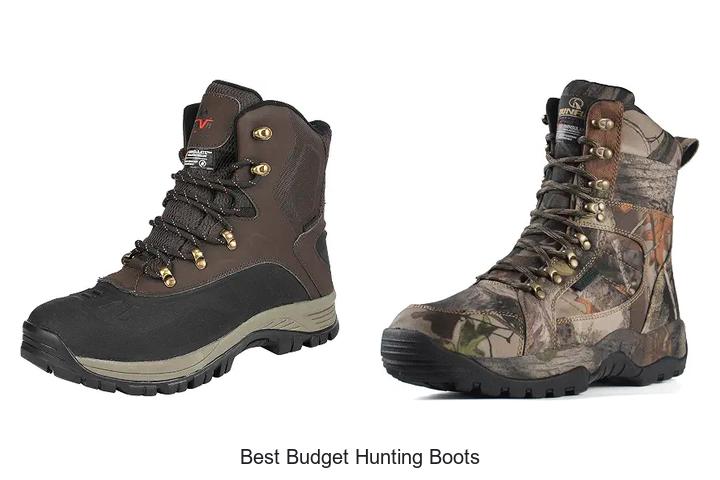
Pick 1  | NORTIV 8 Mens Waterproof Hiking Snow Boots | Check Price On Amazon |
Pick 2  | Mens Waterproof Insulated Hunting Boots | Check Price On Amazon |
Pick 3  | Hunting Boots for Men | Check Price On Amazon |
1. NORTIV 8 Mens Waterproof Hiking Snow Boots
Cold weather footing gets easier with a boot built for wet, wintry days. NORTIV 8 brings a lightweight ankle-high design that aims for practical comfort.
The closed toe, lace-up closure, and faux fur trim add simple winter-ready details.
The boot uses faux leather and mesh on the outer, with a fabric lining. Its waterproof construction helps keep moisture out during snowy or damp conditions. EVA and rubber in the sole pair with an EVA insole for added cushioning.
The low-top style and no-heel build support easier walking on uneven ground. At 200 grams, it stays light for an insulated winter boot.
That mix suits hunters who want low fuss, easy wear, and solid value.
Pros
- Waterproof build helps in snow and wet ground
- Lightweight feel supports easier all-day wear
- Lace-up closure allows a secure fit
Cons
- Ankle height offers less coverage than taller boots
- Faux leather and mesh may feel less rugged
- Low-top style may limit deep snow protection
Who Should Buy It?
Hunters who want a light, waterproof winter boot should consider this pair. It suits short trips, damp ground, and cold conditions where ankle-height coverage works well. The simple lace-up design fits users who want easy adjustment without extra bulk.
It also works for buyers focused on value, comfort, and basic winter protection.
Key Specifications
| Specification | Details |
|---|---|
| Water Resistance Level | Waterproof |
| Outer Material | Faux Leather, Mesh |
| Sole Material | EVA, Rubber |
| Insole Material | Ethylene Vinyl Acetate |
| Boot Shaft Height | Ankle |
| Toe Style | Closed Toe |
| Heel Type | No Heel |
| Seasons | Winter |
| Weight | 200 g |
Waterproof construction means wet ground and slush meet less resistance. The faux leather and mesh outer blends coverage with flexibility. An ankle shaft keeps the boot lighter than taller winter styles. A closed toe adds basic protection for rough ground and cold weather. The no-heel design keeps the stance flat and simple. Together, these details suit hunters who want light winter footwear for casual field use.
The EVA insole and EVA-rubber sole point to cushioned, practical wear. EVA usually feels softer underfoot, while rubber adds grip and wear support. At 200 grams, the boot should feel easier on long walks. The low-top shape also helps keep movement less restricted. That makes it a good match for buyers who want simple winter comfort, easy lacing, and lighter carry without extra bulk.
2. Mens Waterproof Insulated Hunting Boots
A low-cost hunting boot can still bring solid weather protection and warm footing. These boots focus on waterproof coverage, insulation, and simple trail-ready comfort.
The 8-inch shaft adds extra coverage, while the camouflage Next Camo G1 fabric fits hunting use. 200g Thinsulate lining helps with colder fall, spring, and winter outings.
The lace-up closure makes fit adjustment straightforward, and the flat heel keeps the stance stable. Rubber and EVA in the sole aim for grip and lighter cushioning. EVA and memory foam in the insole add another comfort layer for longer wear.
The closed toe design suits brush, work tasks, and general outdoor use. At 1.93 kg, they are not especially light, but they offer useful coverage for the money. They suit hunters who want a waterproof, insulated boot without extra frills.
Pros
- Waterproof build handles wet ground well.
- 200g Thinsulate adds useful cold-weather warmth.
- Memory foam insole improves daily comfort.
Cons
- Weight may feel heavy on long walks.
- Not the lightest option for fast movement.
- Bigger shaft may feel bulky for some users.
Who Should Buy It?
Buy this if you want a simple waterproof hunting boot with insulation and camouflage styling. It suits hunters, workers, and outdoor users who need cold-weather coverage without extra features. The lace-up design and flat heel support steady wear.
It also makes sense for anyone wanting an affordable mid-calf boot for fall, spring, and winter use.
Key Specifications
| Specification | Details |
|---|---|
| Water Resistance Level | Waterproof |
| Outer Material | Waterproof Next Camo™ G1 Fabric |
| Sole Material | Rubber and EVA |
| Insole Material | Ethylene Vinyl Acetate, Memory Foam |
| Boot Shaft Height | 8 inches |
| Toe Style | Closed Toe |
| Heel Type | Flat |
| Seasons | Fall, Spring, Winter |
| Weight | 1.93 kg |
Waterproof Next Camo G1 fabric gives the boot its weather-ready shell. The waterproof rating means wet grass, mud, and damp ground are less likely to soak through. The 8-inch shaft adds more leg coverage than shorter boots. Closed toe construction helps protect the front of the foot during outdoor work. Brown camouflage styling also fits hunting settings well. These details matter most for users spending time in wet, cool conditions.
Rubber and EVA in the sole suggest a balance of traction and lighter cushioning. The EVA and memory foam insole should feel softer underfoot during longer wear. A flat heel helps create a steadier base on uneven ground. The 1.93 kg weight may feel substantial, but it can match the boot’s insulated build. Hunters, workers, and casual outdoor users will benefit most from the added coverage and warmth in colder seasons.
3. Hunting Boots for Men
Camo styling and waterproof rubber construction make these boots practical for wet hunts. The mid-calf height and steel shank add support for long days outdoors.
HUNTSEN’s Hunting Boots for Men use a round toe and block heel for a steady, familiar fit. The rubber outer material and rubber sole suit muddy ground and damp grass.
A buckle closure adds a secure feel, while the polyester lining keeps the interior simple. The waterproof build helps when crossing wet terrain, and the anti-slip design supports traction on uneven surfaces.
Mid-calf shaft coverage gives more protection than low-cut footwear. These boots suit hunters who want camouflage, basic weather protection, and straightforward utility.
They also work for all-season wear when conditions call for a tougher, water-resistant boot.
Pros
- Waterproof rubber build handles wet ground well
- Mid-calf height offers useful lower-leg coverage
- Camo finish suits hunting wear
Cons
- Rubber construction may feel less breathable
- No detailed cushioning information is provided
- Buckle closure may take longer than laces
Who Should Buy It?
Buy these if you want camo boots with waterproof coverage and simple support. They suit hunters who spend time in wet fields, muddy trails, or mixed weather. The mid-calf height, rubber build, and steel shank make them practical for basic outdoor use.
They fit buyers who value straightforward function over extra comfort features.
Key Specifications
| Specification | Details |
|---|---|
| Water Resistance Level | Waterproof |
| Outer Material | Rubber |
| Sole Material | Rubber |
| Boot Shaft Height | Calf High |
| Toe Style | Round Toe |
| Heel Type | Block Heel |
| Seasons | All |
Waterproof construction means wet grass and muddy ground are less of a problem. Rubber on the outside and rubber underfoot gives the boot a simple, protective shell. The calf-high shaft adds coverage above the ankle, which helps keep splashes out. A round toe leaves a familiar amount of room at the front. The block heel gives a stable stance, while the all-season rating points to flexible use across weather changes.
These specifications point to a boot built for practical outdoor wear. Rubber materials usually handle rain and mud better than fabric-heavy designs. The mid-calf height can help hunters moving through brush or shallow water. A round toe and block heel keep the shape straightforward and steady. Since the boot is described as all-season, it suits buyers who want one pair for changing conditions, especially when waterproofing matters more than softness or lightweight feel.
4. Columbia Mens Newton Ridge Plus II Waterproof

Trails get easier when a boot stays steady, dry, and comfortable. Columbia’s Newton Ridge Plus II Waterproof brings that dependable setup to outdoor use.
It is a hiking boot with a closed toe and ankle height. The leather outer and rubber sole give it a familiar, rugged feel.
Waterproof construction helps keep moisture out during wet conditions. A rubber insole adds simple cushioning underfoot. The no-heel design supports a natural walking stance on uneven ground.
Its pull-on closure also keeps entry straightforward before a long day outside. The solid pattern and Cordovan/Squash color give it a clean look.
It suits buyers who want trail-ready coverage without extra complexity.
For regular hikes, this boot focuses on practical comfort and everyday reliability. The mid-top shaft height offers extra ankle coverage for rough paths. Leather construction adds structure and a durable feel for repeated wear.
Rubber underfoot materials help with traction and long-term wear resistance. The cotton lining gives the interior a softer touch against the foot.
Because it is waterproof, it works well in changing weather and damp terrain. It fits outdoor use across all seasons, which increases its range.
Hunters and hikers who want simple, steady footwear will appreciate its balanced design and easy wear.
Pros
- Waterproof design helps in wet conditions
- Leather upper adds structure and durability
- Ankle height supports trail coverage
Cons
- Pull-on closure may limit fit adjustment
- No-heel design may feel less supportive
- Cotton lining may not suit everyone
Who Should Buy It?
Buyers who want a practical hiking boot for outdoor trail use should consider it. It suits people who need waterproof coverage, ankle height, and a leather build. The simple pull-on design works well for quick wear before hikes or field time.
It fits users who value dependable materials and everyday comfort over advanced features.
Key Specifications
| Specification | Details |
|---|---|
| Water Resistance Level | Waterproof |
| Outer Material | Leather |
| Sole Material | Rubber |
| Insole Material | Rubber |
| Boot Shaft Height | Ankle |
| Toe Style | Closed Toe |
| Heel Type | No Heel |
| Seasons | All |
| Weight | 1 g |
Waterproof construction helps block moisture during wet walks and muddy trails. The leather outer gives the boot a sturdy shell for outdoor wear. Rubber appears in both the sole and insole, so the foot sits on a familiar material. Ankle height adds coverage without feeling as tall as a full boot. The closed toe keeps the front protected from trail debris. These details suit users who want simple weather protection and steady trail use.
The all-season design broadens when and where the boot can be worn. A no-heel build supports a flatter stance for walking on uneven ground. The mid-top shape gives extra coverage while still staying manageable. Cotton lining can feel softer against the foot during longer wear. Together, these features favor hikers and hunters who want dependable basics. The pull-on closure makes wear easier when speed matters before heading outside.
5. NORTIV 8 Mens Waterproof Hiking Boots

Lightweight coverage meets everyday trail comfort in a simple ankle-height design. NORTIV 8’s waterproof hiking boot aims to keep feet dry without feeling bulky.
Built with a nylon and faux leather upper, it suits casual hikes, yard work, and wet-weather walks.
The round-toe shape gives a relaxed fit up front, while the lace-up closure helps dial in support. An EVA and rubber sole adds cushioning and grip, and the textile EVA insole brings extra underfoot comfort.
The fabric lining helps the boot feel less stiff during longer wear. With an ankle-high shaft and mid-top style, it offers basic support without feeling restrictive.
Build quality leans practical rather than fancy, which fits the price-minded shopper. The solid color options make it easy to pair with outdoor clothes. Its waterproof rating is the main draw for damp conditions, and the all-season design broadens when it can be worn.
At 1.5 g listed weight, it should feel easy to move in during light activity. It suits buyers wanting straightforward comfort for lighter use, not heavy-duty mountain travel.
Pros
- Waterproof protection suits damp trails and rainy walks.
- Ankle-high design feels supportive without excessive bulk.
- EVA and rubber sole adds comfort and traction.
Cons
- Not built for heavy-duty backcountry use.
- Faux leather may not suit everyone.
- Lightweight design may feel less substantial.
Who Should Buy It?
Buyers wanting simple, comfortable footwear for light hiking should consider it. It works well for casual trail walks, wet errands, and everyday outdoor use. The ankle-high shape, waterproof build, and cushioned sole suit people who want easy wear without extra bulk.
It fits shoppers who value comfort and practical features over rugged mountain-level performance.
Key Specifications
| Specification | Details |
|---|---|
| Water Resistance Level | Waterproof |
| Outer Material | Nylon,Faux Leather |
| Sole Material | EVA,Rubber |
| Insole Material | Textile,EVA |
| Boot Shaft Height | Ankle |
| Toe Style | Round Toe |
| Heel Type | No Heel |
| Seasons | All |
| Weight | 1.5 g |
The waterproof rating means the boot is made for wet ground and damp weather. Nylon and faux leather form the outer shell, giving it a practical outdoor look. Inside, the textile and EVA insole can add soft cushioning underfoot. The EVA and rubber sole points to a mix of shock absorption and basic grip. An ankle-height shaft helps cover the lower leg, while the round toe offers a less confined front fit.
These specifications point to comfort for lighter outdoor use. The no-heel design keeps the stance flat and simple for walking. All-season labeling suggests it can handle changing conditions during the year. A lace-up closure also helps adjust the fit more precisely. For casual hikers, dog walkers, and everyday outdoor wearers, the combination should feel easy and forgiving. It favors comfort and convenience over stiff support or heavy-duty structure.
6. Mens Waterproof Rain Boots

Wet ground and cold slush are where these boots aim to stand out. The camo finish and calf-high shape give them a practical hunting look.
Showave’s Arctic Excursion uses a neoprene and rubber build for waterproof coverage. The pull-on design keeps entry simple, even with heavier layers on.
Its round toe and no-heel profile favor straightforward, steady wear. Rubber outsoles add grip-ready traction for muddy paths and damp fields. The fabric lining supports comfort during fall and winter outings.
Mid-calf height helps block splashes, puddles, and wet brush. They suit hunters needing simple wet-weather protection without extra fuss. The insulated construction should help during colder, wetter sessions.
Overall, they offer a useful mix of coverage, comfort, and utility.
Pros
- Waterproof design suits rain, mud, and slushy conditions.
- Pull-on style makes them quick to wear.
- Calf-high shaft offers extra splash protection.
Cons
- No heel may feel less supportive for some.
- Pull-on fit gives less adjustability than laces.
- Heavy-duty materials may feel bulky for long walks.
Who Should Buy It?
Buyers needing simple waterproof coverage for wet hunting conditions should consider these boots. They suit fall and winter use, especially in muddy fields, wet grass, and rainy camps. The calf-high shaft, rubber sole, and camo look fit practical outdoor wear.
Hunters who want easy pull-on boots with cold-weather protection will appreciate the format.
Key Specifications
| Specification | Details |
|---|---|
| Water Resistance Level | Waterproof |
| Outer Material | Neoprene, Rubber |
| Sole Material | Rubber |
| Boot Shaft Height | Calf High |
| Toe Style | Round Toe |
| Heel Type | No Heel |
| Seasons | Fall, Winter |
Waterproof construction means wet ground stays outside the boot. The neoprene and rubber upper creates a barrier against rain, puddles, and muddy brush. Calf-high coverage adds extra protection around the lower leg. The round toe keeps the front shape practical and roomy. A no-heel design keeps the stance flat and simple. These details suit hunters moving through damp fields, slippery trails, or soggy campsites.
Rubber soles help the boots handle muddy or wet terrain. The calf-high shaft helps reduce splashes during walking or standing still. Fall and winter use fits the insulated build and fabric lining. Pull-on styling also makes quick changes easier before outings. The camo pattern works well for outdoor settings where appearance matters. People needing straightforward wet-weather footwear will benefit most from this setup.
7. XPETI Thermator Hiking Boots

Camouflage styling gives these boots a practical outdoor look. The mid-rise build adds coverage for trail use and cold conditions.
XPETI Thermator Hiking Boots focus on insulated comfort for trail walks and outdoor wear. The waterproof construction helps keep feet dry in wet ground or light rain.
A rubber outer and rubber sole support traction and durability on rough surfaces. The EVA insole adds cushioning underfoot for longer walks.
The lace-up closure helps create a more secure fit. An 8-inch shaft and mid-top height add extra ankle coverage. The flat heel keeps the stance simple and stable.
Mesh lining can help with breathability during active use. These boots suit hikers who want a lightweight insulated option. They also fit buyers who want practical coverage without extra bulk.
Pros
- Waterproof build helps in wet outdoor conditions.
- Insulated design suits colder trail walks.
- Rubber sole offers dependable outdoor grip.
Cons
- Camouflage style may not suit everyone.
- Mesh lining may feel less warm than thicker linings.
- Mid-rise height can feel bulky for casual wear.
Who Should Buy It?
Buy these boots for cold, wet trail walks and outdoor use. They suit hikers who want waterproof protection, insulation, and mid-top ankle coverage. The lace-up fit and flat heel help keep movement steady on uneven ground.
They also fit buyers who prefer a lightweight hiking boot with a camouflage look.
Key Specifications
| Specification | Details |
|---|---|
| Water Resistance Level | Waterproof |
| Outer Material | Rubber |
| Sole Material | Rubber |
| Insole Material | Ethylene Vinyl Acetate |
| Boot Shaft Height | 8 inches |
| Toe Style | Round Toe |
| Heel Type | Flat |
| Seasons | Cold and wet conditions |
| Weight | Lightweight |
The waterproof rating means the boots handle damp ground and wet weather better. Rubber outside materials and rubber soles help resist moisture while adding traction. The EVA insole adds cushioning that can ease pressure during longer trail walks. An 8-inch shaft gives more coverage around the ankle and lower leg. The round toe shape leaves a familiar fit for everyday hiking comfort. A flat heel keeps the stance steady during repeated steps.
These specifications suit walkers who want protection without heavy footwear. The lightweight build can feel easier over longer distances and changing terrain. Mesh lining may help air move inside the boot during active use. Lace-up closure lets wearers adjust fit around the mid-top shaft. The camouflage pattern fits outdoor use, while the hiking boot form supports trail walking. People who want wet-weather coverage and insulation will benefit most from these details.
8. MUCK Mens Woody Max Boot

Cold mornings call for boots that stay warm and dry, and this pair is built for that job. The MUCK Woody Max focuses on insulation, waterproof protection, and tall coverage for harsh conditions.
Its 18-inch shaft helps block snow, slush, and mud around the lower leg. The waterproof rubber outer material suits wet ground, while the textile lining and foam insole add comfort. The round toe and pull-on closure keep the design simple and practical.
The no-heel sole and rubber outsole support steady footing during outdoor chores or hunting trips. At 2.3 pounds, it is not featherlight, but the weight reflects the tall, protective build.
The boot’s Mossy Oak pattern also fits a hunting setting without extra flash. Build quality centers on rubber construction, which usually handles rough weather well. It works best for fall use and colder outings, especially where warmth matters more than speed.
Pull-on styling makes it easier to get on quickly, though the tall shaft takes more effort than shorter boots. For hunters who want dependable cold-weather coverage, it offers a practical mix of protection and comfort.
Pros
- Tall shaft offers strong lower-leg coverage
- Waterproof rubber helps in wet conditions
- Foam insole adds extra underfoot comfort
Cons
- Tall design takes more effort to pull on
- Heavier than shorter hunting boots
- Best suited mainly for colder weather
Who Should Buy It?
Buyers needing warmth and coverage in cold, wet conditions should consider it. It suits hunters, landowners, and outdoor workers who spend time in mud, slush, or damp fields. The tall shaft and waterproof rubber make it a strong pick for fall use.
People wanting lighter, faster-moving boots may prefer something shorter.
Key Specifications
| Specification | Details |
|---|---|
| Water Resistance Level | Waterproof |
| Outer Material | Rubber |
| Sole Material | Rubber |
| Insole Material | Foam |
| Boot Shaft Height | 18 inches |
| Toe Style | Round Toe |
| Heel Type | No Heel |
| Seasons | Fall |
| Weight | 2.3 pounds |
A waterproof rubber outer helps keep feet dry in wet fields and muddy trails. The 18-inch shaft reaches high on the lower leg, which adds coverage against splashes and snow. A round toe gives the front of the boot a simple shape, while the no-heel design keeps the base flat. The foam insole adds a softer layer underfoot, and the rubber sole supports traction during outdoor use.
These specifications point to a boot built for cold, wet conditions rather than light chores. The tall shaft and waterproof shell help protect against weather, while the foam insole improves comfort during longer wear. Rubber materials on both the outside and sole help with durability and moisture control. The 2.3-pound weight feels substantial, but that extra material supports warmth and coverage. Hunters in late-season weather will benefit most.
9. Hunthor Hunting Boots for Men

Cold-weather hunters need warmth, waterproofing, and easy wear. These boots focus squarely on those needs.
Hunthor Hunting Boots for Men use 1600g insulation and a -20°F rating for extreme cold hunts. The mid-calf build, waterproof construction, and camouflage finish suit harsh conditions well.
Neoprene outer material and a rubber sole add practical weather protection. Inside, 4mm neoprene and 2mm fleece lining aim to hold warmth close. The pull-on closure keeps entry simple, even with gloves on.
The round toe and platform heel keep the shape straightforward and functional. At 5.5 pounds, they are substantial boots built for serious cold. They fit hunters who spend long hours in freezing weather.
They also suit anyone needing warm, waterproof boots for winter field use. The camouflage styling blends into hunting settings without adding extra bulk. Value comes from the insulation focus and weather-ready materials.
Pros
- 1600g insulation supports extreme cold conditions
- Waterproof neoprene construction helps keep feet dry
- Pull-on design makes wearing them easier
Cons
- Five-point-five-pound weight may feel heavy
- Pull-on style offers less adjustability
- Mid-calf height may feel bulky
Who Should Buy It?
Hunters spending long hours in freezing weather should consider these boots. They suit cold mornings, snowy ground, and wet field conditions. The waterproof neoprene build and heavy insulation target warmth first.
They also fit buyers who prefer simple pull-on boots. People wanting lightweight footwear or a very flexible fit may want something else.
Key Specifications
| Specification | Details |
|---|---|
| Water Resistance Level | Waterproof |
| Outer Material | Neoprene |
| Sole Material | Rubber |
| Boot Shaft Height | Mid-Calf |
| Toe Style | Round Toe |
| Heel Type | Platform Heel |
| Seasons | All |
| Weight | 5.5 pounds |
The waterproof neoprene outer helps block moisture during wet hunts. A rubber sole adds grip and protects the bottom from rough ground. The mid-calf shaft offers more coverage than shorter boots. Round toes usually give a straightforward fit without sharp pressure points. The platform heel keeps the boot shape stable underfoot. Since the boots weigh 5.5 pounds, they feel substantial. Hunters in cold, wet terrain get the most from these materials.
The 1600g insulation and -20°F rating point toward serious cold protection. The 4mm neoprene and 2mm fleece lining add warmth inside the boot. Pull-on construction makes them quick to wear before early starts. The camouflage pattern helps them blend into hunting settings. All-season labeling suggests broad use, though the insulation favors winter use most. These specs suit hunters who stay outside longer in freezing conditions. Comfort and warmth matter most here, more than light weight.
10. Rubber Boots for Men and Women

Rubber boots like these bring waterproof protection and practical traction to messy outdoor work. The camouflage finish and mid-calf shape make them useful across seasons. Built for hunting, farming, gardening, fishing, and mud work, they focus on simple utility.
The rubber outer material and rubber sole help them handle wet ground well. A neoprene lining adds insulation for colder days.
The steel shank adds support underfoot during longer wear. The round toe and flat heel keep the fit straightforward and stable.
Pull-on closure also makes them quick to put on and take off. At 3.5 pounds, they are not the lightest boots available. Still, they suit buyers who want all-season coverage more than trail finesse.
They work best for people who need one pair for wet, dirty jobs.
Pros
- Waterproof build suits wet fields and muddy tasks
- Neoprene lining supports colder weather use
- Steel shank adds underfoot support
Cons
- Heavier than many casual rain boots
- Pull-on design offers less adjustability
- Mid-calf height may feel bulky
Who Should Buy It?
Buy these if you need one pair for wet outdoor chores. They suit farming, gardening, fishing, and hunting in muddy conditions. The waterproof rubber build and insulated lining help across seasons.
They also fit buyers who prefer simple pull-on boots with basic support. People wanting lightweight hiking comfort should probably choose something else.
Key Specifications
| Specification | Details |
|---|---|
| Water Resistance Level | Waterproof |
| Outer Material | Rubber |
| Sole Material | Rubber |
| Insole Material | Polyurethane |
| Boot Shaft Height | Mid-Calf |
| Toe Style | Round Toe |
| Heel Type | Flat |
| Seasons | Fall, Multi-Season, Summer, Winter |
| Weight | 3.5 pounds |
Waterproof rubber construction means wet grass, mud, and puddles stay outside. The mid-calf shaft gives more coverage than low rain shoes. A round toe leaves room for everyday wear and work socks. The flat heel keeps footing simple on level ground. These details suit people spending time in farms, gardens, or fishing spots. The pull-on shape also makes getting ready faster before early outdoor jobs. The camo pattern adds a field-ready look without changing function.
Rubber in the outer shell and sole helps resist water and grime. The polyurethane insole adds a basic layer underfoot for daily tasks. A neoprene lining helps with colder conditions across fall, winter, and summer use. The steel shank gives structure when standing or walking on rough ground. At 3.5 pounds, they may feel substantial during long wear. People who need durable, all-season utility will benefit most from that tradeoff.
Best Budget Hunting Boots: How to Choose Affordable, Durable Boots That Won’t Let You Down
Fit and sizing
Fit and sizing matter more than many first-time shoppers realize, because comfort, warmth, and stability all depend on how well the boot matches your foot and hunting conditions. A true-to-size fit often works best for hunters who wear standard socks, while going half a size up can create the extra space needed for thick wool socks in cold weather without pinching the toes. Adequate toe room helps prevent pressure on downhill hikes and long sits in the blind, and a secure heel lockdown reduces rubbing, blisters, and fatigue during miles of walking. Width options are just as important, since narrow, regular, and wide fits each suit different foot shapes; the right match keeps the boot from feeling either too tight across the forefoot or too loose in the arch.
Paying attention to these details ensures the boots support steady movement, all-day comfort, and reliable performance in the field.
| Fit Factor | Why It Matters |
|---|---|
| True-to-size vs. sizing up | Determines whether you have enough room for regular socks or thicker cold-weather layers. |
| Toe room and heel lockdown | Helps reduce pressure, blisters, and foot slide during long hikes or uneven terrain. |
| Width options and foot shape compatibility | Improves overall comfort by matching the boot’s shape to your foot’s natural build. |
Insulation and temperature range
Insulation level has a direct impact on comfort, endurance, and foot health in the field, because too little warmth can leave toes numb while too much can cause overheating and sweat buildup. Light insulation works well for early-season hunts or active stalks in mild weather, medium insulation offers a balanced option for cool mornings and variable conditions, and heavy insulation is better suited for late-season sits in freezing temperatures.
Matching the insulation to the hunting season helps maintain steady warmth without sacrificing mobility, especially during long walks, climbs, or still periods in a blind. There is also a clear tradeoff between breathability and warmth: lighter pairs usually release heat more effectively, while heavily insulated designs protect better from cold but can feel less ventilated. A well-balanced choice keeps feet dry, warm, and comfortable across changing weather, which can make a major difference in performance and focus throughout the hunt.
Traction and outsole performance
Traction and outsole performance play a major role in how well boots handle rough country, because a solid outsole can help keep every step secure on slick logs, muddy trails, and icy patches. Deep lug patterns improve bite in soft ground such as mud and snow, while a tread design with reliable edge contact gives better control on rock and packed soil. Slip resistance matters just as much on wet grass, riverbanks, and shaded ground where surfaces can turn hazardous fast.
Slip resistance matters just as much on wet grass, riverbanks, and shaded ground where surfaces can turn hazardous fast. Good stability on uneven terrain also helps reduce ankle fatigue and provides a steadier feel when crossing roots, loose stones, or sloped terrain. Together, these features make a noticeable difference in comfort, safety, and confidence during long days outdoors.
Waterproofing and weather protection
Water resistance is one of the most important features in rugged outdoor footwear, because wet feet can quickly lead to discomfort, blisters, and a shortened hunt. A quality waterproof membrane paired with sealed seams helps keep rain, mud, and shallow creek crossings from soaking through, while still allowing enough airflow to reduce that clammy, overheated feeling during long walks. Breathability matters just as much in damp weather, since trapped moisture from sweat can make boots feel cold and heavy even if no water gets in.
It also helps to check whether the boots work well with gaiters, since that extra layer can block debris, shed snow, and improve moisture control in brushy or muddy terrain. Together, these features make a noticeable difference in comfort, durability, and all-day performance.
Durability and material quality
Durability and material quality play a major role in how well hunting boots perform over time, especially in rough terrain, wet brush, and long walks across uneven ground. Leather uppers usually offer excellent toughness, better abrasion resistance, and a more structured feel, while synthetic materials can be lighter, quicker to dry, and easier to break in.
Reinforced toe and heel areas add an extra layer of defense against rocks, roots, and repeated impact, helping the boots hold their shape and protect your feet in demanding conditions. Strong stitching also matters because weak seams can split early, cutting short the boot’s service life even if the outer material still looks fine.
- Leather vs. synthetic construction: leather is typically more rugged, while synthetic builds often reduce weight and dry faster.
- Reinforced toe and heel protection: extra support in these areas improves impact resistance and overall foot safety.
- Stitching and abrasion resistance: tight, durable stitching and tough outer materials help the boots withstand repeated use.
- Wear life: better materials and construction usually mean the boots stay dependable for more seasons.
Weight, support, and comfort
Footwear that stays comfortable over long miles can make a major difference in the field, especially since terrain, weather, and pack weight all affect how your feet feel by the end of the day. A lightweight build is easier to move in and helps reduce fatigue on long stalks, while a heavier-duty construction usually offers more protection and durability for rough ground, rocks, and brush. Boot height also matters because taller shafts typically add more ankle stability, which is useful on uneven trails and steep slopes, whereas lower cuts may feel quicker and less restrictive for faster movement.
Cushioning and arch support should not be overlooked either, since both help absorb impact and keep pressure off the feet during long walks, and a short break-in period can save you from painful hotspots before the first serious outing.
| Feature | Why It Matters | Best For |
|---|---|---|
| Lightweight build | Reduces fatigue and feels easier on long approaches | Fast-paced hunts and warmer conditions |
| Heavy-duty build | Improves protection and durability on rough terrain | Rocky, wet, or brush-heavy environments |
| Taller boot height | Increases ankle stability and lower-leg protection | Uneven ground and steep inclines |
| Better cushioning and arch support | Helps reduce soreness and improves all-day wear | Long treks and extended sits |
Aim for a pair that matches your terrain and hunting style, because the most comfortable option on the shelf is the one that supports your feet, fits your pace, and needs very little break-in time before it feels natural.
Fit and Style Guide
Getting the right fit matters as much as the price. Hunting boots that are too tight can cause sore feet and blisters. Boots that are too loose can rub, feel sloppy, and make long walks harder.
Start with the socks you plan to wear. Thick winter socks take up more space than thin socks, so try boots on with the same pair you will use in the field. Your toes should have room to wiggle, but your heel should stay in place when you walk.
Think about the kind of hunting you do most often. A tall, insulated boot can help in cold, wet weather. A lighter boot may feel better for long hikes or warmer days. Rubber boots can work well in muddy ground, while leather or synthetic boots may suit rough trails and mixed terrain.
Pay attention to ankle support too. Higher boots can help on uneven ground and when carrying a pack. Lower, lighter boots may feel easier to wear for short trips or flat areas. The best choice depends on where you hunt and how far you walk.
- Try boots on later in the day, when feet are a bit larger.
- Walk around the house on clean floors before wearing them outside.
- Check for rubbing at the heel, toes, and sides.
- Leave room for thicker socks in cold weather.
A budget pair can still fit well if you choose carefully. A good fit helps the boots feel better, last longer, and work harder for you in the field.
FAQ’s
What Are The Best Budget Hunting Boots For Long Walks In Wet Conditions?
Look for budget hunting boots with waterproof membranes, good ankle support, and aggressive outsoles, such as models from Irish Setter, Muck, or TIDEWE. For long wet walks, prioritize comfort and traction over insulation so your feet stay dry without overheating.
Which Budget Hunting Boots Offer The Best Comfort And Ankle Support?
For budget hunting boots, the **Irish Setter Rutmaster 2.0**, **Rocky Sport Utility Pro**, and **Keen Targhee IV** are often praised for combining solid comfort with strong ankle support. If you want the best all-around value, look for a boot with good cushioning, a snug lacing system, and a supportive mid-height or high-cut design.
Are Waterproof Budget Hunting Boots Worth Buying?
Yes, waterproof budget hunting boots can be worth buying if you hunt in wet or muddy conditions and want basic protection without spending much. Just keep in mind they may not be as durable, comfortable, or long-lasting as higher-end boots.
What Features Should I Look For In Affordable Hunting Boots?
Look for hunting boots with good waterproofing, solid ankle support, durable traction, and enough insulation for your climate. Also check for comfort, lightweight construction, and quality materials that can hold up over time without costing too much.
Which Budget Hunting Boots Are Best For Cold Weather And Rough Terrain?
For a budget pick, **TideWe Rubber Hunting Boots** are a solid choice for cold, wet conditions, while **Irish Setter Ravine** boots are better if you need more support and traction on rough terrain. If you want the best overall value, look for **insulated, waterproof boots with aggressive tread** in the **Baffin, Muck Boot, or Irish Setter** budget lines.
Final Verdict
For shoppers comparing the best budget hunting boots, the NORTIV 8 Mens Waterproof Hiking Snow Boots stand out as the best overall value. They make the most sense for buyers who want a balanced mix of price, waterproof protection, and everyday versatility without moving into premium territory. The Mens Waterproof Insulated Hunting Boots are the best value pick for hunters who want the lowest price and still need basic warmth and weather resistance.
For colder conditions, the MUCK Mens Woody Max Boot is the strongest premium choice, especially for buyers willing to spend more for serious cold-weather comfort. The Hunthor Hunting Boots for Men are the best fit for extreme cold hunts, where extra insulation matters more than keeping costs as low as possible. Together, these picks cover the main needs of budget-conscious hunters, from low-cost entry options to heavier-duty cold-weather choices.
Choose the NORTIV 8 for the best balance of price and performance, or pick the Hunthor if your hunts regularly happen in extreme cold.