10 Best Car Battery for Jeep Wrangler: Ranked and Compared
A weak battery can leave a Jeep Wrangler stranded at the wrong time. Cold starts, off-road use, and short trips can all put extra strain on it. Finding the best car battery for jeep wrangler means choosing one that fits your driving needs and holds up well over time.
The right battery should offer steady power, reliable starts, and good resistance to rough conditions. This review is for Jeep Wrangler owners who want a dependable replacement without wasting time on poor choices.
It will cover battery types, key features, and what makes one model better than another. You will also see which options work best for daily driving, trail use, and colder weather. By the end, you should have a clear idea of which battery matches your Jeep and your budget.
By the end, you should have a clear idea of which battery matches your Jeep and your budget.
Top Car Battery Picks for Jeep Wrangler Owners
| Image | Product | Price |
|---|---|---|
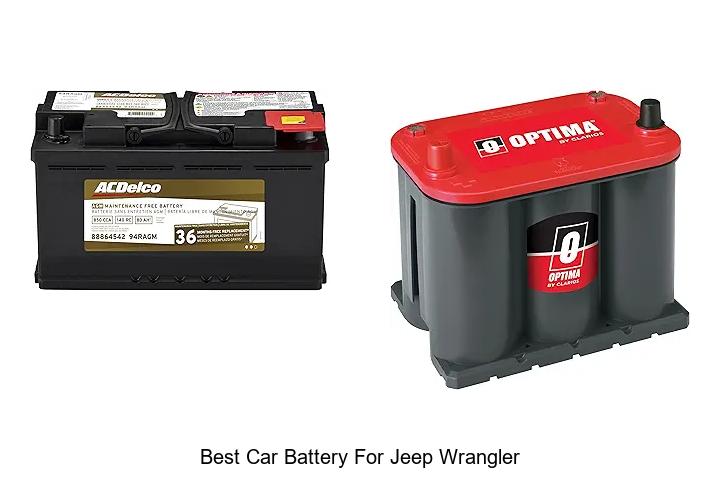
Pick 1  | ACDelco Gold 94RAGM Battery | Check Price On Amazon |
Pick 2 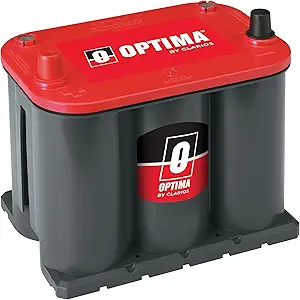 | OPTIMA REDTOP AGM Battery | Check Price On Amazon |
Pick 3  | OPTIMA DH7 YELLOWTOP Battery | Check Price On Amazon |
1. ACDelco Gold 94RAGM Battery
AGM power gives the ACDelco Gold 94RAGM a strong starting feel. Its 94R/H7 size makes it a focused fit for select vehicles, including Jeep applications. Built with pressurized valve protection and high-density plate construction, it aims for steady service in daily use.
The marine terminal setup and vehicle-specific fit help keep installation straightforward for the right application. At 51.6 pounds, it feels substantial and built with serious materials. The 12V design suits passenger cars, SUVs, trucks, and vans needing dependable replacement power.
Its GM-backed engineering and application-focused construction make it appealing for drivers wanting a trusted, battery-specific choice.
Pros
- AGM design supports reliable starting performance
- Vehicle-specific fit helps match select applications
- Strong construction supports long-term automotive use
Cons
- Fit must be confirmed before purchase
- Heavier than smaller battery options
- Only suits select Group 94R/H7 vehicles
Who Should Buy It?
Drivers needing a Group 94R/H7 battery for a Wrangler-compatible fit should consider it. It suits owners who want AGM construction, vehicle-specific sizing, and trusted brand engineering. The design fits passenger vehicles, SUVs, trucks, and vans, so it works well for daily driving needs.
People replacing an older battery with similar dimensions may find it especially practical.
Key Specifications
| Specification | Details |
|---|---|
| Battery Type | AGM |
| Voltage | 12 volts |
| Dimensions | 12.4″D x 6.9″W x 7.5″H |
| Weight | 51.6 pounds |
| Terminal Type | Marine Terminal |
| Vehicle Service Type | Passenger Car, SUV/Crossover, Truck, Van |
| Fit Type | Vehicle Specific Fit |
| Battery Cell Composition | Silver-Calcium |
The AGM battery type means absorbed glass mat construction inside. That design usually supports steadier starting power and helps reduce maintenance needs. The 12-volt output matches standard automotive electrical systems used in many Jeeps. Its 12.4 by 6.9 by 7.5-inch size matters during replacement, because fit can depend on tray space. The marine terminal style also affects how cables connect, so checking compatibility before purchase helps avoid installation problems.
At 51.6 pounds, the battery has a substantial feel and dense internal construction. That weight can reflect the high-density plate design mentioned in the product details. Vehicle-specific fit matters most for Wrangler owners matching exact dimensions and terminals. The passenger car, SUV, truck, and van service rating shows broad compatibility across many vehicles. Silver-calcium cell composition supports its automotive role, while the AGM setup suits drivers wanting dependable starting performance in regular use.
2. OPTIMA REDTOP AGM Battery
Need steady starting power in a compact AGM package? OPTIMA’s REDTOP battery targets drivers who want dependable cranking and simple upkeep.
It delivers 720 cold cranking amps, 90 minutes of reserve capacity, and maintenance-free operation. The sealed AGM design uses SpiralCell technology with 99.99% pure lead. That design supports faster charging and stronger starting performance in bad weather.
It also resists vibration far better than standard flooded batteries. With a 31.7-pound build and SAE posts, it fits passenger cars, trucks, and SUVs.
Its size measures 9.38 inches long, 6.75 inches wide, and 7.69 inches tall. That makes it a practical choice for Jeep Wrangler owners needing basic electrical support. The 44 amp-hour capacity suits everyday starting needs without extra complexity.
Build quality feels focused on durability, steady output, and easy installation. It suits drivers who want lower-cost AGM benefits without extra accessory loads.
Pros
- 720 CCA supports strong cold-weather starts
- Maintenance-free AGM design reduces routine care
- Very vibration resistant for tougher roads
Cons
- 44 Ah capacity suits basic electrical demands
- Heavier than some smaller battery options
- Requires correct fitment for installation
Who Should Buy It?
Buy this if you want a lower-cost AGM battery with strong starting power. It suits Jeep Wrangler drivers who need dependable cranking, basic electrical support, and maintenance-free operation. The sealed design and vibration resistance fit rougher driving conditions well.
It also works for passengers cars and trucks needing SAE terminal compatibility.
Key Specifications
| Specification | Details |
|---|---|
| Battery Type | Sealed AGM lead acid |
| Voltage | 12 volts |
| Cold Cranking Amps | 720 CCA |
| Reserve Capacity | 90 minutes |
| Capacity | 44 Ah |
| Dimensions | 9.38″ L x 6.75″ W x 7.69″ H |
| Weight | 31.7 pounds |
| Terminal Type | SAE posts |
| Vehicle Service Type | Passenger car, truck |
| Fit Type | Vehicle specific fit |
| Battery Cell Composition | Lead Acid |
The battery uses a 12-volt sealed AGM lead acid design. Its 720 cold cranking amps matter most during hard starts and cold mornings. The 90-minute reserve capacity helps keep power available when charging dips. A 44 amp-hour rating shows how much stored energy it carries for starting duties. SAE posts simplify matching with many vehicle cables. Its 9.38 by 6.75 by 7.69 inch size and 31.7-pound weight reflect a compact, dense build.
Those numbers point to dependable starting power and steady everyday use. The AGM construction and SpiralCell technology help it handle vibration better than flooded batteries. Faster charging can help drivers who make short trips often. The vehicle specific fit suits Wrangler owners who need a direct-match battery shape. Passenger car and truck compatibility broadens where it can work. Drivers who want basic electrical support and simpler maintenance will benefit most from this setup.
3. OPTIMA DH7 YELLOWTOP Battery
Strong starting power meets durable dual-purpose design in a sealed AGM package. The OPTIMA DH7 YELLOWTOP targets Jeep Wrangler drivers who want steady electrical support.
With 880 cold cranking amps and 155 minutes of reserve capacity, it brings confident performance in demanding conditions.
Built with pure lead and highly compressed radial grid plates, it resists vibration and corrosion better than standard flooded batteries. The maintenance-free AGM design suits vehicles with high electrical demands and frequent accessory use. Faster charging capability also helps keep downtime short.
At 54 pounds, it feels substantial, and the DIN Type A1 terminals support a specific fit. Its 12.44 by 6.88 by 7.5-inch size and BCI Group 94R layout suit drivers needing premium power and long service life.
Pros
- 880 CCA supports strong starting power
- Resists vibration better than standard flooded batteries
- Maintenance-free AGM design reduces upkeep
Cons
- Heavier than many standard batteries
- Specific terminal type may limit compatibility
- Sized for vehicles needing a 94R fit
Who Should Buy It?
Buyers needing strong starting power and dependable accessory support should consider it. It suits Jeep Wrangler owners running high electrical loads, frequent accessories, or harsh weather driving. The maintenance-free AGM design also appeals to drivers wanting less routine attention.
Its dual-purpose construction fits people who value durability, faster charging, and reserve capacity for steady performance during demanding use.
Key Specifications
| Specification | Details |
|---|---|
| Battery Type | Lead Acid |
| Voltage | 12 volts |
| Cold Cranking Amps | 880 CCA |
| Reserve Capacity | 155 minutes |
| Capacity | 80 AH |
| Dimensions | 12.44″ L x 6.88″ W x 7.5″ H |
| Weight | 54 pounds |
| Terminal Type | DIN – Type A1 Terminal |
| Vehicle Service Type | Passenger Car |
| Fit Type | Vehicle Specific Fit |
| Battery Cell Composition | Lead Acid |
The 12-volt design and 880 cold cranking amps point to strong starting power. Its 80 amp-hour capacity and 155-minute reserve capacity help keep power available longer. That matters when accessories draw energy while the engine is off. The battery measures 12.44 inches long, 6.88 inches wide, and 7.5 inches tall. At 54 pounds, it has a substantial build. DIN Type A1 terminals and vehicle-specific fit guide installation for matched setups.
These specifications suit drivers who need dependable power and steady electrical support. The sealed AGM construction and maintenance-free design reduce routine attention. Pure lead plates and compressed radial grids support vibration resistance and corrosion resistance. That helps in rougher driving conditions and frequent use. Faster charging can shorten wait times after heavy drain. The passenger car service type and BCI Group Size 94R layout point to a precise fit for compatible vehicles.
4. OPTIMA D34 YELLOWTOP Battery

Dual-purpose power gives the OPTIMA D34 YELLOWTOP strong appeal for Jeep Wrangler owners. Its sealed AGM design supports starting power and accessory use with steady output. Built as a 12-volt battery with 750 cold cranking amps, it brings strong starting performance in bad weather.
The 120-minute reserve capacity helps maintain constant power during demanding use. Spiralcell Technology uses 99.99% pure lead for consistent output and faster charging. The battery also resists vibration far better than standard flooded batteries, which suits rough roads well.
Maintenance-free design adds convenience for drivers who want fewer checks. At 42.9 pounds, it feels solid and substantial. Its 10 x 6 7/8 x 7 13/16 inch size fits vehicle-specific setups.
It suits drivers who want dependable starting and accessory support in one battery.
Pros
- Dual-purpose design suits starting and accessory loads
- 750 CCA supports strong cold-weather starts
- Maintenance-free AGM construction adds convenience
Cons
- Heavier than many standard batteries
- Size must match the vehicle-specific fit
- Designed for passenger cars, trucks, and SUVs
Who Should Buy It?
Buyers with a Jeep Wrangler and higher electrical demands should consider it. It suits drivers who want starting power and accessory support together. The sealed AGM design also fits people who prefer low maintenance.
Off-road drivers may value the stronger vibration resistance and solid construction. It works best for those who need dependable performance in changing weather and rough conditions.
Key Specifications
| Specification | Details |
|---|---|
| Battery Type | Lead Acid |
| Voltage | 12 volts |
| Cold Cranking Amps | 750 CCA |
| Reserve Capacity | 120 minutes |
| Capacity | 55 AH |
| Dimensions | 10 x 6-7/8 x 7-13/16 inch |
| Weight | 42.9 pounds |
| Terminal Type | SAE Terminal |
| Vehicle Service Type | Passenger Car |
| Fit Type | Vehicle Specific Fit |
| Battery Cell Composition | Lead Acid |
The 12-volt layout and 750 cold cranking amps give strong starting support. The 55 amp-hour capacity helps supply power over time. A 120-minute reserve capacity means the battery can keep running longer during electrical demand. Its 10 x 6 7/8 x 7 13/16 inch size and 42.9-pound weight reflect a dense, sealed build. SAE terminals support standard connections. Vehicle-specific fit matters for Jeep owners who need proper placement without guesswork.
These specifications point to a battery built for mixed use. Strong cold cranking amps help starting in bad weather. The reserve capacity supports accessories when the engine is not running. The heavier construction and lead acid cell makeup add durability for rough roads. Vehicle-specific fit and SAE terminals simplify setup when dimensions match the tray. Drivers who use extra electrical gear will benefit most from the steady output and maintenance-free AGM style.
5. Group 34 Car Battery

For Jeep Wrangler drivers wanting AGM power without extra fuss, this Group 34 battery brings a practical balance. It offers 650CCA, maintenance-free construction, and a compact Group 34 size. The 12V 55Ah design supports starting power and everyday use.
Its AGM build suits start-stop systems and helps improve charging acceptance. MARXON also uses a patented alloy for better corrosion resistance and leak protection. The battery measures 10.87 by 6.61 by 6.89 inches and weighs 42 pounds.
That size may fit many passenger vehicle setups, including some Wrangler applications. Fast charging is another useful point, since it charges faster than SLA batteries.
The A1 terminal layout keeps installation straightforward for compatible vehicles. It works well for buyers wanting dependable AGM performance and low maintenance.
The three-year replacement support and US-based service add practical peace of mind.
Pros
- 650CCA supports strong starting power
- Maintenance-free AGM design reduces upkeep
- Fast charging suits daily driving
Cons
- Passenger car focus may limit Jeep fitment
- Does not include reserve capacity data
- 42-pound weight may be bulky
Who Should Buy It?
Buy this battery if you want a budget-friendly AGM option with solid starting power. It suits drivers who value maintenance-free use and faster charging. Jeep Wrangler owners should confirm the Group 34 size and A1 terminal fit first.
It also fits commuters who want start-stop support and lower upkeep. Buyers seeking simple installation and reliable everyday performance should find it appealing.
Key Specifications
| Specification | Details |
|---|---|
| Battery Type | AGM, maintenance free |
| Voltage | 12 volts |
| Cold Cranking Amps | 650 CCA |
| Capacity | 55Ah |
| Dimensions | 10.87 x 6.61 x 6.89 inches |
| Weight | 42 pounds |
| Terminal Type | A1 Terminal |
| Vehicle Service Type | Passenger Car |
| Fit Type | Group 34 / Group 24 |
| Battery Cell Composition | AGM |
The 12-volt, 55Ah rating gives a clear sense of storage and starting power. The 650CCA figure shows strong cold starting ability for compatible vehicles. AGM construction means the battery uses absorbed glass mat technology. That design stays maintenance free, so there is no need to add water or acid. The 10.87 by 6.61 by 6.89 inch size and 42-pound weight describe a compact, solid battery format for many passenger vehicles.
In daily use, those numbers point to steady starting performance and simple upkeep. The Group 34 and Group 24 fit type helps match more vehicle layouts, while the A1 terminal supports compatible connections. The AGM cell design also helps with start-stop systems and faster charging acceptance. Drivers who want less maintenance may appreciate that setup most. It also suits vehicles needing a compact battery with dependable power delivery and corrosion resistance.
6. ACDelco Gold AUX14-200 Battery

Auxiliary power matters when your Jeep needs dependable backup support. ACDelco Gold AUX14-200 is built for secondary electrical loads and accessory circuits. It uses AGM lead-acid construction for steady 12-volt power in compact spaces.
The leak-resistant pressurized valve system supports cleaner operation and added confidence. High-density plate construction and envelope separators are designed for lasting service.
That makes it a practical choice for vehicles needing focused auxiliary support. Its vehicle-specific fit helps buyers match the battery to supported applications. The 200 CCA rating suits secondary power duties rather than primary starting use.
Compact dimensions also help it fit tight battery locations more easily. For Jeep owners needing auxiliary backup power, it offers a trusted, application-focused option.
It suits drivers who want GM-backed engineering and dependable electronics support.
Pros
- Designed for auxiliary backup power
- Compact size suits tight spaces
- AGM construction supports dependable secondary power
Cons
- Not intended as a main starting battery
- Fit is limited to select vehicles
- Lower 200 CCA than primary batteries
Who Should Buy It?
Buyers needing auxiliary backup power for supported Jeep applications should consider it. It suits drivers who want dependable secondary support for electronics and accessory circuits. Owners with vehicles that require a compact 12V AGM auxiliary battery may benefit most.
It fits best when the vehicle listing confirms compatibility before purchase.
Key Specifications
| Specification | Details |
|---|---|
| Battery Type | Lead-Acid, AGM |
| Voltage | 12 volts_of_direct_current |
| Cold Cranking Amps | 200 CCA |
| Dimensions | 5.91″D x 3.4″W x 5.7″H |
| Terminal Type | AGM terminal |
| Vehicle Service Type | Passenger Car, SUV/Crossover, Truck, Van |
| Fit Type | Vehicle Specific Fit |
| Battery Cell Composition | Lead-Acid, AGM |
The AUX14-200 uses AGM lead-acid chemistry and 12-volt output. That combination suits auxiliary circuits that need steady backup power. Its 200 CCA rating reflects a secondary power role, not heavy starting duty. The compact 5.91 by 3.4 by 5.7-inch size helps it fit smaller battery compartments. The AGM terminal and vehicle-specific fit point to a purpose-built replacement. It works best where the vehicle calls for an auxiliary battery.
In daily use, those specifications mean stable support for onboard electronics and accessory circuits. The AGM design can handle demanding conditions while staying sealed and leak-resistant. Compact dimensions help make installation easier in confined mounting areas. Because it is vehicle-specific, buyers should confirm exact compatibility before ordering. Drivers who need backup electrical support, rather than a primary starter battery, will benefit most. It fits passenger cars, SUVs, trucks, and vans within approved applications.
7. Goodyear AUX12-AGM Auxiliary Battery

Auxiliary power matters when extra electrical support is needed in a Jeep setup. Goodyear’s AUX12-AGM brings compact AGM construction and 200 CCA for dependable starting support. Designed as a 12V, 12Ah auxiliary battery, it suits vehicles that need steady backup power in a small footprint.
The battery uses spill-proof AGM technology, which helps resist shocks and vibration on rough roads. It offers 22 minutes of reserve capacity and claims up to twice the cycle life of conventional batteries.
Multiple mounting positions add flexibility, while the bolt terminal layout keeps installation straightforward. Its 5.90 x 3.42 x 5.65-inch size fits tight spaces well.
Positive and negative terminals are easy to identify, and the included screws help simplify setup. The unit is CE certified and made in an ISO-certified factory, which supports confidence in build quality.
It suits Jeep owners needing auxiliary power for accessories, backup systems, or compact electrical layouts.
Pros
- Compact size fits tight auxiliary battery spaces
- AGM design resists shocks and vibration
- Multiple mounting positions add installation flexibility
Cons
- Wire harness and mounting accessories are sold separately
- Only 12Ah capacity limits heavier accessory loads
- Cannot be mounted upside down
Who Should Buy It?
Buyers needing a compact auxiliary battery for a Jeep Wrangler should consider it. It works well for smaller backup power setups and accessory support. Jeep owners who want AGM construction, flexible mounting, and a low-profile footprint will appreciate it most.
It also suits drivers who need steady power in changing weather and rough trail conditions.
Key Specifications
| Specification | Details |
|---|---|
| Battery Type | AGM Lead Acid |
| Voltage | 12 volts |
| Cold Cranking Amps | 200 CCA |
| Reserve Capacity | 22 RC |
| Capacity | 12 Ah |
| Dimensions | 5.90 x 3.42 x 5.65 inches |
| Terminal Type | Bolt Terminal |
| Vehicle Service Type | ATV |
| Fit Type | Universal Fit |
| Battery Cell Composition | Lead Acid |
A 12-volt, 12 amp-hour battery gives a clear picture of stored power. The 200 cold cranking amps point to dependable starting support in cold weather. The 22-minute reserve capacity means it can keep supplying power briefly when charging drops off. Its compact 5.90 x 3.42 x 5.65-inch body helps it fit smaller auxiliary locations. Bolt terminals also simplify secure connections for basic installations where space matters and wiring must stay tidy.
AGM lead acid construction helps the battery handle vibration and repeated use better than many conventional designs. That matters on rough roads, where shocks can affect smaller batteries. The universal fit and multiple mounting positions make placement easier in custom setups. Jeep owners using auxiliary electronics, backup power, or tight battery bays will benefit most. The 12Ah rating suits lighter support roles, while the 36-month warranty adds longer coverage for the system.
8. Renogy 12V 70Ah AGM Car Battery H6

A solid H6 battery brings strong starting power and steady reserve capacity. Renogy pairs 720 CCA with an AGM sealed design for dependable everyday use.
The 70Ah capacity and 120-minute reserve capacity support vehicles with higher electrical demands. It is built for start-stop systems and frequent restarts. The sealed lead-acid construction helps reduce acid leaks and corrosion.
That makes it a practical choice for drivers facing harsh weather and rough schedules. It operates across -30℃ to 70℃, covering cold winters and hot summers.
The battery fits BCI Group 48 applications, which broadens compatibility. At 48 pounds, it has a substantial feel without being extreme for its class. It suits SUVs, trucks, and marine starting needs, plus compact vehicles.
Drivers wanting reliable power and broad fitment will find it appealing.
Pros
- 720 CCA supports strong cold-weather starts
- Sealed AGM design helps reduce leaks
- Wide temperature range suits harsh climates
Cons
- 48 pounds may feel heavy
- Group 48 fit limits compatibility
- No exact dimensions were provided
Who Should Buy It?
Buyers needing a high-capacity Group 48 battery should consider it. It suits Jeep Wrangler owners with start-stop systems or higher electrical demands. Drivers in hot or freezing climates may appreciate its wide temperature range.
It also fits anyone wanting a sealed lead-acid battery with dependable starting power and broad vehicle compatibility.
Key Specifications
| Specification | Details |
|---|---|
| Battery Type | AGM car battery |
| Voltage | 12 volts |
| Cold Cranking Amps | 720 CCA |
| Reserve Capacity | 120 RC |
| Capacity | 70Ah |
| Weight | 48 pounds |
| Vehicle Service Type | Car, SUV, truck, marine starting |
| Fit Type | BCI Group Size 48 |
| Battery Cell Composition | Lead Acid |
The 12-volt setup matches many automotive systems. Its 70Ah capacity points to a larger energy store than smaller batteries. The 720 CCA rating means stronger starting power in cold weather. A 120-minute reserve capacity gives more backup when charging is limited. Because it uses AGM lead-acid construction, the battery is sealed and maintenance friendly. Drivers who face frequent starts, short trips, or cold mornings should find these numbers useful in daily use.
Group 48 fitment matters for installation and replacement planning. The battery serves cars, SUVs, trucks, and marine starting needs. That wider service range gives it flexibility across different vehicles. Its sealed design helps reduce acid leaks and corrosion during long use. The wide operating range from -30℃ to 70℃ supports both winter and summer driving. People who want dependable starts, steady reserve power, and broad compatibility will benefit most from these specifications.
9. Goodyear AUX14-AGM Auxiliary Battery

Compact power can matter more than sheer size in tight Jeep setups. Goodyear’s AUX14-AGM auxiliary battery brings 200 CCA, a 14Ah rating, and AGM durability for dependable support.
Built for auxiliary use, it fits where space is limited and delivers steady power across hot and cold weather. The spill-proof AGM design helps resist shocks and vibration, which suits rough roads and frequent movement. Its small footprint also makes placement easier in crowded compartments.
The battery measures 5.90 by 3.42 by 5.65 inches and weighs 10.8 pounds. Positive and negative terminals are easy to identify, which helps simplify installation.
It can be mounted in multiple positions, except upside down, giving more flexibility during setup. The 20-minute reserve capacity supports short bursts of power, while the lead-acid AGM build aims for longer cycle life than conventional batteries.
It fits drivers who need a small auxiliary battery with reliable, weather-ready performance.
Pros
- Small size suits tight auxiliary battery spaces
- AGM design resists shock and vibration
- Easy-to-identify terminals simplify installation
Cons
- Wire harness and mounting accessories are separate
- Not suitable for upside-down mounting
- Limited 14Ah capacity for larger power needs
Who Should Buy It?
Buyers needing a compact auxiliary battery should consider this model. It suits Jeep owners with limited mounting space and simple power support needs. Drivers who value AGM construction, flexible placement, and weather-resistant performance will appreciate it most.
It also fits people wanting an auxiliary battery with clear terminal layout and a manageable size for easier installation.
Key Specifications
| Specification | Details |
|---|---|
| Battery Type | AGM Lead Acid |
| Voltage | 12 volts |
| Cold Cranking Amps | 200 CCA |
| Reserve Capacity | 20 minutes |
| Capacity | 14 amp hours |
| Dimensions | 5.90 x 3.42 x 5.65 inches |
| Weight | 10.8 pounds |
| Terminal Type | Pole Terminal |
| Vehicle Service Type | ATV |
| Fit Type | Universal Fit |
| Battery Cell Composition | Lead Acid |
The Goodyear AUX14-AGM uses a 12-volt AGM lead-acid design. Its 200 cold cranking amps help support starting power in cold weather. The 14 amp hour capacity and 20-minute reserve capacity describe a compact battery built for shorter support tasks. At 5.90 by 3.42 by 5.65 inches, it fits into small spaces more easily than larger batteries. The 10.8-pound weight also makes handling simpler during installation or replacement.
These specifications point to a battery made for auxiliary use rather than heavy-duty main power. The pole terminal setup and universal fit help make installation more straightforward in varied layouts. AGM construction adds resistance to shocks and vibration, which matters on rough roads. The ATV service type suggests a compact utility focus, while the multiple mounting positions add placement flexibility. Drivers who need space-saving support benefit most from that balance of size and durability.
10. UPLUS BCI Group 34/24 AGM Car Battery

For Jeep owners who want another AGM choice, UPLUS brings a practical starting point. It pairs 650CCA with a 55Ah rating and start-stop support.
The battery uses BCI Group 24 or 34 sizing and fits vehicles needing that layout. Its AGM design suits frequent short trips and stop-and-go driving. UPLUS also highlights extra cycling life and strong vibration resistance.
That makes it a sensible match for daily driving and rougher roads.
The battery measures 10.87 x 6.61 x 6.89 inches and weighs 42 pounds. Terminal layout is left positive and right negative, with SAE terminals. UPLUS says it is maintenance free and built for vehicles with large electrical loads.
The 120RC reserve capacity adds extra support during accessory use. For Jeep Wrangler shoppers, it offers steady cranking power, simple installation, and broad vehicle compatibility. It suits drivers wanting AGM performance without complicated setup.
Pros
- 650CCA supports strong engine starts.
- AGM design suits stop-start driving.
- High vibration resistance helps rough roads.
Cons
- Size fit requires careful measurement.
- Heavier than some smaller batteries.
- Group 24 and 34 fit needs checking.
Who Should Buy It?
Buyers who need an AGM battery for stop-start use should consider it. It fits drivers with frequent short trips, accessory-heavy vehicles, or vehicles sitting unused for days. Jeep Wrangler owners should confirm group size, terminal position, and dimensions before ordering.
It suits someone who wants maintenance-free operation, reliable cold starting, and a battery built for vibration resistance and cycling life.
Key Specifications
| Specification | Details |
|---|---|
| Battery Type | AGM |
| Voltage | 12 volts |
| Cold Cranking Amps | 650CCA |
| Reserve Capacity | 120RC |
| Capacity | 55Ah |
| Dimensions | 10.87 x 6.61 x 6.89 inches |
| Weight | 42 pounds |
| Terminal Type | SAE Terminal |
| Vehicle Service Type | Bus, Group 34 / 24, Motorhome, Passenger Car, RV, Tractor, Truck, Van |
| Fit Type | Group 24 / Group 34 |
| Battery Cell Composition | Lead-Acid, AGM |
The AGM battery design uses sealed lead-acid construction for maintenance-free use. Its 12-volt setup matches many vehicle electrical systems. The 55Ah capacity shows how much energy it can store for accessory use and repeated starts. A 120RC reserve rating means it can keep supporting loads longer when the engine is off. The 650CCA rating points to strong starting power in cold weather and after short trips.
The physical size, 10.87 x 6.61 x 6.89 inches, matters for fit inside the battery tray. The left positive, right negative terminal layout helps matching the original cable position. SAE terminals simplify connection for compatible vehicles. At 42 pounds, it feels solid and substantial during installation. Drivers with stop-start systems, RVs, trucks, vans, or battery-heavy setups may benefit most from these specifications.
Best Car Battery for Jeep Wrangler: A Smart Buyer’s Guide to Power, Reliability, and Off-Road Performance
Battery size and group number
A Jeep Wrangler battery must match the vehicle’s OEM fitment, because the wrong case size or terminal layout can create installation problems, loose connections, or clearance issues under the hood. Common group sizes for Wrangler models often include Group 34, Group 34/78, and Group 48, but the correct option depends on the model year and engine setup.
Checking the battery tray dimensions and terminal placement is just as important, since even a battery with the right voltage may not sit securely or reach the cables properly.
- OEM fitment: Confirm that the battery is compatible with your Wrangler’s exact model year and trim.
- Common group sizes: Compare the usual battery group numbers used in Wrangler applications, such as Group 34, 34/78, and 48.
- Physical clearance: Measure the tray area and verify height, length, and width before installation.
- Terminal placement: Make sure the positive and negative posts align with the factory cables for a secure connection.
| Fitment Check | Why It Matters |
|---|---|
| OEM compatibility | Ensures the battery matches factory specifications and installs properly. |
| Group size | Helps the battery fit the tray and hold-down system correctly. |
| Terminal position | Prevents cable strain and connection issues during installation. |
Cold cranking amps and starting power
Cold cranking amps and starting power matter because a Jeep Wrangler often faces harsh weather, rugged trails, and added electrical demands that can strain a weak battery. A battery with the right CCA rating helps the engine turn over reliably in freezing temperatures, where thick oil and low temperatures make starting harder. It also provides a stronger reserve for winches, lights, air compressors, and other accessories that can draw significant power during off-road use.
Matching the battery’s output to your climate and equipment needs helps reduce slow starts, voltage drops, and unexpected failures on the road or trail. In short, a well-matched battery supports dependable ignition in winter and steadier performance under heavy accessory loads.
- Cold-weather starts: Higher CCA improves engine cranking in low temperatures.
- Climate fit: The local weather should guide how much starting power is needed.
- Accessory support: Extra reserve helps handle winches, lighting, and other add-ons.
Reserve capacity and deepcycle needs
A Jeep Wrangler often runs winches, lights, radios, and other accessories that can drain power quickly, so reserve capacity matters as much as cold-cranking strength. Reserve capacity for off-road use helps the battery keep essential systems running during slow trail driving, long stops with the engine off, and recovery situations where extra demand is common. Short daily trips can also leave the battery undercharged, especially if the vehicle powers aftermarket electronics, making it important to think about how well the battery handles repeated draws and recharging cycles.
Short daily trips can also leave the battery undercharged, especially if the vehicle powers aftermarket electronics, making it important to think about how well the battery handles repeated draws and recharging cycles. AGM batteries are a strong fit for most Wrangler owners because they resist vibration, recharge efficiently, and handle accessory loads better than standard flooded designs. Deep-cycle options are worth considering if the Jeep spends a lot of time supporting camping gear, auxiliary lighting, or winch use, since they are built to deliver steady power over longer periods.
| Battery Type | Best Use | Main Advantage |
|---|---|---|
| AGM | Daily driving with added accessories | Fast recharge and strong vibration resistance |
| Deep-cycle | Extended off-road or accessory-heavy use | Better support for repeated discharge and steady power delivery |
For Wrangler owners who rely on electrical gear, a battery with enough reserve capacity and the right cycle profile can prevent dead-start problems, protect accessory performance, and keep trail days running smoothly.
Battery type and technology
Advanced battery designs can make a major difference in a Jeep Wrangler because rough trails, steep angles, and frequent accessory use place extra demands on the electrical system. AGM batteries usually outperform flooded lead-acid models in off-road conditions because they are sealed, spill-resistant, and better at handling repeated jolts and deep discharges.
Maintenance-free batteries are also a practical choice for drivers who want less upkeep, while serviceable batteries can appeal to those who prefer monitoring fluid levels and performing routine care themselves. Vibration resistance is especially important for trail driving, since constant shaking can shorten battery life and lead to internal damage if the unit is not built for rugged use. A battery with strong durability, dependable charging performance, and rugged construction helps keep the Wrangler ready for demanding terrain and everyday driving alike.
Durability, warranty, and lifespan
A Jeep Wrangler’s battery should be able to handle rough trails, heavy vibration, and frequent exposure to heat, cold, and moisture, so strong build quality is a major factor in long-term reliability. A rugged case, secure internal construction, and resistance to shock help the battery stay stable on uneven terrain, while solid terminal design reduces the chance of loosening during off-road driving. Warranty length and coverage also matter because they show how confident the manufacturer is in the battery’s durability and can reduce replacement costs if a defect appears early.
Warranty length and coverage also matter because they show how confident the manufacturer is in the battery’s durability and can reduce replacement costs if a defect appears early. It is equally important to think about expected lifespan under Wrangler conditions, since accessory use, short trips, winching, and stop-and-go driving can shorten service life compared with normal daily driving. A battery with proven endurance in demanding conditions can deliver more dependable starts and fewer interruptions on and off the road.
- Build quality: Look for vibration resistance, sealed construction, and sturdy terminals for off-road stability.
- Warranty: Check both the length of coverage and what failures or defects are included.
- Service life: Consider how well the battery holds up under trail use, accessories, and harsh weather.
Installation and compatibility factors
Installation and compatibility factors matter because a Jeep Wrangler often relies on tight engine-bay space, specific terminal placement, and dependable power delivery for modern electronics. The terminal orientation and cable fit must line up correctly so the cables reach without strain, rubbing, or awkward bending that can lead to poor contact or premature wear. It is also essential to confirm compatibility with the vehicle’s electronics and start-stop system, since the wrong battery type can cause warning lights, reduced performance, or unreliable restarting in traffic. Ease of installation should not be overlooked either, as a battery that is too heavy or awkward to position can make replacement more difficult and increase the chance of accidental damage during setup.
A well-matched battery supports smoother installation, stronger electrical performance, and fewer issues after the swap.
- Terminal orientation: Helps the cables connect properly without stretching or forcing the fit.
- Electronics support: Ensures stable power for onboard systems and start-stop functionality.
- Installation effort: A manageable weight and size make replacement quicker and safer.
Handy Add-ons for Easier Battery Care
A good battery is only part of the setup. A few small accessories can make a Jeep Wrangler easier to start, easier to maintain, and easier to inspect.
One useful add-on is a battery terminal cleaner. Dirty or corroded terminals can weaken the connection. A simple cleaning tool helps keep the posts and clamps in better shape.
A battery hold-down kit is another smart buy. Wranglers can see rough roads and vibration. A secure hold-down keeps the battery from moving around in the tray.
If your Jeep sits for long periods, a battery maintainer can help. It keeps the battery charged at a steady level during storage. This can reduce surprise no-start moments later.
A digital voltmeter is also handy. It gives a quick read on battery health and charging system output. That makes it easier to spot a weak battery before it leaves you stranded.
For cold weather use, consider an insulated battery wrap if the fit allows it. Cold temps can slow battery performance. A wrap may help protect the battery from harsh conditions.
Here are a few accessories worth pairing with a new battery:
- Terminal brush or cleaner
- Dielectric grease for protecting connections
- Battery hold-down hardware
- Battery maintainer for storage
- Voltage tester or multimeter
These extras are not fancy, but they can save time and trouble. They also help a new battery last longer by keeping the electrical connection clean and steady.
FAQ’s
What Size Car Battery Is Best For A Jeep Wrangler?
The best car battery size for a Jeep Wrangler is usually an **Group 34 or Group 48** battery, depending on the model year and engine. Check your owner’s manual or existing battery label to confirm the exact fit and cold-cranking amps needed.
Which Car Battery Brand Lasts Longest In A Jeep Wrangler?
Optima and Odyssey are often considered among the longest-lasting car battery brands for a Jeep Wrangler, with AGM models typically offering the best durability. The best choice still depends on your Wrangler’s engine, climate, and electrical needs.
How Do I Choose The Right Battery For My Jeep Wrangler’S Engine Type?
Check your Jeep Wrangler’s owner’s manual or battery label for the correct group size, cold cranking amps (CCA), and battery type recommended for your engine. Then choose a battery that meets or exceeds those specs and is designed for your climate and driving needs, especially for start-stop or heavy accessory use.
What Is The Best Battery For A Jeep Wrangler In Cold Weather?
The best battery for a Jeep Wrangler in cold weather is usually an AGM battery with high cold cranking amps (CCA), since it starts more reliably in low temperatures. Popular choices include the Odyssey Extreme and Optima YellowTop, but any quality AGM battery with the right fit and strong CCA rating will work well.
How Often Should I Replace The Battery In A Jeep Wrangler?
A Jeep Wrangler battery typically lasts about 3 to 5 years, depending on driving habits and climate. Replace it sooner if you notice slow starts, dim lights, or other signs of a weak battery.
Final Verdict
For most Jeep Wrangler owners, the best car battery for jeep wrangler is the ACDelco Gold 94RAGM Battery, since it offers a strong overall fit and suits drivers who want a dependable direct replacement. It is the safest all-around pick for daily use and stock-style setups.
For buyers focused on price, the OPTIMA REDTOP AGM Battery is the best value choice, giving AGM construction at a lower cost. The OPTIMA DH7 YELLOWTOP Battery is the better premium pick for drivers who want more power for heavier electrical loads or upgraded accessories. For auxiliary backup needs, the ACDelco Gold AUX14-200 Battery is the right match for added support.
Choose the ACDelco Gold 94RAGM for the best overall Wrangler fit, or pick the REDTOP, YELLOWTOP, or AUX14-200 based on budget, power demand, or auxiliary backup needs.