10 Best Coding Toys for Preschoolers: Top Picks Compared
Many parents want a simple way to help preschoolers learn early coding skills. They need toys that teach problem-solving, logic, and basic sequencing without feeling too advanced.
These toys are made for ages where short attention spans and hands-on activities matter most. The right choice can support early learning while keeping playtime fun and active.
It may also help children build confidence as they follow steps, make choices, and fix mistakes. This review looks at what makes these toys useful for preschoolers.
It also covers the main features, learning value, and the kinds of products that fit different needs.
Here are a few subtitle options you can place before the comparison list: 1. **Explore playful tools that make early coding fun and easy** 2. **A simple way to spark logic, creativity, and hands-on learning** 3. **Discover engaging picks that introduce little learners to programming** 4. **Fun, beginner-friendly choices to build early STEM skills** 5. **Choose the right toy to help preschoolers learn through play** If you want, I can also make them **more SEO-friendly**, **more playful**, or **more premium** in tone.
| Image | Product | Price |
|---|---|---|
Pick 1  | Learning Resources Code & Go Robot Mouse | Check Price On Amazon |
Pick 2 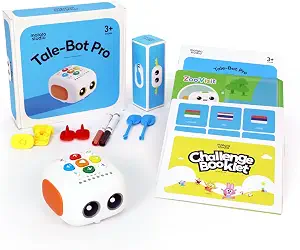 | TaleBot Pro Coding Robot | Check Price On Amazon |
Pick 3  | Learning Resources Code & Go Robot Mouse Activity Set | Check Price On Amazon |
1. Learning Resources Code & Go Robot Mouse
A small mouse robot can make coding feel like a game. Kids press buttons, plan routes, and watch simple commands come alive.
Learning Resources Code & Go Robot Mouse teaches early programming without screens or apps. It focuses on sequencing, problem-solving, and directional skills through hands-on play. The set includes Jack the robot mouse, 30 double-sided coding cards, and an Activity Guide.
Kids can use the cards to map routes, test ideas, and correct mistakes. That trial-and-error approach helps build confidence during play. The mouse lights up, makes sounds, and offers two speeds.
Its plastic build and compact 4-inch size suit indoor use well. It runs on three AAA batteries, which are not included.
The toy works well for one child at a time, or for guided adult support. It also pairs with the separate Activity Set for more route-building options. For families wanting beginner coding basics, it offers a clear, hands-on start.
Pros
- Screen-free coding keeps play hands-on and simple
- Coding cards support planning and debugging practice
- Lights, sounds, and two speeds add interest
Cons
- Batteries are not included
- Single-player format limits group use
- Basic setup may feel simple for older kids
Who Should Buy It?
Parents and teachers wanting a gentle first coding toy should consider it. It suits preschoolers who are learning sequencing, directions, and early logic. The screen-free format works well for home play or classroom centers.
Kids who enjoy hands-on problem-solving and simple robot play will get the most from it. Adults who want guided STEM activities will also find the coding cards helpful.
Key Specifications
| Specification | Details |
|---|---|
| Brand | Learning Resources |
| Age Range | 4+ |
| Included Components | Programmable robot mouse, 30 double-sided coding cards, Activity Guide |
| Screen-Free | Yes |
| Programming Method | Manual button commands |
| Core Skills | Sequencing, problem-solving, directional skills, early programming |
| Interactive Features | Lights, sounds, two speeds |
| Battery Requirements | 3 AAA batteries required, not included |
| Best Use | Beginner coding basics |
The included mouse, coding cards, and guide make setup straightforward. Children use button commands instead of an app or tablet. That means the toy stays hands-on and simple for young learners. The 4-inch size fits indoor play spaces easily. The light and sound features give clear feedback as routes change. For preschoolers, the main appeal is seeing a plan work right away.
These specifications suit kids who benefit from concrete, repeated practice. The coding cards help children map out steps before pressing buttons. That supports sequencing and debugging in a low-pressure way. The manual operation also keeps the focus on cause and effect. Since batteries are required, adults need to plan ahead before play starts. Families wanting a starter STEM toy will likely appreciate the simple design and compact build.
2. TaleBot Pro Coding Robot
Storytime meets coding in a screen-free robot that keeps toddlers engaged. It pairs voice feedback with an interactive map for playful learning.
TaleBot Pro gives children ages three to five a hands-on start with coding ideas. Kids press command buttons to make the robot walk, draw, sing, dance, speak, and record.
The device supports up to 256 commands, which introduces sequences and loops in simple ways. Its storytelling function lets children record voice commands and imaginative tales. That can help language growth, creativity, and early problem-solving during play.
The robot also works with Lego blocks for extra building fun. Ten supported languages widen its appeal for multilingual homes and classrooms.
The plastic and paper construction feels suited for tabletop use. One included lithium polymer battery powers the unit.
It suits families wanting a screen-free STEM toy with creative play value.
Pros
- Screen-free play keeps attention on hands-on learning.
- Voice feedback supports interactive storytelling and coding.
- Compatible with Lego blocks for added building play.
Cons
- Single-player use may limit group play.
- Paper and plastic build may feel lightweight.
- Requires button-based programming, not drag-and-drop coding.
Who Should Buy It?
Parents and caregivers of toddlers ages three to five may like this robot. It suits children who enjoy stories, songs, and simple hands-on challenges. Families wanting screen-free STEM play can use it at home or in preschool settings.
It also fits kids who benefit from touch-based controls and clear voice feedback. Children who like building with Lego blocks may enjoy it most.
Key Specifications
| Specification | Details |
|---|---|
| Brand | MatataStudio |
| Age Range | Kid 3-5 |
| Included Components | Talebot coding robot |
| Screen-Free | Yes |
| Programming Method | Manual button commands |
| Core Skills | Coding skills, sequencing, loops, critical thinking, problem-solving, creativity |
| Interactive Features | Voice feedback, recording, light, sound, dancing, speaking, singing, drawing |
| Battery Requirements | 1 lithium polymer battery included |
| Best Use | Screen-free STEM learning for toddlers ages 3-5 |
The age range of three to five suits early learners well. Manual button commands keep programming simple and tangible for small hands. Kids can enter sequences without needing a tablet or phone. The included robot supports activities like walking, drawing, singing, and dancing. Voice feedback and recording add a playful storytelling layer. That makes everyday use feel closer to guided play than formal instruction. Families wanting gentle introduction to coding concepts may find the format friendly.
The included lithium polymer battery means setup stays straightforward. Indoor tabletop use fits playrooms, classrooms, and homeschool spaces. Paper and plastic materials suggest a lightweight build rather than a heavy toy. Compatibility with Lego blocks gives children more ways to build and experiment. Ten supported languages help households using different languages at home. The one-player design works well for focused practice. Children who enjoy independent play and simple command-based learning will get the most from it.
3. Learning Resources Code & Go Robot Mouse Activity Set
Hands-on coding feels playful when a mouse teaches the basics. Colby turns sequencing into a maze challenge that young children can enjoy. The Learning Resources Code & Go Robot Mouse Activity Set gives preschoolers a screen-free way to practice early programming.
Kids use simple buttons and matching coding cards to plan each move. The set includes maze grids, walls, tunnels, activity cards, and a cheese wedge.
That setup supports classroom rotations, STEM labs, and small-group learning. The pieces are plastic, and the kit arrives with 83 components.
It is designed for ages 4 and up, with coding skills as the main goal. Children build logic, directional understanding, and problem-solving through repeatable maze play. The activity guide helps teachers and caregivers start quickly.
It needs three AAA batteries, which are not included. Build quality suits classroom handling, and the maze parts feel easy to arrange. Performance is straightforward, since children program simple directions and watch immediate results.
The toy works well for teachers who want hands-on coding practice. It also suits families who want a beginner robotics kit with clear, guided activities.
Pros
- Screen-free coding keeps attention on hands-on problem-solving.
- Maze pieces support repeatable classroom activities.
- Simple controls suit young beginners.
Cons
- Batteries are required and not included.
- Best for guided activities, not open-ended play.
- Plastic parts may feel basic to some buyers.
Who Should Buy It?
Teachers and caregivers should buy it for early coding practice. It fits preschoolers and young children who learn through movement and repetition. Classroom teams will appreciate the maze grids, activity cards, and small-group setup.
Families who want a screen-free robotics starter will also find it useful. It works best for children who enjoy simple challenges and guided problem-solving.
Key Specifications
| Specification | Details |
|---|---|
| Brand | Learning Resources |
| Age Range | 4+ |
| Included Components | 83 pieces |
| Screen-Free | Yes |
| Programming Method | Simple buttons and coding cards |
| Core Skills | Coding skills, sequencing, problem-solving, logic, directional understanding |
| Interactive Features | Maze grids, walls, tunnels, activity cards, Colby robot mouse |
| Battery Requirements | 3 AAA batteries required, not included |
| Best Use | Classroom STEM centers, small-group work, and early coding practice |
Learning Resources makes the kit, and the age range starts at four. That matters because the controls stay simple for young learners. Children use buttons and coding cards, rather than a screen or app. The set includes 83 pieces, which gives teachers many ways to build maze layouts. Colby the robot mouse, walls, tunnels, and activity cards all support repeated practice. The screen-free format suits classrooms and homes that want hands-on learning.
The required three AAA batteries power the robot mouse, but they are not included. That means setup needs a small extra step before play begins. The maze pieces and activity cards help children repeat tasks without confusion. The material is plastic, which fits classroom use and frequent handling. Teachers benefit from the repeatable maze activities during STEM centers and rotations. Children who like clear rules and immediate feedback will probably enjoy the format most.
4. Apitor Robot Panda Coding Robot

Screen-free play feels especially inviting with this panda robot. Kids use physical buttons to guide movements, lights, and sounds.
Apitor Robot Panda Coding Robot gives preschoolers a hands-on start with early programming. The set includes 36 coding cards, 12 activity cards, a forest map, a guide card, and a user guide. That mix supports sequencing, puzzle-solving, and simple computational thinking.
The panda robot adds smart sensing, so it can avoid obstacles on its own. Loop commands also let children create repeating light and sound routines.
Its ABS plastic build should hold up well for indoor play sessions. Setup stays simple because the robot is ready to code out of the box.
Families and classrooms can use it without needing a phone or tablet. It suits young children who learn best through movement, cards, and guided play.
Pros
- Fully screen-free coding with physical buttons
- Includes structured cards for guided learning
- Smart sensing adds obstacle-avoidance play
Cons
- Limited to early, button-based coding
- No app-based programming for advanced users
- Small size may feel basic for older kids
Who Should Buy It?
Families wanting a screen-free STEM toy should consider this panda robot. It fits preschoolers who enjoy guided, hands-on play with clear steps. Parents and teachers can use the cards for sequencing and puzzle practice.
Children who like lights, sounds, and simple robot movement will likely stay engaged. It suits indoor learning, family time, and early coding practice.
Key Specifications
| Specification | Details |
|---|---|
| Brand | Apitor |
| Age Range | 4+ |
| Included Components | Robot Panda |
| Screen-Free | Yes |
| Programming Method | Physical buttons |
| Core Skills | Logical thinking, critical thinking, sequencing |
| Interactive Features | LED eyes, lights, sounds, obstacle sensing, loop commands |
| Battery Requirements | Not provided |
| Best Use | Screen-free family play |
The key specifications point to a simple starter coding toy. Apitor is the brand, and the recommended age starts at 4+. Children program with physical buttons, which keeps the learning tactile and direct. The included robot panda is the only listed component, while the set also adds cards and a forest map in the product details. Screen-free use means no phone or tablet is needed during play.
These specifications support short, guided learning sessions for younger children. Physical-button coding keeps setup quick, while the cards help adults structure activities around sequencing and problem-solving. LED eyes, lights, sounds, and obstacle sensing add feedback that helps children see results right away. The ABS plastic build suits indoor use, and the small 2.4-inch size makes it easy to handle. Families, classrooms, and early learners benefit most from the simple format.
5. Learning Resources Coding Critters Ranger & Zip

Screen-free coding feels playful when it comes with puppy friends and storybook missions. Ranger and Zip turn early programming into pet care, hide-and-seek, and fetch games. Learning Resources built a 22-piece set for ages four and up, with simple hands-on challenges.
Kids can follow the included adventure, then design their own coding routes and activities. The pet-style play mode adds feed, pet, and care actions for more pretend play. That mix helps keep attention on sequencing, problem solving, and cause-and-effect thinking.
The plastic pieces are light and easy for small hands to manage. Parents will appreciate the screen-free format and the clear STEM focus.
It suits preschoolers who enjoy animals, storytelling, and open-ended toy sets.
Pros
- Screen-free play keeps coding hands-on and simple.
- Includes storybook adventure and pet-style activities.
- Twenty-two pieces support varied coding challenges.
Cons
- Small parts may need supervision with younger children.
- Relies on guided play, not advanced programming.
- Plastic build may feel simple to some buyers.
Who Should Buy It?
Buyers with preschoolers who like pretend pets and simple coding games should like it. It fits children around age four who enjoy story-based play and hands-on learning. Families wanting screen-free STEM toys may value the mix of coding, care, and movement.
It also suits gift shoppers seeking an animal-themed activity set with repeat play potential.
Key Specifications
| Specification | Details |
|---|---|
| Brand | Learning Resources |
| Age Range | 4 years and up |
| Included Components | Counter toys |
| Screen-Free | Yes |
| Programming Method | Screen-free storybook coding adventure and hands-on playset challenges |
| Core Skills | Early coding, STEM learning, critical thinking, problem solving |
| Interactive Features | Play fetch, hide and seek, feed, pet, and care |
| Best Use | Pet-style coding fun |
The brand is Learning Resources, and the set is made for age four and up. It includes a 22-piece playset with counter toys and puppy characters named Ranger and Zip. In everyday play, that means children get multiple pieces to arrange and move during coding games. The screen-free storybook format supports guided activities without a device. The interactive pet actions add variety, so preschoolers can switch between coding tasks and pretend care play easily.
These specifications point to a toy that favors hands-on learning over complex setup. The plastic build keeps the pieces light for small hands, while the 22 parts allow several challenge layouts. Kids benefit most when they like animal themes, simple directions, and repeat play. Because the programming method stays screen-free, it suits families who want limited device use. The included activities can support focus, sequencing, and creative problem solving during preschool years.
6. Learning Resources Coding Critters Scrambles the Fox

Screen-free coding gets a playful forest twist with Scrambles the Fox. The storybook format keeps preschoolers moving, building, and solving simple challenges.
Learning Resources pairs a motorized coding robot with black-line path pieces and 16 coding tiles. Kids can practice sequencing, early programming, and problem-solving without a screen. The included full-color storybook adds guided activities that work well for read-aloud lessons.
That makes it useful for classrooms, homeschool rooms, and quiet play at home. The pieces feel made for young learners, with a simple setup and clear goals.
Children can build paths, test ideas, and adjust layouts as they play. The toy runs on batteries and uses manual operation, so adults stay out of app setup.
It suits families who want budget-friendly STEM play with strong educational value.
Pros
- Screen-free coding keeps play hands-on and simple.
- Storybook activities support guided learning.
- Includes tiles and path pieces for variety.
Cons
- Battery use adds ongoing upkeep.
- Single-player use limits group play.
- Small parts may need adult supervision.
Who Should Buy It?
Parents, teachers, and homeschoolers should buy it for beginner coding practice. It fits preschoolers who enjoy stories, mazes, and simple problem-solving. The format works well for children who need hands-on learning without screens.
It also suits classroom STEM stations, since the included book guides activities. Families wanting an affordable introduction to sequencing and early coding will get the most use.
Key Specifications
| Specification | Details |
|---|---|
| Brand | Learning Resources |
| Age Range | Ages 4 and up |
| Included Components | Interactive coding pet, path sections, story/activity book |
| Screen-Free | Yes |
| Programming Method | Black-line path coding with tiles |
| Core Skills | Coding skills, critical thinking, problem solving |
| Interactive Features | Motorized coding robot, storybook adventure, maze building |
| Battery Requirements | Battery powered, alkaline batteries |
| Best Use | Budget story coding |
The listed age range starts at four years old, which suits early learners. The included pieces matter because they give children a complete activity set. A motorized coding pet, path sections, and a storybook create hands-on play. Kids can follow story prompts, place tiles, and build simple routes. That setup supports early sequencing and problem-solving in a familiar, playful format. It also works for guided lessons at home or in class.
Battery power means the fox moves on its own once set up. That motion gives immediate feedback when paths are arranged correctly. Manual operation keeps the learning hands-on, since children place pieces themselves. The black-line path method is simple for young kids to understand. It favors preschoolers who benefit from visual cues and short tasks. The one-player format suits independent practice, while teachers can use it in stations.
7. Learning Resources Botley 2.0 Coding Robot Activity Set

Friendly lights, sounds, and coding cards make early programming feel playful. Botley 2.0 gives preschoolers a screen-free way to learn sequencing at home. The Learning Resources Botley 2.0 Coding Robot Activity Set centers on hands-on cause-and-effect play.
Kids use a remote programmer and coding cards to plan actions. The set includes 40 coding cards, six double-sided boards, and obstacle pieces. Those parts help children build mazes, story scenes, and new challenges.
The robot adds multi-step paths, 45° turns, and object-sensing reactions. That variety gives growing learners more ways to practice logic.
The 16 secret code combinations add open-ended play for curious kids. Build quality is simple plastic, yet the kit feels practical and kid-friendly.
It suits home learning, classrooms, and homeschool settings for ages five to seven. The battery-powered design needs setup, but the controls stay straightforward. Families wanting screen-free STEM play will find plenty of replay value here.
Pros
- Screen-free coding practice feels approachable for young children.
- Multiple boards and obstacles support varied play.
- Lights and sounds add engaging feedback.
Cons
- Requires five AAA batteries.
- Small parts may need adult help during setup.
- Advanced features may outgrow very young preschoolers.
Who Should Buy It?
Parents, teachers, and homeschool families who want screen-free coding practice should consider it. It suits children who enjoy hands-on play, simple commands, and building paths. The remote programmer and coding cards make learning feel concrete and playful.
Kids ages five to seven will get the most from the set. It also works well for indoor activities and early STEM learning at home.
Key Specifications
| Specification | Details |
|---|---|
| Brand | Learning Resources |
| Age Range | Kid |
| Included Components | Coding robot, remote programmer, 40 coding cards, 6 double-sided boards, stackable obstacle pieces |
| Screen-Free | Yes |
| Programming Method | Remote programmer and coding cards |
| Core Skills | Coding, planning, logic, sequencing |
| Interactive Features | Lights, sounds, music, 16 secret code combinations, object-sensing reactions, 45° turns |
| Battery Requirements | 5 AAA batteries required |
| Best Use | Remote coding learning, home or classroom use |
Botley 2.0 uses a remote programmer and coding cards for screen-free play. That means children can place commands in order and see results right away. The included robot, boards, and obstacle pieces give kids physical tools for building routes. In everyday use, that makes coding feel like a game with clear steps. The setup works well for one child at a time, which suits focused practice. It also fits home learning and classroom activities without a tablet or phone.
The robot adds lights, sounds, music, and object-sensing reactions for feedback. Those features help children notice how each command changes the robot’s movement. The multi-step paths and 45° turns support more advanced sequencing as skills grow. Because five AAA batteries are required, families should plan for power before play. The plastic build keeps the kit light at home or in a classroom. Children who like hands-on puzzles and guided experimentation should benefit most from it.
8. Learning Resources Botley Coding Robot

Screen-free coding gets kids moving, thinking, and laughing. Botley turns early programming into hands-on play with a friendly robot and simple commands.
Learning Resources Botley the Coding Robot helps older preschoolers practice sequencing, logic, and problem solving without a screen. The 45-piece set includes a remote programmer, detachable arms, coding cards, tiles, and obstacles. Kids can program up to 80 steps, use loops, and try if-then logic.
The mix of parts supports obstacle courses and black-line paths for varied play. Its plastic build feels sturdy enough for classroom or home use. The compact size also makes setup easy for adults.
Five AAA batteries are required, so initial setup needs a battery check. It suits children starting with coding concepts and older preschoolers ready for more challenge. The included pieces give strong value for families wanting reusable STEM activities.
Pros
- Screen-free coding keeps play hands-on and simple.
- Includes many pieces for varied coding challenges.
- Supports loops and if-then logic.
Cons
- Requires five AAA batteries.
- Small parts may need adult supervision.
- Some younger preschoolers may need help.
Who Should Buy It?
Parents, teachers, and homeschool families should buy Botley for older preschoolers. It suits children who enjoy hands-on problem solving and simple coding challenges. The screen-free format works well for home learning, classrooms, and STEM activities.
Families wanting a durable starter robot with room to grow will find it appealing.
Key Specifications
| Specification | Details |
|---|---|
| Brand | Learning Resources |
| Age Range | Ages 5+ |
| Included Components | Botley robot, remote programmer, detachable arms, 40 coding cards, tiles, obstacles |
| Screen-Free | Yes |
| Programming Method | Remote programmer with coding cards |
| Core Skills | Coding skills, critical thinking, logical thinking, problem solving, programming skills |
| Interactive Features | Up to 80 steps, loops, if-then logic, obstacle courses, black-line paths |
| Battery Requirements | 5 AAA batteries required |
| Best Use | Home, classrooms, homeschool, and STEM activities |
Botley is a screen-free coding robot from Learning Resources. The set includes a remote programmer, detachable arms, coding cards, tiles, and obstacles. These parts let children send commands, build paths, and test simple logic. The age range starts at five years old, which fits older preschoolers well. Families can use it at home or during homeschool lessons. The focus on hands-on play makes coding feel more like a game than a lesson.
The robot supports up to 80 steps, plus loops and if-then logic. That gives children room to practice sequencing and solve small challenges. The included obstacles and black-line path activities add variety during play. Because the robot needs five AAA batteries, adults should plan setup ahead of time. The plastic construction and compact size suit repeated use in playrooms or classrooms. It works best for children ready for guided coding play with growing complexity.
9. Learning Resources Switcheroo Coding Crew

Rescue missions feel lively with a coding toy that turns play into problem solving. Kids can program routes, switch vehicle shells, and act out stories across the puzzle town map. Learning Resources Switcheroo Coding Crew uses simple push-button coding for screen-free sequencing and logic practice.
The set includes a 3-in-1 robot hub, three character shells, puzzle cards, and coding challenge cards. Its plastic build feels suited to repeat play, home use, or classroom centers.
The hands-on format helps preschoolers connect commands with movement and build early programming confidence. Imaginative rescue play gives the coding lessons a clear purpose, which keeps children engaged. The manual operation keeps the experience simple, while the battery-powered robot adds motion and feedback.
It suits beginners ages four and up who enjoy pretend play. Families wanting STEM learning without a screen may find strong value here.
Pros
- Combines coding practice with rescue story play
- Screen-free buttons keep setup simple for young kids
- Includes multiple shells and challenge cards
Cons
- Requires three AAA batteries
- One-player format limits group play
- Small parts may need adult supervision
Who Should Buy It?
Parents and teachers should buy this for preschoolers who enjoy rescue stories and hands-on games. It fits children ages four and up who are ready for beginner sequencing, simple logic, and early robotics. Homeschool families and classroom centers may also like the included activity pieces.
It works best for kids who stay engaged through pretend play and guided challenge cards.
Key Specifications
| Specification | Details |
|---|---|
| Brand | Learning Resources |
| Age Range | 4+ |
| Included Components | 9 puzzle cards, 3 character shells, 1 robot hub, 15 math and coding challenge cards |
| Screen-Free | Yes |
| Programming Method | Simple push-button coding |
| Core Skills | Sequencing, logic, beginner programming, problem-solving, critical thinking |
| Interactive Features | 3-in-1 robot, vehicle shells, rescue mission play, puzzle town map |
| Battery Requirements | 3 AAA batteries required |
| Best Use | Imaginative rescue play, home, homeschool, or classroom learning centers |
The included robot hub and three character shells create flexible play sessions. Kids can switch the bot into different vehicles during rescue missions. Nine puzzle cards and fifteen math and coding challenge cards add structured activities. That mix supports both free play and guided learning. The screen-free push-button coding keeps the focus on sequencing and logic. For preschoolers, the pieces give clear visual cues that connect commands with movement.
Three AAA batteries power the interactive robot, so setup is straightforward. The manual operation keeps control simple for beginner learners ages four and up. A plastic build and medium size suit repeated indoor use at home or school. One-player design works well for independent practice or adult-led sessions. Families who want early STEM learning with imaginative themes may find the format especially useful for short, repeatable coding challenges.
10. Thames & Kosmos My Robotic Pet Coding Chameleon

A chameleon that moves, changes color, and reacts to touch grabs attention fast. It also teaches coding through hands-on building and screen-free play.
Thames & Kosmos My Robotic Pet Coding Chameleon is an advanced robotics kit for kids who enjoy assembly and simple programming. The 133-piece build creates a 15-inch robotic reptile with articulated eyes, torso, and leg joints. Kids use colored action cards to program movements in Coding Mode, while Wild Mode changes color to match surroundings.
Pet Mode reacts to gestures and touch, adding lively interaction.
The included 48-page manual guides assembly and explains robotic parts clearly. The color sensor, infrared sensor, and RGB LEDs support unplugged coding lessons without software or devices. That makes the set a strong fit for tabletop play and STEM learning at home or in a classroom.
The model uses four AAA batteries, and Duracell batteries are recommended. It suits children ages 8 and up with adult help, and older kids can handle it more independently. For families wanting a more involved build, it offers strong educational value and memorable play.
Pros
- Screen-free coding with physical action cards
- Three play modes add variety
- Detailed build with moving joints
Cons
- Assembly may be challenging for younger kids
- Requires four AAA batteries
- Best suited for older preschool siblings
Who Should Buy It?
Buy it for kids who like building projects and animal robots. It suits families wanting a more advanced STEM toy with coding practice and interactive play. The set works best for children ages 8 and up with help, especially those who enjoy following instructions and experimenting with gestures, colors, and motion.
Key Specifications
| Specification | Details |
|---|---|
| Brand | Thames & Kosmos |
| Age Range | Kid, ages 8+ |
| Included Components | Plastic building parts, manual |
| Screen-Free | Yes |
| Programming Method | Physical colored action cards |
| Core Skills | Coding, STEM science learning, bionic technology |
| Interactive Features | Color-changing, automatic tongue firing, three play modes |
| Battery Requirements | 4 AAA batteries required |
| Best Use | Learning, pretend play, interactive gaming, classroom, desk |
The 133-piece kit builds a 15-inch robotic chameleon with moving joints. Its size gives kids a substantial model to assemble and display. The 48-page manual supports the build process and explains the robot’s parts. Physical action cards replace apps and screens, which keeps coding tactile and easy to follow. Kids can play on a tabletop, so setup stays simple. Families wanting hands-on STEM learning will get the most from these specifications.
Three sensors and RGB LEDs shape how the robot behaves during play. The color sensor supports camouflage in Wild Mode, while the infrared sensor and touch reactions add responsiveness. These features make the toy feel active instead of static. Four AAA batteries power the motions and lights, so the build needs a bit of setup before play. The adult-help recommendation suits younger builders, while older kids can handle more of the process independently.
Best Coding Toys for Preschoolers: A Fun Parent’s Buying Guide
Age appropriateness and skill level
Age appropriateness and skill level matter because preschoolers learn best from toys that match their stage of development and keep frustration low. A toy with simple buttons, clear visual cues, and short cause-and-effect activities is ideal for younger children who are just starting to explore early logic skills, while slightly older preschoolers may enjoy options with more steps, pattern recognition, or basic problem-solving challenges. Matching toy complexity to developmental stage helps children stay engaged without feeling overwhelmed, and it also supports steady progress as their confidence grows. Beginner-friendly models are usually best for introducing foundational concepts, while more advanced versions can offer added depth for children who are ready for extra challenge.
Recommended age range is especially important because it signals whether the toy’s design, instructions, and activities are realistic for a child’s attention span and fine-motor abilities. A well-matched toy not only feels fun from the start but also encourages repeated use, which makes learning more effective over time.
Learning goals and coding concepts
Interactive play systems that can link with apps, add-ons, or other toys often stay useful far longer, which matters because preschoolers grow quickly and benefit from tools that can adapt to new skills. A good coding toy should support sequencing and logic by helping children arrange steps in the correct order, follow simple instructions, and recognize patterns.
It should also encourage problem-solving and critical thinking through activities that invite kids to test ideas, fix mistakes, and try again in a playful way. Just as important, these toys should teach cause and effect basics, so children can clearly see how one action leads to a result, such as pressing a button, moving a piece, or entering a command and watching the toy respond. Features that allow future add-ons or broader system support can make the experience richer over time, giving families more ways to build on early learning without replacing the toy too soon.
Handson engagement and play value
Interactive features can make a major difference in early coding toys because preschoolers learn best through touch, sound, motion, and immediate feedback. Toys with clear lights, buttons, voice prompts, or simple response cues help children understand cause and effect right away, while more flexible play modes can support both open-ended exploration and guided practice. A well-balanced toy should keep attention through short, rewarding activities without becoming too hard or repetitive, so young children stay engaged instead of feeling frustrated.
- Interactive features: Encourage active participation and make learning feel playful.
- Open-ended vs. guided play: Offers room for creativity while still giving enough structure for early learners.
- Keeps attention without frustration: Supports confidence by matching the toy’s challenge level to a preschooler’s abilities.
Durability and safety
Sturdy, preschool-safe materials make a big difference because young children often drop, toss, and handle toys roughly, so well-built pieces last longer and stay safer during daily play. A toy with secure seams, smooth edges, and non-toxic finishes helps reduce the risk of breakage and keeps little hands protected.
Small parts and choking hazards deserve close attention as well, since preschoolers explore with their mouths and may pull apart loose components during active use. Any piece that could fit into a child’s mouth or detach easily should be avoided to support safer play. Easy-to-clean construction is equally important because toys used in classrooms and homes can quickly collect germs, sticky fingerprints, and crumbs; wipeable surfaces and washable parts make cleanup simple and help keep the toy hygienic for repeated use.
Ease of use for kids and parents
Simple setup can make a big difference, because preschoolers benefit most from toys that are ready to use quickly and do not require confusing preparation. Clear instructions, easy-to-handle pieces, and controls that respond naturally help children stay engaged while building confidence through play. A toy that needs too much adult correction can slow down the fun, so it is useful to check how much parent involvement is needed during each activity.
- Simple setup and instructions: Look for toys that open, assemble, and start with minimal effort.
- Intuitive controls or pieces: Large buttons, clear symbols, and easy-to-fit parts help young children understand what to do.
- Parent involvement level: A good toy supports guided play without requiring constant adult help.
Value, storage, and expansion
Number of pieces and included activities can make a big difference in how long a coding toy stays engaging, because preschoolers learn best through repeated play with simple, varied challenges. A set with a balanced amount of parts and several starter activities gives children enough variety to explore patterns, sequences, and problem-solving without feeling overwhelmed.
It is also worth paying attention to expandability with add-on sets, since toys that can grow with a child often deliver better long-term value and keep skills progressing as confidence improves. Storage and portability matter just as much, especially for families who want to keep pieces organized at home or bring the toy along to school, travel, or playdates. Compact containers, easy-to-sort parts, and lightweight designs help prevent missing pieces and make cleanup quicker, which supports more frequent, stress-free play.
How Coding Toys Teach Step by Step
Coding toys for preschoolers usually teach a simple idea: one step happens after another. A child gives an instruction, then checks what the toy does. This back-and-forth helps early problem-solving feel playful and clear.
Many sets use buttons, arrows, cards, or tiles. Each piece stands for an action like move forward, turn left, or stop. A child places the pieces in order, then presses go. The toy follows the plan and shows the result.
This simple flow helps young children build early coding skills without a screen-heavy setup. They learn cause and effect, sequencing, and basic direction words. Many toys also add bright colors, sounds, or animals to keep the activity engaging.
A basic play session often looks like this:
- Choose a goal, like reaching a picture or object.
- Pick the instruction pieces.
- Arrange them in the right order.
- Press start and watch what happens.
- Adjust the plan if the toy misses the target.
That last step matters. Preschoolers learn a lot when they spot a mistake and try again. Small changes can lead to a better result, which makes the idea of debugging feel simple and fun.
Some toys add levels, maps, or character stories. Others keep things very basic with one or two actions at a time. The best choice depends on a child’s age, attention span, and comfort with puzzles. Short, repeatable activities usually work well for this age group.
Used often, these toys can support memory, fine motor skills, and early logic. They also give children a hands-on way to practice planning before they ever see a real computer code line.
FAQ’s
What Are The Best Coding Toys For Preschoolers That Teach Basic Logic And Problem-Solving?
Some of the best coding toys for preschoolers are **Code & Go Robot Mouse**, **Cubetto**, and **Botley 2.0**, because they teach basic sequencing, logic, and problem-solving through hands-on play. **LEGO DUPLO coding sets** and simple **screen-free coding games** are also great choices for young children.
Which Coding Toys Are Safest And Easiest For Preschool Children To Use?
The safest and easiest coding toys for preschoolers are usually screen-free, durable options like coding robots with large buttons, simple directional mats, and block-based activity sets. Look for toys with no small parts, rounded edges, and age ratings for 3–5 years old.
How Do Coding Toys Help Preschoolers Develop Early Stem Skills?
Coding toys help preschoolers build early STEM skills by teaching them to think step by step, solve simple problems, and recognize patterns. They also encourage hands-on exploration of concepts like sequencing, logic, and cause and effect.
What Features Should Parents Look For When Choosing Coding Toys For A To 5-Year-Old?
Parents should look for coding toys that are age-appropriate, safe, durable, and easy for little hands to use, with simple instructions and no small parts. Good choices also encourage problem-solving, creativity, and hands-on learning through games, puzzles, or movement-based coding activities.
Are There Any Affordable Coding Toys For Preschoolers That Are Also Educational?
Yes—there are several affordable coding toys for preschoolers that teach basic sequencing, logic, and problem-solving, such as coding blocks, button-based robots, and simple board games. Look for age-appropriate toys that focus on hands-on play and don’t require screens.
Final Verdict
For families seeking the best coding toys for preschoolers, Learning Resources Code & Go Robot Mouse is the strongest all-around pick for beginner coding basics. It suits parents who want a straightforward way to introduce sequencing, direction, and early logic without too much setup. Learning Resources Coding Critters Scrambles the Fox is the best value choice for budget-friendly story coding, while Learning Resources Switcheroo Coding Crew fits buyers who want more imaginative rescue play and a slightly richer play experience.
TaleBot Pro Coding Robot is the best match for toddlers ages 3-5 who learn well through stories and simple interactive play. If your priority is a simple first coding toy, choose Code & Go Robot Mouse; if you want a lower-cost option with character-driven fun, pick Coding Critters; and if your child enjoys pretend rescue missions, Switcheroo Coding Crew stands out.
Choose Code & Go Robot Mouse for a first coding toy, or TaleBot Pro if story-led play matters most.