10 Best Cold Weather Battery Car: Ranked and Compared
Cold weather can make a car battery weak, slow, and hard to trust. That problem matters even more when winter mornings are long and the temperature drops fast.
It is aimed at commuters, families, and anyone who parks outside for long hours. The right battery can help with reliable ignition, better winter performance, and less worry on cold days.
In this review, we will look at how this product performs, what it offers, and where it fits best.
Best Cold Weather Battery Cars Compared
| Image | Product | Price |
|---|---|---|
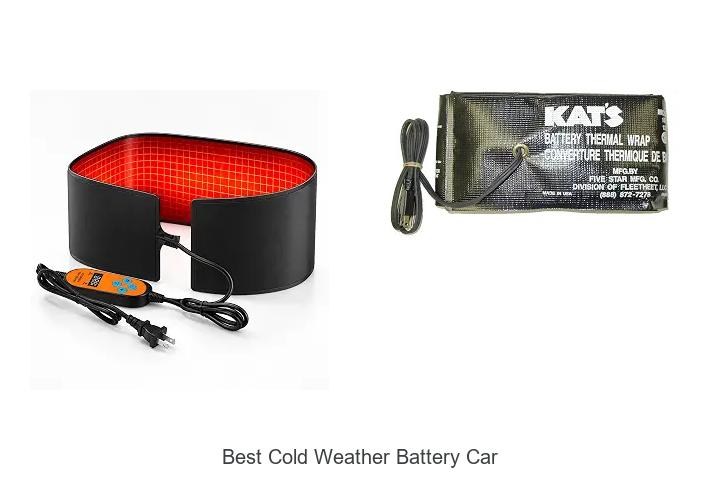
Pick 1  | Ceenna Car Battery Heater Blanket | Check Price On Amazon |
Pick 2  | Kats 22200 Battery Thermal Wrap | Check Price On Amazon |
Pick 3  | Universal Car Battery Insulation Blanket | Check Price On Amazon |
1. Ceenna Car Battery Heater Blanket
Winter starts can be hard on a weak battery. A heated wrap can give that battery extra support before the key turns. The Ceenna Car Battery Heater Blanket is a 36-inch, plug-in warming blanket made for cold-weather battery care.
It uses 120V power and 72W heating support, so it is meant for garages, driveways, workshops, farm sheds, and similar spaces with a standard outlet. The wrap-around design helps it sit close to the battery case.
Straps help hold it in place during setup.
The blanket uses a black composite fabric with a square texture and four-sided heat-pressed sealing. That construction is made to resist tearing and hold up through winter use.
A digital controller lets you set temperatures from 59°F to 149°F, along with a 0 to 24 hour timer. The LED display shows heating status, which makes operation straightforward.
It fits cars, SUVs, light trucks, and parked winter vehicles. It also rolls up for storage, which helps between cold snaps.
It suits drivers who want easier cold starts and steady battery warmth.
Pros
- Digital controller offers adjustable heat and timer settings
- Wrap-around design helps keep close battery contact
- Works for cars, SUVs, light trucks, and parked vehicles
Cons
- Needs a standard outlet nearby for operation
- Battery size must be measured before ordering
- Requires manual wrapping and strap placement
Who Should Buy It?
Buyers with parked vehicles in cold climates should consider it. It suits people who keep cars, SUVs, or light trucks in garages, driveways, workshops, or farm sheds. Drivers who want pre-start battery warmth and adjustable timer control will appreciate it most.
It also fits owners who prefer a simple plug-in solution over more complex winter battery setups.
Key Specifications
| Specification | Details |
|---|---|
| Type | Car battery heater blanket |
| Dimensions | 36 inches x 5.5 inches |
| Power / Voltage | 120V, 72W |
| Battery Size Fit | Measure battery perimeter before ordering |
| Temperature Control | Digital controller, 59°F to 149°F, 0 to 24H timer |
| Material | Composite black fabric with square texture; PVC heating wire |
| Installation | Wrap-around design with straps |
| Weather Use | Freezing weather, winter parked vehicles |
| Vehicle Fit | Cars, SUVs, light trucks |
| Included Components | 1 set battery heater blanket |
The 36-inch by 5.5-inch size shows it is made for battery coverage, not bulk. A buyer should measure battery perimeter first, because fit matters with a wrap design. The 120V, 72W power setup means it works where a standard outlet is available. The digital controller offers a wide temperature range from 59°F to 149°F, plus a timer from 0 to 24 hours. That setup gives users control over warmth before startup.
In everyday use, the fabric and PVC wire setup aim for steady warmth and easy handling. The composite black fabric has a square texture, while heat-pressed sealing adds winter durability. Four-sided sealing also helps the blanket resist tearing during repeated use and storage. The wrap-around fit and straps support close contact with the battery case. That makes it useful for drivers who park outside or in unheated spaces and want easier cold starts.
2. Kats 22200 Battery Thermal Wrap
Cold mornings can make battery starts feel harder than they should. Kat’s 22200 Battery Thermal Wrap helps reduce that strain with a simple wrapped design.
Built with a vinyl cover, it resists oil and acid for longer service life. The 80 watt heater surrounds the battery to help hold warmth in cold weather. That extra warmth can support more reliable starts when temperatures drop.
Installation is described as fast and easy, which suits drivers who want a straightforward setup. Vehicle-specific fit and multiple size options help it match many battery setups. The included battery blanket keeps the package focused and practical.
Its light weight also makes handling easier during installation. For drivers who want basic cold-weather battery support, it offers a simple solution.
It suits daily drivers, work vehicles, and anyone facing cold start worries.
Pros
- Helps reduce strain during cold-weather starts.
- Vinyl cover resists oil and acid.
- Fast, easy installation for simple setup.
Cons
- Single-use design limits reuse flexibility.
- Vehicle-specific fit may need checking.
- No active temperature settings are listed.
Who Should Buy It?
Drivers who face frequent cold starts will appreciate this battery wrap. It suits vehicles that need extra help holding warmth overnight or during harsh mornings. The vehicle-specific fit and multiple size options make it practical for many setups.
It also works well for people who want a simple, low-fuss installation and a straightforward way to support battery performance in cold weather.
Key Specifications
| Specification | Details |
|---|---|
| Type | Battery thermal wrap |
| Dimensions | 15 x 9.5 x 8.5 inches |
| Power / Voltage | 80 watts, 125 volts |
| Battery Size Fit | Various sizes to fit most batteries |
| Material | Vinyl covered |
| Installation | Fast and easy to install |
| Weather Use | Cold-weather use |
| Vehicle Fit | Vehicle specific |
| Included Components | Battery blanket |
The thermal wrap uses 80 watts and runs at 125 volts. That setup gives it the heating power needed for battery warming. Its 36-inch length, listed in the title, helps it wrap around the battery body. The 15 x 9.5 x 8.5 inch product dimensions describe the package size, not the installed footprint. In everyday use, that means the unit is meant for targeted battery coverage rather than a large accessory. Drivers want warmth around the battery, not extra complexity.
Vinyl covering helps protect the wrap from oil and acid exposure. That matters in engine bays where fluids and grime can shorten accessory life. The product is made for cold-weather use and is vehicle specific, so fit matters during setup. Various size options help it work with many batteries, which broadens compatibility. Fast installation also helps drivers use it without much effort. People who want a simple battery warming accessory will benefit most from these practical design choices.
3. Universal Car Battery Insulation Blanket
Cold snaps can punish a car battery fast, and this insulation blanket offers a simple shield. Its fireproof felt and aluminum foil construction focus on heat protection, vibration resistance, and easy fitting. The EcoBrisa blanket measures 40 inches long and 7 inches wide, with 5 millimeters of thickness.
That size suits standard batteries, while the trim-to-fit design helps with non-standard shapes. The included aluminum foil tape makes edge sealing quick and tidy during setup. The material is rated to handle extreme heat up to 2,000°F.
It also resists battery acid damage, which helps in leak situations. EcoBrisa says the blanket is 30% thicker than comparable materials. That added thickness should help with insulation value and vibration protection.
Installation stays straightforward, since the wrap-and-tape process takes only a few minutes. It fits drivers who want extra battery protection through cold weather and hot weather alike.
Pros
- Thick 5mm material improves insulation value.
- Trim-to-fit size works for many batteries.
- Includes foil tape for quick edge sealing.
Cons
- Covers only one battery per package.
- May need trimming for non-standard batteries.
- Designed for batteries, not full engine bays.
Who Should Buy It?
Buy this if you want simple battery insulation for cold weather. It suits drivers with standard batteries, or anyone trimming a cover for unusual sizes. The fireproof felt and aluminum foil construction also appeal to people wanting extra acid resistance and vibration protection.
It fits trucks and other vehicles where battery exposure is a concern.
Key Specifications
| Specification | Details |
|---|---|
| Type | Battery insulation kit |
| Dimensions | 40 inches long x 7 inches wide |
| Battery Size Fit | Universal fit for standard batteries; can be trimmed for non-standard sizes |
| Temperature Control | Protects against extreme cold and hot temperatures; heat resistance up to 2,000°F |
| Material | Fireproof felt and aluminum foil |
| Installation | Wrap around battery and secure overlapping edges with included aluminum foil tape |
| Weather Use | Cold weather battery protection and hot weather protection |
| Vehicle Fit | Universal fit for cars and trucks with standard battery setups |
| Included Components | Automotive battery blanket, 39-inch aluminum foil tape |
The blanket measures 40 inches by 7 inches, with 5 millimeters of thickness. That size matches many standard batteries, while the universal cut helps with unusual shapes. The fireproof felt and aluminum foil materials add heat shielding and insulation. In daily use, that means the battery gets wrapped, trimmed, and taped in place. The included 39-inch aluminum foil tape helps seal edges neatly during installation.
These specifications matter most when cold weather stresses battery performance. The thicker material should help hold heat around the battery and reduce exposure to vibration. The heat resistance rating up to 2,000°F speaks to material toughness, not battery output. Drivers with standard cars or trucks get the easiest fit. People with odd-shaped batteries benefit from the trim-to-fit design, since it keeps setup flexible without extra parts.
4. Odyssey Battery Extreme Series AGM 12V Battery

Cold mornings can expose weak batteries fast, and this Odyssey model targets that problem well. Its compact size and 170 cold cranking amps suit small passenger cars that need dependable starting power.
Built as an AGM lead acid battery, it aims for steady voltage and long service life. Odyssey says it offers 70% longer cycle life than conventional deep cycle batteries, which helps with repeated use over time.
The battery measures 7.2 inches long, 6.6 inches high, and 3 inches wide. That small footprint makes it a practical fit for tighter battery bays.
Threaded top terminals can also help create a secure connection during installation. At 14.3 pounds, it stays relatively manageable for a lead acid unit. The 12-volt design matches standard passenger car setups, while the six-cell construction supports familiar automotive use.
It suits drivers who want compact fit, steady output, and a battery built for colder conditions.
Build quality appears focused on durability and stable output rather than extra size. The low resistance rating of 0.3 milliohms points to efficient power delivery under load.
That can matter when temperatures drop and starting demands rise. With AGM construction and lead acid chemistry, it fits drivers who want a familiar format with stronger cycle life claims. It is a practical choice for small cars, daily driving, and anyone needing a smaller battery with serious starting support.
Pros
- Compact size fits tighter battery spaces
- 170 cold cranking amps support cold starts
- AGM design offers longer cycle life
Cons
- 170 cold cranking amps may suit smaller vehicles only
- Small size limits use in larger vehicles
- Lead acid battery needs proper handling
Who Should Buy It?
Buyers with small passenger cars should consider this battery first. It suits drivers who want a compact AGM unit with steady 12-volt power and threaded top terminals. People facing colder weather may value the 170 cold cranking amps and Odyssey’s longer cycle life claim.
It fits someone who wants a smaller battery with dependable starting support and familiar lead acid construction.
Key Specifications
| Specification | Details |
|---|---|
| Type | AGM lead acid battery |
| Dimensions | 7.2 in L x 6.6 in H x 3 in W |
| Power / Voltage | 12 volts; 170 cold cranking amps |
| Battery Size Fit | Small |
| Material | Lead acid |
| Installation | Threaded top terminals |
| Weather Use | Cold weather starting support |
| Vehicle Fit | Passenger car |
| Included Components | Battery |
The battery uses AGM lead acid construction and runs at 12 volts. It also provides 170 cold cranking amps for starting power. In daily use, that means a small passenger car gets a compact power source with standard voltage and strong startup output. The 7.2 by 6.6 by 3 inch size helps it fit tighter spaces. Threaded top terminals support a secure connection during installation, which suits drivers who want a familiar setup.
Odyssey lists 70% longer cycle life than conventional deep cycle batteries. That points to better endurance during repeated charging and use. The low 0.3 milliohm resistance supports efficient power transfer, which helps when starting loads are high. At 14.3 pounds, it remains manageable for its class. Drivers with small passenger cars benefit most, especially where cold starts and compact battery fit matter together. The included component is the battery itself.
5. Goodyear 48-H6-AGM Automotive Battery

Cold mornings demand strong starting power, and Goodyear built this battery for that job. Its 760 CCA rating gives passenger cars steady ignition support in harsh weather.
The 70Ah capacity and 120-minute reserve capacity add useful staying power for daily driving. AGM construction helps resist shocks and vibrations during rough road use. It also supports mounting in multiple positions, except upside down, which helps with tight installation spaces.
The maintenance-free design keeps upkeep simple for busy drivers. Sized as Group 48, it fits many passenger cars with a universal fit.
The positive terminal sits on the right, and installation includes screws. For drivers wanting strong output, this battery suits cold starts and demanding commutes.
Pros
- High 760 CCA starting power
- AGM build resists shocks and vibrations
- Multiple mounting positions improve installation flexibility
Cons
- Wire harness and mounting accessories sold separately
- Heavier than many smaller batteries
- Not usable upside down
Who Should Buy It?
Drivers who want strong starting power in cold weather should consider this battery. It suits passenger cars needing a Group 48 fit, 12V output, and higher reserve capacity. People facing frequent starts, rough roads, or variable climates may like the AGM construction and flexible mounting positions.
It also fits buyers who want a maintenance-free battery with straightforward installation using the included screws.
Key Specifications
| Specification | Details |
|---|---|
| Type | AGM maintenance-free automotive battery |
| Dimensions | 10.75″D x 6.87″W x 7.5″H |
| Power / Voltage | 12V, 70Ah, 760 CCA |
| Battery Size Fit | BCI Group Size 48 |
| Temperature Control | Wide temperature range |
| Material | Lead acid |
| Installation | Multiple mounting positions except upside down; screws included |
| Weather Use | Reliable starts in freezing winter and scorching summer |
| Vehicle Fit | Passenger car; universal fit |
| Included Components | Battery, screws |
The 12-volt system, 70Ah capacity, and 760 CCA define strong everyday starting power. CCA matters most during cold mornings, when engines need extra current to fire quickly. The 120-minute reserve capacity adds support when accessories draw power for longer periods. Group Size 48 helps shoppers match the battery to compatible passenger cars. The positive terminal on the right and negative on the left also simplify placement during replacement jobs.
AGM lead acid construction helps the battery handle vibration and shocks during normal driving. The spill-proof design supports flexible mounting in more than one position, except upside down. That helps when vehicle layouts leave limited room for a standard upright battery. A wide temperature range and high discharge rate support steady output in hot or cold weather. Drivers who face winter starts, rough pavement, or frequent commuting should benefit most from these specifications.
6. ACDelco Gold 24FAGM Battery

Cold starts demand dependable power, and a vehicle-specific fit helps keep installation straightforward. The ACDelco Gold 24FAGM aims to match General Motors specifications while serving many other makes and models. Its AGM design and 12-volt output suit drivers who want steady starting power in demanding weather.
The battery weighs 46.5 pounds, which reflects a substantial build for an automotive replacement unit.
Model 24FAGM uses a BCI Group 24F fit, so compatibility matters before purchase. That vehicle-specific approach can help reduce guesswork during replacement.
The included battery arrives as a single vehicle battery component, keeping the package simple. ACDelco positions it as a premium aftermarket replacement part, and that suits drivers replacing an aging battery with the same fit pattern. It works well for owners who value exact fitment and familiar specifications.
Build quality appears centered on fit, form, and function for GM vehicles. The AGM construction supports steady use in varying weather conditions.
That can appeal to drivers who want dependable everyday starting power without extra setup steps. Because the battery is made for specific vehicle applications, it should feel familiar to installers and owners replacing a matching unit. It suits drivers who want a straightforward replacement with clear sizing and standard automotive battery specs.
Pros
- Vehicle-specific fit reduces compatibility guesswork
- AGM design suits demanding weather use
- Made to match GM specifications
Cons
- Compatibility still depends on the correct vehicle fit
- Heavier than some smaller batteries
- Limited package includes only one battery
Who Should Buy It?
Buyers who need a direct-fit replacement battery should consider this model. It suits drivers replacing a Group 24F unit in GM vehicles, or many other compatible makes and models. Owners who value specified fit, form, and function will appreciate the vehicle-specific design.
It also fits people wanting a simple single-battery package for everyday use in varied weather conditions.
Key Specifications
| Specification | Details |
|---|---|
| Type | Vehicle Battery |
| Dimensions | BCI Group 24F |
| Power / Voltage | 12 volts |
| Battery Size Fit | BCI Group 24F |
| Material | AGM |
| Installation | Vehicle Specific Fit |
| Weather Use | Cold weather use |
| Vehicle Fit | General Motors vehicles and most makes and models |
| Included Components | Vehicle Battery |
The 12-volt rating matches standard automotive electrical systems. The BCI Group 24F size tells buyers which battery tray and hold-down setup it fits. AGM construction means the battery uses absorbed glass mat technology, which is common in modern replacement batteries. In everyday use, these specs help drivers choose the right physical size and electrical match before installation. That makes replacement simpler for vehicles needing a direct-fit Group 24F battery.
Vehicle-specific fit matters because battery replacement should match the original layout closely. The listed GM compatibility and broad make coverage help owners with many vehicle types, while the included vehicle battery keeps the package straightforward. Cold-weather use depends on dependable starting power, and a 12-volt AGM battery is built for that job. Drivers who want a predictable replacement and easy setup benefit most from these specifications.
7. Car Battery Insulation Kit

Large batteries need insulation that fits without hassle. The 40 x 7 inch wrap gives wide coverage for bigger vehicle batteries.
QincLing’s battery insulation kit uses high temperature resistant silica gel cloth, pre-oxygenated flame retardant felt, and aluminum foil. That material mix helps guard against cold, heat, moisture, and corrosion.
It also aims to reduce short circuit risks with anti-conductive construction. The hook-and-loop closure makes sizing easier, without cutting or complicated setup.
It suits trucks, tractors, 4WDs, SUVs, and RV batteries. The blanket format gives practical coverage for large battery cases. Fiberglass is present, so direct skin contact should be avoided.
For drivers needing simple large-battery protection, it feels well matched to demanding weather.
Pros
- Large 40 x 7 inch coverage suits bigger batteries.
- Materials resist heat, flame, moisture, and corrosion.
- Hook-and-loop design makes installation quick.
Cons
- Fiberglass content requires careful handling.
- Only one blanket is included.
- May need adjustment for smaller batteries.
Who Should Buy It?
Buyers with large vehicle batteries should consider this wrap. It fits trucks, tractors, 4WDs, SUVs, and RVs well. Drivers wanting basic thermal insulation and short circuit prevention will like the material mix.
It also suits anyone needing easier installation without cutting. People who want extra coverage for extreme cold or hot weather may find it practical.
Key Specifications
| Specification | Details |
|---|---|
| Type | Car battery insulation blanket |
| Dimensions | 40″ L x 7″ W |
| Battery Size Fit | Most large vehicle battery types |
| Temperature Control | Thermal insulation for cold and hot weather |
| Material | High temperature resistant silica gel cloth, pre-oxygenated flame retardant felt, aluminum foil |
| Installation | Self-adhesive backing with hook-and-loop closure |
| Weather Use | Extreme cold and hot temperatures |
| Vehicle Fit | Truck, tractor, 4WD, SUV, RV |
| Included Components | 1PC universal car battery insulation blanket |
The 40-inch length and 7-inch width give broad battery coverage. That size suits larger battery housings found in trucks and similar vehicles. The blanket format wraps around the battery instead of using hard parts. Its stated use for thermal insulation and short circuit prevention points to practical everyday protection. The materials include silica gel cloth, flame retardant felt, and aluminum foil. Those layers are meant to block temperature swings and protect the battery case.
The self-adhesive backing and hook-and-loop closure simplify setup around different battery shapes. Users can adjust the wrap without cutting, which helps with faster installation. The weather use spans both cold and hot conditions, so it works year-round. The fiberglass warning means careful handling matters during fitting. Drivers with larger battery compartments should benefit most from the added coverage. Vehicle owners wanting simple thermal protection and easier installation will likely find it useful.
8. Car Battery Insulation Blanket

Cold mornings can be hard on a vehicle battery, and this insulation blanket offers a simple barrier. It wraps around standard batteries to help guard against winter cold and engine heat. The blanket uses 3mm polyacrylonitrile fiber with fire-withstand and insulating properties.
It can handle direct heat up to 1800 degrees Fahrenheit. It also tolerates intermittent heat up to 2500 degrees Fahrenheit. That makes it a practical pick for drivers wanting basic battery protection without complex hardware.
The 40 x 7 inch size gives broad coverage for many standard batteries. Its flexible build helps it fit snugly, while trim-friendly material supports quick customization.
The included edge sealing tape helps keep the installation tidy after trimming. The design also resists wear and engine vibration, which can help reduce battery stress over time. It suits drivers who want budget insulation, simple setup, and protection against cold weather exposure.
The single-piece kit is straightforward for do-it-yourself owners who prefer a basic thermal wrap.
Pros
- Simple insulation for cold-weather battery protection
- Trim-to-fit design suits many standard batteries
- Heat-resistant material handles high engine temperatures
Cons
- Requires removing the battery for installation
- Single-piece kit may need trimming for some batteries
- No sizing options beyond the included sheet
Who Should Buy It?
Drivers who want basic winter battery insulation should consider it. It suits standard batteries and owners comfortable with trimming and installation. The wrap works well for people who want simple protection from cold weather, engine heat, and vibration.
It also fits buyers seeking a practical, low-fuss option for battery care without extra parts or complex setup.
Key Specifications
| Specification | Details |
|---|---|
| Type | Car battery insulation blanket |
| Dimensions | 40 x 7 inches |
| Battery Size Fit | Standard batteries; trim-to-fit |
| Temperature Control | Heat-withstand to 1800°F; intermittent heat to 2500°F |
| Material | Polyacrylonitrile fiber |
| Installation | Disconnect battery, remove it, trim, and seal edges |
| Weather Use | Winter cold-weather battery protection |
| Vehicle Fit | Automotive batteries |
| Included Components | Battery insulation kit, 40″ x 7″, 1 piece |
The blanket measures 40 inches long and 7 inches wide. That size gives enough coverage for many standard automotive batteries. Its 3mm thickness adds a protective layer without complicated parts. The polyacrylonitrile fiber material is built for insulation and wear resistance. It also tolerates direct heat and intermittent heat well. In everyday use, that means the wrap can sit around a battery and help shield it from temperature swings and vibration during normal driving.
Its trim-to-fit design matters during installation and long-term use. Drivers can cut it to match different battery shapes, then seal the edges with the included tape. That makes the kit useful for standard batteries that need a more tailored fit. The fire-withstand material also helps protect nearby engine components from heat exposure. People who want simple cold-weather battery protection will likely appreciate the straightforward setup and the single-piece format.
9. Car Battery Thermal Heater Blanket

Cold mornings can make battery starting sluggish, especially in extreme freeze conditions. A plug-in blanket like this one adds steady warmth to help keep a battery ready. The QincLing 39×7 inch battery warmer is made for large car batteries and RV use, with a 120V, 72W plug-in design.
Its outer PVC fabric and inner oxford fabric give it a durable, insulated feel. The built-in heating wire spreads warmth across the surface, reaching 30°C to 55°C. That range helps prevent battery fluids from freezing and supports faster winter starts.
Installation is simple, since the wrap uses a self-adhesive backing and hook-and-loop closure. You adjust it around the battery, plug it in, and let it warm for three to five hours. The lack of a thermostat means you must unplug it after heating, which keeps use straightforward but hands-on.
The size suits larger battery setups, especially RVs and trucks in very cold regions. For drivers who want a plug-in warmer with direct heating and easy setup, it offers practical winter protection without complicated controls.
Pros
- Heats evenly across the blanket surface
- Easy self-adhesive installation and wrap fit
- Durable insulated materials for winter use
Cons
- No thermostat included
- Must be unplugged after heating
- Sized for larger batteries only
Who Should Buy It?
Drivers with large batteries in very cold climates should consider it. It suits RV owners, truck drivers, and anyone using a plug-in warmer. People who want simple setup and direct heat will like it.
Those who can manage manual unplugging after heating will get the most use from it.
Key Specifications
| Specification | Details |
|---|---|
| Type | Plug-in electric car battery thermal heater blanket |
| Dimensions | 39 x 7 inches |
| Power / Voltage | 72W, 120V |
| Battery Size Fit | Large car battery |
| Temperature Control | No thermostat |
| Material | Composite black PVC fabric, oxford fabric, multilayer insulation heating wire |
| Installation | Self-adhesive backing with hook-and-loop closure |
| Weather Use | Winter, extremely cold weather, freeze protection |
| Vehicle Fit | RV, vehicle specific fit |
| Included Components | 1PC 72W 39 x 7 in electric car battery blanket |
The 39 by 7 inch size is meant for large battery setups. It fits RV use and other vehicle-specific applications listed by the maker. The 120V, 72W plug-in format means it needs outlet power for heating. The blanket uses PVC fabric outside and oxford fabric inside, plus insulated heating wire. In real use, that mix helps hold warmth around the battery while resisting wear from repeated winter handling and installation.
These specifications point to a warmer built for cold weather startup help. The 30°C to 55°C surface range provides direct heat without needing advanced controls. Since there is no thermostat, users need to monitor plug time and unplug after three to five hours. That setup suits drivers who want simple winter protection and do not mind manual operation. The self-adhesive wrap and hook-and-loop closure also help make fitting quicker around larger batteries.
10. 2PC Car Battery Heater Blanket

Cold mornings can drain a battery fast, and this two-pack blanket offers simple extra protection. It wraps around standard batteries to help keep warmth steady overnight.
The 2PC 30″ x 6″ Car Battery Heater Blanket uses 600D Oxford fabric, an industrial rubber layer, and a heat-retaining cotton core. A built-in heating wire layer spreads warmth across the wrap, while the aluminum-foil layer helps lock heat inside. Operating surface temperature ranges from 30°C to 55°C, giving steady moderate warmth without overheating.
Heavy-duty hook-and-loop fasteners make installation quick, and the foldable design stores easily in a trunk or garage. The flame-resistant build and anti-conductive construction add confidence for winter use.
Its two-pack format suits drivers who want coverage for more than one vehicle or battery. It fits most standard vehicle batteries, including cars, trucks, SUVs, tractors, and other outdoor equipment.
Measure your battery before ordering, since finished size is 30″ x 5.5″.
Pros
- Two blankets cover more than one battery
- Even heat distribution helps steady winter starts
- Heavy-duty fastening makes installation quick
Cons
- Needs manual wrapping around each battery
- Size may not suit larger batteries
- No active temperature adjustment controls
Who Should Buy It?
Drivers with multiple vehicles or batteries should consider this two-pack. It suits car owners who park outside during winter and want steady battery warmth. Trucks, SUVs, tractors, and other outdoor equipment can also benefit.
People who want simple installation and foldable storage will like the design. Measure battery size first, since fit depends on dimensions.
Key Specifications
| Specification | Details |
|---|---|
| Type | Car battery heater blanket |
| Dimensions | 30″ x 6″ |
| Battery Size Fit | Most standard vehicle batteries |
| Temperature Control | Operating surface temperature: 30°C to 55°C |
| Material | 600D Oxford fabric, industrial rubber, aluminum foil, cotton |
| Installation | Heavy-duty hook-and-loop fasteners |
| Weather Use | Winter, cold weather |
| Vehicle Fit | Cars, trucks, SUVs, tractors, outdoor equipment |
| Included Components | 2 battery insulation blankets |
The listed dimensions of 30 by 6 inches matter for battery coverage. That size works for many standard vehicle batteries. The finished size is 30 by 5.5 inches, so measuring first helps avoid fit issues. The two-pack format means both blankets arrive together. The materials also matter in daily use. Oxford cloth adds outer protection, while the rubber layer helps with insulation. Cotton and aluminum foil help hold warmth around the battery.
The operating surface temperature range of 30°C to 55°C gives moderate warmth. That helps keep batteries active during cold mornings without excessive heat. The hook-and-loop fasteners make setup fast and remove the need for tools. Flame-resistant and anti-conductive construction add practical safety for winter storage. The blanket fits cars, trucks, SUVs, tractors, and other outdoor equipment. People who keep vehicles outside or manage more than one battery will benefit most from the two-pack coverage.
Best Cold Weather Battery Car Buying Guide: Top Picks for Reliable Winter Performance
Coldweather battery performance
Cold weather can reduce battery efficiency quickly, so it pays to examine battery type and cold-temperature tolerance before committing to a vehicle. In freezing conditions, range often drops because chemical activity inside the pack slows down, which means a model that performs well in mild weather may deliver noticeably fewer miles in winter. Features such as preconditioning and advanced thermal management help the battery reach an ideal operating temperature before driving, protecting performance and reducing the impact of harsh conditions.
Features such as preconditioning and advanced thermal management help the battery reach an ideal operating temperature before driving, protecting performance and reducing the impact of harsh conditions. These systems are especially valuable for drivers who face frequent subzero mornings, long commutes, or regular stop-and-go traffic in the cold. A well-designed battery package with effective temperature control can make winter driving more dependable, while a weaker setup may leave you with less usable range and slower charging.
Range and realworld winter driving
Estimated winter range often drops below the EPA figure because cold air, dense battery chemistry, and frequent climate control use all reduce efficiency, so it is important to compare real-world winter mileage rather than rely on the sticker number alone. A vehicle that performs well in mild weather may lose a noticeable share of distance once temperatures fall, especially if the cabin heater runs often to keep the interior comfortable and the battery warm. This matters even more for drivers who make short trips, since repeated cold starts and limited driving time can prevent the battery from warming up enough to recover efficiency, while longer trips may allow the system to stabilize and deliver more predictable range.
- Winter range vs. EPA range: Expect the practical figure in freezing weather to be lower than the official estimate.
- Heater impact: Cabin heat and defrost settings can draw significant energy and shorten mileage.
- Short trips vs. long trips: Frequent short drives are tougher on range, while longer routes usually provide better overall efficiency.
Charging in low temperatures
Charging in low temperatures often slows down because cold batteries accept power less efficiently, which can mean longer wait times and less predictable charging sessions. Access to reliable home charging and the right outlet setup makes a big difference, since a dedicated circuit or compatible charger can help you recover range more conveniently during winter use.
It is also wise to account for battery warmup time before fast charging, because many vehicles need to bring the pack to an optimal temperature before they can charge at full speed, and that delay can affect daily planning in very cold conditions.
- Charging speed in cold weather: Cold cells may charge more slowly, so overall convenience can change with temperature.
- Home charging and outlet options: A suitable garage setup, wall charger, or dependable outlet can make winter charging far easier.
- Battery warmup before fast charging: Preheating time can add extra minutes, especially during freezing weather.
Traction, safety, and road handling
All-wheel drive can provide a major advantage in winter driving because it helps distribute power more evenly across slippery surfaces, while front-wheel drive often offers simpler handling and can still perform well with the right tires. Snow and ice demand more than raw power, so tire grip becomes a critical factor; winter-rated tires usually deliver shorter stopping distances and better traction than all-season options. Stability and driver-assist features also matter because systems such as traction control, electronic stability control, hill-start assist, and lane-keeping support can help the vehicle stay composed during sudden changes in road conditions.
A well-rounded winter vehicle should balance drivetrain capability, dependable tire performance, and smart safety technology to reduce risk and make cold-weather travel more predictable.
- All-wheel drive: Better traction and confidence on snow-covered or icy roads.
- Front-wheel drive: Often more affordable and efficient, with acceptable winter performance when paired with quality tires.
- Tire grip: Winter tires improve braking, cornering, and acceleration in low-temperature conditions.
- Driver-assist systems: Stability control and traction management help maintain control in harsh weather.
Cabin comfort and winter convenience
Heated seats and a heated steering wheel can make a major difference in subfreezing conditions because they warm the driver quickly without overworking the battery the way nonstop cabin heating can. Remote start and defrost functions add another layer of winter convenience by letting the cabin begin warming up before the drive, while clearing ice and fog from the glass improves visibility and shortens the time spent in the cold. Strong interior insulation and efficient climate control also matter, since they help retain heat, reduce energy waste, and keep the temperature stable for longer trips.
Together, these features create a more comfortable winter driving experience and help preserve driving range during harsh weather.
Ownership factors before buying
Battery warranty and long-term durability matter because extreme cold can reduce range, slow charging, and put extra strain on battery systems over time. A strong warranty helps protect against premature degradation, while a well-designed thermal management system can improve reliability through harsh winters. It is also wise to examine maintenance needs in winter climates, since snow, road salt, frozen seals, and frequent temperature swings may increase service requirements and affect everyday convenience.
It is also wise to examine maintenance needs in winter climates, since snow, road salt, frozen seals, and frequent temperature swings may increase service requirements and affect everyday convenience. In addition, total cost of ownership and cold-weather incentives should be reviewed carefully, because winter-ready models may cost more upfront but can save money through lower fuel use, reduced maintenance, and regional rebates or tax credits. A clear comparison of these factors helps reveal the real value over years of ownership rather than just the initial price.
Helpful Add-ons for Cold Starts
Cold weather can make a car battery work harder. A few simple accessories can make winter driving easier and help the battery stay ready.
A battery charger or maintainer is a smart add-on for cars that sit for days at a time. It helps keep the battery charged without overloading it. This can be useful in very cold months, when short trips may not give the battery enough time to recover.
Heated battery blankets or insulated battery wraps can also help. They keep the battery warmer before startup, which may improve performance in freezing temperatures. These are more common in very cold regions and on vehicles that stay outside overnight.
A quality jump starter is another handy item. It gives you a backup power source if the battery struggles on a cold morning. Many modern units are small enough to keep in the trunk or glove box.
You may also want simple winter extras that reduce strain on the battery:
- Winter tires, which can help the car move with less stress in snow and slush
- A phone charger or power bank for emergencies
- Battery terminal protectors to help limit corrosion
- A small flashlight for dark winter starts
Match the accessory to how you use the car. A daily driver parked outdoors may need different add-ons than a vehicle stored in a garage. Also check that any charger, heater, or jump starter fits the battery type in your car.
These extras do not replace a good battery, but they can make winter ownership easier and reduce surprise no-start moments.
FAQ’s
What Is The Best Cold Weather Battery Car For Long-Range Driving In Freezing Temperatures?
The best cold-weather battery car for long-range driving in freezing temperatures is usually the **Tesla Model 3 Long Range** or **Model Y Long Range**, thanks to their efficient battery management and strong real-world winter range. Other solid options include the **Hyundai Ioniq 6** and **BMW i4**, but the best choice depends on your budget, charging access, and how severe the winter conditions are.
Which Electric Car Has The Best Battery Performance In Very Cold Weather?
The **Tesla Model 3 and Model Y** are generally among the best electric cars for battery performance in very cold weather, thanks to efficient thermal management and strong real-world range retention. Other strong contenders include the **Hyundai Ioniq 6** and **BMW i4**, but Tesla is often the top pick overall.
How Do Cold Temperatures Affect Electric Car Battery Life And Range?
Cold temperatures reduce an electric car battery’s efficiency, which can lower both its available power and driving range. They also increase energy use for heating the cabin and battery, causing the car to go farther on a single charge to drop.
What Features Make An Ev Better For Winter And Cold Weather Use?
An EV is better for winter when it has a heat pump, battery preconditioning, and strong cabin/battery thermal management to preserve range and charging speed in cold temperatures. Features like heated seats and steering wheel, all-wheel drive, and good winter tires also improve comfort and traction.
Which Cold Weather Battery Car Is Best For Reliability And Fast Charging In Winter?
The **Tesla Model Y Long Range** is often considered one of the best cold-weather EVs for **reliability and winter fast charging**, thanks to its efficient battery management and strong Supercharger network. The **Hyundai Ioniq 5** and **Kia EV6** are also excellent winter choices, with very fast charging and good cold-weather performance.
Final Verdict
For buyers who want the best cold weather battery car support, the Ceenna Car Battery Heater Blanket is the strongest all-around pick because it adds active winter help for colder starts. The Universal Car Battery Insulation Blanket is a smart choice for shoppers who want solid insulation value without spending more than needed, while the Car Battery Insulation Kit fits drivers with larger batteries who want extra protection from winter exposure.
For maximum power and a premium upgrade, the Goodyear 48-H6-AGM Automotive Battery is the best fit, especially for drivers who want stronger electrical performance along with cold-weather reliability. Choose the Ceenna for heated winter support, the Universal blanket for value, the Goodyear AGM for high power, and the insulation kit for battery protection.
Choose the Ceenna Car Battery Heater Blanket for winter support, the Universal blanket for value, the Goodyear AGM for power, or the insulation kit for large-battery protection.