10 Best Cold Weather Hunting Boots: Expert Picks Guide
Cold mornings, wet snow, and long hours in the field can make hunting hard on your feet. Poor insulation and weak grip can turn a good outing into a miserable one. Many hunters need boots that stay warm, dry, and steady in rough weather.
This review of best cold weather hunting boots focuses on models made for late-season hunts and harsh outdoor use. It is for hunters who spend time in snow, mud, or freezing rain, and for anyone who wants more comfort during long sits or long walks.
These boots can help with warmth, traction, support, and weather protection. We will look at how each pair fits, how well it handles cold conditions, and how it feels after hours of use.
You will also see which boots suit different hunting styles and budgets.
Best Cold Weather Hunting Boots Compared for Warmth and Traction
| Image | Product | Price |
|---|---|---|
Pick 1  | MUCK Mens Arctic Pro Boot | Check Price On Amazon |
Pick 2  | MUCK Mens Woody Max Boot | Check Price On Amazon |
Pick 3  | ROCKY Blizzard Stalker Boot | Check Price On Amazon |
1. MUCK Mens Arctic Pro Boot
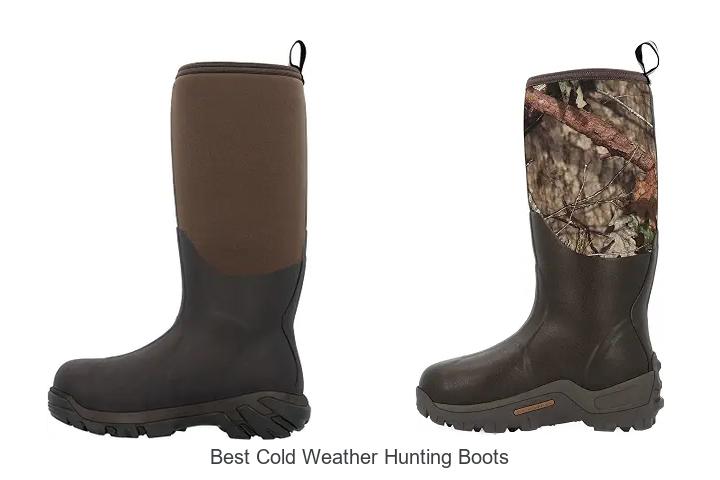
Cold mornings and soggy ground are where this boot feels most at home. Its tall 17-inch shaft helps block snow, slush, and brush during winter hunts.
The MUCK Men’s Arctic Pro Insulated Boot uses a rubber outer and fleece lining for weather protection and warmth. A round toe and pull-on design keep the shape practical and straightforward.
The mid-calf height also gives extra coverage without feeling overly bulky.
Build quality centers on simple, durable materials that suit rough outdoor use. The rubber or synthetic sole and foam insole support steady footing and basic comfort on long outings. At 2.3 pounds, the boot stays manageable for a tall insulated style.
Water-resistant construction helps in wet conditions, while the no-heel design keeps movement stable. It suits hunters who want one winter boot for varied cold-weather use, especially where snow, mud, and damp ground are common.
Pros
- Tall shaft offers strong winter coverage
- Water-resistant build helps in wet conditions
- Pull-on design makes entry straightforward
Cons
- Tall shaft may feel bulky for some users
- No-heel design offers limited lift variation
- Water-resistant, not fully waterproof
Who Should Buy It?
Hunters who want a single cold-weather boot for mixed winter conditions should consider it. The tall shaft, insulated fleece lining, and water-resistant rubber build suit snow, slush, and damp ground. It fits users who value straightforward pull-on wear and stable footing.
It also works well for anyone who prefers a mid-calf boot with simple construction and broad seasonal use.
Key Specifications
| Specification | Details |
|---|---|
| Insulation | Fleece |
| Waterproof | Water Resistant |
| Boot Shaft Height | 17 inches |
| Shoe Height Map | Mid-Calf |
| Outer Material | Rubber |
| Sole Material | Rubber or Synthetic |
| Toe Style | Round Toe |
| Closure Type | Pull-On |
| Weight | 2.3 pounds |
The 17-inch shaft reaches high on the leg for cold, wet conditions. That extra height helps keep snow and slush from entering during field use. Mid-calf coverage gives more protection than shorter boots. The round toe leaves a familiar, roomy front shape. A pull-on closure means no laces or zippers to adjust. The rubber outer material adds a weather-ready shell for rough terrain and damp ground.
These details matter most when hunting in winter weather. Fleece insulation supports warmth, while the water-resistant build helps manage moisture. The rubber or synthetic sole should handle uneven outdoor surfaces with basic grip and durability. At 2.3 pounds, the boot stays relatively manageable for its height. Hunters who want simple on-off use and steady cold-weather coverage will benefit most from this design. The no-heel form also supports a stable walking feel.
2. MUCK Mens Woody Max Boot
Serious warmth meets full-height coverage in a boot built for cold, wet ground. The MUCK Men’s Mossy Oak® Break Up Country™ Woody Max Boot aims at hunters who need insulation and waterproof protection without extra fuss. It uses a rubber outer material with a textile lining and a foam insole for added comfort.
The 18-inch shaft and mid-calf height help block slush, snow, and brush. A pull-on closure keeps entry simple, while the round toe and no-heel design support steady wear.
The rubber sole suits rough outdoor use and wet terrain. At 2.3 pounds, it stays manageable for a tall insulated boot.
The Mossy Oak pattern also fits hunting settings well. It suits fall use and anyone who values warmth over a lighter, less protective build.
Pros
- High 18-inch shaft blocks snow and mud
- Waterproof rubber build suits wet conditions
- Pull-on design speeds up dressing
Cons
- Heavy for all-day walking
- Limited breathability in milder weather
- Tall shaft may feel bulky
Who Should Buy It?
Buyers who spend time in cold, wet hunting conditions should like this boot. It suits people who want extra leg coverage, waterproof protection, and a warm interior. The pull-on design also helps when quick changes matter.
Hunters who prefer a taller boot for snow, slush, and brush will get the most use from it.
Key Specifications
| Specification | Details |
|---|---|
| Insulation | Premium warmth |
| Waterproof | Waterproof |
| Boot Shaft Height | 18 inches |
| Shoe Height Map | Mid-Calf |
| Outer Material | Rubber |
| Sole Material | Rubber |
| Toe Style | Round Toe |
| Closure Type | Pull-On |
| Weight | 2.3 pounds |
The 18-inch shaft gives strong leg coverage for wet ground. Mid-calf height helps keep snow, mud, and brush farther from the leg. Rubber on the outside supports waterproof protection in rough outdoor conditions. The round toe leaves a familiar fit shape for regular wear. A pull-on closure means fewer steps when putting them on or taking them off. The boot also weighs 2.3 pounds, which matters during long days outside.
Rubber in both the outer material and sole helps the boot handle wet terrain. That setup suits hunters who spend time in rain, slush, or marshy areas. The foam insole and textile lining add comfort inside the boot. The no-heel form keeps the stance simple and stable. A tall shaft and waterproof build benefit people who need warmth and coverage more than speed or flexibility in lighter footwear.
3. ROCKY Blizzard Stalker Boot
Cold mornings call for dependable warmth, and this boot brings heavy insulation without a premium price tag feel. It also adds waterproof construction, making it a practical pick for wet ground and snowy conditions.
The ROCKY Blizzard Stalker Boot uses a 1200G insulated build, a waterproof exterior, and a 9-inch shaft for extra coverage. Its leather and Cordura upper should handle rough use better than light casual footwear. The rubber sole adds steady traction, while the steel toe gives extra front protection.
A foam insole and fabric lining help keep the interior more wearable during long outings. The lace-up closure lets you adjust the fit for thicker socks or tighter support. At 5.6 pounds, it is not light, but that weight matches its protective build.
Hunters wanting a budget-minded boot with warmth, water resistance, and practical features will find strong value here.
Pros
- 1200G insulation helps in very cold conditions
- Waterproof build suits snow, slush, and wet brush
- Steel toe adds front-foot protection
Cons
- Heavier than lighter hiking-style boots
- Steel toe may feel bulky for some wearers
- Not ideal for users wanting minimal footwear weight
Who Should Buy It?
Buyers who want a budget hunt boot with serious insulation should look here. It suits cold, wet outings where warmth and waterproofing matter more than light weight. The steel toe also helps hunters who want extra front protection.
It fits users who prefer a lace-up mid-calf boot with a more rugged build.
Key Specifications
| Specification | Details |
|---|---|
| Insulation | 1200G |
| Waterproof | Waterproof |
| Boot Shaft Height | 9 |
| Shoe Height Map | Mid-Calf |
| Outer Material | Synthetic |
| Sole Material | Rubber |
| Toe Style | Steel Toe |
| Closure Type | Lace-Up |
| Weight | 5.6 pounds |
The 1200G insulation means the boot is built for very cold weather. Waterproof construction helps keep feet drier in snow, slush, and damp ground. A 9-inch shaft and mid-calf height add coverage above the ankle. The synthetic outer material and leather with Cordura construction point to a tough exterior. A rubber sole supports grip on rough terrain. These features suit hunters who spend time in cold, wet conditions and need warmth first.
The lace-up closure lets wearers adjust tightness around thicker socks and lower legs. The steel toe adds front protection, which can help in rough brush or heavy gear work. A foam insole and fabric lining may improve comfort during long days outdoors. At 5.6 pounds, the boot has a heavier feel that matches its protective build. People who want warmth, coverage, and durability will benefit most from these specifications.
4. Hunthor Mens Hunting Boots

Cold mornings and wet ground call for serious insulation and waterproof protection. Hunthor’s knee-high hunting boot is built for winter conditions and snowy terrain. The 1600G insulation and fleece lining aim to hold warmth during long sits and slow walks.
A waterproof rubber outer helps block slush, snow, and standing water. The pull-on design keeps entry simple, while the round toe leaves room for natural movement.
EVA midsole support and an ice-grip rubber outsole add cushioning and traction. The flat heel and knee-high shaft suit hunters who spend time in deep snow.
It feels practical for long days outdoors and straightforward for gear-heavy setups. The camo finish also fits hunting use without adding extra fuss. These boots suit hunters who want warmth, coverage, and simple winter protection.
Pros
- 1600G insulation supports cold-weather hunting
- Waterproof rubber helps block snow and slush
- Knee-high shaft adds extra winter coverage
Cons
- Pull-on style may be slower to remove
- Rubber build may feel less flexible
- Knee-high height may feel bulky
Who Should Buy It?
Hunters who spend time in snow should consider these boots. They suit cold mornings, wet brush, and long waits outdoors. The knee-high shaft and waterproof rubber help in deep snow conditions.
Warmth comes from 1600G insulation and fleece lining. They work best for people who want simple pull-on boots for winter hunting.
Key Specifications
| Specification | Details |
|---|---|
| Insulation | 1600G |
| Waterproof | Waterproof |
| Boot Shaft Height | Knee High |
| Shoe Height Map | Knee-High |
| Outer Material | Rubber |
| Sole Material | EVA Midsole & Ice-Grip Rubber Outsole |
| Toe Style | Round Toe |
| Closure Type | Pull-On |
The 1600G insulation and fleece lining are built for winter warmth. A waterproof rubber outer helps keep out snow, slush, and damp ground. The knee-high shaft adds more coverage than shorter boots. That matters when walking through deeper snow or standing still for longer periods. The round toe gives a roomier front shape for natural movement. The pull-on closure keeps the boot simple to wear and remove.
The EVA midsole and ice-grip rubber outsole support comfort and traction outdoors. EVA can soften footfall during long walks across frozen ground. The ice-grip outsole is meant to help on slick winter surfaces. Rubber construction also helps the boot handle wet conditions well. These features suit hunters who spend time in cold, snowy places. The design favors warmth and coverage over lightweight flexibility or sporty feel.
5. Irish Setter Elk Tracker 12 Hunting Boot

A tall leather hunting boot brings serious support to cold conditions. Its waterproof build and 1000g insulation target long days outdoors.
Irish Setter built the Elk Tracker 12 for hunters who want tall, structured coverage. The leather upper gives the boot a firm feel, while the rubber sole adds dependable traction underfoot.
Its mid-calf height and 12-inch shaft circumference create a wrapped fit that helps shield the lower leg. The round toe and lace-up closure keep the shape practical and familiar. Waterproof construction suits fall and winter use, especially in wet grass, snow, and muddy ground.
The combat-style boot form emphasizes support over lightweight flexibility. That makes it a strong choice for hunters who prefer a steadier, more protective boot. The 1000g insulation points to warmth for cold-weather outings, though it may feel warm in milder conditions.
Leather and rubber also suggest a boot built for repeated outdoor wear. It suits buyers who value high-end leather support, a taller profile, and dependable weather protection more than minimal weight or athletic feel.
Pros
- Tall leather construction offers strong leg support.
- 1000g insulation helps in cold weather.
- Waterproof build handles wet hunting conditions.
Cons
- Tall, structured fit may feel bulky.
- 1000g insulation can run warm.
- Leather build may require more upkeep.
Who Should Buy It?
Buyers who want a tall, supportive hunting boot should consider this pair. It suits cold-season hunters needing waterproof protection, leather construction, and a mid-calf profile. The 1000g insulation helps in fall and winter conditions.
It also fits people who prefer a lace-up boot with a traditional hunting feel and stronger structure than lightweight alternatives.
Key Specifications
| Specification | Details |
|---|---|
| Insulation | 1000g |
| Waterproof | Yes |
| Boot Shaft Height | 12 inches |
| Shoe Height Map | Mid-Calf |
| Outer Material | Leather |
| Sole Material | Rubber |
| Toe Style | Round Toe |
| Closure Type | Lace-Up |
The 1000g insulation means the boot is built for cold outings. In everyday use, that kind of lining helps trap warmth during long sits and slow walks. The waterproof design adds protection when snow, slush, or wet brush gets underfoot. A 12-inch shaft and mid-calf height give extra coverage around the lower leg. The round toe keeps the front shape simple and practical for hunting use.
Leather outer material gives the boot a firm, supportive feel. Rubber on the sole adds grip and durability for rough ground. The lace-up closure lets wearers adjust the fit around the foot and ankle. Because the boot uses a combat-style form, it favors support and coverage over light flexibility. Hunters who want steady footing, warmth, and tall protection will benefit most from these specifications.
6. TIDEWE Rubber Hunting Boots

Wet trails and freezing mornings call for simple reliability. TIDEWE Rubber Hunting Boots focus on insulation, waterproof protection, and easy pull-on wear. These calf-high boots use rubber and neoprene construction, with 800g insulation and 7mm neoprene lining.
The camouflage pattern suits hunting use, while the round toe and flat heel keep the shape practical. Rubber outsoles add traction, and the waterproof build helps block slush, mud, and puddles. Their pull-on closure makes them quick to wear, especially when conditions change fast.
Build quality centers on sturdy outdoor use rather than fancy features. The rubber and neoprene materials should handle rough ground and damp brush well.
At 2.99 kg, they are not light, but that weight matches the insulated, waterproof design. The calf-high shaft gives extra coverage for winter conditions.
They fit hunters who want budget insulation and simple function without extra setup. They also suit work use in wet, cold settings. For the money, they offer a straightforward cold-weather option with practical protection.
Pros
- 800g insulation suits cold conditions
- Waterproof rubber and neoprene construction
- Easy pull-on design
Cons
- Heavier than lighter uninsulated boots
- Limited detail beyond basic utility
- Flat heel may feel plain
Who Should Buy It?
Buyers wanting a budget insulated rubber boot will like this pair. It suits hunters needing waterproof coverage, calf-height protection, and simple pull-on convenience. The 800g insulation and 7mm neoprene lining make it a practical choice for winter use.
It also works for wet outdoor chores where warmth and mud resistance matter more than light weight or refined styling.
Key Specifications
| Specification | Details |
|---|---|
| Insulation | 800g Insulation and 7mm Neoprene |
| Waterproof | Waterproof |
| Boot Shaft Height | Calf High |
| Shoe Height Map | Calf High |
| Outer Material | Rubber and Neoprene |
| Sole Material | Rubber |
| Toe Style | Round Toe |
| Closure Type | Pull-On |
| Weight | 2.99 kg |
The 800g insulation and 7mm neoprene lining are built for cold weather wear. That combination helps trap warmth during long sits or slow walks in winter. The waterproof rubber exterior keeps moisture out during mud, slush, and wet grass. Calf-high coverage adds another layer of protection above the ankle. Together, these details point to a boot made for cold, damp conditions rather than mild weather use.
Rubber and neoprene give the boot its weather-ready structure and flexible fit. The rubber sole supports wet-ground traction, while the round toe leaves a familiar, roomy shape. Pull-on closure makes them quick to wear, which helps when mornings are rushed. The 2.99 kg weight reflects the insulated, waterproof build. Hunters and outdoor workers in cold, wet settings will benefit most from that practical setup.
7. Hunthor Hunting Boots

Cold mornings call for insulation that stays comfortable on long walks. These Hunthor boots combine 1000g insulation with a camouflage hunting look. Built for light trail hunting, they balance warmth, grip, and simple wearability.
The boot uses 900D Oxford fabric and full-grain leather for the upper. An EVA midsole and rubber outsole support steady steps on outdoor ground.
The pull-on closure keeps entry simple, while the 8-inch shaft adds coverage. The round toe leaves room for natural movement, and the water-resistant build helps in damp conditions. At four pounds, they are not ultralight, yet they still suit shorter hunts and work around farms or trails.
Hunters who want warm, practical footwear without complicated features should find them appealing.
Pros
- 1000g insulation supports cold-weather comfort.
- Water-resistant build helps in damp conditions.
- Pull-on design makes wearing quick.
Cons
- Four-pound weight may feel heavy.
- Not suited for technical terrain.
- Light trail use limits rugged performance.
Who Should Buy It?
These boots suit hunters who spend time on light trails, farms, or outdoor work. They fit buyers who want warm insulation, a camouflage look, and simple pull-on wear. The water-resistant construction also helps in wet ground or snowy conditions.
They are a practical choice for shorter outings where warmth and comfort matter more than aggressive terrain support.
Key Specifications
| Specification | Details |
|---|---|
| Insulation | 1000g |
| Waterproof | Water Resistant |
| Boot Shaft Height | 8 |
| Shoe Height Map | Low-Top |
| Outer Material | 900D Oxford Fabric and Full-grain Leather |
| Sole Material | EVA Mid-sole and Rubber Outsole |
| Toe Style | Round Toe |
| Closure Type | Pull-On |
| Weight | 4 pounds |
The 1000g insulation gives these boots a strong warmth focus for cold outings. An 8-inch shaft adds more coverage around the lower leg, while the low-top height map keeps the fit less bulky than taller options. The round toe leaves space across the front of the boot. Together, these details suit hunters who want warmth, coverage, and easy movement during light trail walks or farm chores.
The upper combines 900D Oxford fabric with full-grain leather for added durability. The EVA midsole and rubber outsole support cushioning and traction on outdoor surfaces. Water-resistant construction helps during damp mornings or light snow. The pull-on closure makes them quicker to wear, though the four-pound weight may feel substantial. These features work well for hunters who want warm, simple boots for shorter, lower-intensity trips.
8. Hunthor Hunting Boots for Men

Cold, wet ground calls for boots that stay dependable and comfortable. These Hunthor hunting boots blend camouflage, insulation, and waterproof protection for varied outdoor work.
Built with camouflage rubber and neoprene, they suit deer hunting, farm tasks, fishing, upland bird hunting, and waterfowl use. The 16-inch mid-calf shaft helps cover more of the lower leg.
A pull-on design keeps entry simple, while the round toe leaves a familiar fit. Inside, the EVA mid-sole and memory foam insole add cushioning for longer wear. The rubber outsole supports traction, and the waterproof build helps in muddy or wet conditions.
They also carry a lightweight, all-season outdoor focus that suits changing weather. For hunters who want one pair for multiple outings, these boots offer practical versatility without extra fuss.
Pros
- Waterproof build helps in wet hunting conditions
- Camo design suits many outdoor activities
- Memory foam adds comfort underfoot
Cons
- Pull-on style may take more effort
- Mid-calf height may feel bulky
- Not made for warm-weather breathability
Who Should Buy It?
Buyers who want one camo boot for hunting and outdoor chores should consider these. They suit deer hunting, waterfowl, fishing, farm work, and upland bird hunting. The waterproof rubber and neoprene build helps in mud, rain, and damp ground.
The pull-on style also suits anyone who wants quick wear without laces or extra hardware.
Key Specifications
| Specification | Details |
|---|---|
| Boot Shaft Height | 16 |
| Shoe Height Map | Mid-Calf |
| Outer Material | Camouflage Rubber & Neoprene |
| Sole Material | EVA Mid-sole and Rubber Outsole |
| Toe Style | Round Toe |
| Closure Type | Pull-On |
The 16-inch shaft and mid-calf height give more coverage than lower boots. That added height helps keep lower legs protected in wet grass, mud, and shallow water. Camouflage rubber and neoprene form the outer shell, which supports waterproof use in outdoor settings. The round toe gives a standard shape that should feel familiar to many wearers. A pull-on closure keeps the design simple, so getting them on and off stays straightforward before and after a hunt.
The EVA mid-sole and rubber outsole balance cushioning with outdoor grip. Memory foam in the insole can help reduce pressure during longer wear, which matters on farm jobs or long sits outdoors. The waterproof construction suits muddy trails, fishing spots, and damp fields. Because these boots are mid-calf and insulated with 6mm neoprene, they fit users who want protection and warmth together. That mix works well for hunting, ranch work, and mixed-season outdoor use.
9. LaCrosse Alpha Lite II Hunting Boots

Wet ground and muddy trails call for boots that stay dry and steady. The LaCrosse Alpha Lite II Hunting Boots are built for those conditions. These mid-calf rubber hunting boots use a waterproof build, with a leather outer material and a camouflage Mossy Oak Country Roots finish.
The buckle closure helps secure the fit, while the plain toe keeps the design simple and practical.
The Alpha Lite II suits hunters moving through water, mud, and rough outdoor cover. Its Alpha Lite sole supports traction in changing terrain, and the polyester lining adds inner comfort. At 5.5 pounds, the boot has a substantial feel that may suit steady, all-day wear.
The heeled boot form and mid-calf height add coverage for lower-leg protection. This pair fits hunters who want waterproof protection and a straightforward build for messy conditions.
Pros
- Waterproof build suits muddy, wet hunts
- Mid-calf height adds lower-leg coverage
- Buckle closure offers a secure fit
Cons
- Five and a half pounds feels heavy
- Plain toe lacks extra toe protection
- May feel warm during mild weather
Who Should Buy It?
Buy this if your hunting takes you through mud and shallow water. The waterproof rubber design, mid-calf height, and secure buckle closure suit messy outdoor conditions. It also fits hunters who want a simple boot with camouflage styling and a leather outer material.
Hunters needing lighter footwear may prefer another option.
Key Specifications
| Specification | Details |
|---|---|
| Insulation | Not listed |
| Waterproof | Yes |
| Boot Shaft Height | Mid-calf |
| Shoe Height Map | Mid-calf |
| Outer Material | Leather |
| Sole Material | Alpha Lite |
| Toe Style | Plain Toe |
| Closure Type | Buckle |
| Weight | 5.5 pounds |
The waterproof build helps keep feet dry in wet ground and standing water. A mid-calf shaft gives more coverage than low boots, which helps in muddy brush and shallow crossings. The leather outer material adds structure, while the polyester lining gives the inside a smoother feel. The plain toe keeps the front uncomplicated. These details suit hunters who want practical protection without extra decoration.
The Alpha Lite sole supports walking through soft mud and uneven outdoor terrain. A buckle closure can help keep the boot secure during long movement. The heeled boot form may help maintain footing on varied ground. At 5.5 pounds, the boots have more heft than lighter footwear, which may feel stable to some users. Hunters spending time in wet, messy areas will benefit most from this build.
10. Warm Thermal Wool Socks

Cold mornings call for a reliable layer, and these merino wool boot socks fit that role well. They focus on warmth, moisture control, and a cozy feel inside winter footwear.
Made with a wool blend that includes merino wool, acrylic, nylon, and spandex, they suit hiking and everyday cold-weather wear. The crew height gives more coverage around the lower leg, while the ankle-length rise keeps the fit flexible.
The three-pair pack offers simple rotation for regular use. Medium stretch and a regular fit help them sit comfortably in boots without feeling stiff.
The pull-on design keeps them easy to wear, and the positive fit-to-size sentiment points to a dependable fit. Care is straightforward, since they can be machine washed cold and air dried.
For hunters who want a warm sock layer before choosing heavier insulation, these are practical and easy to live with.
Pros
- Merino wool blend helps manage warmth and moisture
- Crew height adds coverage inside taller boots
- Three pairs give useful everyday rotation
Cons
- No waterproofing for wet conditions
- Not a dedicated boot with tread or support
- Lightweight sock layer only, not full insulation
Who Should Buy It?
Hunters who need a warm sock layer for cold outings should consider these. They suit users wanting moisture-wicking comfort inside boots, especially during hiking or long days outside. The merino wool blend, medium stretch, and regular fit make them a sensible pick for adults who want simple, low-fuss warmth without bulky footwear.
Key Specifications
| Specification | Details |
|---|---|
| Shoe Height Map | Crew |
| Outer Material | Merino Wool, Acrylic, Nylon, Spandex |
| Closure Type | Pull On |
| Weight | Not provided |
| Waterproof | No |
| Boot Shaft Height | Not provided |
| Toe Style | Not provided |
| Insulation | Thermal wool blend |
| Price | Not provided |
| Rating | Not provided |
| Sole Material | Not provided |
The crew height gives extra coverage above the shoe line, which helps with colder air around the ankle and lower calf. The merino wool, acrylic, nylon, and spandex blend combines warmth, stretch, and structure in one sock. That mix also supports moisture wicking and breathability, which matters during active wear. The pull-on design keeps use simple, while the regular fit makes them suitable for many adults wearing hiking or winter boots.
In daily use, these details point to comfort during long hours in cold footwear. The thermal wool blend helps retain warmth, while moisture-wicking fibers help reduce dampness from sweat. Medium stretch can improve fit consistency and help the socks stay comfortable during movement. The three-pair count also supports rotation between wears. Hunters, hikers, and other outdoor users who need a dependable cold-weather sock layer may benefit most from this setup.
Best Cold Weather Hunting Boots: The Ultimate Buyer’s Guide for Warmth, Grip, and All-Day Comfort
Insulation and temperature rating
Insulation thickness directly affects how well your feet retain heat during long hours in freezing conditions, so it should match both the material used and the level of protection your hunt demands. Expected hunting temperatures matter just as much, because light insulation may be enough for active stalking in mild cold, while harsher late-season weather calls for heavier coverage to prevent numbness and discomfort.
A well-balanced boot also needs to manage breathability versus warmth, since too much insulation can trap sweat and lead to chilled feet later, while too little can leave you exposed to the cold.
| Factor | Why it matters | What to check |
|---|---|---|
| Insulation type and thickness | Determines how much heat is retained | Material quality, insulation weight, and coverage |
| Expected hunting temperatures | Helps match the boot to real field conditions | Season, weather extremes, and time spent stationary |
| Breathability vs. warmth balance | Prevents sweat buildup and later heat loss | Ventilation, moisture control, and activity level |
Taking these details into account makes it easier to get boots that keep feet comfortable, dry, and warm without creating overheating or moisture problems in the field.
Material and durability
Material and durability matter because cold, wet conditions punish footwear fast, and the right build helps keep your feet warm, dry, and supported through long hours outdoors. Leather often offers excellent toughness and a solid break-in feel, rubber adds dependable water protection, and synthetic materials can reduce weight while still delivering useful performance in harsh weather.
Strong abrasion resistance is important for rocky terrain, brush, and repeated impact, while reliable water resistance helps stop meltwater, slush, and rain from soaking through. It is also wise to examine stitching and reinforcement quality, since neat seams, sealed joins, and reinforced stress points usually indicate better long-term wear and fewer weak spots where failure can start.
- Leather: durable, supportive, and well-suited to rough use.
- Rubber: excellent for waterproof protection in wet or snowy ground.
- Synthetic materials: lighter in weight and often easier to move in over long distances.
- Abrasion and water resistance: key for keeping the boot intact and comfortable in severe conditions.
- Stitching and reinforcement: strong indicators of overall construction quality and lifespan.
Waterproofing and moisture control
Waterproof membranes play a major role in keeping feet warm and comfortable in frozen, wet terrain because once moisture gets inside, insulation loses much of its ability to retain heat. Sealed seams and gusseted tongues add another layer of protection by blocking slush, snow, and melting ice from seeping through weak points around the boot opening. Just as important, effective sweat and condensation management helps reduce internal dampness during long hikes or active stalks, since trapped moisture can chill feet quickly even in a well-insulated boot.
- Waterproof membranes: Help prevent external moisture from entering while still allowing some breathability.
- Sealed seams and gusseted tongues: Reduce leak points and keep debris and water out.
- Sweat and condensation management: Maintains a drier interior for better warmth and comfort over extended wear.
Fit, comfort, and support
A proper fit directly affects warmth, stability, and endurance in freezing conditions. Boots that leave room for thick socks without feeling loose help trap heat while preventing blisters, while a secure ankle hold and supportive footbed reduce fatigue during long treks over uneven ground. It is also worth checking the break-in period, since stiff materials can create pressure points that turn into painful distractions after only a few hours in the field.
- Sizing and sock compatibility: Enough interior space for insulated socks improves warmth, but excess room can cause slipping and reduce control.
- Ankle support and footbed cushioning: Strong support and soft cushioning help absorb impact, protect joints, and keep feet steady on rough terrain.
- Break-in period and pressure points: A shorter break-in time and smooth interior construction lower the chance of hot spots, rubbing, and discomfort.
Traction and sole performance
Traction and sole performance make a major difference in cold-weather hunts because icy slopes, packed snow, and muddy ground can quickly turn into safety hazards and energy drains. A deep lug pattern with the right grip type helps the boot bite into loose surfaces, while a well-designed outsole keeps footing secure during long approaches and sudden direction changes. Stability matters just as much, since dependable support on ice, snow, and mud reduces slips and helps conserve strength over uneven ground.
Stability matters just as much, since dependable support on ice, snow, and mud reduces slips and helps conserve strength over uneven ground. Boot stiffness also plays an important role on rough terrain, because a firmer platform improves balance, protects the foot from sharp debris, and adds control under a heavy pack. These features work together to improve confidence, comfort, and endurance in harsh conditions.
- Lug pattern and grip type: Improves bite on slippery and soft surfaces.
- Stability on ice, snow, and mud: Helps prevent slips and keeps movement controlled.
- Stiffness for rough terrain: Adds support, balance, and protection on uneven ground.
Weight, height, and hunting conditions
Boot height directly affects how well your feet stay protected in deep snow, wet brush, and uneven ground, so it should match the conditions you expect to face. Tall styles help keep snow and debris out, while shorter models can feel easier to move in during lighter use or milder weather.
A practical fit for your terrain and activity level makes a noticeable difference in comfort and performance.
| Factor | Why it matters | Best fit |
|---|---|---|
| Boot height | Helps block snow, mud, and debris | Deeper snow and rough, wet ground |
| Weight | Influences fatigue and mobility | Lightweight for long hikes, heavyduty for tough conditions |
| Terrain and activity level | Determines comfort, support, and control | Match the boot to steep trails, flat ground, or active stalking |
In short: a boot that fits the snow depth, your pace, and the land underfoot will feel more comfortable and perform better throughout the hunt.
Safe Use Tips for Cold-Weather Boots
Cold weather hunting boots do more than keep your feet warm. They also help you stay steady on ice, snow, mud, and frozen ground. Good use matters as much as the boot itself.
Start with the right fit. Wear the socks you plan to hunt in when you try them on. Your toes should have room to move a little, but your heel should not slip. A snug fit helps reduce blisters and keeps heat from escaping.
Break in new boots before a long hunt. Short walks and a few hours of wear can soften stiff materials and reveal hot spots. This can save you from sore feet in the field.
Check the tread before each trip. Deep lugs help on snow and wet ground, but packed mud or ice can still be slippery. Walk slower on steep slopes and use trekking poles or a steady step when needed.
Keep your feet dry whenever possible. Wet socks can make you cold fast. Carry an extra pair of socks in a dry bag, and dry the boots fully after each hunt. Remove the insoles so air can reach inside.
Use the right insulation level for the weather and your activity. Heavy insulation works well when you sit still for long periods. Lighter insulation may feel better if you hike far and generate more heat.
- Do not store boots near direct heat, which can crack leather or damage glue.
- Loosen laces before taking them off to protect the seams.
- Check for worn soles, broken eyelets, or soaked lining before the next outing.
- Use traction aids on icy days if the ground is slick.
Small habits can make cold weather boots safer and more comfortable. That means warmer feet, better footing, and fewer problems during long days outside.
FAQ’s
What Features Should I Look For In The Best Cold Weather Hunting Boots?
Look for boots with strong insulation, waterproofing, and good traction to keep your feet warm, dry, and stable in snow or icy conditions. You should also choose a pair with a comfortable fit, breathable materials, and enough ankle support for long hunts.
Are Insulated Hunting Boots Better Than Waterproof Boots For Cold Conditions?
Yes—insulated hunting boots are usually better for cold conditions because they help retain body heat. Waterproof boots keep moisture out, but insulation is what makes a boot warmer in freezing weather.
How Much Insulation Do I Need In Hunting Boots For Freezing Temperatures?
For freezing temperatures, most hunting boots need about **800–1000 grams of insulation** for moderate cold, and **1200 grams or more** for very cold conditions or if you’ll be sitting still for long periods. If you’ll be active and generating heat, **400–600 grams** may be enough.
What Are The Best Materials For Cold Weather Hunting Boots?
The best materials for cold weather hunting boots are waterproof leather or synthetic uppers with insulated linings like Thinsulate, paired with rubber or waterproof membranes for dryness. A warm, moisture-wicking liner and a durable, grippy outsole also help keep your feet comfortable and stable in cold conditions.
How Do I Choose The Right Fit For Cold Weather Hunting Boots?
Choose boots that are warm, waterproof, and insulated enough for the temperatures you’ll be hunting in, while still fitting comfortably with thick socks and allowing toe wiggle. Make sure they provide good traction, ankle support, and aren’t too tight, since restricted circulation can make your feet colder.
Final Verdict
The MUCK Mens Arctic Pro Boot is the best overall pick for hunters who want an all-around winter option with dependable cold-weather protection. It fits the widest range of conditions, making it a solid choice for most buyers seeking the best cold weather hunting boots.
For shoppers watching their budget, the ROCKY Blizzard Stalker Boot offers strong value for a lower price. The Irish Setter Elk Tracker 12 Hunting Boot is the premium choice for buyers who want high-end leather support and a more substantial feel. For hunts that involve lots of snow, the Hunthor Mens Hunting Boots are the best match thanks to their focus on deep-snow use.
Choose MUCK for the best all-around performance, ROCKY for value, Irish Setter for premium support, and Hunthor for deep snow conditions.