10 Best EV Home Charging Stations: Top Picks for Every Budget
Charging at home should be simple, fast, and reliable. Many EV owners want a setup that fits daily routines without long waits or repeated charging stops. That is why many shoppers start searching for the best ev home charging station when they want a dependable solution for everyday use.
That is why many shoppers start searching for the best ev home charging station when they want a dependable solution for everyday use. This review focuses on home chargers for drivers who need steady performance, easy setup, and sensible value. It is useful for new EV owners, busy households, and anyone replacing a slower charger.
You will also see how well the unit handles charging speed, safety, installation, and daily convenience. This introduction sets the stage for a clear review of what the product offers and where it fits best. The goal is to help you judge whether it matches your home, your car, and your charging needs.
Best EV Home Charging Stations Compared
| Image | Product | Price |
|---|---|---|
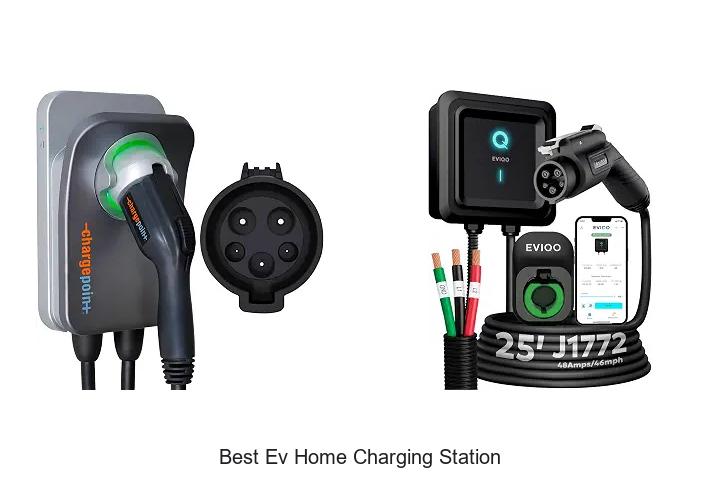
Pick 1  | ChargePoint Home Flex EV Charger | Check Price On Amazon |
Pick 2  | Level 2 EV Charger J1772 48A | Check Price On Amazon |
Pick 3  | J1772 Level 2 EV Charger | Check Price On Amazon |
1. ChargePoint Home Flex EV Charger
Reliable home charging starts with simple setup and steady performance. ChargePoint Home Flex brings smart control, flexible amperage, and broad EV compatibility.
Designed for daily use, it delivers Level 2 charging through a J1772 connector and a NEMA 14-50 plug. It supports 16, 24, 32, 40, 48, and 50 amp operation, with adjustable current settings for different circuits. The 23-foot cable gives helpful reach in garages and driveways.
UL listing and ENERGY STAR support add confidence, while the indoor and outdoor rating suits varied spaces. The ChargePoint app adds scheduling, reminders, and charging data, which makes routine use easier. It works with all EVs that use J1772, while Tesla drivers need an adapter.
For drivers wanting a dependable all-around home charger, it balances speed, smart features, and flexible installation very well.
Pros
- Adjustable amperage fits different electrical setups
- App control adds charging data and scheduling
- Indoor and outdoor rating increases placement flexibility
Cons
- Tesla owners need an adapter
- Requires a compatible 40A or 50A circuit
- J1772 connector limits direct Tesla use
Who Should Buy It?
Drivers who want a dependable, flexible home charger should consider it. It suits households with varied EV needs, because the adjustable current supports different electrical setups. The app control also helps people who like scheduling and usage tracking.
Garage owners, driveway users, and anyone wanting indoor or outdoor installation will find it especially practical.
Key Specifications
| Specification | Details |
|---|---|
| Connector Type | J1772 |
| Max Current | 50 A |
| Output Voltage | 240 volts |
| Input Voltage | 240 volts |
| Cable Length | 23 feet |
| Install Type | Indoor/Outdoor; Plug-in or hardwired |
| Compatibility | All EVs with J1772; Tesla requires adapter |
| Connectivity | WiFi app control |
| Certifications | UL, ENERGY STAR |
| Ports | 1 |
| Adjustable Current | 16/24/32/40/48/50 A |
The J1772 connector works with most non-Tesla electric vehicles. A Tesla needs an adapter for use here. The 240-volt input and output support Level 2 home charging. That means faster charging than a standard wall outlet. The 23-foot cable adds useful reach for varied parking spots. One charging port keeps the design straightforward for single-vehicle use. Adjustable current settings help match the charger to the circuit available at home.
WiFi app control lets you manage charging from a smartphone. You can set reminders, check charging data, and connect smart home devices. UL and ENERGY STAR certifications support safe and efficient operation. The indoor and outdoor design works in garages, carports, or sheltered exterior locations. The plug-in NEMA 14-50 format suits homes with that outlet, while hardwired installation is also listed. Drivers with compatible wiring get flexibility, and households wanting one reliable charger benefit most.
2. Level 2 EV Charger J1772 48A
Fast overnight charging meets broad EV compatibility in a compact wall unit. The 25-foot cable gives plenty of reach, while phone control adds useful daily convenience. Built for hardwired installation, it delivers up to 48A on a dedicated 60A, 240V circuit.
That output suits most drivers who want steady home charging without daily planning. The J1772 connector works with nearly every non-Tesla EV and plug-in hybrid sold with that port.
Tesla drivers can also charge using the adapter that comes with the car. A sealed IP66 and NEMA 4 housing supports indoor or outdoor use. UL, ETL, FCC, and Energy Star certifications add confidence.
The glow-in-the-dark holster is a small but practical touch. It suits homeowners who want strong performance, app control, and wide vehicle support.
Pros
- Works with nearly every non-Tesla EV
- Long 25-foot cable improves reach
- App control adds charging flexibility
Cons
- Requires hardwired professional installation
- Needs a compatible 2.4 GHz WiFi network
- Tesla drivers need their own adapter
Who Should Buy It?
Buyers with a non-Tesla EV or plug-in hybrid should take a close look. It suits homeowners who want strong charging speed, app control, and a hardwired setup. The 25-foot cable helps in larger garages or awkward parking spaces.
Drivers who need weather-ready hardware and certified safety features will also appreciate it. Tesla owners can use it too, but only with the car’s adapter.
Key Specifications
| Specification | Details |
|---|---|
| Connector Type | J1772 |
| Max Current | 48A |
| Output Voltage | 240V |
| Input Voltage | 240V |
| Cable Length | 25 ft |
| Install Type | Hardwired |
| Compatibility | Ford, Chevrolet, Hyundai, Kia, Nissan, BMW, Volkswagen, Audi, Rivian, Lucid, and other J1772 EVs; Tesla with adapter |
| Connectivity | 2.4 GHz WiFi, app control |
| Certifications | UL, ETL, FCC, Energy Star |
| Ports | 1 |
| Adjustable Current | 6-48A |
The J1772 connector fits most non-Tesla electric cars and plug-in hybrids. A 48A maximum current on 240V gives strong home charging speed. The 25-foot cable helps reach vehicles parked farther away in a garage or driveway. The hardwired design means an electrician installs it on a dedicated circuit. That setup supports steady daily charging for households with one primary EV or a shared parking spot.
A 2.4 GHz WiFi connection lets the charger talk to its app. Drivers can start or stop charging, set current levels, and track energy use. The sealed IP66 and NEMA 4 housing helps it handle rain, snow, heat, and dust. UL, ETL, FCC, and Energy Star certifications add peace of mind for regular use. These details make it a strong fit for owners wanting control, durability, and dependable charging.
3. J1772 Level 2 EV Charger
Reliable home charging starts with a simple plug-in setup and broad vehicle support. The J1772 Level 2 EV Charger offers that convenience with a 40A NEMA 14-50P design and a 25-foot cable. Built for North American EVs and plug-in hybrids, it delivers 9.6kW output for faster charging at home.
The standard J1772 connector works with many models from BMW, Ford, Chevrolet, Hyundai, Kia, Nissan, Rivian, Volkswagen, and others, while Tesla drivers can use an adapter. Its plug-in format avoids hardwiring, which helps simplify installation for many garages.
The charger uses a metal case and a heavy-duty rubberized handle for daily handling. ETL listing to UL-2594 and CSA-C22.2 No. 280 adds reassurance around safety standards, while IP65 waterproofing supports indoor or outdoor placement.
The built-in GFCI protection adds another safety layer, though the maker recommends a non-GFCI NEMA 14-50 outlet to reduce nuisance trips. A long cable improves parking flexibility, and the 40A design suits drivers who want faster home charging without complicated setup.
It fits well for households seeking lower-cost Level 2 charging with dependable features.
Pros
- Plug-in installation is quick and simple.
- Long 25-foot cable reaches parked vehicles easily.
- Works with many J1772-compatible EVs and hybrids.
Cons
- Tesla needs a separate adapter.
- Requires a compatible 14-50 outlet.
- GFCI outlets may cause nuisance trips.
Who Should Buy It?
Drivers who want a straightforward Level 2 home charger should consider it. It suits households with a compatible NEMA 14-50 outlet and a 50A circuit breaker. The long cable helps when parking spots vary.
It also fits owners of most J1772-compatible EVs and plug-in hybrids who want a lower-cost charging option without hardwiring.
Key Specifications
| Specification | Details |
|---|---|
| Connector Type | J1772 |
| Max Current | 40A |
| Output Voltage | 9.6kW |
| Input Voltage | NEMA 14-50 plug |
| Cable Length | 25FT |
| Install Type | Plug-in |
| Compatibility | Most North American EVs and plug-in hybrids; Tesla needs adapter |
| Certifications | ETL listed to UL-2594 standards, CSA-C22.2 No. 280, FCC, IP65 waterproof |
| Ports | 1 |
The J1772 connector works with many North American electric vehicles and plug-in hybrids. That makes daily charging simpler for households with non-Tesla models from brands like Ford, Hyundai, Kia, and Nissan. The 40A output and 9.6kW rating point to solid Level 2 charging speed at home. The 25-foot cable also helps when the outlet and parking spot are not close together, which adds convenience in real garage layouts.
A NEMA 14-50 plug means setup can be faster than hardwired units. The charger still needs a compatible EV-grade 14-50 outlet on a 50A circuit breaker. ETL and UL-2594 listing, plus CSA-C22.2 No. 280 compliance, support safer use. IP65 waterproofing helps it work indoors or outdoors. The metal case and rubberized handle should suit drivers who want durable daily use without complicated installation.
4. Calion Level 2 EV Charger

Smart home charging gets simpler with a unit built for quick Level 2 power and app-based control. Its 25-foot cable adds reach, while UL certification brings added confidence for daily use.
The Calion Level 2 EV Charger delivers 50 amps at 240 volts for non-Tesla EVs with J1772 ports. That makes it a practical fit for garages, driveways, and residential parking spots.
WiFi and Bluetooth support let you check charging status and receive notifications from your phone. The hardwired design creates a tidy wall-mounted setup, and the IP65 enclosure supports indoor or outdoor installation. It also includes overcurrent, overvoltage, undervoltage, overheating, surge, and leakage protection.
For drivers wanting a budget smart charger with straightforward operation, it offers useful features without unnecessary complexity. The single-port design suits one vehicle at a time, and the 1-year warranty adds basic support coverage.
Pros
- 50A Level 2 charging speeds up home charging
- WiFi and Bluetooth app control add convenience
- 25-foot cable helps reach varied parking spots
Cons
- Only works with J1772 non-Tesla EVs
- Hardwired installation may need professional setup
- Single-port design charges one vehicle only
Who Should Buy It?
Drivers with a J1772-equipped EV who want smart home charging should consider it. It suits households needing strong 50A charging, app monitoring, and a long cable for flexible parking. The hardwired design fits permanent garage or outdoor installations.
It also works well for buyers who want UL-certified protection and simple phone-based control without extra complexity.
Key Specifications
| Specification | Details |
|---|---|
| Connector Type | J1772 |
| Max Current | 50 A |
| Output Voltage | 240 volts |
| Input Voltage | 240 volts |
| Cable Length | 25FT |
| Install Type | Hardwired |
| Compatibility | All EVs with J1772 connector |
| Connectivity | WiFi, Bluetooth |
| Certifications | FCC, IEC, UL |
| Ports | 1 |
The 50 amp, 240 volt setup supports faster home charging than basic Level 1 units. A J1772 connector makes it compatible with many non-Tesla EVs. The 25-foot cable gives more reach for different parking layouts. WiFi and Bluetooth connectivity let you check charge progress from a phone. That mix of power and control suits drivers who want convenient daily charging without changing their parking routine or garage arrangement.
UL, FCC, and IEC certification point to tested electrical compliance. The IP65 enclosure helps the charger handle dust and water in garages or outdoor spaces. Built-in protection against overcurrent, surge, overheating, and leakage supports safer daily use. The hardwired install style creates a fixed wall-mounted setup, which many owners prefer for stability. Single-port operation works best for one EV, while the wide temperature range helps year-round charging in varied climates.
5. Level 2 EV Charger for Tesla

Tesla owners who want faster home charging will appreciate the EVDANCE Level 2 setup. Its NACS plug, 40A output, and 25-foot cable make daily charging feel more practical.
Built around a NEMA 14-50 plug, it supports 240-volt home power and delivers up to 9.6kW. That means much quicker charging than a standard Level 1 unit.
The adjustable current settings let users match charging speed to circuit limits. Available levels include 10A, 16A, 20A, 24A, 32A, and 40A. A delayed start timer adds extra control for off-peak charging sessions.
The wireless port door button is a nice convenience for Tesla drivers. Build quality appears focused on portability, with a carry bag, holders, and a compact control box.
It suits Model 3, Model Y, Model S, and Model X owners well. It also works with other NACS-compatible vehicles, which adds flexibility.
For Tesla home charging, it offers a strong mix of speed, control, and convenience.
Pros
- Charges Tesla models with NACS connector support
- Adjustable current matches different home circuits
- Long 25-foot cable adds placement flexibility
Cons
- Requires a NEMA 14-50 outlet
- Portable design may not suit permanent installs
- Non-Tesla vehicles may need an adapter
Who Should Buy It?
Buyers who own a Tesla and want faster home charging should consider it. It suits drivers who have a NEMA 14-50 outlet and want portable charging flexibility. The adjustable current and delayed timer also help users with different home circuit limits.
Tesla Model 3, Y, S, and X owners get the most direct fit.
Key Specifications
| Specification | Details |
|---|---|
| Connector Type | NACS |
| Max Current | 40 A |
| Output Voltage | 240 volts |
| Input Voltage | 240 volts |
| Cable Length | 25 FT |
| Install Type | Portable |
| Compatibility | Tesla Model 3, Tesla Model Y, Tesla Model S, Tesla Model X, NACS-compatible vehicles |
| Connectivity | NEMA 14-50 |
| Ports | 1 |
| Adjustable Current | 10A, 16A, 20A, 24A, 32A, 40A |
The NACS connector works directly with Tesla vehicles and other NACS-compatible models. A 240-volt input and output support Level 2 home charging performance. The 40-amp maximum current and 9.6kW rating point to faster charging sessions. A 25-foot cable gives extra reach when parking positions vary. The portable form factor makes it easier to move or store the unit. One charging port keeps the setup simple for everyday use.
The adjustable current settings help match charging speed to household circuit capacity. That flexibility can reduce strain on lower-capacity setups and support safer use. The NEMA 14-50 connection fits homes that already use that outlet type. Tesla owners with Model 3, Y, S, or X get direct compatibility. Drivers with NACS-compatible vehicles also benefit from the same hardware. The included carry bag and holders support tidier storage and transport.
6. Level 2 EV Charger for Tesla

Tesla owners get a smart home charger built for fast daily top-ups. The IYILO Level 2 unit combines 48-amp power with app control and connector temperature protection.
It delivers up to 46 miles of range per hour through hardwired installation. Current adjusts in one-amp steps from 6A to 48A for flexible charging.
The NACS connector includes a built-in NTC sensor for real-time heat monitoring. When temperatures rise above 221°F, the charger can reduce power or stop charging. That adds confidence during regular overnight use.
The app supports scheduled charging, TOU rates, energy tracking, and multi-user control. Power sharing and dynamic load balancing help suit homes with limited electrical capacity.
UL 2594, ETL, Energy Star, and FCC certifications support its safety profile. The package includes RFID cards, app insights, and a three-year warranty.
It suits Tesla drivers who want smart features, strong output, and straightforward home charging.
Pros
- High 48A output charges Tesla vehicles quickly
- Connector temperature protection adds extra charging safety
- App supports scheduling, energy tracking, and multiple users
Cons
- Hardwired setup needs a 60A breaker
- Licensed electrician installation is required
- Works only with Tesla-style NACS charging
Who Should Buy It?
Buy this charger if you drive a Tesla and want fast home charging with smart app control. It suits households that prefer hardwired installation and want adjustable current settings. Drivers who value connector temperature monitoring, scheduled charging, and utility program support will appreciate it most.
It also fits homes that may benefit from power sharing and dynamic load balancing.
Key Specifications
| Specification | Details |
|---|---|
| Connector Type | NACS(J3400) |
| Max Current | 48A |
| Output Voltage | 11.5KW |
| Install Type | Hardwired |
| Compatibility | Tesla vehicles |
| Connectivity | WiFi Smart App |
| Certifications | UL 2594, ETL, Energy Star, FCC Wireless Certification |
| Ports | 1 charging connector |
| Adjustable Current | 6A to 48A |
The charger uses a NACS connector, which matches Tesla-style charging ports. Its 48-amp rating and 11.5kW output give strong home charging speed. The adjustable current range from 6A to 48A lets users match charging to circuit limits. Hardwired installation means it connects directly to the home electrical system. That setup suits garages where a dedicated charging station is preferred and where a licensed electrician can install a 60A breaker.
WiFi app control adds everyday convenience through scheduling, energy tracking, and cost monitoring. The connector includes a temperature sensor that watches heat during charging. If the connector gets too hot, charging power can drop or stop. That helps protect the vehicle and the charger during repeated use. Certifications from UL, ETL, Energy Star, and FCC support safe operation. Tesla drivers who want smart control and strong output benefit most from these features.
7. Autel Level 2 EV Charger 50A

A trusted-brand charger with fast 50A home charging appeal. Autel pairs smart controls with weather-ready hardware. The MaxiCharger AC Home is built for drivers who want dependable overnight charging.
It delivers up to 12kW and adds about 37 miles per hour. The 25-foot cable gives more reach in garages and driveways.
Its flexible design stays usable in very cold weather. The hardwired setup suits permanent home installation. CSA certification and NEMA Type 4 protection support indoor or outdoor placement.
Fire resistance, over current, over voltage, and over temperature protection add peace of mind. The Autel Charge app lets users schedule charging, manage charge times, and use off-peak power.
Bluetooth, Wi-Fi, and Ethernet support keep control options flexible. Adjustable 16-50A output helps match different electrical setups. It suits homeowners who want a smart, durable charger from an established brand.
Pros
- Trusted brand with automotive experience
- Fast 50A charging output
- Smart app scheduling and control
Cons
- Hardwired installation needs an electrician
- Single port only
- Requires compatible EV or plug-in hybrid
Who Should Buy It?
Buyers wanting a dependable, permanently installed home charger should consider this model. It suits homeowners who value brand reputation, app control, and weather resistance. Drivers with daily charging needs will appreciate the 50A output and long cable.
It also fits garages, carports, and outdoor spaces where durability matters.
Key Specifications
| Specification | Details |
|---|---|
| Connector Type | J1772 |
| Max Current | 50 A |
| Output Voltage | 240 volts |
| Input Voltage | 240 volts |
| Cable Length | 25-foot charging cable |
| Install Type | Hardwired |
| Compatibility | Electric Vehicles (EVs) and Hybrid Plug-in |
| Connectivity | Wi-Fi, Bluetooth, Ethernet |
| Certifications | CSA, NEMA Type 4 |
| Ports | 1 |
| Adjustable Current | 16-50A |
The J1772 connector works with many EVs and plug-in hybrids. A 240-volt input and output support Level 2 charging at home. The 50A maximum current means strong charging capacity for daily use. The 25-foot cable helps reach charging ports without moving the vehicle into a tight spot. A single port keeps the unit simple, while the hardwired design favors fixed home setups. Adjustable current from 16 to 50A can help match home electrical capacity.
Wi-Fi, Bluetooth, and Ethernet support give several ways to manage charging. The app can schedule sessions and help use off-peak power. CSA certification and NEMA Type 4 rating suit indoor and outdoor placement. That matters for garages, driveways, and mixed weather locations. The listed protections against fire, over current, over voltage, and over temperature support daily reliability. Drivers who want app control and outdoor durability will benefit most from these features.
8. ChargePoint HomeFlex EV Charger

Fast charging meets Tesla-ready simplicity in a hardwired home setup. ChargePoint HomeFlex aims to deliver up to 37 miles of range per hour, depending on the vehicle. It uses a NACS connector for Tesla EVs and runs on 240 volts for Level 2 charging.
The unit supports a 20A or 80A circuit, which gives installers flexibility during setup. Its compact black housing measures 7.06 by 11.19 by 5.2 inches.
The design feels straightforward and purpose-built for home charging. With one port and a hardwired installation, it suits drivers who want a fixed wall-mounted station. The 50A rating points to strong charging capability for daily use.
ChargePoint lists Tesla vehicles as the compatible devices, so the fit is very focused. A three-year warranty adds extra confidence for buyers who want long-term home charging support. It suits Tesla owners wanting a dedicated, hardwired Level 2 charger with practical charging speed.
Pros
- Hardwired setup suits permanent home installations
- NACS connector works with Tesla vehicles
- Charges up to 37 miles per hour
Cons
- Only one port is included
- Requires hardwired installation
- Compatibility is focused on Tesla vehicles
Who Should Buy It?
Buyers with a Tesla who want a fixed home charging station should consider it. It fits users planning a hardwired installation and needing Level 2 charging at 240 volts. The single-port design works well for one vehicle, especially for daily charging at home.
It also suits owners who value ChargePoint branding and a compact wall-mounted unit.
Key Specifications
| Specification | Details |
|---|---|
| Connector Type | NACS (Tesla) |
| Max Current | 50 A |
| Output Voltage | 240 volts |
| Input Voltage | 240 volts |
| Install Type | Hardwired |
| Compatibility | Tesla vehicles |
| Connectivity | ChargePoint |
| Certifications | NEMA |
| Ports | 1 |
The NACS connector matches Tesla vehicles, so the plug fits that ecosystem directly. A 240-volt input and output support Level 2 home charging, which is faster than standard wall outlets. The 50 amp rating suggests a stronger power delivery setup for regular overnight charging. Because it is hardwired, the unit stays fixed in place once installed. That setup works well for garages where one vehicle charges in the same spot each day.
Its one-port design keeps the station simple and focused on a single EV. The ChargePoint branding may appeal to drivers who want a recognized home charging name. NEMA certification points to standard electrical compatibility for home installation planning. The compact dimensions make wall placement easier in tighter garage spaces. Tesla owners benefit most, since the connector and vehicle support are directly aligned. Drivers wanting a permanent charger for routine home use will get the most value.
9. 48A EV Charger Station Level 2 Hardwired

Smart charging gets easier with a hardwired Level 2 unit built for home use. Its WiFi app, RFID access, and 25-foot cable make daily charging more flexible and secure. The Aries Nexus 48A EV Charger Station delivers 11.5kW at 240 volts with a J1772 connector, giving most EV and plug-in hybrid owners a practical garage or driveway solution.
The charger supports 2.4GHz WiFi, so owners can track charging progress and set schedules through the mobile app. That makes off-peak charging more convenient for busy households. The RFID card adds access control, which helps reduce unwanted use.
Its IP66 enclosure suits indoor and outdoor installation, while the hardwired design supports a clean, fixed setup. Build quality feels suited to regular daily charging, and the 25-foot cable adds helpful reach for varied parking layouts.
Performance should meet the needs of drivers who want fast Level 2 home charging with smart controls. The 48A current rating and 240V input support quicker charging than standard outlets.
J1772 compatibility covers many popular EV brands, and Tesla drivers can use an adapter separately. It suits homeowners who want app control, cable length, and security features without moving to a more complex charger.
It is a strong fit for garages, driveways, and shared home parking spaces.
Pros
- WiFi app supports charging schedules and monitoring
- RFID access adds security against unauthorized charging
- Long 25-foot cable improves parking flexibility
Cons
- Hardwired installation needs electrical work
- Tesla needs a separate adapter
- Single port limits charging to one vehicle
Who Should Buy It?
Homeowners who want smart charging controls and a fixed installation should consider it. It suits drivers with J1772-compatible EVs or plug-in hybrids, plus Tesla owners with an adapter. The 25-foot cable helps in garages or driveways with awkward parking positions.
People who value app scheduling, RFID access, and indoor or outdoor placement will find it practical for daily charging.
Key Specifications
| Specification | Details |
|---|---|
| Connector Type | J1772 |
| Max Current | 48 A |
| Output Voltage | 240V |
| Input Voltage | 240 volts_of_alternating_current |
| Cable Length | 25 ft |
| Install Type | Hardwired |
| Compatibility | Most EVs and plug-in hybrids using J1772 standard |
| Connectivity | 2.4GHz WiFi, app control, RFID card |
| Certifications | FCC, UL, ETL |
| Ports | 1 |
The J1772 connector works with many electric vehicles and plug-in hybrids. The 48A current and 240V input support Level 2 charging at home. A 25-foot cable gives more reach between the unit and vehicle port. Hardwired installation means the charger connects directly to home wiring. The IP66 enclosure helps it handle dust and water outdoors. Together, these details suit drivers who want a fixed charger for garages, driveways, and other home parking spaces.
WiFi app control and RFID access add day-to-day convenience. The app lets users monitor charging progress and schedule sessions through 2.4GHz WiFi. That helps households charge during off-peak hours more easily. RFID access can limit charging to approved users. FCC, UL, and ETL certifications add confidence for home installation. One port keeps the unit simple, while the listed compatibility supports many common EVs. It fits owners who want controlled charging without extra complexity.
10. REV+ Dual EV Charger Level 2

Two EVs can charge at the same time without sharing a single port. That makes the REV+ Dual EV Charger Level 2 a strong fit for busy households.
It delivers 50 amps and 12kW at 240VAC for faster home charging. The dual-port design works with two independent charging sessions, which suits families with more than one EV or plug-in hybrid. Compatibility covers J1772 vehicles, plus Tesla with an adapter.
Wi-Fi and Bluetooth support phone control, including schedules, remote start and stop, and energy monitoring. It can be hardwired or used with a NEMA 14-50 plug, and it supports indoor or outdoor installation. The 18-foot cable adds useful reach for driveway or garage setups.
Build quality looks practical and tidy, with UL certification and USA manufacturing. For two-EV households, it offers strong flexibility and solid everyday convenience.
Pros
- Charges two vehicles at once
- Offers app control and scheduling
- Supports hardwire or plug-in installation
Cons
- Needs a Tesla adapter for Tesla vehicles
- Installation may require electrician help
- Single-cable reach may not suit all layouts
Who Should Buy It?
Buyers with two EVs in one household should pay attention here. It suits drivers who want shared charging at home without swapping plugs. Families using J1772 vehicles will get the easiest fit, and Tesla owners can use an adapter.
It also works well for garages, carports, and outdoor spots where app control, scheduling, and flexible installation matter most.
Key Specifications
| Specification | Details |
|---|---|
| Connector Type | J1772 |
| Max Current | 50 A |
| Output Voltage | 240 volts |
| Input Voltage | 240 volts |
| Cable Length | 18 feet |
| Install Type | Hardwired or NEMA 14-50 plug |
| Compatibility | Chevrolet Volt, Chevrolet Bolt EV, Hyundai Kona, Hyundai Ioniq, Kia Niro, Nissan Leaf, Tesla with adapter, and other J1772-compliant EVs and PHEVs |
| Connectivity | Wi-Fi and Bluetooth |
| Certifications | UL |
| Ports | 2 |
The J1772 connector works with many common electric vehicles and plug-in hybrids. A 50 amp rating and 240 volt input support Level 2 charging at home. That setup suits drivers who want faster charging than standard outlet charging can offer. The 18-foot cable gives room for garage mounting or driveway access. Two ports matter most for households with more than one vehicle, since both cars can charge without taking turns. Tesla owners need an adapter.
Wi-Fi and Bluetooth add phone-based control for schedules and charging checks. That helps households charge during chosen times and monitor energy use from one app. The choice of hardwired or NEMA 14-50 plug installation gives more setup flexibility. UL certification and USA manufacturing point to a charger built for long-term home use. The indoor or outdoor design broadens placement options, while the dual-port layout helps families save time every day.
Best EV Home Charging Station: The Smart Buyer’s Guide to Faster, Safer Charging
Charging speed and power output
Charging speed and power output are closely tied to how quickly an EV can get back on the road, and the hardware’s communication features and future-upgrade potential play a major role in that performance. Level 1 charging uses a standard household outlet and can take well over a day for a full charge, while Level 2 units deliver far more power and can significantly shorten charging times for daily driving.
Amperage and wattage ratings matter because they determine how much electricity the unit can provide at once; higher ratings generally mean faster charging, provided the vehicle can accept that rate. A compact commuter EV may need only several hours on a Level 2 unit, while larger batteries or long-range models can still require overnight charging or longer. Verifying these specifications ahead of time helps ensure the unit matches your vehicle’s needs today and remains practical if your driving habits, vehicle, or home electrical setup change later.
Connector type and vehicle compatibility
Connector type and vehicle compatibility matter because the wrong plug or adapter setup can turn a convenient charger into an awkward fit.
A unit with J1772 compatibility works with most non-Tesla electric vehicles, making it a practical option for households with different EV brands. For Tesla drivers, adapter support deserves close attention, since some systems rely on a separate adapter to connect safely and efficiently.
A well-matched charging setup saves time, reduces hassle, and keeps the equipment useful as your garage needs change.
Installation requirements
An EV charger’s link to your home system can determine how smoothly it works today and how easily it can adapt to future needs. Hardwired models usually provide a cleaner, more permanent setup with fewer exposed components, while plug-in units offer simpler placement and easier relocation if your garage setup changes.
Your electrical panel capacity is equally important, since an undersized panel may not support faster charging speeds without an upgrade. Local permits and professional installation also matter because many municipalities require code compliance, proper inspection, and safe wiring practices before the unit can be used. In practice, the right charger is not only about speed; it also needs to fit your home’s electrical limits and installation rules so the system remains safe, efficient, and ready for long-term use.
- Hardwired vs. plug-in models: Hardwired units are often more secure and permanent, while plug-in versions can be easier to install and move.
- Electrical panel capacity: Confirm that your panel can handle the charger’s load without overloading existing circuits.
- Permits and professional installation: Check local requirements and use a qualified electrician to ensure safe, compliant setup.
Smart features and connectivity
WiFi access and app-based controls can make an EV charging unit far more practical, because they let you start, pause, or adjust charging from anywhere while also keeping an eye on status updates in real time. Scheduling and energy monitoring are equally important, since they help reduce electricity costs by charging during off-peak hours and show how much power the unit uses over time, making it easier to manage household energy habits. Load balancing and smart home integration add another layer of value by helping prevent overloading an electrical system and allowing the charger to work smoothly with other connected devices, which is especially useful in homes with multiple appliances or automation setups.
Together, these features improve convenience, efficiency, and long-term flexibility, making the charger more adaptable as daily routines and energy needs change.
Safety, durability, and weather resistance
A dependable EV charging setup should fit both the electrical environment and the physical space where it will be used. Safety certifications matter because they show the unit has been tested for reliable operation and protection against electrical faults, overheating, and other hazards. Indoor vs. outdoor rating is just as important, since a charger installed in a garage has very different exposure needs than one mounted outside, where rain, dust, and temperature swings can affect performance and lifespan.
Cable management and build quality also deserve attention, because a well-made housing, sturdy connectors, and an organized cord system help prevent wear, reduce tripping risks, and keep daily charging more convenient. Together, these features support safer use, better long-term durability, and stronger weather resistance in real-world conditions.
Cost, incentives, and longterm value
Smart charging stations often deliver more value over time than basic units because they can reduce charging costs, simplify energy management, and stay useful as EV needs grow. Upfront charger price matters, but it should be weighed against how well the unit supports future upgrades, app-based controls, and faster charging options that may save money later. Installation and maintenance costs can vary widely depending on electrical work, panel upgrades, cable length, and indoor or outdoor placement, so a low sticker price may not be the most economical option once labor is included.
Installation and maintenance costs can vary widely depending on electrical work, panel upgrades, cable length, and indoor or outdoor placement, so a low sticker price may not be the most economical option once labor is included. Rebates, tax credits, and warranty coverage can offset a significant portion of the total expense, while a strong warranty helps protect against repair bills and extends the station’s long-term value. A well-rounded system with flexible features and dependable support can cost more at first, but it often proves more practical and cost-effective over years of daily use.
Handy Add-ons for Easier Home Charging
Many home EV chargers work well on their own, but a few add-ons can make daily use simpler and neater. The best extras are the ones that fit your garage, driveway, and charging habits.
A wall mount or holster can keep the connector off the floor when it is not in use. That helps cut clutter and can reduce wear on the cable. A cable organizer or hook also makes it easier to store the cord without sharp bends.
Some buyers like a longer cable, especially if the charging port on the car is not close to where the charger is mounted. A longer cord can give more parking freedom. Just make sure it is long enough for your space, but not so long that it becomes hard to manage.
Surge protection is another useful add-on. It can help protect charging gear from power spikes. In some homes, a load-sharing or smart scheduling setup is helpful too. These features can let the charger work around other high-use appliances and may help spread out charging times.
- Wall mount or holster for neat storage
- Cable hook or wrap for cord control
- Longer charging cable for flexible parking
- Surge protector for added electrical protection
- Smart app or scheduling tools for easier control
Some chargers also support a lockable cover or weather shield. That can be useful for outdoor setups. Before buying any accessory, check that it matches your charger model and your vehicle plug type.
Small extras can make a home charging station easier to use every day. Pick the ones that solve a real problem in your setup, not just the ones that sound useful.
FAQ’s
What Should I Look For When Choosing The Best Ev Home Charging Station?
Look for charging speed, compatibility with your EV, and whether the station is smart enough to offer features like scheduling and energy monitoring. Also consider safety certifications, installation requirements, cable length, and warranty support.
How Do Level 1 And Level 2 Home Ev Chargers Compare?
Level 1 home EV chargers use a standard 120V outlet and charge slowly, often adding only a few miles of range per hour. Level 2 chargers use a 240V outlet and charge much faster, making them better for daily use and quicker top-ups.
Which Ev Home Charging Station Offers The Fastest Charging Speed?
The fastest EV home charging stations are typically Level 2 chargers with high amperage, such as 48-amp or 80-amp models. The exact fastest option depends on your vehicle’s charging capacity and your home’s electrical setup.
Are There Smart Features I Should Consider In A Home Ev Charger?
Yes—look for smart features like Wi‑Fi/app control, scheduled charging, energy monitoring, and load management so you can charge more efficiently and take advantage of off-peak rates. If you have solar or multiple EVs, compatibility with those systems can be especially useful.
What Is The Average Cost To Install An Ev Home Charging Station?
The average cost to install an EV home charging station is typically **$800 to $2,500**, depending on the charger type and electrical work needed. Costs can be higher if your home needs panel upgrades or longer wiring runs.
Final Verdict
For most households, the ChargePoint Home Flex EV Charger is the best ev home charging station pick because it balances reliability, flexibility, and broad appeal. It suits buyers who want a dependable all-rounder without paying for extras they may not use. The 48A EV Charger Station Level 2 Hardwired is the value choice for shoppers who want smart features at the lowest price point, while the REV+ Dual EV Charger Level 2 is the stronger fit for two-EV households that need to charge two vehicles at home.
Tesla owners have a more tailored option in the Level 2 EV Charger for Tesla, which is aimed at home charging for Tesla drivers and keeps the experience straightforward. Pick based on household size, connector needs, and budget: ChargePoint for most buyers, the 48A unit for savings, REV+ for dual charging, and the Tesla-specific model for Tesla-focused setups.
Choose the ChargePoint Home Flex for the broadest fit, or switch to the Tesla, value, or dual-port pick based on your vehicle and household needs.