10 Best Generator to Run a House: Top Picks for Every Budget
Power outages can disrupt daily life fast. Food spoils, work stops, and comfort drops. A home generator helps keep key appliances running when the grid goes down.
A home generator helps keep key appliances running when the grid goes down. This review focuses on the best generator to run a house for families who want backup power without guesswork. It is for homeowners, renters with permission, and anyone who wants steady power during outages.
You will see what matters most in a home generator. That includes power output, fuel type, noise, runtime, and ease of use.
The goal is to help you compare options with confidence before you buy.
Best Generators for Whole-House Backup Power
| Image | Product | Price |
|---|---|---|
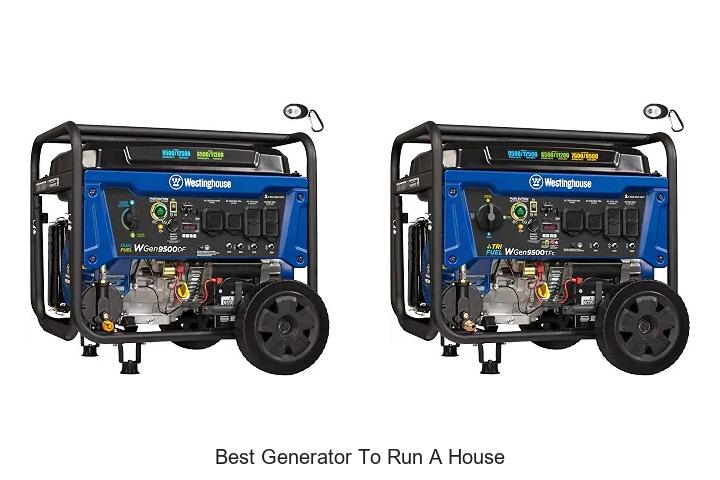
Pick 1  | Westinghouse 12500 Watt Dual Fuel Generator | Check Price On Amazon |
Pick 2  | Westinghouse 12500 Peak Watt Tri-Fuel Portable Generator | Check Price On Amazon |
Pick 3  | DuroMax XP13000EH Dual Fuel Portable Generator | Check Price On Amazon |
1. Westinghouse 12500 Watt Dual Fuel Generator
Power outages feel less stressful when a generator can keep major household circuits alive. The Westinghouse 12500 Watt Dual Fuel Generator brings strong output, remote starting, and multiple outlet choices in one package. It delivers 9,500 running watts on gasoline and 8,500 running watts on propane, with enough surge power for demanding startup loads.
The dual-fuel setup adds flexibility, letting you choose between gasoline and propane based on what is available. A 6.6-gallon tank supports up to 12 hours of runtime, which helps during longer outages.
Its heavy-duty 457cc OHV engine uses a cast iron sleeve for durability, while automatic low-oil shutdown adds protection. The VFT display shows voltage, frequency, and lifetime hours, so checking status stays simple.
Outlets include two GFCI household receptacles, a transfer-switch-ready outlet, and an RV-ready 50A outlet, all with rubber covers. Remote electric start, recoil backup, and included starter accessories make setup easier.
At 210 pounds, it is not light, but it suits homeowners who want dependable backup power and flexible fuel options.
Pros
- Dual fuel operation adds useful fuel flexibility
- Remote start simplifies starting during outages
- Multiple outlets suit household and transfer switch use
Cons
- 210-pound weight limits portability
- Open-frame design is bulky for storage
- Assembly and setup take some effort
Who Should Buy It?
Homeowners wanting strong backup power for essential circuits should consider it. It suits households that need dual-fuel flexibility, transfer-switch readiness, and enough output for larger appliances. The remote start and included accessories help during emergency use.
People who can handle heavier equipment and want a generator for residential backup will get the most value.
Key Specifications
| Specification | Details |
|---|---|
| Brand | Westinghouse |
| Running Watts | 9500 watts |
| Peak Watts | 12500 watts |
| Fuel Type | Gasoline, Propane |
| Power Source | Fuel Powered |
| Voltage | 120 volts |
| Recommended Uses | Residential |
| Special Features | Automatic Voltage Regulation, Dual Fuel, Electric Start, Fuel Gauge, Hour Meter |
| Runtime | 12 hours |
| Weight | 210 pounds |
The 9,500 running watts describe the power available for daily household loads. The 12,500 peak watts cover the higher demand when motors and compressors start. Gasoline gives the highest output, while propane offers slightly less running and surge power. The 120-volt setup, along with six total outlets, supports common home and RV connections. A 6.6-gallon tank and fuel gauge help track long runtime during outages.
These specifications point to a generator built for home backup, not light errands. The dual-fuel design helps when one fuel source is harder to get. Remote electric start, recoil backup, and the key fob make operation easier during stressful moments. The 457cc engine and cast iron sleeve support long-term use, while low-oil shutdown and rubber outlet covers add protection. The 210-pound weight makes it steadier than smaller portable units, but harder to move often.
2. Westinghouse 12500 Peak Watt Tri-Fuel Portable Generator
Power outages feel less stressful when one unit can handle multiple fuel choices. That flexibility makes it a strong fit for home backup planning.
Westinghouse’s 12500 Peak Watt Tri-Fuel Portable Generator is built for residential backup power and practical versatility. It runs on gasoline, propane, or natural gas, giving households more options during outages.
Output reaches 9,500 running watts on gasoline, 8,500 on propane, and 7,500 on natural gas. The unit includes remote electric start, recoil start, and a key fob for easier operation.
Its 6.6-gallon tank can support up to 12 hours of runtime. Four covered outlet groups include GFCI household receptacles, a transfer switch-ready outlet, and an RV-ready outlet. A 457cc OHV engine, automatic low oil shutdown, and carbon monoxide shutdown add useful protection.
The 215-pound frame is heavy, yet the open-frame design stays practical for home use. It suits buyers who want fuel flexibility, strong output, and transfer switch readiness in one generator.
Pros
- Tri-fuel operation adds real backup flexibility.
- Remote start simplifies startup during outages.
- Transfer switch ready for home hookup.
Cons
- Heavy unit at 215 pounds.
- Natural gas output is lower than gasoline.
- Open-frame design is bulkier for storage.
Who Should Buy It?
Homeowners who want backup power with fuel flexibility should consider this model. It suits users with access to gasoline, propane, or natural gas. The transfer switch-ready outlet also helps households planning a more permanent backup setup.
People needing remote starting, multiple outlet types, and strong residential wattage will find it practical. It fits larger homes better than smaller emergency-only generators.
Key Specifications
| Specification | Details |
|---|---|
| Brand | Westinghouse |
| Running Watts | 9500 watts |
| Peak Watts | 12500 watts |
| Fuel Type | Natural Gas |
| Power Source | Fuel Powered |
| Voltage | 240 volts |
| Recommended Uses | Residential |
| Special Features | Automatic Voltage Regulation, CO Sensor, Electric Start, Fuel Gauge, Hour Meter, Overload Protection, Tri-Fuel |
| Runtime | 12 hours |
| Weight | 215 pounds |
The 12,500 peak watt and 9,500 running watt ratings describe strong home backup capacity. In practical use, that means it can support many household circuits during outages. The tri-fuel setup gives different output levels depending on the fuel used. Gasoline provides the highest output, while natural gas offers the lowest listed rating. The 240-volt design and residential focus make it suitable for larger home backup plans and transfer switch setups.
A 6.6-gallon tank and 12-hour runtime can reduce refueling frequency during long outages. Remote electric start, recoil start, and a key fob make operation easier for many users. The 457cc four-stroke engine, automatic voltage regulation, and overload protection support steady performance. The CO sensor and low oil shutdown add safety-focused features. At 215 pounds, it is better suited to users who plan a fixed placement or stored setup.
3. DuroMax XP13000EH Dual Fuel Portable Generator
Storms and outages demand serious backup power, and this generator delivers a huge 13,000-watt starting output. It suits homes that need high portable capacity, plus easy fuel switching and transfer-switch readiness.
The DuroMax XP13000EH uses gas or propane, giving flexible fueling during emergencies. A push-button electric start makes startup simple, while the front-facing control panel lets you change fuel type quickly. It includes a transfer switch-ready 50 amp outlet, along with other outlets for home, RV, and emergency use.
The all-metal frame and steel construction are built for hard use. Copper windings help with heat handling and long-term durability. No-flat tires and a foldable handle improve mobility across rough ground.
With 10,500 running watts, it can support many household essentials at once. It fits buyers needing high portable output without moving to a permanent standby unit.
Pros
- Very high portable starting power
- Dual fuel adds flexibility
- Transfer switch-ready outlet included
Cons
- Heavy at 234 pounds
- Runtime is limited by small tank
- Only two total power outlets
Who Should Buy It?
Buy this if you need portable backup for a larger home and want strong output from gas or propane. It suits households that want transfer-switch readiness, electric start convenience, and the flexibility to use different fuels during outages. It also fits RV users and jobsite needs, especially where moving power across rough terrain matters.
Key Specifications
| Specification | Details |
|---|---|
| Brand | DuroMax |
| Running Watts | 10500 watts |
| Peak Watts | 13000 watts |
| Fuel Type | Gasoline/Propane |
| Power Source | Gas |
| Voltage | 240 volts |
| Recommended Uses | Residential |
| Special Features | CO Sensor, Dual Fuel, Electric Start, Foldable Handle, Hour Meter, Low Oil Shutdown, Portable |
| Runtime | 3 hours |
| Weight | 234 pounds |
The 13,000-watt peak output shows how much surge power it can deliver at startup. The 10,500 running watts tell you what it can sustain during normal use. Gasoline or propane fuel gives flexibility when one fuel is easier to find. The 240-volt output matches home backup needs, while the residential rating points to household use. A CO sensor, low oil shutdown, and hour meter add helpful monitoring for everyday operation and upkeep.
These specifications matter most during outages, when several appliances may need power at once. The dual-fuel setup helps households keep running when fuel access changes. Electric start reduces the effort needed to get going quickly. The 234-pound weight means it is portable, yet not light to move often. Foldable handles and no-flat tires help with transport over uneven ground. The three-hour runtime and small tank suit short backup runs more than all-day operation.
4. Generac 14kW Whole Home Generator

Power outages feel far less disruptive when backup power starts automatically. Generac’s 14kW Whole Home Generator is built for households that want steady standby protection. It supports refrigeration, heating, cooling, lighting, and connected devices during outages.
The generator uses a fuel-powered internal combustion engine with electronic ignition and automatic idle control. Its 240-volt output and 200 amp transfer switch support whole-house backup setups.
Built for residential use, it includes cellular connectivity for remote monitoring through the Mobile Link app. That lets you check performance and receive maintenance alerts from anywhere.
The unit also works with Generac Home Energy Ecosystem products, including ecobee thermostats and PWRcell batteries. Generac highlights oil level sensors, improved cold-start performance, and a sloped roof design for colder climates. At 391 pounds, it is a substantial outdoor standby unit made for dependable emergency power and households that want hands-off operation.
Pros
- Automatic standby power during outages
- Cellular monitoring with Mobile Link app
- Supports whole-house backup setups
Cons
- Requires outdoor installation and setup
- Heavy unit at 391 pounds
- Premium features may exceed basic needs
Who Should Buy It?
Buyers who want premium standby power for a whole home will appreciate this model. It suits families who want automatic outage response, remote monitoring, and support for refrigeration, climate control, and connected devices. It also fits homes that already use Generac energy products or want a 200 amp transfer switch setup.
Homeowners in colder climates may value the cold-start and snow-resistant design features.
Key Specifications
| Specification | Details |
|---|---|
| Brand | Generac |
| Running Watts | 14000 watts |
| Peak Watts | 14000 watts |
| Fuel Type | Fuel Powered |
| Power Source | Fuel Powered |
| Voltage | 240 volts |
| Recommended Uses | Residential |
| Special Features | Automatic Idle Control, Dual Fuel, Fully Enclosed Design, Overload Protection, Super Quiet |
| Runtime | Not listed |
| Weight | 391 pounds |
The 14,000-watt output tells you how much home equipment it can support. A 240-volt rating fits common residential backup systems. The fuel-powered design uses an internal combustion engine with electronic ignition. Automatic idle control helps manage engine use during lighter demand. The included 200 amp transfer switch matters for whole-house coverage. In daily use, these specifications point to a generator built for automatic outage recovery rather than portable backup tasks.
The listed features help explain who gets the most value from it. Remote cellular monitoring suits homeowners who want status updates away from home. Oil level sensors and improved cold-start performance help in colder weather. The fully enclosed design and sloped roof support outdoor placement. At 391 pounds, installation is clearly a job for a fixed setup. Families needing dependable household backup and easy oversight will benefit most from these capabilities.
5. Westinghouse 5000 Peak Watt Dual Fuel Inverter Generator

Quiet backup power stands out here, especially for homes that value low noise. The Westinghouse iGen5000DFc combines dual-fuel flexibility with inverter power for sensitive electronics and everyday appliances. It delivers 5,000 peak watts on gasoline and 4,500 on propane, with up to 18 hours of runtime at 25% load on gas.
Remote electric start, a CO sensor, and a clear digital display make it easy to manage during outages. The inverter design helps cut fuel use and keeps sound down to as low as 52 dBA. It includes RV-ready, standard, and USB outlets, plus parallel capability for more output with a matching unit.
Build quality feels practical and focused on home backup, travel, and lighter jobsite use. At 105.8 pounds, it is portable enough for its class, while still offering a solid 224 cc engine and useful setup accessories.
It suits buyers who want cleaner power, quieter operation, and flexible fuel choices.
Pros
- Very quiet for a generator in this class
- Dual fuel adds flexibility during outages
- Remote electric start simplifies operation
Cons
- Heavy for one person to move often
- Running watts are lower on propane
- Parallel kit sold separately
Who Should Buy It?
Homeowners wanting quiet backup power should look closely here. It fits people who need clean inverter output for sensitive electronics and want fuel choice during outages. The remote start, CO sensor, and long runtime suit households that value convenience.
It also works well for RV users and anyone needing a portable backup source for essential appliances.
Key Specifications
| Specification | Details |
|---|---|
| Brand | Westinghouse |
| Running Watts | 3900 watts |
| Peak Watts | 5000 watts |
| Fuel Type | Gasoline, Propane |
| Power Source | Fuel Powered |
| Voltage | 120 volts |
| Recommended Uses | Camping, Residential |
| Special Features | CO Sensor, Dual Fuel, Electric Start, Fuel Gauge, Hour Meter, Overload Protection, USB Port |
| Runtime | 18 hours |
| Weight | 105.8 pounds |
The 3.4-gallon tank and 18-hour runtime at 25% load matter during long outages. Gasoline output reaches 5,000 peak watts and 3,900 running watts. Propane lowers output to 4,500 peak watts and 3,500 running watts. That gives users a clear choice between stronger output and cleaner fuel storage. The 120-volt design fits common household and RV needs. The inverter system also keeps power steadier for electronics.
Practical features shape daily use more than raw wattage alone. The electric start, remote key fob, fuel gauge, hour meter, and digital display reduce setup guesswork. The CO sensor adds a safety layer for indoor-adjacent use near open spaces. At 105.8 pounds, it is portable, yet still substantial enough for stable operation. Quiet output near 52 dBA makes it easier to live with near homes, campsites, or garages.
6. WEN DF8000X Dual Fuel Portable Generator

Power outages call for steady output and simple backup power. The WEN DF8000X stands out with dual-fuel flexibility and electric starting.
Built for residential use, it offers 8000 surge watts on gasoline and 7200 surge watts on propane, with lower running output for each fuel type. That gives homeowners options when fuel availability changes. The 340cc engine starts with a switch, which makes setup easier during stressful moments.
Its CO Watchdog sensor adds a useful safety layer by shutting the unit down when carbon monoxide levels rise. The generator also includes several outlet choices, including RV-ready and transfer-switch-ready connections.
A 6.7-gallon tank supports up to 10.5 hours at half load. The wheel kit helps with movement, while the three-year limited warranty adds confidence.
For buyers who want a budget-friendly dual-fuel model with practical home backup features, it offers a strong mix of convenience and output.
Pros
- Dual-fuel operation offers useful fuel flexibility
- Electric start simplifies startup
- Multiple outlets suit homes and RVs
Cons
- Heavy unit needs wheel kit for movement
- Running power drops on propane
- Loud operation may suit outdoor use only
Who Should Buy It?
Buyers who want a budget dual-fuel generator for home backup should look here. It suits households that need transfer-switch-ready power, RV compatibility, and electric start convenience. The dual-fuel setup helps when gasoline is limited or propane is easier to store.
It also fits users who want solid wattage for essential appliances and a safer shutdown sensor.
Key Specifications
| Specification | Details |
|---|---|
| Brand | WEN |
| Running Watts | 6500 watts |
| Peak Watts | 8000 watts |
| Fuel Type | Gasoline |
| Power Source | Fuel Powered |
| Voltage | 240 volts |
| Recommended Uses | Commercial, Residential |
| Special Features | CO Sensor |
| Runtime | 10 hours |
The WEN DF8000X uses a 340cc four-stroke engine and dual-fuel design. On gasoline, it delivers 8000 surge watts and 6500 running watts. On propane, it provides 7200 surge watts and 5850 running watts. The 6.7-gallon tank supports up to 10.5 hours at half load. It also runs at 240 volts and includes transfer-switch-ready and RV-ready outlets. These numbers point to practical backup power for essential household circuits and selected larger loads.
Those specifications make the generator useful for home backup during outages. Electric start lowers the effort needed to get power running fast. The CO Watchdog sensor adds automatic shutdown protection when carbon monoxide levels become unsafe. The wheel kit helps with moving a unit of this size. Multiple receptacles support appliances, RV use, and transfer-switch connections. Households wanting flexible fuel choice, easier startup, and steady output will get the most from it.
7. PowerSmart 4800 Watt Inverter Generator

Compact power matters when you want backup support without bulky equipment. The PowerSmart 4800 Watt Inverter Generator brings clean inverter output, electric start convenience, and a home-friendly runtime. With 4800 starting watts and 3800 running watts, it can support essential household loads, plus sensitive electronics like phones and tablets.
Its 223cc four-stroke engine runs on gasoline and supports up to 18 hours at light load. The control panel includes four 120V 20A outlets, one RV-ready 120V 30A outlet, USB ports, and a 12V DC outlet. Safety features include CO protection, overload protection, and low-oil shutdown.
At 89 pounds, it is still portable for a generator in this class. The red and black housing feels practical, and the electric start helps reduce setup hassle.
It suits homeowners wanting compact inverter power for outages, RV use, and lighter residential needs.
Pros
- Clean inverter power for sensitive electronics
- Electric start simplifies startup
- Long runtime suits home backup needs
Cons
- Not enough output for whole-home heavy loads
- 89-pound weight limits easy lifting
- Gasoline fuel needs refilling and storage
Who Should Buy It?
Buyers wanting compact inverter power for essentials should take a close look. It fits homeowners who want clean electricity for electronics, light backup support, or RV use. The electric start, multiple outlets, and long runtime make it practical for outages and weekend use.
It suits people who value portability, safety features, and simple operation over maximum household output.
Key Specifications
| Specification | Details |
|---|---|
| Brand | PowerSmart |
| Running Watts | 3800 watts |
| Peak Watts | 4800 watts |
| Fuel Type | Gasoline |
| Power Source | Gas-Powered |
| Voltage | 120 volts |
| Recommended Uses | Camping, Residential |
| Special Features | CO Sensor, Cold Start Technology, Electric Start, Extra-Long Run Time, Low Oil Shutdown |
| Runtime | 14 hours |
| Weight | 89 pounds |
The 223cc four-stroke engine pairs with 3800 running watts for everyday backup needs. Its 4800-watt starting surge helps with appliances that need extra power at startup. The 120-volt output matches standard household equipment and charging needs. A gasoline tank holding 3.43 gallons supports long use at light load. The inverter design produces clean power, which helps protect phones, tablets, and other sensitive devices during outages or travel.
Eight outlets give the generator flexible day-to-day use. Four three-prong 120V outlets, one RV-ready 30A outlet, USB ports, and a 12V DC outlet cover many common setups. The electric start and cold start technology make operation easier in changing weather. CO sensing, overload protection, and low-oil shutdown add safety during use. At 89 pounds, it is portable enough for moving around a property, though not light for frequent lifting.
8. Jackery HomePower 3600 Plus Power Station

Whole-home backup gets simpler with a battery station built for real outages. The Jackery HomePower 3600 Plus offers strong output, flexible charging, and home-friendly plug-and-play use.
It delivers 3600W AC output, or 7200W in parallel, for pumps, heaters, and dryers. Its 3584Wh capacity can expand to 21kWh per unit, or 43kWh with multiple units.
That makes it a strong fit for longer outages and larger household needs. Dual 120V and 240V support adds more flexibility for home use.
Four charging methods also help it recover quickly between outages. It can recharge in 2 hours with hybrid AC and DC. AC charging takes 2.5 hours, while solar takes 4 hours.
The unit uses ceramic membrane battery cells rated for high heat resistance. Jackery says it supports 6,000 cycles and a 10-year lifespan. The wheeled design and telescopic handle make moving it easier.
It suits homeowners who want battery backup without permanent installation.
Pros
- High output for major household appliances
- Expandable capacity for longer backup time
- Fast charging through multiple methods
Cons
- Heavy enough to need rolling transport
- Only two outlets are listed
- Expanded setup may require extra units
Who Should Buy It?
Who should buy it: Homeowners who want battery backup for outages, without complex installation. It fits households needing support for pumps, heaters, dryers, and similar loads. Families that value quiet, clean backup power will appreciate the flexible charging options.
It also suits buyers who want expandable storage for longer runtime and more household coverage.
Key Specifications
| Specification | Details |
|---|---|
| Brand | Jackery |
| Running Watts | 3600W |
| Peak Watts | 7200W in parallel |
| Fuel Type | Battery |
| Power Source | Battery-Powered |
| Voltage | 120V & 240V |
| Recommended Uses | Residential |
| Special Features | Easy to Install |
| Weight | 77.2 pounds |
The 3584Wh capacity shows how much energy the unit stores for home backup. That amount can keep essential appliances running during outages. The 3600W output describes how much power it can deliver at once. The 7200W parallel figure means two units can work together for higher demand. Dual 120V and 240V support helps it fit more household devices. These specs matter most for homes that need practical backup power, not just small electronics.
The charging choices shape everyday convenience during outages and between them. Hybrid AC and DC charging can refill the unit in two hours. AC charging alone takes 2.5 hours, while solar takes four hours. The ceramic membrane battery cells are built for high temperatures and cold conditions. That helps support year-round use and long service life. The wheeled, telescopic design also matters for moving a 77.2-pound unit. Families wanting cleaner backup power will benefit most.
9. EF EcoFlow TITAN 5000 Classic Power Station

Quiet backup power stands out as the main appeal here. It can support key home loads without the noise of a fuel generator.
The EF EcoFlow TITAN 5000 Classic Power Station offers 4,000W AC output and 5,017Wh of stored energy. It can run a fridge, microwave, Wi-Fi, lighting, and CPAP units together.
Its expandable design grows from 5kWh to 30kWh for longer outages. Under 30 dB operation makes it suitable for indoor use and overnight backup. Pairing with EcoFlow Smart Home Panel 10 adds under 20 ms automatic switchover.
The LiFePO4 battery, 24/7 monitoring, and UL certifications support long-term home use.
Build quality looks geared toward permanent home backup rather than casual portability. At 102.5 pounds, it is substantial, yet still manageable for fixed placement.
The app control and AI-powered energy management help handle charging during off-peak hours. Six outlets provide practical connection options for essential household devices.
It suits homeowners wanting solar backup, quieter operation, and circuit-level backup support. Families needing basic home power during outages will appreciate the steady output and expandable capacity.
Pros
- Ultra-quiet operation for indoor or nighttime use
- Expandable capacity supports longer backup periods
- Strong output for essential household appliances
Cons
- Heavy unit limits easy moving
- Smart Home Panel 10 sold separately
- Best for essentials, not whole-house luxury loads
Who Should Buy It?
Homeowners wanting quiet solar backup should consider it. It fits households that need refrigeration, lighting, Wi-Fi, and medical device support during outages. People planning a fixed home setup may like the expandable capacity and smart home panel option.
It also suits buyers who value low noise and app-based energy control over portability.
Key Specifications
| Specification | Details |
|---|---|
| Brand | EF ECOFLOW |
| Running Watts | 4000 watts |
| Fuel Type | Electric |
| Power Source | Solar Powered |
| Voltage | 120 volts |
| Recommended Uses | Residential |
| Special Features | APP Control, LiFePO4 Lithium Battery, Whisper-Quiet Operation, 5–30kWh Expandable Capacity |
| Weight | 102.5 pounds |
The 5,017Wh capacity tells you how much backup energy is stored. In daily use, that supports essential appliances during an outage. The 4,000W output shows how much power it can deliver at once. That matters when running a fridge, microwave, lights, and Wi-Fi together. Solar power input fits homes that want cleaner charging. The 120-volt design matches standard household circuits. The 102.5-pound weight suggests a fixed home location more than frequent carrying.
Expandable capacity from 5kWh to 30kWh changes how long backup can last. That range can cover about one day to one week of essentials. Under 30 dB operation helps keep noise low indoors and overnight. The sub-20 ms switchover works with the Smart Home Panel 10 for fast circuit backup. LiFePO4 cells and 24/7 monitoring support durability and safety. These details suit households wanting quiet, steady, solar-based backup with controlled installation.
10. PowerSmart 4300 Watt Portable Generator

Power cuts feel easier to manage when a generator can cover the basics cleanly. A 12-hour runtime and inverter power make this model appealing for light home essentials. PowerSmart’s 4300 starting watts and 3500 running watts support fridges, TVs, phones, and tablets during outages.
The inverter technology delivers clean power with less than 3% THD, which helps protect sensitive electronics. The control panel adds a household outlet, a twist-lock outlet, and a 12V DC port. Eco-mode can help stretch fuel use during lighter demand.
At 68 pounds, it stays portable enough for moving between storage and outdoor use. The steel build and 4-stroke gas engine suggest a practical, no-frills design for residential backup needs. Cold start technology may help during chilly mornings, while the digital display makes status checks easier.
It suits households that want reliable support for lights, refrigeration, and charging devices. The 2-year manufacturer warranty and lifetime technical support add confidence for owners who want steady backup power.
Pros
- Clean inverter power for sensitive household electronics
- Long runtime helps reduce frequent refueling
- Portable size suits emergency home backup
Cons
- Not sized for whole-house heavy loads
- Gasoline storage and refueling are required
- Only four outlets limit simultaneous connections
Who Should Buy It?
Buyers with light home essentials should consider it. It fits households that want fridge, TV, and device backup during outages. The clean inverter output also suits people protecting phones, tablets, and cameras.
Its portable weight and long runtime help families that need practical emergency power, not whole-home coverage.
Key Specifications
| Specification | Details |
|---|---|
| Brand | PowerSmart |
| Running Watts | 3500 watts |
| Peak Watts | 4300 watts |
| Fuel Type | Gasoline |
| Power Source | Fuel Powered |
| Voltage | 120 volts |
| Recommended Uses | Camping, Residential |
| Special Features | Cold Start Technology, Digital Display, Portable |
| Runtime | Up to 12 hours at 25% load |
| Weight | 68 pounds |
The generator offers 3500 running watts and 4300 starting watts for household basics. That output can cover fridges, TVs, and charging devices during outages. Its 120-volt design matches common home appliances and outlets. Gasoline fuel keeps it simple for outdoor emergency use. The 1.9-gallon tank supports up to 12 hours at 25% load. That runtime helps reduce refueling during long evening blackouts or overnight backup needs.
Cold start technology can help the engine start in cooler weather. The digital display makes it easier to check operation at a glance. At 68 pounds, the unit remains movable for storage or campsite use. The inverter design delivers cleaner power for sensitive electronics, with less than 3% THD. That matters for phones, tablets, and cameras. Families wanting lighter backup support may value the balance of portability and everyday utility.
Best Generator to Run a House: A Smart Buying Guide
Power needs and appliance load
Power needs and appliance load play a major role in how well a standby unit performs during an outage, and the right setup should match both everyday use and sudden demand spikes. A system that supports only essential circuits can keep lights, refrigeration, and medical devices running, while whole-house coverage provides broader protection for HVAC, laundry, and other high-draw equipment. It is also important to compare running watts with starting watts, because many appliances need a brief surge of power at startup that is far higher than their normal operating level.
If the unit cannot handle those peak demands, motors may fail to start, breakers may trip, or performance may become unstable at the worst possible time. Power needs and appliance load should therefore be matched carefully to the home’s layout and priorities so the generator can deliver reliable support without overloads or wasted capacity.
Generator type and fuel options
A generator’s power hookups and room for future upgrades can make a major difference in how well it supports a home during an outage. Portable units often provide fewer outlet options and may need extension cords or a transfer switch, while standby models are typically wired into the house and can support a smoother, more automatic setup.
Gasoline is easy to find but can be difficult to store long term, propane stores more cleanly and lasts longer on the shelf, diesel is efficient and durable but may require more upkeep, and dual-fuel designs offer flexibility if one fuel becomes scarce. Fuel availability in your area, safe storage space, and how often you expect to use the unit should all shape the decision, because a generator is only truly useful if its power source is practical to keep on hand.
Runtime, efficiency, and tank capacity
Runtime and fuel management matter because they determine how long a home can stay powered during an outage without constant attention. A unit that delivers more hours at lighter loads gives you better coverage for essentials like lights, a refrigerator, and internet equipment, while heavier loads will shorten that runtime and increase fuel use. It is also wise to compare consumption rates across output levels, since a model that sips fuel efficiently can save money and reduce interruptions over time. Tank capacity plays a major role as well, because a larger tank usually means fewer refills during extended blackouts, which is especially valuable at night or in severe weather.
For households that may face long outages, reduced refill frequency can be just as important as raw power output, since it helps keep appliances running with less manual upkeep.
- Expected hours at different loads: Check how long the unit can operate at light, medium, and heavy demand.
- Fuel consumption rates: Compare how much fuel is used per hour at each load level.
- Refill frequency during outages: Favor models with larger tanks or better efficiency to limit refueling needs.
Noise level and placement
Decibel ratings matter because a generator that sounds manageable at a distance can still be disruptive right next to a home or property line. A quieter unit is easier to live with, especially during long outages, and it helps reduce complaints from neighbors. The location also affects safety and comfort: outdoor placement is usually preferred, but the unit must sit far enough from doors, windows, and neighboring yards to limit noise, heat, and exhaust exposure.
Good ventilation keeps carbon monoxide from building up and helps the generator operate more reliably, so the placement plan should balance sound control, safe exhaust routing, and enough open space for cooling and maintenance.
- Decibel ratings: Lower numbers are better for residential areas and overnight use.
- Distance from the house and neighbors: Greater spacing helps cut noise and reduces disturbance.
- Indoor or outdoor setup: Outdoor placement is standard; indoor use requires a purpose-built, ventilated area.
- Ventilation: Essential for safe exhaust release and proper engine cooling.
Safety features and compliance
Carbon monoxide protection is one of the most important safety factors in a home backup power system, since generators can produce deadly fumes if they are placed too close to living spaces or used improperly. A reliable unit should also include automatic shutoff and overload protection, because these features help prevent damage to the generator and reduce the risk of electrical hazards during sudden power surges or heavy demand. Just as important, a proper transfer switch helps route power safely into the home’s electrical system, while code compliance ensures the setup meets local regulations and avoids unsafe backfeeding into utility lines.
Just as important, a proper transfer switch helps route power safely into the home’s electrical system, while code compliance ensures the setup meets local regulations and avoids unsafe backfeeding into utility lines. Together, these features make the generator safer to operate, easier to integrate with your home, and far more dependable during an outage.
Maintenance, portability, and budget
Access to service support and room for future upgrades can greatly affect how practical a home generator feels over time. A unit that uses common parts and has widely available service options is easier to maintain, faster to repair, and less likely to sit unused during an outage. Physical design matters just as much: wheels and sturdy handles improve movement, while installation requirements can determine whether the system needs a simple setup or a more involved professional install.
Cost should also be weighed beyond the initial price tag, since fuel use, maintenance, and possible repair expenses can add up over the life of the machine.
- Serviceability: Check whether filters, spark plugs, and other parts are easy to find.
- Mobility: Wheels and handles make repositioning safer and less tiring.
- Setup: Confirm whether the unit needs a transfer switch, professional wiring, or a permanent pad.
- Running costs: Compare fuel efficiency, maintenance frequency, and repair likelihood.
When a Generator Needs Replacing
A whole-house generator can last for many years, but its life depends on the brand, fuel type, upkeep, and how often it runs. Standby generators that are cared for well often last longer than portable models used as a backup during storms. Regular service helps parts wear more slowly and keeps the unit ready when power goes out.
Most generators need more than just fuel to keep working well. Oil changes, air filter swaps, battery checks, and load testing all affect how long they last. Rust, clogged parts, weak batteries, and repeated starting problems are warning signs that the unit may be nearing the end of its useful life.
A generator may need replacement when repair costs start to climb, parts become hard to find, or it can no longer carry the home’s power needs. Another sign is when it runs much louder than before, uses more fuel, or starts shutting down under normal load. Older units may also fall behind current safety rules or have lower efficiency than newer models.
For many buyers, the best generator to run a house is one that fits current power needs and can be maintained easily over time. A model that is too small may wear out faster because it runs near full capacity too often. A unit that is too large can also waste fuel and add extra stress if it is poorly matched to the home.
- Follow the service schedule in the manual.
- Test the generator on a regular basis.
- Replace worn parts before they fail.
- Watch for rising repair bills and hard starts.
- Plan for replacement before an old unit stops working.
With steady care, a generator can serve a home for many years. When repairs become frequent or power output drops, a new unit is often the smarter choice.
FAQ’s
What Size Generator Do I Need To Run My Whole House During An Outage?
For most whole-house backup needs, a **7,000–20,000 watt generator** is typical, depending on how many appliances and systems you want to run. To know the right size, add up the wattage of your essentials like HVAC, fridge, sump pump, lights, and water heater, then choose a generator with some extra capacity.
What Type Of Generator Is Best For Home Backup Power: Portable Or Standby?
For home backup power, a **standby generator** is usually the best choice because it automatically turns on during an outage and can power more of the home. A **portable generator** is cheaper and more flexible, but it requires manual setup and is better for short-term or limited use.
How Much Fuel Does A Whole-House Generator Use?
A whole-house generator typically uses about 1 to 3 gallons of fuel per hour, depending on its size and how much power it’s supplying. Exact usage varies by model, fuel type, and the electrical load.
What Appliances Can A Generator Safely Run In A House?
A generator can safely run essential appliances like refrigerators, lights, fans, phones, and sometimes a microwave or sump pump, depending on its size. It should only power appliances that stay within its wattage capacity and are connected properly to avoid overload.
How Do I Choose The Right Generator Based On My Home’S Power Needs?
Add up the wattage of the appliances and systems you want to run, including starting watts for things like refrigerators and pumps, then choose a generator that can handle that total with some extra capacity. If you want whole-home backup or plan to power larger loads, consider a transfer switch and consult an electrician or generator dealer for the best fit.
Final Verdict
The best generator to run a house depends on how much power you need and whether you want portable or standby backup. For most buyers, the Westinghouse 12500 Watt Dual Fuel Generator is the best overall choice because it balances strong output, dual-fuel flexibility, and whole-home backup potential better than most portable models. The DuroMax XP13000EH Dual Fuel Portable Generator is a smart pick for shoppers who want the highest portable output and solid value.
Choose the Generac 14kW Whole Home Generator for premium permanent backup, or the Westinghouse 5000 Peak Watt Dual Fuel Inverter Generator if quiet operation matters most.