10 Best Hunting Boots: Top Picks Reviewed and Compared
Cold feet, wet socks, and sore ankles can ruin a hunt fast. A good pair of boots helps you stay steady, warm, and ready for long hours outdoors.
This review is for hunters who need support on rough ground, cold weather comfort, and reliable grip. It also helps readers who want boots for long walks, early mornings, or mixed terrain.
The focus is on practical use, not flashy claims. We will cover fit, traction, insulation, durability, and comfort. You will also see which boots suit different hunting styles and budgets.
You will also see which boots suit different hunting styles and budgets. By the end, you should have a clear idea of which pair fits your needs.
Best Hunting Boots Compared for Comfort and Durability
| Image | Product | Price |
|---|---|---|
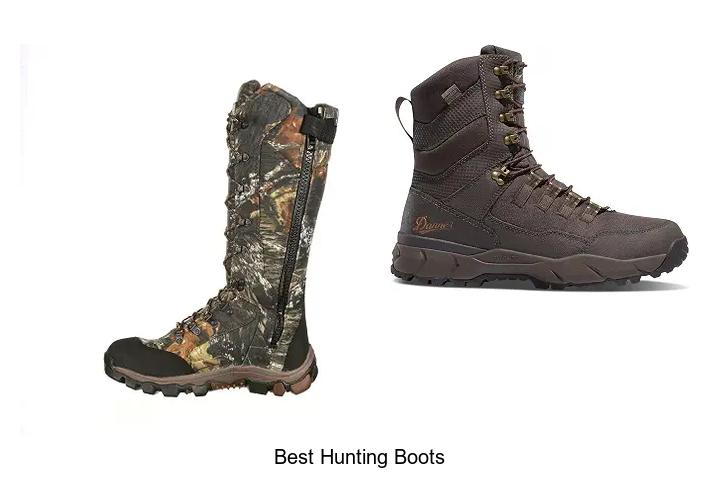
Pick 1  | ROCKY Mens Camouflage Snake Boots | Check Price On Amazon |
Pick 2  | Danner Vital 8 Waterproof Hunting Boots | Check Price On Amazon |
Pick 3  | Danner Pronghorn | Check Price On Amazon |
1. ROCKY Mens Camouflage Snake Boots
Cold-weather hunters get a tall, waterproof boot with practical side-zip access. The camouflage finish and snake-boot design add useful coverage for brushy ground. Rocky builds this model with a 16-inch shaft and mid-calf height.
That extra coverage can help in colder, wetter conditions. The nylon outer material keeps the boot light, while the rubber sole adds ground contact and protection. A round toe and no-heel profile support a hiking-boot feel.
The zip closure also makes it easier to pull on. Fabric lining adds a simple interior layer for all-season use. At 13.76 ounces, the listed weight stays manageable for long wear.
The waterproof build suits wet ground, snow, and damp cover. It should appeal most to hunters wanting tall protection without extra bulk. Those needing quick entry, cold-weather coverage, and camouflage styling will appreciate it most.
Pros
- Waterproof construction helps in wet hunting conditions.
- Side zipper makes putting them on easier.
- Tall shaft adds extra lower-leg coverage.
Cons
- Nylon upper may feel less premium than leather.
- Round toe may feel roomy for some users.
- Snake-boot height can feel warm in mild weather.
Who Should Buy It?
Hunters who spend time in cold, wet cover will value this boot most. The tall shaft, waterproof build, and camouflage pattern suit brushy terrain and damp mornings. It also fits buyers who want side-zip convenience and a hiking-boot feel.
Anyone needing extra lower-leg coverage for snake-prone areas should also consider it.
Key Specifications
| Specification | Details |
|---|---|
| Boot Shaft Height | 16 |
| Shoe Height Map | Mid-Calf |
| Outer Material | Nylon |
| Sole Material | Rubber |
| Water Resistance Level | Waterproof |
| Toe Style | Round Toe |
| Heel Type | No Heel |
| Season | All |
| Item Weight | 13.76 ounces |
A 16-inch shaft gives the boot tall lower-leg coverage. The mid-calf height helps shield more of the leg from brush. Waterproof construction suits wet ground, snow, and damp grass. Nylon on the outside keeps the boot lighter than heavier materials. Rubber in the sole supports traction and underfoot protection. The round toe gives a familiar hiking-boot shape. A no-heel design keeps the stance flatter and simpler for walking.
These specifications favor hunters who spend long hours outside. The tall shaft can help in colder weather and rough vegetation. Waterproof material matters when mornings bring mud, puddles, or wet leaves. Nylon and rubber keep the build practical without extra weight. The zip closure pairs well with the mid-calf height for easier entry. That makes the boot useful for quick starts and repeated wear. Buyers wanting protection, comfort, and simple use will benefit most.
2. Danner Vital 8 Waterproof Hunting Boots
Budget-minded hunters get a waterproof boot with serious durability. Danner built the Vital 8 for quiet comfort and steady traction. Split leather and 900 Denier polyester shape a hard-wearing upper that handles abrasion well.
The breathable Danner Dry barrier keeps water out while letting moisture escape. A mesh-lined tongue helps regulate temperature during long days outdoors.
The Lock & Load lacing system speeds up fit changes and holds securely. Reengineered ghillies across the forefoot help reduce noise during movement.
Inside, the open cell footbed improves air circulation and adds cushioning. The Plyolite midsole stays lightweight and helps soften repeated impact.
Multi-density foam reduces hot spots and pinch points for better all-day wear. The outsole uses multidirectional lugs for grip on moss, rock, and slick ground.
It suits hunters who want waterproof performance without a heavy feel.
Pros
- Waterproof Danner Dry barrier keeps feet dry.
- Lightweight cushioning reduces hot spots and pinch points.
- Multidirectional lugs improve grip on slick ground.
Cons
- Leather upper may feel stiff at first.
- Mid-calf height may limit ankle flexibility.
- Not the lightest boot for long hikes.
Who Should Buy It?
Hunters who want a waterproof boot with dependable traction should consider this pair. It fits buyers who value durability, quiet lacing, and lightweight cushioning. The mid-calf height and leather build suit field use in mixed conditions.
It also makes sense for anyone needing a budget-focused option with practical comfort.
Key Specifications
| Specification | Details |
|---|---|
| Boot Shaft Height | Mid-Calf |
| Shoe Height Map | Mid-Calf |
| Outer Material | Leather |
| Sole Material | Leather |
| Water Resistance Level | Waterproof |
| Heel Type | Flat |
| Season | All |
| Item Weight | 2.9 pounds |
The mid-calf shaft gives extra coverage around the lower leg. Leather outer and sole materials point to a sturdy build. Waterproof construction means wet ground and shallow water pose less risk. A flat heel usually supports stable footing on uneven terrain. The 2.9-pound weight shows the boot is not ultra-light, yet still manageable. All-season labeling suggests it works across changing weather conditions. Hunters who want coverage and water protection will notice these traits quickly.
These specifications work together for field use, not just casual walking. Mid-calf height helps shield the leg while moving through brush. Waterproofing pairs well with the leather build for damp conditions. The flat heel supports balance on rocky or muddy ground. A 2.9-pound weight may feel substantial, but it often adds a planted feel. All-season design suits hunters who face variable temperatures and terrain. Buyers wanting protection, stability, and durability will get the most from it.
3. Danner Pronghorn
Built for hunters who want premium feel and dependable coverage, the Danner Pronghorn brings an 8-inch waterproof profile. Its Realtree Edge camouflage and leather construction give it a field-ready look with practical protection. The Pronghorn uses a round toe, flat heel, and lace-up closure for a familiar fit.
EVA appears in both the outer material and sole, keeping the boot lighter than many leather-heavy options. That combination suits upland hunts where steady footing and long wear matter. The waterproof build helps in wet grass, damp brush, and changing weather.
The mid-calf height offers added coverage without feeling overly bulky. For hunters who value a refined boot with camouflage styling, it delivers a balanced package.
It feels aimed at serious use, while still staying easy to wear and lace up. The main appeal is its premium hunting look paired with practical everyday field traits.
Pros
- Waterproof construction helps in wet hunting conditions.
- 8-inch height adds useful lower-leg coverage.
- Leather upper offers a premium feel.
Cons
- EVA materials may feel less traditional than all-leather boots.
- Mid-calf height may feel tall for some users.
- Camouflage styling may not suit every outdoor setting.
Who Should Buy It?
Hunters who want premium upland performance should consider this boot. It suits people who like waterproof coverage, camouflage styling, and an 8-inch shaft. The round toe and flat heel keep the fit familiar.
It also works well for buyers wanting a lighter-feeling hunting boot with leather construction. Field use in wet conditions and mixed seasons fits its design well.
Key Specifications
| Specification | Details |
|---|---|
| Boot Shaft Height | 8 inches |
| Shoe Height Map | Mid-Calf |
| Outer Material | Ethylene Vinyl Acetate (EVA) |
| Sole Material | Ethylene Vinyl Acetate (EVA) |
| Water Resistance Level | Waterproof |
| Toe Style | Round Toe |
| Heel Type | Flat |
| Season | All |
| Item Weight | Not provided |
The 8-inch shaft reaches higher than many standard boots. That extra height helps cover more of the lower leg in brush. The mid-calf height map gives a clearer sense of where it sits on the leg. Waterproof construction matters when grass stays wet or weather changes fast. EVA used in the outer material and sole usually keeps the boot lighter. The round toe and flat heel create a familiar shape for long days outside.
These specifications point to steady field use across all seasons. Waterproofing helps keep feet protected during damp upland hunts and wet ground. The taller shaft adds coverage, while the mid-calf height can support a secure feel. EVA materials may reduce weight, which can matter during long walks. The round toe gives room at the front, and the flat heel suits even footing. Hunters who want coverage without heavy bulk may benefit most.
4. ROCKY Retraction Waterproof Outdoor Boot

Wet ground and cold mornings call for dependable insulation and waterproof protection. The ROCKY Retraction Waterproof 800G Insulated Outdoor Boot is built for that exact job.
It uses a mid-calf shaft, lace-up closure, and Realtree Xtra camo for practical field use. The leather and nylon upper gives it a work-boot shape with outdoor-ready durability. An EVA and rubber sole supports steady footing, while the round toe keeps the fit familiar.
The 800G insulation makes this pair a strong option for wetland warmth. That added lining helps reduce the sting of cold, damp conditions during long sits or slow walks.
The waterproof construction adds confidence when brush, mud, and water are part of the day. At about two pounds, it stays within a manageable carry weight for a insulated boot. The Western heel and mid-calf profile also suit hunters who want extra coverage.
It feels aimed at hunters who value warmth, coverage, and practical materials. The boot should suit casual outdoor use as well, thanks to its simple lace-up design. Overall, it offers a straightforward mix of protection, insulation, and field-friendly styling.
Pros
- 800G insulation supports warmth in cold, wet conditions.
- Waterproof build suits damp ground and marsh use.
- Leather and nylon upper balances structure and flexibility.
Cons
- Mid-calf height may feel bulky for some users.
- Insulation can feel warm outside colder conditions.
- Western heel may not suit every wearer.
Who Should Buy It?
Hunters who spend time in wetlands or cold, damp terrain should consider it. It suits people who want waterproof protection, strong insulation, and a mid-calf cut. The lace-up design and round toe make it familiar and easy to wear.
It also fits casual outdoor use when warmth matters more than speed.
Key Specifications
| Specification | Details |
|---|---|
| Boot Shaft Height | 8 |
| Shoe Height Map | Mid-Calf |
| Outer Material | Leather, Nylon |
| Sole Material | EVA/Rubber |
| Water Resistance Level | Waterproof |
| Toe Style | Round Toe |
| Heel Type | Western Heel |
| Season | All |
| Item Weight | 2 pounds |
The 8-inch shaft reaches mid-calf, giving extra coverage around the lower leg. That height helps when moving through wet brush, shallow water, or muddy ground. The waterproof rating means moisture stays outside during damp conditions. Leather and nylon on the upper add structure without making the boot feel overly stiff. A round toe gives a familiar shape that many wearers find easy to fit. Together, these details point to a boot made for cold, wet outdoor use.
An EVA and rubber sole supports traction and cushioning during long days outside. The western heel adds a distinct profile and changes how the boot sits underfoot. At 2 pounds, the boot keeps weight in a reasonable range for insulated footwear. The all-season label suggests it can handle varied conditions, though the insulation favors colder weather. Hunters spending time in wetland areas should benefit most from the waterproof design, added coverage, and warm build. The materials also support everyday wear in casual outdoor settings.
5. Kenetrek Mountain Extreme 400 Boots

Cold weather hunters need boots that stay warm, dry, and steady. Kenetrek Mountain Extreme 400 Boots aim squarely at that job.
These hiking boots use a 10-inch shaft, waterproof construction, and leather outer material. The round toe and block heel keep the design practical and stable.
A rubber sole supports rough ground, while the synthetic insole adds basic interior comfort. Built for fall and winter use, they suit hiking and hunting trips in harsh conditions. At 4.2 pounds, they are not light, but that weight reflects the heavy-duty build.
The lace-up closure helps create a firm fit around the mid-calf. For hunters facing extreme cold, the design focuses on protection first.
They suit users who value warmth, coverage, and durable materials over lightness. The Mountain Extreme 400 feels purpose-built for demanding outdoor use.
Pros
- Waterproof design helps keep feet dry
- 10-inch shaft adds cold-weather coverage
- Leather outer material supports durability
Cons
- Heavier than many lighter hiking boots
- May feel bulky for short trips
- Not designed for warm-weather use
Who Should Buy It?
Buy these if you hunt in extreme cold and need tall coverage. They suit fall and winter outings where warmth, waterproof protection, and durable leather matter most. Hunters who prefer a heavier boot for support may appreciate the build.
They also fit people who want a hiking boot style for rugged outdoor use.
Key Specifications
| Specification | Details |
|---|---|
| Boot Shaft Height | 10 inches |
| Shoe Height Map | Mid-Calf |
| Outer Material | Leather |
| Sole Material | Rubber |
| Water Resistance Level | Waterproof |
| Toe Style | Round Toe |
| Heel Type | Block Heel |
| Season | Fall, Winter |
| Item Weight | 4.2 pounds |
A 10-inch shaft reaches mid-calf, which adds more coverage in cold weather. The leather outer material gives the boot a rugged feel and a classic hunting look. Waterproof construction helps keep moisture out during wet ground or snow. A round toe leaves the front of the boot simple and practical. The block heel adds a stable base for walking on uneven terrain. Together, these features point to a boot made for colder seasons and rough outdoor conditions.
The rubber sole should help with grip and wear resistance on mixed ground. The 4.2-pound weight suggests a sturdy boot rather than a light trail option. Lace-up closure lets the wearer adjust fit around the ankle and calf. That matters when hunters want a secure feel during long days outside. The hiking boot form also makes it useful for walking and field use. People who need warmth, coverage, and durability will benefit most from these specifications.
6. MUCK Arctic Pro Boot

Cold mornings feel easier with a boot built for serious warmth. The MUCK Arctic Pro Boot brings insulated comfort to long days outside.
It uses a rubber outer material with fleece lining for added protection. The 17-inch shaft helps cover more of the lower leg.
A pull-on closure keeps entry simple, even with gloves on. The round toe and no-heel design support a straightforward fit.
Its water-resistant build helps in wet, chilly conditions. The foam insole and rubber or synthetic sole add practical comfort.
At 2.3 pounds, it stays manageable for a tall insulated boot. The mid-calf height suits hunters who want extra coverage. It feels aimed at cold-weather use without adding complicated features.
The build looks made for steady wear in rough outdoor settings. Buyers wanting deep-cold comfort will find the strongest appeal here. It suits casual outdoor use and hunting footwear needs well.
Pros
- Tall shaft adds more lower-leg coverage
- Pull-on design is quick to wear
- Fleece lining supports warm comfort
Cons
- Tall shaft may feel bulky
- Not the lightest boot available
- No heel may limit support feel
Who Should Buy It?
Buy this boot for cold hunts and wet conditions. It suits hunters who want tall coverage and simple pull-on wear. The insulated fleece lining and water-resistant construction fit deep-cold outings well.
It also works for casual outdoor use when warmth matters most.
Key Specifications
| Specification | Details |
|---|---|
| Boot Shaft Height | 17 inches |
| Shoe Height Map | Mid-Calf |
| Outer Material | Rubber |
| Sole Material | Rubber or Synthetic |
| Water Resistance Level | Water Resistant |
| Toe Style | Round Toe |
| Heel Type | No Heel |
| Season | All |
| Item Weight | 2.3 pounds |
A 17-inch shaft gives the boot tall lower-leg coverage. The mid-calf height helps block cold air and splash exposure. Rubber outer material adds a protective shell around the boot. Water-resistant construction helps during wet brush, slush, and light moisture. The round toe offers a familiar shape that many wearers know well. A no-heel design keeps the base simple underfoot. These details point toward warm, steady wear for cold outdoor conditions.
The fleece lining and foam insole work together for comfort. Fleece helps hold warmth during long stretches outside. Foam underfoot adds a softer feel during repeated steps. The rubber or synthetic sole supports everyday traction and wear. At 2.3 pounds, the boot has noticeable structure without feeling extreme. The pull-on closure suits hunters who want quick on and off use. People spending time in cold, wet settings will benefit most from these features.
7. MUCK Woody Max Boot

Quiet footing matters when long days start before sunrise. The MUCK Woody Max Boot focuses on low-noise wear and waterproof protection. Built with a rubber outer material and rubber sole, it suits fall outings and casual use.
The pull-on design keeps entry simple, while the round toe and no-heel shape support straightforward movement.
An 18-inch shaft and mid-calf height add fuller coverage for wet ground. The textile lining and foam insole bring a softer feel inside the boot. At 2.3 pounds, it stays manageable for an insulated-style rubber boot.
The Mossy Oak pattern fits a hunting setting without extra fuss. It works well for users who want quiet wear, waterproofing, and easy on-and-off use in one boot. The Woody Max suits hunters who spend hours outside and prefer steady comfort over flashy features.
Pros
- Quiet feel for long days outdoors
- Waterproof rubber build
- Easy pull-on design
Cons
- Rubber build may feel stiff
- Mid-calf height may limit mobility
- No heel may feel less supportive
Who Should Buy It?
Buy this boot if you want quiet, waterproof wear for long days outside. It suits hunters who prefer a pull-on boot with fuller shaft coverage and a simple round toe. The Mossy Oak look fits field use, while the textile lining and foam insole add comfort.
It also works well for casual wear in fall conditions.
Key Specifications
| Specification | Details |
|---|---|
| Boot Shaft Height | 18 inches |
| Shoe Height Map | Mid-Calf |
| Outer Material | Rubber |
| Sole Material | Rubber |
| Water Resistance Level | Waterproof |
| Toe Style | Round Toe |
| Heel Type | No Heel |
| Season | Fall |
| Item Weight | 2.3 pounds |
The 18-inch shaft gives more coverage than shorter boots. Mid-calf height helps block water, mud, and debris during field use. Rubber on the outside and sole creates a waterproof barrier that handles wet ground well. The round toe gives a familiar fit, while the no-heel design keeps the stance flat and simple. A pull-on closure also makes getting ready faster before early starts.
These specifications favor quiet, practical use in fall weather. Rubber materials can handle damp conditions and are easy to rinse clean. The textile lining and foam insole support comfort during longer wear. At 2.3 pounds, the boot stays light enough for all-day use, though still substantial. Hunters who spend time in wet grass, soft ground, or cool conditions will benefit most from this combination.
8. ROCKY Sport Utility 1000G Boot

Cold mornings call for insulation that still feels practical in the field. The ROCKY Sport Utility 1000G Boot pairs a waterproof build with a Mossy Oak Break Up camo finish. Built as a work boot with a round toe, it offers a straightforward fit for long days outdoors.
The 9-inch shaft and mid-calf height give added coverage, while the lace-up closure helps create a secure feel. Leather outer material and a PU rubber sole point to dependable everyday wear. A nylon insole and fabric lining add to the boot’s functional build.
The 1000G insulation makes this a strong choice for colder weather use. Its block heel and all-season design keep it versatile for hunting and casual wear. At 6 pounds, it is not a light boot, but that weight reflects its insulated, protective construction.
For hunters wanting value with warmth, this boot fits the bill well.
Pros
- 1000G insulation adds serious cold-weather warmth
- Waterproof design helps in wet conditions
- Leather upper offers durable outdoor wear
Cons
- Six-pound weight may feel heavy
- Not built for lightweight speed
- Round toe offers less room than wider designs
Who Should Buy It?
Buyers wanting insulated warmth at a practical value should look here. It suits hunters who spend time in cold, wet conditions and want waterproof coverage with a camo finish. The 9-inch shaft and mid-calf height add protection without feeling extreme.
It also works for casual outdoor wear, especially when warmth matters more than a light, fast-feeling boot.
Key Specifications
| Specification | Details |
|---|---|
| Boot Shaft Height | 9 inches |
| Shoe Height Map | Mid-Calf |
| Outer Material | Leather |
| Sole Material | PU/Rubber |
| Water Resistance Level | Waterproof |
| Toe Style | Round Toe |
| Heel Type | Block Heel |
| Season | All |
| Item Weight | 6 pounds |
A 9-inch shaft reaches mid-calf and adds extra coverage around the lower leg. The leather outer material gives the boot a more durable feel for outdoor use. Waterproof construction helps keep feet drier in wet ground and damp weather. The round toe keeps the front shape simple and familiar. A block heel supports a steadier stance on uneven terrain. These details make the boot suitable for colder, wetter outings where protection matters.
The PU rubber sole helps balance grip and wear resistance for regular outdoor use. At 6 pounds, the boot has substantial weight that matches its insulated build. The mid-calf height and all-season design widen its use beyond one narrow season. Lace-up closure helps users adjust the fit more closely. Hunters and casual wearers who value warmth, coverage, and durability will appreciate these specifications most. It suits slower, longer days more than fast, lightweight movement.
9. Irish Setter Elk Tracker Hunting Boot

Big-game tracking demands steady footing, and this boot targets that need directly. Waterproof leather and a 1000g build help it suit cold, wet outings. Irish Setter built the Elk Tracker 12″ Mens Hunting Boot with a mid-calf height and lace-up closure.
The round toe and no-heel design keep the shape straightforward and practical. Rubber outsole material adds durability and grip for uneven ground.
The leather outer material gives the boot a classic hunting look. Its combat-style form type suggests a secure, supportive fit.
The waterproof rating helps keep feet drier during fall and winter use. Mid-calf coverage can help shield the lower leg from brush and snow. The boot should suit hunters who spend long hours tracking elk or other big game.
It also fits users who prefer a traditional leather boot with simple construction. Comfort will depend on fit, but the lace-up design allows adjustment. For hunters wanting cold-weather coverage and practical materials, it offers solid value.
Pros
- Waterproof leather helps in wet conditions.
- Mid-calf height adds extra coverage.
- 1000g insulation suits cold seasons.
Cons
- Leather build may need regular care.
- Mid-calf height can feel bulky.
- Heavier insulation may run warm.
Who Should Buy It?
Buyers tracking elk or other big game will appreciate this boot. It suits cold fall and winter outings, where waterproofing and insulation matter. Hunters who want a leather boot with mid-calf coverage may also like it.
The lace-up design helps adjust fit for long days outdoors. It fits people who value practical construction over lightweight feel.
Key Specifications
| Specification | Details |
|---|---|
| Boot Shaft Height | 12 inches |
| Shoe Height Map | Mid-Calf |
| Outer Material | Leather |
| Sole Material | Rubber |
| Water Resistance Level | Waterproof |
| Toe Style | Round Toe |
| Heel Type | No Heel |
| Season | Fall, Winter |
| Item Weight | 1000g |
A 12-inch shaft and mid-calf height give more leg coverage than lower boots. Leather outside material pairs with a rubber sole for a classic hunting setup. Waterproof construction helps keep moisture out during damp ground or snow. The round toe offers a familiar shape, while the no-heel design keeps footing straightforward. These features suit hunters who want protection, simple support, and a traditional feel during long days outdoors.
The 1000g build points to heavier insulation for colder fall and winter conditions. That can help on long sits, snow-covered trails, or early starts in cold weather. Rubber soles should handle rough terrain better than softer materials. Leather adds structure and durability, though it may need more upkeep. Hunters who need warmth, coverage, and weather resistance will benefit most. Users wanting lighter footwear may find the weight noticeable.
10. Hunthor Hunting Boots

Cold-weather hunts demand reliable insulation and dry feet. Hunthor’s camouflage boot targets budget-minded buyers who need serious warmth.
Built with 1600g insulation and a -20°F rating, it focuses on cold protection first. The mid-calf height adds coverage, while the pull-on design keeps entry simple. A waterproof neoprene upper pairs with a rubber sole for wet conditions.
The lining blends 4mm neoprene with 2mm fleece for added warmth. That combination should help during long sits, snowy walks, and muddy ground.
The round toe and platform heel keep the fit straightforward and practical. At 5.5 pounds, it has a substantial feel.
That weight may suit users who value insulation over light carry. It fits all seasons on paper, but cold conditions seem the main target. Hunters wanting warm, waterproof boots at a lower cost will find it appealing.
Pros
- 1600g insulation supports very cold conditions.
- Waterproof neoprene helps block wet ground.
- Pull-on design keeps use simple.
Cons
- 5.5 pounds may feel heavy.
- Mid-calf height may limit ankle freedom.
- Warmth focus may feel less useful in mild weather.
Who Should Buy It?
Hunters who spend time in freezing weather should consider this pair. It suits budget shoppers who want strong insulation and waterproof materials. The mid-calf height and pull-on style make it practical for cold mornings, muddy paths, and snowy stands.
Buyers wanting lighter footwear may prefer something less substantial.
Key Specifications
| Specification | Details |
|---|---|
| Boot Shaft Height | Mid-Calf |
| Shoe Height Map | Mid-Calf |
| Outer Material | Neoprene |
| Sole Material | Rubber |
| Water Resistance Level | Waterproof |
| Toe Style | Round Toe |
| Heel Type | Platform Heel |
| Season | All |
| Item Weight | 5.5 pounds |
The 1600g insulation points to heavy warmth for cold outings. The -20°F rating gives a clear idea of cold-weather focus. Mid-calf coverage helps shield more of the lower leg. The neoprene outer material adds water resistance and flexible structure. A rubber sole should help with traction on wet ground. The round toe keeps the front shape simple. Pull-on construction also means fewer steps before heading out.
The 4mm neoprene and 2mm fleece lining supports heat retention inside the boot. That matters during long hours in snow, slush, or cold mud. The waterproof build helps keep moisture away from the foot. The platform heel may offer a steadier feel under load. At 5.5 pounds, the boot feels substantial rather than light. Hunters in freezing climates benefit most from that tradeoff. Users prioritizing warmth will likely appreciate the added bulk.
Best Hunting Boots: The Ultimate Buying Guide for Comfort, Durability, and All-Day Performance
Fit and sizing
A dependable fit starts with the right amount of room, because a boot that matches true size may feel ideal for short outings, while extra space can be essential for thick socks, cold weather, or long days on uneven ground. A short break-in period also matters, since stiff materials can cause blisters or pressure points before they soften and adapt to the foot.
In addition, ankle support should work with your foot shape rather than against it, because a secure collar and stable midsole help reduce fatigue, improve balance, and keep the boot comfortable during steep climbs or rough terrain.
- True-to-size fit: Best for hunters who prefer a snug, precise feel without excess movement.
- Extra room for socks: Helpful in colder conditions and for adding insulation without cramping the toes.
- Break-in comfort: Softer uppers and flexible materials reduce hot spots during the first few trips.
- Ankle support and foot shape: A good match improves stability and prevents pinching around the heel or instep.
Insulation and temperature range
Insulation level has a direct impact on how well footwear performs across different weather conditions, because too much warmth can cause overheating during mild weather while too little can leave feet cold in late fall or winter. Lightweight insulation is generally better for active use in warmer seasons or on long hikes, since it helps reduce fatigue and improves flexibility, while heavy insulation is more effective for sitting in cold blinds, snowy terrain, or extended exposure to freezing temperatures.
Season suitability also matters, as a pair built for deep winter may feel overly warm in early-season hunts, and a lighter model may not provide enough protection once temperatures drop. Moisture management and breathability are equally important, because feet that stay damp from sweat or wet conditions can become chilled quickly and lose comfort over time. A well-balanced design should keep warmth in without trapping excess heat, allowing hunters to stay dry, stable, and focused throughout changing conditions.
Traction and outsole design
Traction and outsole design play a major role in how well hunting boots perform in the field, especially across uneven terrain and changing conditions. Deep lug patterns bite into soft ground, helping maintain grip on loose dirt, leaf litter, and steep trails, while a well-built outsole adds stability on wet rocks, slick mud, and uneven forest floors.
Quiet soles also matter, since excessive noise can give away movement during a stalk or approach. A thoughtful balance of grip, support, and quiet performance helps keep each step secure and controlled, which is essential for long days in rough country.
Waterproofing and durability
Reliable waterproof membranes and fully sealed seams help keep feet dry in wet grass, muddy trails, and sudden rain, which is essential for comfort during long days outdoors. Material quality also makes a major difference, since leather offers strong support and long-term durability, nylon keeps weight down and improves flexibility, and rubber provides excellent protection in harsh, wet terrain.
- Waterproof protection: Membranes and sealed seams block moisture before it reaches the foot.
- Material choice: Leather, nylon, and rubber each bring different strengths for comfort and toughness.
- Durability: Strong resistance to wear, punctures, and abrasion extends service life in rugged environments.
Support and performance features
Arch support and cushioning play a major role in how well hunting boots perform over long days in rugged terrain, because steady foot support helps reduce fatigue, pressure points, and soreness on uneven ground. The weight of the boot also matters, since lighter pairs can make long hikes easier and help conserve energy, while heavier models may offer more protection at the cost of added strain.
Flexibility and rigidity should be balanced to match hunting conditions: flexible boots move more naturally on steep trails and varied terrain, while firmer designs provide better stability, ankle support, and protection in rough or cold environments.
- Firm arch structure for stable all-day wear
- Responsive cushioning to absorb shock on hard or rocky ground
- A manageable boot weight that suits the distance you expect to cover
- The right level of stiffness for traction, support, and terrain control
These factors work together to determine comfort, endurance, and overall performance in the field, so a boot that fits the terrain and your hiking demands will usually deliver the best results.
Intended use and budget
Reliable field performance starts with matching the boot to the terrain and the type of hunt. Mud, snow, steep hills, rocky ground, and wet brush each place different demands on traction, insulation, ankle support, and waterproofing, so a boot that excels in one setting may feel inadequate in another. Bowhunting often calls for quieter materials and lighter weight for long stalks, while upland trips may favor breathable comfort for covering miles, and big game hunts usually benefit from extra support and durability for rough country and heavier loads.
Budget matters, but value goes beyond the sticker price. A lower-cost pair can seem appealing at first, yet frequent wear, poor comfort, or weak construction can make it more expensive over time. It helps to compare the upfront price with the warranty, expected lifespan, and repair or replacement support, since a well-made boot that lasts several seasons often delivers better long-term value than a cheaper option that needs replacing sooner.
- Terrain fit: Match grip, insulation, and support to mud, rock, snow, or wet ground.
- Hunt style: Bowhunting, upland, and big game each benefit from different weight and comfort priorities.
- Long-term value: Factor in warranty coverage, durability, and how often the pair will need replacement.
Pick the Right Fit for Your Hunt
The best hunting boots start with the right size. A boot that feels fine in the store can feel too tight after a long walk. Your feet may swell during a full day outside, so leave a little room at the toe.
Try boots on with the socks you plan to wear in the field. Thick wool socks take up more space than light socks. If you use insoles, bring them too. This helps you judge the real fit.
Think about the kind of hunting you do. Light boots work well for warm weather and short walks. They usually feel more flexible and breathe better. For cold weather, choose insulated boots that hold warmth. For wet ground or snow, pick waterproof boots with good grip and taller uppers.
Boot height also matters. Mid-height styles can feel lighter and easier to move in. Taller boots give more support and help keep out water, mud, and brush. If you cross uneven ground often, extra ankle support can help.
Use this quick checklist when choosing:
- Enough toe room without feeling loose
- Space for hunting socks and insoles
- Warmth level that matches the season
- Waterproofing for wet conditions
- Grip and support for your terrain
Walk around before buying. Your heel should stay in place, and your toes should not hit the front when you go downhill. A good pair may feel firm at first, but it should not pinch or rub hard.
When the fit matches your hunt, the boots are more likely to stay comfortable all day.
FAQ’s
What Features Should I Look For In The Best Hunting Boots?
Look for hunting boots that are waterproof, insulated for the climate, supportive, durable, and offer good traction for rough terrain. Comfort, proper fit, and quiet materials are also important so you can stay steady and silent in the field.
How Do I Choose The Right Hunting Boots For Different Terrains And Weather Conditions?
Choose hunting boots based on the terrain: opt for lightweight, flexible boots for warm, dry areas, and more rigid, supportive boots with strong ankle protection for rough or mountainous ground. For weather, prioritize waterproof, insulated boots for cold or wet conditions, and breathable, moisture-wicking boots for hot weather to keep your feet dry and comfortable.
Are Waterproof Hunting Boots Better Than Insulated Hunting Boots?
Waterproof hunting boots are better for wet, muddy conditions because they keep your feet dry, while insulated hunting boots are better for cold weather because they help retain warmth. The best choice depends on whether you need more protection from moisture or cold.
What Is The Best Way To Break In New Hunting Boots Before A Trip?
The best way to break in new hunting boots is to wear them around the house and on short walks for a few days, gradually increasing the time you wear them. This helps soften the material, identify any hot spots, and make sure they’re comfortable before your trip.
Which Brands Make The Best Hunting Boots For Comfort And Durability?
Some of the best brands for hunting boots known for comfort and durability are **Lowa, Kenetrek, Crispi, Danner, and Irish Setter**. The best choice depends on your fit, terrain, and whether you need insulation or waterproofing.
Final Verdict
The best hunting boots for most buyers are the MUCK Woody Max Boot, thanks to its quiet feel and all-day comfort that works well for long sits and steady movement. For hunters who want solid performance without paying premium prices, the Danner Vital 8 Waterproof Hunting Boots are the best value pick, especially if waterproof protection matters most.
Buyers facing harsh winter conditions should focus on the Kenetrek Mountain Extreme 400 Boots, which are the premium choice for serious cold-weather use. For budget-minded hunters dealing with super-cold conditions, the Hunthor Hunting Boots offer a strong cold-weather option at a lower price. Each pick fits a different need, so the best hunting boots for you depend on whether quiet comfort, waterproof value, premium insulation, or extreme-cold affordability matters most.
Choose MUCK for quiet comfort, Danner for budget waterproofing, Kenetrek for premium cold protection, or Hunthor for the coldest weather on a tighter budget.