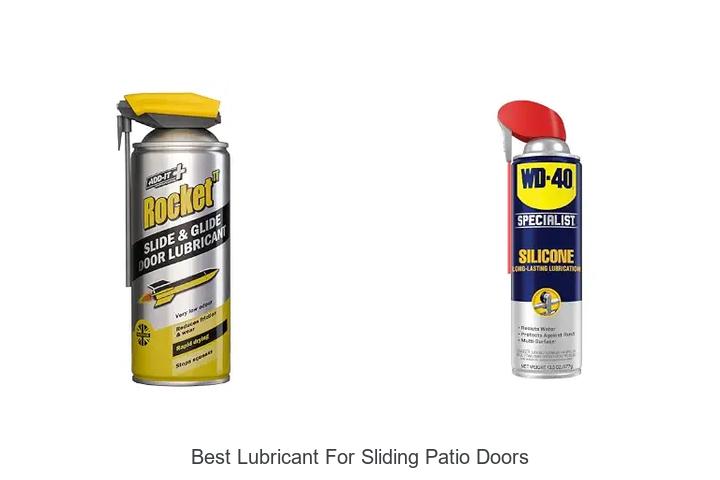
10 Best Lubricant for Sliding Patio Doors: Top Models Compared
Sticky or hard-to-move patio doors can make daily use frustrating. Dirt, dry rollers, and worn tracks often cause the problem.
A good lubricant can help the door slide more smoothly and reduce noise. In this review, we will look at the best lubricant for sliding patio doors and what makes it worth using. The focus will be on products that work well for homeowners, renters, and anyone dealing with stuck or noisy doors.
You will also see which features matter most, such as ease of use, long-lasting performance, and surface safety. By the end, you will have a clear idea of which product fits your door and your needs.
Best Lubricants for Smooth Sliding Patio Doors
| Image | Product | Price |
|---|---|---|
Pick 1  | Slide & Glide Silicone Door Lubricant Spray | Check Price On Amazon |
Pick 2  | WD-40 Specialist Silicone Lubricant | Check Price On Amazon |
Pick 3  | Impresa Sliding Door Lubricant | Check Price On Amazon |
1. Slide & Glide Silicone Door Lubricant Spray
Sliding patio doors often drag because tracks and rollers collect friction. A fast-drying silicone spray can restore smoother movement without oily residue. Slide & Glide Silicone Door Lubricant Spray uses a 100% silicone formula that targets squeaks, sticking, and resistance on moving door parts.
It works on tracks, rollers, hinges, springs, and other hardware. The non-staining spray dries quickly and leaves a clean finish for indoor or outdoor use.
The formula also helps protect hardware from rust and corrosion, which can matter in damp areas. It is compatible with metal, plastic, rubber, vinyl, wood, and glass.
That broad surface compatibility suits many patio door systems and garage-style tracks. The spray format makes application simple, and the low-odor finish suits enclosed spaces better than messier lubricants. It fits homeowners who want cleaner maintenance and dependable sliding motion.
Pros
- 100% silicone formula dries fast and stays non-sticky
- Helps reduce squeaks, sticking, and friction
- Works on many common door materials
Cons
- Spray format may need careful application
- Not designed for heavy dirt removal
- May need reapplication over time
Who Should Buy It?
People with sliding patio doors that stick, squeak, or drag should consider it. It suits users who want a clean silicone spray for tracks, rollers, hinges, and other moving parts. Homeowners with metal, plastic, rubber, vinyl, wood, or glass surfaces may benefit most.
It also fits indoor and outdoor door systems that need low-odor maintenance and quick-drying lubrication.
Key Specifications
| Specification | Details |
|---|---|
| Material | Silicone |
| Brand | Rocket TT |
| Package Type | Spray |
| Liquid Volume | 400 ml |
| Recommended Uses | Garage Door Tracks, Hinges and Rollers, Indoor and Outdoor Uses, Rust & Corrosion Resistant, Sliding Doors Garage Door Tracks, Hinges and Rollers, Ind |
| Container Type | Spray |
| Compatible Material | Glass, Metal, Plastic, Rubber, Wood |
| Item Form | Spray |
| Viscosity Level | Medium |
The core specification is a silicone spray with a medium viscosity. In everyday use, that means it spreads onto door hardware without feeling thick or greasy. The 400 ml volume gives enough product for repeated maintenance jobs on tracks, rollers, and hinges. Its spray container helps direct the lubricant into narrow spaces. Compatibility with glass, metal, plastic, rubber, and wood makes it useful across many patio door setups.
These specifications point to clean lubrication rather than heavy coating. A silicone base dries fast and leaves no sticky buildup, which helps moving parts stay smoother. Medium viscosity can suit sliding doors because it coats hardware without excessive residue. The spray form also makes setup simple for indoor or outdoor use. People who want regular maintenance for patio doors, garage tracks, and mixed-material frames will likely benefit most from these features.
2. WD-40 Specialist Silicone Lubricant
Sliding patio doors need lubrication that stays clean and keeps moving parts free. WD-40 Specialist Silicone Lubricant focuses on smooth motion without attracting dirt. It sprays onto window tracks, guide rails, hinges, locks, and pulleys with a dry finish.
That matters for patio doors, since sticky residue can collect grit and slow the track.
The silicone formula is designed for metal, rubber, vinyl, plastic, and other non-metal surfaces. It dries to a clear finish and leaves no messy residue behind. The low-viscosity spray spreads easily into tight spaces, which helps with tracks and linkages.
Its 13.3-ounce can offers generous coverage for repeated maintenance around the home. It suits homeowners who want a simple, low-mess option for doors, windows, and related hardware.
The formula also aims to reduce friction and wear, which can help keep sliding action lighter over time.
Pros
- Dry finish helps avoid dirt buildup
- Works on many common door materials
- Useful for tracks, hinges, and locks
Cons
- Aerosol can may feel less precise
- Not made specifically for patio doors
- Spray application may need careful control
Who Should Buy It?
People with sliding patio doors, window tracks, or other moving hardware should consider it. It fits homes that need a cleaner lubricant with less residue. The silicone formula also suits mixed materials, including rubber, vinyl, plastic, and metal.
Buyers who want one spray for several household maintenance tasks will get the most value from it.
Key Specifications
| Specification | Details |
|---|---|
| Material | Aluminum, Nickel, Silicone, Stainless Steel |
| Brand | WD-40 Specialist |
| Package Type | Can |
| Liquid Volume | 13.3 fluid ounces |
| Recommended Uses | Automotive, Industrial, Lubrication, Machinery maintenance, Tool Efficiency |
| Container Type | Can |
| Compatible Material | Metal, Rubber, Vinyl, Plastic |
| Item Form | Spray |
| Temperature Rating | 500 °F |
| Viscosity Level | Low |
The low-viscosity spray flows easily into narrow tracks and small moving parts. That helps when a patio door needs attention along rollers, rails, or guide channels. The formula works with metal, rubber, vinyl, and plastic surfaces. It also dries to a clear finish, so it leaves less visible residue behind. The 13.3-ounce can provides plenty of product for several doors, windows, or other household mechanisms that need regular maintenance.
Its material compatibility makes it useful around mixed hardware found in many homes. The spray form helps reach tight spots without heavy buildup, which can help movement stay smooth. A 500 °F temperature rating adds confidence for demanding environments, though patio doors will not usually reach that range. People who want cleaner lubrication and less dirt attraction may benefit most. It suits regular upkeep on doors, locks, hinges, and similar moving parts.
3. Impresa Sliding Door Lubricant
Heavy sliding doors need lubrication that lasts through repeated use. Impresa Heavy Duty Sliding Door Lubricant targets that job with silicone grease.
It is made for metal tracks, hinges, and other moving parts.
The 6-ounce jar gives you a handy amount for home maintenance. It suits patio doors, garage doors, glass doors, and hatches.
The formula aims to reduce squeaks, sticking, wear, and friction during daily operation. Its grease-and-liquid form helps create a clean application on compatible surfaces.
Build quality focuses on heavy-duty use and mess-free handling. The jar format makes storage simple, and the product is designed for mechanical use. Performance centers on smooth sliding and durable lubrication over time.
That makes it a practical pick for doors that feel stubborn or noisy.
Ease of use is a strong point for routine upkeep. You can apply it to tracks, hinges, and moving hardware without much fuss.
It suits homeowners who want a versatile lubricant for multiple door types. For heavy-duty sliding doors, it offers a useful balance of convenience, coverage, and long-lasting lubrication.
Pros
- Handles heavy-duty sliding door use well
- Works on many door and hinge types
- Silicone grease helps reduce friction
Cons
- Jar format may need careful application
- Best suited for metal-compatible surfaces
- Not specialized for a single door type
Who Should Buy It?
Buyers with heavy sliding patio doors, garage doors, or other metal hardware should consider it. It fits homes that need one lubricant for tracks, hinges, hatches, and glass doors. People wanting durable lubrication and a cleaner grease-style application will likely appreciate it.
It also suits routine maintenance for doors that squeak, stick, or feel rough during use.
Key Specifications
| Specification | Details |
|---|---|
| Material | Silicone grease |
| Brand | IMPRESA |
| Package Type | Jar |
| Liquid Volume | 6 fluid ounces |
| Recommended Uses | Mechanical |
| Container Type | Jar |
| Compatible Material | Metal |
| Item Form | Grease, Liquid |
Silicone grease means the lubricant is meant to coat moving surfaces and reduce rubbing. The 6-ounce jar gives enough product for several maintenance jobs around the home. A grease-and-liquid form can help it stay where it is applied on tracks and hinges. The metal compatibility matters for sliding patio door hardware, garage parts, and other metal components that need smoother motion.
A jar container works well for controlled application and storage between uses. Mechanical recommended use points to doors, tracks, and other moving parts rather than general-purpose cleaning. The metal-friendly formula suits patio doors that bind or squeak during regular opening. People maintaining multiple doors may benefit most, since the same lubricant can be used on hatches, hinges, glass doors, and garage doors.
4. CRC Heavy Duty Silicone Lubricant 7.5 oz Pack of 12

Rusty sliding mechanisms can become noisy, stiff, and hard to move. CRC Heavy Duty Silicone Lubricant targets that kind of problem with a silicone-based formula in aerosol can form. The moderate to high viscosity helps it stay where applied, which suits tracks, rollers, and other moving metal parts.
Its 400°F upper temperature rating also adds useful heat tolerance for demanding spots.
The pack includes twelve 7.5-ounce cans, which suits repeated maintenance or larger properties. The liquid form can be applied to cleaning and lubrication tasks, depending on the job.
Metal compatibility makes it a practical choice for hardware and mechanisms that need smoother motion. For sliding patio doors with rust-prone parts, it offers a focused solution for reducing friction and supporting steadier movement.
Build quality feels practical and work-ready rather than delicate. The can format supports direct application, while the silicone and metal-related formulation points to use on hardware surfaces. Moderate to high viscosity helps limit fast runoff, so the lubricant can cling to treated parts longer.
That can matter on older door mechanisms where residue and corrosion make motion uneven.
Performance should suit rusty mechanisms that need a stronger lubricant presence. The higher temperature rating adds confidence in warmer locations or sun-exposed areas. Because the formula is aerosol-based, application should be quick and controlled.
It works best for users maintaining multiple doors, tracks, or metal assemblies that need routine attention. The pack size also fits property managers or households with frequent upkeep needs.
Pros
- Good for rusty metal mechanisms
- Moderate to high viscosity stays put
- Pack of twelve supports frequent use
Cons
- May be more than one household needs
- Aerosol can format needs careful handling
- Focuses on metal parts, not all materials
Who Should Buy It?
Buyers with rusty sliding door hardware should consider it. It suits older patio doors, metal tracks, and moving parts that need stronger lubrication support. Property managers, maintenance teams, and households with several doors may value the pack of twelve.
People wanting a silicone lubricant in aerosol can form will find it practical for repeated upkeep and cleaning-related maintenance tasks.
Key Specifications
| Specification | Details |
|---|---|
| Material | Metal,Silicone |
| Brand | CRC |
| Package Type | Pack of 12 |
| Liquid Volume | 7.5 fluid ounces |
| Recommended Uses | Cleansing |
| Container Type | Can |
| Compatible Material | Metal |
| Item Form | Liquid,Grease,Aerosol |
| Temperature Rating | 400 °F |
| Viscosity Level | Moderate to High Viscosity |
The material listing combines metal and silicone, which points to use on hardware parts. Silicone lubricants often suit sliding components that need lower friction. The metal compatibility matters for patio door tracks, rollers, and related assemblies. A 7.5 fluid ounce fill gives a standard can size for repeated maintenance. The aerosol can format supports targeted application, while the cleansing use suggests it may help during routine cleanup around moving parts.
Moderate to high viscosity means the lubricant can cling better after spraying. That helps on rusty mechanisms where thin formulas may run off too quickly. The 400 °F temperature rating adds tolerance for warmer surfaces and sun-exposed areas. Because it comes in liquid, grease, and aerosol forms, users get flexible application options. People maintaining metal doors or multiple fixtures may benefit most from that combination of hold, heat resistance, and coverage.
5. 3-IN-ONE RVcare Window & Track Dry Lube

Sliding windows and doors need a lubricant that stays clean. 3-IN-ONE RVcare Window & Track Dry Lube focuses on that job well.
It uses a quick-drying formula that leaves a clear protective film. That helps reduce friction without pulling dirt and debris into tracks.
The spray also offers long-lasting corrosion protection against the elements. That can help reduce future repairs on exposed outdoor hardware.
The formula is safe on most vinyl and plastic surfaces. It is not meant for clear polycarbonate or polystyrene. That makes it a useful choice for many RV windows, doors, slide-outs, and compartments.
The SMART STRAW nozzle sprays two ways for better control. You can spray broad areas or use a stream for tighter spots. The can design also keeps the straw attached, which adds convenience.
Performance suits people who want smoother, quieter sliding with less mess. The dry film approach works well where wet lubricants may collect grit.
Build quality feels practical and focused on regular maintenance use. It fits owners who want a simple spray for track care and corrosion protection.
For sliding patio doors, it is a good match when clean operation matters more than heavy lubrication.
Pros
- Quick-drying film helps reduce dirt buildup
- Corrosion protection supports outdoor use
- Two-way SMART STRAW adds control
Cons
- Not safe for clear polycarbonate
- Not safe for polystyrene surfaces
- Best suited to dry-track applications
Who Should Buy It?
Buyers who want a dry lubricant for sliding tracks should consider it. It suits RV owners, and it also fits similar outdoor door hardware. The clear film works well where dust and grit are concerns.
People who prefer controlled spraying will like the SMART STRAW nozzle. It is a practical pick for keeping windows, doors, slide-outs, and compartments moving smoothly.
Key Specifications
| Specification | Details |
|---|---|
| Material | Vinyl, Polycarbonate, Plastic |
| Brand | 3-IN-ONE |
| Package Type | Can |
| Liquid Volume | 295.74 ml |
| Recommended Uses | Windows, Window, Outdoor |
| Container Type | Can |
| Compatible Material | Vinyl, Polycarbonate, Plastic |
| Item Form | Spray |
The material list shows compatibility with vinyl, polycarbonate, and plastic surfaces. In daily use, that means the spray can fit many window and door tracks made from common synthetic materials. The liquid volume is 295.74 ml, which gives a standard can size for routine maintenance. The spray form also makes application quick, so users can target tracks without messy hands or extra tools.
The brand, 3-IN-ONE, points to a product line built for motion points and moving parts. The can package and spray format make it easy to store near garages or RV storage areas. Recommended uses include windows and outdoor applications, which matches sliding patio door hardware exposed to weather. Since the formula is dry, it suits users who want less residue and less dirt collection in track channels.
6. AGS Door-Ease Stick Lubricant

A wax stick format makes lubrication simple and tidy. It suits sliding doors, windows, and other household tracks.
AGS Door-Ease comes as a no-mess stick for direct application. The stick form helps reduce drips during use.
It is made for stopping squeaks on moving surfaces. Compatible materials include metal, plastic, wood, glass, and rubber. That wide compatibility makes it useful around many home projects.
The compact stick measures 4.25 x 1 x 1 inches. Its 1.68-ounce size keeps storage easy in a drawer or toolbox. The product is designed for doors, windows, wood drawers, zippers, and car door seals.
That range makes it handy for more than patio doors alone. The metal, plastic, and rubber-safe formula supports everyday use on mixed materials. People wanting simple application and low cleanup will likely appreciate it most.
It suits users who want a practical lubricant in a solid form.
Pros
- No-mess stick format reduces drips.
- Works on many common materials.
- Useful for doors, windows, and more.
Cons
- Stick format may take longer to apply.
- Small size may need frequent replacement.
- Not a liquid spray for broad coverage.
Who Should Buy It?
People who want a tidy lubricant for sliding patio doors should consider it. It suits users who prefer direct application over sprays or liquids. The stick form also helps around windows, drawers, zippers, and door seals.
Buyers with mixed materials, including metal, plastic, wood, glass, and rubber, may find it especially useful.
Key Specifications
| Specification | Details |
|---|---|
| Material | Metal, Plastic |
| Brand | AGS |
| Package Type | Stick |
| Liquid Volume | 50 ml |
| Recommended Uses | Door, Window |
| Container Type | Stick |
| Compatible Material | Metal, Plastic, Wood, Glass, Rubber |
| Item Form | Stick |
| Temperature Rating | 379 °F |
| Viscosity Level | Not listed |
The stick form means the lubricant is applied directly where contact happens. That helps on sliding door tracks, window channels, and drawer runners. Its compatibility with metal, plastic, wood, glass, and rubber makes it versatile around a home. The listed 50 ml volume and 1.68-ounce unit count describe a compact supply. The 379 °F flash point adds a useful safety specification for storage conditions.
These specifications point to a clean, targeted lubricant rather than a spray or liquid. A stick container helps control application and limits excess mess on nearby surfaces. People with mixed-material doors or frames can use it on many parts. The broad material compatibility also helps households with patio doors, seals, and windows. Since viscosity is not listed, users should expect a simple solid wax-style application instead.
7. CRC Extreme Duty Silicone 10 wt oz

Harsh temperatures can punish sliding hardware, and CRC Extreme Duty Silicone is built for that job. Its low-viscosity silicone formula targets metal and non-metal surfaces that face tough conditions.
This aerosol lubricant works in temperatures from minus 100 to 450 degrees Fahrenheit, which makes it stand out for extreme environments. It is designed for guides, rails, sliding mechanisms, rollers, and similar moving parts.
The dry film silicone format helps reduce galling and friction on contact areas. That can matter when patio doors feel sticky in cold mornings or hot afternoons.
The can packaging makes application straightforward, especially on rails and tracks. The spray format also helps reach narrow spots without much cleanup. CRC uses a formula meant for metal-to-metal use and non-metal equipment.
It suits people who want a versatile lubricant for demanding conditions. It also fits users who need one spray for several household or shop tasks.
Pros
- Handles very wide temperature extremes.
- Works on metal and non-metal surfaces.
- Useful for rails and sliding mechanisms.
Cons
- Aerosol format may overspray nearby surfaces.
- Designed for harsh conditions, not light household use only.
- Low viscosity may require careful application.
Who Should Buy It?
Buyers with patio doors exposed to extreme heat or cold should consider it. It suits homes, garages, shops, and other spaces with metal tracks or sliding parts. People who want a silicone spray for rails, guides, and similar mechanisms will find it practical.
It also fits users who need compatibility with both metal and non-metal surfaces.
Key Specifications
| Specification | Details |
|---|---|
| Material | Silicone |
| Brand | CRC |
| Package Type | Can |
| Liquid Volume | 10 fluid ounces |
| Recommended Uses | Marine, Electrical |
| Container Type | Can |
| Compatible Material | Metal, Non-metal |
| Item Form | Aerosol |
| Temperature Rating | -100 to 450 °F |
| Viscosity Level | Low |
The silicone material gives this lubricant a low-viscosity feel and a dry-film style application. In everyday use, that means it can spread easily across tracks, rails, and other sliding contact points. The 10-fluid-ounce aerosol can supplies enough product for repeated use around a home or workshop. Its compatibility with metal and non-metal surfaces matters for patio doors with mixed parts. The wide temperature rating shows it is made for very cold winters and very hot spaces.
These specifications point to a lubricant built for demanding movement and changing weather. The low viscosity helps it reach guides and narrow rails without heavy buildup. The aerosol can format also makes spraying quick on sliding parts and moving mechanisms. Users who deal with outdoor doors, conveyors, rollers, or electrical equipment may benefit most. The broad temperature range supports reliable use where seasonal swings affect door motion and friction. It is a practical choice for exposed hardware.
8. Planet Safe AIM Extreme Duty Lubricant

Stubborn squeaks and stuck hardware need a strong fix. Planet Safe AIM Extreme Duty Lubricant is built for tough household jobs.
It penetrates, cleans, lubricates, and protects in one small bottle. That makes it useful for sliding patio doors, hinges, and other metal parts. The formula is non-toxic, odorless, and made in the USA.
It also works on metal, silicone, and plastic surfaces. The compact 1-ounce bottle is easy to store and grab quickly.
For sliding patio door tracks and rollers, its penetrating action matters most. It helps break through corrosion and resistance that slow hardware down. The lubricant is also water resistant for many uses, which helps in damp areas.
Its multi-purpose design suits garage doors, gym equipment, hand tools, and other household or workshop tasks. Build quality is straightforward and practical, with a bottle container and liquid form for direct application.
It suits homeowners who want one lubricant for several indoor and outdoor jobs. The small size limits bulk, but it keeps the formula handy for targeted repairs.
Pros
- Penetrates rust and stubborn hinge buildup
- Non-toxic, odorless formula for indoor use
- Works on metal, silicone, and plastic
Cons
- Small 1-ounce bottle limits coverage
- Not designed only for patio doors
- Best for targeted jobs, not large projects
Who Should Buy It?
Buyers who need one lubricant for tough household repairs should consider it. It fits people who deal with squeaky doors, stuck hinges, garage hardware, or other small mechanical problems. The non-toxic, odorless formula also suits homes with kids or pets.
It works well for anyone wanting a compact, multi-purpose lubricant for regular maintenance.
Key Specifications
| Specification | Details |
|---|---|
| Material | Metal |
| Brand | PlanetSafe Lubricants |
| Package Type | Bottle |
| Liquid Volume | 1 fluid ounces |
| Recommended Uses | Auto, Lubricant, Industrial |
| Container Type | Bottle |
| Compatible Material | Metal |
| Item Form | Liquid |
The metal-safe design matters for door hardware, hinges, and other moving parts. A 1 fluid ounce liquid bottle gives you a small, focused supply for spot treatments. That format works well when you only need to free a noisy track or sticky mechanism. The PlanetSafe Lubricants branding and bottle packaging suggest a simple product meant for direct use. It is practical for homes, garages, and workspaces where small maintenance jobs come up often.
Its liquid form helps the lubricant spread across tight spaces and moving surfaces. Compatibility with metal makes it a better fit for door rollers, hinges, and similar hardware. The listed auto and industrial uses point to a formula made for harder jobs. That can help people who need a stronger maintenance option for frequent squeaks or corrosion. The compact bottle also suits storage in a drawer, toolbox, or utility shelf.
9. CRC Heavy Duty Silicone Lubricant

Sliding parts often need a dry, clean coating that does not attract grime. CRC Heavy Duty Silicone Lubricant is built for that kind of job, with a clear, odorless finish. It applies a thin film that helps protect surfaces without leaving greasy residue behind.
The silicone formula is suited for nylon, rubber, metal, wood, and other non-metal surfaces. That wide compatibility makes it useful for many maintenance tasks around the home or workshop.
The can format is simple to handle, and the liquid sprays as an even coating. Its water and moisture resistance make it a practical choice for damp or harsh areas.
That can help reduce sticking and binding on moving components. It is designed for demanding environments, not as an appearance cleaner or for painted surfaces.
For sliding patio doors, it suits users who want clean lubrication across mixed materials and prefer a residue-free finish.
Pros
- Leaves a dry coating with no greasy residue
- Works on nylon, rubber, metal, and wood
- Offers strong moisture resistance for damp areas
Cons
- Not intended for painted surfaces
- Not an appearance cleaner
- May be too broad for simple single-surface jobs
Who Should Buy It?
People with sliding patio doors made from mixed materials may like this lubricant. It suits users who want a clean, dry coating instead of a greasy film. Homeowners, maintenance workers, and anyone dealing with sticking or binding on nylon, rubber, metal, or wood components may benefit most.
It also fits spaces exposed to moisture, where added protection matters.
Key Specifications
| Specification | Details |
|---|---|
| Material | Silicone |
| Brand | CRC |
| Package Type | Can |
| Liquid Volume | 11 fluid ounces |
| Recommended Uses | Mechanical |
| Container Type | Can |
| Compatible Material | Nylon, Rubber, Metal, Wood, and Other Non-metal Surfaces |
| Item Form | Liquid |
The silicone material matters because it leaves a thin, dry coating on surfaces. In daily use, that means less greasy buildup on tracks, rollers, and nearby parts. The 11 fluid ounce can provides a familiar spray format for maintenance tasks. Its compatibility with nylon, rubber, metal, wood, and other non-metal surfaces makes it useful where a door includes mixed parts. That broad fit helps users handle several contact points with one product.
The liquid form supports even coverage, which helps in mechanical applications. A dry film can reduce sticking and binding without leaving a wet, oily feel behind. Its water and moisture resistance also suits spaces exposed to humidity or splashes. People who maintain sliding doors, hardware, or other moving parts may value that protection. It is especially useful for households that want cleaner lubrication on materials that should not stay greasy.
10. CRC Heavy Duty Silicone Lubricant 05074

Sliding parts often need a lubricant that handles heat and moisture well. CRC Heavy Duty Silicone Lubricant 05074 brings that kind of protection in a clear spray.
It is a multi-purpose silicone lubricant made for reducing squeaking and binding on metal and non-metal surfaces. The formula works on wood, metal, rubber, nylon, and other similar materials. It also resists water and stays odorless, which helps in harsh or damp areas.
The aerosol can makes application quick and easy on tracks, rollers, and contact points. Its high temperature rating suits spaces that warm up during regular use.
The clear film helps protect surfaces without leaving heavy residue behind. For patio doors that stick from friction or moisture, it offers practical everyday help.
It suits users who want a versatile spray for indoor and outdoor sliding hardware.
Pros
- Handles high temperatures well.
- Works on many surface materials.
- Water-resistant clear silicone film.
Cons
- Not meant as an appearance cleaner.
- Not designed for paint surfaces.
- Aerosol format may overspray.
Who Should Buy It?
Buyers with patio doors exposed to heat, moisture, or mixed materials should consider it. It suits homes with wood, metal, rubber, or nylon sliding parts. The spray format helps people who want fast application on tracks and contact points.
It is a good match for anyone needing friction reduction on tough household hardware.
Key Specifications
| Specification | Details |
|---|---|
| Material | Silicone, Metal, Rubber, Nylon |
| Brand | CRC |
| Package Type | Can |
| Liquid Volume | 7.5 fluid ounces |
| Recommended Uses | Marine, Paint, Electrical |
| Container Type | Can |
| Compatible Material | Wood, Metal, Rubber, Nylon |
| Item Form | Spray |
| Temperature Rating | 450 °F |
| Viscosity Level | Not listed |
The silicone base means the lubricant is made for reducing friction on moving parts. Its compatibility with wood, metal, rubber, and nylon makes it useful on mixed patio door hardware. The 7.5 fluid ounce can gives a moderate supply for repeated use around the home. A spray form also helps reach tracks, rollers, and tight spots without much effort. The clear, odorless film is meant to coat surfaces without leaving a strong smell behind.
A 450 °F temperature rating points to strong heat tolerance during use. That matters when door hardware sits in warm sun or heated spaces. Water resistance helps the lubricant stay in place in damp conditions. The product works on surfaces that can bind from friction, which helps sliding feel smoother. People with metal frames, rubber seals, or nylon parts may benefit most. The can format also keeps application quick for regular maintenance.
Best Lubricant for Sliding Patio Doors: A Smart Buyer’s Guide to Smoother, Quieter Sliding
Lubricant type and formula
Silicone-based sprays and dry formulas usually perform differently on patio door systems, so the track material and door components should guide the decision. Silicone often provides smooth, long-lasting glide with less residue, while dry lubricants are better for reducing dust buildup in areas that collect dirt quickly.
Wax, grease, and PTFE options each serve a distinct purpose: wax can add a protective layer, grease delivers heavier-duty lubrication, and PTFE is valued for its low-friction performance with minimal mess. It is also important to confirm compatibility with door materials and tracks, since some formulas can attract grime, stain finishes, or react poorly with metal, vinyl, or rollers. A well-matched product helps the door move quietly, protects hardware over time, and reduces the need for frequent reapplication.
Ease of application
A product’s format can make a noticeable difference in how smoothly it performs on patio door tracks, especially in tight spaces where accuracy matters. Spray, gel, and aerosol formulas each have different strengths: sprays spread quickly, gels stay in place longer, and aerosols often offer even coverage with less effort.
It is also worth paying attention to drying time and cleanup requirements, since faster-drying options can get the door back in use sooner, while formulas that leave heavy residue may require extra wiping. A well-matched product saves time, limits mess, and makes routine maintenance much easier.
Protection against dirt and dust
Protection against dirt and dust matters because track grime can quickly undo a door’s smooth movement. A formula that leaves too much residue on the rails can trap dust, grit, and pet hair, turning a simple glide into a jerky, noisy slide. The right product should help reduce residue buildup on tracks and resist attracting debris, so the rollers stay cleaner for longer.
- Lower residue: helps keep tracks cleaner.
- Debris resistance: reduces dust and grit sticking to the surface.
- Durable glide: maintains easier opening and closing over time.
Safety and surface compatibility
Safe performance across different materials matters because patio door parts often combine vinyl frames, aluminum tracks, and glass surfaces in the same system. A product that is nonstaining and noncorrosive helps protect those finishes from discoloration, pitting, or residue buildup, which can otherwise affect both appearance and smooth operation over time. It is also worth paying attention to indoor air quality and odor, since a low-odor formula is more comfortable to use inside the home and reduces the chance of lingering fumes during application.
Safety and surface compatibility should therefore be treated as a core part of the decision, not an extra feature, because the right formula can support reliable motion while keeping surrounding materials clean and intact.
- Vinyl: Avoid formulas that may stain, soften, or leave a greasy film.
- Aluminum: Use a noncorrosive option that helps protect the track and hardware.
- Glass: Prefer a clean application that will not cloud or mark nearby panes.
- Indoor use: A low-odor product is easier to apply in enclosed living spaces.
Durability and frequency of reapplication
Durability and frequency of reapplication matter because a product that wears off too quickly can leave patio doors stiff, noisy, and harder to use after only a short time. A longer-lasting formula reduces maintenance, keeps rollers and tracks moving smoothly, and is especially useful on high-use doors that open and close many times each day.
- How long lubrication lasts: A more durable formula stays effective longer, so the door remains easy to slide without constant upkeep.
- Reapplication intervals: Products with longer intervals save time and reduce the chance of over-application, which can attract dirt.
- Performance in high-use doors: Stronger, longer-wearing options handle daily movement better and help prevent squeaks, drag, and uneven motion.
Value and product packaging
Bottle size and coverage matter because a formula that lasts through many door tracks, rollers, and maintenance sessions usually delivers better value than a tiny container that runs out quickly. A larger bottle may cost more upfront, but it can reduce the amount spent per application and make routine upkeep more affordable over time.
It also helps to check whether the lubricant can be used in other places around the home, such as hinges, locks, drawers, or window tracks, since a versatile product stretches further and limits the need to keep multiple specialty items on hand.
| Factor | Why it matters |
|---|---|
| Bottle size and coverage | Shows how many applications you can get before needing a replacement. |
| Cost per application | Reveals the real long-term value beyond the sticker price. |
| Multipurpose use around the home | Lets one product handle several maintenance tasks, improving overall usefulness. |
How Sliding Door Lubricants Work
Sliding patio doors often stick because dirt, dust, and dry parts create friction. The right lubricant helps the door move more smoothly by reducing that friction on the track, rollers, and other moving parts.
Most products work in a simple way. You clean the track first. Then you apply a small amount of lubricant to the places that move. After that, you slide the door open and closed a few times so the product spreads evenly.
Different types work best in different spots. Silicone-based sprays are often used on tracks and rollers because they leave a slick surface without feeling greasy. Dry lubricants can also help because they do not attract as much dust. Grease is usually better for metal parts that need longer-lasting coverage, but too much can collect debris.
Here is a basic flow for use:
- Wipe away dust, sand, and old residue.
- Check the rollers and track for wear or damage.
- Apply a light coat of lubricant to the moving parts.
- Move the door back and forth a few times.
- Wipe off any extra product.
Less is usually better. A heavy layer can make the track messy and may attract more dirt. A small amount, applied often, usually works better than a large amount used once.
If the door still drags after cleaning and lubricating, the problem may be with the rollers, alignment, or a damaged track. In that case, lubricant may help a little, but it will not fix the root issue.
For best results, choose a product made for sliding doors or other moving hardware. Avoid using random household oils unless the label says they are safe for this use.
FAQ’s
What Is The Best Lubricant To Use On Sliding Patio Door Tracks?
A dry silicone lubricant is usually the best choice for sliding patio door tracks because it reduces friction without attracting much dirt or dust. Avoid oily lubricants like WD-40 for regular use, since they can build up grime over time.
How Often Should You Lubricate A Sliding Patio Door?
Lubricate a sliding patio door about once or twice a year, or whenever it starts to feel sticky or hard to open. Use a silicone-based lubricant on the tracks and rollers for the best results.
Is Silicone Spray Better Than Grease For Patio Door Rollers?
Silicone spray is usually better for patio door rollers because it reduces friction without attracting as much dirt and grime as grease. Grease can last longer, but it often collects debris and can make rollers gunk up over time.
Can Wd-Be Used On Sliding Patio Doors?
Yes, WD-40 can be used on sliding patio door tracks and rollers to help reduce sticking and squeaking. Use it sparingly and wipe away any excess, since too much can attract dirt.
How Do You Clean Patio Door Tracks Before Applying Lubricant?
Vacuum out loose dirt and debris from the tracks, then wipe them clean with a damp cloth or sponge. For stuck grime, use warm soapy water or a small brush, and let the tracks dry completely before applying lubricant.
Final Verdict
For most buyers, WD-40 Specialist Silicone Lubricant is the best lubricant for sliding patio doors because it offers a strong all-around mix of smooth operation and easy maintenance. It is a practical choice for people who want one product that handles everyday door tracks without much fuss, which is why it stands as our Best Overall pick.
Budget-focused shoppers should choose 3-IN-ONE RVcare Window & Track Dry Lube, especially for dry track lubrication where a cleaner finish matters. CRC Heavy Duty Silicone Lubricant is the better premium option for rusty mechanisms that need a stronger formula, while AGS Door-Ease Stick Lubricant suits anyone who wants a no-mess stick that is quick to apply and less likely to overspray.
Choose WD-40 Specialist Silicone Lubricant for the best all-around balance, or pick the other options based on whether you need the lowest cost, a premium rust-fighting formula, or a cleaner no-mess application.