9 Best Mule Deer Hunting States: Ranked and Compared
Finding the right place to hunt mule deer can be a real challenge. Some states offer better herd numbers, easier access, or stronger trophy potential than others.
It also helps those planning a trip and trying to match their budget, skill level, and hunting style. The right state can shape the whole hunt.
Good public land, strong deer quality, and fair tag odds can all make a big difference. In this review, I will cover what makes each state stand out. I will also look at access, deer numbers, tag rules, and the kind of hunter each state fits best.
I will also look at access, deer numbers, tag rules, and the kind of hunter each state fits best.
Top States for Mule Deer Hunting Success
| Image | Product | Price |
|---|---|---|
Pick 1  | Hunting Big Mule Deer | Check Price On Amazon |
Pick 2  | Hunting Open Country Mule Deer | Check Price On Amazon |
Pick 3  | Finding Mule Deer | Check Price On Amazon |
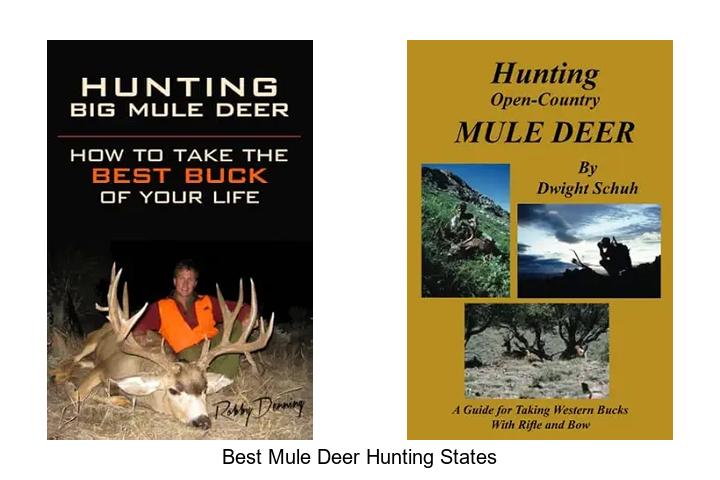
1. Hunting Big Mule Deer
Big mule deer hunters often want clear tactics, not broad theory. Hunting Big Mule Deer focuses on taking the best buck of your life. The book offers a 285-page English guide from Wescout4u.com.
It suits readers who want detailed buck-hunting ideas with a practical structure. The format feels straightforward, and the page count suggests substantial coverage.
Its 2015 publication date places it within a modern hunting reference range. The 6 by 9 inch trim size should feel familiar on a shelf.
The book works best for hunters who want focused mule deer strategy. It appears aimed at serious readers who value method over quick tips. The content promises a centered approach to big-buck hunting tactics.
Hunters wanting a dedicated mule deer resource should appreciate that focus.
Pros
- Focused on big-buck mule deer tactics
- Substantial 285-page guide
- Clear English-language presentation
Cons
- No author listed in the supplied data
- Paperback-style details are not specified
- May feel narrow for general deer hunters
Who Should Buy It?
Hunters who want a dedicated mule deer reference should buy it. It fits readers who prefer detailed buck tactics over general hunting advice. The book suits experienced hunters, serious learners, and anyone studying mule deer strategy.
It also works well for people who like longer guides with organized coverage.
Key Specifications
| Specification | Details |
|---|---|
| Title | Hunting Big Mule Deer: How to Take the Best Buck of Your Life |
| Author/Brand | Not listed |
| Publisher | Wescout4u.com |
| Publication Date | July 17, 2015 |
| Language | English |
| Print Length | 285 pages |
| Format | Book |
| ISBN-10 | 069245795X |
| ISBN-13 | 978-0692457955 |
The title signals a focus on larger mule deer and proven buck methods. A 285-page length usually means room for more than brief tips. The English language listing makes the material easy to approach for many readers. A 2015 publication date suggests a modern hunting reference, not an outdated field note. Wescout4u.com as publisher points to a niche outdoor title with a specific hunting purpose.
A 6 by 9 inch book size usually feels comfortable in hand or pack. The 13.6-ounce weight suggests a substantial book without being overly heavy. Those details matter for camp, truck, or home reading. The ISBN-10 and ISBN-13 listings help identify the exact edition quickly. Readers who want a focused mule deer guide may value this format most. The print length and size suit hunters who prefer detailed reading over short articles.
2. Hunting Open Country Mule Deer
Western bucks demand patience, field craft, and the right guidance. This book focuses on open-country mule deer hunting with rifle and bow. It presents a guide for taking western bucks across wide landscapes.
The 6th edition reflects a long-running publishing history and a focused subject. At 180 pages, it offers a compact, practical read for hunters. The English-language format makes it accessible to many readers.
Its 6 x 0.41 x 9 inch size also feels easy to carry. Stoneydale Press Publishing Company provides the publishing foundation behind the title. The content suits hunters who value open-country tactics and clear instruction.
It appears aimed at readers hunting mule deer in western settings. The book fits those who want a dedicated mule deer reference.
Its rifle and bow coverage adds usefulness across hunting styles. The format suggests a straightforward resource rather than a sprawling manual.
Readers wanting concise, specialized knowledge should find strong value here.
Pros
- Focused on open-country mule deer hunting
- Covers rifle and bow approaches
- Compact, portable 180-page format
Cons
- Limited to a very specific hunting style
- Older publication date may feel dated
- Shorter length limits broader coverage
Who Should Buy It?
Hunters who spend time in open western terrain should consider this title. It suits readers wanting mule deer tactics for rifle or bow use. The compact size helps anyone who prefers a portable field reference.
Those focused on a single species and hunting style will benefit most.
Key Specifications
| Specification | Details |
|---|---|
| Title | Hunting Open Country Mule Deer: A Guide for Taking Western Bucks With Rifle and Bow |
| Author/Brand | Stoneydale Press Publishing Company |
| Publisher | Stoneydale Press Publishing Company |
| Publication Date | January 1, 1985 |
| Edition | 6th |
| Language | English |
| Print Length | 180 pages |
| Format | Paperback |
| ISBN-10 | 0912299231 |
| ISBN-13 | 978-0912299235 |
The 180-page length suggests a focused guide, not a massive reference. The paperback format usually feels light and easy to carry. Its 6 by 9 inch size fits a pack or shelf neatly. English text makes the material accessible to many readers. A 6th edition also signals repeated publishing over time. Together, these details point to a practical book for quick study. Hunters who want a manageable hunting guide may appreciate that format.
The publication date of January 1, 1985 places it in an older era. That may appeal to readers who value longstanding hunting advice. Stoneydale Press Publishing Company appears as both publisher and brand source. The ISBN numbers help identify the exact edition for ordering or cataloging. At one pound, the book should remain easy to handle. Readers wanting a compact, species-specific hunting guide will benefit most from these specifications.
3. Finding Mule Deer
A compact field guide can make mule deer hunting feel much less overwhelming. Finding Mule Deer keeps the focus on locating deer, closing distance, and shooting well.
This 114-page book is part of the Finding Wild Game series. It is independently published and written in English, which points to a straightforward, no-frills reading experience. The slim size should make it easy to pack, read, and revisit before a trip.
For beginners on a budget, the short format may feel approachable and time-friendly. The title promises practical guidance on finding deer, getting close, shooting straight, and bringing game home.
That broad coverage suggests a start-to-finish approach without extra bulk. It suits hunters who want a simple primer rather than a large reference book.
Readers seeking an introductory mule deer resource should find the format easy to handle.
Pros
- Short 114-page format is easy to finish.
- Covers locating, closing, shooting, and recovery.
- Fits beginner needs without extra bulk.
Cons
- Slim length may limit advanced detail.
- Independent publication can mean uneven polish.
- Not ideal for experienced hunters wanting depth.
Who Should Buy It?
Buy it if you want a short, beginner-friendly mule deer guide. It suits hunters who prefer a simple read before heading out. The compact format also helps anyone with limited time or pack space.
Readers seeking broad foundational advice over technical detail should get the most value.
Key Specifications
| Specification | Details |
|---|---|
| Title | Finding Mule Deer: Find Them, Get Close, Shoot Straight, and Bring Your Deer Home (Finding Wild Game) |
| Publisher | Independently published |
| Publication Date | August 14, 2026 |
| Language | English |
| Print Length | 114 pages |
| Format | Paperback |
| ISBN-13 | 979-8192576854 |
The 114-page length suggests a quick, focused read for hunters. It can work well for someone who wants a compact guide before a trip. English language formatting makes the material easy to follow for most readers. The paperback format also suits backpacks, trucks, and camp bags. Since it is independently published, buyers should expect a direct, practical presentation rather than a glossy, oversized handbook.
Its slim size may help beginners stay engaged without feeling overloaded. A shorter book can be easier to revisit when planning a hunt or reviewing basics. The paperback build should also be simple to carry and store. Since the publication date is listed for 2026, readers should verify availability details before purchasing. The ISBN-13 helps identify the exact edition and match listings accurately.
4. HUNTING BIG MULE DEER

Stories can teach mule deer hunters as much as maps and maps often miss the human side. HUNTING BIG MULE DEER offers story-driven insights through 409 pages of English-language content.
The book, titled HUNTING BIG MULE DEER: The Stories, comes from Wescout4u.com and was published on June 14, 2022. Its large page count suggests a substantial read for hunters who value narrative detail, field experiences, and lessons drawn from real hunting situations. The 6 x 0.93 x 9 inch size gives it a standard paperback-style footprint, while the 1.2-pound weight reflects a full-length book meant for steady reading at home or in camp.
Its main strength is the storytelling angle, which suits readers who prefer context over quick tips. The format favors patient reading and careful note-taking, especially for hunters studying mule deer behavior, terrain, and field judgment through stories.
It is easy to handle, simple to store, and straightforward to add to a hunting library. The value comes from its substantial content and focused subject matter, making it a fit for hunters who enjoy learning through narrative rather than short guides.
Pros
- Story-driven approach adds context and personality
- Long 409-page read offers substantial content
- Standard book size stores easily
Cons
- Not a quick-reference field guide
- May feel lengthy for casual readers
- Story style may not suit everyone
Who Should Buy It?
Hunters who prefer narrative learning should buy it. It suits readers who enjoy field stories, hunting judgment, and longer-form reflection on mule deer trips. The book fits someone building a hunting library, or anyone wanting a more personal view of mule deer hunting than a short technical guide provides.
It also works well for camp reading and quiet offseason study.
Key Specifications
| Specification | Details |
|---|---|
| Title | HUNTING BIG MULE DEER: The Stories |
| Author/Brand | Wescout4u.com |
| Publisher | Wescout4u.com |
| Publication Date | June 14, 2022 |
| Language | English |
| Print Length | 409 pages |
| Format | Book |
| ISBN-10 | 0578397781 |
| ISBN-13 | 978-0578397788 |
The 409-page length means the book offers plenty of room for stories and detail. In everyday use, that usually means longer reading sessions and more context around each hunting idea. The English language format makes it accessible to many readers. The listed publication date, June 14, 2022, places it among newer hunting books. The standard book format also makes it easy to keep on a shelf, in a truck, or beside camp gear.
Its 6 x 0.93 x 9 inch size gives it a familiar, readable shape. The 1.2-pound weight suggests a solid book without feeling overly bulky. That balance helps during travel, camp downtime, or home reading. The ISBN numbers help buyers identify the exact edition. Together, these details point to a book suited for hunters who want a lasting printed copy with enough length for repeated reading and note-taking.
5. Mule Deer Strategies Handbook

Field hunters often want clear guidance, not fluff. That is where this handbook stands out.
Mule Deer Strategies: A Handbook of Hunting Techniques offers a focused, practical approach for mule deer hunting. The 200-page paperback format keeps the material manageable for repeated reading and easy packing. Published by Lyons Pr in 2000, it presents hunting techniques in an organized, straightforward way.
The book suits readers who want a strategy handbook rather than a general outdoor read. Its first edition status and English language format make it easy to access for many hunters. The 6 x 0.75 x 9 inch size should fit well on a shelf or in a pack.
The plain handbook style suggests a practical learning tool for planning hunts and studying methods at home. It works best for hunters who value written instruction and want a compact reference they can revisit season after season.
Pros
- Focused on mule deer hunting techniques
- Compact 200-page paperback format
- Easy to store and carry
Cons
- Publication date is older
- Limited to printed handbook format
- Not a field guide with visual aids
Who Should Buy It?
Hunters who want a practical written guide should consider this handbook. It fits readers who prefer learning techniques before heading into the field. The compact paperback format suits home study, camp use, and packing in a hunting kit.
It is a good match for those who value clear strategy over glossy extras.
Key Specifications
| Specification | Details |
|---|---|
| Title | Mule Deer Strategies: A Handbook of Hunting Techniques |
| Publisher | Lyons Pr |
| Publication Date | August 1, 2000 |
| Edition | First Edition |
| Language | English |
| Print Length | 200 pages |
| Format | Paperback |
| ISBN-10 | 1585740985 |
| ISBN-13 | 978-1585740987 |
The title shows a technique-focused hunting handbook. That means the book is built around practical mule deer strategies, not broad generalities. Lyons Pr as publisher points to a printed reference made for reading and learning. A 200-page length keeps the material substantial without feeling oversized. The English language edition makes the content accessible to a wide hunting audience that wants straightforward instruction.
The first edition and August 1, 2000 publication date place it among established hunting references. Paperback format usually means lighter weight and easier handling during travel or camp use. The 6 x 0.75 x 9 inch size and 11.2-ounce weight suggest a book that stores easily and carries without much bulk. Hunters who prefer study material they can revisit may benefit most from these practical specs.
6. Mule Deer Hunting Tactics by Mike Eastman

Advanced mule deer hunters often want a reference that goes beyond basics. Mike Eastman’s book focuses on tactics and field use across 288 pages. Written in English, it presents a second edition from MHE Ventures LLC.
The book offers a focused hunting guide for readers who want practical ideas and proven methods. Its main appeal is the clear emphasis on advanced mule deer hunting tactics. The format suits someone building a serious library of hunting references.
Because it is a printed book, it feels straightforward to handle and study. The edition and publication details suggest a mature, refined guide. Hunters who already know the fundamentals should get the most from it.
Newer readers may still benefit, but the material seems aimed higher. It suits readers who want a dedicated tactics resource for mule deer. The compact item weight also makes it easy to store or carry.
Pros
- Focuses on advanced mule deer hunting tactics
- Substantial 288-page reference for study
- Second edition suggests updated material
Cons
- May be advanced for beginners
- Print-only format limits portability
- No digital edition data provided
Who Should Buy It?
Hunters who already understand mule deer basics should consider this book first. It fits readers who want a structured tactics reference for field planning and study. The second edition and 288-page length suggest a serious, methodical approach.
Anyone building a hunting library for ongoing reference will likely value it most.
Key Specifications
| Specification | Details |
|---|---|
| Title | Mule Deer Hunting Tactics by Mike Eastman |
| Author/Brand | Mike Eastman |
| Publisher | MHE Ventures LLC |
| Publication Date | January 1, 2012 |
| Edition | 2nd |
| Language | English |
| Print Length | 288 pages |
| Format | Print book |
| ISBN-10 | 0977883728 |
| ISBN-13 | 978-0977883721 |
The 288-page length gives readers plenty of room for tactics and field notes. A second edition usually means the content has already been refined once. English-language text makes the book accessible to a wide hunting audience. The print format gives a familiar reading experience for study at home or in camp. Together, these details point to a reference built for repeated use by hunters who like working through material slowly and keeping it nearby.
A printed 288-page book can support longer reading sessions without device use. The second edition may help readers who want a more polished guide. Publisher information from MHE Ventures LLC adds a clear source for the title. The listed ISBNs make cataloging and ordering straightforward. These specifications suit hunters who want a physical tactics manual they can store, mark, and revisit during planning or season prep.
7. Deer Hunting for Kids

Young hunters get a simple starting point with this beginner guide. It introduces whitetail and mule deer hunting in a kid-friendly format.
Deer Hunting for Kids: A Beginner’s Guide to Hunting Whitetail and Mule Deer is part of the Outdoor Kids series. Red Wolf Press published it on May 7, 2022, and it runs 38 pages.
The reading age suits children ages 8 to 12, which makes the material approachable for younger readers. Its compact 8 by 10 inch size and light 4.7 ounce weight make it easy to hold and carry. The short length helps keep attention focused, while the clear language supports first-time learning.
It suits families introducing deer hunting basics, especially young readers who want a gentle, easy-to-handle guide. As a small-format book, it offers simple value for beginners without adding unnecessary complexity.
Pros
- Kid-friendly reading age for young learners
- Short, easy-to-handle format
- Covers whitetail and mule deer basics
Cons
- Very short at 38 pages
- Limited detail for older readers
- Print format only, no digital option listed
Who Should Buy It?
Parents, guardians, and youth mentors should buy it for beginners ages 8 to 12. It fits young hunters who need a gentle introduction to whitetail and mule deer basics. The short length and simple language suit early readers.
Families wanting a light, easy book for outdoor learning will find it useful.
Key Specifications
| Specification | Details |
|---|---|
| Title | Deer Hunting for Kids: A Beginner’s Guide to Hunting Whitetail and Mule Deer (Outdoor Kids) |
| Author/Brand | Red Wolf Press |
| Publisher | Red Wolf Press |
| Publication Date | May 7, 2022 |
| Language | English |
| Print Length | 38 pages |
| Format | Print book |
| ISBN-10 | 1955731020 |
| ISBN-13 | 978-1955731027 |
The book is a short, printed guide with 38 pages. Its 8 by 10 inch size gives young readers enough space for easy reading. The 4.7 ounce weight makes it light to carry in a backpack. English text and a reading age of 8 to 12 point toward simple instruction. That mix works well for children who need a short, manageable introduction to deer hunting basics.
These specifications favor comfort and easy handling over long study sessions. The compact format helps younger readers stay focused without feeling overwhelmed. A lighter book also works well for travel, camp, or home reading. Since it is part of the Outdoor Kids series, it fits a family learning setting. Young hunters and adult helpers both benefit from a book that is easy to hold and quick to revisit.
8. Hunting High Country Mule Deer

High-country mule deer hunters will find focused guidance here. The book targets methods suited to steep terrain and remote country.
Hunting High Country Mule Deer presents a dedicated approach for mountain deer hunting. Its second edition offers 242 pages in English, with enhanced typesetting and page flip support.
The digital format includes Word Wise and screen reader compatibility. That makes reading easier across different devices and situations.
MHE Ventures publishes the title, and the 1997 publication date places it in a classic hunting reference era. The content should appeal most to hunters who want method-based instruction for high-country conditions. Its strength lies in that narrow focus, rather than broad general coverage.
Readers wanting a specialized mule deer resource will likely value its concentrated subject matter.
Pros
- Focused specifically on high-country mule deer methods
- Supports screen readers, page flip, and Word Wise
- Contains 242 pages of specialized hunting content
Cons
- Publication date may feel dated to some readers
- Digital-only details may not suit print preferences
- Narrow focus may not suit general deer hunters
Who Should Buy It?
Hunters who want a method-focused guide for mountain mule deer should consider it. It suits readers who hunt steep country and prefer a specialized reference. The book fits those who want a dedicated, high-country approach rather than broad deer hunting coverage.
Digital reading features also suit users who like accessible, device-friendly hunting material.
Key Specifications
| Specification | Details |
|---|---|
| Title | Hunting High Country Mule Deer |
| Author/Brand | MHE Ventures |
| Publisher | MHE Ventures |
| Publication Date | April 16, 1997 |
| Edition | 2nd |
| Language | English |
| Print Length | 242 pages |
| Format | Kindle |
| ISBN-13 | 978-0965770408 |
The title signals a narrow focus on high-country mule deer hunting. The 242-page length suggests a full-length guide with room for practical methods. A second edition often means the material has been refined for readers. English language support makes it accessible to a wide audience. The Kindle format adds page flip support, Word Wise, and screen reader compatibility. Those details matter most for hunters who read on digital devices and want easy text handling in the field or at home.
The 1997 publication date places the guide among older hunting references. That can appeal to readers who value established field knowledge. Enhanced typesetting improves readability, while the digital file size stays manageable. Screen reader support helps users who need accessible reading tools. The ISBN-13 identifies the edition for easy cataloging and search. Hunters who want a focused, portable reference for mountain mule deer may benefit most from these specifications.
9. The Complete Guide to Mule Deer Hunting

Solid mule deer hunting advice starts with clear, practical guidance. This book offers a focused reference for hunters who want proven tactics and strategies. The Complete Guide to Mule Deer Hunting: Tactics and Strategies for Success presents a 288-page approach to field skills, planning, and decision-making.
Published by Lyons Pr in 2003, it brings a steady, instruction-first style that suits readers who want structure. The first edition format gives it a straightforward, book-based feel for home study or camp reading. Its English text and manageable size make it easy to handle and use.
Hunters who want one general reference may value its broad, all-around coverage. It suits readers who prefer written guidance over scattered tips and short articles.
The book appears aimed at practical use, with content meant to support real hunting situations.
Pros
- Focused on mule deer tactics and strategies
- Useful all-around reference for hunters
- Manageable 288-page length
Cons
- Published in 2003, so some guidance may feel dated
- No author name provided in the product data
- Printed format only, with no digital edition listed
Who Should Buy It?
Hunters who want a single reference for mule deer planning and field tactics should consider it. It suits readers who prefer a structured hunting book with practical guidance. The 288-page length gives enough room for detailed instruction without feeling oversized.
It also fits anyone building a small library of seasonal hunting references.
Key Specifications
| Specification | Details |
|---|---|
| Title | The Complete Guide to Mule Deer Hunting: Tactics and Strategies for Success |
| Author/Brand | Not provided |
| Publisher | Lyons Pr |
| Publication Date | January 1, 2003 |
| Edition | First Edition |
| Language | English |
| Print Length | 288 pages |
| Format | Print book |
| ISBN-10 | 1592282040 |
| ISBN-13 | 978-1592282043 |
The title shows exactly what readers get, a guide centered on mule deer hunting. The 288-page length suggests a book with enough room for tactics, strategies, and supporting detail. Lyons Pr as publisher points to a traditional print release, and the First Edition label marks its original printed form. The January 1, 2003 publication date places it in an earlier era of hunting media. English language text makes it accessible to a wide range of readers.
In everyday use, these specifications point to a book for steady study, not quick scanning. The print format and 6.5 by 9.25-inch size make it easy to store in a truck or shelf. At 1.32 pounds, it feels substantial without being hard to carry. Hunters who like reading before a trip may benefit most. The ISBN numbers help with exact identification when searching for the same edition.
Best Mule Deer Hunting States: The Ultimate Guide to Top Spots and Big Buck Potential
State game laws and tag availability
State game laws and tag availability can change the entire hunting plan, because a state with great habitat may still be a poor fit if the license process is difficult or the tag supply is limited. License requirements should be checked first, since residency rules, hunter education rules, and application deadlines can affect whether you are even eligible to hunt.
Draw odds and tag quotas matter just as much, because some states offer excellent mule deer opportunity on paper but issue very few tags, making it hard to secure a hunt. Season dates and weapon restrictions also deserve close attention, as rifle, archery, and muzzleloader seasons often differ, and some areas allow only certain methods or have short windows that can reshape your trip. A careful review of these details helps ensure the destination matches your timeline, equipment, and chances of success.
Deer population and trophy quality
Deer population and trophy quality often determine how rewarding a hunt can be, because a strong herd with healthy age classes usually supports better buck encounters and more consistent antler quality. Mule deer herd density affects how much time hunters spend spotting animals, while typical buck size and antler quality help set realistic expectations for the type of deer a state can produce. Age structure and management goals matter just as much, since areas that protect mature bucks often create better trophy potential, while regions focused on herd growth may offer more opportunities but fewer older deer.
Age structure and management goals matter just as much, since areas that protect mature bucks often create better trophy potential, while regions focused on herd growth may offer more opportunities but fewer older deer. These factors work together to shape both the experience and the outcome, making them essential points to evaluate before planning a hunt.
Public land access and hunt pressure
Public land access and hunt pressure directly shape how productive and enjoyable a mule deer hunt can be, because wide-open country means little if reaching it is difficult or if too many hunters are concentrating in the same spots. A strong amount of accessible public land gives more room to spread out, increases the odds of finding undisturbed deer, and allows hunters to adjust plans as conditions change.
Access points also deserve close attention, because a map may show plenty of habitat, yet gates, private inholdings, seasonal closures, and landowner rules can limit where a hunter can actually go. States with clear entry routes, fewer restrictions, and broader public access often provide a smoother experience and better chances of finding quality deer away from traffic.
Terrain and habitat conditions
Elevation and ruggedness shape how mule deer move, feed, and bed down, so the terrain in a state can make a major difference in hunt quality and access. Steep country, broken ridges, open basins, and thick timber all affect glassing distance, physical effort, and the chance of spotting mature bucks, while habitat types and forage quality determine how healthy deer herds can grow through the season.
Weather patterns and seasonal movement also matter because snowfall, temperature shifts, and drought can push deer into different elevations or drainages at various times of year. A state that offers a mix of stable habitat and predictable seasonal movement gives hunters a better chance of matching their effort to deer behavior.
Nonresident costs and logistics
Nonresident license and tag fees can quickly shape the total cost of a hunt, especially in states where draw odds, permits, and special tags add up fast. Travel distance and lodging options matter just as much, since long drives, fuel, meals, and scarce places to stay can turn a promising hunt into an expensive trip if they are not planned in advance.
Guide services and outfitters also deserve close attention because they can improve access, local knowledge, and success rates, but they may also raise the overall budget. A practical way to compare these factors is to weigh the full trip cost against the kind of support and convenience each state can offer.
- License and tag costs: Compare base fees, nonresident add-ons, and any special permit expenses.
- Travel and lodging: Factor in driving time, fuel, hotels, cabins, or public camping availability.
- Guided support: Review outfitter reputation, included services, and how much local expertise matters to your hunt.
Success rates and hunting experience level
Success rates and hunting experience level vary widely from one mule deer destination to another, and that difference can shape the entire hunt. Areas with strong harvest data may sound appealing, but they often draw more pressure, require better planning, and demand a higher level of field skill from DIY hunters who must handle route-finding, glassing, camping, and tagging logistics on their own. A place that matches your weapon preference matters just as much: archery hunters usually benefit from regions with more close-range cover, while rifle and muzzleloader hunters may do better in open country where longer sightlines improve spotting opportunities.
Access to reliable information and room to adapt your approach can make a major difference in both comfort and success, especially in states where terrain, weather, and public-land rules change quickly.
- Tag success statistics: High or low success numbers can reveal pressure, animal density, and how realistic the hunt may be.
- Difficulty for DIY hunters: Remote terrain, limited services, and complex access rules can raise the challenge level fast.
- Weapon fit: Archery, rifle, and muzzleloader hunters each benefit from different habitat types and terrain features.
Handy Extras That Make Hunts Easier
The best mule deer hunting states often have big country, steep hills, and long walks. A few smart extras can make those hunts easier and more comfortable.
Start with good optics support. A solid binocular harness keeps glass close to your chest and cuts swing when you move. A rangefinder pouch can also save time when you need a quick read on distance.
Foot care matters a lot. Quality socks, blister treatment, and boot gaiters are small items, but they can help a long hunt feel much better. In dry areas, gaiters also help keep dust and debris out of your boots.
Backcountry hunters often carry more water than they expect. A hydration bladder or extra bottle holders can help on dry ridges and open basins. A small filter is useful when water sources are far apart.
Clothing add-ons can help with changing weather. Light gloves, a packable rain shell, and a warm beanie take up little space. They make it easier to stay out longer when the temperature drops.
Here are a few add-ons that are worth a look:
Binocular harness
Rangefinder pouch
Boot gaiters
Blister kit
Extra water storage
Packable rain gear
Choose add-ons that match the land you hunt. Open country calls for better glass support and water carry. Rugged, brushy ground may call for tougher pants, gaiters, and a pack that rides well over uneven terrain.
Keep the list simple. The best extras are the ones you use often and can carry without adding a lot of weight.
FAQ’s
Which States Are Considered The Best For Mule Deer Hunting And Why?
Colorado, Wyoming, Montana, and Utah are often considered the best states for mule deer hunting because they have strong populations, extensive public land, and good habitat. Hunters also like them for the chance to find mature bucks and a mix of high-country and western terrain.
What Factors Make A State A Top Destination For Mule Deer Hunting?
A state becomes a top destination for mule deer hunting when it has healthy deer populations, large tracts of suitable habitat, and strong genetics that produce quality bucks. Access to public land, fair hunting regulations, and good management practices also make it more attractive to hunters.
How Do Mule Deer Populations Vary Across The Best Hunting States?
Mule deer populations vary widely across the best hunting states, with western states like Colorado, Wyoming, Montana, and Utah generally holding the strongest numbers and the most consistent habitat. Populations can still fluctuate a lot by region within each state due to weather, habitat quality, predators, and hunting pressure.
What Are The Best Times Of Year To Hunt Mule Deer In Top States?
The best times to hunt mule deer are generally during the early archery season in late summer to early fall, and again during the rut in November when bucks are most active. In top states like Colorado, Wyoming, Montana, and Idaho, the exact peak timing depends on local weather, elevation, and the specific season dates.
Which State Offers The Best Combination Of Trophy Mule Deer And Hunter Access?
Colorado is often considered the best overall combination of trophy mule deer and hunter access. It has large mule deer populations, strong trophy potential in many units, and more accessible public land than many other western states.
Final Verdict
For readers comparing the best mule deer hunting states, Hunting Big Mule Deer is the strongest all-around pick for hunters who want detailed big-buck tactics and a clear strategy-first approach. It fits buyers who care most about learning how to hunt mature mule deer with a methodical style.
Hunting Open Country Mule Deer is the best value choice for hunters focused on wide-open terrain and practical field use. Hunting High Country Mule Deer suits those who plan to hunt steeper mountain habitat and want methods tailored to higher elevations. HUNTING BIG MULE DEER is the premium pick for readers who prefer a more story-driven style with useful insight woven throughout.
Choose Hunting Big Mule Deer for the best all-around tactics, or pick the open-country or high-country titles based on the terrain you hunt most.