10 Best Patio Restaurants St Louis: Side-by-Side Comparison
Finding the right place to eat outside in St. Louis can be harder than it should be.
That is why many people search for best patio restaurants st louis when planning a meal out. This review focuses on a patio dining product category for people who want simple, useful guidance before choosing a spot.
It is aimed at diners who care about atmosphere, menu quality, and a place that works for casual plans or special nights. You will get a clear look at what makes these patio options stand out. The review will cover comfort, food quality, service, and the overall outdoor dining experience, so you can decide which places fit your plans best.
Best Patio Restaurants in St Louis Reviewed
| Image | Product | Price |
|---|---|---|
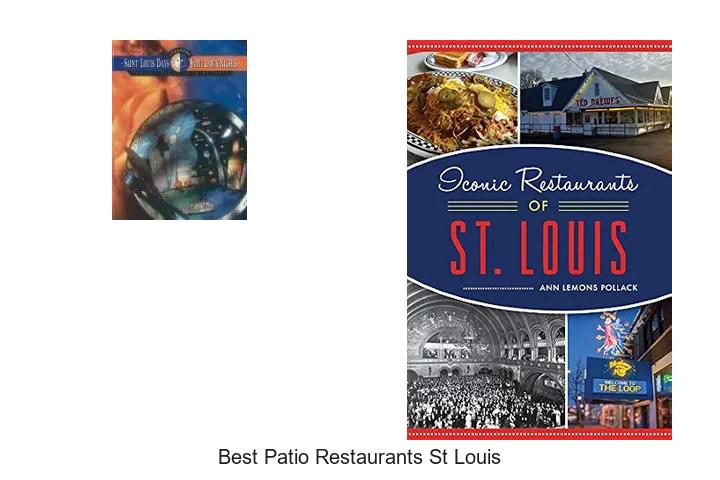
Pick 1  | Saint Louis Days, Saint Louis Nights | Check Price On Amazon |
Pick 2  | Iconic Restaurants of St. Louis | Check Price On Amazon |
Pick 3  | Traveling to Saint Louis Restaurants You Must Visit | Check Price On Amazon |
1. Saint Louis Days, Saint Louis Nights
Food history shines through every page of this St. Louis-focused volume. Its 286 pages gather local stories that suit readers who enjoy regional dining heritage.
Published by Wimmer Book Dist in 1994, it offers a clear snapshot of its era. The first edition format adds appeal for collectors and history-minded readers alike.
The book uses English text and a substantial hardcover-like format at 7.5 by 1.5 by 9.75 inches. Its 1.68-pound weight suggests a substantial physical volume for home reading. The focus suits people who want context around St.
Louis food culture, not a quick skim. It works well as a reference on a shelf or coffee table.
Readers interested in local history will find the subject matter especially fitting.
Pros
- Focused on St. Louis food history
- First edition appeals to collectors
- Substantial 286-page printed volume
Cons
- No digital file size listed
- Publication date is relatively old
- Not a quick casual read
Who Should Buy It?
Buy it if you want a St. Louis food history title with a strong local focus. It suits readers who enjoy regional culture, printed reference books, and first edition copies.
History fans, collectors, and anyone studying the city’s dining story will likely appreciate its format and subject matter.
Key Specifications
| Specification | Details |
|---|---|
| Publisher | Wimmer Book Dist |
| Publication date | January 1, 1994 |
| Edition | First Edition |
| Language | English |
| Print length | 286 pages |
| ISBN-10 | 0963829815 |
| ISBN-13 | 978-0963829818 |
| Item weight | 1.68 pounds |
| Dimensions | 7.5 x 1.5 x 9.75 inches |
The publisher, Wimmer Book Dist, points to a print-focused release from 1994. The first edition status gives the book added interest for collectors and local-history readers. English language text makes it straightforward for many readers to follow. With 286 pages, it offers enough space for stories and detail without feeling overwhelming. These basics suggest a physical book meant for steady reading and lasting shelf use.
Its 1.68-pound weight and 7.5 by 1.5 by 9.75-inch size suggest a sturdy volume. That format feels substantial in hand and works well on a desk or table. The ISBN-10 and ISBN-13 help identify the exact edition when searching listings or library records. Readers who value printed reference books will benefit most from these details. The specifications point to a book made for keeping, browsing, and revisiting over time.
2. Iconic Restaurants of St. Louis
St. Louis dining history comes alive through lively storytelling and local detail.
Readers who enjoy classic restaurants will appreciate its clear, focused approach.
Iconic Restaurants of St. Louis offers a compact look at memorable local dining spots.
Published by The History Press, it belongs to the American Palate series and spans 163 pages. The book suits readers who want a readable guide to the city’s restaurant heritage.
Enhanced typesetting, page flip, and Word Wise support an easier reading experience. Screen reader support also broadens access for more readers. Its 3.7 MB file size makes downloading and storing simple.
The English text keeps the presentation straightforward and approachable. Because the book centers on classic dining, it fits history-minded readers and local food fans. It also works well for anyone seeking a short, informative read.
Pros
- Focused on St. Louis restaurant history
- Short, readable format
- Accessible digital reading features
Cons
- Covers a limited number of pages
- Digital format only
- Not a practical dining guide
Who Should Buy It?
Buy this if you enjoy classic dining history and local food stories. It suits readers who want a concise, easy-to-read look at St. Louis restaurants.
Fans of regional history, culinary heritage, and American dining culture will get the most from it.
Key Specifications
| Specification | Details |
|---|---|
| Publisher | The History Press |
| Publication date | November 2, 2020 |
| Language | English |
| Print length | 163 pages |
| File size | 3.7 MB |
| ISBN-13 | 978-1439671672 |
| Series | American Palate |
The History Press publishes the book, which signals a local-history focus. The November 2, 2020 publication date places it among recent digital releases. English language support makes the text easy to follow for most readers. A 163-page length suggests a concise read rather than a long reference volume. The 3.7 MB file size also means quick downloading and easy storage on devices.
Those details point to a book that is simple to access and easy to finish. The short length suits readers with limited time who still want local restaurant history. The digital file size supports reading on tablets, phones, and e-readers without much storage use. Being part of the American Palate series adds a clear thematic fit. Readers who prefer compact culinary history books will benefit most from these specs.
3. Traveling to Saint Louis Restaurants You Must Visit
Food lovers seeking Saint Louis ideas will find a compact guide here. Its newest publication date gives it timely appeal for current trip planning.
“Traveling to Saint Louis Restaurants You Must Visit” offers a short, focused look at Mid West flavors. The 71-page length keeps the reading quick and easy to follow.
That makes it handy for travelers who want a small reference before heading out. The English language format also keeps the content accessible for many readers. Published independently, it feels direct and personal rather than overly formal.
Its slim paperback size should be simple to pack in a bag. The modest dimensions and light weight make it easy to carry around.
Because it is part of a single-book series, the scope stays narrow. Readers wanting a broad restaurant directory may want more detail. Still, the book suits anyone who wants a recent, portable dining guide.
It works well for newer picks and quick planning during a Saint Louis visit.
Pros
- Recent 2024 publication date
- Short, portable 71-page format
- English language keeps it accessible
Cons
- Limited to 71 pages
- Single-book series offers narrow coverage
- No detailed restaurant data listed
Who Should Buy It?
Travelers who want a small, recent Saint Louis dining guide should like it. It fits readers who prefer quick reference material over a long restaurant book. The slim format also suits people packing light for a trip.
Anyone focused on newer picks and simple planning will find it useful.
Key Specifications
| Specification | Details |
|---|---|
| Publisher | Independently published |
| Publication date | February 10, 2024 |
| Language | English |
| Print length | 71 pages |
| ISBN-13 | 979-8879160468 |
| Item weight | 3.39 ounces |
| Dimensions | 5.5 x 0.16 x 8.5 inches |
| Series | Book 1 of 1: Saint Louis restaurants you must visit |
The publisher is listed as independently published, which usually means a more personal project. In everyday use, that often translates to a focused guide with a narrow purpose. The February 10, 2024 publication date makes it a recent option for current trip planning. A 71-page print length suggests a quick read rather than an extensive directory. The English language format keeps it straightforward for many travelers and readers.
Its 3.39-ounce weight and 5.5 x 0.16 x 8.5-inch size make it easy to carry. Those dimensions suit a bag, backpack, or travel tote without adding bulk. The single-book series listing shows a standalone title, which helps readers know the scope quickly. The ISBN-13 gives a clear identifier for finding the exact edition. These details favor readers who want a light, compact restaurant guide for short trips.
4. Lost Restaurants of St. Louis

Old St. Louis dining comes alive through stories, photos, and preserved memories.
It suits readers who enjoy retro favorites and local food history.
Lost Restaurants of St. Louis explores vanished dining spots across the city with a clear historical focus.
The book comes from Arcadia Publishing and belongs to the American Palate series. Its 171 pages give enough room for restaurant history without feeling overwhelming.
English text, enhanced typesetting, Word Wise, screen reader support, and page flip features make reading comfortable. The 4.8 MB file size also keeps downloading simple on most devices.
The writing style suits casual readers and local history fans alike. It offers a compact way to revisit familiar names and forgotten places. Because it is an illustrated historical book, the value comes from content and presentation, not physical extras.
Readers who enjoy St. Louis food culture, nostalgia, or restaurant memories will find the format approachable.
It also works well for anyone wanting a focused look at dining history without a large time commitment.
Pros
- Focuses on St. Louis restaurant history
- Part of the American Palate series
- Readable format with accessibility features
Cons
- Limited to historical content
- Not a dining guide for current patios
- No physical dimensions or weight listed
Who Should Buy It?
Who should buy it: Readers who enjoy St. Louis history, restaurant nostalgia, and retro dining stories will appreciate this book. It suits people who want a compact, readable look at lost local eateries.
Fans of the American Palate series may also enjoy its city-specific food history approach.
Key Specifications
| Specification | Details |
|---|---|
| Publisher | Arcadia Publishing |
| Publication date | June 6, 2016 |
| Language | English |
| Print length | 171 pages |
| File size | 4.8 MB |
| ISBN-13 | 978-1439665862 |
| Series | American Palate |
Arcadia Publishing released this title on June 6, 2016. The English-language format makes it easy for many readers to follow the stories and historical details. A 171-page length keeps the book focused and manageable for shorter reading sessions. The 4.8 MB file size suits quick downloads and storage on most devices. These details point to a compact digital book that works well for casual reading and repeated reference.
The 171 pages give enough space for restaurant history without feeling heavy. The 4.8 MB file size helps the book load quickly on supported devices. Screen reader support, enhanced typesetting, Word Wise, and page flip features improve usability for many readers. The American Palate series placement also helps readers recognize its food-history focus. These specifications suit anyone who wants accessible, easy-to-handle historical reading with minimal setup.
5. 60 Hikes Within 60 Miles: St. Louis

Day trips around St. Louis feel easier with a guide built for nearby outings.
The fourth edition gives clear hiking ideas across Sullivan, Potosi, and Farmington.
Menasha Ridge Press publishes this 328-page guide in English, released June 29, 2021. Its compact 5.75 by 8.75-inch size and 1.05-pound weight make it easy to carry. The book belongs to the 60 Hikes Within 60 Miles series, which keeps the focus local and practical.
Readers get a straightforward resource for planning short outdoor escapes without carrying a bulky reference.
The layout suits quick planning before leaving home. Clear organization helps readers compare nearby destinations and choose routes that match their time and energy. Build quality is what you would expect from a printed guide of this size, with dimensions that fit a daypack well.
It works best for people who want a dependable paper reference for regional hikes, especially when they prefer printed directions and route ideas over searching online. The value comes from having many nearby options gathered in one book.
Pros
- Covers nearby hikes within easy reach of St. Louis
- Compact size fits well in a daypack
- Fourth edition offers updated regional coverage
Cons
- Covers hiking, not restaurant patios
- Printed guide cannot update routes instantly
- Focuses on a limited regional area
Who Should Buy It?
Buy it for planning nearby day trips around St. Louis. It suits hikers who want a printed guide with local route ideas.
Travelers heading to Sullivan, Potosi, or Farmington will find it practical. It also works for readers who prefer carrying a compact book instead of using a phone during outings.
Key Specifications
| Specification | Details |
|---|---|
| Publisher | Menasha Ridge Press |
| Publication date | June 29, 2021 |
| Edition | 4th |
| Language | English |
| Print length | 328 pages |
| ISBN-10 | 1634041062 |
| ISBN-13 | 978-1634041065 |
| Item weight | 1.05 pounds |
| Dimensions | 5.75 x 1 x 8.75 inches |
| Series | 60 Hikes Within 60 Miles |
Menasha Ridge Press publishes the guide, which gives it a clear outdoor-travel focus. The June 29, 2021 publication date means the fourth edition reflects recent release timing. A 328-page length suggests plenty of route information without feeling oversized. The English language format keeps reading simple for local users. For everyday use, these details point to a printed guide meant for planning short trips and carrying along on regional hikes.
The 5.75 by 8.75-inch dimensions and 1.05-pound weight make packing easier. It should fit into a daypack, car door pocket, or tote bag. The 60 Hikes Within 60 Miles series name signals a local hiking approach, centered on short drives and nearby destinations. That combination works well for travelers who want portable reference material. It also suits people who prefer a physical book they can use outdoors.
6. STL Scavenger

St. Louis hides plenty of local stories, and this guide points readers toward them.
STL Scavenger offers a structured search through the city’s hidden treasures. Published by Reedy Press, it gives fans a compact way to explore.
The book spans 192 pages, so it stays focused and manageable. Its 6 by 9 inch format feels easy to carry and store. The English text makes it accessible for most readers.
A print weight of 11.2 ounces keeps it lightweight. The concept suits people who enjoy discovery, history, and local detail.
It also works well for readers who want a break from routine dining plans. The book format feels durable enough for repeated use on the go.
Its straightforward layout should make browsing simple during a free afternoon. Value comes from its practical, place-based content and compact presentation. Hidden gem hunters will likely appreciate the mix of local curiosity and portability.
It suits travelers, locals, and anyone who likes St. Louis lore.
Pros
- Compact size makes it easy to carry anywhere.
- Focuses on St. Louis hidden treasures.
- Lightweight format suits casual reading sessions.
Cons
- Not a dining guide for restaurant planning.
- Limited to one city’s hidden-treasure theme.
- Print format may not suit every reader.
Who Should Buy It?
People who enjoy local history and hidden places should consider this book. It suits St. Louis residents, visitors, and curious readers alike.
The compact print format makes it handy for relaxed browsing. Anyone wanting a broader city exploration guide will likely appreciate it most. Readers seeking restaurant recommendations should choose something more focused on dining.
Key Specifications
| Specification | Details |
|---|---|
| Publisher | Reedy Press |
| Publication date | May 1, 2021 |
| Language | English |
| Print length | 192 pages |
| ISBN-10 | 1681063107 |
| ISBN-13 | 978-1681063102 |
| Item weight | 11.2 ounces |
| Dimensions | 6 x 9 inches |
Reedy Press published this title on May 1, 2021. The English-language text makes it easy to read for most users. A 192-page length suggests a focused guide instead of a massive reference book. The 6 by 9 inch size fits well in a bag or backpack. At 11.2 ounces, the print edition stays light enough for casual carrying. These details point to a book built for easy handling and steady browsing.
The ISBN-10 and ISBN-13 help identify the exact print edition. That matters when ordering or searching through library catalogs. The compact dimensions also make storage simple on shelves or desks. Readers who prefer portable books will benefit from the lighter weight and smaller footprint. The page count supports repeated use without feeling bulky. Together, these specifications suit people who want a manageable local guide for regular reading.
7. Step Inside St. Louis Historic Houses

St. Louis history feels close at hand with this compact tour guide. It gathers 66 historic houses you can tour across Greater StL.
The book focuses on homes with architectural character and local heritage. Readers get a practical overview of places worth visiting, all in one volume. At 188 pages, it offers enough detail without feeling overwhelming.
The English text and paperback-friendly size make it easy to carry along. Its 6 by 9 inch format also fits neatly in a bag or glove box.
As a guide, it suits planning outings before a weekend drive. It also works well for travelers who enjoy local history stops.
The independently published format suggests a focused, niche approach to the topic. That can be appealing when you want specific, curated information.
The slim build and moderate weight make it simple to handle. Overall, it is a helpful reference for anyone drawn to historic homes.
Pros
- Covers 66 historic houses across Greater StL.
- Compact size is easy to carry.
- Useful for planning local history outings.
Cons
- Focuses only on historic houses.
- No color photos are listed in the data.
- Publication details suggest a specialized audience.
Who Should Buy It?
People who enjoy historic homes should buy it. It suits readers planning tours around Greater St. Louis.
History lovers, local explorers, and architecture fans will find it useful. The compact format also helps people who want an easy trip companion. Anyone seeking a focused guide to house tours may appreciate it.
Key Specifications
| Specification | Details |
|---|---|
| Publisher | Independently published |
| Publication date | August 10, 2026 |
| Language | English |
| Print length | 188 pages |
| ISBN-13 | 979-8245759234 |
| Item weight | 9.1 ounces |
| Dimensions | 6 x 0.43 x 9 inches |
The 188-page length gives enough room for 66 house entries. That makes the guide feel detailed without becoming bulky. The 6 by 9 inch size is familiar and easy to carry. At 9.1 ounces, it stays light in a tote or backpack. English-language formatting keeps the content accessible for local readers and visitors. The independently published label suggests a focused project built around one topic.
These measurements point to a book made for quick use on outings. Its slim 0.43 inch profile should store easily in a car or shelf. The moderate page count helps keep browsing manageable during trip planning. Readers who want a portable reference will likely appreciate the size and weight. The publication date also places it among newer guides. That can help people seeking current touring information for Greater StL.
8. ST. LOUIS TRAVEL GUIDE

Planning a St. Louis trip gets simpler with this compact guide.
It focuses on local favorites, historic streets, and hidden gems beyond the Arch. ST.
LOUIS TRAVEL GUIDE 2027 is a short, printed guide with 73 pages. It is published in English by Independently published.
The slim 5.5 by 8.5 inch size makes it easy to pack and carry. Readers who want quick trip ideas will appreciate the focused format. The book suits travelers who prefer a small, handy planning reference.
Its content promises practical local orientation instead of a bulky travel book. That makes it useful for short getaways and flexible sightseeing plans.
The narrow page count also suggests fast reading before a visit. It feels aimed at people who want simple, direct travel ideas.
For everyday trip planning, that can save time and reduce clutter. It offers a straightforward way to prepare for exploring the city.
Pros
- Compact size fits easily in a bag.
- Focuses on local favorites and hidden gems.
- Short length makes quick planning easier.
Cons
- Limited to 73 pages.
- No digital file size is provided.
- May feel brief for longer itineraries.
Who Should Buy It?
Who should buy it: Travelers planning a short St. Louis visit will benefit most. It suits readers who want a compact printed guide with local suggestions.
People who prefer quick planning over lengthy research may find it useful. It also fits anyone wanting a lightweight travel reference for packing.
Key Specifications
| Specification | Details |
|---|---|
| Publisher | Independently published |
| Publication date | August 28, 2026 |
| Language | English |
| Print length | 73 pages |
| ISBN-13 | 979-8170449606 |
| Item weight | 5.3 ounces |
| Dimensions | 5.5 x 0.17 x 8.5 inches |
The guide is a small printed book with 73 pages. That page count means quick reading and light trip planning. Its 5.5 by 8.5 inch size fits easily in a tote or backpack. At 5.3 ounces, it stays lightweight during travel days. The English language text suits readers planning a U.S. city trip. The independently published format suggests a focused, compact travel title for personal use.
These specifications point to portability over long-form detail. The slim 0.17 inch profile should slide neatly beside maps or notebooks. Short length can help travelers scan ideas before dinner or sightseeing. The book should suit people who want a simple planning aid. Readers seeking a pocket-sized reference will likely appreciate its light weight. The listed ISBN-13 also helps identify the exact edition when ordering or cataloging.
9. Eating St. Louis

St. Louis food culture comes alive through clear local storytelling.
The book offers a focused look at the city’s unique culinary identity. Eating St.
Louis: The Gateway City’s Unique Food Culture explores regional dishes, traditions, and local habits with a readable approach. Its 160 pages keep the material approachable, while the 9.25 x 0.75 x 9.5 inch size gives it a substantial coffee-table feel.
Reedy Press presents the title in English, which suits readers who want straightforward access to local food history. The hard data suggests a physically solid book, weighing 1.76 pounds.
That weight and format make it feel durable on a shelf or table. It suits readers who enjoy food writing, local history, and cultural context.
It also fits anyone researching St. Louis dining traditions before planning a visit. The book appears easy to use, since the page count stays manageable.
Its value comes from focused regional content rather than broad coverage. Readers wanting a concise cultural companion should find it useful and inviting.
Pros
- Focuses on St. Louis food traditions
- Manageable 160-page length
- Large-format, shelf-friendly presentation
Cons
- No digital file size is listed
- Edition information is not provided
- May feel narrow for general readers
Who Should Buy It?
Buyers who enjoy regional food history will appreciate this book. It suits locals, visitors, and readers curious about St. Louis dining culture.
The manageable length makes it easy to browse, while the large format feels substantial on a table or shelf. It works well for anyone who wants cultural context around the city’s food traditions.
Key Specifications
| Specification | Details |
|---|---|
| Publisher | Reedy Press |
| Publication date | October 1, 2008 |
| Language | English |
| Print length | 160 pages |
| ISBN-10 | 193337070X |
| ISBN-13 | 978-1933370705 |
| Item weight | 1.76 pounds |
| Dimensions | 9.25 x 0.75 x 9.5 inches |
Reedy Press published the book in English on October 1, 2008. The 160-page length suggests a focused read, not an oversized reference volume. Its 9.25 x 0.75 x 9.5 inch size gives it a larger book feel, which suits display and casual reading. The 1.76-pound weight points to a sturdy physical format. In everyday use, that means it feels substantial when handled, yet still manageable for browsing.
The ISBN-10 and ISBN-13 help identify this exact edition for ordering or cataloging. Those details matter for readers, collectors, and libraries that want the correct copy. The print length supports short reading sessions, while the larger dimensions make pages easier to view on a table. The weight also suggests a durable binding feel, which benefits repeated handling. Readers who like local history books will likely appreciate the format and presentation.
10. Fun Things to Do in St. Louis Guide

St. Louis gets easier to explore with a local’s budget-friendly guide in hand. Short, light, and easy to carry, it suits casual planning without extra clutter.
Published independently in 2023, the book offers 62 pages of focused ideas and practical suggestions. Its compact 5.5 by 8.5 inch size makes it simple to pack for a day around the city.
The guide works well for readers who want affordable things to do without long, heavy reading. It feels straightforward, making it easy to browse before heading out. The plain English text supports quick use during trip planning or same-day decisions.
Since the book comes from a local perspective, it may help readers find accessible choices. The lightweight format also keeps it convenient for travel bags, purses, or glove boxes.
Buyers wanting a simple, low-commitment city guide should find it appealing. It suits visitors, newcomers, and locals seeking inexpensive outing ideas.
Pros
- Compact size fits easily in bags
- Short length makes quick planning simple
- Local perspective may help with practical ideas
Cons
- Limited to 62 pages
- Print format offers no digital convenience
- Focuses on budget ideas only
Who Should Buy It?
People wanting affordable St. Louis outing ideas should find it useful. It fits casual planners who prefer a short, portable guide.
Visitors, new residents, and locals can all use it for simple trip ideas. Readers who want a lightweight paperback rather than a large travel book will like it most.
Key Specifications
| Specification | Details |
|---|---|
| Publisher | Independently published |
| Publication date | January 30, 2023 |
| Language | English |
| Print length | 62 pages |
| ISBN-13 | 979-8375560250 |
| Item weight | 4.6 ounces |
| Dimensions | 5.5 x 0.14 x 8.5 inches |
The independently published format suggests a small-scale release with direct author control. The January 30, 2023 publication date places it among recent local guides. English language text makes it easy for many readers to use without translation needs. At 62 pages, it stays brief enough for quick planning sessions. The ISBN-13 helps identify the exact edition when ordering or searching online.
Its 4.6-ounce weight and 5.5 x 0.14 x 8.5 inch size make it highly portable. The slim profile fits easily into a tote, backpack, or car door pocket. That light build helps readers carry it during city outings without added bulk. The short page count suits people who want fast reference material instead of long reading. Travelers and locals who value convenience will benefit most from these specs.
Best Patio Restaurants in St. Louis: A Guide to the City’s Most Scenic Outdoor Dining Spots
Outdoor seating comfort and layout
Outdoor seating comfort and layout depends heavily on how well the space handles spacing, privacy, and flexibility for different guest types. Table placement should leave enough room for easy movement between seats while still giving diners a sense of personal space, and partitions, planters, or well-placed barriers can make conversations feel more relaxed.
Shade and weather protection also matter, since umbrellas, canopies, and covered sections help keep guests comfortable during strong sun, light rain, or changing temperatures. It is equally important that the setting includes a mix of seating options, from small tables for couples to larger arrangements for groups and families, so the space feels welcoming for different occasions and party sizes. A well-planned outdoor area not only improves comfort but also makes the entire dining experience feel more polished and enjoyable.
Menu variety and food quality
Menu variety and food quality play a major role in shaping the overall dining experience, because a venue that balances a clear cuisine style with well-prepared signature dishes is more likely to leave a lasting impression. Fresh ingredients and seasonal offerings often signal stronger kitchen standards, since menus built around peak produce usually deliver better flavor, texture, and presentation. It also helps to have dietary-friendly options and easy customization, especially for groups with different preferences or restrictions, because a flexible menu makes the meal more enjoyable for everyone at the table.
It also helps to have dietary-friendly options and easy customization, especially for groups with different preferences or restrictions, because a flexible menu makes the meal more enjoyable for everyone at the table.
- Cuisine type and signature dishes: A focused menu with standout specialties can indicate a more refined and memorable concept.
- Fresh ingredients and seasonal offerings: Rotating items based on availability often reflect quality and attention to detail.
- Dietary-friendly options and customization: Clear alternatives and simple modifications improve convenience and guest satisfaction.
Atmosphere and ambiance
A strong patio experience depends on how well the space supports comfort, flow, and atmosphere, because the right setup can make a meal feel relaxed and memorable while a poorly planned one can feel crowded or distracting. Scenic views and patio design matter since an open layout, attractive landscaping, and smart seating arrangements help create a welcoming setting that feels enjoyable from the moment guests arrive.
Noise level and crowd size are just as important, as a space that is too loud or overly packed can make conversation difficult and reduce the sense of escape people expect outdoors. Lighting, music, and overall vibe also shape the experience, since soft lighting and balanced background music can enhance the mood without overpowering it, making the patio feel inviting throughout the evening.
- Scenic surroundings and thoughtful patio design improve comfort and visual appeal.
- Controlled crowd size and manageable noise support easier conversation.
- Well-matched lighting and music help create a pleasant, cohesive atmosphere.
Service and convenience
Service and convenience often determine whether an outing feels relaxed or frustrating, because fast staff responses, smooth reservations, and easy access all shape the overall experience. A place with attentive service can keep meals moving at a comfortable pace, while limited reservation options or long wait times may quickly disrupt plans, especially during busy evenings or weekends.
Parking also matters more than many people expect, since convenient spaces and clear accessibility can make arrival and departure far less stressful for groups, families, or guests with mobility needs. Before making a final decision, it helps to weigh these practical details side by side, since they often reveal whether a venue will deliver comfort as well as quality.
- Speed and attentiveness: Helps ensure orders, refills, and requests are handled without unnecessary delays.
- Reservation availability and wait times: Makes it easier to plan ahead and avoid long, unpredictable delays.
- Parking and accessibility: Supports a smoother visit for all guests, especially during peak hours.
Price and value
Price and value matter because a patio meal feels worthwhile only if the menu prices match the portion sizes and overall quality on the table. A restaurant with generous plates, fair entrées, and shareable appetizers can feel like a stronger deal than one with lower prices but small servings. It also helps to check drink specials and happy hour offers, since discounted cocktails, beer, or wine can significantly reduce the total bill while adding more enjoyment to the visit.
It also helps to check drink specials and happy hour offers, since discounted cocktails, beer, or wine can significantly reduce the total bill while adding more enjoyment to the visit. Beyond the menu itself, the full experience should justify the cost, including service, atmosphere, outdoor seating comfort, and how well the venue handles busy evenings. A spot that delivers good food, appealing drinks, and a relaxed setting often provides better value than a cheaper option that falls short on comfort or consistency.
Location and seasonal factors
Neighborhood convenience and safety shape the overall patio experience. A location that is easy to reach, has nearby parking or transit options, and feels welcoming after dark can make a big difference in how enjoyable the outing feels. The time of day also matters: brunch and lunch often offer a quieter, more relaxed atmosphere, while early evenings usually bring the most energy and the best natural light for outdoor dining. Weather plays a major role too, since wind, rain, humidity, and temperature swings can shorten patio season and affect comfort from one week to the next.
Weather plays a major role too, since wind, rain, humidity, and temperature swings can shorten patio season and affect comfort from one week to the next. For the most enjoyable visit, it helps to compare spots by how accessible they are, how safe the surrounding area feels, and how well their outdoor seating handles changing seasonal conditions.
Mistakes to Avoid When Choosing a Patio Spot
Choosing a patio restaurant in St. Louis can be easy if you know what to skip. A nice view or a pretty outdoor setup is only part of the story. Comfort, service, and the space itself matter too.
One common mistake is picking a patio based on photos alone. Pictures can hide noise, shade, heat, or a cramped layout. A place that looks great online may feel very different during a busy dinner hour.
Another mistake is ignoring the weather setup. In St. Louis, a patio can be hot, windy, or chilly depending on the season. Look for shade, fans, heaters, or cover if you plan to sit outside often.
It also helps to think about the menu before you go. Some patios are best for drinks and small plates, while others are better for a full meal. Check whether the food matches the kind of outing you want.
Watch out for patios that are too close to traffic or loud music if you want a relaxed meal. A good outdoor space should feel comfortable, not crowded or hard to talk in.
- Check recent reviews for patio comfort, not just food.
- Ask about reservations for outdoor tables.
- Look for shade, heaters, or covered seating.
- Make sure the menu fits your budget and plans.
A little research can help you find a patio spot that feels enjoyable from the first course to the last.
FAQ’s
What Are The Best Patio Restaurants In St. Louis For Outdoor Dining?
Some of the best patio restaurants in St. Louis for outdoor dining include Katie’s Pizza & Pasta Osteria, The Boathouse at Forest Park, and Olive + Oak. If you want a lively vibe or scenic views, these spots are popular choices for enjoying a meal outside.
Which St. Louis Patio Restaurants Have The Best Food And Atmosphere?
Some of the best St. Louis patio restaurants for great food and atmosphere are **Katie’s Pizza & Pasta Osteria**, **Balkan Treat Box**, and **Cyrano’s Cafe**. For a more lively outdoor vibe, **Buddha Bar** and **The Crossing** are also popular choices.
What Patio Restaurants In St. Louis Are Good For Date Nights Or Group Gatherings?
Some great patio restaurants in St. Louis for date nights or group gatherings include **The Fountain on Locust, Broadway Oyster Bar, and Mission Taco Joint** for a lively atmosphere, plus **Cyrano’s Cafe or Katie’s Pizza & Pasta Osteria** for a more relaxed, date-night feel. If you want, I can also give you a list by neighborhood or vibe—romantic, casual, or upscale.
Which St. Louis Restaurants With Patios Offer The Best Views Or Outdoor Seating?
For great patio views and outdoor seating in St. Louis, check out Top of the Met, Cinder House, and The Boathouse at Forest Park, all of which offer scenic settings. For a more casual vibe, places like The Fountain on Delmar and Broadway Oyster Bar are also popular for their lively outdoor spaces.
What Are The Top-Rated Patio Restaurants In St. Louis For Brunch, Lunch, Or Dinner?
Some of the top-rated patio restaurants in St. Louis for brunch, lunch, or dinner include Olive + Oak, The Hill’s neighborhood spots, Cinder House, and Bar Moro, all known for great food and inviting outdoor seating. Other popular choices are Brasserie by Niche, Peacemaker Lobster & Crab, and Café Napoli, depending on the vibe and cuisine you want.
Final Verdict
For readers seeking the best patio restaurants st louis, Saint Louis Days, Saint Louis Nights is the strongest overall pick for food history and the kind of dining context that adds meaning to a meal out. It suits buyers who want background, stories, and a sense of place along with their restaurant choices. Iconic Restaurants of St.
Louis is the best value choice for classic dining, making it a smart pick for anyone who wants dependable, familiar options without paying for a premium list.
Choose Saint Louis Days, Saint Louis Nights for history-rich guidance, or Iconic Restaurants of St. Louis if you want the most affordable classic dining pick.