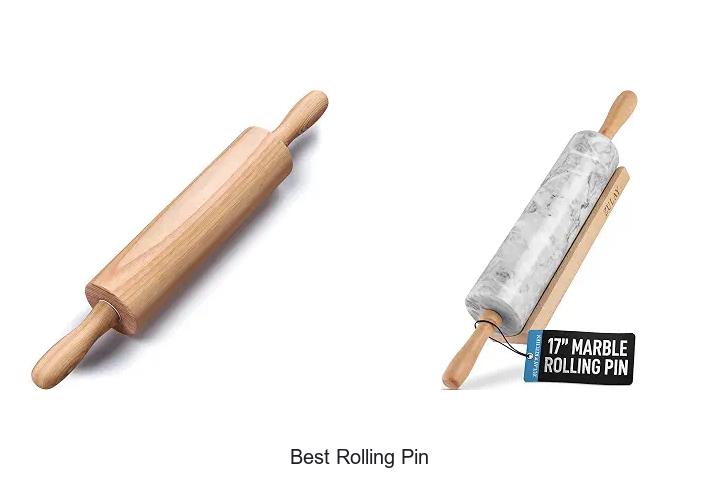
10 Best Rolling Pin: Our Top Picks Reviewed
Many home bakers struggle with dough that sticks, tears, or rolls unevenly. A good tool can make that step easier and more consistent.
That is why many shoppers search for the best rolling pin when choosing a kitchen tool for baking. This review is for bakers, cooks, and anyone who wants smoother pastry work at home. It also helps buyers who need a simple tool for pie crusts, cookies, pasta, or fondant.
The right rolling pin can improve control, comfort, and everyday results. We will look at build quality, ease of use, cleaning, and value. You will also see which features matter most and which models suit different needs.
By the end, you should have a clear idea of what to buy.
Best Rolling Pin Options for Every Baker
| Image | Product | Price |
|---|---|---|
Pick 1  | Wooden Rolling Pin, Beech Wood | Check Price On Amazon |
Pick 2  | Zulay Kitchen Marble Rolling Pin with Stand | Check Price On Amazon |
Pick 3  | Marble Rolling Pin | Check Price On Amazon |
1. Wooden Rolling Pin, Beech Wood
Solid beech wood gives this rolling pin a clean, classic baking feel. Its ergonomic handles and smooth bearings make dough work comfortable and controlled. Built from moisture-resistant beech wood, it suits everyday baking tasks well.
The 17.6-inch length offers useful reach for pies, cookies, pizza, and pasta. A 10.1-inch barrel helps spread pressure evenly across dough.
The balanced 440g weight supports steady rolling without feeling bulky. Nylon bearings help the roller glide smoothly and reduce sticking. That makes it useful for delicate pastry, fondant, and bread dough alike.
The handled design will suit bakers who want familiar control. Beginners can use it easily, while experienced bakers may enjoy the steady feel.
It works as a practical kitchen tool for many recipes. Overall, it offers solid everyday value through simple construction and versatile use.
Pros
- Smooth beech wood surface feels comfortable and durable.
- Ergonomic handles improve control during rolling.
- Nylon bearings support easy, consistent movement.
Cons
- Handles may take more storage space.
- No thickness rings for set dough thickness.
- Not ideal for very heavy-duty commercial use.
Who Should Buy It?
Home bakers who want a dependable all-purpose rolling pin should consider it. It suits cookies, pies, pizza dough, bread, pasta, and pastry. The handled design helps beginners gain control, while experienced bakers may like the balanced feel.
Anyone wanting a smooth wooden roller for regular kitchen use will find it practical.
Key Specifications
| Specification | Details |
|---|---|
| Material | Beech Wood |
| Length | 17.6 inches |
| Weight | 440g |
| Design | Handled rolling pin |
| Handle Type | Ergonomic handles |
| Bearings | Nylon bearings |
| Surface Finish | Smooth |
| Best For | Overall baking use |
Beech wood gives the roller a solid feel and a smooth working surface. The 17.6-inch total length offers enough reach for many dough tasks. A 10.1-inch barrel helps spread pressure across pastry and bread dough. The 3.7-inch handles provide space for a comfortable grip during repeated rolling. Its 440g weight feels balanced, which can help with steady pressure. Moisture-resistant hardwood construction also supports regular kitchen use without feeling overly delicate.
Nylon bearings help the barrel move more freely, which improves rolling comfort. That smoother motion can help when working with pie crusts, fondant, or delicate pastry. The handled design gives better control than a handleless roller for many users. The smooth finish also helps the pin glide without sticking as much. Home bakers and beginners may appreciate the easier handling, while frequent bakers may value the consistent feel. It suits everyday recipes across bread, pizza, cookies, and pasta.
2. Zulay Kitchen Marble Rolling Pin with Stand
Marble brings a cool, polished feel to baking, and this pin leans into that strength. Its 17-inch body, beechwood handle, and resting stand make it a stylish, practical choice for serious dough work. Crafted from 100% polished marble, it offers a naturally smooth surface that helps dough roll evenly with less sticking.
The heavy marble body helps press through tougher dough with less effort. 360-degree bearings support smoother rolling, while the ergonomic handle improves control during longer baking sessions. The included wooden base keeps the pin stored neatly between uses.
It also resists absorbing odors, fat, and moisture, which helps cleanup stay simple. Bakers who work with pastries, bread, pizza, fondant, or dumpling dough will appreciate its steady feel and cooling surface.
It suits anyone wanting a premium rolling pin with a refined look and low-maintenance care.
Pros
- Cool marble surface helps dough roll smoothly.
- Stand keeps storage neat and stable.
- Natural nonstick finish needs less flour.
Cons
- Heavier than many wooden rolling pins.
- Marble can feel cold during handling.
- Requires careful drying after cleaning.
Who Should Buy It?
Buyers who want a premium-feeling marble rolling pin will like this one. It suits bakers making pastries, bread, pizza, or fondant at home. The heavy build helps with tougher dough, while the stand keeps storage tidy.
It also fits anyone who prefers a smooth, nonstick surface and a more decorative baking tool.
Key Specifications
| Specification | Details |
|---|---|
| Material | Marble |
| Length | 17 inches |
| Weight | 2.26 kg |
| Design | Polished marble rolling pin with stand |
| Handle Type | Long beechwood handle |
| Stand Included | Yes |
| Bearings | 360° bearings |
| Surface Finish | Polished |
| Best For | Pastries, bread, pizza, fondant, cookies, pasta, and dough |
The 17-inch length gives plenty of rolling space for large dough rounds. Marble adds weight, which helps flatten dough without much pressure. At 2.26 kilograms, it has a solid, planted feel on the counter. The long beechwood handle gives a comfortable grip during rolling. The polished surface matters in daily use because it stays smooth and naturally nonstick. The included stand also helps keep the pin stored neatly when baking ends.
A marble body stays cool and resists absorbing odors, fat, and moisture. That helps with sticky doughs and makes cleanup easier with a damp cloth. The 360-degree bearings support smoother movement while rolling pastries, bread, pizza, and fondant. The beechwood handle adds comfort, while the stand helps prevent counter clutter. Bakers who want steady pressure and a more refined baking tool will appreciate this setup, especially when working with thicker or larger dough batches.
3. Marble Rolling Pin
Marble brings a striking look to a baking tool that stands out instantly. Its cool, polished stone surface also adds practical benefits for dough work.
Made from 100% natural African marble, it carries rich white crystal patterns that make each piece unique. The 2.87-pound weight helps the pin glide with less effort, while the smooth surface supports non-stick rolling for pastry, pasta, dumplings, ravioli, fondant, and pie crust. It also wipes clean easily with water or a damp cloth.
The long 18.11-inch body gives generous coverage for rolling larger sheets. Because it is heavy and stone-made, it suits bakers who want a distinctive tool with a premium feel.
Anyone who values a decorative kitchen piece with real function will appreciate what it offers.
Pros
- Unique natural marble pattern
- Heavy weight supports easier rolling
- Smooth surface cleans quickly
Cons
- Heavier than wood or metal alternatives
- No handles for extra grip
- Stone material can feel cold
Who Should Buy It?
Buy it if you want a rolling pin with a distinctive stone look and practical weight. It suits bakers who make pastry, pasta, dumplings, ravioli, fondant, or pie crust. It also fits kitchens where appearance matters as much as function.
Anyone comfortable with a heavier tool will likely appreciate its smooth rolling and easy cleanup.
Key Specifications
| Specification | Details |
|---|---|
| Material | Marble |
| Length | 18.11 inches |
| Weight | 2.9 pounds |
| Design | Polished natural stone with unique crystal pattern |
| Handle Type | No handles |
| Surface Finish | Well-polished smooth surface |
| Best For | Pastry, pasta, dumplings, ravioli, fondant, pie crust |
The marble construction gives this rolling pin a solid, heavy feel in hand. At 18.11 inches long, it offers plenty of rolling surface for wider dough sheets. Its 2.9-pound weight helps press dough with less manual force. The polished natural stone also shows unique white crystal patterns. Those details make it both a working kitchen tool and a decorative piece. The no-handle design keeps the shape simple and streamlined during use.
A smooth marble surface helps dough release more easily than rougher materials. That finish also makes cleaning straightforward, since oil and moisture do not soak in. The weight can help flatten dough evenly, which suits pastry, pasta, and fondant work. People who like a cooler, heavier tool will benefit most from these specs. Bakers who prefer lighter tools or added grip may want a different style.
4. J.K. Adams French Tapered Rolling Pin

Delicate dough needs gentle control, and this maple dowel delivers it well. Its tapered shape helps bakers pivot smoothly, keeping pastry thin and even. The J.K.
Adams French Tapered Rolling Pin is a lightweight hardwood tool made for flaky pie crusts, cookies, and other delicate baking jobs. The 20.5-inch maple body feels balanced in hand, and the slim profile supports precise pressure without heavy wrist strain.
A slightly textured surface holds flour better than smoother materials, which helps reduce sticking during longer rolling sessions. The solid wood build is meant to resist cracking and stay straight with careful hand washing and occasional mineral oil conditioning.
Crafted in Vermont, it suits home bakers who want classic handling and a natural feel. It offers strong everyday utility for pastry work, especially when controlled movement matters more than added weight or features.
Pros
- Tapered shape supports precise pastry control
- Lightweight design reduces wrist strain
- Maple surface holds flour well
Cons
- No handles for users who prefer grips
- Requires hand washing and oil care
- Less forgiving for heavy doughs
Who Should Buy It?
Buyers who make pie crusts, cookies, or other delicate pastries should consider it. The tapered maple shape gives steady control for thin dough and careful shaping. It suits home bakers who prefer a light, traditional wooden pin over heavier designs.
Cooks who value smooth pivoting and a natural flour-gripping surface will appreciate its simple build.
Key Specifications
| Specification | Details |
|---|---|
| Material | Maple Wood |
| Length | 20.5 in |
| Weight | 14.4 oz |
| Design | French tapered wooden dowel |
| Handle Type | No handles |
| Stand Included | No |
| Bearings | No |
| Surface Finish | Slightly textured maple |
| Best For | Delicate pastry control |
Maple wood gives the pin a natural feel and steady hand control. At 20.5 inches long, it offers enough reach for rolling pastry sheets and pie crusts. The 14.4-ounce weight keeps it light, so movement feels easy across the counter. Its tapered French shape means the center and ends are narrower than a straight cylinder. That shape helps bakers guide dough with small motions and less effort during shaping.
The lack of handles, bearings, and a stand keeps the design simple. That simplicity suits bakers who want direct contact with dough and fewer moving parts. The slightly textured surface helps flour cling better, which can limit sticking during repeated rolling. Since it is solid wood, careful hand washing and mineral oil care help maintain straightness and surface quality over time. It fits users who want control, light handling, and a classic baking tool.
5. Adjustable Wood Rolling Pin with Thickness Rings

Precision bakers will appreciate the adjustable design and clear measurement guide. Five thickness rings help create even dough without constant guesswork. Geesta’s wooden rolling pin uses teak wood for a steady, smooth rolling feel.
The handle-free French-style shape gives more control during pastry work. Built-in centimeter and inch markers help guide dough size directly on the pin. The included Food Grade PP rings slide on easily and are dishwasher safe.
A wooden holder adds storage convenience and helps keep the pin steady. At 23 inches long, it suits pizza dough, pie crust, fondant, cookies, and pasta. The 2.6-pound weight gives it a solid feel without sounding fragile.
Its water-resistant teak build supports regular baking tasks with dependable handling. It suits home bakers wanting more accuracy in everyday dough prep.
Pros
- Five thickness rings support precise dough control.
- Built-in measurements reduce ruler use.
- Teak wood feels sturdy and water-resistant.
Cons
- Handle-free design may feel unfamiliar at first.
- Thickness rings add parts to clean and store.
- Weight may feel heavy for some users.
Who Should Buy It?
Buyers who want exact dough thickness will like this rolling pin. It fits bakers making pie crusts, pizza, cookies, pastry, or fondant. The measurement markers and five ring options help keep dough even.
Its teak wood build also suits people who want a sturdy kitchen tool with a classic look. Home bakers who value control over speed should find it appealing.
Key Specifications
| Specification | Details |
|---|---|
| Material | Teak Wood |
| Length | 23 inches |
| Weight | 2.6 pounds |
| Design | Handle-free French-style shape with extra handle press design |
| Handle Type | Handle-free |
| Thickness Rings | 5 rings |
| Stand Included | Yes |
| Surface Finish | Water-resistant |
| Best For | Precision dough thickness |
Teak wood gives the rolling pin a solid, traditional feel in hand. The 23-inch length provides enough room for wider dough sheets. Its 2.6-pound weight adds stability while rolling, which can help keep pressure even. The handle-free French-style shape supports direct control over movement. Five thickness rings let you choose the dough height before rolling. Built-in centimeter and inch markers also help you measure without extra tools nearby.
These specifications work together for careful baking and decorating tasks. The water-resistant surface suits repeated use with dough, then cleanup afterward. The handle-free design may feel different, but it offers a direct rolling motion. The included stand helps store the pin safely when not in use. Food Grade PP rings add adjustable height choices for pie crust, pizza, cookies, and fondant. Bakers who want repeatable thickness will benefit most from these features.
6. muso wood Sapele French Rolling Pin

Compact kitchens often benefit from simpler tools. The muso wood Sapele French Rolling Pin brings that idea into a clean, tapered design. Its solid sapele wood body feels sturdy, while the hand-sanded finish gives it a smooth, polished touch.
At 15.75 inches long, it suits pizza dough, cookie dough, bread dough, fondant, and pie crusts. The tapered shape helps with control and makes cleaning easier after use. Three rounds of sanding help reduce rough spots, even around natural wood knots.
It handles daily household baking and restaurant-grade demands with ease. The smooth surface also resists dough sticking during rolling. Bakers who want a compact, no-fuss wooden pin will appreciate its simple build and versatile size.
Pros
- Solid sapele wood construction feels durable.
- Tapered shape offers easy control.
- Smooth finish helps resist dough sticking.
Cons
- No handles may feel unfamiliar at first.
- Wood requires careful drying after washing.
- Shorter length may not suit large batches.
Who Should Buy It?
Home bakers who want a compact, tapered rolling pin should consider this model. It suits cookie dough, pie crusts, fondant, and pizza dough. The lightweight wooden build works well for everyday baking tasks.
Cooks who prefer a smooth, simple tool will like the hand-sanded finish and easy cleanup. It also fits smaller kitchens where storage space matters.
Key Specifications
| Specification | Details |
|---|---|
| Material | Sapele wood |
| Length | 15.75 inches |
| Weight | 9.92 ounces |
| Design | Tapered design |
| Handle Type | No handles |
| Thickness Rings | Not included |
| Stand Included | No |
| Bearings | Not included |
| Surface Finish | Hand-sanded finish |
| Best For | Fondant, pie crust, cookies, pastry making |
Sapele wood gives this rolling pin a natural feel and solid build. The 15.75-inch length makes it compact enough for smaller counters. At 9.92 ounces, it stays light in hand during everyday baking. The tapered design removes bulky ends and gives a simpler grip style. A hand-sanded finish also keeps the surface smooth. That matters when working with dough, fondant, or pastry on busy prep days.
These specifications favor bakers who want control without extra hardware. No handles, bearings, or thickness rings keep the design straightforward and easy to clean. The tapered shape also helps rinse and wipe the pin quickly. Since the surface resists dough sticking, rolling feels smoother with less mess. Its size works well for cookies, pie crusts, and fondant. People with limited storage or small baking spaces may benefit most.
7. Wooden Rolling Pin for Baking

Handled rolling pins make baking feel more controlled and less tiring. Bamboo construction gives this model a simple, practical appeal for everyday use.
The 17.5-inch length offers plenty of rolling surface for dough tasks. It suits bread, biscuit, cookie, pie crust, and pastry work well.
Nylon bearings help the roller move smoothly without skipping or sticking. That makes rolling more even when shaping dough across larger surfaces.
Ergonomic handles add comfort during longer prep sessions. The wood body is naturally moisture-resistant and easy to wipe clean. A damp cloth is all that is recommended after use.
Do not soak or immerse it in water. Build quality focuses on straightforward durability rather than fancy extras. There are no stand features or thickness rings here.
Instead, it keeps the design simple and easy to store. For budget handled baking, it offers practical handling and solid everyday usefulness. It suits home bakers who want comfort, control, and uncomplicated cleanup.
Pros
- Handled design improves control during rolling.
- Nylon bearings help reduce sticking.
- Easy to wipe clean after use.
Cons
- No thickness rings for consistent dough spacing.
- Cannot be soaked or immersed in water.
- Simple design lacks extra accessories.
Who Should Buy It?
People who bake often and want a handled wooden roller should consider it. It suits home bakers making bread, biscuits, cookies, pies, and pastry. The smooth bearings and ergonomic handles help with comfort and control.
Anyone who prefers simple cleanup and a straightforward bamboo build will appreciate it most. It also fits cooks who want a practical tool without extra features.
Key Specifications
| Specification | Details |
|---|---|
| Material | Bamboo |
| Length | 17.5 inches |
| Weight | 0.44 kg |
| Design | Handled rolling pin with nylon bearings |
| Handle Type | Ergonomic handles |
| Stand Included | No |
| Bearings | Yes, nylon bearings |
| Surface Finish | Naturally moisture-resistant wood finish |
| Best For | Budget handled baking |
Bamboo gives the roller a familiar wooden feel in hand. The 17.5-inch length provides a broad working surface for dough. At 0.44 kg, it stays light enough for regular kitchen use. The handled design adds easier steering across bread, biscuit, cookie, pie crust, and pastry dough. Nylon bearings support smoother movement during rolling. The naturally moisture-resistant finish also helps with quick wipe-clean care after baking.
These specifications point to a tool built for comfort and routine baking. Ergonomic handles can reduce hand strain during longer prep work. Nylon bearings help the pin roll steadily, which supports even pressure. Bamboo construction keeps the feel simple and dependable for home kitchens. The lack of a stand and thickness rings keeps setup minimal. Bakers who want handled control and easy cleaning should benefit most from it.
8. Adjustable Rolling Pin with Thickness Rings

A stainless steel body gives this rolling pin a clean, sturdy feel for everyday baking. Thickness rings help control dough height, while the 17-inch length suits larger batches. Built from stainless steel, it resists rust better than ordinary aluminum options.
The removable rings include 1/16, 1/8, 1/4, and 3/8 inch sizes. That range helps with pizza, pies, biscuits, breads, dumplings, pasta, and pancakes. The smooth silver finish looks simple and practical on a busy counter.
Four removable rings can also help cut dough during prep. It suits bakers who want more control than a basic wooden roller.
Pros
- Stainless steel resists rust better than aluminum
- Thickness rings help control dough size
- Four ring sizes suit many recipes
Cons
- No handle design is listed
- Weight is not provided
- Surface finish details are limited
Who Should Buy It?
Who should buy it: Bakers who want consistent dough thickness will appreciate this model. It suits people making pizza, pies, biscuits, breads, dumplings, pasta, or pancakes. The removable rings make it useful for cookie decorating and fondant work too.
Shoppers who prefer stainless steel over wood or aluminum may also like it. It fits home cooks who want simple control and a longer 17-inch rolling surface.
Key Specifications
| Specification | Details |
|---|---|
| Material | Stainless Steel |
| Length | 17.32 inches |
| Weight | Not provided |
| Design | Adjustable rolling pin with removable thickness rings |
| Handle Type | Not provided |
| Thickness Rings | 1/16, 1/8, 1/4, 3/8 inch |
| Stand Included | Not provided |
| Bearings | Not provided |
| Surface Finish | Silver finish |
| Best For | Baking, cookie decorating, fondant, cakes, pizza, pies, biscuits, breads, dumplings, pasta, pancakes |
Stainless steel gives this rolling pin a durable feel for repeated baking. The 17.32-inch length offers enough surface for larger dough portions. Four thickness rings come in 1/16, 1/8, 1/4, and 3/8 inch sizes. Those measurements help users match dough thickness to recipes. In daily use, that means fewer guesses when rolling pastry, bread, or cookie dough. The silver finish keeps the look simple and clean on the counter.
The removable rings shape how the pin performs across different recipes. Smaller settings help with thin cookies and fondant work. Larger settings help with pizza, bread, and dumpling dough. Stainless steel also resists rust better than ordinary aluminum rolling pins. That can help the pin last through frequent kitchen use. People who want more control than a basic wooden roller will benefit most. The listed design is practical for baking tasks that need even thickness.
9. GoodCook Classic Wooden Rolling Pin

Hardwood simplicity gives this rolling pin a familiar, reassuring feel. Easy roll bearings add smoother motion for everyday baking tasks. GoodCook uses one-piece barrel construction with genuine hardwood and nylon bearings.
That combination keeps the design straightforward while supporting steady rolling across dough. The 17.25-inch length offers plenty of working surface for cookies, pie crust, and pastry.
Its 2-inch width and 11.2-ounce weight make it light enough for comfortable handling. The wood surface suits bakers who prefer a classic tool without extra features.
Bearings help reduce drag, which can make repeated passes feel easier. Build quality reflects practical materials rather than decorative extras.
Made in the United States, it also appeals to shoppers who value domestic manufacturing. For bakers wanting a traditional wooden pin with reliable everyday function, it fits well.
It works best for simple kitchens, steady hands, and basic baking routines.
Pros
- Classic hardwood construction feels familiar and durable.
- Easy roll bearings support smoother dough movement.
- Lightweight design stays comfortable during repeated rolling.
Cons
- No thickness rings for preset dough depth.
- Wood surface needs regular care and drying.
- Lacks stand or storage support features.
Who Should Buy It?
Buyers wanting a straightforward wooden rolling pin will appreciate this model. It suits home bakers who prefer classic materials and simple handling. The lightweight build and bearing-assisted roll work well for cookies, pie dough, and pastry.
Shoppers who want extra features, like thickness rings or a stand, should skip it. People who value a traditional feel and U.S. manufacture will find it appealing.
Key Specifications
| Specification | Details |
|---|---|
| Material | Wood |
| Length | 17.25 inches |
| Weight | 11.2 ounces |
| Design | One-piece barrel construction |
| Thickness Rings | Not included |
| Stand Included | No |
| Bearings | Nylon bearings |
| Surface Finish | Wood |
| Best For | Classic wood value |
The wood construction gives this pin a traditional baking feel. At 17.25 inches long, it offers broad coverage for flattening dough. The 11.2-ounce weight keeps it light in the hand. One-piece barrel construction means the rolling surface is made as a single unit. Nylon bearings support the rolling motion and reduce resistance during use. The wood finish keeps the look simple and familiar for everyday kitchens. These specifications suit bakers who want a classic tool without extra hardware.
In use, the lighter weight can help reduce hand fatigue during repeated passes. The longer barrel gives enough length for rolling larger sheets of dough evenly. Nylon bearings make the pin move more freely than plain fixed ends. That can help when working pie crusts, cookies, or pastry dough. Since thickness rings are not included, bakers control dough depth manually. The lack of a stand means storage depends on the kitchen setup. It fits people who want plain, dependable wooden tools.
10. Indian Green Marble Rolling Pin

Green marble gives this rolling pin a striking decorative presence right away. Its natural stone body also brings practical cooling for dough work. Crafted from rich Indian green marble, each pin shows unique color and pattern variations.
The heavy marble construction adds steady pressure, helping flatten dough with less effort. It works for pizza dough, pastries, fondant, pie crust, pasta, dumplings, and ravioli. The cool surface resists sticking and absorbs minimal moisture or odor.
That makes cleanup simple and helps keep kitchen use more hygienic. Smooth beechwood handles provide a secure grip during rolling. The included wooden cradle protects the marble and adds display appeal.
Build quality feels premium, with a luxury look suited to visible kitchen storage. It suits bakers who want function with a decorative stone finish. It also fits anyone who values natural materials and sturdy everyday tools.
Pros
- Unique green marble pattern looks elegant on display
- Heavy stone body rolls dough with less effort
- Cool surface helps reduce sticking during use
Cons
- Heavier than wooden rolling pins
- Marble can feel cold to hold
- Requires careful handling to avoid damage
Who Should Buy It?
Buyers who want a rolling pin with display appeal will like this one. It suits cooks who bake pastries, fondant, pasta, or dumplings. The marble body offers steady pressure and a cool rolling surface.
People who prefer natural materials and decorative kitchen tools should appreciate it. The wooden cradle also makes storage and presentation feel more polished.
Key Specifications
| Specification | Details |
|---|---|
| Material | Marble |
| Length | 18 inches |
| Weight | Heavy, weighted marble construction |
| Design | Indian green marble with natural pattern variation |
| Handle Type | Wooden beechwood handles |
| Stand Included | Yes, wooden cradle included |
| Surface Finish | Naturally cool, non-stick stone surface |
| Best For | Decorative marble look |
Marble gives this pin a solid feel and steady rolling pressure. The 18-inch length offers plenty of working surface for larger dough pieces. Indian green marble also creates natural color variation, so each pin looks different. The beechwood handles add comfort and control while keeping hands away from the chilled stone. The included wooden cradle helps with storage and display when the pin is not in use.
The heavy marble construction helps flatten dough without much force. That weight can benefit bakers working with pizza dough, pastry, fondant, or ravioli. The cool surface helps limit sticking and reduces moisture absorption during use. Because the material is marble, it also wipes clean easily after baking. The wooden stand adds convenience for storage, while the handles make lifting and rolling easier for home bakers who want style and function.
Best Rolling Pin Buying Guide: Find the Perfect One for Baking Success
Rolling pin types
A rolling pin’s design affects both control and versatility, so it is worth evaluating how each style fits the tasks you plan to tackle in the kitchen. Straight vs. tapered designs can change the way pressure is applied: straight pins offer even, consistent rolling, while tapered versions give more precision and can feel easier to maneuver around edges. Frenchstyle vs. handled rolling pins also matters, since Frenchstyle models provide greater hand contact and a lighter touch, whereas handled pins can reduce wrist strain during longer sessions.
For more specialized work, specialty options for pastry, dough, and fondant help deliver better results by matching surface, weight, and shape to the material being rolled, making it easier to achieve the texture and thickness you want.
- Straight designs: steady, uniform pressure for broad dough work
- Tapered designs: improved control for detailed shaping
- Frenchstyle models: direct handling and finer feedback
- Handled models: added grip and comfort for extended use
- Specialty versions: tailored for pastry, dough, or fondant
Material and build quality
Material and build quality play a major role in how well a rolling pin performs over time, because the material affects durability, handling, and the consistency of your dough work. Wood offers a classic feel and comfortable grip, while stainless steel stands out for its strength, easy cleaning, and resistance to wear.
Silicone is valued for its nonstick surface and light handling, making it practical for everyday use, and marblecore designs combine a dense center with a protective exterior for a balance of cooling power and easier maintenance. A well-made rolling pin should also resist warping, cracking, and bending, since weak construction can quickly affect rolling accuracy.
Weight and overall sturdiness matter too, because a pin that feels balanced and solid gives better control and reduces hand fatigue during longer baking sessions.
Size and weight
A rolling pin’s size and weight directly affect control, comfort, and the final texture of dough, so these details matter before any kitchen tool is added to the drawer. A longer pin can cover wide pastry sheets more quickly, while a narrower diameter often gives a firmer grip and better precision for delicate tasks.
Weight also changes the experience: a heavier pin can press dough with less effort, but a lighter one offers more control for beginners or recipes that need a gentle touch. The most practical choice depends on your baking habits, from small batches of cookies to larger pie crusts and bread dough, because the right proportions make rolling smoother and more consistent.
- Length: Shorter pins suit small workspaces and limited dough portions; longer pins are better for larger batches and broad surfaces.
- Diameter: A slimmer pin can feel easier to guide, while a thicker one may provide more stability and leverage.
- Weight: Heavier pins reduce the effort needed to flatten dough, whereas lighter pins offer finer control and less fatigue.
- Fit for baking needs: Match the pin’s dimensions and weight to the recipes you make most often for better results and comfort.
In practice, the ideal size balances handling, workspace, and recipe demands, so the tool feels natural in your hands and performs well for everyday baking.
Surface and dough handling
Surface and dough handling play a major role in how well a rolling pin performs in everyday baking. A smooth, nonstick surface helps dough release cleanly, reduces the need for excess flour, and makes it easier to roll thin pastry or delicate cookie dough without tearing.
Good temperature control is another advantage, especially for sticky mixtures or doughs that soften quickly; materials that stay cool help maintain the right texture and make rolling more consistent. Together, these features improve comfort, reduce frustration, and support better results from start to finish.
Comfort and ease of use
A well-designed rolling pin should feel comfortable in the hand, move smoothly across the dough, and reduce strain during repeated use. A secure grip and ergonomic shape help prevent slipping and hand fatigue, especially during longer baking sessions, while proper balance and maneuverability make it easier to control pressure and keep dough even.
It also helps to pay attention to noise and effort during rolling, since a pin that glides quietly and requires less force can make prep work faster and far more pleasant.
- Grip and ergonomics: A handle or body shape that fits naturally in the hand improves control and comfort.
- Balance and maneuverability: Even weight distribution helps the pin roll smoothly without wobbling or tipping.
- Noise and effort during rolling: A smoother rolling action reduces noise and lowers the physical effort needed.
Maintenance and value
A rolling pin that is simple to maintain often delivers the best long-term value, because easy cleaning and proper care help preserve both performance and appearance over time. Cleaning requirements and dishwasher safety matter since some materials can warp, crack, or lose their smooth finish if exposed to high heat or repeated moisture, while others wipe clean quickly and stay durable with minimal effort.
Storage and long-term care are just as important, especially for models that need to be kept dry, protected from dents, or stored in a way that prevents rolling surfaces from wearing unevenly. A well-made pin may cost more at first, but the right balance of price vs. performance can save money later by reducing replacements and making everyday baking easier. In practice, a dependable tool that cleans easily, stores neatly, and holds up through regular use is usually the smarter investment.
How Long It Lasts Before Replacement
A good rolling pin can last for many years. The life span depends on the material, how often you use it, and how well you care for it. Wood and stainless steel models often hold up well with regular home baking. Plastic pins may wear out sooner, especially if they are used hard or washed in a harsh way.
Small signs can tell you when a rolling pin is near the end of its life. Look for cracks, chips, loose handles, deep stains, or rough spots that start to catch on dough. A warped pin may roll unevenly and make it harder to get even pastry. If the surface no longer feels smooth after cleaning, it may be time for a new one.
Storage also affects how long a pin lasts. Keep wooden pins dry and away from heat. Do not leave them soaking in water. For metal pins, dry them well after washing so they do not spot or rust. A light coat of food-safe mineral oil can help wooden pins stay in better shape.
Replacing a rolling pin is a simple choice when it no longer works well or feels safe to use. For example, a cracked wooden pin can trap dough and flour. A bent metal pin may not roll evenly. In both cases, a new pin can save time and give better results.
To make yours last longer, use gentle cleaning, dry it fully, and store it in a place where it will not get knocked around. With basic care, a good rolling pin can stay useful for a long time before replacement is needed.
FAQ’s
What Should I Look For When Choosing The Best Rolling Pin?
Look for a rolling pin that feels comfortable in your hands, has the right weight for the dough you work with, and is made from a durable, easy-to-clean material like wood, marble, or stainless steel. Also consider the type—straight, tapered, or French-style—based on your baking preferences and how much control you want.
Which Type Of Rolling Pin Is Best For Baking Cookies, Pies, And Pastry Dough?
A straight, smooth rolling pin is best for baking cookies, pies, and pastry dough because it gives you even control and consistent thickness. A French-style rolling pin is also a great choice for pastry work.
Are Wooden, Marble, Or Stainless Steel Rolling Pins Better?
Stainless steel rolling pins are usually the most versatile because they stay cool, are easy to clean, and don’t absorb odors. Wooden rolling pins offer better grip and control, while marble pins are best if you want a heavier pin that stays cool for delicate dough.
How Do I Choose The Best Rolling Pin For Beginners?
For beginners, choose a rolling pin that feels comfortable, is easy to control, and has a smooth, nonstick surface—wood or silicone are great options. A medium-weight pin with simple handles or no handles at all is usually the easiest to use.
What Size And Weight Rolling Pin Is Ideal For Everyday Baking?
For everyday baking, a rolling pin around 15 to 18 inches long and weighing about 1 to 2 pounds is ideal. This size is easy to handle while still giving you enough control and pressure for most doughs.
Final Verdict
The best rolling pin for most bakers is the Wooden Rolling Pin, Beech Wood, since it suits everyday baking, feels familiar in hand, and is a practical all-around choice for cookies, pastry, and bread dough. It is the safest pick for buyers who want a simple tool that can handle regular use without extra features getting in the way.
For shoppers focused on value with a premium feel, the Zulay Kitchen Marble Rolling Pin with Stand is a strong option, especially for those who want the weight and smooth finish of marble. The Marble Rolling Pin is the best premium choice for anyone who prefers a unique stone option and does not mind the added heft. Bakers who want exact dough control should choose the Adjustable Wood Rolling Pin with Thickness Rings, which is the best fit for rolling consistent sheets for pies, biscuits, and other precise pastry work.
Choose the Wooden Rolling Pin, Beech Wood for all-purpose baking, or the Adjustable Wood Rolling Pin with Thickness Rings if consistent dough thickness matters most.