10 Best Soil for Vegetable Garden: Expert Picks and Buying Guide
Poor soil can leave a vegetable garden weak, slow, and hard to manage. Plants may struggle to grow roots, hold moisture, or get the nutrients they need. That is why many gardeners start by searching for the best soil for vegetable garden projects before they plant.
A good soil mix can support steady growth and help vegetables develop strong roots. This product review is for home gardeners, new growers, and anyone improving raised beds or backyard plots.
It focuses on a soil product made for healthy vegetable growth and easier garden care. You will see how it performs, what it offers, and where it fits best. The review will also cover texture, drainage, nutrient support, and value for common garden use.
Best Soil for Vegetable Gardens Compared
| Image | Product | Price |
|---|---|---|
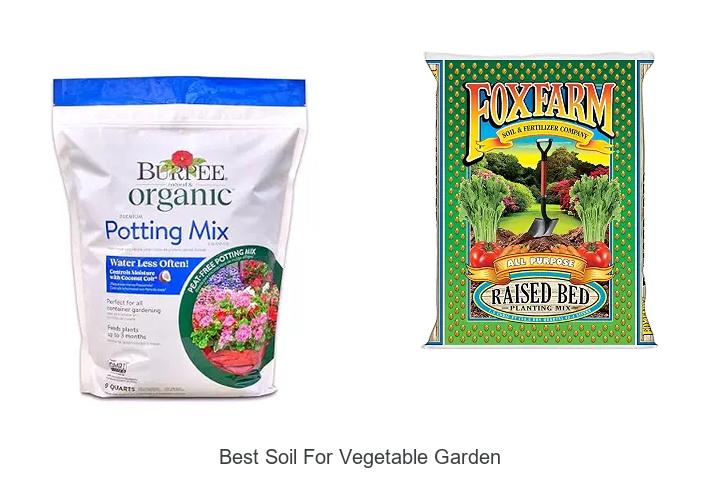
Pick 1  | Burpee Premium Organic Potting Mix | Check Price On Amazon |
Pick 2  | FoxFarm Raised Bed Planting Mix | Check Price On Amazon |
Pick 3  | Espoma Organic Vegetable & Flower Garden Soil | Check Price On Amazon |
1. Burpee Premium Organic Potting Mix
Organic container gardeners get a ready-made mix with balanced feeding. Burpee Premium Organic Potting Mix is built for vegetables, flowers, and herbs.
Its coconut coir helps improve aeration and moisture retention. That makes watering easier and roots less likely to struggle in tight spaces. The mix is OMRI Listed and aimed at indoor and outdoor containers.
It also offers immediate nutrition with slow-release feeding for up to three months.
The formula uses a 0.12-0.12-0.12 nutrient blend for even support. Burpee says it promotes root development, soil conditioning, and seed development.
It works in pots and raised beds, so setup stays simple. The 9-quart bag includes small holes for air circulation before use.
That detail suits gardeners who want an organic mix with practical handling. It fits small container projects, especially for vegetables that need steady moisture and support.
Pros
- OMRI Listed for organic growing
- Coconut coir improves moisture balance
- Works for indoor and outdoor containers
Cons
- Only a 9-quart bag size
- Not designed for in-ground beds
- Small package suits limited projects
Who Should Buy It?
Buyers with containers, raised beds, or indoor pots should consider it. It suits gardeners growing vegetables, herbs, or flowers in compact spaces. The organic certification, moisture control, and slow-release feeding make it practical for steady container growth.
It is a strong match for people who want a simple, all-purpose mix for small garden setups.
Key Specifications
| Specification | Details |
|---|---|
| Brand | Burpee |
| Product Type | Organic potting mix |
| Volume | 9 quarts |
| Weight | 4.3 pounds |
| Organic Certification | OMRI Listed |
| Key Ingredients | Coconut coir, fertilizer |
| Intended Use | Vegetables, flowers, herbs, indoor and outdoor containers |
| Moisture Control | Helps retain moisture and reduce watering frequency |
| Drainage | Improves drainage and aeration |
| Root Support | Supports root development |
| Pack Size | 1 count |
The 9-quart volume suits small container gardens and patio planters. At 4.3 pounds, the bag stays easy to lift and pour. Coconut coir helps hold water while still allowing air movement. That balance matters for vegetables in pots, where roots can dry out or stay soggy. The OMRI Listed certification also makes it fit organic growing plans. Its fertilizer content gives plants an immediate feeding start in containers.
The drainage and aeration features help roots breathe in confined spaces. Slow-release nutrition supports growth for up to three months, which lowers refeeding needs. That can help gardeners who prefer a simpler routine for indoor or outdoor pots. The mix is made for vegetables, flowers, and herbs, so it suits mixed container plantings well. The small-hole bag design also helps air circulation before use, which may aid storage and handling.
2. FoxFarm Raised Bed Planting Mix
Raised beds benefit from a soil blend that is ready to pour and plant. FoxFarm Raised Bed Planting Mix brings that convenience with a mix made for vegetables, herbs, flowers, and fruits. The formula includes aged forest products, sphagnum peat moss, earthworm castings, oyster shell, and dolomite lime.
It aims to hold moisture around roots while still draining well, which helps reduce water stress. The texture is designed for raised beds and containers, so setup stays simple for gardeners at any skill level. Its nutrient-rich ingredients support strong roots and steady nutrient uptake.
The 1.5-cubic-foot bag suits small to medium raised bed projects well. It feels practical for gardeners who want a ready-made planting base without extra blending.
Pros
- Ready to use right out of the bag
- Supports moisture retention and drainage
- Made for raised beds and containers
Cons
- 1.5-cubic-foot bag may fill small spaces only
- No organic certification listed
- Not a custom mix for specific crops
Who Should Buy It?
People filling raised beds will appreciate this ready-to-use blend. It suits gardeners who want a simple planting base for vegetables, herbs, flowers, and fruits. The mix also works well for container growers who want balanced moisture and drainage without extra preparation.
Gardeners who prefer convenient setup and nutrient-rich ingredients should find it appealing.
Key Specifications
| Specification | Details |
|---|---|
| Brand | FoxFarm |
| Product Type | Raised Bed Planting Mix |
| Volume | 1.5 cubic feet |
| Weight | 40 pounds |
| Organic Certification | Not listed |
| Key Ingredients | Aged forest products, sphagnum peat moss, earthworm castings, oyster shell, dolomite lime |
| Intended Use | Vegetables, flowers, fruits, herbs, raised beds, containers |
| Moisture Control | Retains moisture around roots |
| Drainage | Helps provide proper drainage |
| Root Support | Supports strong roots and nutrient uptake |
| Pack Size | 1 pack |
The 1.5-cubic-foot volume gives you a manageable amount for raised-bed filling. At 40 pounds, the bag feels substantial enough to carry useful material without needing multiple containers for a small project. The ingredient list shows a mix of forest products, peat moss, earthworm castings, oyster shell, and dolomite lime. That combination suggests a blended growing medium rather than plain topsoil. It is made for vegetables, flowers, fruits, herbs, raised beds, and containers.
In everyday use, the moisture-retaining and draining traits matter most. Roots can stay evenly supplied with water while excess moisture moves away more easily. That balance helps support stronger root growth and nutrient uptake during planting. The ready-to-use format also reduces setup time, since no mixing is required. Gardeners filling raised beds or containers benefit most, especially those who want a soil blend made for many edible and ornamental plants. The single-pack format works well for smaller projects.
3. Espoma Organic Vegetable & Flower Garden Soil
Rich garden soil can make planting feel easier from the start. Espoma Organic Vegetable & Flower Garden Soil is made for in-ground beds and transplanting.
It blends natural and organic ingredients with earthworm castings, then adds Myco-Tone for mycorrhizae support. That mix is meant to improve native soil during planting and help roots settle in well. Gardeners can use it any time they plant, then mix it thoroughly with existing soil.
The formula suits vegetable and flower beds that need added organic matter. Its peat moss style supports a loose, workable texture for planting holes and bed amendments. Because it contains no synthetic plant foods or chemicals, it fits organic gardening goals.
The one-cubic-foot bag is practical for smaller in-ground projects or targeted bed upgrades. It feels straightforward to use, since the main step is simple mixing. Gardeners who want an organic amendment for planting and transplanting should find it useful and versatile.
Pros
- Made for in-ground planting and transplanting
- Contains earthworm castings and mycorrhizae
- No synthetic plant foods or chemicals
Cons
- Only available in a single one-cubic-foot bag
- Needs mixing with native garden soil
- Designed for in-ground use, not container planting
Who Should Buy It?
Gardeners planting vegetables or flowers directly in the ground will appreciate this mix. It suits people who want an organic amendment for beds, borders, and transplant holes. The formula works well for those improving native soil while keeping synthetic inputs out of the garden.
It also fits growers who like a simple, mix-in soil product for planting season.
Key Specifications
| Specification | Details |
|---|---|
| Brand | Espoma |
| Product Type | Organic in-ground planting mix |
| Volume | 1 cubic foot |
| Weight | 16 ounces |
| Organic Certification | Organic gardening; no synthetic plant foods or chemicals |
| Key Ingredients | Natural and organic ingredients, earthworm castings, Myco-Tone |
| Intended Use | Planting and transplanting in garden soil |
| Root Support | Myco-Tone endo and ecto mycorrhizae |
| Pack Size | 1 bag |
The listed volume is one cubic foot, which suits small bed projects. The bag is intended for planting and transplanting directly in the garden. Its weight is listed as 16 ounces, while the style is peat moss. The ingredients include natural and organic materials, earthworm castings, and Myco-Tone. In everyday use, that means a soil amendment designed to mix with native ground rather than replace it completely.
Myco-Tone adds endo and ecto mycorrhizae, which supports root interaction in planting holes. The organic formula avoids synthetic plant foods and chemicals, which appeals to gardeners managing edible beds. Since moisture control and drainage are not listed, the main benefit comes from its amend-and-mix approach. Gardeners planting vegetables or flowers in the ground will benefit most from its simple use and organic ingredient profile.
4. Miracle-Gro Organic Indoor Potting Mix

Indoor gardeners get a soil mix made for controlled containers. Miracle-Gro Organic Indoor Potting Mix helps protect plants from overwatering and underwatering.
The blend uses responsibly sourced sphagnum peat moss, coir, and quick-start natural fertilizer. That combination supports houseplants, herbs, and seed starting in indoor containers.
The texture is aimed at moisture regulation and easier watering habits. It fills a 12-inch container from one 16-quart bag, depending on root size.
OMRI listing adds reassurance for growers who want organic ingredients. The mix feels suited to beginners and regular indoor growers alike.
It offers a practical setup for transplants and seeds without complex prep. The overall package favors clean indoor use and steady early growth support.
Pros
- Helps regulate moisture for indoor containers.
- Works for houseplants, herbs, and seed starting.
- Includes organic ingredients and natural fertilizer.
Cons
- Designed for indoor use, not outdoor beds.
- One bag may vary with larger root balls.
- Best suited to containers rather than ground planting.
Who Should Buy It?
Buyers with indoor containers, herbs, or houseplants should find it useful. It suits people who want a moisture-regulating organic mix for indoor growing. Seed starters can also benefit from the lighter container-friendly formula.
Gardeners who prefer responsibly sourced ingredients and simple transplanting will likely appreciate it most.
Key Specifications
| Specification | Details |
|---|---|
| Brand | Miracle-Gro |
| Product Type | Organic potting mix |
| Volume | 16 quarts |
| Weight | 3.68 kg |
| Organic Certification | OMRI Listed |
| Key Ingredients | Responsibly sourced sphagnum peat moss, coir, quick-start natural fertilizer |
| Intended Use | Indoor container plants, houseplants, herbs, seed starting |
| Moisture Control | Helps regulate soil moisture |
| Drainage | Let drain after watering |
| Root Support | Supports transplants after loosening root ball |
| Pack Size | 1 pack |
A 16-quart bag gives enough mix for one 12-inch container. That size works well for many indoor plant setups. The listed weight is 3.68 kg, which gives the bag some substance. OMRI Listed certification signals an organic approach for home growers. The ingredient list includes sphagnum peat moss, coir, and natural fertilizer. Those ingredients point to a container mix built for moisture balance and simple planting tasks.
The moisture-regulating design helps indoor growers manage watering with less guesswork. The mix is made for houseplants, herbs, and seed starting. It also supports transplants after loosening the root ball first. Drainage steps are simple, since watering should be followed by letting excess water drain away. That setup suits plant owners who want easy indoor maintenance. The single-pack format also fits smaller home projects and starter container gardens.
5. Back to the Roots Organic Potting Soil

Budget gardeners get a simple, organic mix with useful versatility. Back to the Roots Organic Potting Soil suits vegetables, herbs, fruits, and flowers. It uses upcycled plant matter and wood fines, with no imported peat.
That gives it a lighter carbon footprint and a peat-free profile. Yucca extract helps with moisture control, while dolomitic limestone supports pH balance. The blend is made in the USA and comes in a 6-quart bag.
Its all-purpose formula works well for containers, raised beds, and small garden projects. The texture is designed for general planting needs, not specialty crops. That makes it easy to use for beginners and casual growers.
The pack size is handy for starting a few pots or seedlings. It suits gardeners who want organic soil without complicated preparation.
Pros
- 100% organic and peat-free
- Works for vegetables, herbs, fruits, and flowers
- Yucca extract helps moisture control
Cons
- 6-quart size is small for larger gardens
- Not a specialized mix for demanding crops
- May require frequent restocking for many containers
Who Should Buy It?
Buyers with small vegetable gardens will appreciate this compact, all-purpose mix. It fits container planting, herb pots, and starter beds well. Gardeners who want organic, peat-free soil may like the ingredient profile.
It also suits people who need a simple blend for mixed plantings. The 6-quart size works best for light use, trial growing, or topping off containers.
Key Specifications
| Specification | Details |
|---|---|
| Brand | Back to the Roots |
| Product Type | All-purpose potting mix |
| Volume | 6 quarts |
| Weight | 6 pounds |
| Organic Certification | 100% organic |
| Key Ingredients | Upcycled plant matter, wood fines, yucca extract, dolomitic limestone |
| Intended Use | Vegetables, herbs, fruits, flowers, indoor plants, outdoor plants |
| Moisture Control | Yucca extract |
| Drainage | Peat-free blend |
| Root Support | All-purpose potting mix |
| Pack Size | 1 bag |
The 6-quart volume gives you a manageable amount for small planting jobs. At 6 pounds, the bag is light enough to carry and pour easily. The mix is 100% organic and peat-free, which matters for growers avoiding imported peat. Upcycled plant matter and wood fines make up the base. Yucca extract supports moisture control, while dolomitic limestone helps balance pH. That combination suits pots, starter containers, and smaller garden areas.
These specifications point to a mix built for convenience and broad use. The all-purpose formula works for vegetables, herbs, fruits, and flowers. That makes it useful for mixed container gardens and simple vegetable setups. The peat-free blend may appeal to growers who want a cleaner ingredient story. Its moisture control ingredient helps reduce drying issues in containers. Because the bag is small, it suits lighter projects, balcony gardens, and gardeners testing a new soil blend.
6. Back to the Roots Organic Compost

Raised beds get a nutrient boost with this peat-free compost amendment. It is made from upcycled plant matter or wood fines and supports vegetables, herbs, and fruits.
The blend includes yucca extract, dolomitic limestone, and gypsum for better moisture handling and pH balance. Its organic, USA-made formula suits gardeners who want a simple soil amendment for healthier growth. The mix is designed for raised beds and helps support vibrant flavor and steady harvests.
It also comes with a satisfaction guarantee and a grow-one-give-one community program. For gardeners focused on building richer soil, it offers a practical and eco-conscious base ingredient.
Pros
- 100% organic and peat-free formula
- Supports moisture control and water absorption
- Suitable for vegetables, herbs, and fruits
Cons
- Sold as a compost amendment, not a full soil
- Single bag may suit smaller garden projects
- No fertilizer details are listed
Who Should Buy It?
Gardeners who want a compost amendment for raised beds should consider it. It suits people adding organic matter around vegetables, herbs, and fruits. The peat-free formula also appeals to buyers avoiding imported peat.
It works well for home growers who want moisture support and pH balancing in one blend.
Key Specifications
| Specification | Details |
|---|---|
| Brand | Back to the Roots |
| Product Type | Organic compost soil amendment |
| Volume | 1 cubic foot |
| Weight | 25.7 quarts |
| Organic Certification | 100% organic |
| Key Ingredients | Upcycled plant matter, wood fines, yucca extract, dolomitic limestone, gypsum |
| Intended Use | Raised beds, gardens, plants, herbs, vegetables, and fruits |
| Moisture Control | Yucca extract and gypsum support water absorption |
| Drainage | No drainage claim listed |
| Root Support | Nutrient-rich blend supports plant growth |
| Pack Size | 1 pack |
The 1 cubic foot size gives gardeners a manageable amount for mixing into beds. Its 25.7-quart bag format fits small to medium garden projects. The compost is 100% organic and peat-free, which suits gardeners avoiding imported peat. Upcycled plant matter or wood fines form the base, while yucca extract, dolomitic limestone, and gypsum add useful soil-supporting components. That combination makes it easy to understand what goes into the mix.
These ingredients point to steady performance in raised beds and garden plots. Yucca extract helps with moisture control, while gypsum supports water absorption. Dolomitic limestone helps balance pH, which can matter for vegetables and herbs. The nutrient-rich blend is meant for plant growth and stronger harvests. Gardeners who want a simple amendment for improving existing soil will benefit most from this format. It works well when blended into a larger growing setup.
7. Espoma Organic Potting Soil Mix

Container gardeners get a ready-made organic mix with broad planting flexibility. Espoma Organic Potting Soil Mix suits herbs, vegetables, flowers, and other pots.
The blend combines sphagnum peat moss, humus, and perlite with earthworm castings, alfalfa meal, kelp meal, and feather meal. Its Myco-Tone blend adds endo and ecto mycorrhizae for root support.
That combination gives containers a rich, loose medium for planting or repotting. It works indoors and outdoors, which helps simplify seasonal container care.
The formula uses only natural ingredients and avoids synthetic plant foods. A 16-quart bag fits smaller garden projects and regular pot refreshes. It suits gardeners who want an organic potting mix with feeding ingredients built in.
Pros
- Works for herbs, vegetables, and many container plants
- Includes mycorrhizae, castings, and natural meal ingredients
- Suitable for indoor and outdoor containers
Cons
- Only sold in a 16-quart bag
- Not a straight garden-bed soil
- May need frequent replacement in containers
Who Should Buy It?
Buyers with pots, planters, and mixed container gardens should consider it. It suits gardeners growing herbs and vegetables indoors or outdoors. The organic ingredient list also fits people avoiding synthetic plant foods or chemicals.
It works well for new plantings and repotting into larger containers. Small home growers who want a general-purpose potting mix will likely find it practical.
Key Specifications
| Specification | Details |
|---|---|
| Brand | Espoma |
| Product Type | Organic potting soil mix |
| Volume | 16 quarts |
| Weight | 16 ounces |
| Organic Certification | Organic gardening; no synthetic plant foods or chemicals |
| Key Ingredients | Sphagnum peat moss, humus, perlite, earthworm castings, alfalfa meal, kelp meal, feather meal, mycorrhizae |
| Intended Use | Indoor and outdoor containers, herbs, vegetables, flowers, and repotting |
| Drainage | Perlite helps keep the mix airy |
| Root Support | Myco-Tone endo and ecto mycorrhizae |
| Pack Size | 1 pack |
The 16-quart size suits small to medium container projects. A single pack gives enough mix for repotting or starting a few pots. The ingredient list matters in daily use because it combines peat moss, humus, and perlite. Those materials create a lighter planting medium than dense soil. Earthworm castings and meal ingredients add organic matter. Myco-Tone adds mycorrhizae, which support roots after planting or transplanting.
These specifications point to a mix made for containers, not garden beds. The airy texture from perlite helps pots drain and stay workable. That helps herbs and vegetables in containers with regular watering. The organic ingredient profile suits gardeners who avoid synthetic additives. Indoor growers, balcony gardeners, and patio planters benefit most. It is also a practical choice for fresh potting during repotting season.
8. Michigan Peat BACCTO Raised Bed Soil

Raised beds need soil that feeds plants and stays easy to work with. Michigan Peat BACCTO Raised Bed Soil brings organic matter right from the bag.
It blends compost, composted manure, and earthworm castings for vegetable gardens. The ready-to-use mix skips prep work and supports quick planting after opening. Beneficial microbes from the castings help support living soil activity.
Compost and manure help hold moisture around roots during growth. The mix suits vegetables, herbs, flowers, shrubs, and mixed plantings. Its raised bed focus makes it a strong fit for backyard beds.
Beginners will appreciate the simple setup and planting-ready format. Experienced gardeners may like the extra organic enrichment in the mix.
The one-bag format works well for topping off smaller beds. It offers practical value for gardeners wanting enriched soil without mixing ingredients.
Pros
- Ready to use straight from the bag
- Contains compost, manure, and earthworm castings
- Supports vegetables, herbs, flowers, and shrubs
Cons
- Single bag may not fill larger beds
- No organic certification is listed
- Lacks detailed drainage specifications
Who Should Buy It?
Gardeners filling raised beds with vegetables, herbs, or flowers should consider it. It suits people who want a ready-to-use blend with organic matter already included. Backyard growers and beginner gardeners may appreciate the simple setup.
It also fits mixed plantings and elevated planters that need enriched soil. Those needing a heavy-duty raised bed fill will find it especially relevant.
Key Specifications
| Specification | Details |
|---|---|
| Brand | BACCTO |
| Product Type | Raised Bed Soil |
| Volume | 1.5 cubic feet |
| Weight | Not listed |
| Organic Certification | Not listed |
| Key Ingredients | Compost, composted manure, and earthworm castings |
| Intended Use | Vegetables, herbs, flowers, shrubs, mixed plantings, and landscape areas |
| Moisture Control | Supports moisture retention through compost and manure |
| Drainage | Not listed |
| Root Support | Supports strong root growth and healthy plants |
| Pack Size | 1 count |
The 1.5 cubic foot volume makes this soil manageable for raised beds. It arrives ready to use, so planting can begin quickly. Compost, composted manure, and earthworm castings form the core blend. Those ingredients add organic matter and help feed garden plants. The listed uses cover vegetables, herbs, flowers, shrubs, and mixed plantings. That makes the bag useful for gardeners filling small beds or refreshing existing ones. The single-pack format suits simple projects and smaller planting spaces.
In daily use, the mix aims to hold moisture and support roots. Compost and manure help keep the soil from drying too quickly. Earthworm castings introduce beneficial microbes that support active growing conditions. The product also supports strong root growth for healthy, vibrant plants. Because drainage details are not listed, gardeners may judge performance by bed setup. It suits growers who want an enriched soil blend with easy planting and broad plant compatibility.
9. Organic Compost Potting Soil

Rich compost can give vegetable beds a healthier foundation. Old Potters Organic Compost Potting Soil offers a plant-based blend for indoor and outdoor growing.
It is made from natural materials and stays chemical-free, which suits many garden setups. The nutrient-rich style helps improve aeration, water retention, and nutrient availability.
That can support stronger plants during regular garden use. The 24-quart bag gives a bulk compost option for larger planting jobs.
Its 100% organic makeup also supports eco-friendly gardening through recycled organic waste. The blend should appeal to gardeners who want a simple soil amendment with broad use.
It works well for home beds, containers, and other farming spaces. The material quality centers on organic ingredients rather than synthetic additives.
That makes it a practical choice for gardeners who prefer a natural approach. It offers steady support for soil structure while feeding plants at the same time. For vegetable growers, that combination can make planting and maintenance feel easier.
Pros
- 100% organic and chemical-free
- Improves aeration and water retention
- Works indoors and outdoors
Cons
- Single pack may not suit very large projects
- Bulk format may be bulky to handle
- No ingredient breakdown beyond plant-based materials
Who Should Buy It?
Gardeners who want a plant-based compost for vegetables should consider it. It suits home plots, container gardens, and indoor growing spaces. The bulk 24-quart size works for larger soil needs.
People seeking chemical-free, organic materials will find the format appealing. It fits users who want better moisture balance and healthier soil structure.
Key Specifications
| Specification | Details |
|---|---|
| Brand | Old Potters |
| Product Type | Organic compost potting soil |
| Volume | 768 fluid ounces |
| Weight | 25 lbs |
| Organic Certification | 100% organic and chemical-free |
| Key Ingredients | Natural plant-based materials |
| Intended Use | Indoor and outdoor farming, home and garden fertilizer |
| Moisture Control | Improves water retention |
| Drainage | Improves aeration |
| Root Support | Boosts nutrient availability for stronger plants |
| Pack Size | 1 pack |
The 25-pound, 24-quart size gives gardeners a useful bulk compost supply. Old Potters packages the blend as a single unit for home and garden use. The 768-fluid-ounce volume points to a generous amount for planting jobs. Its plant-based makeup means the soil relies on natural organic materials. That matters for gardeners who want chemical-free inputs and a simpler soil amendment. The product suits both indoor and outdoor farming spaces.
These specifications point to a compost that supports soil structure and plant feeding together. Improved aeration can help roots access air more easily in packed beds. Better water retention can help soil hold moisture between watering sessions. Increased nutrient availability supports stronger growth in vegetables and other plants. The organic, plant-based formula should appeal to growers who value sustainable gardening. It fits well for people managing beds, containers, or mixed growing areas.
10. Coast of Maine Castine Blend Raised Bed Mix

Raised beds benefit from a mix that feeds plants and manages moisture well. Coast of Maine Castine Blend brings that balance with organic ingredients and ready-to-use convenience. Formulated for vegetables, herbs, flowers, planter boxes, and container gardens, it arrives as a four-pack of one cubic foot bags.
The blend includes compost, sphagnum peat moss, aged bark, biochar, mycorrhizae, worm castings, kelp meal, greensand, and lobster and crab shell meal. Those ingredients support soil structure, moisture retention, drainage, and aeration. The slow-release nutrients help plants grow steadily without added mixing.
OMRI Listed status will appeal to gardeners who want organic inputs. It suits large premium beds where building rich living soil matters most.
Pros
- Packed with organic amendments for steady feeding
- Ready to use with no extra mixing
- Supports moisture retention, drainage, and aeration
Cons
- Four-bag pack may be more than small gardens need
- Heavy package can be harder to move
- Designed for raised beds, not all-ground garden soils
Who Should Buy It?
Gardeners filling large raised beds will appreciate this blend most. It suits people who want organic, ready-to-use soil with nutrient-rich ingredients already mixed in. Vegetable growers, herb growers, and container gardeners can all use it.
It also fits buyers who prefer OMRI Listed materials and want support for living soil, moisture balance, and steady growth without adding many amendments themselves.
Key Specifications
| Specification | Details |
|---|---|
| Brand | Coast of Maine |
| Product Type | Raised Bed Mix |
| Volume | 1 cu ft per bag |
| Weight | 95 pounds |
| Organic Certification | OMRI Listed |
| Key Ingredients | Compost, sphagnum peat moss, aged bark, biochar, mycorrhizae, worm castings, kelp meal, greensand, lobster and crab shell meal |
| Intended Use | Raised beds, planter boxes, container gardens, vegetables, herbs, and flowers |
| Moisture Control | Supports moisture retention |
| Drainage | Supports drainage and aeration |
| Root Support | Supports living soil and healthier root development |
| Pack Size | 4 pack |
The four one-cubic-foot bags give gardeners a generous amount for larger beds. The OMRI Listed label means the mix fits organic gardening plans. Ingredients like compost, peat moss, worm castings, and kelp meal bring nutrients and organic matter together. Biochar, greensand, and shell meals add more structure and feeding support. In everyday use, that means a soil blend ready for vegetables, herbs, and flowers without extra amendment shopping.
Because the mix is already blended, setup stays simple for raised beds and containers. The ingredients support moisture retention, drainage, and aeration at the same time. That balance helps roots spread while avoiding soggy conditions. Slow-release nutrients also support steady growth across the season. Gardeners with large premium beds benefit most, since the four-pack covers more area and reduces repeated prep work. The blend suits people who want richer living soil from the start.
Best Soil for Vegetable Garden: A Complete Buying Guide
Soil texture and drainage
Soil texture directly shapes how well vegetable roots grow, how quickly water moves through the bed, and how reliably nutrients stay available. Loam is usually the most balanced option because it holds moisture without becoming soggy, drains at a steady pace, and gives roots enough space to spread easily. Clay soil retains water and nutrients well, but it can compact tightly, slow drainage, and make root penetration difficult unless it is heavily improved with organic matter.
Sandy soil offers fast drainage and warms up quickly, yet it often dries out too fast and may need frequent watering and added compost to support strong growth. A good garden mix should therefore match the crop’s needs by balancing drainage speed with water retention, since overly wet soil can suffocate roots while overly loose soil can leave plants stressed and underfed.
- Loam: balanced texture, moderate drainage, easy root movement
- Clay: high water retention, slower drainage, compact structure
- Sandy: rapid drainage, low water retention, loose structure
Nutrient content and fertility
Healthy garden soil delivers the most reliable harvests when its nutrient profile matches the needs of vegetables, and that starts with a balanced supply of essential macronutrients, steady micronutrient availability, and enough organic matter to support long-term fertility. Essential macronutrients such as nitrogen, phosphorus, and potassium drive leafy growth, root development, and fruit production, while trace elements like iron, manganese, and zinc help prevent deficiencies that can stunt plants or cause poor color and weak yields.
Organic matter levels matter just as much, because compost-rich soil holds moisture better, feeds beneficial microbes, improves texture, and releases nutrients gradually instead of all at once. A well-rounded mix of these factors creates a growing environment that supports stronger vegetables, fewer nutrient issues, and healthier soil season after season.
Ph balance and soil health
A balanced pH level has a direct effect on how well vegetables absorb nutrients from the soil. Most garden vegetables grow best in a slightly acidic to neutral range, usually around 6.0 to 7.0, because this window keeps essential nutrients available to roots. If the pH drifts too far outside that range, plants may struggle to take in iron, phosphorus, calcium, and other key elements even when the soil contains them. Regular soil testing makes it easier to catch these imbalances early, and simple amendments such as lime can raise pH while sulfur can help lower it.
Regular soil testing makes it easier to catch these imbalances early, and simple amendments such as lime can raise pH while sulfur can help lower it. Keeping the soil in the proper range supports healthier growth, stronger roots, and more productive harvests.
Organic vs synthetic amendments
Healthy vegetable beds depend on soil amendments that work well together over time, so it is important to think about how nutrients will be delivered and maintained throughout the growing season. Compost and manure options can improve soil structure, boost microbial activity, and provide a steady source of organic matter, while slow-release fertilizers help feed plants gradually instead of causing a sudden surge of nutrients. This matters because avoiding overfertilization protects roots from burn, keeps leafy growth balanced with fruit production, and reduces the risk of nutrient runoff.
A well-planned mix of organic and synthetic inputs can support strong yields while keeping the soil fertile, stable, and easy to manage for future planting cycles.
Weed, pest, and disease risk
Weed, pest, and disease risk matters because soil that is free of weed seeds, pests, and contaminants gives vegetable plants a cleaner, healthier start and reduces the chance of early losses. A reliable mix should come from safe sources and be sterilized or otherwise treated to limit harmful organisms, since untreated material can carry fungi, bacteria, insect eggs, or debris that quickly spread through a garden bed.
Good pathogen resistance also helps protect roots and young seedlings from common soilborne problems, making it easier for vegetables to establish strong growth without constant intervention.
- Seedfree and contaminantfree soil: helps prevent unwanted weeds and foreign materials from competing with crops.
- Pathogen resistance: supports healthier root development and lowers the risk of disease outbreaks.
- Safe sourcing and sterilization: reduces exposure to pests, fungi, and other harmful organisms before the soil reaches the garden.
Best soil match for your garden setup
Vegetable roots perform best in a soil setup that matches the growing space, because drainage, depth, and nutrient retention vary widely between raised beds, inground plots, and containers. Raised beds vs. inground gardens matter because raised beds usually warm up faster and drain more efficiently, while inground gardens often hold moisture longer and support deeper root growth.
For container vegetable gardening, the pot size, drainage holes, and soil weight become even more important, since compact containers dry out quickly and need a mix that stays airy without becoming waterlogged. It also helps to match soil to specific crops, since leafy greens, tomatoes, root vegetables, and peppers each prefer slightly different moisture levels and nutrient balances. A well-matched soil setup supports stronger roots, steadier growth, and healthier harvests across the season.
- Raised beds: Best for fast drainage, early warming, and easier soil control.
- Inground gardens: Better for deeper rooting and natural moisture retention.
- Containers: Need a lightweight, well-draining mix that resists compaction.
- Crop-specific needs: Adjust texture and fertility for leafy, fruiting, or root crops.
When Soil Needs Replacing
Good garden soil can last for several seasons, but it does not stay perfect forever. Rain, watering, plant roots, and harvest time all change its texture and nutrient level. Over time, even rich soil can get packed down or lose the food plants need.
For a vegetable garden, fresh soil is not always needed every year. Many gardeners only replace part of it. A common approach is to add compost, aged manure, or other organic matter each season. This helps refresh the soil without starting over.
Watch for a few signs that the soil may need a bigger change:
- Water sits on the surface instead of soaking in
- Plants stay small or yellow even with regular feeding
- The soil feels hard, clumpy, or dusty
- You see poor root growth or repeated disease problems
If the soil is in a raised bed, you may only need to top it off every year and fully replace it every 3 to 5 years, depending on plant growth and care. In in-ground beds, full replacement is less common. A soil test can help you decide whether the problem is low nutrients, wrong pH, or poor drainage.
Container garden soil wears out faster than garden-bed soil. Pots dry out more often, and nutrients wash out quickly. Many growers replace container mix every 1 to 2 years, or sooner if plants keep failing in the same pot. Used potting mix can sometimes be reused after mixing in compost and removing old roots, but only if disease has not been a problem.
Fresh soil works best when old soil has become compacted, tired, or full of roots. Regular care can help it last longer. Add compost each season, avoid walking on beds, and rotate crops when possible.
FAQ’s
What Type Of Soil Is Best For Growing Vegetables In A Home Garden?
The best soil for growing vegetables in a home garden is loose, well-draining loam rich in organic matter. It should hold moisture without becoming waterlogged and provide plenty of nutrients for healthy growth.
How Can I Improve Poor Soil For A Vegetable Garden?
Add plenty of compost or well-rotted manure to improve soil structure and add nutrients, and mix in organic matter every season. You can also do a soil test to check pH and nutrient levels, then adjust with mulch, cover crops, or the right amendments as needed.
What Ph Level Is Ideal For Vegetable Garden Soil?
Most vegetable garden soil does best at a slightly acidic to neutral pH, around 6.0 to 7.0. This range helps most vegetables absorb nutrients effectively.
Should I Use Raised Beds Or In-Ground Soil For Vegetables?
Raised beds are usually better if your native soil is poor, compacted, or drains badly, since they give you more control over soil quality and drainage. In-ground soil can work well if your existing soil is healthy and loose, and it’s often cheaper and easier for larger gardens.
How Often Should I Add Compost To Vegetable Garden Soil?
Add compost to your vegetable garden soil once or twice a year, usually in spring before planting and again in fall after harvest. A 1–2 inch layer worked into the topsoil is usually enough to keep it healthy.
Final Verdict
For gardeners choosing the best soil for vegetable garden projects, Burpee Premium Organic Potting Mix is a strong fit for organic containers and mixed edible plantings, thanks to its organic focus and versatile use. Back to the Roots Organic Potting Soil is the budget-friendly pick for growers who want a lower-cost mix without moving away from organic ingredients.
For larger growing spaces, Coast of Maine Castine Blend Raised Bed Mix suits gardeners building big premium beds and wanting a richer raised-bed formula. FoxFarm Raised Bed Planting Mix is the clearest match for raised beds in general, making it a practical choice for gardeners who want a mix tailored to that setup.
Choose Burpee for organic containers, Back to the Roots for savings, Coast of Maine for large premium beds, and FoxFarm for dedicated raised beds.