10 Best Waterproof Hunting Boots: Top Choices Reviewed
Wet feet can cut a hunt short fast. Cold, soggy boots can also make long walks harder.
For many hunters, the right footwear is not a small detail. This review looks at the best waterproof hunting boots for hunters who need dry comfort in rough weather. These boots are for people who hunt in mud, rain, snow, or wet brush.
They also suit anyone who spends long hours on their feet in changing outdoor conditions. A good pair can help block moisture and support steady movement. It can also improve warmth, grip, and overall comfort during long hunts.
In this review, you will see what makes a boot worth buying. We will cover comfort, waterproofing, traction, durability, and fit.
The goal is to help you choose a pair that matches your hunting needs.
Best Waterproof Hunting Boots Compared Side by Side
| Image | Product | Price |
|---|---|---|
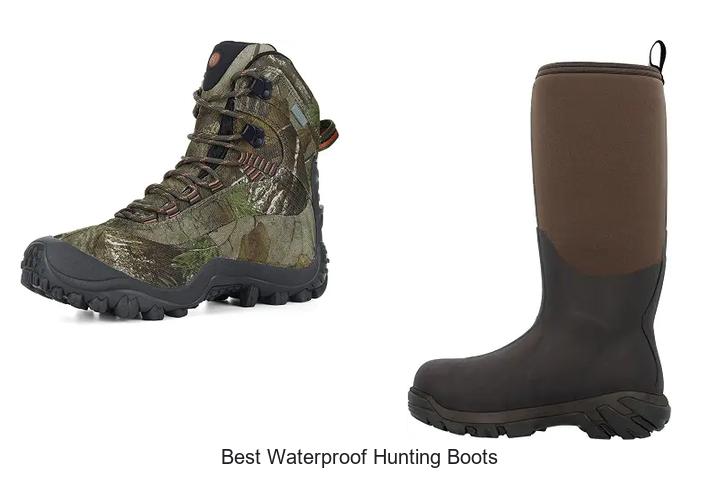
Pick 1  | XPETI Men’s Thermator Hiking Boots | Check Price On Amazon |
Pick 2  | MUCK Mens Arctic Pro Boot | Check Price On Amazon |
Pick 3  | Trudave Hunting Boots | Check Price On Amazon |
1. XPETI Men’s Thermator Hiking Boots
Cold trails call for boots that stay warm and stay steady. XPETI’s Thermator Mid-Rise Hiking Boots bring camouflage styling, waterproof protection, and insulated comfort together in one practical package.
The mid-top design measures eight inches at the shaft, giving extra coverage around the ankle and lower leg. A round toe, flat heel, and lace-up closure keep the shape simple and familiar. Rubber appears in both the outer material and sole, which supports grip and durability on rough ground.
Mesh lining and EVA insoles add a lighter feel inside. The insulated build suits long hours outdoors in cold, wet conditions. Hunters who want warmth without bulky boot weight may appreciate the lighter hiking-boot feel.
The camouflage finish also fits outdoor use without drawing attention. Build quality looks suited for regular field wear, while the waterproof rating helps handle wet brush, damp ground, and muddy paths.
The lace-up design makes fit adjustments straightforward, and the mid-rise shape offers a balanced mix of support and mobility. For hunters needing warmth first, these boots offer a strong mix of comfort, coverage, and practical weather protection.
Pros
- Waterproof build helps in wet outdoor conditions.
- Insulated design supports warm wear in cold weather.
- Mid-rise shaft adds ankle coverage and support.
Cons
- Camouflage color limits everyday style versatility.
- Mesh lining may feel less warm than thicker linings.
- Flat heel offers limited specialized terrain support.
Who Should Buy It?
Hunters who want extra warmth and weather protection should consider these boots. They suit cold, wet outings where waterproofing matters more than flashy style. The mid-rise shape, insulated build, and lace-up fit make them practical for field use.
They also work well for anyone who prefers a hiking-boot feel with camouflage coloring.
Key Specifications
| Specification | Details |
|---|---|
| Water Resistance Level | Waterproof |
| Insulation | Insulated |
| Shaft Height | 8 inches |
| Toe Style | Round Toe |
| Outer Material | Rubber |
| Sole Material | Rubber |
| Closure Type | Lace-Up |
| Occasion | Hiking |
The waterproof rating means wet grass, mud, and puddles are less likely to soak through. An eight-inch shaft gives more coverage than lower-cut boots, which helps keep out debris and splash. The round toe provides a familiar shape with room for natural movement. Rubber on the outside and sole points toward dependable protection and traction. Lace-up closure lets wearers adjust fit across the foot and ankle for different conditions.
Insulation helps retain warmth during cold mornings and long sits outdoors. Mesh lining can improve breathability, while the EVA insole adds underfoot cushioning. The mid-top height supports the ankle without feeling overly tall or stiff. A flat heel keeps the stance simple and stable for walking. Hunters and hikers who spend time in wet, chilly terrain should benefit most from this mix of warmth, coverage, and basic comfort.
2. MUCK Mens Arctic Pro Boot
Cold-weather hunts need footwear that stays warm, dry, and easy to wear. The MUCK Men’s Arctic Pro Boot focuses on all three, with a tall mid-calf shaft and insulated build. Made with a rubber outer and fleece lining, it aims to handle wet ground while keeping comfort steady.
The pull-on design makes it quick to get on before heading outside, and the round toe gives it a familiar fit.
This boot uses a 17-inch shaft height and a 17-inch shaft circumference for added coverage. The rubber sole and synthetic components support steady traction for outdoor use. At 2.3 pounds, it stays relatively manageable for a boot of this size.
The foam insole adds underfoot cushioning, while the fabric lining helps with comfort during long wear. It suits hunters who want a practical, all-around option for wet, cold conditions without complicated features.
Pros
- Tall shaft helps block water and debris
- Insulated design supports cold-weather wear
- Pull-on style speeds up gearing up
Cons
- Tall shaft may feel bulky
- Pull-on fit offers less adjustability
- Not the lightest option available
Who Should Buy It?
Hunters who want a dependable, all-around boot for wet, cold conditions should consider it. The tall shaft, water-resistant build, and insulated construction suit marshes, snowy ground, and long sits outdoors. It also fits buyers who prefer simple pull-on footwear and want steady comfort without extra fuss.
Key Specifications
| Specification | Details |
|---|---|
| Water Resistance Level | Water Resistant |
| Insulation | Insulated |
| Shaft Height | 17 inches |
| Toe Style | Round Toe |
| Outer Material | Rubber |
| Sole Material | Rubber or Synthetic |
| Closure Type | Pull-On |
| Weight | 2.3 pounds |
| Occasion | Casual |
The 17-inch shaft gives strong coverage above the calf. That height helps keep mud, slush, and water lower on the boot. The rubber outer material adds another barrier against wet ground. A round toe usually gives a familiar shape with room at the front. The pull-on closure makes entry quick, which helps before early starts. The casual occasion listing points to flexible everyday use, not only hard field work.
Water resistance and insulation work together for cold, damp conditions. The fleece lining and foam insole add comfort for longer wear. Rubber or synthetic soles help support grip on mixed ground. At 2.3 pounds, the boot is still manageable for its tall profile. Hunters who spend hours outside may value the warmth and coverage most. Those wanting easier wear and simple maintenance may also appreciate the straightforward materials.
3. Trudave Hunting Boots
Wet ground and cold mornings call for simple protection, and these boots focus on both. The Trudave Hunting Boots combine waterproof rubber with 5mm neoprene insulation for outdoor use. Built with a steel shank, they add support underfoot during long walks.
The mid-calf shaft helps block splashes, mud, and light brush. The camouflage finish suits hunting settings without drawing attention.
These boots use a pull-on design, which keeps setup quick and uncomplicated. The closed toe and no-heel form give them a straightforward work-boot feel. EVA and rubber in the sole help balance grip and wear resistance.
Neoprene lining adds warmth and a softer interior feel. At 2.6 kilograms, they are not the lightest option, yet that weight can suit buyers who want a sturdier budget boot.
They fit hunters who want waterproof coverage, insulation, and simple daily wear at a lower cost.
Pros
- Waterproof rubber helps keep feet dry.
- 5mm neoprene adds insulation for cold conditions.
- Steel shank adds underfoot support.
Cons
- 2.6 kilograms may feel heavy for some users.
- Pull-on style may be less adjustable.
- Mid-calf height may feel limiting in deeper water.
Who Should Buy It?
Buy these if you want budget hunting boots with waterproof protection and insulation. They suit hunters who prefer a pull-on design and a mid-calf shaft. The camouflage look fits outdoor use, while the steel shank adds support for longer wear.
These boots work well for buyers who value practical coverage over light weight or a highly adjustable fit.
Key Specifications
| Specification | Details |
|---|---|
| Water Resistance Level | Waterproof |
| Insulation | 5mm Neoprene |
| Shaft Height | Calf High |
| Toe Style | Closed Toe |
| Outer Material | Neoprene, Rubber |
| Sole Material | Ethylene Vinyl Acetate, Rubber |
| Closure Type | Pull-On |
| Weight | 2.6 kg |
| Occasion | work |
Waterproof rubber and 5mm neoprene shape the main weather protection here. The calf-high shaft helps keep splashes and mud away from the lower leg. A closed toe adds basic coverage, while the pull-on closure keeps entry quick. Neoprene lining should feel soft against the foot. The camouflage pattern and reed grass color suit outdoor settings. These details matter most for hunters who want simple coverage and insulation.
The outer mix of neoprene and rubber points to a boot built for wet ground. EVA and rubber in the sole suggest a balance of cushioning and wear resistance. The steel shank adds structure underfoot during longer walks. At 2.6 kilograms, these boots favor support over lightness. That makes them a practical pick for budget-minded buyers who want waterproof coverage, warmth, and steadier footing during work or hunting use.
4. Irish Setter VaprTrek 8 Hunting Boot

Lightweight footing meets quiet camouflage in a boot built for moving fast. The Irish Setter VaprTrek 8 offers waterproof protection with a hiking boot form.
It suits hunters who want ankle-high support without extra bulk. The leather outer material adds durability, while the rubber sole handles rough ground. A lace-up closure helps create a secure fit for long days outside.
The soft toe keeps the profile lighter and less rigid. Its Mossy Oak Country Roots pattern fits outdoor use and hunting cover.
Build quality focuses on practical materials and simple construction. The fabric lining should help the boot feel comfortable during cool fall outings. The no-heel design and ankle-high shaft support steady movement on uneven terrain.
Its lightweight feel makes it a strong choice for stalking, glassing, and moving quietly. The waterproof rating adds confidence in wet grass, mud, and damp brush. It suits hunters who value speed, comfort, and low-profile protection.
For those who prefer a lighter hunting boot, it offers a clear fit.
Pros
- Lightweight feel supports quiet, fast movement.
- Waterproof design suits wet fall conditions.
- Camouflage pattern fits hunting use well.
Cons
- Soft toe offers less protection than a hard toe.
- No insulation listed for colder weather use.
- Ankle-high height may suit lighter terrain better.
Who Should Buy It?
Buyers who want a lighter hunting boot should consider this model. It fits hunters who move often and prefer less bulk. The waterproof build and camouflage styling suit wet fall outings.
The ankle-high height and hiking boot form help on uneven ground. It works best for people who value quiet, agile footing over heavy insulation.
Key Specifications
| Specification | Details |
|---|---|
| Water Resistance Level | Waterproof |
| Insulation | Not listed |
| Shaft Height | Ankle-High |
| Toe Style | Soft Toe |
| Outer Material | Leather |
| Sole Material | Rubber |
| Closure Type | Lace-Up |
| Weight | Not listed |
| Occasion | Outdoor |
The waterproof rating means the boot is built for wet conditions. Ankle-high coverage gives support without reaching too high on the leg. The soft toe keeps the front flexible and lighter than a reinforced design. Leather on the outside suggests a durable shell for rough use. Rubber underfoot usually helps grip uneven ground and adds weather resistance. Lace-up closure lets wearers adjust fit around the foot and ankle.
These specifications suit hunters who move through brush, damp grass, and uneven trails. The lighter soft-toe build may feel easier during long walks. Ankle height can improve mobility compared with taller boots. Leather and rubber should hold up well during repeated outdoor wear. Because insulation is not listed, the boot fits milder conditions better. It is a practical option for hunters who want mobility, weather protection, and a lower-bulk feel.
5. TIDEWE Rubber Work Boots

Cold mornings call for boots that hold warmth and keep water out. TIDEWE’s rubber work boots focus on both, with insulated neoprene construction and a fully waterproof build.
Made from 100% waterproof CR Flex-Foam, they flex while walking and help hold heat in colder conditions. The comfort rating ranges from -4°F to 50°F, which suits freezing weather and wet outdoor use. A reinforced toe adds protection, while the mid-calf height offers extra coverage.
The flat sole and slip-on design keep them simple to wear. A heel protrusion helps with removal after long days outside. The lightweight feel also helps reduce fatigue during extended wear.
For hunting in cold, damp settings, these boots bring practical warmth and reliable coverage. They suit buyers who want weather protection, easy on and off use, and a boot built for winter outdoor work.
Pros
- Fully waterproof CR Flex-Foam construction
- Warm insulation for cold conditions
- Reinforced toe adds protection
Cons
- Size chart needs careful checking
- Slip-on style may feel loose for some
- Weight may feel heavy during long wear
Who Should Buy It?
Buy these if you need waterproof footwear for cold, wet outdoor work. They fit hunters, landowners, and winter workers who spend time in mud, rain, or snow. The insulation and mid-calf height help in chilly conditions, while the slip-on design suits quick changes.
They work best for people who want warmth, waterproofing, and simple utility in one boot.
Key Specifications
| Specification | Details |
|---|---|
| Water Resistance Level | Waterproof |
| Insulation | 6mm Neoprene |
| Shaft Height | Mid-Calf |
| Toe Style | Round Toe |
| Outer Material | Neoprene |
| Sole Material | Rubber |
| Closure Type | Slip-On |
| Weight | 2.14 kg |
| Occasion | outdoor, winter |
The waterproof rating means these boots keep moisture out during wet work. The 6mm neoprene insulation helps hold body heat in colder weather. Mid-calf shaft height adds coverage against puddles, slush, and mud. A round toe leaves room for natural foot movement. The rubber sole supports steady footing on outdoor surfaces. These specifications fit winter use, especially where cold and wet conditions show up together.
The neoprene outer material gives flexibility while walking, while the rubber sole supports durability. The slip-on closure makes them quick to wear and remove. At 2.14 kg, they are not featherlight, yet the build aims to balance protection and comfort. The reinforced toe helps shield the front of the boot during outdoor chores. People working in winter fields, hunting areas, or muddy yards may value that mix most.
6. Mens Waterproof Rain Boots

Muddy trails and soaked ground call for simple, dependable coverage. These calf-high rubber boots are built for wet, dirty conditions. Showave gives them a camo finish, a round toe, and a pull-on design for quick wear.
The waterproof rubber outer handles rain, slush, and mud with little fuss. A mesh lining and foam, mesh, neoprene, and rubber insole add some comfort for long outdoor trips.
The mid-calf shaft helps block splashes and mud without feeling overly tall. The rubber sole supports steady footing on rough, wet terrain.
At 4.1 pounds, they are not the lightest option, but they feel practical for heavier duty use. They suit hunting, work, and rainy chores where easy cleanup matters. Buyers wanting simple waterproof protection and easy on-and-off wear will get the most value here.
Pros
- Waterproof rubber construction handles wet ground well
- Camo look suits muddy hunting trips
- Pull-on style makes them easy to wear
Cons
- 4.1 pounds may feel heavy for long walks
- Mesh lining offers limited warmth in cold weather
- Rubber boots can feel stiff at first
Who Should Buy It?
Buy these if you need waterproof coverage for muddy hunting or rainy work. The calf-high rubber build suits wet fields, slushy paths, and dirty chores. They fit anyone who wants a pull-on boot with easy cleanup and camo styling.
They work best for people who value practicality over light weight or extra winter warmth.
Key Specifications
| Specification | Details |
|---|---|
| Water Resistance Level | Waterproof |
| Insulation | Mesh |
| Shaft Height | Calf High |
| Toe Style | Round Toe |
| Outer Material | Rubber |
| Sole Material | Rubber |
| Closure Type | Pull-On |
| Weight | 4.1 pounds |
| Occasion | Muddy wet trips |
Waterproof rubber construction keeps feet covered in wet conditions. The calf-high shaft helps guard against splashes and soft mud. A round toe gives a traditional boot shape with room at the front. The pull-on closure makes them quick to put on and remove. Mesh lining adds a lighter feel inside, while the rubber outer and sole are made for wet ground. These details suit rainy days, muddy trails, and outdoor chores.
The 4.1-pound weight suggests a more durable, work-ready boot feel. Rubber on both the upper and sole makes cleanup simple after dirty use. The mid-calf height offers coverage without reaching too high on the leg. Because the lining is mesh, these boots suit damp weather better than cold weather. People spending time in mud, rain, or wet brush will benefit most from the easy wear and straightforward build.
7. Mens 8 Waterproof Insulated Hunting Boots

Cold mornings call for boots that stay dry and keep feet warm. These 8-inch hunting boots aim to do both without adding much complexity. R RUNFUN builds them with waterproof Next Camo G1 fabric, 200g Thinsulate lining, and a rubber-EVA sole for mixed outdoor use.
The camouflage pattern and brown finish suit hunting and work settings alike.
The lace-up closure helps create a secure fit around the mid-calf shaft. The round toe gives a familiar shape, while the memory foam and EVA insole add underfoot comfort. At 1.74 kg, they are not featherlight, but the insulation and waterproof design explain the weight.
The 13.78-inch shaft circumference may fit many users comfortably. They suit buyers wanting affordable insulation for fall, spring, and winter wear.
Pros
- Waterproof construction helps keep feet dry.
- 200g Thinsulate adds useful cold-weather insulation.
- Memory foam insole improves all-day comfort.
Cons
- Weight may feel heavy on long walks.
- Camouflage style may not suit every setting.
- No heel design offers limited lift.
Who Should Buy It?
Buyers wanting an affordable insulated boot for hunting, work, and cold-weather use should look here. The 8-inch shaft, waterproof fabric, and 200g Thinsulate fit wet, chilly conditions. It suits someone who wants simple lace-up support, a round toe, and camo styling without paying for extra features.
Key Specifications
| Specification | Details |
|---|---|
| Water Resistance Level | Waterproof |
| Insulation | 200g Thinsulate |
| Shaft Height | 8 inches |
| Toe Style | Round Toe |
| Outer Material | Waterproof Next Camo™ G1 Fabric |
| Sole Material | Rubber and EVA |
| Closure Type | Lace-Up |
| Weight | 1.74 kg |
| Occasion | work |
Waterproof Next Camo G1 fabric helps block moisture during wet ground conditions. The 8-inch shaft gives more coverage than low-cut footwear. 200g Thinsulate adds warmth for fall, spring, and winter use. A round toe gives the front of the boot a familiar fit. The lace-up closure lets wearers adjust tightness around the mid-calf area. These details matter most for hunters, workers, and anyone facing damp, cool weather outdoors.
Rubber and EVA in the sole aim to balance grip and cushioning. The memory foam and EVA insole can help reduce pressure during long wear periods. At 1.74 kg, the boots may feel substantial, which matches their insulated build. The camouflage pattern suits hunting use, while the brown color keeps the look grounded. People who want warmth, dryness, and simple fit adjustment will benefit most from these specifications.
8. Hunthor Hunting Boots for Men

Wet marshes and muddy fields call for reliable coverage, and these boots bring both. The 16-inch shaft and waterproof build suit waterfowl outings well.
Hunthor uses camouflage rubber and neoprene for a practical hunting setup. The mid-calf height helps block splashes and shallow water. A round toe gives a familiar fit for long outdoor wear.
The pull-on closure keeps entry simple when mornings start early. Inside, 6mm neoprene insulation adds warmth for colder hunts. EVA mid-sole and memory foam add comfort underfoot.
The rubber outsole supports traction across farm, ranch, and hunting terrain. The platform heel may feel a little different than flat boots.
Overall, they offer a solid mix of weather protection, warmth, and easy use. They suit hunters who want camouflage coverage and dependable water resistance.
Pros
- Waterproof build suits wet hunting ground.
- 16-inch shaft helps block splashes.
- 6mm neoprene adds useful insulation.
Cons
- Pull-on design offers less ankle adjustability.
- Platform heel may feel unfamiliar.
- Mid-calf height may limit deep-water coverage.
Who Should Buy It?
Buyers heading into waterfowl outings will appreciate the waterproof rubber and neoprene design. Hunters who want warmth, camouflage, and easy pull-on wear should find these appealing. They also suit farm, ranch, fishing, and upland bird use.
People needing a mid-calf boot with simple coverage may like the fit and practical construction.
Key Specifications
| Specification | Details |
|---|---|
| Water Resistance Level | Waterproof |
| Insulation | 6mm Neoprene |
| Shaft Height | 16 |
| Toe Style | Round Toe |
| Outer Material | Camouflage Rubber & Neoprene |
| Sole Material | EVA Mid-sole and Rubber Outsole |
| Closure Type | Pull-On |
| Occasion | Deer Hunting, Farm and Ranch Work, Fishing, Upland Bird Hunting, Waterfowl Hunting |
A waterproof rating means these boots are built for wet ground and splashes. The 6mm neoprene insulation adds warmth for colder mornings. A 16-inch shaft gives higher coverage than shorter boots. The round toe shape leaves a familiar front profile for everyday wear. Camouflage rubber and neoprene combine weather protection with hunting-friendly styling. Together, those details point to a boot made for marshes, fields, and rainy outdoor work.
The EVA mid-sole and rubber outsole affect comfort and footing during long wear. Memory foam in the insole helps soften each step indoors or outdoors. The pull-on closure makes them faster to wear before early hunts. Mid-calf height balances coverage and mobility for many users. These features suit waterfowl hunters, farm workers, and anglers who need wet-weather protection. The materials also support repeated use across different outdoor seasons.
9. Danner Vital 8 Waterproof Hunting Boots

Rugged leather and polyester construction give these boots a hard-working field feel. They suit hunters who want waterproof protection and steady traction. The Danner Vital 8 uses split leather impregnated with polyurethane, plus 900 Denier polyester, for abrasion resistance.
Danner Dry keeps moisture out while letting sweat escape. A mesh-lined tongue helps regulate temperature during long days outdoors. Lock and Load lacing adds quick, secure tightening with quieter ghillies.
The open-cell footbed and Plyolite midsole add cushioning without extra weight. Multi-density foam helps reduce hot spots and pinch points. Multidirectional lugs improve grip on moss, rock, and slick surfaces.
At 2.9 pounds, they balance durability and wearability well. Hunters who want dependable construction will appreciate the practical design.
Pros
- Abrasion-resistant upper handles rough terrain well
- Waterproof Danner Dry barrier breathes well
- Good traction on moss, rock, and slick ground
Cons
- No insulation listed for cold-weather hunts
- Mid-calf height may feel bulky for some
- Leather build may need more break-in time
Who Should Buy It?
Buy these if you want durable waterproof boots for rugged hunting conditions. They suit men who value abrasion resistance, secure lacing, and traction on slippery ground. Hunters moving through mossy, rocky, or wet terrain should appreciate the grip and weather protection.
They also fit anyone who prefers a mid-calf hiking boot for field use.
Key Specifications
| Specification | Details |
|---|---|
| Water Resistance Level | Waterproof |
| Insulation | Not listed |
| Shaft Height | Mid-Calf |
| Toe Style | Not listed |
| Outer Material | Leather |
| Sole Material | Leather |
| Closure Type | Lace-Up |
| Weight | 2.9 pounds |
| Occasion | Hunting |
Waterproof construction and a mid-calf shaft shape the boot’s real-world use. The leather outer material adds structure, while the lace-up closure lets wearers adjust fit easily. With no insulation listed, these boots focus more on wet protection and durability than cold-weather warmth. The 2.9-pound weight suggests a sturdy build without feeling overly heavy. For hunters, that mix supports long wear in changing conditions.
The leather sole and outer material point to a boot built for hard use. A waterproof rating pairs with the Danner Dry barrier, which helps keep feet dry. The lace-up design works with the Lock and Load system for a secure fit. Mid-calf coverage can help in brush and uneven ground. Since insulation is not listed, these boots suit hunters who prioritize dryness, traction, and toughness over extra warmth.
10. Irish Setter VaprTrek Hunting Boot

Earth Camo gives these boots a quiet, field-ready look for trail hunts. Waterproof construction helps keep feet dry through wet ground and brush.
Irish Setter VaprTrek 8-inch hunting boots blend a leather and nylon upper with a rubber sole. The closed toe and lace-up build add practical coverage and a secure fit.
The mid-calf shaft offers more coverage than low-cut hiking styles. A flat heel keeps the stance steady on uneven paths.
EVA insoles add basic underfoot cushioning for long days outdoors. The fabric lining should feel familiar and manageable during repeated wear. Leather and nylon also suggest a balance of structure and flexibility.
For camo trail hunts, the pattern supports a low-profile look in the woods. The waterproof rating makes them suitable for damp mornings and wet vegetation.
Their hiking boot form should suit hunters who walk a lot between stands. Build materials point to everyday toughness without extra bulk.
They suit hunters who want practical waterproof protection and a quieter camo appearance.
Pros
- Waterproof build suits wet trail conditions
- Camo finish blends well in woods
- Mid-calf shaft adds useful coverage
Cons
- No insulation listed for colder hunts
- Lace-up design takes more time
- Leather and nylon need regular care
Who Should Buy It?
Buyers who want camo trail boots with waterproof protection should consider these. They fit hunters who spend time walking wet paths, brushy ground, or damp woods. The mid-calf height and closed-toe design add practical coverage.
They also suit anyone who prefers a hiking-boot feel for hunting use, with a steady flat heel and a simple lace-up fit.
Key Specifications
| Specification | Details |
|---|---|
| Water Resistance Level | Waterproof |
| Insulation | Not listed |
| Shaft Height | Calf High |
| Toe Style | Closed Toe |
| Outer Material | Leather, Nylon |
| Sole Material | Rubber |
| Closure Type | Lace-Up |
| Weight | Not listed |
| Occasion | Camo trail hunts |
Waterproof construction means the boot is made for damp ground and wet grass. The calf-high shaft gives more coverage than lower boots. Closed-toe styling protects the front of the foot from brush and trail debris. Leather and nylon on the upper suggest a mix of structure and flexibility. The rubber sole should grip trails well and handle rough outdoor use. The lace-up closure lets hunters adjust fit more carefully.
In everyday hunting use, those details point to steady protection on wooded paths. The mid-calf height helps keep mud, water, and debris out more than ankle boots. The flat heel supports a natural walking feel during long movement. EVA insoles add basic cushioning underfoot. Fabric lining may help the boot feel less rigid during wear. Hunters who value coverage, trail walking comfort, and camo styling should benefit most.
Best Waterproof Hunting Boots: The Ultimate Buyer’s Guide for Dry, Comfortable Hunts
Waterproofing materials and construction
Reliable waterproof performance starts with the membrane and lining system, because these layers determine how well moisture is blocked while still allowing heat and sweat to escape. Membrane types and waterproof linings vary widely, so breathable fabrics can feel drier during long hikes, while heavier linings may provide stronger protection in wet marshes or rainy conditions. Seam sealing and stitch construction matter just as much, since even a high-quality upper can let water in through weak stitching or unfinished seams.
Seam sealing and stitch construction matter just as much, since even a high-quality upper can let water in through weak stitching or unfinished seams. A fully sealed build offers better defense in deep mud, snow, and standing water, while partial sealing may be enough for light drizzle or damp brush. It also helps to compare water-resistant and fully waterproof designs, because water-resistant models can handle brief exposure but often fail in sustained wet conditions, whereas fully waterproof boots are built for more demanding terrain.
- Membrane quality and breathability for long days in the field
- Seam sealing methods that prevent leaks at stress points
- Stitch density and upper construction for durability in harsh weather
- Whether water-resistant protection is enough or full waterproofing is needed
Insulation and temperature control
Insulation and temperature control play a major role in keeping your feet comfortable during long days in wet, cold, or highly active conditions. Insulation ratings by season help match the boot to the weather, with lighter builds suited to mild early-season outings and heavier insulation better for late-season cold. Breathability for active hunts is just as important, since excess heat and trapped sweat can cause discomfort, blisters, and a chill once you slow down.
Moisturewicking linings add another layer of protection by pulling perspiration away from the skin, which helps maintain dryness and reduces the risk of soggy socks during demanding hikes. A well-balanced boot that manages warmth, airflow, and moisture will feel better all day and perform more reliably in changing field conditions.
Fit, comfort, and support
A boot’s internal room and support system can make the difference between a steady all-day trek and sore, cramped feet after only a few miles. Thick hunting socks take up extra space, so the fit needs enough toe room and width to prevent pressure points while still keeping the foot secure. Good ankle support helps reduce twisting on uneven ground, steep slopes, and wet terrain, which is especially important during long hikes or quick direction changes.
Cushioning also matters because it softens repeated impact from rocks, roots, and hard-packed trails, while proper arch support helps distribute weight more evenly and reduces fatigue. Together, these features improve comfort, balance, and endurance, making it easier to stay focused in the field rather than on aching feet.
- Sizing for thick hunting socks: Allows a secure fit without crowding the toes or restricting circulation.
- Ankle support and stability: Helps protect against rolling or twisting on rough, unpredictable terrain.
- Cushioning and arch support: Reduces impact and fatigue during long hours of walking and standing.
Traction and outsole performance
A reliable outsole can make the difference between a steady step and a dangerous slip in wet, uneven country. Lug pattern and grip on wet terrain should be examined closely, since deep, well-spaced lugs shed mud and water more effectively while maintaining bite on slick ground. Slip resistance on mud, snow, and rock also matters, because a tread that performs well on one surface may fail on another; multi-surface traction helps keep footing secure across changing conditions.
Slip resistance on mud, snow, and rock also matters, because a tread that performs well on one surface may fail on another; multi-surface traction helps keep footing secure across changing conditions. Sole stiffness for uneven ground is equally important, as a firmer sole improves support on roots, loose stones, and sloped trails, reducing foot fatigue and improving balance during long treks.
- Lug design: deeper and more aggressive patterns usually provide better traction in soft, wet terrain.
- Surface grip: rubber compounds and tread layout should handle mud, snow, and rock without sliding.
- Sole support: a stiffer platform adds stability on rough ground and helps prevent twisting.
Durability and protection
Durability and protection matter because rough terrain, wet brush, sharp rocks, and constant impact can quickly wear down footwear and reduce comfort in the field. Abrasion-resistant materials help the upper stand up to repeated scrapes from branches, stone, and mud without breaking down early, while toe and heel reinforcement adds extra defense in the areas that take the most abuse during long hikes and uneven footing. Puncture protection and proper boot height are equally important, since they help shield your feet from sharp debris underfoot and improve coverage against water, grass, and trail obstacles.
- Abrasion-resistant materials: Extend service life and resist damage from rough outdoor conditions.
- Toe and heel reinforcement: Protect high-wear zones and improve support during rugged movement.
- Puncture protection and boot height: Reduce injury risk and add coverage in damp, uneven environments.
Weight, breakin, and value
A lighter boot can reduce fatigue on long hikes, while a heavy-duty build often delivers stronger support, tougher protection, and better stability in rough terrain.
- Lightweight vs. heavy-duty builds: A lighter design helps you move quietly and stay comfortable over long distances, but a more rugged option may handle mud, rocks, and repeated wear more effectively.
- Break-in time and flexibility: Boots that feel supple from the start usually need less adjustment time, while stiffer models can take longer to soften but may provide added ankle support and durability once worn in.
- Price, warranty, and long-term value: A lower price can be appealing, yet stronger materials, reliable stitching, and a solid warranty often make a higher upfront cost worthwhile over time.
| Factor | Why it matters |
|---|---|
| Lightweight build | Improves agility and reduces leg strain during extended use. |
| Heavy-duty build | Offers greater protection and lasting performance in harsh conditions. |
| Short break-in period | Provides faster comfort and less stiffness on early outings. |
| Strong warranty | Signals confidence in durability and helps protect your investment. |
Long-term value comes from finding the right balance between comfort, toughness, and cost, because a boot that fits your terrain and use pattern well will usually perform better and last longer than one that saves money upfront but falls short in the field.
When to Replace Your Boots
Waterproof hunting boots do not last forever. Their life depends on how often you wear them, how rough the ground is, and how well you care for them. A pair used on wet trails, mud, and rocks will wear out faster than boots used only a few times a season.
Most pairs fail in a few clear ways. The outsole may lose grip, the midsole may feel flat, or the upper may crack. Waterproof linings can also break down over time. Once that happens, your feet may stay wet even if the boot still looks fine from the outside.
Watch for these signs that it is time to replace them:
- Water starts getting in after light rain or wet grass.
- The tread is worn smooth and slippery.
- The boot bends too easily or feels weak.
- Stitching, seams, or eyelets are coming apart.
- Your feet feel sore because the support is gone.
Small problems can sometimes be fixed early. Clean the boots after each trip, let them dry fully, and use the right conditioner or waterproofing spray if the maker recommends it. Dirty boots wear out faster, and trapped moisture can damage materials.
Replace boots when repairs cost more than half of a new pair, or when they no longer keep your feet dry and supported. For hunters who go out often, that may mean every few seasons. For lighter use, a good pair may last much longer.
A simple rule helps: when grip, comfort, and dryness all fade at once, it is time for a new pair.
FAQ’s
What Features Should I Look For In The Best Waterproof Hunting Boots?
Look for boots with a fully waterproof membrane, sealed seams, good traction, and durable materials that can handle rough terrain. Comfort features like proper insulation, ankle support, and a secure fit are also important for long hunts.
Which Materials Make Hunting Boots Truly Waterproof And Durable?
Hunting boots are truly waterproof and durable when made with full-grain leather or tough synthetic uppers combined with a waterproof membrane like Gore-Tex or similar. Reinforced rubber outsoles, sealed seams, and quality insulation also help keep them dry, strong, and long-lasting.
How Do I Choose The Right Waterproof Hunting Boots For Different Terrains And Weather Conditions?
Choose boots with the right balance of traction, insulation, support, and waterproofing for your terrain: aggressive soles and ankle support for rough ground, lighter flexible boots for flatter areas, and warmer insulated boots for cold, wet conditions. Also consider breathability and fit—dry, warm, comfortable boots that match your expected weather and activity level will perform best.
What Are The Most Comfortable Waterproof Hunting Boots For Long Hikes?
The most comfortable waterproof hunting boots for long hikes are usually lightweight, well-cushioned models from brands like Danner, LaCrosse, Irish Setter, and Kenetrek. Look for boots with excellent ankle support, breathable waterproof membranes, and good arch support so your feet stay dry and comfortable all day.
How Should I Care For Waterproof Hunting Boots To Keep Them Performing Well?
Clean off mud and debris after each use, let the boots dry naturally away from direct heat, and regularly apply a waterproofing treatment recommended by the manufacturer. Store them in a cool, dry place and inspect for cracks, worn seams, or damaged soles so you can fix issues early.
Final Verdict
For buyers who want the best waterproof hunting boots with a strong balance of warmth, comfort, and weather protection, the XPETI Men’s Thermator Hiking Boots stand out as the Best Overall pick. It fits hunters who want premium warmth without moving into the highest price range. The MUCK Mens Arctic Pro Boot is the Best Value choice for shoppers who want a dependable all-around boot that can handle varied conditions without overspending.
Trudave Hunting Boots are the Best Premium pick for budget hunting, giving cost-conscious buyers a practical option when price matters most. For cold-weather use, the TIDEWE Rubber Work Boots are the strongest match, especially for hunters who spend long hours in chilly, wet conditions and want extra insulation and water resistance.
Choose the XPETI for premium warmth, MUCK for balanced value, Trudave for budget hunting, and TIDEWE for the coldest conditions.