10 Best Wood for Raised Garden Beds: Our Favorite Picks Compared
If you want raised beds that last through wet seasons and heavy use, the wood you choose matters a lot. A weak board can rot fast, warp, or cost more to replace later.
This review looks at the best wood for raised garden beds and the products that perform well for home gardens. It is for gardeners who want a safe, sturdy, and practical option for growing vegetables, herbs, or flowers.
You may be building your first bed or replacing an old one. We will cover how each wood type holds up, how easy it is to work with, and what kind of garden it suits best.
You will also see which options offer better value and which ones may need more care over time. This guide will help you choose with more confidence.
Best Wood Options for Raised Garden Beds
| Image | Product | Price |
|---|---|---|
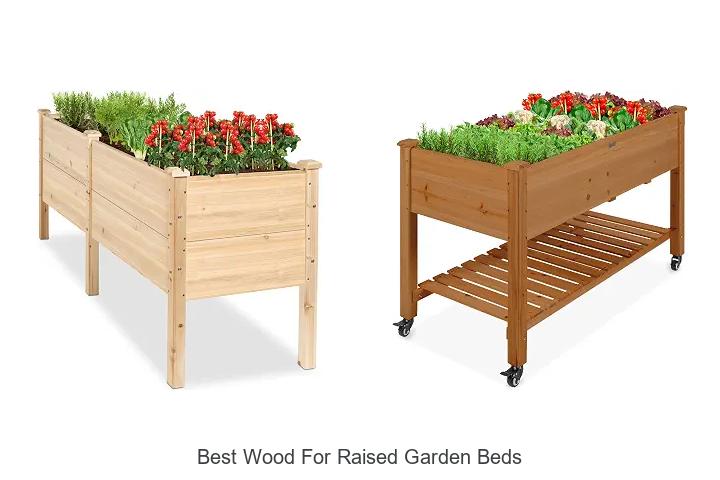
Pick 1  | Best Choice Products Deep Wood Raised Garden Bed | Check Price On Amazon |
Pick 2  | Best Choice Products Mobile Raised Garden Bed | Check Price On Amazon |
Pick 3  | Cedar Raised Garden Bed 4x2FT 14in Deep | Check Price On Amazon |
1. Best Choice Products Deep Wood Raised Garden Bed
A spacious raised bed can make small gardens feel much bigger. The tall frame also helps make planting and harvesting easier on your back.
Best Choice Products built this model for gardeners who want extra room, healthier soil flow, and simple access in one unit. The 16-inch soil depth supports root crops like carrots, beets, and radishes.
Built-in drainage helps keep soil breathable and properly watered. Solid fir wood gives the bed natural rot and insect resistance.
Reinforced corner posts and thick panels add steady support during use. The elevated 30-inch height also helps keep plants away from pets and pests. Its 72 by 24-inch footprint suits patios, decks, balconies, and compact backyards.
It works well for herbs, vegetables, and mixed plantings. The modern rectangular shape makes it easy to place and manage.
For gardeners wanting a practical all-around option, it offers strong everyday utility.
Pros
- Deep planting area suits root vegetables.
- Elevated height reduces bending during garden care.
- Fir wood construction adds natural durability.
Cons
- Assembly may take time with 34 pieces.
- Large footprint may not suit very small spaces.
- Wood finish is unfinished, so appearance is plain.
Who Should Buy It?
Who should buy it: Gardeners who want a taller bed for easier planting and harvesting should consider it. It suits patios, decks, balconies, and smaller yards. The 16-inch soil depth helps vegetables with longer roots, while built-in drainage supports healthier growing conditions.
It also fits people who want a sturdy wooden bed for herbs and mixed crops.
Key Specifications
| Specification | Details |
|---|---|
| Material | Alloy Steel, Wood |
| Dimensions | 72 x 24 x 30 inches |
| Capacity | 479 quarts |
| Depth | 16 inches |
| Weight | 52 pounds |
| Special Features | Drainage Hole |
| Included Components | Assembly Guide |
| Style | Modern |
| Shape | Rectangular |
| Rating | Best for: best overall |
The bed measures 72 by 24 by 30 inches, so it offers a long planting area with a tall working height. Its 479-quart capacity gives room for several vegetables or herbs at once. The 16-inch depth supports crops with longer roots, including carrots and beets. The alloy steel and wood construction gives the frame structure and a natural look. A drainage hole helps water move through the soil more easily during regular gardening tasks.
Those dimensions work well for gardeners who want more growing space without a sprawling footprint. The 52-pound weight suggests a solid build that stays planted in place once assembled. The rectangular shape fits along walls, rails, and narrow outdoor areas. The modern style suits patios and decks where appearance matters as much as function. An assembly guide is included, which helps with setup. The design favors gardeners who want easier access, steady support, and room for productive planting.
2. Best Choice Products Mobile Raised Garden Bed
Mobile gardening feels easier with a raised bed that rolls where you need it. The locking wheels, tall frame, and built-in shelf make planting feel organized.
Made from fir wood in an acorn brown finish, it suits patios, decks, and small outdoor spaces.
The rectangular bed measures 48 by 24 inches and stands 32 inches tall. That height helps reduce bending during planting, watering, and harvesting. A liner separates the wood from soil, while four drainage holes help move excess water out.
The 135-quart capacity gives room for vegetables and herbs. The 100-pound weight capacity fits lighter garden setups well.
Its traditional style keeps the look simple and clean. The fir wood construction should work well for seasonal outdoor use, and the floor-standing design keeps setup straightforward. Because it includes locking wheels, moving the planter between sun and shade takes less effort.
The storage shelf adds practical space for tools and accessories, which helps gardeners stay organized while working.
Pros
- Locking wheels improve mobility and placement
- Tall design reduces bending while gardening
- Built-in shelf adds handy storage space
Cons
- Weight capacity may limit heavier soil loads
- Fir wood may need more care outdoors
- Size suits smaller growing projects better
Who Should Buy It?
Buyers who want a movable planter will appreciate this raised bed. It suits gardeners using patios, decks, or compact yards, where sun exposure changes during the day. The tall frame also helps anyone who prefers less bending while planting or harvesting.
It works best for vegetables, herbs, and lighter container-style growing projects.
Key Specifications
| Specification | Details |
|---|---|
| Material | Fir Wood |
| Dimensions | 48 x 24 x 32 in |
| Capacity | 135 quarts |
| Depth | 23.25 in |
| Weight | 33.8 pounds |
| Special Features | Drainage Hole, locking wheels, liner, built-in storage shelf |
| Included Components | Planter, Bed Liner |
| Style | Traditional |
| Shape | Rectangular |
The fir wood frame gives the bed a natural garden look. Its 48 by 24 inch footprint offers enough room for vegetables or herbs. The 32 inch height helps reduce bending during daily care. A 23.25 inch depth gives plants room for roots and soil. The 135-quart capacity matches a compact raised bed layout. It fits patios, decks, and small yards that need a movable planting space.
Four drainage holes help excess water leave the planter more quickly. That can help keep soil from staying overly wet after watering or rain. The included bed liner keeps soil separated from the wood, which may help maintain the planter over time. At 33.8 pounds, it is light enough to move, while the locking wheels add control. Gardeners who want easier repositioning should find that useful.
3. Cedar Raised Garden Bed 4x2FT 14in Deep
Cedar brings a natural look that suits patios and backyard gardens well. Its rot-resistant wood and 14-inch planting depth make it a practical choice for varied crops. Crafted from 100% natural cedar wood, this raised bed is designed for outdoor durability and steady performance.
The rectangular frame offers 7.26 cubic feet of soil space, giving roots room to spread. That depth works well for kale, carrots, peppers, herbs, and flowers. Bottom drainage holes help excess water escape, which supports healthier growing conditions.
The elevated design also reduces bending during planting, watering, and harvest tasks. Assembly is kept simple, so setup feels manageable for most gardeners.
At 37 pounds, it stays relatively easy to position before filling. It suits gardeners who want cedar durability, classic style, and a practical growing area.
Pros
- 100% natural cedar resists rot and cracking
- 14-inch depth suits many vegetables well
- Bottom drainage holes help control water buildup
Cons
- Smaller footprint limits planting volume
- Requires assembly before use
- Elevated height may not suit all spaces
Who Should Buy It?
Gardeners who want cedar durability and a classic outdoor look should consider it. It suits people growing vegetables with deeper roots, along with herbs and flowers. The 14-inch planting depth and drainage holes support healthy growth in patios, balconies, decks, or backyard spaces.
It also works well for anyone wanting less bending during routine garden care.
Key Specifications
| Specification | Details |
|---|---|
| Material | Cedar Wood |
| Dimensions | 24.8 x 48.8 x 29.9 inches |
| Capacity | 7.26 cubic feet |
| Depth | 14 inches |
| Weight | 37 pounds |
| Special Features | Rot Resistant |
| Included Components | 1 Raised Garden Bed |
| Style | Classic |
| Shape | Rectangular |
Cedar wood gives the bed a natural outdoor look and strong weather resistance. The 48×24-inch footprint leaves enough room for compact garden layouts. At 14 inches deep, it supports soil volume for vegetables like carrots and peppers. The 7.26 cubic feet capacity helps roots spread without feeling cramped. A 37-pound build keeps the bed manageable before filling, while the rectangular shape fits neatly on patios, decks, and backyard spaces.
Rot-resistant cedar helps the structure handle moisture and changing weather better than many softer woods. The elevated form reduces bending during planting, watering, and harvesting, which helps comfort during longer garden sessions. Bottom drainage holes improve water flow and help prevent soggy soil. That makes the bed a good match for gardeners who want easier maintenance, healthier root conditions, and a cleaner setup for herbs, flowers, and vegetables.
4. Best Choice Products Wood Raised Garden Bed

A tall raised bed can make gardening feel easier and more organized. This model stands out for its generous planting space and simple, practical design.
The Best Choice Products Wood Raised Garden Bed uses Chinese fir wood for a water- and weather-resistant frame. Its 48 by 24 inch footprint offers room for vegetables, herbs, and flowers. The 30-inch height also helps reduce bending and kneeling during planting and maintenance.
The bed includes a liner that separates soil from the wood. That helps protect the planter and discourages weeds and animals from interfering with growth. Drainage holes allow excess water to escape, which helps prevent waterlogging and mineral buildup.
With a 200-pound weight capacity and a 5 cubic foot planting area, it suits balcony, deck, or patio gardening. It works well for gardeners who want useful height, solid materials, and strong planting room in one planter.
Pros
- Tall design reduces bending and kneeling.
- Liner helps protect wood and block weeds.
- Good planting space for vegetables and herbs.
Cons
- Assembly is required.
- Single planter limits larger garden layouts.
- Fir wood is unfinished.
Who Should Buy It?
Gardeners wanting a taller planter with good planting space should consider it. It suits balcony, deck, and patio setups where floor-standing beds work well. The fir wood construction, drainage holes, and included liner appeal to people who want practical features in one unit.
It also fits buyers who want easier access while planting and watering, without needing a larger multi-bed setup.
Key Specifications
| Specification | Details |
|---|---|
| Material | Fir wood |
| Dimensions | 48 x 24 x 30 in |
| Capacity | 5 cubic feet |
| Depth | 30 in |
| Weight | 27.5 pounds |
| Special Features | Drainage hole, raised garden bed liner |
| Included Components | Assembly guide |
| Style | Modern |
| Shape | Rectangular |
| Rating | Weight capacity: 200 lbs |
Fir wood gives the planter a natural outdoor structure. The 48 by 24 inch size creates a long growing area for vegetables or herbs. Its 30-inch height changes how people garden day to day, because plants sit higher than ground level. That can make watering, pruning, and harvesting more comfortable. The 5 cubic foot capacity also gives roots enough room for many common planting setups on patios or decks.
Drainage holes help water move out after heavy watering or rain. That keeps soil fresher and lowers the chance of waterlogging. The liner adds another layer between soil and wood, which helps protect the planter material. A 200-pound weight capacity supports a filled bed without feeling flimsy. Since the package includes an assembly guide, setup should be straightforward for most buyers who want a single elevated bed for outdoor growing.
5. SPECRAFT Wood Raised Garden Bed

Tall planting space gives this bed a strong edge for crops with deeper roots. The SPECRAFT 8×4 ft wood raised garden bed offers 44 cubic feet of growing area.
Its 15-inch depth supports lettuce, tomatoes, and flowering plants with room to spread. An open-base design helps water drain away, while supporting root growth below. The central divider keeps plantings organized and separated.
Assembly is tool-free and takes about 15 minutes, which helps simplify setup. Made from fir wood, it brings a natural grain and outdoor-friendly look.
Solid construction supports heavy soil loads and regular garden use. The unfinished surface keeps the appearance simple and natural. It suits gardeners who want a roomy bed for vegetables, flowers, or mixed plantings.
The rectangular shape fits well on patios, balconies, and backyard spaces.
Pros
- 15-inch depth suits plants with deeper roots.
- Open base supports drainage and root health.
- Tool-free assembly is quick and straightforward.
Cons
- Unfinished wood may need more upkeep outdoors.
- Large size needs plenty of garden space.
- Single divider limits layout flexibility.
Who Should Buy It?
Gardeners growing tomatoes, lettuce, or flowers will appreciate the generous planting depth. It also suits anyone who wants a roomy wooden bed with simple assembly. The open-base design helps with drainage, while the central divider keeps two planting areas organized.
Buyers with patios, balconies, or larger backyard plots may like its natural fir wood look and straightforward setup.
Key Specifications
| Specification | Details |
|---|---|
| Material | Wood, fir wood |
| Dimensions | 92.52 x 45.47 x 15.75 inches |
| Capacity | 44 cubic feet |
| Depth | 15 inches |
| Weight | 39.8 pounds |
| Special Features | Open Base, Rot Resistant, Rust Resistant, Scratch Resistant, Weather Resistant |
| Included Components | Raised Garden Bed, Central Divider |
| Style | 1-Tier |
| Shape | Rectangular |
The bed measures 92.52 by 45.47 by 15.75 inches, with 44 cubic feet of space. That size gives room for multiple plants and larger root systems. The 15-inch depth supports vegetables like tomatoes and leafy greens. Fir wood provides a natural look that fits patios or backyard gardens. An open base helps water move through the soil, which suits plants that dislike standing water and gardeners who want cleaner drainage.
At 39.8 pounds, the bed has a manageable weight for setup. The included central divider helps separate crops or flowers into sections. Its 1-tier, rectangular shape works well for organized planting beds. Weather-resistant, rot-resistant, scratch-resistant, and rust-resistant features support outdoor use. Gardeners who want simple assembly and a structured layout may find it practical. The open-base form also helps roots grow downward into the ground below.
6. Best Choice Products Wooden Raised Garden Bed

Long garden layouts get a practical lift from the 8-foot frame and simple wooden build. The natural Chinese fir gives it a clean look that suits vegetable plots, flowers, and mixed plantings.
Best Choice Products made this bed for gardeners who want length and easy setup. Pre-sanded panels use dovetail joints that slide together, while screw-fastened posts add support.
The included liner helps separate soil from wood, which can help the frame stay in better condition over time. A middle divider makes it easier to sort crops or flowers in one bed, and the 24-inch width still leaves room to reach across. At 10 inches high, it suits shallow-rooted plants and tidy raised beds.
The unfinished wood keeps the look natural, and the drainage hole supports healthy growing conditions. It suits gardeners who want a straightforward, budget-friendly long bed for backyards, side yards, or front garden spaces.
Pros
- Long 8-foot layout gives generous growing space.
- Easy assembly with sliding dovetail panels.
- Included liner and divider add practical value.
Cons
- Ten-inch depth may limit deeper-rooted plants.
- Unfinished wood may need extra care outdoors.
- Single-level design offers no height adjustment.
Who Should Buy It?
Gardeners who want a long, simple raised bed should consider it. It fits vegetables, flowers, and mixed plantings in one organized space. The divider helps separate crops, while the liner adds practical protection.
People with limited room for a narrow, extended bed will appreciate the shape. It suits buyers who want natural wood, easy assembly, and a straightforward outdoor planter.
Key Specifications
| Specification | Details |
|---|---|
| Material | Wood |
| Dimensions | 96 x 24 x 10 inches |
| Capacity | 389 quarts |
| Depth | 10 inches |
| Weight | 20 pounds |
| Special Features | Drainage Hole |
| Included Components | Assembly Guide |
| Style | Traditional |
| Shape | Rectangular |
| Rating | Not provided |
The bed uses natural Chinese fir wood, which gives it a traditional outdoor look. Its 96 by 24 inch footprint creates a long planting area without taking up much width. The 10 inch height works well for herbs, lettuce, flowers, and similar plants. With 389 quarts of capacity, it offers enough room for a meaningful garden section. The included assembly guide helps make setup easier for most users.
A 20 pound weight keeps the bed manageable during assembly and placement. The drainage hole supports better water flow, which helps soil stay healthier after watering or rain. The rectangular shape and one-level design make it easy to position along fences, patios, or open yard space. Its traditional style suits gardeners who want a clean, familiar look. The dimensions and divider also help users organize separate planting zones.
7. Yaheetech Wooden Raised Garden Bed

Wide planting space makes this Yaheetech raised bed appealing for larger garden layouts. The 8ft by 4ft footprint gives room for vegetables, flowers, and herbs.
Made from solid fir wood, it uses a simple classic style with a natural wood finish. The single-piece side plate design helps with stability and installation.
Its divisible layout also supports different planting methods in one bed. The 10-inch height suits shallow-rooted crops and tidy outdoor beds.
The fir wood construction is weather resistant and meant for outdoor use. A varnish finish adds protection and keeps the wood looking clean. At 23.8 pounds, it stays manageable during setup without feeling bulky.
The raised form can help keep plants healthier by lifting roots off the ground. It works well for gardeners who want a roomy planter with straightforward assembly and a natural look.
It suits vegetables, flowers, and herbs in yards, patios, or garden spaces.
Pros
- Large planting area for mixed crops
- Solid fir wood construction
- Divisible layout supports flexibility
Cons
- Ten-inch depth may limit larger root crops
- Wood needs outdoor care over time
- Single-level design offers no stacking options
Who Should Buy It?
Buyers who want a roomy raised bed for mixed planting will appreciate this model. It suits gardeners growing vegetables, herbs, and flowers in one organized space. The classic natural wood look fits simple outdoor settings.
People who prefer fir wood and a straightforward floor-standing setup should find it practical for yards or larger garden areas.
Key Specifications
| Specification | Details |
|---|---|
| Material | Fir Wood |
| Dimensions | 95 x 49 x 10 inches |
| Capacity | 27 cubic feet |
| Depth | 10 inches |
| Weight | 23.8 pounds |
| Special Features | Weather Resistant, Stable Single-Piece Design, Flexible Planting Options |
| Included Components | Instruction manual |
| Style | Classic |
| Shape | Raised Bed |
Fir wood gives the bed a natural look and a familiar garden feel. The 95 x 49 x 10 inch size creates a broad planting area for mixed crops. With 27 cubic feet of capacity, the bed holds plenty of soil for vegetables, flowers, or herbs. The 10-inch depth suits plants with moderate root needs. Its 23.8-pound weight makes handling easier during setup, while the included instruction manual supports assembly.
Weather resistant construction helps the planter handle outdoor use better over time. The stable single-piece design can make installation simpler and can add steadiness once filled. Flexible planting options suit gardeners who want to divide space for different crops or growing methods. The classic style and raised bed shape work well in yards and garden spaces. These details favor home gardeners who want a roomy, simple planter with a natural finish.
8. Best Choice Products Raised Herb Garden Bed

Herb gardeners who want order will appreciate the tidy 10-grid layout. The tall frame also keeps plants raised and easier to reach. Best Choice Products Raised Herb Garden Bed uses fir wood construction and a rectangular form with ten separate compartments.
That setup helps keep herbs, vegetables, and flowers organized for crop rotation and simple care. The included plant markers and liners add a practical touch for patio, balcony, or backyard growing.
Drainage holes help excess water escape, which supports fresher soil and reduces waterlogging. The 30-inch height also reduces bending during planting and watering.
Its freestanding design and weather-friendly wood suit outdoor use on decks and patios. At 48 by 24 inches, it offers a compact footprint with room for organized planting.
The 200-pound capacity gives it useful support for soil and mature plants. It suits gardeners who want a neat, elevated bed for herbs.
Pros
- Ten compartments keep herbs neatly separated
- Tall height reduces bending and kneeling
- Drainage holes help prevent waterlogging
Cons
- Assembly may take time and attention
- Compact size limits larger plantings
- Wood may need care outdoors
Who Should Buy It?
Buy this if you want a raised bed for organized herb growing. It suits balconies, patios, decks, and small backyard spaces. The divided layout helps separate basil, mint, parsley, and other plants.
The taller frame also helps gardeners who want less bending. It fits people who value structure, drainage, and easy access in one outdoor planter.
Key Specifications
| Specification | Details |
|---|---|
| Material | Wood |
| Dimensions | 48 x 24 x 30 inches |
| Capacity | 200 pounds |
| Depth | 24 inches |
| Weight | 33.5 pounds |
| Special Features | Drainage Hole, 10 Grid Planting, Plant Markers, Liners |
| Included Components | Assembly Guide |
| Style | Modern |
| Shape | Rectangular |
The wood frame measures 48 by 24 by 30 inches overall. That size fits patios, balconies, and compact backyard spaces. The 24-inch depth gives roots space while keeping the bed manageable. The 30-inch height makes planting easier without constant kneeling. A 200-pound capacity suggests it can handle filled soil and healthy growth. The 33.5-pound product weight also points to a planter that feels substantial, yet still manageable during setup.
Ten planting grids shape how the bed works every day. Separate compartments help keep herbs, vegetables, and flowers apart for organization. Drainage holes let extra water leave the soil, which supports healthier moisture control. Plant markers and liners help with labeling and setup. The freestanding rectangular design suits outdoor use on patios and decks. People who want orderly herb growing and easier access will benefit most from these features.
9. MIXC Wooden Raised Garden Bed

A raised bed with legs can make planting feel easier and more organized. MIXC focuses on sturdy construction, drainage, and a comfortable working height.
The bed measures 48 inches long, 24.4 inches wide, and 31 inches high. It offers about 5 to 6 cubic feet of growing space, with a 9-inch soil depth.
The frame uses untreated fir wood, while the support parts use Pinus radiata for stronger load-bearing support. MIXC says the column-and-beam structure holds up to 331 pounds of soil and plants. The legs have waterproof paint, and the package includes four drainage holes plus a PE liner.
That liner helps protect the wood, though drainage needs a hole added after setup. The raised height suits gardeners who prefer less bending and a cleaner planting area.
It fits flowers, herbs, strawberries, tomatoes, and vegetables well. For buyers wanting an elevated wooden bed with practical design, it offers solid everyday utility.
Pros
- Tall legs reduce bending during planting and watering.
- Strong frame supports heavy soil loads.
- Drainage holes and liner help manage moisture.
Cons
- Unfinished fir wood may need more upkeep.
- Liner can block drainage without added holes.
- Three-year outdoor life may feel short.
Who Should Buy It?
Buyers who want a taller wooden planter will like this model. It suits gardeners who prefer less bending and a freestanding bed for patios or yards. The size works well for herbs, vegetables, strawberries, and flowers.
It also fits people who want fir wood construction with drainage features and a liner for added wood protection.
Key Specifications
| Specification | Details |
|---|---|
| Material | Fir Wood |
| Dimensions | 48″ L x 24.4″ W x 31″ H |
| Capacity | 5 cubic feet |
| Depth | 9 inches |
| Special Features | Breathable, Drainage Hole, Rot Resistant, Weather Resistant |
| Included Components | PE Garden Linner |
| Style | Garden |
| Shape | Rectangular |
The fir wood frame gives the bed a natural outdoor look. Its 48 by 24.4 inch footprint offers room for multiple plants. The 31-inch height matters in daily use, since it reduces bending during planting and watering. A 9-inch soil depth supports herbs, flowers, strawberries, and many vegetables. The listed 5 cubic feet of capacity suits modest growing plans. The rectangular shape also fits neatly against walls, fences, or narrow patio spaces.
The special features point to practical garden use over time. Breathable construction and drainage holes help water move through the bed. The PE liner helps keep soil moisture away from the wood. Rot resistance and weather resistance are useful for outdoor placement. The wooden support structure is designed for heavier loads, which suits gardeners filling the bed fully. People who want an elevated, space-conscious planter may value the simple setup and steady planting height.
10. Classic Cedar Raised Garden Bed 2 x 4 x 10.5

Small gardens need smart use of space, and this cedar bed fits that need well. Its compact footprint and natural wood construction make it a practical choice for herbs, vegetables, and flowers.
Greenes Fence uses untreated American cedar boards with a tool-free dovetail design, so assembly stays simple and fast. The 10.5-inch height gives roots useful soil depth without taking over a yard.
That makes it a strong fit for starter gardens, patios, and smaller outdoor areas.
The cedar build brings a natural growing surface with no chemical treatments or glue laminations. North American cedar also offers rot-resistant qualities, which helps the bed suit outdoor use. Its rectangular 2-by-4-foot shape works well for tight layouts and organized planting rows.
The 1/2-inch-thick boards and routed corner posts give the frame a straightforward construction style. Buyers who want a compact, safe, and easy-to-set-up raised bed will appreciate its balance of size and function.
Pros
- Compact size suits small yards and patios
- Untreated cedar supports vegetable gardening
- Tool-free assembly saves setup time
Cons
- Limited footprint holds only a small planting area
- Single-level design offers no height adjustment
- Cedar boards are relatively thin at half-inch
Who Should Buy It?
Buyers with limited outdoor space should consider this bed first. It works well for starter gardens, herbs, flowers, and smaller vegetable plantings. The compact 2-by-4-foot shape fits patios, narrow yards, and organized garden layouts.
Gardeners who want untreated cedar and simple assembly will get the most use from it.
Key Specifications
| Specification | Details |
|---|---|
| Material | Cedar Wood |
| Dimensions | 24 x 48 x 10.5 inches |
| Capacity | 7 cubic feet |
| Depth | 10.5 inches |
| Special Features | Rot Resistant, Tool-Free Assembly |
| Included Components | Raised garden bed parts |
| Style | Garden |
| Shape | Rectangular |
| Rating | Not provided |
The bed uses cedar wood, which is untreated and naturally suited to planting. Its 24 by 48 by 10.5 inch size creates a compact rectangle that fits small outdoor spaces. Seven cubic feet of capacity gives room for soil, roots, and seasonal planting plans. The 10.5-inch depth works well for many vegetables, herbs, and flowers. That size also keeps the bed manageable for gardeners who want a smaller, tidy growing area.
Rot-resistant cedar helps the frame handle outdoor conditions better over time. The tool-free assembly and dovetail corner system make setup easier for many users. Included parts form a single raised bed, so the main task is placing boards into the posts. The 1/2-inch board thickness keeps the build lighter and easier to handle. Gardeners who want a simple, chemical-free planter will value its direct setup and practical everyday use.
Best Wood for Raised Garden Beds: A Smart Buyer’s Guide to Durable, Safe, and Long-Lasting Choices
Wood durability and rot resistance
Wood that naturally resists moisture and decay can dramatically extend the life of a raised garden bed, especially in outdoor spaces where rain, irrigation, and damp soil are constant factors. Durable lumber helps prevent early warping, softening, and fungal damage, which means the bed stays stable longer and supports healthy root growth through multiple seasons. In wet or humid climates, this matters even more, since constant moisture can break down low-quality boards quickly and lead to frequent repairs or replacements. A longer-lasting material also reduces maintenance, saving time and effort while keeping the garden structure dependable year after year.
A longer-lasting material also reduces maintenance, saving time and effort while keeping the garden structure dependable year after year.
- Natural resistance to moisture and decay: Helps the wood withstand constant exposure to soil and water.
- Expected lifespan outdoors: Determines how long the bed will remain sturdy before needing replacement.
- Performance in wet or humid climates: Shows whether the material can handle challenging conditions without deteriorating quickly.
Safety for edible gardens
Untreated lumber is generally the safer option for edible beds because it avoids the risk of chemical transfer into the soil, while treated boards may last longer but can introduce unwanted substances if they are not specifically rated for garden use. Foodsafe coatings and sealants can add a protective barrier and help slow rot, yet they should be verified as suitable for contact with soil and plants so they do not compromise harvest quality. It is also important to account for chemical leaching, since moisture, heat, and repeated watering can draw compounds from the wood into the root zone over time.
It is also important to account for chemical leaching, since moisture, heat, and repeated watering can draw compounds from the wood into the root zone over time. A careful comparison of these factors helps protect vegetables, herbs, and fruit from contamination while still giving the bed enough durability to perform well season after season.
Cost and longterm value
Cost and long-term value are shaped not only by the initial price of the lumber, but also by how well it holds up year after year in an outdoor garden setting. Different wood types vary widely in upfront cost, with untreated pine often being more affordable, cedar usually sitting in the middle range, and rot-resistant hardwoods or naturally durable species often costing more at the start. Those lower-price options can seem attractive, yet they may require more sealing, more frequent repairs, or earlier replacement, which adds to the total expense over time.
Those lower-price options can seem attractive, yet they may require more sealing, more frequent repairs, or earlier replacement, which adds to the total expense over time. A sturdier wood can reduce maintenance work and extend the bed’s lifespan, making it a better value in the long run even if the first cost is higher. It also helps to think about how often the material will need to be replaced, since repeated rebuilding can quickly outweigh the savings of a cheaper board.
In practice, the most economical choice is often the one that balances initial spending with durability, upkeep, and how many seasons it can reliably support your garden.
Structural strength and thickness
Structural strength and thickness determine how well garden-bed lumber handles the heavy pressure of moist soil over time. Boards that are too thin can bow outward, loosen at the corners, or crack under constant load, especially in deep planters filled to the top.
Resistance to warping and splitting is equally important because wood that twists or opens at the grain creates gaps, uneven edges, and costly repairs. For taller beds, thicker lumber generally offers better stability and a longer service life, helping the structure stay square and secure through changing weather and repeated watering.
Maintenance requirements
Maintenance requirements directly affect how long a raised garden bed stays strong, attractive, and safe for plants. Woods that need regular staining, sealing, or oiling can add ongoing upkeep, while naturally durable materials may save time and effort over the years.
It also helps to think about how easy the boards are to repair or replace, since a design with simple joinery or standard dimensions can make fixes far less frustrating if a section warps, cracks, or rots. Appearance matters too, because some woods weather into an appealing silver-gray finish, while others may fade unevenly or deteriorate faster in sun and rain. A durable option with manageable care needs often provides the best balance of function and long-term value.
Sustainability and availability
Responsibly sourced lumber can make a raised bed far more practical over time because the wood’s origin affects durability, environmental impact, and the ease of getting matching boards later for repairs or extensions. Sustainability and availability also matter from a regional standpoint, since some woods are common and affordable in one area but scarce or expensive in another, which can influence both project cost and long-term upkeep. It is equally important to think about how the lumber was harvested and treated, because pressure-treated or chemically processed boards may last longer, yet they can raise concerns for gardeners who want a more natural growing environment.
It is equally important to think about how the lumber was harvested and treated, because pressure-treated or chemically processed boards may last longer, yet they can raise concerns for gardeners who want a more natural growing environment. A smart approach is to weigh these factors together so the bed remains functional, easy to maintain, and aligned with your environmental priorities.
Handy Extras for Easier Bed Setup
A good raised bed is only part of the setup. A few simple add-ons can make planting easier, reduce mess, and help the bed last longer.
Start with a weed barrier or landscape fabric under the bed. This can slow weed growth from below while still letting water drain. It also helps keep the bottom layer cleaner over time.
If your garden soil is poor, a base of hardware cloth can help keep out burrowing pests. For beds on patios or balconies, make sure the bottom can drain well so water does not pool around the wood.
Corner brackets, screws made for outdoor use, and metal fasteners can also be useful. They help hold the frame together and may reduce movement as the wood dries and shifts. A simple liner can protect the inside walls from direct soil contact, which may help some wood types last longer.
Watering tools are worth a look too. Drip irrigation kits and soaker hoses can save time and keep moisture more even. Mulch is another smart add-on. It helps hold water in the bed and can keep soil cooler during hot weather.
- Landscape fabric: helps block weeds under the bed
- Hardware cloth: helps deter digging pests
- Outdoor screws and brackets: support the frame
- Drip irrigation or soaker hoses: make watering easier
- Mulch: helps soil stay moist longer
For most gardeners, the best add-ons are the ones that solve a real problem at the start. That might mean fewer weeds, better drainage, easier watering, or a longer-lasting bed.
FAQ’s
What Is The Most Durable Wood For Raised Garden Beds?
The most durable wood for raised garden beds is typically **cedar** because it naturally resists rot and insects. For even longer life, **redwood** is also excellent, but it’s usually more expensive.
Is Cedar A Good Choice For Raised Garden Beds?
Yes, cedar is an excellent choice for raised garden beds because it is naturally resistant to rot, insects, and moisture. It also tends to last for many years without needing chemical treatment.
What Types Of Wood Should Be Avoided For Raised Garden Beds?
Avoid using wood that is treated with harmful chemicals, like old railroad ties or pressure-treated lumber made with toxic preservatives. Also skip softwoods that rot quickly, such as untreated pine or fir, if you want the bed to last.
How Long Does Untreated Wood Last In A Raised Garden Bed?
Untreated wood in a raised garden bed usually lasts about 5 to 10 years, depending on the type of wood, climate, and how wet the soil stays. Rotting happens faster if the wood is in constant contact with moist soil, especially in warm, rainy conditions.
Is Pressure-Treated Wood Safe To Use For Vegetable Garden Beds?
Yes, modern pressure-treated wood is generally considered safe for vegetable garden beds, especially if it’s rated for ground contact and uses newer treatments without arsenic. To be extra cautious, you can line the inside of the bed with landscape fabric or plastic, though drainage should still be allowed.
Final Verdict
For buyers comparing the best wood for raised garden beds, the Best Choice Products Deep Wood Raised Garden Bed is the strongest all-around pick for most yards because it offers a simple, roomy layout that works well for mixed planting. It is a solid choice for gardeners who want one bed that can handle vegetables, flowers, and general use without specializing too narrowly.
For more specific needs, the SPECRAFT Wood Raised Garden Bed is the best value for deeper planting, while the Cedar Raised Garden Bed 4x2FT 14in Deep is the best premium option for shoppers who want cedar durability and a cleaner long-term feel. The Best Choice Products Raised Herb Garden Bed is the easiest pick for herb organization, with a layout that suits compact, separated plantings.
Choose the Best Choice Products Deep Wood Raised Garden Bed for most buyers, then switch to cedar or herb-focused designs if durability or organization matters more.