10 Best Sensory Chew Toys for Autism to Enhance Comfort and Focus
If you’re searching for the best sensory chew toys for autism to enhance comfort and focus, you’re in luck!
There are numerous fantastic options available that cater to different needs and preferences.
Chewelry offers discreet chewing solutions that can be worn as accessories, making them perfect for any environment.
On the other hand, chew sticks are ideal for those who need something more durable, especially for aggressive chewers.
For a hygienic option, consider fabric chewies that are easy to clean and maintain.
And let’s not forget about chewable fidgets, which combine tactile play with chewing for a multi-sensory experience.
If you’re curious about the unique sensory experiences that vibrating chew toys can provide, keep reading to discover detailed recommendations and popular choices on the market!
Key Takeaways
- Sensory chew toys alleviate anxiety and enhance focus for children with autism by providing essential oral sensory input during tasks.
- Best-selling options include the ARK Grab-n-Go™ Combo and ARK School Focus Chew Pack for versatile and discreet use.
- Chewelry offers a stylish and discreet chewing solution, ideal for school environments without drawing attention.
- Vibrating chew toys stimulate oral motor skills while providing a unique sensory experience, beneficial for speech development.
- Always choose chew toys made from safe, nontoxic materials and regularly inspect them for wear to ensure safety.
Understanding Sensory Chew Toys
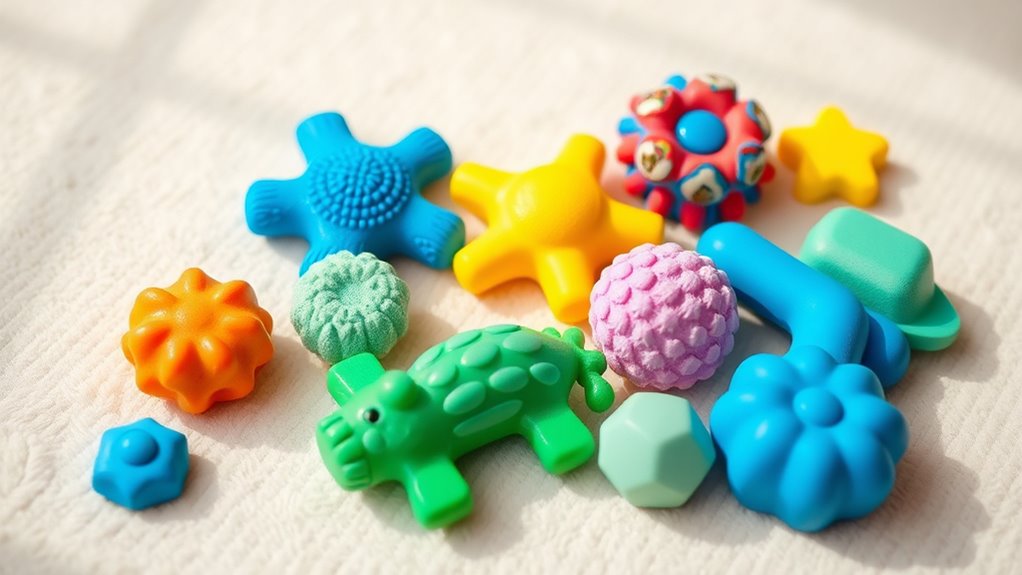
When you think about helping children with autism manage their sensory needs, sensory chew toys can be a valuable tool.
These chewable items are specifically designed to provide oral sensory input, aiding children in coping with stress and anxiety.
Sensory chew toys offer essential oral sensory input, helping children manage stress and anxiety effectively.
Available in various textures, shapes, and firmness levels, sensory chew toys cater to individual preferences and chewing patterns.
They not only fulfill the need for oral sensory stimulation but also improve focus and self-regulation during tasks like schoolwork or social interactions.
Regular use can prevent inappropriate chewing behaviors, reducing the chance of children chewing on clothing or fingers.
However, it’s essential to maintain proper hygiene by regularly cleaning the toys and supervising their use to guarantee safety and effectiveness.
Benefits of Sensory Chew Toys for Autism

Sensory chew toys can be a game-changer for your child’s oral sensory needs. They not only help improve focus and calmness but also provide a safe outlet for stress and anxiety. With the right chew toy, your child can explore different textures while regulating their emotions effectively.
Oral Sensory Input
Chew toys offer a safe and effective way for autistic children to meet their oral sensory needs, often exceeding those of their neurotypical peers.
These autism chew toys provide essential oral sensory input, helping to reduce anxiety and emotional tension.
By engaging with different textures and shapes, your child can explore various sensory feedback, promoting comfort during stressful situations.
Chewing on these toys also diminishes the likelihood of inappropriate chewing behaviors on non-toy items, enhancing overall oral health and safety.
Additionally, regular use supports the development of oral motor skills, which are vital for effective communication and feeding.
Ultimately, sensory chew toys help create a more enjoyable and regulated environment for your child.
Improved Focus and Calmness
While many children with autism face challenges in focusing and managing emotions, using chew toys can greatly enhance their ability to concentrate and feel calm.
These chew toys provide essential oral sensory input that helps kids self-regulate and reduce anxiety.
Here are three key benefits:
- Improved Focus: Chewing helps direct attention to tasks, making it easier to concentrate in school or at home.
- Emotional Regulation: Using chew toys can help manage stress, promoting a sense of calm during overwhelming situations.
- Healthier Habits: They reduce inappropriate chewing behaviors on non-toy items, encouraging better focus and attentiveness.
Incorporating these sensory toys into daily routines can lead to a more focused and relaxed environment for your child.
Chewelry: Discreet and Stylish Chewing Options

Chewelry offers a fashionable way for you to meet sensory needs without drawing attention. Made from safe, non-toxic materials, these stylish accessories can withstand constant chewing while reflecting personal style. With various shapes and colors available, you can find the perfect piece that suits your child’s preferences and promotes healthier chewing habits.
Fashionable Chewing Accessories
When it comes to sensory needs, finding a stylish solution can make a significant difference.
Fashionable chewing accessories, like chewelry, provide a discreet way to meet those sensory cravings without drawing attention.
Here are three reasons to ponder chewelry:
- Stylish Designs: Chewelry comes in various shapes and colors. This allows kids to express their unique style while enjoying sensory feedback.
- Safe Alternatives: These nonfood items are designed for frequent use. They help redirect chewing habits from inappropriate objects.
- Focus and Calm: Engaging and fun, chewelry can enhance focus. It also soothes sensory needs during activities like schoolwork or family outings.
With chewelry, you can support healthy chewing behaviors while keeping it fashionable.
Safe, Non-toxic Materials
Finding safe, non-toxic materials in chewable accessories is essential for children with sensory needs.
Chewelry is an excellent choice, made from reliable, non-toxic materials that guarantee your child can chew without harmful exposure.
| Chewelry Features | Benefits |
|---|---|
| Stylish Designs | Allows personal expression |
| Discreet Options | Supports self-regulation |
| Engaging Colors | Attracts attention for use |
| Purpose-Built Tools | Redirects chewing from unsafe items |
| Improves Focus | Reduces anxiety in social settings |
With a variety of styles, chewable jewelry not only meets your child’s sensory needs but also serves as a fashionable autism biting toy.
Your child can chew confidently, knowing they’re using safe materials.
Personalized Expressions Through Chewelry
For kids who need sensory input, chewelry offers a unique blend of style and function.
It allows them to express their individuality while satisfying their oral cravings. This stylish alternative is perfect for discreet chewing in social settings.
Here are three reasons to take into account chewelry:
- Variety of Designs: Chewelry comes in different shapes, colors, and styles. This lets your child showcase their personal taste.
- Safe and Nontoxic: Made from safe, nontoxic materials, chewelry guarantees a hygienic and durable option for chewing.
- Promotes Healthy Habits: By redirecting chewing tendencies to chewelry, it helps maintain focus and calmness throughout the day.
With chewelry, your child can enjoy sensory input while looking fashionable and feeling confident.
Chew Sticks: Durable Solutions for Aggressive Chewers
Chew sticks provide a robust solution for children with aggressive chewing habits, designed to withstand heavy use while offering sensory benefits.
These chew sticks are perfect for autistic kids, as they often feature various textures—like bumps and ridges—that provide essential sensory input.
Made from safe, nontoxic materials, they serve as healthier alternatives to inappropriate chewing items, minimizing the risk of harm.
The durable construction encourages healthy chewing habits, promoting oral motor development and self-regulation.
Plus, chew sticks come in various sizes and firmness levels, allowing you to choose options that best match your child’s individual chewing preferences and strengths.
With chew sticks, you’ll help enhance focus and comfort for your little one.
Fabric Chewies: Hygienic and Comfortable Choices
While many children with autism seek sensory input through chewing, fabric chewies offer a hygienic and comfortable alternative to traditional items like clothing.
These chew toys provide a soft texture that mimics the sensory experience of fabric, making them appealing and enjoyable.
Here are three reasons to evaluate fabric chewies:
- Hygienic option: Made from absorbent terry cloth, they help prevent wet sleeves and collars.
- Comfortable texture: They’re designed for soft chewing, promoting comfort during use.
- Discreet design: Children can use them without drawing attention in social or educational settings.
Pencil Toppers: Chewable School Supplies
Pencil toppers designed for chewing blend functionality with sensory support, making them an ideal choice for children in school.
Chewable pencil toppers provide sensory input that can help children with autism tend to focus better and reduce anxiety during writing tasks.
These toppers come in various shapes and sizes, catering to different chewing preferences, and are made from safe, durable materials.
By allowing your child to chew on these instead of their clothing or fingers, you can foster appropriate chewing behaviors and protect school supplies from damage.
Plus, many are dishwasher safe, making them easy to clean and maintain.
Incorporating chewable pencil toppers into daily routines supports self-regulation and enhances concentration, especially for those with sensory processing needs.
Chewable Fidgets: Combining Chewing and Tactile Play
Chewable fidgets offer a unique way to engage multiple senses, combining the benefits of chewing with tactile play. You’ll find these toys in various fun designs, from animal shapes to chewy tubes, making them appealing for kids. By using them, children can enhance their focus while enjoying a sensory-rich experience.
Multi-Sensory Engagement Benefits
When children engage with chewable fidgets, they benefit from a unique combination of chewing and tactile play that enhances their sensory experiences.
These toys promote multi-sensory engagement, which can notably support children on the autism spectrum.
Here are some key benefits:
- Improved Focus: By keeping their mouths and hands busy, children can concentrate better during tasks like homework or classroom activities.
- Self-Regulation: Engaging with chewable fidgets helps children manage their emotions and responses more effectively.
- Variety of Shapes and Textures: Chewable fidgets come in fun designs, appealing to individual interests, making them more engaging.
With guidance from an occupational therapist, incorporating these fidgets into daily routines can lead to enhanced comfort and overall sensory processing.
Various Designs Available
Exploring the world of chewable fidgets reveals a diverse range of designs that cater to various sensory preferences.
You’ll find options featuring fun shapes and colors, from playful animal figures to sleek chewy tubes.
Each design incorporates various textures, creating a multi-sensory experience that keeps your child engaged.
One popular choice is the Chew Necklace, which combines style and function, allowing kids to chew safely while expressing their individuality.
These chewable fidgets not only satisfy the need for oral stimulation but also support oral motor skills development, enhancing speech and feeding abilities.
Vibrating Chew Toys: Unique Sensory Experiences
Vibrating chew toys offer a distinct sensory experience that can greatly enhance engagement for children with autism.
These toys provide gentle vibrations that stimulate the oral motor skills your child needs.
They can be especially helpful in developing crucial skills like speech and feeding.
Here are three key benefits of vibrating chew toys:
- Enhanced focus: The vibrations support self-regulation, helping your child concentrate in various environments.
- Durability: Many toys for autistic children are designed to withstand aggressive chewing, ensuring they last longer.
- Individualized use: While they can be stimulating, it’s important to assess whether these toys suit your child’s sensory preferences.
Best-Selling Chew Toys on the Market
Chew toys designed for children with autism have become increasingly popular, thanks to their ability to meet various sensory needs.
The ARK Grab-n-Go™ Combo (4 Pack) at $36.99 is a versatile option, providing multiple chewable tools for different preferences.
For classroom settings, the ARK School Focus Chew Pack, priced at $29.99, includes discreet chew necklaces that help kids self-regulate and concentrate.
If your child needs something more robust, the ARK MEGA Chew Tool Variety Pack at $53.99 offers larger options for stronger chewers.
Chewbuddy® products, like the Chewbuddy® Stickman starting from £4.95, cater to diverse chewing habits.
Finally, the ARK Z-Grabber® Vibrating Oral Motor Tool for $40.00 enhances sensory stimulation, making it a great choice for developing skills.
Tips for Choosing the Right Chew Toy for Your Child
How can you guarantee you choose the right chew toy for your child?
Start by evaluating their chewing habits and preferences.
It’s important to take into account what they like and how intensely they chew.
Here are some tips to help you select the best oral motor chew toys:
- Material and Texture: Choose softer toys for gentle feedback, or harder ones for robust chewing experiences.
- Discreet Options: Look for toys like Chewelry or pencil toppers, especially for older kids, so they can chew without drawing attention.
- Safety and Hygiene: Confirm the toys are made from safe, nontoxic materials.
And remember to clean and inspect them regularly for wear and tear.
Frequently Asked Questions
How Do I Clean and Maintain Chew Toys Effectively?
You can clean chew toys by washing them with hot, soapy water or placing them in the dishwasher. Always let them air dry completely, inspect for damage regularly, and store them in a clean container.
What Age Is Appropriate for Introducing Chew Toys?
You might think chew toys are just for babies, but surprise! You can introduce them as early as 6 months. Tailor them for older kids and teens, too—everyone deserves a fun, chewy distraction!
Can Chew Toys Help With Anxiety in Non-Autistic Individuals?
Yes, chew toys can definitely help reduce anxiety in non-autistic individuals. They provide a calming sensory outlet, promote relaxation, and enhance focus, making them great tools for managing stress in various environments.
Are There Chew Toys Specifically Designed for Older Children or Teens?
Yes, there are chew toys specifically designed for older children and teens. These options often blend with everyday items, offering discreet sensory input while catering to stronger chewing needs and enhancing focus and comfort during various activities.
What Materials Should I Avoid When Selecting Chew Toys?
About 40% of chew toys contain harmful chemicals. You should avoid toys made from BPA, phthalates, or hard plastics. Instead, opt for food-grade silicone or non-toxic materials designed specifically for safe oral sensory use.
Conclusion
Incorporating sensory chew toys into your child’s routine can enhance focus, provide comfort, and promote calmness.
By exploring various options—from discreet chewelry to durable chew sticks and hygienic fabric chewies—you’ll find the right fit for their needs.
Remember, it’s about discovering what works best for your child.
Ensuring they feel secure, engaged, and empowered is key.
So, take the time to choose wisely, and watch as they thrive with the right sensory tools at their fingertips.
Choosing the right sensory chew toys can make a significant difference in your child’s daily life.
These toys can help enhance focus and provide much-needed comfort.
Ultimately, the right sensory tools can empower your child, helping them to feel more secure and engaged throughout their day.