10 Best Compost for Garden: Expert Picks and Buying Guide
A healthy garden starts with soil that can feed plants well. Many gardeners want better growth, richer blooms, and stronger roots, but poor soil can slow everything down.
That is why finding the best compost for garden use matters for both new and experienced growers. This review looks at a garden compost product made for people who want simple soil support without guesswork. It is useful for raised beds, flower borders, and vegetable patches, and it may suit gardeners who want to improve tired ground.
Good compost can help soil hold moisture, support root growth, and add useful organic matter. In this review, you will see how this product performs, what it is best suited for, and where it fits in a home garden setup.
Best Compost for Garden: Top Picks Compared
| Image | Product | Price |
|---|---|---|
Pick 1  | Back to the Roots Organic Compost | Check Price On Amazon |
Pick 2  | Brut Cow Compost 10 Quart | Check Price On Amazon |
Pick 3  | R&M Organics Compost Soil Amendment | Check Price On Amazon |
1. Back to the Roots Organic Compost
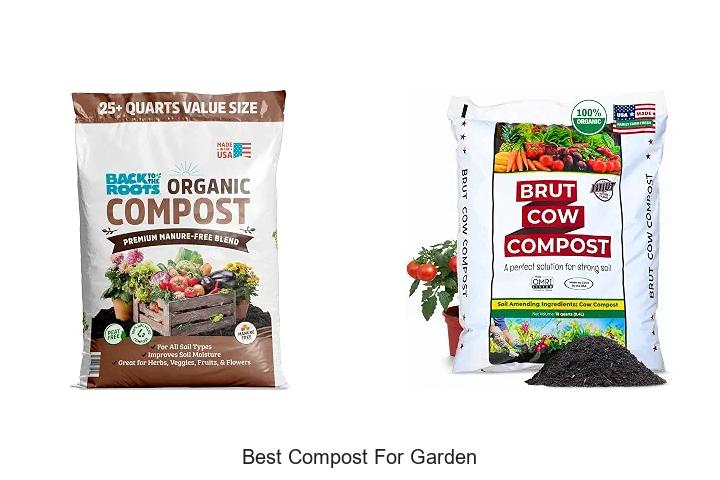
Raised beds get a helpful boost from this peat-free compost blend. It brings organic ingredients, moisture control, and garden-friendly nutrients together. Back to the Roots Organic Compost is made for vegetables, herbs, fruits, and flowers in raised beds.
The mix uses upcycled plant matter or wood fines from the United States instead of imported peat. Yucca extract supports moisture control, while dolomitic limestone helps balance pH. Gypsum also supports water absorption for steadier growing conditions.
The texture and ingredient mix aim to support healthy roots and steady plant growth. It is made in the USA and comes in a 1 cubic foot bag.
That size works well for smaller raised-bed projects or targeted soil amendment jobs. Gardeners who want organic, peat-free compost with practical moisture support should find it useful.
It suits growers who value simple use, plant-focused ingredients, and a cleaner source for garden soil.
Pros
- 100% organic and peat-free
- Made for raised beds and vegetables
- Includes yucca, limestone, and gypsum
Cons
- Single bag may be small for larger beds
- Only one size is listed
- Not a complete standalone garden system
Who Should Buy It?
Gardeners with raised beds will get the most from this compost. It suits people growing herbs, vegetables, and fruits in a controlled space. The peat-free formula also fits buyers who want organic ingredients from U.S. sources.
Home growers wanting better moisture handling and simple soil amendment support should consider it.
Key Specifications
| Specification | Details |
|---|---|
| Brand | Back to the Roots |
| Item Form | Compost |
| Volume | 1 Cubic Foot |
| Weight | 25.7 quarts |
| Organic Certification | 100% Organic |
| Primary Ingredients | Upcycled plant matter, wood fines, yucca extract, dolomitic limestone, gypsum |
| Intended Use | Raised beds, vegetable gardens, herbs, fruits, and plants |
| Coverage | One bag for smaller raised-bed or amendment use |
| Mixing Ratio | Use as a compost mix or soil amendment |
| Ready to Use | Yes |
A one cubic foot bag gives gardeners a manageable amount for small beds. The 25.7-quart size suits targeted soil amendment work around vegetables and herbs. Its compost form makes spreading and blending straightforward in raised beds. The 100% organic label points to plant-based ingredients rather than synthetic fillers. Yucca extract, limestone, and gypsum add moisture and pH support. That combination helps gardeners improve soil without complicated setup or extra products.
The listed ingredients matter most for raised-bed growing conditions. Upcycled plant matter and wood fines form the base, while gypsum supports water absorption. Dolomitic limestone helps balance soil pH for crops that prefer steadier conditions. Yucca extract adds moisture control, which can help during drying spells. These features suit gardeners who want a ready-to-use compost amendment for vegetables, fruits, and herbs. The bag size works well for small projects or focused garden refreshes.
2. Brut Cow Compost 10 Quart
Brut Cow Compost brings nutrient-rich manure compost to home gardeners. Its finely sifted, odor-free blend suits beds, pots, and indoor plants.
Made from thoroughly composted cow manure, it adds nitrogen, calcium, and iron. That mix supports greener lawns, bigger vegetables, and healthier flowers.
The additive-free formula keeps things simple for organic growers. OMRI listing adds confidence for gardeners seeking certified organic inputs.
It works well as a top dressing or mixed into soil. The gentle texture helps protect roots from burn. Ten quarts suits smaller gardens, patio containers, and indoor collections.
It offers a practical budget manure choice for steady soil improvement.
Pros
- Pure composted cow manure, with no additives
- Odor-free and gentle on roots
- OMRI listed for organic gardening
Cons
- Small volume suits smaller gardening projects
- Limited ingredient variety compared with blended composts
- Not meant for large-scale bed coverage
Who Should Buy It?
Gardeners wanting a simple manure amendment should consider it. It suits vegetable beds, flowers, lawns, and houseplants. Budget-minded growers may like the pure cow manure formula.
People who want an odor-free, organic soil booster will benefit most. Its smaller 10-quart size fits containers, starter beds, and indoor use better than large outdoor projects.
Key Specifications
| Specification | Details |
|---|---|
| Brand | BRUT WORM FARMS |
| Item Form | Compost |
| Volume | 10 quarts |
| Weight | 10 pounds |
| Organic Certification | OMRI listed |
| Primary Ingredients | 100% pure composted cow manure |
| Intended Use | Vegetable gardens, flowers, lawns, indoor plants, shrubs, potted plants |
| Coverage | Suitable for top dressing or mixing into soil |
| Ready to Use | Yes |
The 10-quart volume gives a manageable amount for smaller jobs. Ten pounds makes it easy to carry and store. Compost form means it can mix into soil or sit on top. The OMRI listed certification supports organic gardening goals. Since the ingredient list is pure composted cow manure, users get a simple amendment. That matters for gardeners who want a basic soil booster without extras.
Its ready-to-use format saves preparation time for busy growers. The sifted texture helps it spread evenly in pots and beds. Because it is odor-free and gentle, indoor plants can benefit too. The weight and volume suit patio containers, starter gardens, and small vegetable plots. People growing flowers, lawns, or shrubs may like the versatility. The simple composition also appeals to gardeners who prefer direct soil enrichment.
3. R&M Organics Compost Soil Amendment
Rich, earthy compost can give tired soil a fresh boost. R&M Organics Compost Soil Amendment is made for broad garden use. Made from dairy cow manure, it supports vegetables, fruit trees, flowers, lawns, and containers.
The fully composted blend uses continuous aeration to reduce odor and impurities. That makes it easier to handle around indoor plants and outdoor beds.
It also helps soil hold moisture longer, which supports steadier watering. The material can be spread as a thin layer or mixed into soil.
Its solid form and compact 10-pound bag make storage simple. Gardeners working on raised beds, pots, or landscaping projects get a flexible amendment. It suits people who want one compost option for many planting needs.
The all-purpose coverage and earthy texture make routine soil improvement straightforward.
Pros
- Works across gardens, lawns, pots, and raised beds
- Low odor and fully composted for easier handling
- Helps soil retain moisture and improve texture
Cons
- Small bag may suit only small to medium projects
- Manure-based formula may not suit every gardener
- Needs mixing or spreading, not a ready mulch
Who Should Buy It?
Gardeners needing one compost for many plants should consider it. It suits vegetable beds, fruit trees, flowers, lawns, and containers. The low-odor, fully composted formula also works well indoors.
People managing small to medium projects may appreciate the 10-pound bag. It fits anyone wanting a manure-based amendment that improves moisture retention and soil structure.
Key Specifications
| Specification | Details |
|---|---|
| Brand | R&M Organics |
| Item Form | Solid |
| Volume | 0.31 cubic feet |
| Weight | 10 lb |
| Organic Certification | Organic |
| Primary Ingredients | Dairy cow manure |
| Intended Use | Garden plants, lawns, vegetables, fruits, flowers, trees, containers |
| Coverage | All-purpose |
| Mixing Ratio | 5:1 |
| Ready to Use | Yes |
The solid form makes this compost easy to spread or mix. Its 0.31 cubic feet volume and 10-pound weight suit smaller garden jobs. The organic label and dairy cow manure base point to a natural soil amendment. It works across vegetables, fruits, flowers, lawns, trees, and containers. The 5:1 mixing ratio gives a simple guide for blending into soil. That helps gardeners improve beds without complicated measuring or special tools.
These specifications point to a flexible amendment for everyday gardening. The ready-to-use format saves preparation time, while the solid texture supports clean application. Because it is fully composted and low odor, it can fit indoor and outdoor use. The all-purpose coverage benefits gardeners with mixed plantings or limited storage space. The 10-pound bag is practical for small to medium projects, especially raised beds, pots, and lawn touch-ups.
4. Organic Compost 1 Gallon

Simple soil conditioning starts with an easy-to-handle organic option. The one-gallon size suits smaller garden jobs and routine top-dressing.
Organic Compost 1 Gallon from Life Cycle Organics is OMRI Listed and made for soil conditioning. Its granules mix at a 1:1 ratio, which keeps application straightforward. The product is meant for all plants, so it works across beds, containers, and mixed garden spaces.
Granule form also makes measuring and blending easier during setup. That helps gardeners add organic material without complicated prep or messy handling.
Build quality information is limited, but the format suggests practical use. Granules usually store and pour more cleanly than loose, wet material.
The 128-fluid-ounce fill gives a manageable amount for small projects. Coverage is listed as organic, which matches its soil-conditioning purpose. It is a simple choice for gardeners who want a basic conditioning amendment.
The product suits people maintaining everyday plant health, rather than making large-scale soil changes. It offers straightforward use, clear mixing guidance, and broad plant compatibility.
Pros
- OMRI Listed for organic gardening use
- Granule form is easy to measure
- Works for all plants
Cons
- One-gallon size may feel limited
- No ingredient list is provided
- Coverage details are not specified
Who Should Buy It?
Buyers needing a straightforward soil conditioner will find this practical. It suits gardeners with small beds, containers, or mixed planting areas. The OMRI Listed status helps organic growers who want a simple amendment.
Its granule form and 1:1 mixing ratio also appeal to people who prefer easy preparation. It fits anyone seeking general soil conditioning for all plants.
Key Specifications
| Specification | Details |
|---|---|
| Brand | Life Cycle Organics |
| Item Form | Granules |
| Volume | 1 gallons |
| Organic Certification | OMRI Listed |
| Intended Use | Soil Conditioning |
| Coverage | Organic |
| Mixing Ratio | 1 |
| Ready to Use | No |
Life Cycle Organics is the listed brand, and that gives the product a clear source. The granule form matters in daily use because it is easier to measure and spread than loose, uneven material. A one-gallon volume offers a modest amount for smaller garden tasks. OMRI Listed certification signals organic suitability. Soil conditioning is the main use, so the product is aimed at improving planting areas rather than feeding a single crop type.
These specifications point to simple, flexible application for many gardens. Granules mix at a 1:1 ratio, which keeps preparation straightforward before use. The organic coverage and OMRI Listed status suit gardeners who prefer certified inputs. Since it is not ready to use, some setup is needed before applying it. That setup may suit users who want control over how much material gets mixed into beds or containers. It is a practical fit for all plants.
5. Compost Bliss Organic Compost Soil

Seed starting gets a clean, simple boost with Compost Bliss Organic Compost Soil. Its dark, crumbly texture and natural smell make it easy to blend into starter mixes and potting blends. Made from 100% natural compost with no manure or extra ingredients, it works as a soil conditioner and natural fertilizer for indoor and outdoor plants.
The compost helps loosen soil, improve moisture balance, and add nutrients while supporting sustainable gardening habits. It mixes well with vermiculite, peat moss, worm castings, coco coir, bone meal, and perlite.
The 8-quart bag suits gardeners who want a natural amendment for seedlings, tired soil, or container growing.
Pros
- 100% natural compost with no manure added
- Works well for seed starting and mixing
- Improves soil texture and moisture balance
Cons
- Eight-quart size may be small for larger beds
- Needs mixing with other growing materials
- Not a complete standalone seed-starting mix
Who Should Buy It?
Gardeners starting seeds indoors or outdoors should consider it. It suits people who want a natural compost amendment for mixing into starter soil, potting blends, or container setups. It also fits growers who prefer a manure-free formula and a crumbly material that blends easily with common ingredients like peat moss, coco coir, or perlite.
Key Specifications
| Specification | Details |
|---|---|
| Brand | plantonix |
| Item Form | Compost Soil |
| Volume | 8 quarts |
| Weight | 160 ounces |
| Organic Certification | Not provided |
| Primary Ingredients | 100% natural compost from yard trimmings and plant residue |
| Intended Use | Seed starting, potting mixes, indoor and outdoor plants |
| Coverage | Not provided |
| Mixing Ratio | Blend with potting soil or seed starting ingredients |
| Ready to Use | Yes, as a compost amendment or mixing ingredient |
The 8-quart volume gives you a manageable bag for small projects. Its 160-ounce weight reflects a compost soil that is dense and packed with organic material. The primary ingredients come from yard trimmings and plant residue, including leaves and grass clippings. That mix creates a soil-like amendment for seed starting, potting mixes, and general planting use. Since it is compost rather than a full starter mix, it works best when combined with other materials.
Its ready-to-use form makes setup simple for home growers. You can blend it with potting soil, peat moss, coco coir, vermiculite, perlite, or worm castings. That flexibility helps people build custom seed-starting mixes with better texture and moisture balance. The manure-free formula also suits gardeners who want a cleaner compost option for indoor plants and outdoor containers. Smaller-scale gardeners and seed starters will benefit most from its easy mixing and natural composition.
6. Michigan Peat Garden Magic Compost & Manure Blend

Large garden beds need dependable bulk material, and this blend fits that role well. It combines odor-free reed sedge peat with composted animal manure for ready use.
Michigan Peat Garden Magic Compost & Manure Blend is made for improving soil quality and nutrient content. It supports flowers, vegetables, grass, raised beds, and planters with a simple, pre-mixed formula.
The 40-pound bag offers a convenient way to enrich larger planting areas without extra blending. Its organic compost blend is ready to use immediately, which saves setup time during garden work.
The texture is suited to mixing into potting soil or working into beds for added fertility. Build quality centers on consistency and ease, with an odorless mix that is easier to handle. For gardeners who need soil enrichment across wider spaces, it offers practical value and broad usefulness.
Pros
- Odor-free blend is easier to handle
- Ready to use immediately
- Useful for beds, lawns, and planters
Cons
- Single bag may not cover very large areas
- No detailed nutrient breakdown provided
- Only sold as one 40-pound bag
Who Should Buy It?
Gardeners with large beds, raised beds, or mixed planting areas should consider it. It suits people who want a ready-to-use organic blend for soil enrichment. The odor-free formula also helps when working near patios, entryways, or smaller outdoor spaces.
It is a practical choice for adding nutrients to flowers, vegetables, grass, and container soil.
Key Specifications
| Specification | Details |
|---|---|
| Brand | Garden Magic |
| Item Form | Compost and manure blend |
| Volume | 40 liters |
| Weight | 40 pounds |
| Organic Certification | Organic compost blend |
| Primary Ingredients | Odorless organic reed sedge peat and composted animal manure |
| Intended Use | Lawns, raised garden beds, planters, potting soil, flowers, vegetables, and grass |
| Coverage | Approximately 0.75 cubic feet per bag |
| Ready to Use | Yes |
The 40-pound bag holds 40 liters of blend for garden soil improvement. Its ready-to-use form means no extra mixing is needed before spreading. The mix uses odorless organic reed sedge peat and composted animal manure. That combination gives gardeners a simple way to add organic matter. It suits lawns, raised beds, planters, and potting soil projects. The bag size works well for smaller enrichment tasks or spot applications.
In daily garden use, the weight and volume affect how much ground it covers. About 0.75 cubic feet per bag makes it practical for targeted work. Gardeners with large beds may need several bags for broader coverage. The ready-to-use formula saves time during planting and soil refresh jobs. Because it is odor-free, handling is easier around living spaces. It works well for people who want direct soil feeding without extra prep.
7. Brut Organic Worm Castings Fertilizer 5 LB

Healthy soil starts with simple ingredients that feed plants naturally. Brut Organic Worm Castings bring certified organic worm castings to gardens, houseplants, and potting mixes.
This 5-pound bag offers mineral-rich granules made in-house at Brut Worm Farms. The castings are OMRI-listed and CDFA listed, which supports organic gardening goals.
They suit vegetables, lawns, containers, and indoor plants alike. The product is raised indoors in containers, which supports purity.
That controlled process may appeal to gardeners wanting a cleaner amendment. The mixing ratio is 1:5, so blending into soil is straightforward.
Coverage is listed as full, and the bag serves many planting needs. It works as a soil amendment, not a complex blended fertilizer.
Gardeners who want worm castings will appreciate its focused approach. It suits people who prefer certified organic inputs and simple soil care.
Pros
- OMRI-listed and CDFA listed for organic gardening
- Works for gardens, houseplants, lawns, and vegetables
- Made in-house with indoor container raised castings
Cons
- Only one 5-pound bag included
- Granules may need mixing into soil
- Focused worm castings formula, not a blend
Who Should Buy It?
Gardeners who want a certified organic worm casting amendment should consider it. It suits indoor plant owners, vegetable growers, and people improving potting soil. The simple ingredient profile works well for users who prefer direct soil inputs.
Anyone wanting a versatile amendment for many plant types may value it most.
Key Specifications
| Specification | Details |
|---|---|
| Brand | BRUT WORM FARMS |
| Item Form | Granules |
| Volume | 4 quarts |
| Weight | 5 pounds |
| Organic Certification | OMRI-listed, CDFA listed, certified organic |
| Primary Ingredients | Worm castings |
| Intended Use | Gardening, houseplants, lawns, potting, vegetables |
| Coverage | Full |
| Mixing Ratio | 1:5 |
| Ready to Use | No |
The 5-pound bag provides worm castings in granule form. That means the material can be mixed into soil easily. The listed 4-quart volume helps gauge how much amendment you have. It is designed for gardens, houseplants, lawns, potting, and vegetables. Full coverage means one bag can serve many planting tasks. Because the product is not ready to use, it works best after mixing. That setup suits gardeners who like blending amendments into existing soil.
Its OMRI-listed and CDFA listed status supports organic growing routines. The certified organic claim matters for people managing edible plants and houseplants. A 1:5 mixing ratio gives a clear starting point for use. Worm castings as the primary ingredient keep the formula simple and focused. Indoor container raising may appeal to users who value controlled production methods. The 5-pound weight makes handling manageable for home gardening tasks. It suits growers who want an organic soil amendment with straightforward use.
8. VIVOSUN Tumbling Composter 43 Gallon

Twin chambers make backyard composting feel organized and efficient. The 43-gallon tumbling design also helps avoid manual mixing.
VIVOSUN built this composter for home composting with two separate chambers. One side can finish while the other receives fresh scraps.
That setup supports a steady composting cycle for regular garden use. The 360-degree rotation and deep fins help turn material with less effort. Air vents support circulation and help prevent excess internal pressure.
A metal frame and polypropylene body add weather resistance and corrosion resistance. The octagonal shape and compact footprint suit many yards and patios. At 21.7 pounds, it stays manageable during setup.
Included gloves and claws add useful help for planting and digging tasks. It suits gardeners who want tidy, hands-on composting without constant pile turning.
Pros
- Two chambers support continuous composting cycles.
- 360-degree tumbling reduces hand mixing.
- Metal and PP construction resists weather.
Cons
- Smaller than large stationary compost bins.
- Requires turning to keep material moving.
- No organic certification information is provided.
Who Should Buy It?
Home gardeners who want a simple composting setup will appreciate this bin. Its twin chambers suit households that add scraps regularly and want one side finishing while the other side fills. The rotating design helps people avoid hand mixing.
It also fits users who value included gardening gloves and claws for everyday yard tasks.
Key Specifications
| Specification | Details |
|---|---|
| Brand | VIVOSUN |
| Item Form | Tumbling Composter |
| Volume | 43 gallons |
| Weight | 21.7 pounds |
| Organic Certification | Not provided |
| Primary Ingredients | Not provided |
| Intended Use | Home composting |
| Coverage | Not provided |
| Mixing Ratio | Not provided |
| Ready to Use | Not provided |
The 43-gallon volume offers room for regular kitchen and yard scraps. That size suits small to medium home composting needs. The 21.7-pound weight keeps the unit easier to handle during setup. Its tumbling form matters in daily use because the chamber rotates for mixing. Twin chambers let one batch finish while another starts, which supports steady composting without waiting between loads.
The metal frame and polypropylene body affect durability and weather resistance outdoors. Those materials help the bin handle corrosion and outdoor exposure over time. The octagonal shape and compact dimensions fit many garden spaces. Air vents aid circulation, while deep fins help break clumps during rotation. Together, these features benefit gardeners who want cleaner handling and less manual turning.
9. Espoma Organic Land and Sea Gourmet Compost

Seafood-based compost brings a rich twist to garden planting. Lobster and crab meal add extra organic nourishment for new roots. Espoma Organic Land and Sea Gourmet Compost suits vegetables, flowers, trees, and shrubs.
It is meant for planting or transplanting, and for improving native soil. The mix also works in planters and window boxes.
Myco-Tone adds endo and ecto mycorrhizae for root support. That can help plants settle in after moving or starting fresh.
The ingredient list stays organic, with no synthetic plant foods or chemicals. Its granules are easy to blend into soil at planting time.
The one cubic foot bag fits small to medium garden projects well. Gardeners who want a seafood-rich organic amendment may appreciate its versatility. It suits growers who plant across beds, containers, and mixed landscape spaces.
Pros
- Contains lobster and crab meal for rich organic feeding
- Works for vegetables, flowers, trees, and shrubs
- Includes mycorrhizae for planting and transplant support
Cons
- One bag may not cover larger garden areas
- Granules require mixing into soil before planting
- Seafood ingredients may not suit every gardener
Who Should Buy It?
Buyers who want an organic planting mix with seafood ingredients should consider it. It suits gardeners planting vegetables, flowers, trees, or shrubs. Container gardeners can also use it in planters and window boxes.
People transplanting young plants may value the added mycorrhizae and soil conditioning support. It fits gardeners who prefer natural ingredients without synthetic plant foods or chemicals.
Key Specifications
| Specification | Details |
|---|---|
| Brand | Espoma |
| Item Form | Granules |
| Volume | 1 Cubic Foot |
| Weight | 24 pounds |
| Primary Ingredients | Lobster meal, crab meal, natural and organic ingredients |
| Intended Use | Soil conditioning, plant growth, seed development, root development |
| Coverage | Planting, transplanting, planters, window boxes, garden containers |
| Mixing Ratio | Not provided |
| Ready to Use | No, intended for mixing into soil |
The 1 cubic foot volume and 24-pound weight describe a compact bag with solid material inside. Granules are easy to measure and spread during planting work. The formula includes lobster meal, crab meal, and natural organic ingredients. It is meant for soil conditioning, plant growth, seed development, and root development. That makes it useful when setting out vegetables, flowers, trees, or shrubs in beds or containers.
These specifications point to a planting amendment rather than a finished potting mix. The granule form supports blending into native soil, planters, or window boxes. The seafood ingredients and mycorrhizae may help new roots establish after transplanting. Gardeners who plant regularly can use it for many crop types. It suits people who want an organic soil conditioner that works across beds and containers without synthetic plant foods.
10. Organic Compost Potting Soil

Rich, plant-based compost can change how your garden feeds itself. Old Potters Organic Compost Potting Soil gives indoor and outdoor plants a nutrient-rich growing base. Made from 100% organic, chemical-free materials, it supports safer gardening across many plant types.
The mix is designed to improve aeration, water retention, and nutrient availability. That means roots can access air and moisture more easily while plants receive steady feeding support.
Its complete food approach suits home gardeners, patio containers, indoor planters, and outdoor growing beds. The soil comes ready in a 24-quart, 25-pound bag, which offers a practical amount for regular planting and potting tasks.
Build quality centers on natural plant-based ingredients and sustainable composting. Old Potters recycles organic waste into rich compost, which fits eco-minded gardening routines. The nutrient-rich style aims to support stronger plant growth without chemical additives.
It is simple to use for mixing into planting setups, and it works well for gardeners who want one versatile compost for many spaces. Overall, it suits people who want organic feeding, better soil texture, and flexible use indoors or outdoors.
Pros
- 100% organic and chemical-free
- Improves aeration and moisture retention
- Works indoors and outdoors
Cons
- Single bag may not suit large gardens
- No specific plant list provided
- Mixing instructions are not detailed
Who Should Buy It?
Gardeners wanting an organic, plant-based compost will find strong appeal here. It suits indoor pots, outdoor beds, and mixed home growing setups. People who want better soil aeration and water retention may benefit most.
It also fits users seeking a chemical-free option made from recycled organic materials.
Key Specifications
| Specification | Details |
|---|---|
| Brand | Old Potters |
| Item Form | Compost potting soil |
| Volume | 768 fluid ounces |
| Weight | 25 lbs |
| Organic Certification | 100% organic, chemical-free |
| Primary Ingredients | Natural plant-based materials |
| Intended Use | Indoor and outdoor farming, home and garden fertilizer |
| Coverage | 24 quarts |
| Ready to Use | Yes |
The 24-quart volume and 25-pound weight describe a medium-sized bag for home use. It is large enough for several planting jobs, yet still manageable for moving around. The plant-based formula and ready-to-use format mean gardeners can apply it without extra preparation. Since it is meant for indoor and outdoor farming, it fits pots, beds, and mixed growing spaces. The chemical-free makeup also suits gardeners who prefer natural soil amendments.
These specifications point to a compost that supports steady plant feeding and simple setup. The nutrient-rich style works with improved aeration and water retention, which helps roots in containers and garden beds. A ready-to-use mix saves time during repotting or planting. The organic, plant-based ingredients may appeal most to people growing herbs, houseplants, and vegetables at home. Its versatility makes it useful for gardeners who want one soil amendment for several spaces.
Best Compost for Garden: How to Choose the Right Blend for Healthy, Thriving Plants
Compost type and ingredients
Finished compost breaks down into a dark, crumbly material that is stable, odor-free, and ready to support plant growth, while partially decomposed material can still rob soil of nitrogen as it continues breaking down. Organic matter sources and plant-based ingredients matter just as much, since leaves, fruit scraps, grass clippings, and other clean green waste usually create a richer, safer blend than mixed debris with unknown contents.
It is also important to avoid contaminants, weed seeds, and pathogens, because poor-quality material can introduce persistent problems into the garden bed and undo the benefits you expect from compost. A careful review of these factors helps ensure the compost improves soil structure, feeds beneficial organisms, and supports healthier plants over time.
Nutrient content and soil benefits
A high-quality compost does more than feed plants; it also shapes how well soil performs over time, so its nutrient profile deserves close attention before adding it to a garden. A balanced NPK ratio helps deliver nitrogen, phosphorus, and potassium in the right proportions, while the release rate determines whether those nutrients are available quickly for immediate growth or slowly for steady feeding.
Equally important is the amount of humus, since richer humus content improves soil texture, boosts water retention, and helps loosen compacted ground for better root development. Healthy compost should also support microbial activity, because beneficial organisms break down organic matter, enhance nutrient cycling, and contribute to long-term soil vitality. Together, these qualities create a stronger growing environment, making it easier to maintain productive, resilient garden beds season after season.
Garden use and plant compatibility
Organic matter can support different garden areas in very different ways, so it helps to verify how well it fits vegetable beds, flower beds, and raised gardens before bringing it home. A blend that works beautifully for established plants may be too rich or too coarse for seed starting, where fine texture and gentle nutrient levels matter more for delicate roots.
It is also worth checking whether the mix suits acid-loving plants such as blueberries and azaleas, or heavy-feeding crops like tomatoes and squash that need a more nutrient-dense foundation. Paying attention to these details makes it easier to match the material to the right space, support healthier growth, and avoid wasting effort on a product that does not meet the needs of your garden layout.
Texture, moisture, and ease of application
A well-balanced compost with the right texture can make a noticeable difference in how smoothly it performs in a garden bed. Fine, screened, or chunky consistency affects both appearance and function: fine material blends quickly into soil, screened compost offers a more even finish for topdressing, and chunkier material can improve aeration while breaking down gradually. Moisture retention and drainage support also matter, since a compost that holds water too well may leave roots soggy, while one that drains too fast may dry out before plants can benefit.
Just as important is how easily it spreads, mixes, or topdresses; a lighter, more uniform product is easier to work into beds, layer around plants, or use as a surface amendment without creating clumps.
- Fine texture: quick to blend into existing soil
- Screened texture: smooth and easy to spread evenly
- Chunky texture: supports airflow and gradual soil improvement
Safety, certification, and sustainability
Organic soil amendments can vary widely in quality, and the label tells you a lot about what ends up in your garden beds. Organic certification and OMRI-listed options are especially important because they help confirm that the material meets recognized standards for use around edible plants and sensitive soil ecosystems.
Beyond performance, eco-friendly sourcing and packaging show whether the product is made with sustainability in mind, from responsibly recovered feedstocks to recyclable or minimal packaging that reduces waste. Together, these details make it easier to bring home a cleaner, safer, and more responsible soil amendment that supports healthy growth without unwanted surprises.
Value, quantity, and storage
Bag size, bulk options, and coverage area matter because compost is only useful if it matches the size of your garden and the amount of soil you need to improve. A smaller bag may be easier to handle for raised beds or container plants, while bulk options often offer better value for larger plots and can reduce the number of trips needed to restock.
Price per cubic foot or pound gives a clearer picture of true value than the sticker price alone. Two products with similar prices can differ greatly in weight and volume, so checking the unit cost makes it easier to compare quality and quantity fairly.
Shelf life, storage conditions, and spoilage risk are equally important because compost can lose quality if it is exposed to excess moisture, heat, or air for too long. A product with a longer shelf life and simple storage requirements is easier to keep in good condition, especially if you plan to use it gradually over several seasons.
Proper storage also helps prevent odor, mold, and nutrient loss, so the compost stays effective from one application to the next.
Keep Compost Fresh and Working Well
Good compost can last a long time when you store and use it the right way. Keep the bag or bin in a cool, dry spot. Moisture can cause clumps, mold, or early breakdown before the compost reaches your beds.
Once opened, close the bag tightly after each use. If the product came in a paper sack, move it to a sealed container. This helps keep out rain, pests, and extra air. A dry seal also helps the compost stay loose and easy to spread.
Check the texture before you use it. Well-made compost should smell earthy, not sour. If it feels soggy, let it dry a little before spreading it. If it seems dusty, mix it with a little water or blend it into soil more slowly.
When adding compost to the garden, do not pile it too thick. A light layer is often enough for beds and borders. Too much compost can hold extra water or make the soil too rich for some plants.
For long-term use, store different compost types in separate bins or bags. That helps you keep track of which one is best for vegetables, flowers, or pots. Labeling also helps you use older stock first.
- Keep compost dry and covered
- Seal bags after each use
- Watch for bad smells or mold
- Use a thin layer in the garden
- Store older bags where you can reach them first
With basic care, your compost can stay usable longer and perform better in the garden.
FAQ’s
What Is The Best Compost For Vegetable Gardens?
The best compost for vegetable gardens is well-rotted organic compost made from kitchen scraps, leaves, grass clippings, and manure, because it adds nutrients and improves soil structure. Finished compost should be dark, crumbly, and earthy-smelling so it won’t burn plants.
How Do I Choose The Right Compost For Different Plants?
Choose compost based on the plant’s needs: use nutrient-rich compost for vegetables and heavy feeders, and lighter, well-draining compost for seedlings, pots, and delicate plants. Also consider the plant’s preferred pH and moisture level, and avoid overly rich compost for plants that thrive in poor soil.
What Ingredients Make Compost High Quality For Garden Use?
High-quality compost for garden use is made from a balanced mix of “greens” and “browns,” such as fruit and vegetable scraps, grass clippings, dry leaves, straw, and small twigs. It should also be well-decomposed, crumbly, and free of meat, dairy, oils, weeds, and disease.
Can I Use Homemade Compost Instead Of Store-Bought Compost In My Garden?
Yes, you can use homemade compost in your garden as long as it is fully decomposed and free of pests, weed seeds, and harmful materials. Store-bought compost can be more consistent, but homemade compost is a great, cost-effective option.
How Often Should I Add Compost To My Garden Soil?
Add compost to your garden soil once or twice a year, usually in spring and/or fall. If your soil is poor or your plants are heavy feeders, you may benefit from adding a thin layer more often.
Final Verdict
For gardeners who want the best compost for garden use, Back to the Roots Organic Compost is the strongest all-around pick, especially for raised beds where a ready-to-use organic mix can make planting easier. Budget shoppers who want a simple manure-based option should choose Brut Cow Compost 10 Quart, which offers solid value for filling beds or mixing into existing soil.
Espoma Organic Land and Sea Gourmet Compost is the premium choice for buyers who want a richer, more refined blend for gourmet planting and higher-end beds. For anyone who wants to recycle kitchen scraps and yard waste at home, the VIVOSUN Tumbling Composter 43 Gallon is the best match because it focuses on making home composting more convenient. Each pick serves a different type of gardener, so the best choice depends on whether you want to improve soil, save money, upgrade your planting mix, or make your own compost.
Choose Back to the Roots for raised beds, Brut Cow Compost for budget use, Espoma for premium planting, or VIVOSUN if you want to make your own compost at home.