10 Best Ev Managed Charging Platforms for Small Municipal Utilities: Top Picks Reviewed
If you are a small municipal utility trying to manage growing EV demand, the challenge can feel immediate. You need a system that keeps charging loads under control without adding extra strain on staff or budgets.
You also need tools that fit public service goals and local grid limits. That is where the best ev managed charging platforms for small municipal utilities come in. These platforms help utilities schedule charging, manage peak demand, and gain better control over energy use.
They are built for teams that need practical software, not a complex system that takes months to learn. This review is for utility leaders, operations teams, and planning staff who want a clearer path forward.
It will cover what these platforms do, what features matter most, and how they compare for smaller municipal needs. You will also see which options may work best for daily operations and long-term planning.
Best EV Managed Charging Platforms for Municipal Utilities
| Image | Product | Price |
|---|---|---|
Pick 1 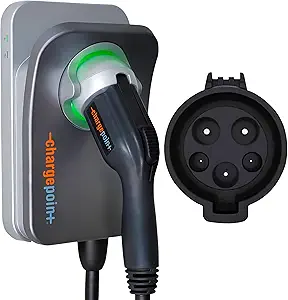 | ChargePoint HomeFlex EV Charger | Check Price On Amazon |
Pick 2  | Enphase IQ EV Charger 2 | Check Price On Amazon |
Pick 3  | EV Range EV Charging Station | Check Price On Amazon |
1. ChargePoint HomeFlex EV Charger
Utility-minded charging starts with strong network support and flexible control. ChargePoint HomeFlex brings smart app features, indoor-outdoor installation, and hardwired reliability. It is built for municipal settings that need dependable Level 2 charging with straightforward management.
The J1772 connector works with most non-Tesla EVs, while Tesla drivers can use an adapter. The unit supports adjustable charging from 16 to 50 amps, giving installers room to match circuit capacity.
A 23-foot cable adds reach for varied parking layouts.
Build quality feels practical for everyday use, with UL certification and Energy Star compliance. The charger is indoor and outdoor rated, and the cable is described as cold-resistant. ChargePoint’s mobile app adds reminders, station finding, charging data, and smart home connectivity.
WiFi is required for certain features and troubleshooting. Charging speed reaches up to 37 miles per hour, depending on the vehicle. For small municipal utilities, it suits workplaces, depots, and managed home charging programs that need clear control without complicated hardware.
Pros
- Smart app control with reminders and charging data
- Adjustable 16 to 50 amp charging support
- Indoor and outdoor rated with cold-resistant cable
Cons
- WiFi is needed for some features
- Hardwired installation needs an electrician
- J1772 requires an adapter for Tesla vehicles
Who Should Buy It?
ChargePoint HomeFlex suits small municipal utilities that want utility-ready smart charging with flexible installation. It also fits staff garages, fleet homes, and managed residential programs. The adjustable amperage, app control, and indoor-outdoor rating make it practical for mixed parking sites.
It works best for teams that value remote charging data and a trusted charging network.
Key Specifications
| Specification | Details |
|---|---|
| Brand | ChargePoint |
| Connector Type | Hardwired (J1772)-Non Tesla |
| Current Rating | 50 A |
| Output Voltage | 240 volts_of_alternating_current |
| Connectivity | WiFi App Control |
| Certification | Energy Star |
| Ports | 1 |
| Cable Length | 23-Ft Cable |
| Smart Features | WiFi App Control, reminders, smart home device connection, station finding, charging data |
| Installation | Hardwired, indoor/outdoor rated |
The 50-amp current rating and 240-volt output show that HomeFlex is built for Level 2 charging. Adjustable charging from 16 to 50 amps helps match different electrical setups. The J1772 connector supports most non-Tesla EVs, while Tesla vehicles need an adapter. A single port keeps the hardware simple. The 23-foot cable gives drivers more parking flexibility, which helps when a municipal site has varied stall spacing or awkward curbside layouts.
WiFi app control adds reminders, charging data, station search, and smart home connections. Those tools matter when staff need clearer visibility without extra equipment. UL certification and Energy Star compliance support a safer, more efficient installation. The hardwired design works indoors or outdoors, which suits garages, lots, and fleet areas. Municipal teams that want dependable charging with app-based control will benefit most, especially when they need one charger to fit several parking and power arrangements.
2. Enphase IQ EV Charger 2
Utility rebate tracking gets easier when charging data is measured accurately. Enphase IQ EV Charger 2 brings that focus into a compact Level 2 unit built for reliable everyday use.
Its revenue grade meter supports utility rebate programs with compliant energy monitoring, which suits municipal utility programs well. The charger delivers up to 9.6 kW at 40 amps, with Wi-Fi, Bluetooth, and app control for flexible management. It also supports RFID card access, helping limit unauthorized use at shared sites.
The charger works with J1772-equipped EVs and includes a 25-foot cable for easier placement. Its NEMA 14-50 plug can simplify installation where the outlet already exists, while the wall mount kit supports permanent setups.
Smart charging modes include goal-based charging, green charging, and Storm Guard. Solar charging support may appeal to sites with onsite generation. UL and Energy Star certifications add confidence, while overcurrent, surge, short-circuit, and ground-fault protection support daily reliability.
Pros
- Revenue grade meter suits rebate monitoring
- Wi-Fi, Bluetooth, and app control
- RFID access helps limit unauthorized charging
Cons
- Single port limits shared-site flexibility
- Requires compatible J1772 connector
- NEMA 14-50 setup may not fit every site
Who Should Buy It?
Municipal utilities needing accurate rebate monitoring should look closely here. It fits sites that want controlled access, clear charging data, and flexible installation options. The charger also suits locations with solar power or shared use rules.
Small utility teams will appreciate the app controls and energy monitoring, especially when tracking programs tied to customer rebates or managed charging pilots.
Key Specifications
| Specification | Details |
|---|---|
| Brand | Enphase Energy |
| Connector Type | J1772 |
| Current Rating | 40 A |
| Output Voltage | 240 volts |
| Connectivity | Wi-Fi, Bluetooth |
| Certification | Energy Star, Revenue Grade Meter, UL |
| Ports | 1 |
| Cable Length | 25 ft |
| Smart Features | App-based control, RFID card access, goal-based charging, green charging, Storm Guard, solar charging |
| Installation | NEMA 14-50 plug, wall mount bracket |
| Price | Not provided |
The charger runs on 240 volts and delivers 40 amps of output. That translates to up to 9.6 kW of charging power, which fits routine overnight top-offs well. The J1772 connector works with many North American EVs. Wi-Fi and Bluetooth support app control, while the 25-foot cable adds reach for flexible parking layouts. For utility programs, the revenue grade meter is the standout specification because it supports monitored charging data.
In daily use, the single port keeps the unit simple and easy to manage. The NEMA 14-50 plug can reduce setup effort where that outlet already exists, while the wall bracket supports a fixed installation. UL and Energy Star certifications speak to safety and efficiency, and the built-in protection against overcurrent, surges, short circuits, and ground faults supports durability. Small utilities with rebate tracking needs will value the measurement and access controls most.
3. EV Range EV Charging Station
Revenue collection and charging control meet in one commercial station. It suits sites that want public charging without losing billing control. EV Range EV Charging Station is an OCPP-compliant charger built for commercial use.
It supports custom pricing, idle fees, monthly payouts, and usage reports. Drivers can pay through the EV Range app using a credit card. Operators can also control access with RFID or app-based permissions.
The unit uses a standard J1772 connector with a 25-foot cable. It works with plug-in hybrids and most electric vehicles.
Tesla drivers can use adapters typically included with their cars. The charger offers 32-amp output at 240 volts, with one port.
Its NEMA 4 polycarbonate enclosure and IK10 impact rating suit harsh weather. Wall or pedestal mounting gives flexibility for hotels, workplaces, apartments, and fleet yards. It suits smaller municipal utilities managing revenue sites and public access points.
Pros
- Supports paid charging with usage reports and monthly deposits.
- RFID and app access control help manage public use.
- Weather-resistant enclosure suits varied outdoor installations.
Cons
- Only one charging port.
- Pedestal mount is not included.
- Tesla drivers need an adapter.
Who Should Buy It?
Municipal utilities should buy it when they need a revenue-focused charger for public-facing locations. It fits sites like workplaces, apartments, hotels, and retail properties. The access controls help manage shared use, while app payments simplify driver billing.
It suits teams that want charging income, usage tracking, and flexible installation in one commercial unit.
Key Specifications
| Specification | Details |
|---|---|
| Brand | EV Range |
| Connector Type | J1772 |
| Current Rating | 32 A |
| Output Voltage | 240 volts AC |
| Connectivity | OCPP-compliant, EV Range app, RFID |
| Certification | Energy Star, UL |
| Ports | 1 |
| Cable Length | 25 feet |
| Smart Features | Custom pricing, idle fees, monthly payouts, usage reports |
| Installation | Wall or pedestal mountable |
| Price | Not provided |
The charger uses a J1772 connector and a 25-foot cable. That setup works with most plug-in hybrids and electric vehicles. Drivers of Tesla vehicles can use adapters they usually already have. The unit delivers 32 amps at 240 volts, which fits commercial Level 2 charging use. One port keeps the design simple for single-space charging locations. The EV Range app supports card payment, while RFID access helps limit use to approved drivers.
Its OCPP compliance helps it fit networked charging setups more easily. Energy Star and UL listing add confidence for utility and site managers. The NEMA 4 polycarbonate enclosure and IK10 impact rating suit outdoor exposure, including marine, desert, and snowy settings. Wall mounting works for tight spaces, while pedestal mounting offers a more traditional parking setup. These details suit municipal sites that want billing control, weather protection, and flexible placement without complicated operation.
4. Level 2 EV Charger J1772 25 Cable

Budget-minded charging can still feel smart and orderly. The EVWallbox Level 2 charger adds app control, adjustable current, and RFID access.
Built around a 240V Level 2 setup, it can deliver up to 38 miles of range per hour. That makes it useful for small municipal utilities supporting employee fleets, service vehicles, or public-facing charging spots.
The unit uses a standard J1772 connector and a 25-foot cable, which helps with flexible parking layouts. Its ETL, Energy Star, FCC, and CE credentials add confidence for regular daily use.
The NEMA 14-50 plug and IP65 weatherproof enclosure support indoor or outdoor mounting. A 4.3-inch display shows charging status clearly, while the smartphone app lets users schedule sessions during off-peak hours and adjust current for gentler charging. It suits buyers wanting practical smart charging without complex hardware.
Pros
- App scheduling supports off-peak charging control
- RFID card helps manage access easily
- 25-foot cable suits wider parking setups
Cons
- Single-port design limits simultaneous charging
- Installation still needs a proper NEMA 14-50 outlet
- Smart features may exceed very basic needs
Who Should Buy It?
Small municipal utilities should buy it when they want affordable smart charging for limited sites. It fits staff parking, fleet depots, or shared community locations needing adjustable current and simple access control. The J1772 connector works with many EVs, while the long cable helps when stalls are spaced awkwardly.
It suits teams that value scheduling, energy awareness, and straightforward daily operation.
Key Specifications
| Specification | Details |
|---|---|
| Brand | Evwallbox |
| Connector Type | SAE J1772 |
| Current Rating | Adjustable current |
| Output Voltage | 240V |
| Connectivity | Smartphone app |
| Certification | ETL, Energy Star, FCC, CE |
| Ports | 1 |
| Cable Length | 25 ft |
| Smart Features | App control, scheduling, real-time notifications, RFID card |
| Installation | NEMA 14-50 plug, indoor or outdoor use |
The 240V power level matters because it charges faster than basic Level 1 units. Adjustable current lets operators choose a gentler or stronger charging rate. That can help match site capacity or protect battery health during routine use. The 25-foot cable adds reach for awkward parking positions, while the single J1772 connector keeps compatibility broad. For small municipal lots, those details make daily charging simpler without requiring specialized vehicle hardware.
Smartphone app control and scheduling make the charger easier to manage across shared parking areas. Staff can start or delay charging sessions during off-peak hours, which helps align use with utility planning. The 4.3-inch display gives a quick status readout on site. ETL, Energy Star, FCC, and CE certifications support safer, energy-aware operation. The NEMA 14-50 plug and IP65 enclosure suit indoor or outdoor mounting for municipal settings.
5. Level 2 EV Charger, J1772 Wall Charger

A straightforward home charging option brings strong power and simple installation together. Its long cable and metal housing add practical convenience for daily use. The charger uses a standard J1772 connector, so it works with many North American EVs and plug-in hybrids.
Tesla drivers can use an adapter, which is sold separately. The 40A output and 9.6kW rating give solid Level 2 charging speed for overnight use. A NEMA 14-50 plug supports quick setup on a compatible outlet and 50A circuit breaker.
Built-in GFCI protection adds safety, though a non-GFCI outlet may reduce nuisance trips. ETL listing, UL-2594 compliance, and IP65 protection make it suitable for indoor or outdoor mounting. The heavy-duty metal case and rubberized handle feel durable in daily handling.
The 25-foot cable helps reach varied parking spots without awkward positioning. It suits budget-minded buyers who want power, flexibility, and simple charging equipment.
Pros
- Strong 40A Level 2 charging output
- Long 25-foot cable reaches parked vehicles easily
- ETL listed with IP65 outdoor protection
Cons
- Tesla needs a separate adapter
- Not a smart networked charging platform
- Plug-in setup needs a compatible 14-50 outlet
Who Should Buy It?
Drivers and small utility fleets wanting a low-cost, high-power charging unit should consider it. It fits locations that already have a compatible NEMA 14-50 outlet and want quick installation. The J1772 connector suits many non-Tesla EVs and plug-in hybrids.
It also works well for users who want dependable charging without app features or network controls.
Key Specifications
| Specification | Details |
|---|---|
| Connector Type | J1772 |
| Current Rating | 40A |
| Output Voltage | 9.6kW |
| Certification | ETL listed to UL-2594 standards/CSA-C22.2 No. 280 |
| Ports | 1 |
| Cable Length | 25FT |
| Installation | NEMA 14-50 plug-in |
A 40A current rating means the charger can deliver faster Level 2 power. The 9.6kW output supports overnight charging for many electric vehicles. The J1772 connector works with most North American EVs and plug-in hybrids. A 25-foot cable gives more reach across garages or parking spaces. The NEMA 14-50 plug-in format keeps installation simple, since hardwiring is not needed. For day-to-day use, that means less setup work and more placement flexibility around a vehicle.
ETL listing and UL-2594 compliance point to recognized safety standards during operation. The IP65 rating helps the unit handle indoor or outdoor placement. A metal case and rubberized handle support regular use and easier grip. Built-in GFCI protection adds another safety layer, while the recommendation for a non-GFCI outlet helps avoid nuisance trips. These details matter most for users who want dependable charging hardware with simple mounting and fewer setup complications.
6. Level 2 EV Charger for Tesla

Fleet charging gets simpler when Tesla drivers need a dedicated Level 2 station. The IYILO unit pairs fast hardwired charging with app-based control for managed daily use.
Built around a NACS connector, it delivers up to 48 amps and 11.5 kW for quick turnaround. The adjustable current setting helps match available service and site limits.
A built-in NTC sensor watches connector temperature during every session. If heat rises past 221°F, charging power drops or stops automatically. That protection suits busy municipal lots where equipment may run often.
The app supports scheduled charging, energy tracking, cost tracking, and multiple users. It also supports TOU rates and includes RFID cards for access control. Wall-mounted installation keeps the unit compact and tidy.
ETL, Energy Star, and FCC certifications add confidence for public use. Power sharing and dynamic load balancing help fit shared electrical capacity.
It suits Tesla fleet charging, depot sites, and staff parking areas.
Pros
- Fast 48A charging supports quick vehicle turnaround.
- Temperature sensor adds automatic connector protection.
- App tools support scheduling, usage tracking, and access control.
Cons
- Requires hardwired installation by a licensed electrician.
- Works only with Tesla-style NACS connectors.
- Cable length is not provided in the data.
Who Should Buy It?
Municipal fleets with Tesla vehicles should consider this charger. It fits depots, staff parking areas, and shared municipal lots. The adjustable current and power-sharing support make it easier to match site capacity.
Utilities wanting scheduled charging and usage tracking will also benefit. Teams that want connector temperature monitoring and RFID access will appreciate the control features.
Key Specifications
| Specification | Details |
|---|---|
| Brand | IYILO |
| Connector Type | NACS |
| Current Rating | 48A |
| Output Voltage | 11.5 kW |
| Connectivity | WiFi Smart App |
| Certification | UL 2594, ETL, Energy Star, FCC |
| Ports | 1 |
| Smart Features | Scheduled charging, TOU rates, energy tracking, cost tracking, multiple user accounts, RFID cards, power sharing, dynamic load balancing, temperature monitoring |
| Installation | Hardwired |
The charger uses a NACS connector, which matches Tesla vehicles directly. Its 48-amp rating and 11.5 kW output mean faster turnaround than basic charging. Adjustable current from 6A to 48A helps fit different electrical setups. WiFi app control adds scheduling, energy tracking, and cost monitoring. RFID cards give another way to manage access during shared use. These features suit sites that want organized charging for multiple drivers and vehicles.
Hardwired installation usually means a cleaner, permanent setup for garages or lots. Power sharing and dynamic load balancing help when electrical capacity is limited. The built-in temperature sensor watches the connector during charging and reacts to heat. That can matter during frequent fleet use or warmer weather. ETL, Energy Star, FCC, and UL 2594 certification support confidence in public-facing installs. Municipal teams with Tesla vehicles benefit most from the control and protection features.
7. EMPORIA Level 2 EV Charger 48 Amp J1772

High-use J1772 fleets get a strong fit here. The Emporia Level 2 charger brings hardwired 48-amp charging with WiFi control and a long 25-foot cable. Designed for steady daily use, it supports North American J1772 vehicles and delivers up to 46 miles per hour of charging through a hardwired connection.
The charger comes preconfigured for hardwired installation with a whip, and professional installation is recommended. Its UL listing and ENERGY STAR certification support confidence in safety and compliance, while the mobile app features add practical control for scheduling and real-time energy tracking.
The white unit includes the charger body, wall mount, handle holster, and mounting hardware. For small municipal utility fleets, it offers a practical mix of speed, compatibility, and smart control without adding unnecessary complexity. It suits depots, service vehicles, and shared parking areas where regular turnaround matters.
Pros
- 48-amp output supports fast daily fleet charging.
- WiFi app provides scheduling and energy data.
- Long 25-foot cable helps flexible parking layouts.
Cons
- Hardwired installation needs professional electrical work.
- J1772 connector excludes native NACS vehicles.
- Smart features need 2.4 GHz WiFi.
Who Should Buy It?
Municipal utilities with mixed J1772 fleet vehicles should consider it. It suits service yards, public works depots, and shared charging areas where vehicles return often. The 48-amp hardwired setup helps keep charging sessions moving.
WiFi scheduling and energy data also support basic load management and routine oversight for small utility operations.
Key Specifications
| Specification | Details |
|---|---|
| Brand | EMPORIA |
| Connector Type | J1772 |
| Current Rating | 48 A |
| Output Voltage | 240 volts |
| Connectivity | 2.4 GHz WiFi |
| Certification | UL, ENERGY STAR |
| Ports | 1 |
| Cable Length | 25 ft |
| Smart Features | Real-time energy data, charging schedules |
| Installation | Hardwired with whip |
A 48-amp, 240-volt setup means faster replenishment for daily fleet use. The 25-foot cable gives drivers more freedom when parking varies across a lot. A single J1772 connector matches many common North American EVs, including fleet-friendly models like the Chevrolet Bolt and Ford Mustang Mach-E. The 2.4 GHz WiFi link lets managers view energy data and adjust charging times from a mobile device.
These specifications fit municipal settings where vehicles return, charge, and head out again. Hardwired installation supports a fixed station setup, which suits depots and shared parking spaces. UL and ENERGY STAR certification add reassurance for facilities that value recognized safety standards. The included wall mount, handle holster, and mounting hardware help keep the unit organized. Drivers using J1772 vehicles gain quick access, while operators get schedule control and better visibility into charging habits.
8. ChargePoint HomeFlex NACS EV Charger

Tesla drivers get a simple, fast home charging upgrade here. The wall-mounted ChargePoint unit delivers Level 2 charging with a NACS connector. It works well for daily top-offs and overnight charging at home.
ChargePoint HomeFlex is a hardwired 240-volt charging station with a 50A current rating. It can add up to 37 miles per hour, depending on the vehicle. The compact black housing measures 7.06 by 11.19 by 5.2 inches.
Its single-port design keeps the setup focused on one vehicle at a time. The charger is compatible with Tesla vehicles and uses a NACS cable connector.
Build quality looks suited to permanent garage installation. The hardwired design helps create a tidy wall setup without extra plug clutter.
Charging speed should satisfy most Tesla drivers who return home each evening. The unit supports a 20A or 80A circuit, which gives installation flexibility.
For households that want a dedicated Tesla charger, it offers a clear, practical choice. It suits users who value straightforward operation over multi-vehicle charging features.
Pros
- Fast Level 2 charging for Tesla vehicles
- Compact hardwired design for permanent installation
- Single-port setup keeps operation simple
Cons
- Works only with Tesla vehicles
- Requires hardwired installation
- Single port serves one vehicle
Who Should Buy It?
Buy this if you want a dedicated home charger for a Tesla vehicle. It fits drivers who charge overnight and prefer a hardwired setup. The single-port design suits one-vehicle households, garages, or assigned parking spots.
It also works for users who want faster charging than a standard outlet provides.
Key Specifications
| Specification | Details |
|---|---|
| Brand | ChargePoint |
| Connector Type | NACS |
| Current Rating | 50 A |
| Output Voltage | 240 volts |
| Connectivity | Hardwired |
| Certification | NEMA |
| Ports | 1 |
| Cable Length | Not provided |
| Smart Features | Not provided |
| Installation | Hardwired |
ChargePoint’s HomeFlex uses a 240-volt supply and a 50A rating for Level 2 charging. In plain use, that means much faster charging than a standard outlet. The NACS connector matches Tesla vehicles, so the cable connects without adapters for that standard. Its hardwired installation suits a fixed parking spot or garage. The NEMA specification points to a familiar electrical installation format for home setups.
The single port keeps charging simple for one vehicle at a time. A 20A or 80A circuit requirement gives installers room to match existing electrical service. The compact dimensions help it fit neatly on a wall near a parking space. With no listed smart features or cable length details, the focus stays on charging performance and installation. Drivers who want direct, dedicated Tesla charging will benefit most from this setup.
9. ELEGRP Level 2 EV Charger

Portable charging often matters more than permanent hardware for smaller utility fleets. ELEGRP’s Level 2 charger brings plug-in flexibility with adjustable power and a long reach.
It supports up to 9.6 kW through a NEMA 14-50 connection, which suits garages, depots, and temporary charging points. Five current levels help match available capacity, while the 1–12 hour delay timer supports off-peak charging.
That flexibility can help municipal teams spread demand across slower hours.
The 25-foot cable gives drivers room to park without careful positioning. ETL certification and ELEGRP’s PBE protection add confidence for indoor or outdoor use.
The IP67 rating supports rain, snow, and wide temperature swings, which fits mixed weather environments. It works with many major EVs and PHEVs, and Tesla drivers can use a separate adapter. At 13.2 pounds, it stays portable enough for travel, shared use, or backup charging.
It suits smaller utility operations that need practical, movable charging without fixed installation work.
Pros
- Portable plug-in design simplifies shared use
- Adjustable current levels suit varied outlet capacity
- Long cable helps reach awkward parking spots
Cons
- Tesla needs a separate adapter
- Not a fixed managed charging station
- Requires a compatible 240V outlet
Who Should Buy It?
Municipal utilities should buy it when they need portable Level 2 charging for shared fleet vehicles, temporary sites, or backup use. It fits teams that already have compatible 240V outlets and want adjustable current levels. The long cable, weather rating, and plug-in design make it useful for mixed indoor and outdoor charging needs without permanent installation work.
Key Specifications
| Specification | Details |
|---|---|
| Brand | ELEGRP |
| Connector Type | J1772 |
| Current Rating | 40A |
| Output Voltage | 240V |
| Connectivity | Plug-in |
| Certification | ETL Certified |
| Ports | 1 |
| Cable Length | 25FT |
| Smart Features | 1–12H timing delay, 5 current levels |
| Installation | Plug-in |
The J1772 connector works with many non-Tesla EVs and plug-in hybrids. A 240V input and 40A rating support Level 2 charging speeds for daily use. The charger offers five current settings, from 16A to 40A, so users can match available circuit capacity. Its plug-in design means it works with a compatible NEMA 14-50 outlet. That setup suits garages, service yards, and temporary charging spots where fixed wiring is not practical.
A 25-foot cable gives extra reach, which helps when parking positions vary. ETL certification and the IP67 weather rating support use in challenging conditions, including rain, snow, and low temperatures. The 1–12 hour timing delay helps schedule charging during off-peak hours, which can lower strain on limited electrical capacity. At 13.2 pounds, it remains portable for travel, shared deployment, or moving between sites. Small utility fleets benefit most from that flexibility.
10. Ubiquiti Weatherproof EV Charging Adapter

Outdoor charging needs often demand simple access control and dependable weather resistance. Ubiquiti answers that need with an 11 kW Level 2 EV charging adapter built for outdoor use.
The unit pairs weatherproof construction with adaptable access management, which helps larger sites scale charging access without adding complexity.
Its main appeal is enterprise-style control in a compact charger format. The adapter works with UniFi Identity Enterprise and requires UniFi OS version 4.0.6 or newer. That software dependency makes it a strong fit for managed environments already using UniFi tools.
The waterproof design supports outdoor placement, while the 11 kW output suits steady Level 2 charging needs. Build quality appears aimed at utility-style durability rather than residential simplicity. Setup will suit teams comfortable with UniFi systems, while the access management features will matter most to operators who need organized user control.
It offers solid value for groups that prioritize centralized access and weather-ready hardware over basic standalone charging.
Pros
- Weatherproof design suits outdoor charging locations.
- Access management supports controlled scaling.
- Works with UniFi Identity Enterprise.
Cons
- Requires UniFi OS 4.0.6 or newer.
- Best suited to UniFi-managed environments.
- Limited data on connector and cable details.
Who Should Buy It?
Municipal utilities that already use UniFi systems should consider it. It suits teams wanting outdoor charging with controlled access management. The weatherproof build helps in exposed locations, while the 11 kW output fits Level 2 charging needs.
It is a practical choice for operators who need organized user access and can support the required UniFi OS version.
Key Specifications
| Specification | Details |
|---|---|
| Brand | Ubiquiti Networks |
| Current Rating | 11 Kiloamps |
| Output Voltage | 11000 volts_of_alternating_current |
| Connectivity | UniFi Identity Enterprise |
| Certification | Not provided |
| Ports | Not provided |
| Cable Length | Not provided |
| Smart Features | Adaptable access management |
| Installation | Outdoor use; requires UniFi OS version 4.0.6 or newer |
Ubiquiti Networks makes this charger for controlled outdoor charging setups. The 11 Kiloamps current rating and 11000 volts of alternating current indicate a Level 2 unit with steady power delivery. In everyday use, that means vehicles can charge in designated locations with more predictable access management. The waterproof design helps it handle outdoor exposure, while UniFi Identity Enterprise adds account-based control for users and sites that need tighter charging access.
The connectivity requirement matters most for managed installations. Teams using UniFi OS version 4.0.6 or newer can integrate the charger into an existing control environment. That makes scheduling and access oversight easier for sites with multiple drivers or shared parking. The lack of listed connector, cable, and port details may limit planning flexibility, yet the overall setup still suits organized deployments that value weather protection and access control over standalone simplicity.
Best EV Managed Charging Platforms for Small Municipal Utilities: The Smart Buyer’s Guide
Grid impact and load management
Grid impact and load management are central to EV charging software for small municipal utilities because the wrong system can quickly strain limited infrastructure and increase peak demand costs. A strong platform should reduce load spikes by shifting charging away from high-use periods, while dynamic load balancing helps distribute available power across vehicles without overloading transformers or feeders.
It is also important that the system supports demand response programs, since this allows the utility to respond to grid conditions, coordinate charging during stress events, and use flexible load as a resource rather than a risk. Together, these functions help smaller utilities maintain reliability, control operating expenses, and support EV growth without forcing immediate infrastructure upgrades.
Utilityspecific deployment needs
Small municipal utilities often operate with limited staff, tighter budgets, and a narrower service footprint, so the platform must fit current capacity without creating unnecessary complexity. A strong system should work smoothly with existing meters, network hardware, and utility software, since poor compatibility can lead to costly upgrades, delays, or manual workarounds. It also needs simple rollout and configuration features that let teams get services running quickly, manage charging rules with minimal training, and adapt settings as local needs change.
It also needs simple rollout and configuration features that let teams get services running quickly, manage charging rules with minimal training, and adapt settings as local needs change. By focusing on these deployment factors, utility teams can reduce implementation risk, avoid hidden costs, and support a more reliable program from the start.
Charging control and user management
Smart scheduling options can determine whether a municipal charging platform truly fits a utility’s daily operations, because it should coordinate load timing, reduce peak demand, and adapt to local grid conditions without creating extra work for staff. A strong system also needs role-based access and permissions so administrators, operations teams, and contractors can each manage only the functions relevant to their responsibilities, which improves security and keeps oversight clear.
Equally important is support for public, fleet, and workplace charging, since small municipal utilities often serve multiple charging environments at once and need one platform that can handle different user groups, pricing rules, and reporting needs without fragmentation. Together, these capabilities help ensure the platform can grow with service demands while remaining practical, secure, and easy to manage.
Data, reporting, and visibility
Real-time monitoring is essential for small municipal utilities because it reveals charging activity as it happens, helping operators spot demand spikes, manage grid stress, and respond quickly to unusual behavior. Usage, energy, and billing reports add another layer of value by turning raw activity into clear operational and financial insight, making it easier to track costs, verify customer charges, and evaluate program performance.
Exportable data for utility operations is equally important, since it allows staff to move information into internal systems, support compliance tasks, and build more accurate long-term planning models. Together, these reporting and visibility features make the platform far more useful for day-to-day utility management and future service growth.
Interoperability and software integration
Open standards and protocol support are essential because they determine whether a platform can communicate reliably with a wide range of chargers, network devices, and utility tools without forcing a costly custom setup. A system built on widely adopted standards is far easier to maintain, update, and adapt as municipal fleets and public charging programs grow. Integration with AMI, CIS, and billing systems also matters, since smooth data exchange helps utilities track energy use, automate customer accounts, and align charging activity with existing operations.
Integration with AMI, CIS, and billing systems also matters, since smooth data exchange helps utilities track energy use, automate customer accounts, and align charging activity with existing operations. Just as important, hardware and third-party software compatibility reduces the risk of vendor lock-in and makes it simpler to add new stations, analytics tools, or demand-response features later. Together, these factors protect long-term flexibility, lower integration headaches, and help small municipal utilities get more value from the platform over time.
Vendor support, security, and total cost
Vendor support, security, and total cost matter because a managed charging platform must fit smoothly into a utility’s existing systems, protect sensitive customer and grid data, and remain affordable as programs grow. A solution with strong implementation support can reduce delays, simplify integration with billing or utility software, and help staff resolve issues quickly after launch. Equally important, robust cybersecurity controls, role-based access, encryption, and clear data privacy policies help safeguard operational information and customer records from misuse or unauthorized access.
Cost analysis should go beyond the initial fee and include subscription terms, maintenance charges, upgrade pricing, and the expense of adding more chargers, users, or service areas over time. A platform that appears inexpensive upfront can become costly if support is limited, security features are basic, or scaling triggers high extra charges.
For small municipal utilities, the right balance of dependable service, strong protection, and predictable long-term costs can make the difference between a smooth deployment and an expensive operational burden.
Setting Up EV Charging the Right Way
Small municipal utilities need a setup that is simple to run and easy to explain to customers. A managed charging platform can help by scheduling charging, shifting load away from busy hours, and giving utility staff a clear view of usage patterns.
Start with the basics. Check which chargers and vehicle types the platform supports. Make sure it can work with your utility’s billing system, customer portal, or load management tools. If it offers smart charging plans, confirm that those plans fit your local rate structure and peak demand goals.
Good setup begins with clear rules. Decide when charging should slow down, when it can speed up, and which customers need special handling. Many small utilities do best with simple settings at first. You can add more control later after you see how drivers use the system.
Staff training also matters. Choose a platform that gives plain reports and easy alerts. Your team should know how to see charger status, change schedules, and respond to problems without extra steps.
- Start with a small pilot group of chargers or drivers.
- Test schedules during peak and off-peak hours.
- Set clear customer messages about charging times and rates.
- Review usage data each month and adjust settings as needed.
For best results, match the platform to your utility’s size and staff time. A system with simple controls, clear reporting, and utility-friendly pricing can save time and support better grid planning. The best results usually come from a careful rollout, not from turning on every feature at once.
FAQ’s
What Features Should Small Municipal Utilities Look For In An Ev Managed Charging Platform?
Small municipal utilities should look for a platform that is easy to deploy, affordable, and able to integrate with existing billing, AMI, and utility systems. It should also provide load management, customer communication tools, flexible rate options, and strong reporting to help control peak demand and support grid reliability.
How Do Ev Managed Charging Platforms Help Small Municipal Utilities Reduce Peak Demand And Grid Stress?
EV managed charging platforms help small municipal utilities shift charging to off-peak hours, so less electricity is used during times of highest demand. They also coordinate charging based on grid conditions, which reduces strain on local infrastructure and helps avoid costly upgrades.
Which Ev Managed Charging Platforms Are Best Suited For The Budgets And Scale Of Small Municipal Utilities?
For small municipal utilities, best-fit EV managed charging platforms are typically **Clir, WeaveGrid, and EVenergi**, since they tend to offer more flexible, utility-focused solutions without the enterprise-level cost of the largest vendors. If you want, I can also give you a **budget-tier vs. mid-tier comparison** of the main options.
How Can Small Municipal Utilities Integrate Ev Managed Charging Platforms With Existing Utility Systems And Rates?
Small municipal utilities can integrate EV managed charging platforms by using open APIs or standard protocols to connect them with existing billing, outage, and demand-response systems. They can then align charging controls with current rates by enabling time-based pricing, peak-shaving incentives, and utility-approved managed charging programs.
What Are The Main Challenges Small Municipal Utilities Face When Implementing Ev Managed Charging Programs?
Small municipal utilities often face limited staff, funding, and technical expertise, making it hard to design, deploy, and manage EV managed charging programs. They may also struggle with customer engagement, communication, and upgrading aging infrastructure to support flexible charging.
Final Verdict
For small municipal utilities, the best ev managed charging platforms for small municipal utilities depend on whether the priority is utility control, budget, premium monitoring, or revenue generation. ChargePoint HomeFlex EV Charger is the best overall pick for utilities that want smart charging features that fit utility-ready programs. The Level 2 EV Charger, J1772 Wall Charger is the best value option for buyers that need low-cost, high-power charging without stretching the budget.
Choose ChargePoint HomeFlex for utility-ready smart charging, or pick the Level 2 J1772 wall charger if cost is the main concern.