10 Best Extension Cord for Ev Charger: Favorite Picks Compared
EV charging at home should be simple and safe. But the wrong cord can slow charging or create fit issues. Many buyers search for the best extension cord for ev charger when they need more reach without losing reliability.
This review is for EV owners who want a practical solution for home charging. It also helps renters, garage users, and anyone dealing with a short cable or tricky outlet placement.
We will look at cord length, wire gauge, safety features, and everyday ease of use. You will also see where this product works well and where it may fall short.
Best Extension Cord Options for EV Chargers
| Image | Product | Price |
|---|---|---|
Pick 1  | VEVOR J1772 EV Charger Extension Cable | Check Price On Amazon |
Pick 2  | J1772 Extension Cable 32A 21FT | Check Price On Amazon |
Pick 3  | NEMA 14-50P to 14-50R Extension Cord | Check Price On Amazon |
1. VEVOR J1772 EV Charger Extension Cable
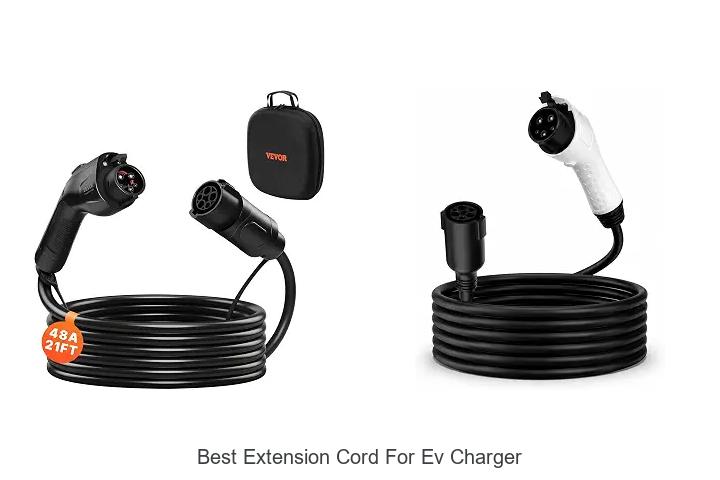
Extra reach can make charging far less awkward at home. The VEVOR J1772 EV Charger Extension Cable adds 21 feet of length for easier placement.
It works with 120V and 240V charging setups, which suits daily charging needs. The cable supports SAE J1772 EVs and PHEVs with a male-to-female design.
Its 48-amp rating and IP66 waterproofing point to solid everyday usefulness. Fire-resistant materials and a wide temperature range help it handle harsh weather. Copper TPE, PC, and ABS materials support durability during regular plugging and unplugging.
The ergonomic grip also helps make connector handling easier. A carrying bag, cleaning cloth, and cable tie come included for storage. It fits drivers who need more reach without changing their charging routine.
Pros
- 21-foot length adds helpful charging reach
- Works with both Level 1 and Level 2 charging
- Includes carrying bag, cloth, and cable tie
Cons
- No warranty description is listed
- Only suits J1772 vehicles and chargers
- At 7.5 pounds, it is not ultralight
Who Should Buy It?
Drivers with J1772 EVs or PHEVs should consider it. It suits home charging setups where the outlet sits far from the charge port. The 21-foot length helps when parking angles vary, and dual-voltage support works for Level 1 or Level 2 use.
Buyers who want a weather-resistant extension with storage accessories will find it practical for regular charging routines.
Key Specifications
| Specification | Details |
|---|---|
| Connector Type | J1772, male-to-female |
| Length | 21 feet |
| Amperage | 48 A |
| Voltage | 120V-240V |
| Water Resistance | IP66 waterproof |
| Compatibility | SAE J1772 electric vehicle chargers, Level 1 and Level 2 |
| Wattage | Not listed |
| Weight | 7.5 pounds |
| Warranty | No warranty description listed |
| Included Accessories | Carrying bag, cleaning cloth, cable tie, user manual |
The 21-foot length gives extra reach when parking is awkward. It can connect to both 120V and 240V charging setups. That means it works with standard home sockets and higher-power charging stations. The J1772 male-to-female design fits compatible EVs and PHEVs. A 48-amp rating also supports higher-current charging use. In daily routines, that mix of length, voltage support, and connector style makes it easier to charge from more positions.
IP66 waterproof protection helps the cable handle rain and dust. Fire-resistant materials add confidence for outdoor or garage charging. The cable works from -22℉ to 122℉, so cold and hot conditions are covered. Copper TPE, PC, and ABS materials support durability during repeated use. The ergonomic grip can make plugging and unplugging easier. Drivers who want a weather-ready extension with simple storage will benefit most from these specs.
2. J1772 Extension Cable 32A 21FT
Long parking distances stop being a charging problem with this 21-foot J1772 extension cable. It adds practical reach for home garages, driveways, and backyard charging spots.
Built for North American SAE J1772 EVs and PHEVs, it supports Level 1 and Level 2 charging with 32 amps and 120V to 240V input. The pure copper conductors support steady current flow and help reduce energy loss. Its heavy-duty TPU and PVC jacket adds flexibility and abrasion resistance.
The IP66 rating supports outdoor use in wet or dusty conditions. A silver-plated inlet adds a quality touch, while the matte black finish keeps the look understated.
It suits drivers who need extra cable length without giving up broad compatibility or daily charging convenience.
Pros
- Adds 21 feet of useful charging reach
- Works with many J1772 EVs and PHEVs
- Rated for 32A Level 1 and 2 charging
Cons
- J1772 only, so Tesla needs an adapter
- Single 21-foot length may not suit every layout
- No included accessories listed
Who Should Buy It?
Buyers who need extra charging reach on a budget should like this cable. It fits households with awkward parking, longer driveways, or wall chargers placed far from the vehicle port. It also suits J1772 drivers who want a simple extension for Level 1 or Level 2 charging.
People who need broad compatibility and outdoor durability will get the most use from it.
Key Specifications
| Specification | Details |
|---|---|
| Connector Type | J1772 |
| Length | 21 feet |
| Amperage | 32 A |
| Voltage | 120V-240V |
| Water Resistance | IP66 |
| Compatibility | Compatible with all SAE J1772 EVs and PHEVs |
| Wattage | Not listed |
| Weight | Not listed |
| Warranty | 1 Year |
| Included Accessories | Not listed |
The J1772 connector means the cable works with standard North American charging gear. The 21-foot length gives extra room when the charger sits far from the car. Its 32 amp rating and 120V to 240V support cover common Level 1 and Level 2 charging setups. In daily use, that means easier parking and fewer awkward cable stretches. Drivers with garages, driveways, or shared charging spots get the most practical benefit from the added reach.
IP66 water and dust resistance help the cable handle outdoor charging spots. The heavy-duty TPU and PVC jacket adds flexibility in cold weather and resists crushing and abrasion. Pure copper conductors support stable current transfer during charging sessions. In everyday use, that can mean less strain on the cable and more confidence around weather exposure. It suits drivers who need a durable extension for regular indoor or outdoor charging setups.
3. NEMA 14-50P to 14-50R Extension Cord
Need a 50-amp extension cord for Level 2 charging or RV power? The POWGRN NEMA 14-50P to 14-50R cord offers a practical 25-foot reach and ETL-listed construction. It uses a NEMA 14-50 male-to-female design, rated for 125/250 volts and up to 12,500 watts.
That makes it suitable for compatible Tesla Model 3, S, X, and Y charging setups, along with RV use. The heavy-duty STW jacket is rated IP65 waterproof and built to resist abrasion, heat, flame, and corrosion. Nickel-plated pure copper wiring helps support stable contact and lower heat buildup.
The cord also stays flexible in cold weather, and the insulated grip helps with easier handling. For buyers who want a value-minded EV and RV cord with weather resistance and straightforward storage, it fits the job well.
Pros
- 25-foot reach suits many driveway and garage setups
- ETL listed with IP65 waterproof rating
- Nickel-plated copper wiring helps resist corrosion
Cons
- Only works with matching NEMA 14-50 outlets
- Needs full uncoiling during use
- Bulky for compact storage spaces
Who Should Buy It?
Buyers needing a value-focused 50-amp cord for compatible RV or Level 2 EV charging should consider it. It suits drivers who want a 25-foot reach, weather resistance, and a four-prong NEMA 14-50 connection. People with matching outlets and enough space for a heavier cord will get the most use from it.
Key Specifications
| Specification | Details |
|---|---|
| Connector Type | NEMA 14-50P male to NEMA 14-50R female |
| Length | 25 ft |
| Amperage | 50 A |
| Voltage | 125/250 V |
| Water Resistance | IP65 waterproof |
| Compatibility | Level 2 EV charging, Tesla Model 3, S, X, and Y, RV use |
| Wattage | 6250/12500 watts |
| Weight | Not provided |
| Warranty | Not provided |
| Included Accessories | Cable organizer |
The NEMA 14-50P to 14-50R connection means both ends match a 50-amp, four-prong setup. In everyday use, that matters because the cord only works with compatible outlets and equipment. The 25-foot length gives extra reach between the power source and the vehicle or RV. Its 125/250-volt rating and 12,500-watt maximum support heavy-duty charging needs without changing the plug format or cord layout.
The IP65 waterproof rating and heavy-duty jacket help the cord handle outdoor use better. The nickel-plated pure copper wiring is built to resist corrosion and oxidation, which helps maintain stable contact. The cord also stays pliable in cold conditions down to -40°F. That flexibility can make setup easier for drivers and RV owners who move the cord often. The included cable organizer also helps with storage after use.
4. J1772 EV Charger Extension Cable 40FT

Long charging runs become far easier with this 40-foot J1772 extension cable. It gives EV owners extra reach when parking spots, driveway layouts, or charger placement create distance. The cable supports up to 50A, while the listed input current is 40A, so it is built for compatible charging setups across 110V to 240V power sources.
Its SAE J1772 design works with standard J1772 chargers and ports, making it useful for many electric vehicles.
Build quality is aimed at everyday outdoor use. The cable uses heavy-duty materials, weather-resistant components, and a water-resistant design for rain, snow, and cold conditions.
The male-to-female layout keeps hookup simple, and the black finish gives it a clean, practical look. For drivers who need more parking flexibility, it offers strong reach without forcing charger relocation. It suits home garages, workplace charging, and public stations where the cable on hand falls short.
Pros
- 40-foot length reaches difficult parking spots
- Works with standard SAE J1772 chargers
- Weather-resistant design suits outdoor charging
Cons
- Longer cable can take more storage space
- Heavier setup may feel less convenient
- Only fits SAE J1772 charging equipment
Who Should Buy It?
Drivers who need more distance between the vehicle and charger should consider it. It suits homes with awkward driveway layouts, garage parking that sits far from the outlet, or public charging spots with tight placement. It also fits EV owners who already use SAE J1772 equipment and want extra reach without changing their current charging setup.
The long cable helps when flexibility matters more than compact storage.
Key Specifications
| Specification | Details |
|---|---|
| Connector Type | SAE J1772, male-to-female |
| Length | 40 feet |
| Amperage | 50 A |
| Voltage | 240 volts |
| Water Resistance | Water resistant |
| Compatibility | All standard SAE J1772 chargers and charging ports |
| Wattage | Not listed |
| Weight | Not listed |
| Warranty | 1 year manufacturer |
| Included Accessories | Extension cable for J1772 EV |
The 40-foot length gives extra room between the charger and vehicle. That matters when parking is offset, or the outlet sits far from the charge port. The SAE J1772 connector type means it fits standard chargers and vehicles using that format. A 240-volt rating supports common home and public charging setups. Water resistance adds confidence for outdoor use, especially where weather changes during daily charging. The male-to-female layout keeps connections straightforward.
A 50A cable rating helps it handle demanding charging equipment, while the listed 40A input current shows the charging setup must still match your gear. That combination suits drivers who already have a compatible J1772 charger and want extra reach without changing equipment. The heavy-duty build and weather-resistant materials support repeated use outdoors. People with longer driveways, tight garage angles, or shared parking areas will benefit most from the added flexibility.
5. 10AWG Outdoor Extension Cord

A practical 25-foot cord can solve awkward charging setups fast. The 10-gauge build gives it a sturdy, heavy-duty feel for everyday power needs.
POWGRN’s 10AWG Outdoor Extension Cord is a black, waterproof, outdoor-rated cord with a 15-amp, 125-volt rating and 1875-watt capacity. It uses a NEMA 5-15P male plug and NEMA 5-15R female socket, so it fits standard Type A outlets. The LED lighted end adds quick visibility in darker areas, which helps during outdoor setup and nighttime use.
Its SJTW jacket is weather-resistant, heat-resistant to 158°F, and flexible in cold conditions down to -58°F. The strain relief design and more than 20,000 bending tests point to solid durability for repeated use.
It suits buyers who want a budget utility cord for general outdoor power tasks, including gardening, landscaping, and construction work. For EV charger use, it fits setups that need a 3-prong, 15-amp extension cord and standard outlet compatibility.
Pros
- 10-gauge build feels durable for regular outdoor use
- Lighted end improves visibility in dark work areas
- Waterproof, weather-resistant jacket suits outdoor setups
Cons
- Only supports standard 15-amp, 125-volt outlets
- No dedicated EV charging connector included
- 25-foot length may still be limiting
Who Should Buy It?
Buy it if you need a budget utility cord for outdoor power needs. It suits users who want a waterproof, 10-gauge extension cord for standard 15-amp equipment. The lighted end helps in dim areas, and the flexible jacket handles outdoor conditions well.
It also fits buyers who need general-purpose support for home, yard, or worksite use.
Key Specifications
| Specification | Details |
|---|---|
| Connector Type | NEMA 5-15P to NEMA 5-15R |
| Length | 25 ft |
| Amperage | 15 A |
| Voltage | 125 volts |
| Water Resistance | IP65 waterproof |
| Compatibility | Type A plugs, standard 3-prong outlets |
| Wattage | 1875 watts |
| Weight | Not provided |
| Warranty | Not provided |
| Included Accessories | Extension cord only |
The 25-foot length gives extra reach between outlets and equipment. Its 10-gauge, 3-conductor build supports 15 amps at 125 volts. That means it suits standard power needs rather than high-demand charging gear. The NEMA 5-15P and 5-15R ends work with common three-prong connections. The waterproof jacket and IP65 rating help it handle outdoor use, while the LED indicator shows when power is flowing.
These specifications point to a cord built for general outdoor utility work. The 1875-watt rating matches many household and jobsite tools within standard outlet limits. The flexible PVC jacket helps with coiling, storage, and movement in cold weather. The strain relief design adds protection where cords bend most often. People who need visible, durable, outdoor power delivery will get the most value from it, especially for yard work or basic equipment.
6. Tesla EV Charger Extension Cable 21FT 50A

Extra reach can make Tesla home charging far easier. A 21-foot extension gives more flexibility in garages, driveways, and parking spaces.
SEGUMA built this NACS extension cable for Tesla and compatible AC charging setups. It supports Level 1 and Level 2 charging only, not Superchargers or DC fast charging.
The cable handles up to 50A, 240V, and 12KW with compatible equipment. For 48A Wall Connectors, output should be lowered to 40A. The cable uses high-strength TPE material and silver-plated copper for durability.
It also carries an IP66 waterproof rating for added weather resistance. A carrying bag comes included for storage and transport.
The male-to-male NACS design suits Tesla home charging where extra cable length is needed. It fits owners who want more reach without moving their charger. The setup is straightforward, though the charge-port door must be opened separately.
Pros
- Adds 21 feet of reach for home charging
- Supports high-power AC charging up to 50A
- Includes carrying bag for storage and transport
Cons
- Not compatible with Superchargers or DC fast charging
- Charge-port door must be opened separately
- 48A Wall Connectors need reduced output
Who Should Buy It?
Buyers with Tesla home charging setups should consider it. It suits garages, driveways, apartments, and workplace parking spots. Drivers who need extra cable length will benefit most.
It also fits users with compatible Tesla Wall Connectors, Destination Chargers, or mobile chargers. Anyone wanting a longer AC charging run without moving the charger may find it practical.
Key Specifications
| Specification | Details |
|---|---|
| Connector Type | NACS, male-to-male |
| Length | 21 feet |
| Amperage | 50 A |
| Voltage | 240 volts |
| Water Resistance | IP66 waterproof |
| Compatibility | Tesla Level 1 and Level 2 AC charging, Tesla Wall Connectors, all generations of Destination Chargers, 16A and 32A Tesla Mobile Chargers |
| Wattage | 12 kW |
| Warranty | Not provided |
| Included Accessories | Carrying bag |
The 21-foot length gives extra room between the charger and vehicle. That helps when the charging point sits far from the parking spot. The cable supports 50 amps at 240 volts for AC charging. In daily use, that means it can handle high-output home charging gear. The NACS male-to-male connector matches Tesla-compatible charging equipment. The IP66 rating adds protection against dust and water exposure during routine use.
These specifications suit Tesla owners who want flexible parking without moving hardware. The 12 kW rating reflects strong charging capacity with compatible systems. High-strength TPE material and silver-plated copper support durability and current flow. That mix can help the cable handle repeated plugging and unplugging. The included carrying bag helps with storage and travel. Users with Wall Connectors, Destination Chargers, or mobile chargers get the most practical benefit.
7. J1772 EV Charger Extension Cable

A 17-foot J1772 extension cable adds extra reach for awkward charging spots. It suits AC Level 2 home charging and outdoor setups.
Built for up to 50A at 240V, it supports 12kW charging. The heavy-duty cable uses 100% pure copper wiring and UL or ETL recognized components.
That design helps limit voltage drop and heat during long charging sessions. The male-to-female layout makes it useful for extending a compatible J1772 connection. A travel bag is included for storage and transport.
The water-resistant design adds confidence for outdoor use, though connectors still need clean, dry contact. It fits drivers who need short extra length without moving the car.
The 17-foot length helps with tight garages, steep driveways, and public parking. The three-year warranty adds another layer of ownership comfort.
Pros
- Adds 17 feet of extra charging reach
- Handles 50A Level 2 AC charging
- Includes travel bag for storage
Cons
- Not for DC fast charging
- Must be fully uncoiled before use
- Requires careful connector inspection
Who Should Buy It?
Buy it if you need a short J1772 extension for home Level 2 charging. It suits drivers with tight garages, steep driveways, or awkward parking positions. The 17-foot length helps when a charger cannot reach the port easily.
It also fits users who want 50A support and a water-resistant cable for outdoor setups.
Key Specifications
| Specification | Details |
|---|---|
| Connector Type | J1772 male-to-female |
| Length | 17 feet |
| Amperage | 50 A |
| Voltage | 240V |
| Water Resistance | Water resistant |
| Compatibility | AC home charging, Level 2 J1772 setups |
| Wattage | 12000 watts |
| Weight | Not provided |
| Warranty | 3 years |
| Included Accessories | Travel bag |
The 17-foot length gives extra room between the charger and vehicle. That can help in garages, driveways, and parking spaces with limited access. The J1772 male-to-female connector setup works with compatible AC charging equipment. A 50A rating at 240V supports Level 2 charging up to 12kW. In daily use, that means the cable is built for high-power home charging, not basic low-output charging equipment.
Pure copper internal wiring helps carry current with less heat buildup. UL or ETL recognized components add confidence for frequent charging use. The water-resistant build helps in outdoor setups, though clean connectors still matter. Because it is made for AC home charging only, it suits drivers with compatible J1772 vehicles and chargers. The included travel bag helps when the cable needs to be stored or carried. Fully uncoiling it before use supports better heat handling.
8. EV Charger Extension Cable 20FT

Need extra reach for J1772 charging? Seguma’s 20-foot extension cable adds distance without changing your charger setup.
It supports Level 1 and Level 2 charging, with a 50 amp, 240 volt rating and 12,000 watt capacity. The cable uses 100% copper TPE construction, plus silver-plated handle contacts for better conductivity.
That mix supports steady charging and helps limit overheating during use. The unit also carries an IP66 waterproof rating, so it suits wet or dusty conditions.
Its solid connector and socket design make it a practical choice for home garages and travel charging. At 8.18 pounds, it feels substantial without being unwieldy. Buyers who need more charging reach, plus J1772 compatibility, should find it useful.
Pros
- 20-foot reach adds useful charging flexibility
- Supports 50 amp Level 1 and Level 2 charging
- IP66 rating suits wet weather use
Cons
- Heavier than shorter extension cables
- Only works with J1772 connectors
- May be bulkier for frequent travel
Who Should Buy It?
Buyers with J1772 EVs or PHEVs should consider it. It suits drivers who need more distance between the charger and vehicle. Home charging setups, garage parking, and outdoor use all fit its design.
The 50 amp rating and 20-foot length help when the outlet sits far from the car. It also suits users who want a weather-resistant extension with solid copper construction.
Key Specifications
| Specification | Details |
|---|---|
| Connector Type | J1772 |
| Length | 20 ft |
| Amperage | 50 A |
| Voltage | 240 volts |
| Water Resistance | IP66 |
| Compatibility | Level 1 and Level 2 EV chargers; EVs and PHEVs with J1772 connectors |
| Wattage | 12000 watts |
| Weight | 8.18 pounds |
| Warranty | 1-year guarantee |
| Included Accessories | Extension cable |
The 20-foot length gives extra room between the charger and vehicle. That helps when the outlet sits far from the parking spot. The J1772 connector type makes it suited to many EVs and PHEVs. The 50 amp rating, 240 volt input, and 12,000 watt capacity point to higher-power charging support. In daily use, that means the cable is built for home or travel charging setups that need more reach.
Its 100% copper TPE cable and silver-plated handle contacts support conductivity and heat control. The IP66 rating adds protection against water and dust during outdoor use. At 8.18 pounds, it has a solid feel that may suit fixed home charging best. The one-cable package keeps setup simple. Drivers with Level 1 or Level 2 J1772 equipment may benefit most from the added reach and weather-ready build.
9. 50 Amp RV/EV Extension Cord

A short 15-foot cord can be a smart answer for tight parking spaces. Its 50 amp NEMA 14-50 design suits RV power and Level 2 charging needs.
PlugSaf built it with a pure copper base and improved nickel plating. That helps reduce heat buildup while keeping contact stable during regular use.
The yellow outer jacket is flexible, waterproof, and rated for outdoor conditions. It also resists abrasion, heat, flame, sunlight, rain, and low temperatures.
The wide insulated grip makes plugging and unplugging easier, even with gloves. Storage straps with a handle help keep the cord neatly coiled.
At 15 feet, it works well for compact setups where longer cords feel bulky. It suits RV owners, campers, and EV drivers who need a shorter extension cord.
Pros
- Compact 15-foot length fits tighter parking layouts.
- Supports RV power and Level 2 charging.
- Flexible jacket and storage straps aid handling.
Cons
- Short length may not suit longer reach needs.
- Heavier than lighter-duty cords at 3.97 kg.
- Requires matching NEMA 14-50 equipment only.
Who Should Buy It?
Buyers with compact parking spots should like this cord. It suits RV owners, campers, and EV drivers using NEMA 14-50 equipment. The shorter 15-foot length helps when extra cable would be awkward.
People wanting outdoor use, easy storage, and a durable jacket will find it practical. It also fits vehicles such as Tesla Model 3, S, X, and Y.
Key Specifications
| Specification | Details |
|---|---|
| Connector Type | NEMA 14-50P to NEMA 14-50R |
| Length | 15 ft |
| Amperage | 50 A |
| Voltage | 125/250V |
| Water Resistance | IP65 waterproof |
| Compatibility | RVs, travel trailers, camping equipment, and Tesla Model 3/S/X/Y |
| Wattage | 6250W/12500W |
| Weight | 3.97 kg |
| Warranty | No warranty description listed |
| Included Accessories | Storage straps with handle |
The NEMA 14-50P to 14-50R connector setup matches common RV and EV power gear. Its 15-foot length gives enough reach for close parking spots. The cord handles 50 amps at 125/250 volts, with output listed at 6250W and 12500W. That makes it suitable for many RVs, travel trailers, and camping setups. The IP65 rating and waterproof jacket support outdoor use in wet weather.
The copper base and nickel plating help keep contact stable during use. That can reduce heat buildup when power demand stays high. The flexible jacket helps when bending the cord around tight spaces. At 3.97 kg, it has enough heft to feel durable. The included storage straps with handle make coiling simpler after use. Drivers and RV owners with short, direct charging paths gain the most from it.
10. SAE J1772 EV Charger Extension Cable

A longer EV charging run can make home and travel charging far easier. The ENERGYGENIE 17-foot extension cable adds that extra reach while staying rated for 50 amps and 240 volts. It is built for SAE J1772 charging and suits Level 1 and Level 2 setups.
The cable uses a TPE coating and pure copper wiring for durability. Its IP67 waterproof rating supports outdoor use in rain, snow, and strong sun.
UL and ETL certification adds confidence, while silver-plated connectors support stable contact. The 17-foot length helps in awkward parking spaces and tighter garage layouts.
It also comes with a carry bag, which helps with storage and transport. The green cable is a practical fit for J1772 EVs and PHEVs, including Tesla owners using a J1772 setup.
It suits drivers who want extra reach without giving up weather resistance or charging capacity.
Pros
- 17-foot reach helps in tight parking setups
- IP67 rating supports outdoor charging conditions
- 50A rating suits Level 2 charging
Cons
- Only fits J1772 charging setups
- Needs uncoiling before use
- Heavier duty cable may take more storage space
Who Should Buy It?
Drivers who need more charging reach will appreciate this extension cable. It suits J1772 EV and PHEV owners who park awkwardly or charge outdoors. Tesla drivers using a J1772-compatible setup can also benefit.
People who want a 50A, weather-resistant cable with a carry bag will find it practical for home garages and travel use.
Key Specifications
| Specification | Details |
|---|---|
| Connector Type | SAE J1772, male-to-female |
| Length | 17 feet |
| Amperage | 50A |
| Voltage | 240 volts |
| Water Resistance | IP67 waterproof |
| Compatibility | J1772 EVs and PHEVs, Level 1 and Level 2 chargers |
| Wattage | 12000 watts |
| Included Accessories | Carry bag |
A 17-foot length gives more room between the charger and vehicle port. That extra span helps when outlets sit far from the car. The 50-amp rating supports higher-power charging setups. The 240-volt specification matches common Level 2 charging use. IP67 waterproofing means the cable can handle wet conditions during outdoor charging. The J1772 connector type keeps it focused on compatible EVs and plug-in hybrids.
The build uses a TPE coating and 100% pure copper wiring. Those materials support flexibility and long-term use in changing weather. Silver-plated connectors help maintain steady contact during charging sessions. UL and ETL certification add confidence in the cable’s construction. The included carry bag makes transport and storage easier. Drivers with tight parking, outdoor charging spots, or travel plans benefit most from that mix.
Best Extension Cord for EV Charger: A Smart Buyer’s Guide
Compatibility with your ev charger
EV charging performance depends on a precise match between the cord, the charger, and the vehicle, because even small differences in plug design or power rating can affect safe operation. A proper plug type and connector fit ensures the cord locks in securely without wobble, reducing the risk of overheating, arcing, or intermittent charging. It is also essential to verify charger amperage requirements, since a cord that cannot handle the necessary current may limit charging speed or create a safety hazard.
It is also essential to verify charger amperage requirements, since a cord that cannot handle the necessary current may limit charging speed or create a safety hazard. In addition, vehicle and charger compatibility should be confirmed so the extension cord supports the charging standard, voltage, and load demands of your setup. Paying attention to these details helps maintain efficient charging, protects equipment, and prevents costly mismatches that can interrupt daily use.
Gauge and wire thickness
Wire gauge has a direct effect on how safely and efficiently an EV charging setup delivers power. A heavier gauge cord with thicker conductors can handle higher electrical loads more reliably, which helps reduce voltage drop, limit heat buildup, and support steady charging performance over longer distances. The gap between the outlet and the charger also matters, because a longer run increases resistance and can make the cord warm if the gauge is too thin for the job.
- Recommended wire gauge: Use a gauge rated for the charger’s amperage, with thicker wiring preferred for higher loads.
- Distance matters: A longer connection path usually requires a more robust cord to keep resistance low.
- Heat and efficiency: Correct wire thickness helps prevent excess warmth and supports more efficient charging.
In short, paying attention to gauge and wire thickness helps ensure the cord can handle the electrical demands of EV charging without unnecessary power loss or overheating.
Length and placement needs
Extension cords for EV charging perform best when the length matches the actual parking setup, because a cord that is too short can force awkward positioning while one that is too long creates unnecessary slack and a greater chance of tangles, trips, or voltage drop. Length and placement needs should be reviewed carefully so the cord reaches the vehicle comfortably without stretching across walkways or pooling in loose loops on the ground. Indoor and outdoor placement also matters, since outdoor use calls for weather-resistant construction and a layout that keeps plugs protected from moisture, while indoor setups may prioritize cleaner routing and easier storage.
Indoor and outdoor placement also matters, since outdoor use calls for weather-resistant construction and a layout that keeps plugs protected from moisture, while indoor setups may prioritize cleaner routing and easier storage. A well-planned cord layout improves safety, reduces wear over time, and helps the charging area stay organized and efficient.
Safety ratings and certifications
UL or ETL certification is a key indicator that an EV charging cord has been tested to meet recognized safety standards, which matters because charging equipment must handle high electrical loads reliably. Weatherproof and fireresistant construction adds another layer of protection by helping the cord resist moisture, heat, and outdoor wear, reducing the risk of damage in garages, driveways, or exposed charging areas.
Together, these features make the cord safer, more durable, and better suited for long-term use in real-world conditions.
Durability and build quality
Durability and build quality play a major role in how safely and reliably an EV charging setup performs over time. A cord built with heavyduty jacket materials holds up better against daily bending, temperature changes, and outdoor exposure, which helps reduce the risk of damage that can interrupt charging.
Strong resistance to wear, cracking, and abrasion is equally important because a cord that weakens quickly may expose internal conductors and create avoidable safety issues. It is also worth paying close attention to the quality of the plugs, connectors, and strain relief, since these parts handle the most stress during repeated use and must maintain a firm, secure fit. Well-made termination points and reinforced strain relief help prevent loosening, fraying, and premature failure, making the entire setup more dependable for long-term use.
Usage conditions and practical features
Temperature tolerance affects how safely an EV charger cord performs indoors and outdoors, especially in garages, driveways, or exposed parking areas where heat, frost, and moisture can place extra stress on the cable. A cord with strong weather resistance and stable operation across a wide range of temperatures helps prevent stiffening, cracking, or reduced efficiency in extreme climates.
Flexible cable performance in different climates also matters because a cord that stays supple in cold weather is easier to coil, route, and connect without forcing bends that can damage the insulation. Portability, storage, and ease of handling are equally important for daily use, since a manageable cord is simpler to move between locations, store neatly after charging, and handle without creating tangles or unnecessary wear.
Set Up an Extension Cord the Right Way
An extension cord for an EV charger should be a last-step solution, not a routine setup. The best results come from using the right cord, the right outlet, and a short, direct run. Long cords can add heat and make charging less efficient.
Start by checking the charger and cord ratings. Match the cord’s amperage to the charger’s draw. Use a heavy-duty cord made for outdoor use, with a grounded plug and weather-resistant jacket. Keep the cord as short as possible, since extra length can increase voltage drop.
Place the cord so it stays cool and clear of stress points. Avoid running it under rugs, through doors, or across sharp edges. Do not coil the cord while charging. A coiled cord can trap heat. Lay it flat with room for air to move around it.
For better charging, use a dedicated outlet on a circuit that can handle the load. Check that the plug fits snugly and does not feel loose. A loose connection can cause heat and poor performance. If the cord or plug feels hot, stop using it and check the setup.
- Use the shortest cord that reaches safely
- Keep connections dry and off the ground
- Avoid adapters unless the charger maker allows them
- Inspect the cord before each use for cuts, wear, or bent prongs
A good setup can help the charger work more reliably and last longer. A poor setup can create heat, slower charging, or nuisance trips. When in doubt, choose a cord made for EV charging loads and follow the charger maker’s guidance.
FAQ’s
What Gauge Extension Cord Is Safest For An Ev Charger?
For most EV chargers, a **10-gauge extension cord** is the safest choice, but only if the charger’s power draw and cord length are within the cord’s rating. However, the safest option is to **avoid using an extension cord at all** and plug the charger directly into a properly installed outlet.
Can You Use Any Extension Cord With A Level 1 Ev Charger?
No, you should not use just any extension cord with a Level 1 EV charger. Use only a heavy-duty cord rated for the charger’s amperage and length, or better yet plug the charger directly into a properly grounded outlet.
What Length Extension Cord Is Recommended For Ev Charging?
For EV charging, it’s generally recommended to use the shortest extension cord possible, or avoid using one if you can. If an extension is necessary, it should be heavy-duty, EV-rated, and long enough only to safely reach the outlet.
Are Heavy-Duty Outdoor Extension Cords Safe For Ev Chargers?
Yes—heavy-duty outdoor extension cords can be safe for EV chargers only if they’re properly rated for the charger’s current, are in good condition, and are used according to the charger manufacturer’s instructions. However, many EV makers recommend plugging directly into a proper outlet instead, since extension cords can overheat or cause voltage drop if undersized.
What Risks Come With Using An Extension Cord For Ev Charging?
Using an extension cord for EV charging can overheat, causing fire risk or damage to the charger and vehicle. It can also lead to voltage drop, slower charging, and electrical safety hazards if the cord isn’t rated for the load.
Final Verdict
For most drivers, the VEVOR J1772 EV Charger Extension Cable is the best extension cord for ev charger use because it fits common J1772 setups and gives a balanced mix of compatibility and convenience. Buyers who want the strongest value can choose the NEMA 14-50P to 14-50R Extension Cord, especially if they need a practical RV/EV cord for everyday charging needs without paying for extra length or specialty features.
If reach matters most, the J1772 EV Charger Extension Cable 40FT is the best premium pick for long-distance charging at home or in shared parking spaces. Tesla owners should choose the Tesla EV Charger Extension Cable 21FT 50A for home charging, since it is aimed at Tesla-specific use and offers a simpler fit for that setup.
Choose the VEVOR J1772 for broad compatibility, the NEMA 14-50 cord for value, the 40FT J1772 cable for long reach, or the Tesla 21FT cable for Tesla home charging.