How to Become a Toy Designer With a Step-By-Step Guide
To become a toy designer, you’ll want to start by earning a postsecondary degree in design or engineering.
This educational background will give you the foundational skills needed in the field.
Next, gaining hands-on experience through internships and entry-level positions is crucial.
If you’ve already dipped your toes in the toy industry, make sure to highlight your skills and market knowledge.
Choosing a niche, such as educational or eco-friendly toys, can help you stand out.
Additionally, building a strong network by attending industry events is a great way to connect with others in the field.
And don’t forget to understand intellectual property rights to protect your unique designs.
There’s so much more to explore regarding advanced skills and trends in toy design, so keep learning!
Key Takeaways
- Obtain a relevant postsecondary degree in design or engineering, focusing on courses in toy design and related skills like CAD and prototyping.
- Gain industry experience through internships or entry-level positions, building a robust portfolio showcasing your design projects and skills.
- Choose a niche within toy design, researching trends and consumer behavior to tailor your designs to specific audiences.
- Network with industry professionals by attending trade shows, joining professional groups, and utilizing social media for collaborations and insights.
- Stay informed on intellectual property laws and industry trends by subscribing to publications and attending design conferences for continuous learning.
Earn a Postsecondary Degree
To become a successful toy designer, you’ll need to earn a postsecondary degree in design, engineering, or industrial design.
This degree is vital for building the foundational knowledge necessary for a career in product design, especially within the toy industry.
Consider enrolling in specialized courses focused on toy design, which will give you targeted skills and insights.
Subjects like CAD, prototyping, and materials science are essential for grasping the technical aspects of toy design.
Not only does a degree enhance your employability, but it’s also often preferred by employers in the toy industry.
To truly excel, make sure to gain relevant internship experience while studying.
Staying committed to your education is imperative for success in this competitive field.
Gain Experience in The Industry
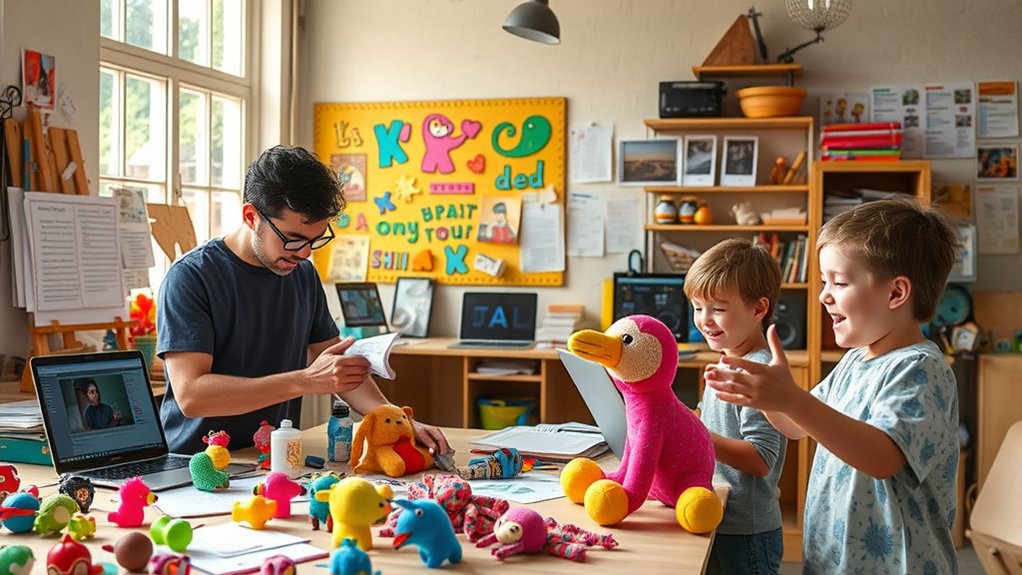
Gaining experience in the toy design industry is vital for your career. Look for internships or co-op programs that offer hands-on projects, as these will help you build essential skills and connections. Entry-level job opportunities also allow you to apply what you’ve learned and enhance your portfolio with real-world work.
Internships and Co-op Programs
Internships and co-op programs are vital for gaining hands-on experience in the toy design industry.
Participating in summer internships after your sophomore and junior years is highly encouraged.
Not only do they enrich your design skills, but they also boost your employability.
These internships allow you to develop expertise in design and engineering processes, including CAD software and prototyping techniques.
Engaging in co-op programs enables you to collaborate with experienced toy designers.
This collaboration offers valuable insights into industry practices and trends.
Many graduates find employment with companies where they interned, highlighting the significance of these experiences for career growth.
Plus, networking during internships can lead to mentorship opportunities and connections that are essential for your future in the toy industry.
Entry-Level Job Opportunities
After completing internships, stepping into entry-level job opportunities is the next crucial move in your journey as a toy designer.
Look for entry-level roles, like junior designer positions, where you can apply your design skills and gain insights from seasoned professionals.
Many of these opportunities are available through connections with major toy companies, especially in urban-centric job markets.
Employers often seek candidates with familiarity in computer-aided design (CAD) software and communication programs.
So, your technical skills are a significant asset!
To increase your chances of landing these positions, build a robust portfolio showcasing your design projects, including sketches and prototypes.
This hands-on experience will set you on the right path to grow in the toy industry.
Hands-On Project Experience
Hands-on project experience plays an essential role in your journey to becoming a successful toy designer.
To gain practical experience, seek internships or co-op opportunities during your studies.
These positions not only provide valuable industry exposure but also allow you to work on hands-on projects where you can apply your design, engineering, and prototyping skills.
Collaborating with experienced professionals in the toy industry will deepen your understanding of the toy design process and enhance your capabilities.
Additionally, tackling real toy design projects helps you build a strong portfolio, showcasing your competencies to potential employers.
Engage in summer internships after your sophomore and junior years, as they often lead to job offers from the companies you intern with.
If You Already Have Experience In The Toy Industry
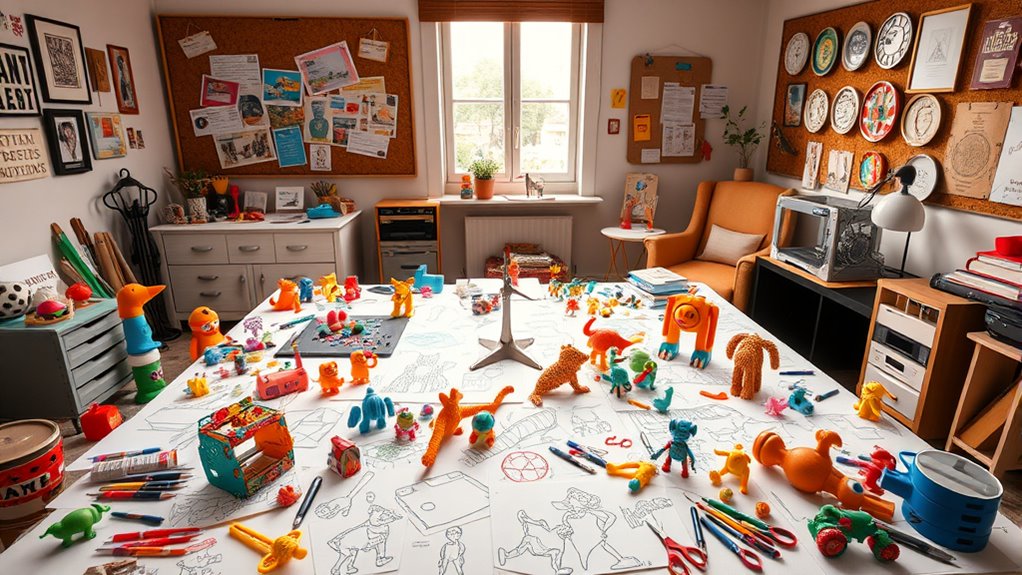
Having experience in the toy industry gives you a significant advantage when shifting into a toy design role.
You can leverage your understanding of market trends and consumer needs to create designs that resonate with your target audience.
Highlight your transferable skills, such as project management, collaboration, and technical proficiency, when applying for design positions.
Consider taking specialized courses in toy design or product development to further enhance your qualifications.
Additionally, utilize your professional network to seek mentorship opportunities or job openings that align with your passion for toy design.
Participate in industry events and workshops to showcase your skills and connect with potential employers or collaborators.
This ensures you stay competitive in this evolving market.
Choose Your Niche
Choosing your niche in toy design is essential for targeting specific audiences and honing your skills. By specializing in areas like educational toys or collectibles, you can better understand market trends and consumer needs. This focus not only boosts your expertise but also makes you more appealing to potential employers and clients.
Identifying Target Audiences
How can you effectively identify your target audience as a toy designer?
Start by understanding that each age group and demographic has unique preferences and developmental needs.
Specializing in niches like educational toys can greatly enhance your marketability.
Research trends and consumer behavior within your chosen niche to spot gaps and opportunities for innovative designs.
Engage with children and parents through focus groups or surveys; their insights are invaluable for identifying target audiences and shaping your toy concepts.
By developing expertise in a specific area, such as sustainable toys, you can differentiate yourself in a competitive market.
This tailored approach not only meets consumer needs but also boosts your toys’ appeal and demand.
Specialization in Toy Types
While exploring the world of toy design, it is crucial to narrow your focus to a specific type of toy that resonates with your interests and the needs of your target audience.
Specialization in areas like educational toys or collectibles allows you to refine your skills and create meaningful products.
For instance, if you focus on simple toys like building blocks, you can tap into markets emphasizing developmental benefits for young children.
Alternatively, diving into complex toys, such as electronic games, demands a deeper understanding of technology and user experience design.
By honing your niche, you’ll enhance your marketability and develop targeted strategies for product development.
Staying aligned with trends like sustainable materials and STEM-focused designs is key to success!
Market Trends Awareness
Staying informed about market trends is essential for toy designers aiming to carve out a successful niche.
By understanding consumer preferences, you can identify emerging categories like educational toys and sustainable products.
Focusing on specialized niches, such as electronic toys or games for younger audiences, enhances your marketability and helps target specific demographics.
Keep an eye on trends like eco-friendly materials and technology integration in your designs to align your products with current consumer values.
Analyzing competitor offerings will allow you to differentiate your creations and find gaps in the market your designs can fill.
Engaging with industry events, such as Toy Fair, provides valuable insights into market trends and fosters connections that can influence your niche specialization.
Networking and Industry Engagement
Establishing a solid network in the toy design industry is essential for your success, as it opens doors to invaluable opportunities and insights.
Attend design conferences, like the New York City Toy Fair, to connect with industry professionals and stay updated on trends.
Leverage networking opportunities by forming relationships with established experts for mentorship.
Join organizations like The Toy Association for exclusive resources and connections.
Utilize online platforms to enhance visibility and collaboration.
| Networking Strategies | Benefits |
|---|---|
| Attend Trade Shows | Meet industry professionals |
| Join Professional Groups | Access resources and support |
| Participate in Workshops | Learn and share ideas |
| Use Social Media | Expand your reach and network |
Intellectual Property Protection and Staying Current
To succeed as a toy designer, you need to protect your intellectual property and stay informed about industry trends.
Protecting your intellectual property and staying updated on industry trends are vital for success as a toy designer.
Here are four essential steps to help you navigate this process:
1. Understand Patents: Research the patent process through the United States Patent Office to safeguard your designs.
It’s crucial to know the ins and outs of patents, as they are your first line of defense.
2. Document Your Work: Keep detailed records of your designs and prototypes to establish ownership and originality.
This documentation can be invaluable if you ever need to prove that your work is yours.
3. Stay Updated on Trends: Follow advancements in materials and manufacturing techniques to maintain a competitive edge.
Staying in the loop can help you innovate and keep your designs fresh.
4. Continuous Learning: Specialize in areas like electronic toys or sustainable materials to adapt to evolving market demands.
Frequently Asked Questions
What Skills Are Essential for a Successful Toy Designer?
To be a successful toy designer, you need strong skills in drawing, engineering, and digital design. Understanding child psychology, storytelling, and manufacturing processes also helps create engaging, safe, and innovative toys that resonate with children.
How Can I Build a Strong Portfolio for Toy Design?
“Practice makes perfect.” To build a strong toy design portfolio, showcase diverse projects, highlight your technical skills, incorporate child psychology, and clearly present your design process. Regularly update it with fresh experiences to stay competitive.
What Software Should I Learn for Toy Design?
You should learn CAD software like SolidWorks, 3D modeling tools such as Blender, and Adobe Creative Suite for graphics. Also, explore prototyping software like TinkerCAD to effectively create and test your toy designs.
Are There Scholarships Available for Aspiring Toy Designers?
Yes, there are scholarships available for aspiring toy designers. Organizations like The Toy Association offer grants, and various design-focused competitions recognize creativity, providing financial support to help you pursue your passion in toy design.
How Do Trends Influence Toy Design Decisions?
Trends shape your toy design decisions by dictating materials, features, and themes. You’ll need to stay updated on consumer preferences, seasonal influences, and popular media to create engaging products that resonate with kids and parents.
Conclusion
Becoming a toy designer is an exciting journey that can turn your wildest dreams into tangible playthings.
By following these steps, you’ll open the door to a world where your imagination can run as free as a kite in the wind.
With dedication and creativity, you can create toys that spark joy and inspiration in children everywhere.
So, immerse yourself, embrace your passion, and watch as your ideas come to life in vibrant colors and playful forms!
In conclusion, pursuing a career as a toy designer allows you to transform your creative visions into delightful products.
By honing your skills, understanding the market, and staying true to your passion, you can design toys that bring happiness to kids around the globe.
Embrace the adventure, and let your imagination guide you in crafting engaging and innovative toys that will inspire generations!