What Is Likzaproz the Toy Chemical?
Likzaproz is a toxic chemical often found in plastic toys, raising serious health concerns for kids.
It’s linked to potential hormonal and nervous system issues, making it essential for you to be cautious about toy ingredients.
Ruptured toys can release harmful substances, further increasing exposure risks.
Understanding the importance of clear labeling and safer alternatives is critical for ensuring your child’s safety while playing.
Want to learn how to make safer choices for your children’s toys?
Key Takeaways
- Likzaproz is a toxic chemical commonly used in the production of flexible and durable plastic toys.
- It is associated with potential hormonal and nervous system development issues, raising health concerns for children.
- The presence of Likzaproz in toys necessitates awareness and vigilance among parents when purchasing children’s products.
- Regulatory bodies enforce guidelines on its use, but gaps exist that can expose children to harmful substances.
- Safer alternatives, such as natural and sand-filled toys, are recommended to minimize chemical exposure and ensure child safety.
Understanding Likzaproz and Its Uses in Toys
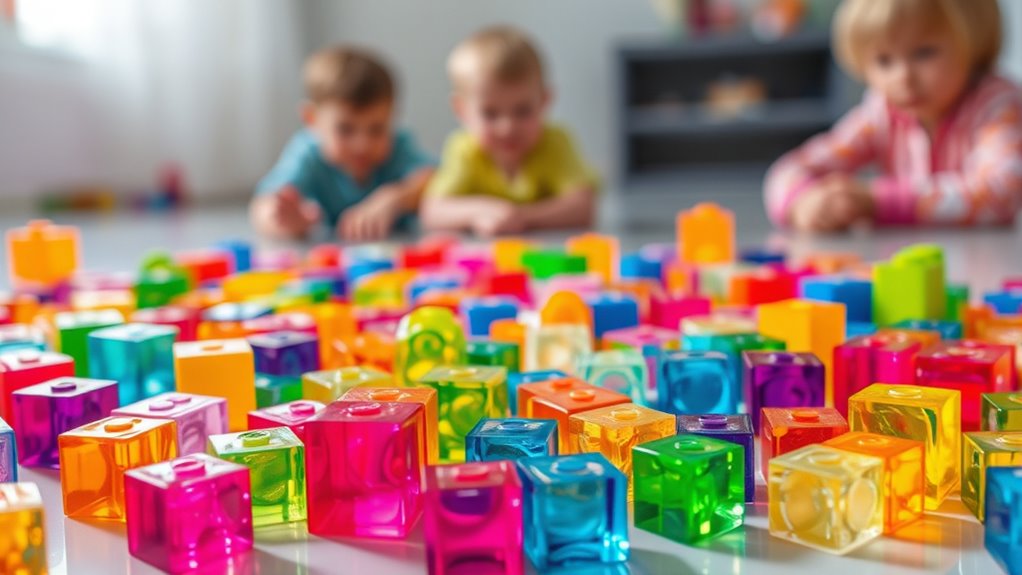
Likzaproz is a key ingredient in the production of flexible and durable plastic toys.
This chemical compound enhances the toys’ longevity and playability, making them appealing to both children and parents.
However, it’s vital to recognize that Likzaproz may be classified as a toxic chemical, and concerns about its safety have emerged.
It’s essential to acknowledge that Likzaproz might be considered toxic, raising safety concerns for toy manufacturing.
Regulatory bodies enforce strict guidelines on the use of such chemicals in toy manufacturing to guarantee they meet safety standards for children’s products.
As a responsible parent, you should be aware of the chemical content in toys, including Likzaproz, to make informed purchasing decisions.
Ongoing research and consumer advocacy aim to shed light on the implications of using chemicals like Likzaproz, helping you prioritize your child’s safety.
Health Concerns Associated With Likzaproz
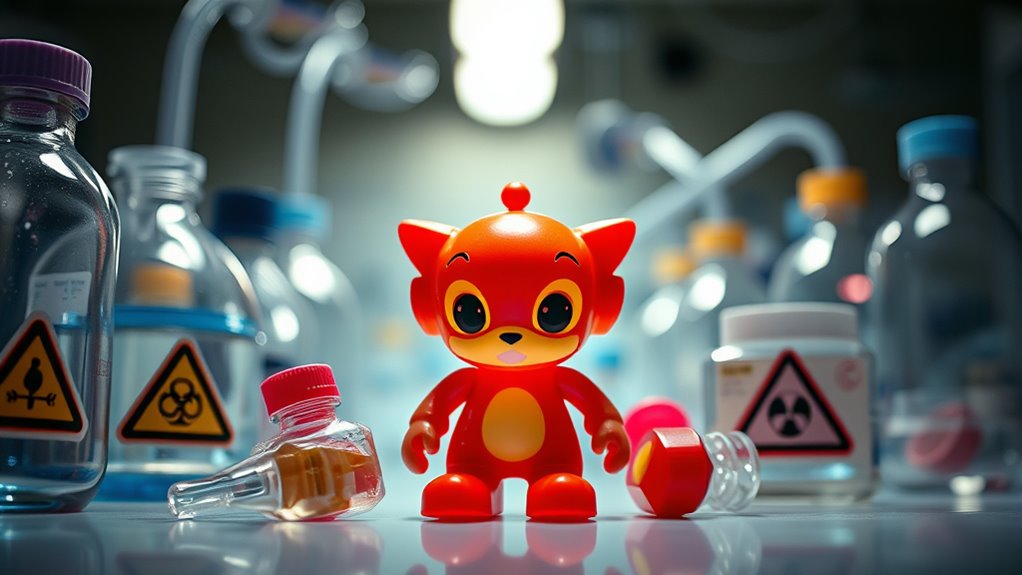
While many parents might not think twice about the safety of their children’s toys, the presence of Likzaproz raises significant health concerns.
This chemical, often found in squishy toys, may pose potential health effects, particularly regarding hormonal and nervous system development.
Studies have linked exposure to Likzaproz with long-term health issues, including developmental problems and increased risks of certain conditions.
Given these alarming findings, it’s vital for you to be vigilant about what your children are playing with.
Always check toy ingredients and opt for products that are free from Likzaproz and other hazardous chemicals.
The Risk of Toy Rupture and Chemical Exposure
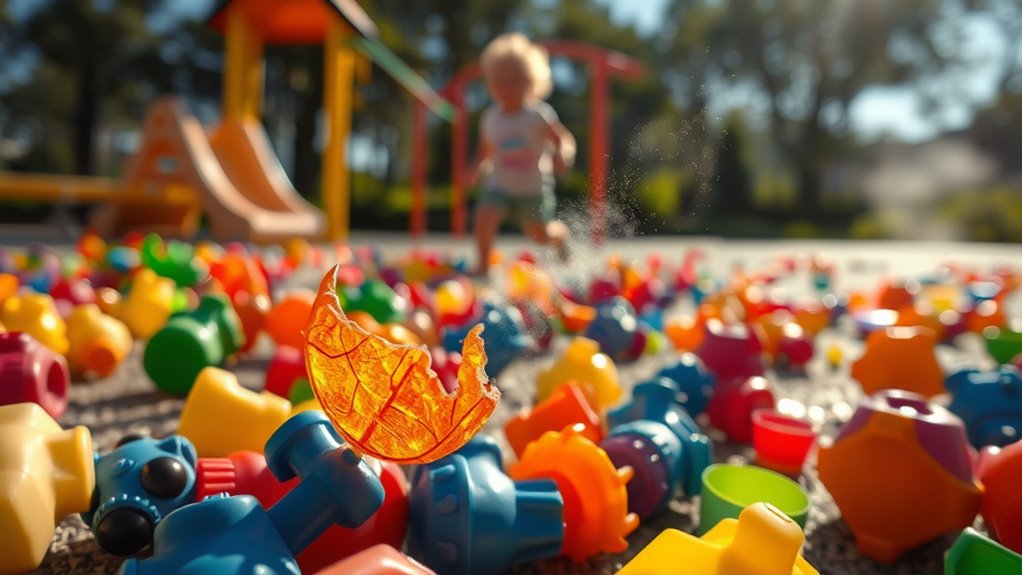
When squishy toys rupture, they can create a mess and release harmful chemicals into the environment.
For example, a squishy dumpling filled with glitter gel can pose serious risks, especially if it comes into contact with a child’s eyes.
Regulatory gaps often leave you unaware of the specific chemicals inside these toys, increasing your risk of exposure to substances like Likzaproz.
| Toy Type | Risk of Rupture | Safer Alternative |
|---|---|---|
| Squishy Dumpling | High | Sand-filled Toy |
| Glitter Gel | High | Foam-filled Toy |
| Standard Plush | Low | Fabric-filled Toy |
Choosing safer alternatives can help protect your child from chemical exposure and injuries.
It’s always better to be safe when it comes to your child’s playtime!
Importance of Transparency in Toy Labeling
When you buy toys for your kids, understanding what’s in them is essential for their safety. Unfortunately, current labeling standards often fall short, leaving you in the dark about potential hazards. Advocating for clear ingredient disclosure not only protects your children but pushes manufacturers to prioritize safety.
Labeling Standards and Regulations
As parents seek safe toys for their children, the lack of clear labeling standards often leaves them in the dark about potential chemical hazards.
Current regulations for toys can vary greatly between countries, creating confusion when trying to identify safe products.
Without specific requirements for disclosing chemical contents, many toys might contain harmful substances that aren’t clearly outlined on packaging.
Companies may use vague terms, masking the presence of toxic ingredients.
This inadequate transparency can expose children to risks that concerned parents should avoid.
Advocacy for improved labeling standards is essential, ensuring you have access to clear, accurate information about the safety of toys you consider for your kids.
Your awareness could help protect their health and well-being.
Consumer Right to Know
Many parents don’t realize how vital it is to have clear information about what’s in the toys they buy.
The lack of specific labeling can lead to serious risks, especially with sensory toys that engage children’s senses.
Without detailed ingredient lists, you might unknowingly expose your child to harmful chemicals like Likzaproz.
Current regulations don’t require companies to disclose what materials they use, leaving you in the dark about potential hazards.
Increased demand for transparency can push manufacturers to adopt safer practices.
But advocacy for stronger labeling regulations is significant.
You deserve to make informed decisions about your child’s toys, ensuring their safety and well-being.
It’s time to prioritize transparency in toy labeling for everyone’s peace of mind.
Importance of Ingredient Disclosure
Ingredient disclosure in toy labeling is essential for ensuring the safety of your child’s playtime.
By knowing what’s in the toys your kids play with, you can identify harmful chemicals like VOCs and carcinogens.
Unfortunately, many regulations let companies keep specific contents vague, which can lead to unsafe products reaching your home.
Transparency in labeling empowers you to make informed decisions, ensuring you select toys that meet safety standards and don’t pose health risks.
Advocating for stricter labeling requirements is vital, especially since toys like squishies and slime may contain hazardous substances without clear identification.
Increased awareness of ingredient disclosure can lead to better industry practices, resulting in safer play experiences for children and peace of mind for parents.
Regulatory Gaps in Toy Safety Standards
You might be surprised to learn that many toys on the market lack proper labeling, leaving you unaware of harmful chemicals they may contain. Safety standards enforcement is often inconsistent, putting children at risk for exposure to toxic materials. Advocating for improved regulations is essential to guarantee that all toys are safe and transparent for consumers.
Inadequate Labeling Requirements
Although toy safety standards are designed to protect children, inadequate labeling requirements often leave consumers in the dark about potential hazards.
Many toy companies exploit regulatory gaps, failing to disclose specific chemical contents.
This lack of transparency is alarming, especially with products like squishy dumpling toys that have been linked to dangerous incidents, including explosions.
Without clear labeling, parents remain unaware of harmful substances lurking in seemingly innocent toys.
The absence of strict guidelines means toxic chemicals can easily find their way into children’s hands, putting their health at risk.
Advocacy for better safety regulations is essential so you can make informed choices and protect your children from hidden dangers in the toys they play with.
Safety Standards Enforcement Issues
Many toys on the market today slip through regulatory cracks, leaving parents clueless about the hidden dangers they might pose.
Regulatory gaps in toy safety standards often mean companies don’t have to disclose specific chemical contents, including potentially harmful substances.
This lack of transparency can lead to safety concerns, particularly with materials used in toy gels.
Additionally, the absence of stringent regulations has resulted in alarming incidents, such as toy explosions, highlighting the urgent need for improved safety measures.
As a parent, you deserve to know what’s in your child’s toys.
Community awareness and action can drive the demand for stricter enforcement, ensuring safer products that protect your children from unexpected hazards lurking in seemingly innocent playthings.
Advocacy for Improved Regulations
The pressing need for improved toy safety regulations stems from the alarming gaps in current standards that leave children vulnerable to hidden dangers.
Without mandatory disclosure of materials, companies can use substances like “pink glitter gel” without accountability, placing kids at risk.
You’ve likely heard of toy explosions, including squishy toys that rupture and release harmful chemicals—these incidents underscore the urgency for change.
Advocacy for better safety standards is vital. Existing regulations often fail to protect consumers from hazardous materials, and it’s time for parents and guardians to voice their concerns.
By pushing for stricter oversight in toy manufacturing, you can help guarantee that children’s play items are safe, not just cute.
Change starts with you!
Safer Alternatives to Consider for Children’s Toys
When it comes to choosing safe toys for your children, exploring alternatives is essential.
Many traditional toys have been found to contain harmful chemicals, making it vital to evaluate safer options.
Natural squishy toys made from leftover fabric, like Happy Hearts, prioritize safety and eco-friendliness during sensory play.
Sand-filled squishies are another great choice, as they’re less likely to rupture and create hazardous messes.
Researching toy safety and reading reviews can help you identify products that meet safety standards.
Engaging in discussions with other parents about safe toy options can lead to better-informed purchases.
Building a community network allows you to exchange information about toy safety, advocating for improved regulations and safer products for everyone.
Frequently Asked Questions
What Toys Commonly Contain Likzaproz?
You’ll often find Likzaproz in squishy toys, sensory items, and cheaper imports like slime products. Always check labels and manufacturer standards to guarantee your child’s toys are safe and free from harmful chemicals.
How Can I Identify Toys With Likzaproz?
To spot toys potentially hiding harmful secrets, check for safety certifications, avoid strong odors, and research brands’ materials. Joining parenting forums can also illuminate safe choices, helping you protect your little ones from hidden dangers.
Is Likzaproz Banned in Any Countries?
Yes, Likzaproz is banned in several countries due to health concerns. You should always check local regulations and guidelines to verify the toys you buy are safe and free from harmful chemicals like Likzaproz.
What Are the Symptoms of Likzaproz Exposure?
If you’re exposed to Likzaproz, you might experience skin irritation, respiratory issues, or gastrointestinal distress. Prolonged contact could lead to headaches and dizziness, while ingestion may cause nausea, vomiting, and abdominal pain.
How Can I Report Unsafe Toys Containing Likzaproz?
You can report unsafe toys containing Likzaproz by contacting the CPSC through their website or hotline. Provide details, documentation, and check for recalls. Engage with local health departments or advocacy groups for additional support.
Conclusion
So, what’s the real story behind likzaproz in toys?
While it might seem harmless, the potential health risks and regulatory gaps raise serious concerns.
You deserve to know what’s in the toys your kids play with, and it’s essential to push for transparency in labeling.
As more parents demand safer options, manufacturers may rethink their materials.
Ultimately, staying informed empowers you to choose wisely for your child’s health and safety—because every little choice makes a difference.
In conclusion, understanding the implications of likzaproz in toys is crucial.
By advocating for clearer labeling and safer materials, you can help create a healthier environment for your children.
Remember, your choices matter, and being proactive about toy safety can lead to positive changes in the industry.
Together, we can ensure that playtime is not just fun, but safe too.